Granbaita Gourmet occupies a particular position in the Val Gardena dining scene: a gourmet address in Selva where the raw materials of the Dolomites, alpine pastures, mountain herbs, local producers, form the editorial logic of the kitchen. It sits within a tradition of South Tyrolean mountain cooking that has grown considerably more sophisticated over the past decade, placing it alongside the region's most considered dining options.
 Discover on Pearl
Pearl is the En Primeur Club membership app — saves, bookings, and concierge access live there. Same editors, same standards.
- Address
- S.da Nives, 11, 39048 Selva di Val Gardena BZ, Italy
- Phone
- +39471795210
- Website
- hotelgranbaita.com
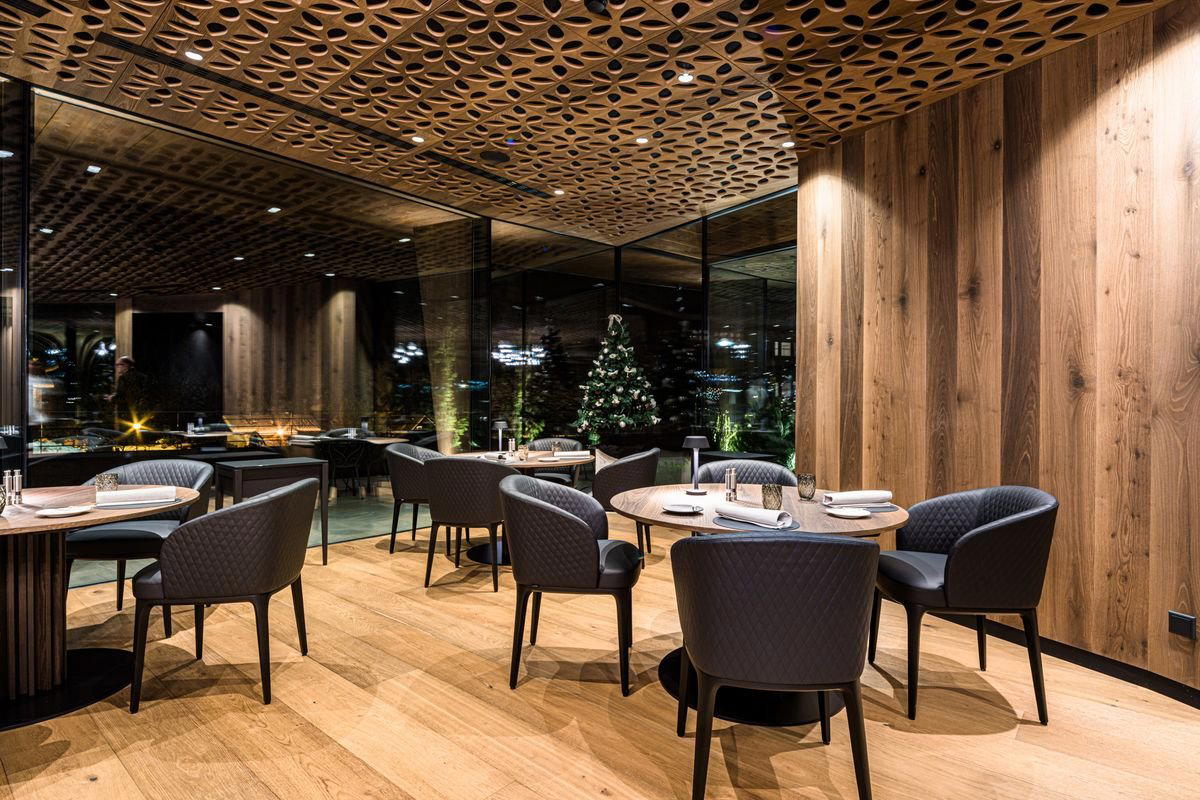
Where the Dolomites Set the Menu
Granbaita Gourmet is a restaurant in Selva di Val Gardena, Italy, with a 4.8 Google rating and a price tier of 4. Arrive in Selva di Val Gardena in winter and the geography makes its terms clear immediately. The peaks above the village define not just the view but, in the kitchens that take the region seriously, the entire supply chain. South Tyrol's mountain dining has undergone a quiet but sustained shift over the past fifteen years: a handful of gourmet addresses have moved beyond the expected Tyrolean standards, speck, canederli, venison in heavy reduction, toward something more rigorous, where provenance and altitude become the organising principle of a meal. Granbaita Gourmet, located on S.da Nives in Selva, sits within that current.
The broader context matters here. South Tyrol now holds more Michelin stars per capita than almost any region in Italy, with addresses like Atelier Moessmer Norbert Niederkofler in Brunico setting an agenda rooted in mountain-sourced, seasonal cooking that has influenced kitchens across the arc of the Alps. That context raises the bar for what a gourmet restaurant in a ski village is expected to deliver. The answer, increasingly, is specificity: not alpine food as a genre, but alpine food as a precise record of what grows, grazes, and ferments at this elevation, in this valley, at this moment in the year.
Ingredient Logic at Altitude
The ingredient story in Val Gardena is inseparable from the physical environment. The valley sits at roughly 1,600 metres, and the combination of altitude, south-facing meadows, and a short but intense growing season produces dairy, herbs, and foraged material that carry a measurable difference from lowland equivalents. Mountain cheeses aged in cellars within the valley, wild mushrooms gathered from the tree line, and lamb and beef raised on high-altitude pasture are not marketing language here, they are logistical facts that kitchens either engage with or ignore. The restaurants in the region that engage with that sourcing logic tend to be the ones that build lasting reputations.
That sourcing logic connects Selva's better kitchens to a broader Italian gourmet conversation. Italy's leading tables, from Osteria Francescana in Modena to Piazza Duomo in Alba, have made regional ingredient specificity a defining credibility signal. At the coastal end of the spectrum, places like Uliassi in Senigallia and Quattro Passi in Marina del Cantone do the same for Adriatic and Tyrrhenian materials. The mountain version of that argument is harder to make flashy, but it is no less valid.
Selva's Dining Tier and Where Gourmet Addresses Sit
Selva is not a large town. Its restaurant scene splits fairly cleanly between casual mountain dining, huts, pizzerias, and traditional Stuben serving the ski crowd, and a thinner tier of more considered addresses that pitch to visitors staying longer or spending more deliberately. Within that second tier, Granbaita Gourmet holds a position as one of the village's gourmet options, a category that in a resort context means a kitchen working at a different level of technical ambition than the mountain hut above the chairlift.
For comparison within Selva itself, Miceli operates in the traditional cuisine register at the €€ tier, while Ca Na Toneta and Comici Hütte occupy different parts of the local offer. Granbaita Gourmet's positioning suggests an address for a deliberate dinner rather than a casual après-ski stop.
The wider Italian gourmet circuit that forms the peer context for this kind of ambition includes places like Le Calandre in Rubano, Dal Pescatore in Runate, Reale in Castel di Sangro, and Casa Perbellini 12 Apostoli in Verona, each anchored to a specific geography and ingredient set. The Dolomites have the raw material to support that kind of argument. The question for any individual address is how consistently it makes the case.
The Mountain Gourmet Format and What It Demands
Gourmet restaurants in ski destinations face a structural challenge that their urban counterparts do not. The clientele is transient, the season is compressed, primarily December through March, with a summer hiking season that brings a different but overlapping audience, and the competition for attention sits alongside some of the most dramatic scenery in Europe. What works in this context is often format clarity: a kitchen that knows exactly what it is doing and for whom, without trying to absorb the casual skier, the destination diner, and the hotel guest all at once.
The addresses in the Italian mountain gourmet tier that have sustained recognition tend to have that clarity. They also tend to have wine programs with genuine depth in northern Italian bottles, Alto Adige whites, in particular, have a claim on serious food pairings in this region that few other Italian wine zones can match at this altitude. The pairing of a Kerner or Gewürztraminer from a valley producer with mountain dairy or cured fish from local sources is one of the more coherent regional food-and-wine arguments in the country.
For reference points outside Italy entirely, the technical ambition of mountain-context fine dining in this tier connects to a global conversation about what serious cooking looks like when it is not in a major metropolitan centre, a conversation that includes places as far apart as Le Bernardin in New York City and Atomix in New York City at the apex, and regional fine dining addresses in Italy like Enoteca Pinchiorri in Florence, Enrico Bartolini in Milan, and Da Vittorio in Brusaporto as markers of what the Italian gourmet tier looks like at its most developed.
Planning a Visit
Selva di Val Gardena is accessible from Bolzano by road, roughly an hour through the valley. The peak dining season aligns with the ski season, when the village operates at full capacity and gourmet restaurants tend to fill quickly. A summer visit, during the hiking season from June through September, offers the same address at lower volume and with the valley at its greenest. Given the resort context and the gourmet positioning, an advance reservation is the practical approach regardless of season.
Comparable Spots, Quickly
Comparable venues nearby, for context on price, style, and recognition.
| Venue | Cuisine | Price | Awards | Notes |
|---|---|---|---|---|
| Granbaita GourmetThis venue — the venue you are viewing | Modern Italian Fine Dining with Dolomites Influences | $$$$ | , | |
| Comici Hütte | Alpine Seafood Italian | $$$ | , | Selva di Val Gardena |
| SomVita Suites | Alpine & Mediterranean | $$$$ | , | Dorf Tirol |
| Kräuterrestaurant Arcana | Alpine Herb-Forward Contemporary Italian | $$$$ | , | Ahornach, Sand in Taufers |
| Castel Fragsburg | Alpine-Mediterranean Fine Dining | $$$$ | 1 recognition | Fragsburg |
| Fine Dining | Modern South Tyrolean Fine Dining | $$$$ | , | Villandro |
At a Glance
- Elegant
- Sophisticated
- Intimate
- Romantic
- Date Night
- Special Occasion
- Celebration
- Panoramic View
- Hotel Restaurant
- Extensive Wine List
- Sommelier Led
- Local Sourcing
- Mountain
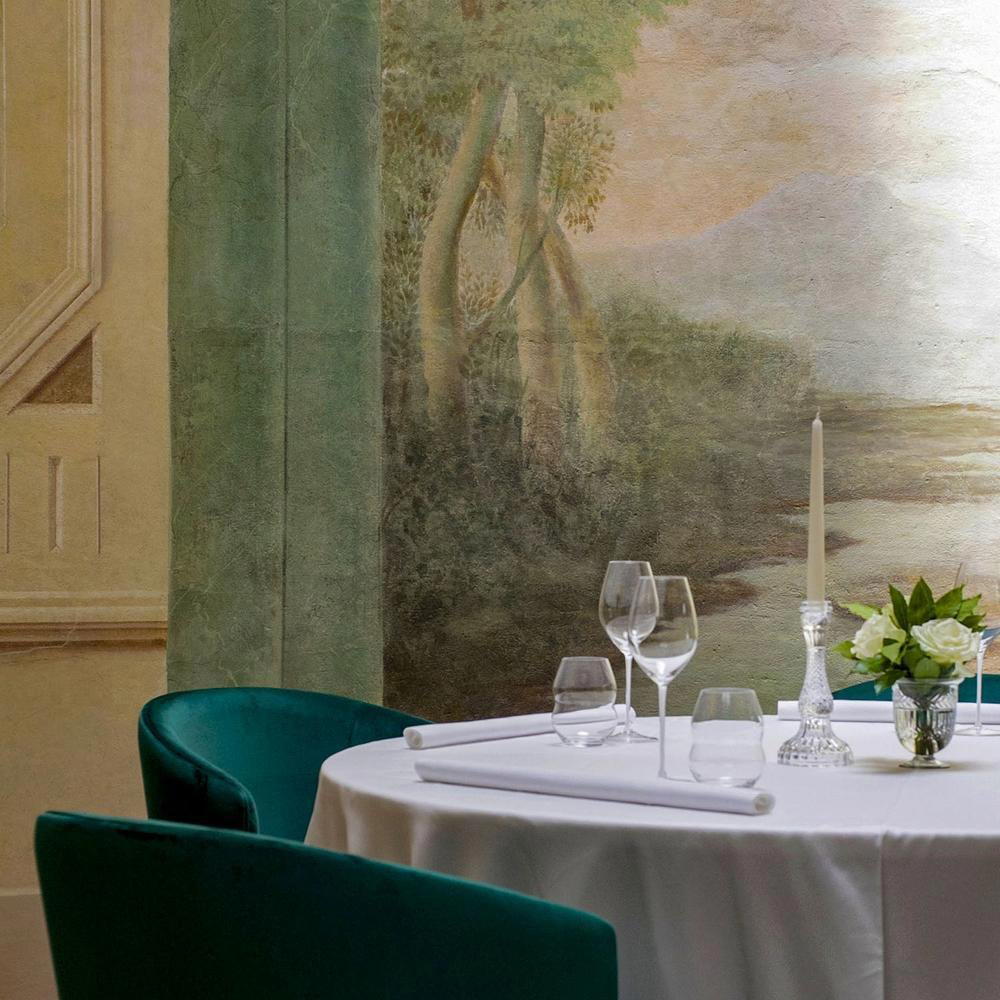
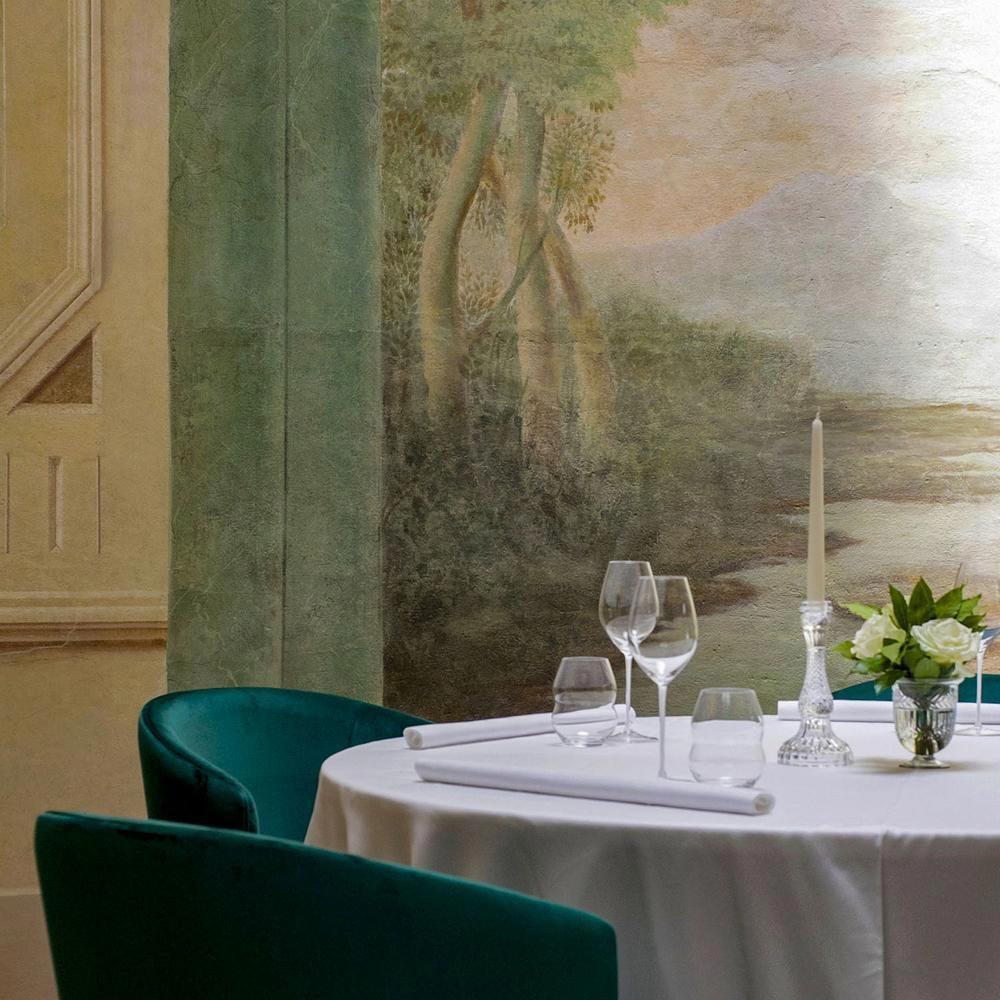
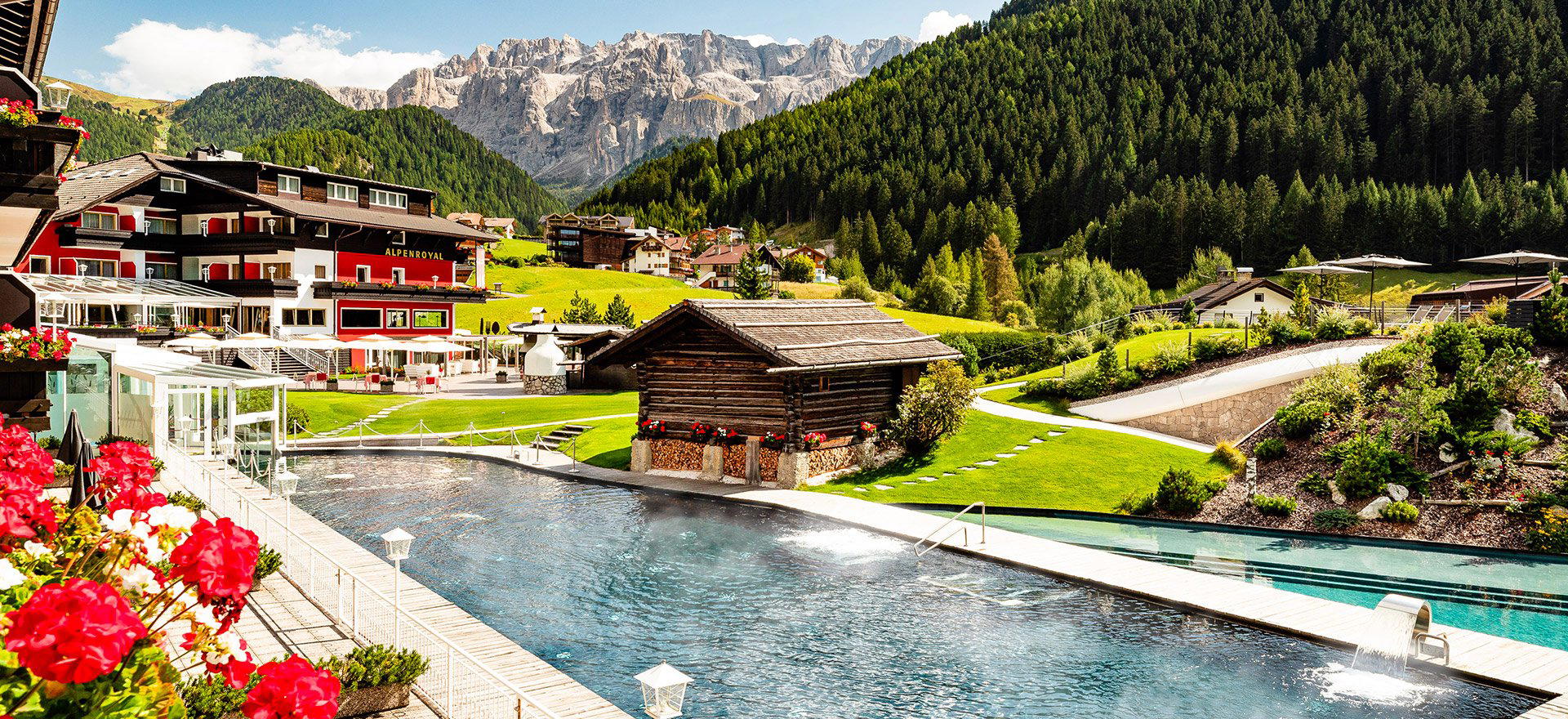
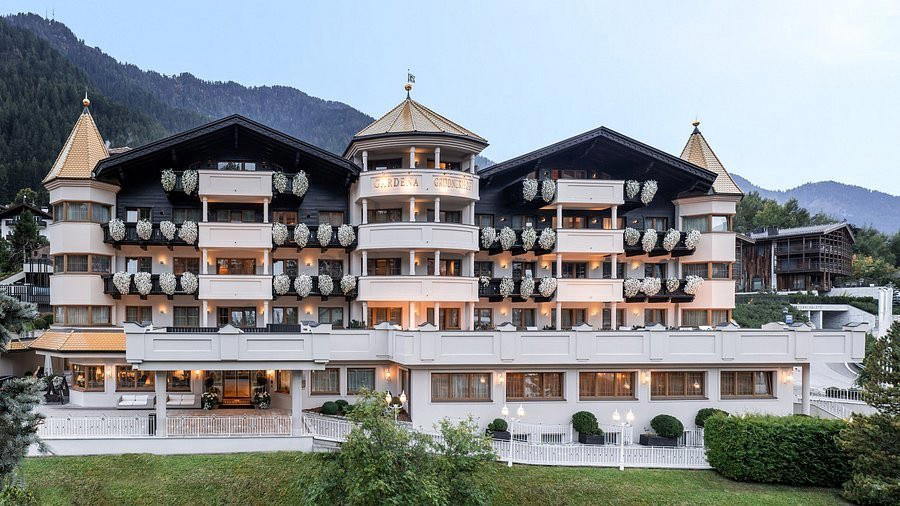
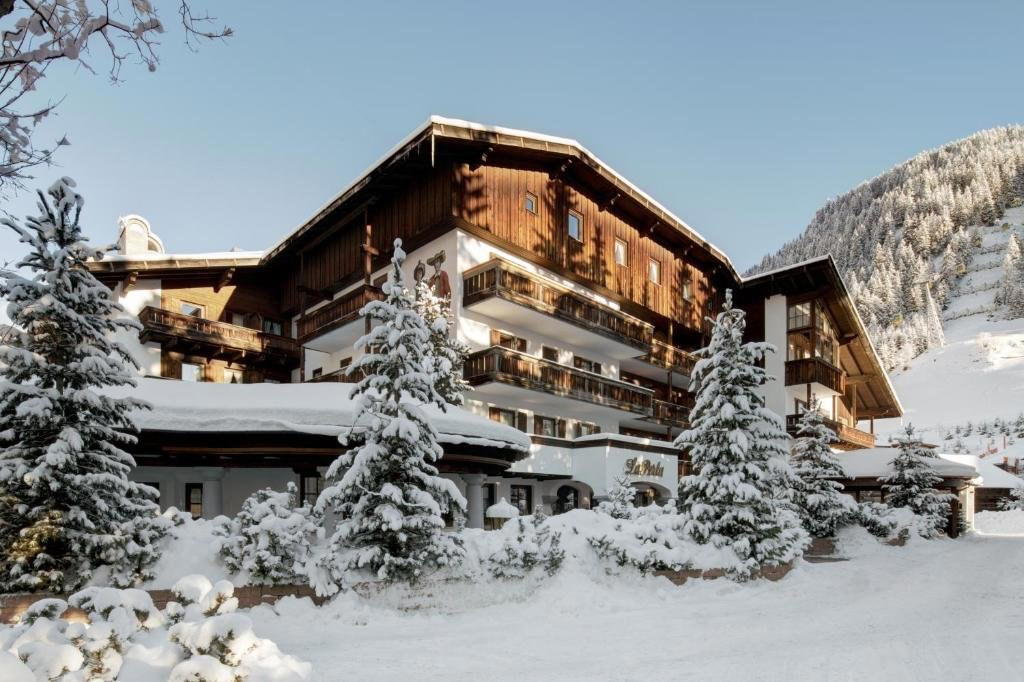
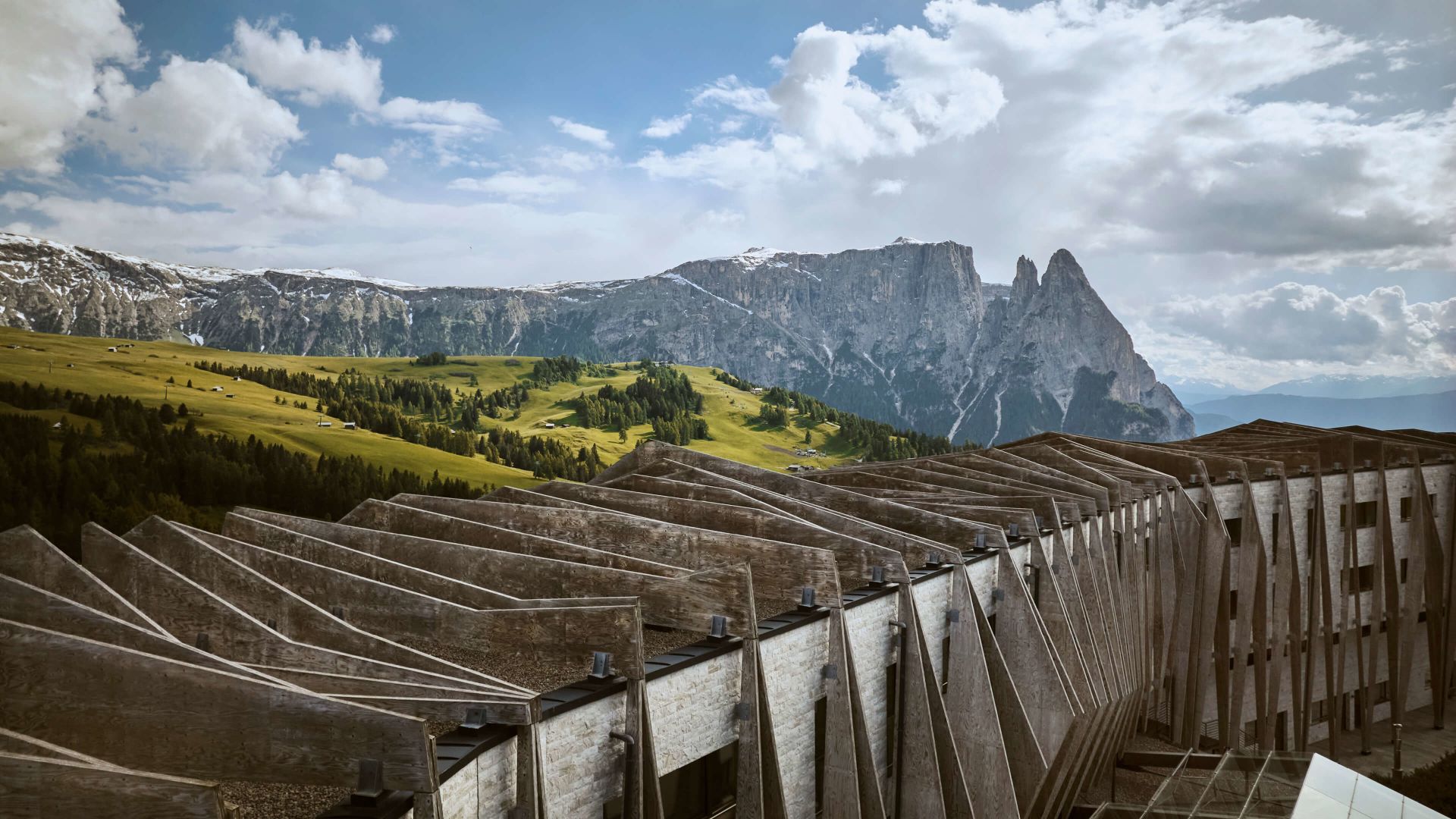
Elegant and refined atmosphere with spacious tables, impeccable service, splendid Dolomite views through large windows, and an intimate setting.