Gooseberries
Our verdict
On Chippewa Street in south St. Louis, Gooseberries occupies a stretch of the city where neighbourhood restaurants do the work that downtown venues get the press for. The address alone signals a certain kind of local seriousness: far enough from the tourist circuit to filter for intent, close enough to the residential blocks that built this city's dining culture from the ground up.

Pearl is the En Primeur Club membership app — saves, bookings, and concierge access live there. Same editors, same standards.
- Address
- 2754 Chippewa St, St. Louis, MO 63118
- Phone
- (314) 577-6363
- Hours
- Mon–Thu ClosedFri–Sat 11 PM–2 AMSun Closed
- Website
- gooseberriesstl.com
- Directions
- Get directions
The menu
What to order
- Bacon wrapped chicken legs
- Hawaiian-inspired three-egg gyro omelet
- BBQ tofu
- Vegan donuts
- Hand pies
- Biscuits and gravy
Chippewa Street and the South Side Dining Logic
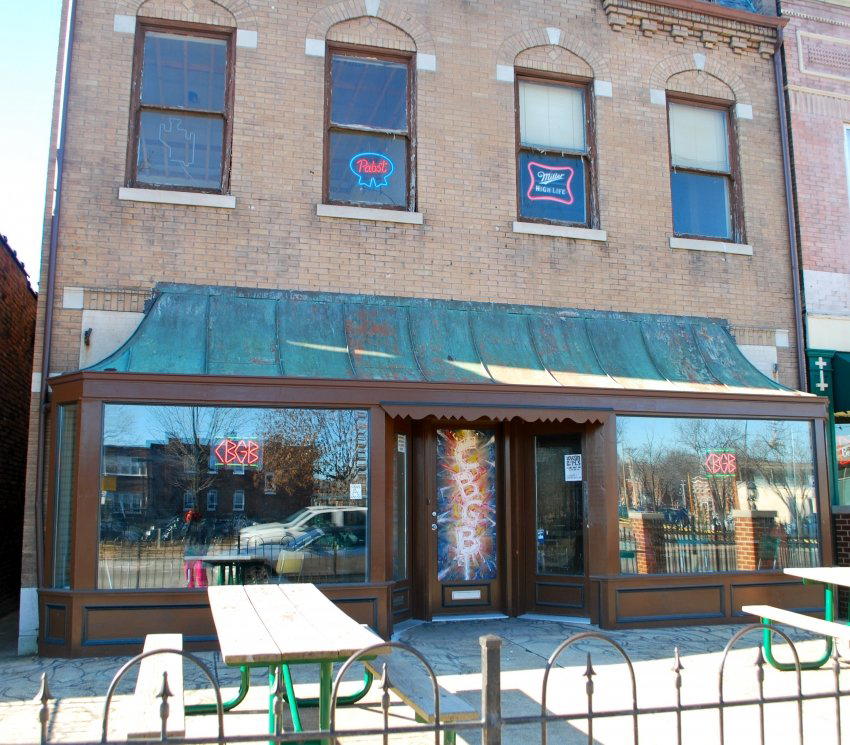
South St. Louis operates on different rules than the central corridor. The restaurants on and around Chippewa Street at 2754 don't compete for convention-centre foot traffic or earn their keep from hotel guests looking for something close. They earn it from the same zip codes, week after week, which means the margin for coasting is thin and the pressure to be genuinely good is structural rather than aspirational. Gooseberries sits inside that logic. The address, 2754 Chippewa St, places it in the 63118 zip code, a south-side pocket that has absorbed successive waves of neighbourhood reinvention without losing its grounded, residential character. Walking toward the entrance, you're moving through a block that reads as working-city rather than designed-district, and that physical context shapes what you expect before you step inside.
This is a meaningful distinction in a city where dining identity has fractured along geographic and demographic lines. The Clayton corridor pulls the expense-account crowd. The Grove and Cherokee Street pull the late-night creative set. South Grand pulls the international and the eclectic. Chippewa pulls the people who live there, and Gooseberries sits among them. For context on the broader scene, our full St Louis restaurants guide maps these corridors in detail.
What the Room Communicates
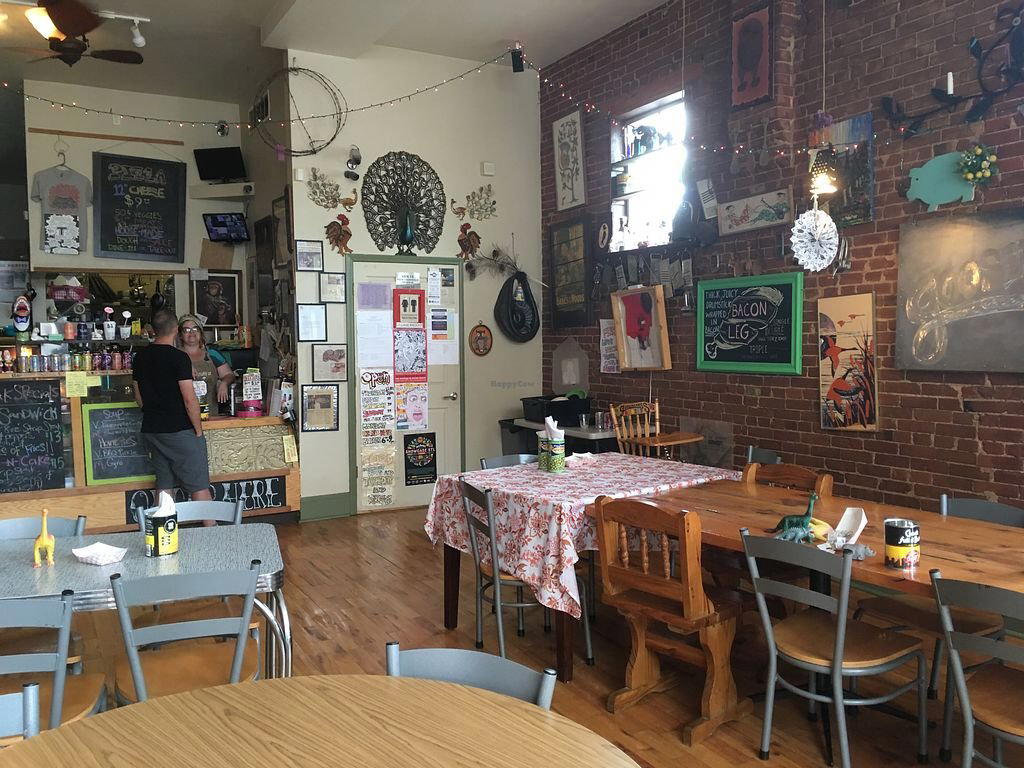
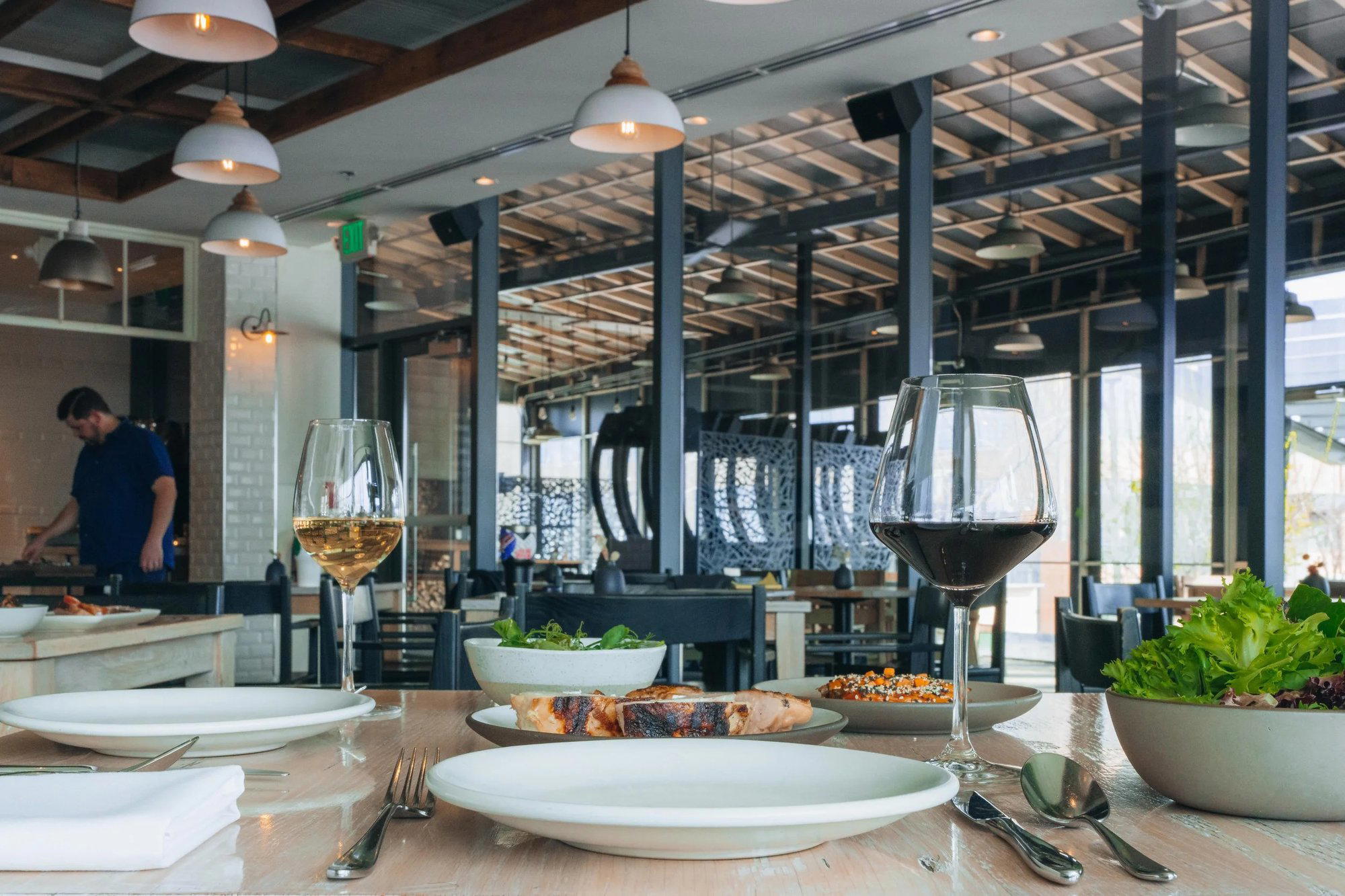
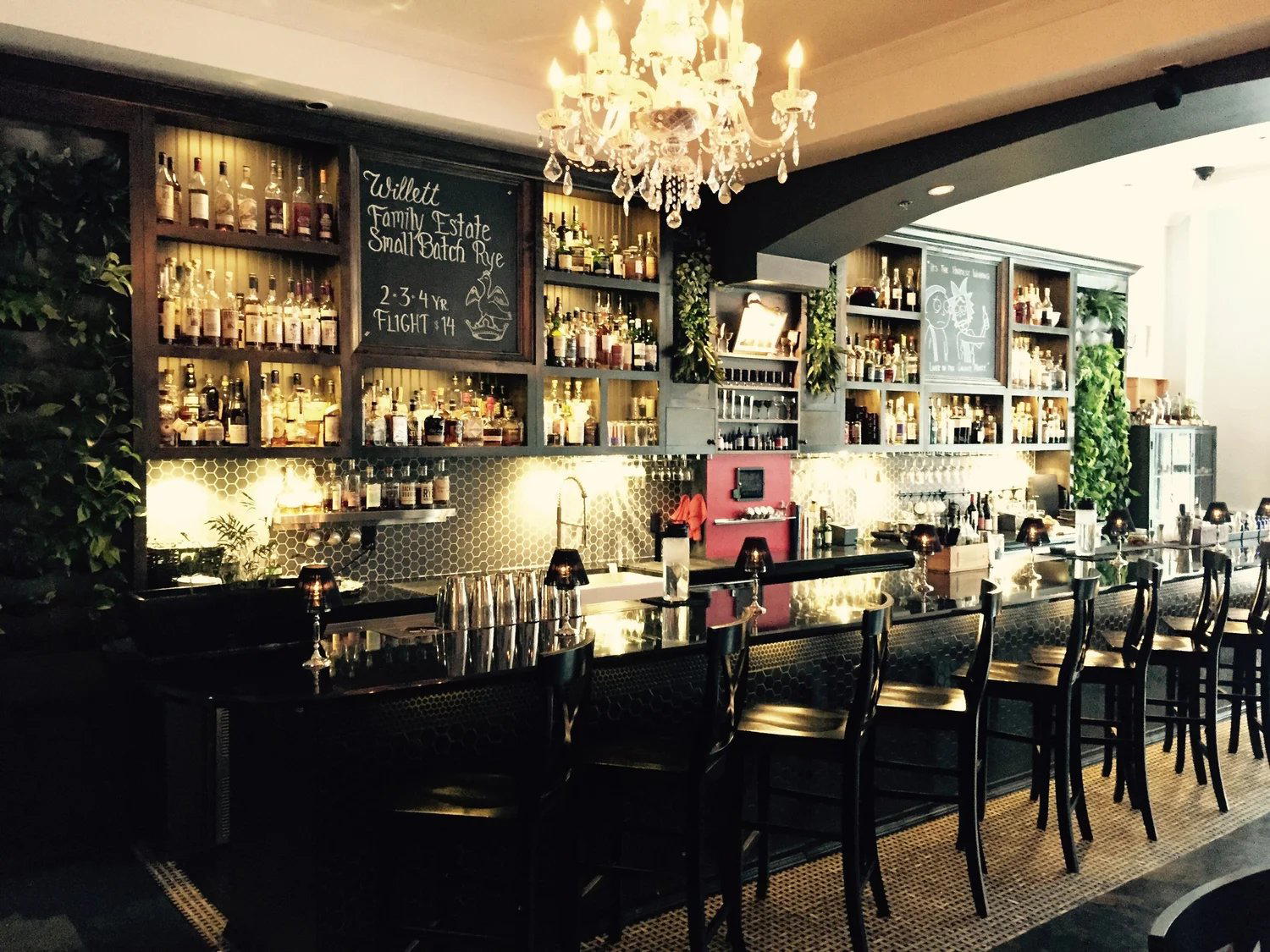
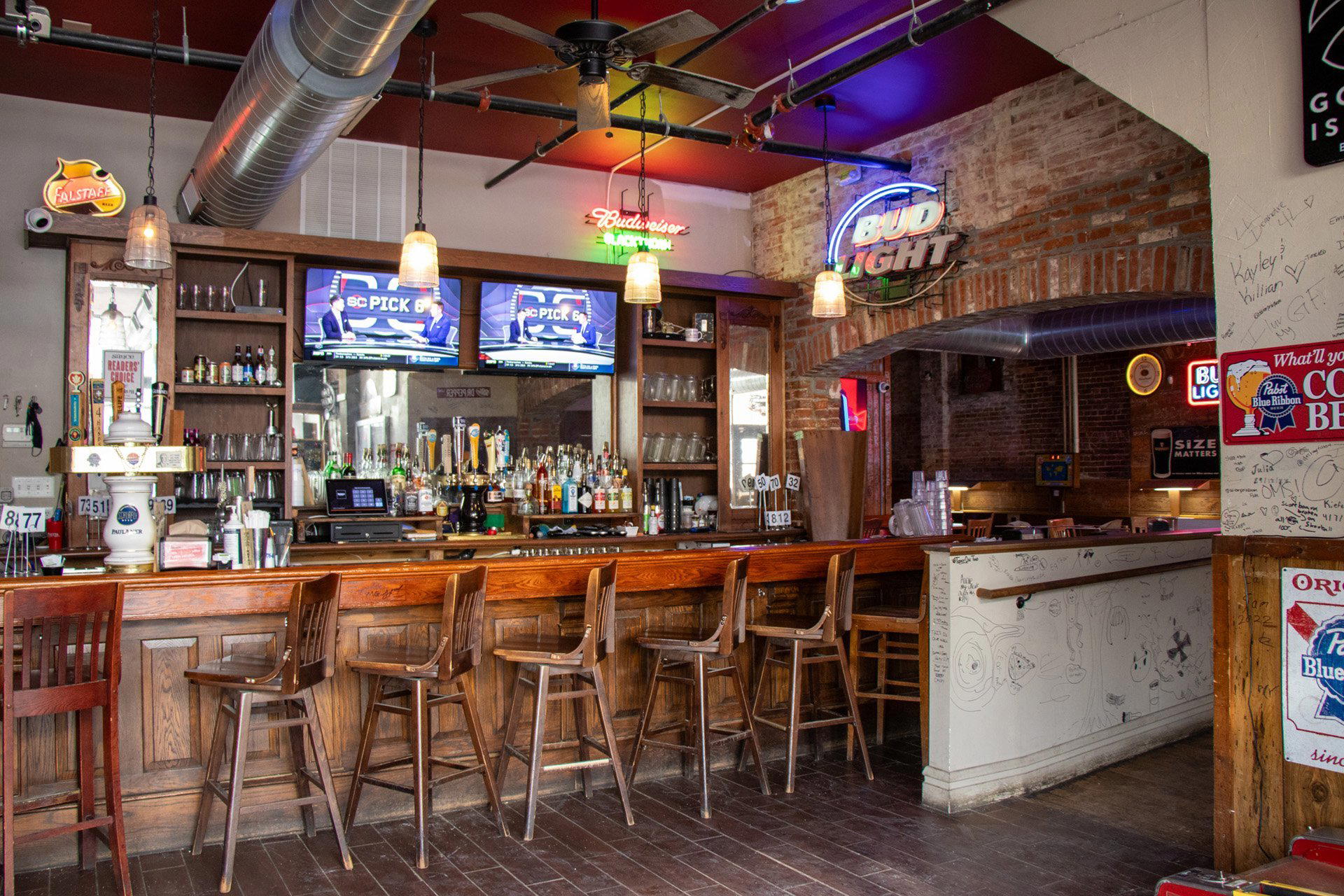
Neighbourhood restaurants in south St. Louis tend to signal their intent through atmosphere before a menu is ever placed on the table. The question worth asking of any room in this tier is whether it feels assembled or accumulated, whether someone put it together for effect or whether it developed incrementally through use. Rooms that feel accumulated tend to produce a different kind of ease in their guests: less performative, more genuinely settled. The physical environment at Gooseberries reads as that second category. The address is not designed for destination-dining theatre, and the surrounding streetscape makes no attempt to condition the visitor into a premium mindset before they arrive. What the room communicates instead is a kind of focused domesticity, the sense that the priorities here are about the food and the table rather than the frame around them.
That atmospheric mode is relatively rare in American dining, where the experience economy has pushed even casual restaurants toward deliberate sensory programming. Compare the approach against what happens at the nationally recognised tier: Le Bernardin in New York City deploys its dining room as a calculated extension of its culinary ambition, and The French Laundry in Napa treats the property itself as part of the meal. Neighbourhood restaurants like Gooseberries operate at a different register entirely, one where atmosphere emerges from use rather than design budget.
St. Louis and the Neighbourhood Restaurant Tradition
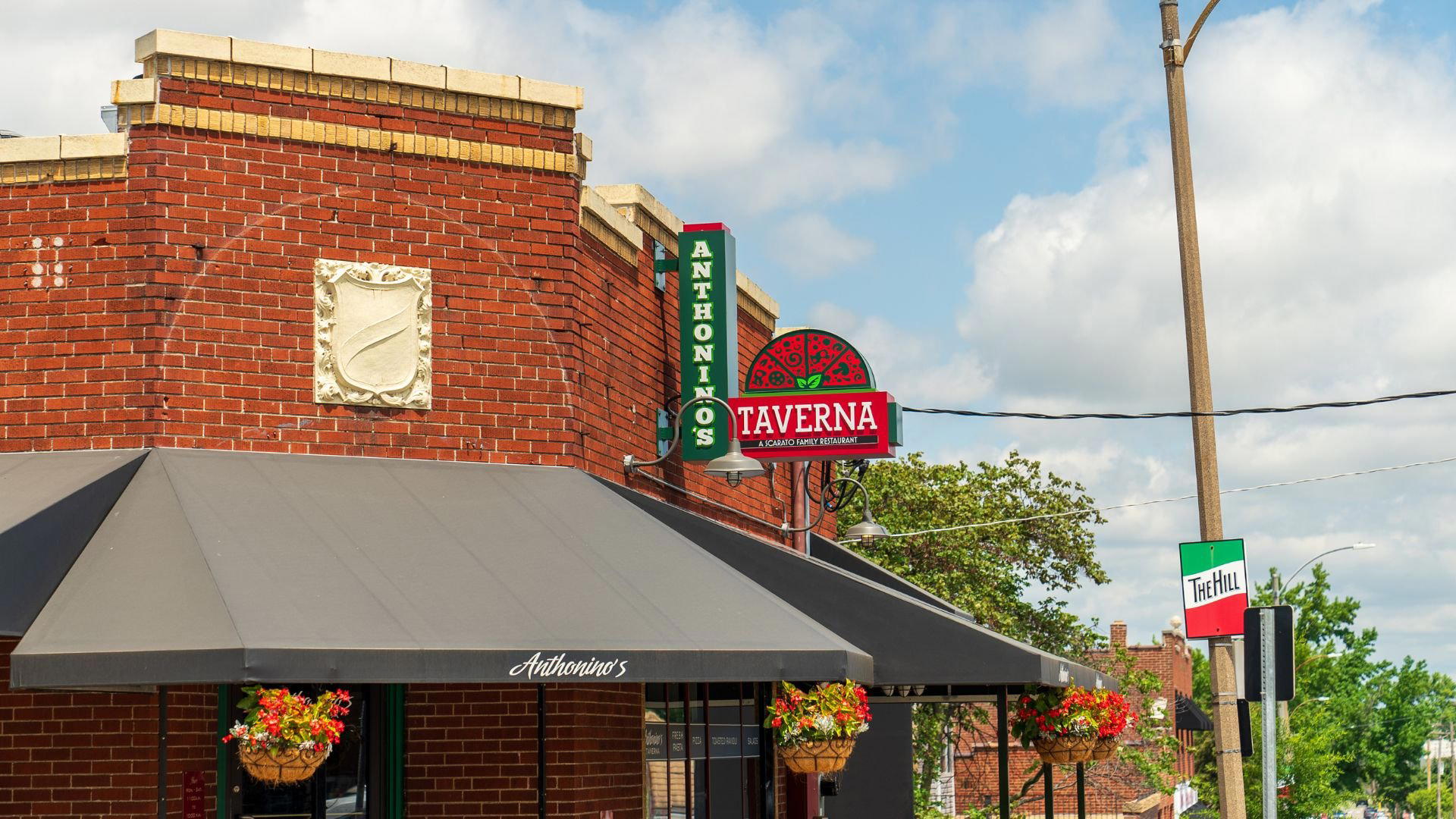
St. Louis has a longer and more layered neighbourhood-restaurant tradition than most cities its size receive credit for. The Italian heritage of The Hill, the Bosnian and Vietnamese corridors along south Grand, the old-school tavern culture that still surfaces in places like Anthonino's Taverna, and the longstanding institutional weight of Al's Restaurant together constitute a dining culture built around locality and repetition rather than novelty. The expectation embedded in that culture is that a restaurant's quality proves itself over time through the loyalty it generates within a defined geography.
Against that backdrop, the south-side dining scene has developed its own distinct character. Atomic Cowboy has staked out the casual-and-irreverent end of the spectrum on Manchester. BaiKu Sushi Lounge represents a different kind of neighbourhood ambition, applying technical discipline to a format that doesn't typically reward it at the local level. Annie Gunn's, further out in Chesterfield, illustrates how far that neighbourhood-serious model can travel when the kitchen and wine program operate at sustained depth. Gooseberries on Chippewa occupies its own position within this spread, shaped by the specific demographics and rhythms of the 63118 corridor.
How Gooseberries Positions in the National Conversation
The restaurants that have earned sustained national attention in recent years share a recognisable set of qualities: commitment to place, kitchen discipline that outlasts opening hype, and a format refined through repetition rather than concept drift. Smyth in Chicago built its reputation on exactly that kind of sustained focus. Lazy Bear in San Francisco earned its recognition by locking in a format and executing it at high consistency over time. Blue Hill at Stone Barns in Tarrytown and Single Thread Farm in Healdsburg represent the farm-integration end of that same discipline. Providence in Los Angeles, Addison in San Diego, Atomix in New York City, Atelier Moessmer Norbert Niederkofler in Brunico, Emeril's in New Orleans, and The Inn at Little Washington each demonstrate how local rootedness and national recognition can coexist when the fundamentals are sound.
Gooseberries does not currently carry the award signals or published critical record that would position it inside that national tier. What it carries instead is the kind of neighbourhood gravity that precedes formal recognition, a quality that is worth noting precisely because it tends to be invisible to visitors operating from standard recommendation sources.
Planning Your Visit
The Chippewa Street address is accessible from the central city, sitting south of Tower Grove Park in a stretch that rewards the effort of getting there independently rather than waiting for a rideshare to suggest it. For visitors anchoring in St. Louis for a longer stay, the south-side corridor makes a logical half-day orientation when paired with the park and the surrounding blocks.
Frequently asked questions
How would you describe the vibe at Gooseberries?
Gooseberries sits at 2754 Chippewa St in south St. Louis, a stretch that skews toward regulars over destination diners. The room signals its intent before the menu arrives — this is neighbourhood hospitality operating on south side logic, not the performance-driven energy of the central corridor.
Where is Gooseberries in St Louis?
Gooseberries is located at 2754 Chippewa St, St. Louis, MO 63118, St Louis.
Is Gooseberries a good restaurant to try if you want to eat where south St. Louis locals actually eat?
Yes, and that's the point. Gooseberries is on Chippewa Street in the 63118 zip code, a stretch that sits south of Tower Grove Park and well outside the circuits that attract out-of-town attention. St. Louis has a neighbourhood restaurant culture deeper than most cities its size, and Chippewa is one of its more telling addresses for understanding how that tradition holds.
What's the signature dish at Gooseberries?
For the most accurate picture of what the kitchen is running, contacting the restaurant directly or checking recent local coverage from St. Louis food writers is the most reliable approach.
How hard is it to get a table at Gooseberries?
Gooseberries is on Chippewa Street in a south St. Louis neighbourhood that rewards planning rather than walk-in optimism. South side spots with a loyal local following tend to fill on weekends, so arriving with a reservation or calling ahead is the practical move.
What's the defining dish or idea at Gooseberries?
The defining idea at Gooseberries is rooted in south St. Louis's neighbourhood restaurant tradition — commitment to place over trend.
Comparable Spots
Comparable venues nearby, for context on price, style, and recognition.
| Venue | Cuisine | Price | Awards | Notes |
|---|---|---|---|---|
| GooseberriesThis venue — the venue you are viewing | Southern Comfort & Homemade Bakery Cafe | $10–20 | Not listed | Not listed |
| Triumph Grill | American | Not listed | Not listed | Midtown |
| The Gramophone | Gourmet Sandwiches | $10–20 | Not listed | Forest Park Southeast |
| Sweetie Pie's | Authentic Soul Food | Not listed | Diners, Drive-Ins and Dives Featured Restaurant | Covenant Blu |
| Sidney Street Cafe | Modern American Fine Dining | $50–100 | James Beard Award Best Chefs | Benton Park |
| Concord Grill | American Burger Grill | $20–30 | Not listed | Affton |

Details
- Cozy
- Bohemian
- Whimsical
- Brunch
- Casual Hangout
- Family
- Solo
- Standalone
- A La Carte
- Buffet
- Coffee
- Iced Tea
- Vegetarian Friendly
- Vegan Options
Current opening hours
- Monday
- Closed
- Tuesday
- Closed
- Wednesday
- Closed
- Thursday
- Closed
- Friday
- 11 PM–2 AM
- Saturday
- 11 PM–2 AM
- Sunday
- Closed
Hours can change for holidays and private events. Last verified .
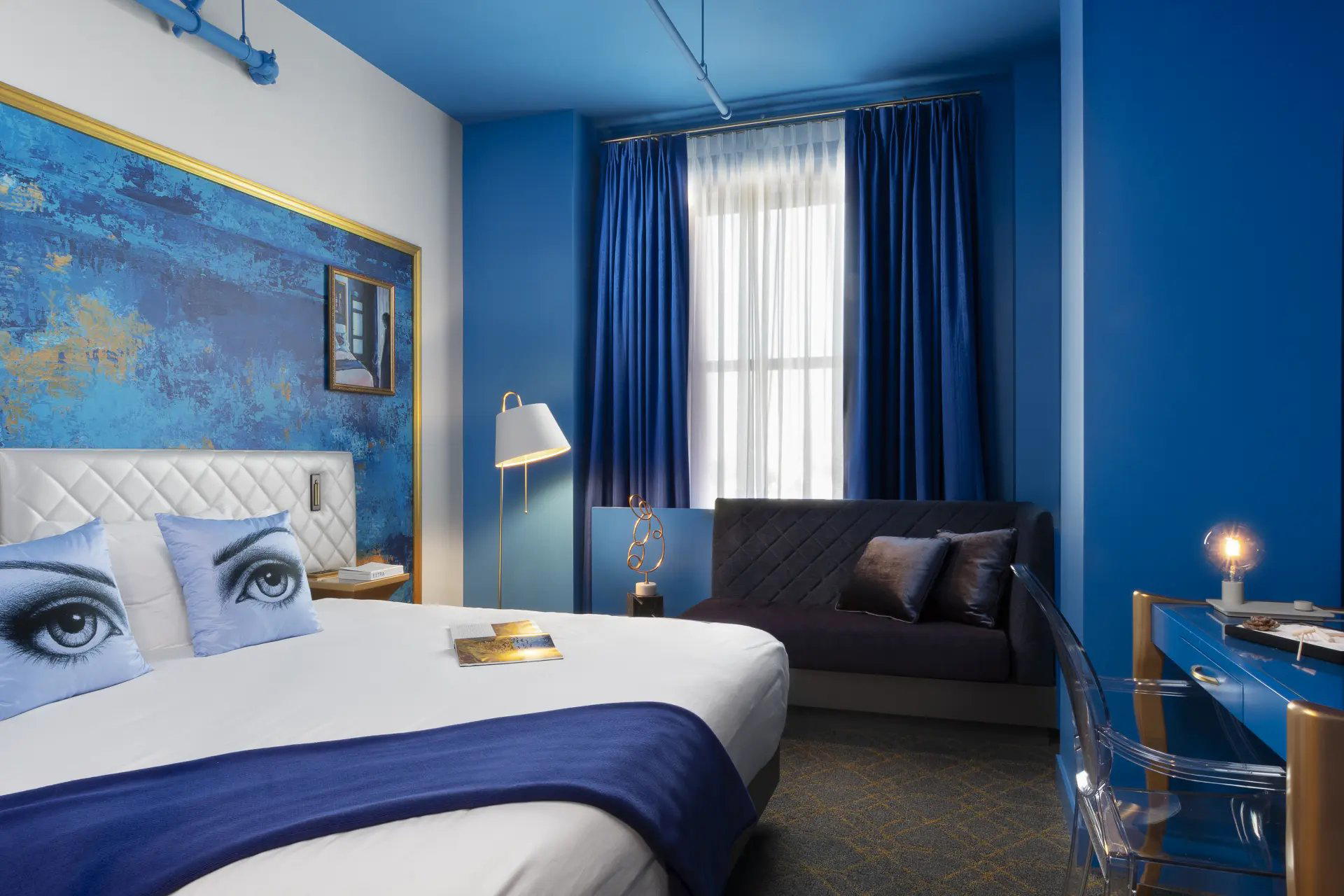
Relaxed and hip with mismatched vintage furniture, high ceilings, original brick walls, VHS movies playing in the background, and playful touches like dinosaur toys creating a charming, home-like environment.