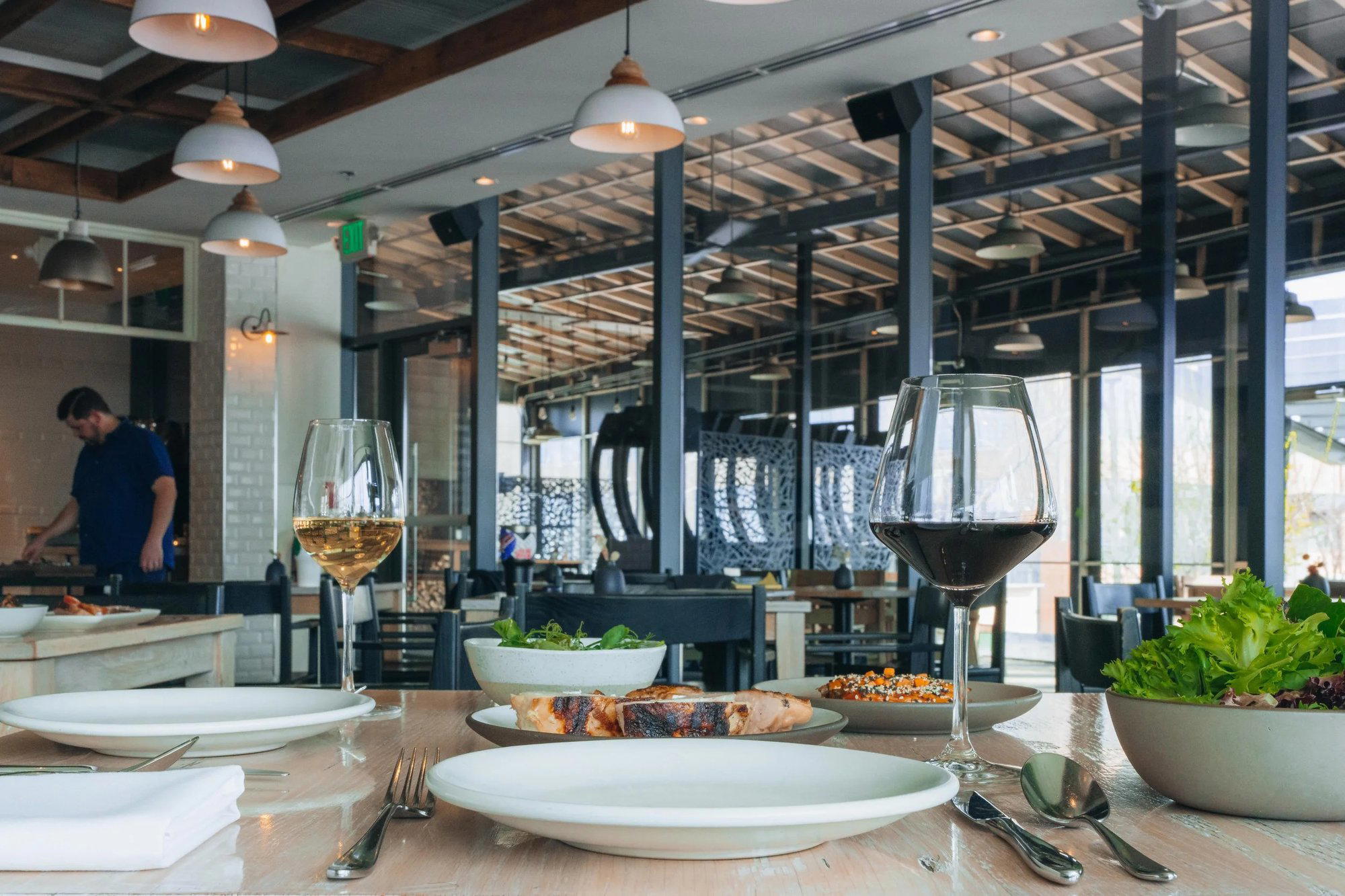
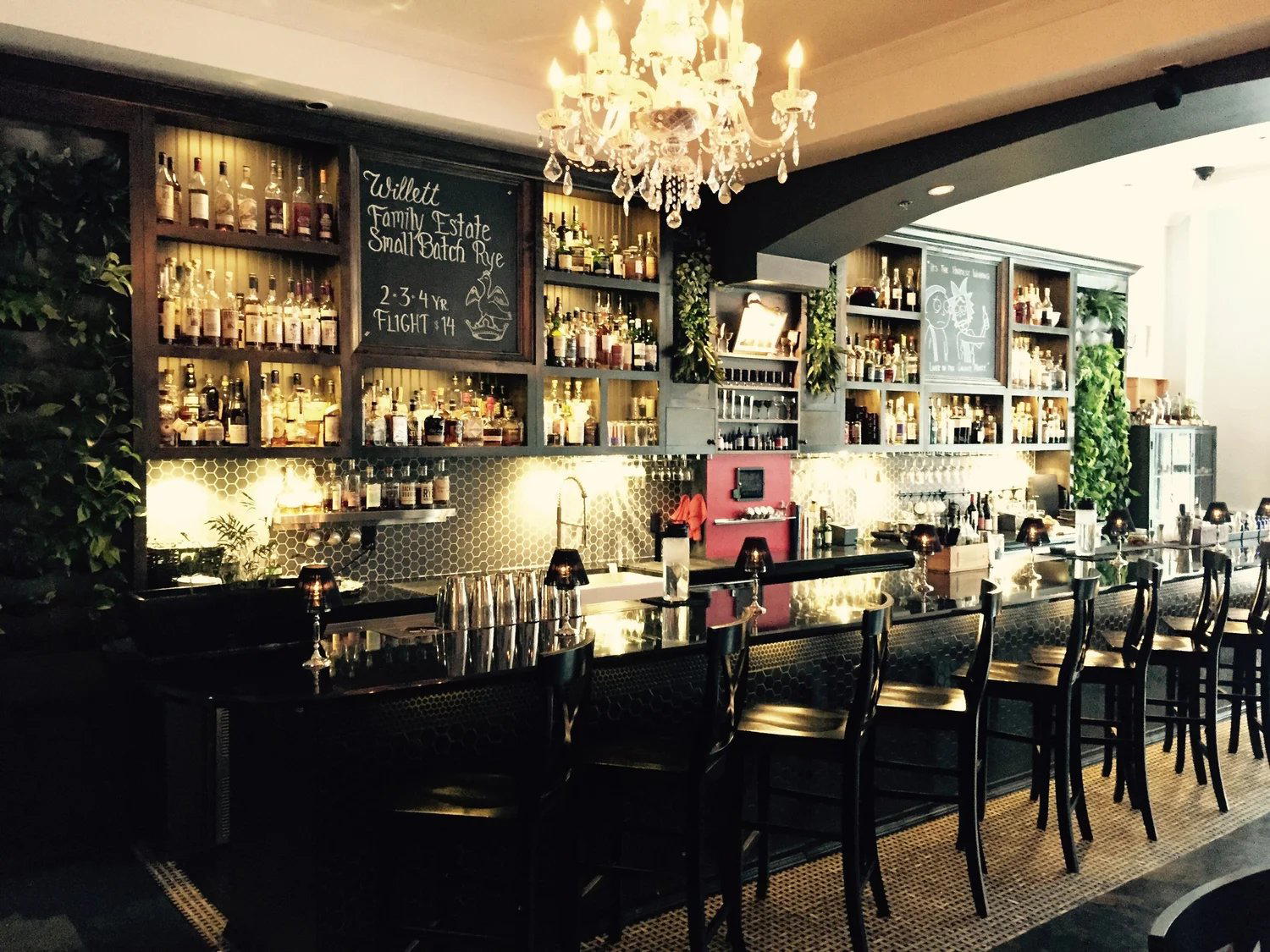
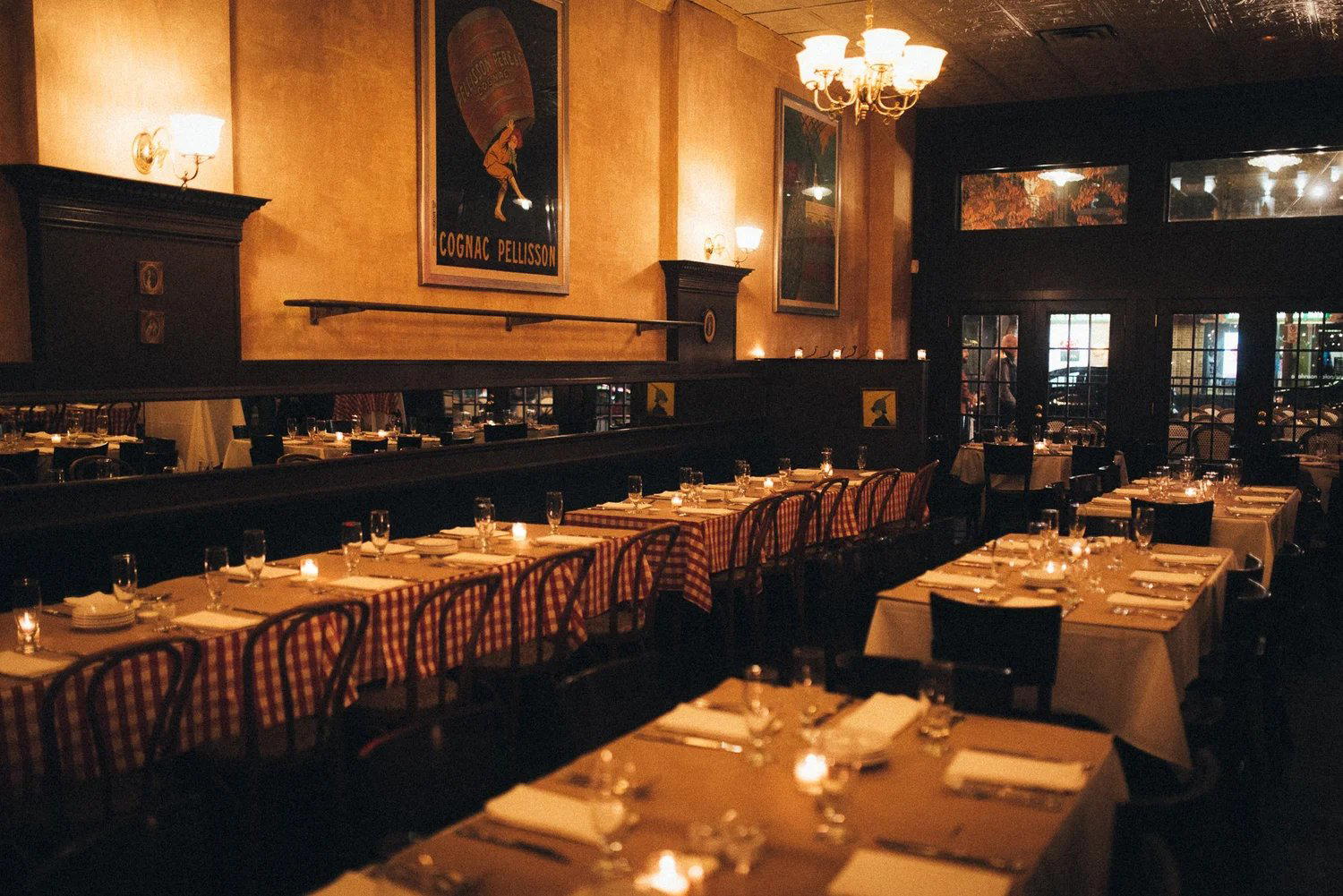
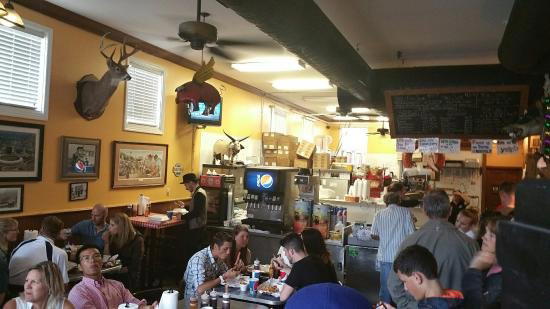
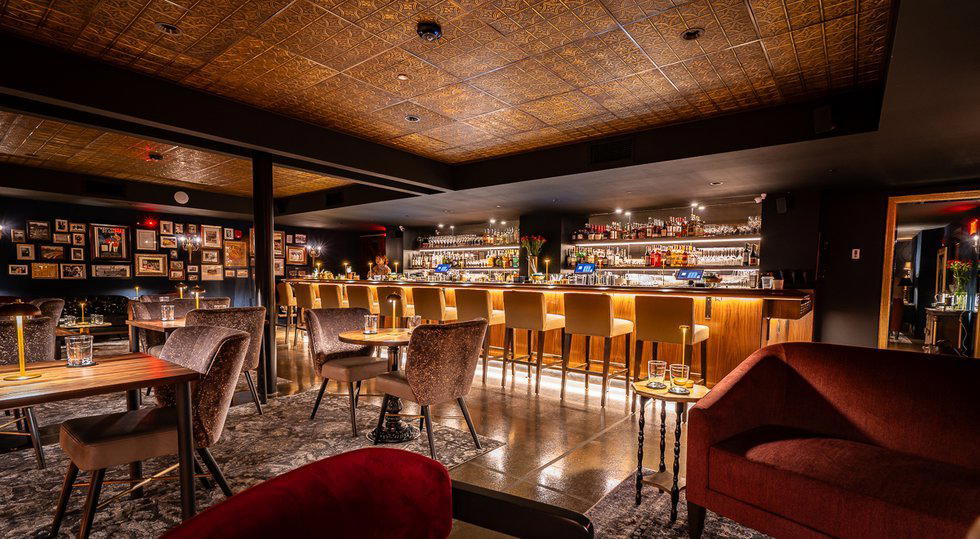
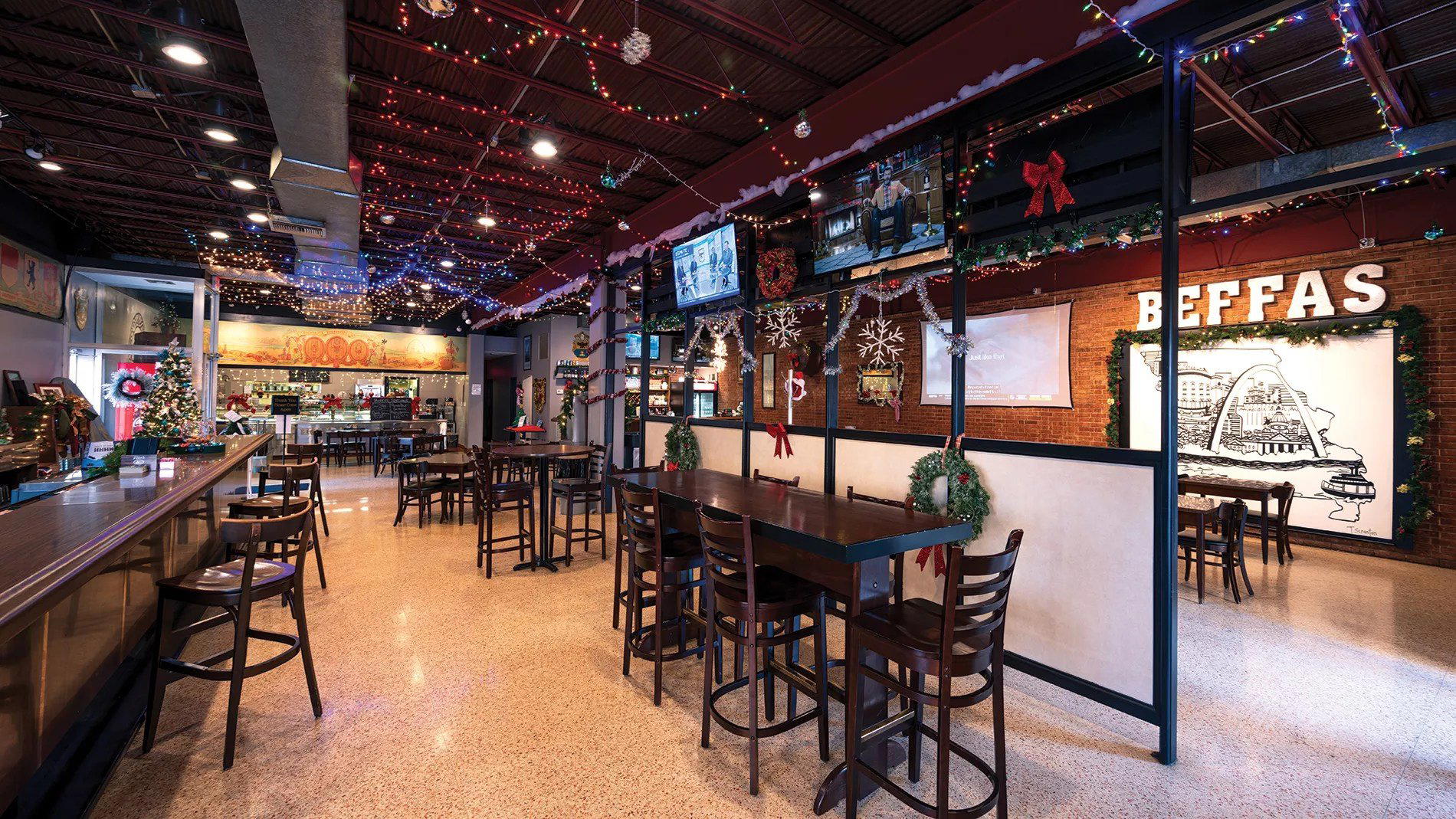
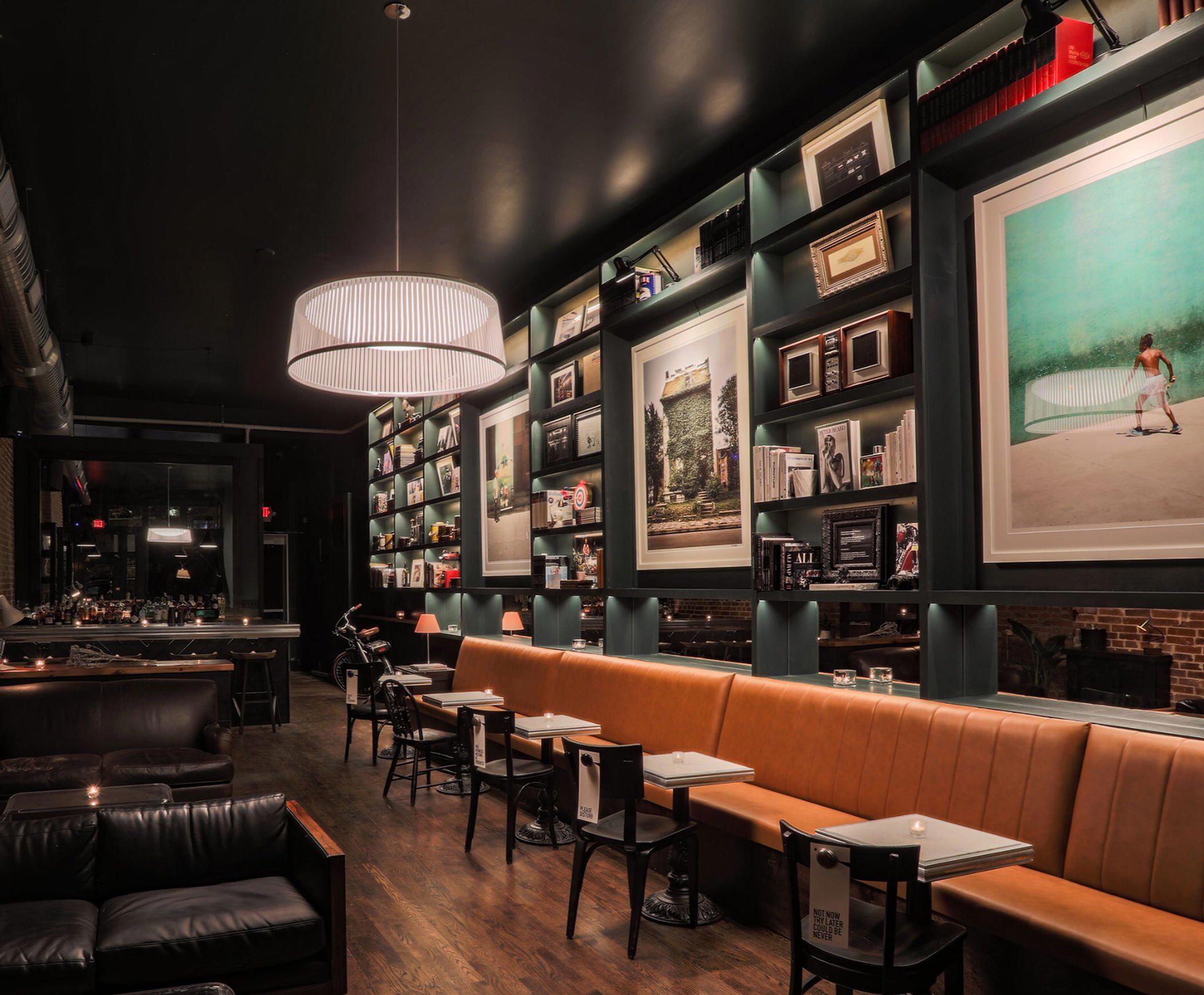
Triumph Grill
Our verdict
This listing is retired after a June 2026 status audit found the place inactive at its stored address.
- Address
- 3419 Olive St, St. Louis, MO 63103
- Phone
- (314) 446-1801
- Directions
- Get directions
Olive Street and the Grammar of Mid-City Dining
St. Louis has never fully committed to a single dining identity. The city's restaurant scene spreads across distinct neighbourhood pockets, from the Italian-American traditions of the Hill to the broader, more eclectic corridors running through midtown. Olive Street, where Triumph Grill sits at 3419, occupies a stretch that has historically served working residents rather than destination diners. That positioning matters when reading what a restaurant at this address is actually trying to do. Midtown St. Louis dining tends to operate with fewer pretensions than the city's more polished zip codes, and the menu structures that succeed here typically reflect that directness.
Reading the Menu as an Architectural Document
The editorial angle most useful for understanding a restaurant at this price tier is menu architecture: how a kitchen organises its offer and what those choices reveal about the restaurant's position and ambitions. At the mid-city St. Louis level, menu structure often functions as the clearest signal of whether a kitchen is trying to compete on craft, on value, or on familiarity.
Restaurants that succeed in this corridor typically build menus around a legible core, a handful of preparations done with consistency rather than a broad list designed to appeal to everyone. The grills and fire-forward cooking formats that have gained traction across American mid-tier dining in the past decade are particularly well suited to this approach. A grill-centred menu has a clear organising principle: heat, time, and sourcing quality. It asks the kitchen to be confident rather than clever, and it asks the diner to trust that the fundamentals are being executed with care.
In cities like Chicago, the contrast between technically complex tasting menus at venues like Smyth and more direct, fire-driven neighbourhood formats is well documented. The same spectrum exists in St. Louis, where mid-tier operators hold the everyday dining load. Annie Gunn's, one of the more consistently cited names in the St. Louis dining conversation, occupies a different neighbourhood tier and price bracket, which illustrates how much range the city contains.
The St. Louis Mid-Market and What It Asks of a Kitchen
Across the United States, the mid-market restaurant tier has faced more structural pressure since 2020 than either the value end or the premium end. Fixed costs have risen, labour markets have tightened, and diners have become less forgiving of inconsistency at any price point. The restaurants that have held their ground in this tier are generally those with a clear identity: a specific cuisine focus, a defined neighbourhood role, or a cooking format with enough internal logic to sustain repeat visits.
In St. Louis specifically, the venues that have demonstrated longevity tend to anchor in either long-standing culinary traditions, as Al's Restaurant does with its Italian-American continuity, or in formats that give diners a clear reason to return, which is what Atomic Cowboy achieves with its cross-format programming. A grill concept on Olive Street is making a bet that its core format is coherent enough to carry the room.
The broader American dining conversation around fire and grill cooking has been shaped by a tier of restaurants operating at considerably higher price points: Blue Hill at Stone Barns in Tarrytown uses its open-fire formats as part of a farm-to-kitchen narrative, while Single Thread Farm in Healdsburg integrates live-fire elements into a multi-course format with a different price architecture. What makes grill-forward cooking compelling at the mid-market level is precisely that it strips away the tasting-menu apparatus and asks whether the fundamentals alone are sufficient.
Neighbourhood Anchors and Peer Context
The midtown Olive Street corridor positions Triumph Grill among a set of restaurants that serve a more local function than the destination venues concentrated in Clayton or the Central West End. This is not a criticism; it is a description of a genuine and necessary tier. Cities need restaurants that hold the middle, that give residents a reliable place to eat well without the booking lead times or price tags associated with the city's more celebrated addresses.
In the St. Louis dining ecosystem, comparison venues operating in adjacent formats include BaiKu Sushi Lounge, which occupies a different cuisine category but a comparable neighbourhood positioning, and Anthonino's Taverna, which has built its identity around consistent Italian-American execution in a similarly non-destination address.
The contrast with the national tier is instructive. Venues like Le Bernardin in New York City, The French Laundry in Napa, Providence in Los Angeles, or Addison in San Diego operate with a fundamentally different ambition and infrastructure. Closer to the mid-tier craft segment, Lazy Bear in San Francisco shows what a focused format concept can achieve with the right kitchen discipline. The point is not comparison by quality but by function: different tiers serve different roles, and clarity about which tier a restaurant occupies is a more useful guide than vague aspiration.
Planning a Visit: Practical Notes
Triumph Grill is located at 3419 Olive St in St. Louis, Missouri 63103, in the midtown section of the city. The Olive Street address places it west of downtown and within reasonable distance of the Grand Center arts district, which gives it a natural audience among mid-week diners and weekend locals looking for a neighbourhood option rather than a special-occasion destination. In a city where mid-tier restaurants have seen schedule adjustments over the past several years, checking current status before a visit is standard practice rather than an exception.
Frequently asked questions
Where is Triumph Grill in St Louis?
Triumph Grill is located at 3419 Olive St, St. Louis, MO 63103, St Louis.
What part of St. Louis is Triumph Grill in, and how does that affect the experience?
Triumph Grill sits in the midtown section of St. Louis at 3419 Olive St, 63103, west of the downtown core. The Olive Street corridor runs through a mixed-use stretch that functions primarily for local residents rather than out-of-town visitors, which shapes the pace and character of restaurants along it. Expect a dining room oriented toward the neighbourhood rather than a destination-format experience.
What's the signature dish at Triumph Grill?
Triumph Grill is a Modern American Grill at 3419 Olive St, St. Louis, MO 63103.
Should I book Triumph Grill in advance?
Reservations are recommended at Triumph Grill.
What's the standout thing about Triumph Grill?
Triumph Grill is at 3419 Olive St, St. Louis, MO 63103, in midtown St. Louis.
At a Glance
Comparable venues nearby, for context on price, style, and recognition.
| Venue | Cuisine | Price | Notes |
|---|---|---|---|
| Triumph GrillThis venue — the venue you are viewing | American | Not listed | Not listed |
| The Fountain on Locust | Retro American Soda Fountain | $20–30 | Midtown, Retro American Soda Fountain |
| Commonwealth | Contemporary American Commonwealth Fusion | $30–50 | Covenant Blu, Contemporary American Commonwealth Fusion |
| Southern | Southern Soul Food | Not listed | Midtown, Southern Soul Food |
| Everybody Eats Cafe' & Restaurant | Southern Cajun Fusion | Not listed | Jeff VanderLou, Southern Cajun Fusion |
| The Royale Food & Spirits | American Gastropub with Mediterranean Influences | $20–30 | Tower Grove South, American Gastropub with Mediterranean Influences |