Empire Steak House

Empire Steak House on East 50th Street sits in Midtown Manhattan's densely competitive steakhouse corridor, where the genre's conventions, dry-aged prime cuts, deep wine lists, and room-commanding dining rooms, are tested against some of the city's most demanding business and leisure clientele. For visitors planning a classic New York steakhouse experience close to Rockefeller Center and the Theater District, knowing how and when to book is half the battle.
Pearl is the En Primeur Club membership app — saves, bookings, and concierge access live there. Same editors, same standards.
- Address
- 151 E 50th St, New York, NY 10022
- Phone
- +12125826900
- Website
- empiresteakhousenyc.com
- Directions
- Get directions
 Saves & bookings on Pearl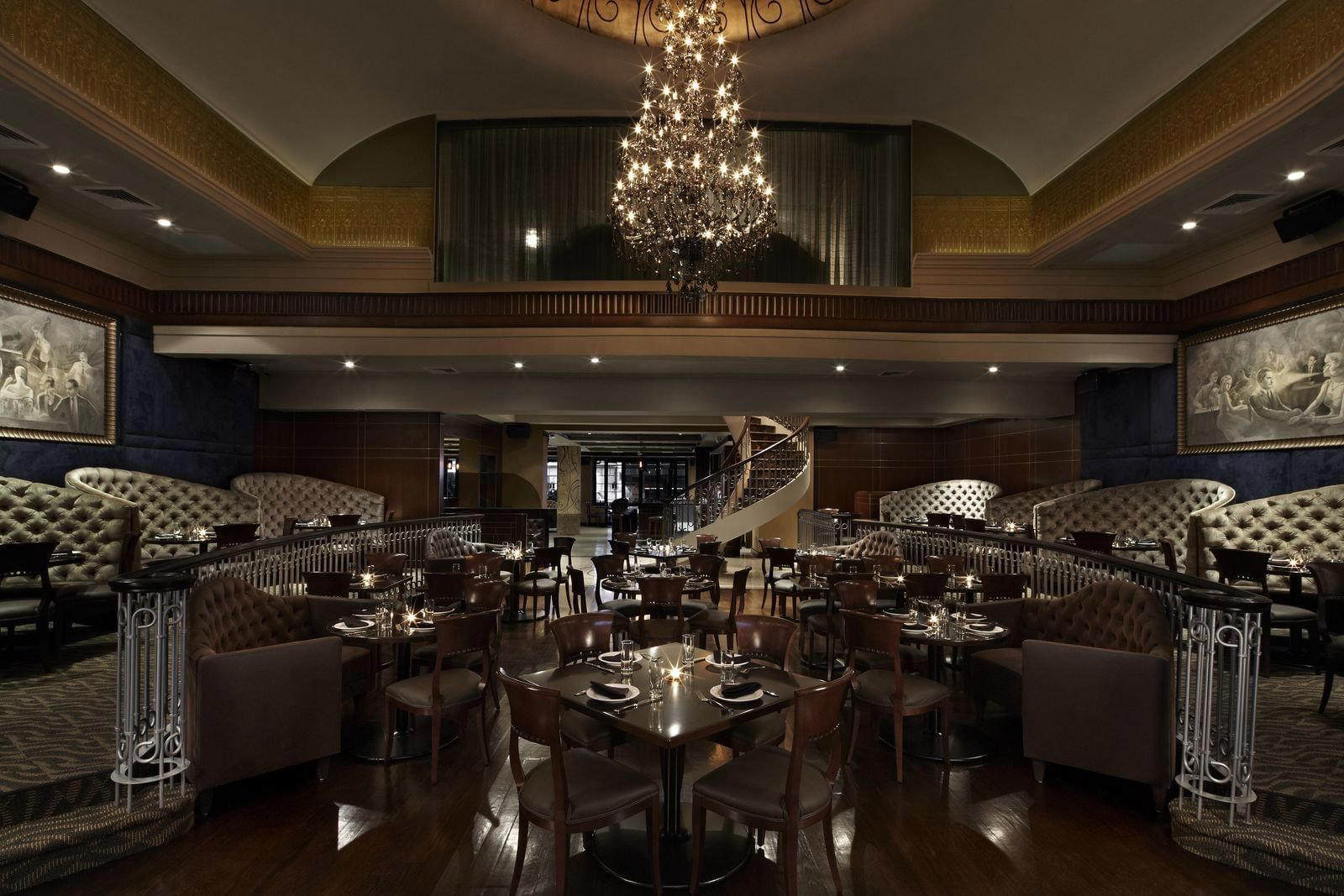
Planning Your Visit: What to Know Before You Go
Midtown Manhattan's steakhouse corridor runs thick with institutions, and East 50th Street sits squarely inside it. The genre here operates on a set of well-established conventions: prime dry-aged beef, tableside presentations, a wine list weighted toward California Cabernet and Bordeaux, and dining rooms built to project confidence to expense-account diners and out-of-town visitors alike. Empire Steak House at 151 E 50th St occupies that territory, positioned a short walk from Rockefeller Center, St. Patrick's Cathedral, and the midtown hotel cluster that feeds the neighborhood's restaurants most of its covers on weekday evenings. Understanding that competitive context matters before you book, because the alternatives in a three-block radius are formidable and the category demands comparison-shopping.
New York's steakhouse tier operates differently from the city's tasting-menu bracket, where venues like Le Bernardin, Eleven Madison Park, and Per Se require months of lead time and operate on prix-fixe formats with limited flexibility. Steakhouses, by contrast, tend to run à la carte, accommodate larger parties more readily, and keep fuller availability through the week. That said, prime-time slots on Thursday and Friday evenings in Midtown fill quickly across the category, and walk-in availability shrinks correspondingly. For anyone planning around a business dinner, theater schedule, or a tight itinerary, advance reservations remain the safest approach regardless of which Midtown steakhouse you choose.
The East 50th Street Setting and What It Signals
Midtown's 40s and 50s blocks between Park and Sixth Avenues have historically anchored the New York steakhouse tradition. The neighborhood draws a clientele that skews toward corporate dining, hotel guests from the surrounding Marriott, Hilton, and boutique properties, and pre-theater diners heading to venues in the Theater District further west. That demographic shapes how steakhouses in this corridor operate: larger portions, serious wine programs, service trained to manage tables on schedule, and menus built around recognizable cuts rather than experimental formats. The room and the offer are calibrated to the location in a way that venues in the West Village or Lower East Side are not.
That positioning puts Empire Steak House in a comparable set that includes particularly established names in the American steakhouse canon. Visitors comparing options in this part of Midtown are typically weighing similar price brackets, similar cut selections, and similar service registers. The differentiation, in most cases, comes down to room atmosphere, wine list depth, and the accumulated reputation that brings regulars back.
How the New York Steakhouse Format Works
The classic New York steakhouse model is one of American dining's most durable formats, and it differs meaningfully from the premium tasting-menu experiences that dominate international conversation about the city's restaurants. Where Atomix and Masa seat small numbers at fixed times with predetermined menus, steakhouses run high-volume covers across longer service windows, offer substitution-friendly à la carte menus, and split the check between the protein and a roster of shareable sides. The sides, creamed spinach, hash browns, bone marrow when available, shrimp cocktail as a starter, function almost as much as signals of category fluency as they do as food choices. Ordering well at a New York steakhouse is partly about knowing the grammar.
Dry-aging is the technical marker that separates the premium steakhouse tier from the mid-market. Twenty-eight to forty-five days of controlled aging concentrates flavor and tenderizes texture in a way that wet-aging cannot replicate, and Midtown houses that invest in in-house dry-aging programs tend to price accordingly. The cut hierarchy matters too: bone-in ribeye and porterhouse portions designed for two have historically driven the theater of the New York steakhouse table in a way that individual filet orders do not. Visitors unfamiliar with the format who approach it with the same expectations they bring to a fine-dining tasting menu tend to find the experience overly direct; those who understand it as a distinct American dining tradition with its own internal logic tend to get considerably more out of it.
Steakhouses in Context: Where the Category Sits in a Wider Trip
A Midtown steakhouse dinner occupies a specific role in a New York itinerary, and it competes directly with a range of alternatives at different price points and formats. For visitors building a multi-restaurant trip, the steakhouse slot typically anchors one evening while other meals rotate through the city's more genre-diverse offerings. Travelers comparing premium traditions across cities will find comparable destinations like The French Laundry in Napa, Blue Hill at Stone Barns in Tarrytown, Smyth in Chicago, and Providence in Los Angeles, each operating in a different register but at comparable ambition levels. For international visitors, the contrast with European approaches to premium dining, illustrated at venues like Atelier Moessmer Norbert Niederkofler in Brunico and Dal Pescatore in Runate, underlines how distinctly American the New York steakhouse format is.
Other notable US venues that represent the premium dining spectrum include Lazy Bear in San Francisco, Emeril's in New Orleans, Single Thread Farm in Healdsburg, Addison in San Diego, The Inn at Little Washington, and Frasca Food & Wine in Boulder. Each operates within a regional tradition; the New York steakhouse is simply among the more codified and pressure-tested of those traditions.
Planning Details
Address: 151 E 50th St, New York, NY 10022.
Reservations are recommended. Hours: Mon: 11:45 AM-10 PM; Tue: 11:45 AM-10 PM; Wed: 11:45 AM-10 PM; Thu: 11:45 AM-11 PM; Fri: 11:45 AM-11 PM; Sat: 3-11 PM; Sun: 3-10 PM. Dress code: business casual.
Midtown East, within walking distance of Rockefeller Center, St. Patrick's Cathedral, and the main Midtown hotel cluster.
A Lean Comparison
Comparable venues nearby, for context on price, style, and recognition.
| Venue | Cuisine | Price | Notes |
|---|---|---|---|
| Empire Steak HouseThis venue — the venue you are viewing | Not listed | $$$$ | Not listed |
| Royal 35 Steakhouse | Not listed | $$$$ | Midtown-Times Square, Classic Dry-Aged Steakhouse |
| Andrew Steak Society | East Village, Modern Steakhouse | $$$$ | Not listed |
| Empire Steak House Times Square | Not listed | $$$$ | Midtown-Times Square, Classic American Steakhouse |
| Rocco Steakhouse | Not listed | $$$$ | Midtown South-Flatiron-Union Square, Classic Italian-American Steakhouse |
| BLT Prime | Not listed | $$$$ | Upper East Side-Carnegie Hill, Contemporary Steakhouse |
Recognition history
Dated appearances from independent guides and award organizations, with the underlying list record or original source where available.
Wine Spectator Best of Award of Excellence
Wine Spectator
Wine Spectator Best of Award of Excellence
Wine Spectator
Wine Spectator Best of Award of Excellence
Wine Spectator
Continue exploring
More in New York City
Restaurants in New York City
Browse all →
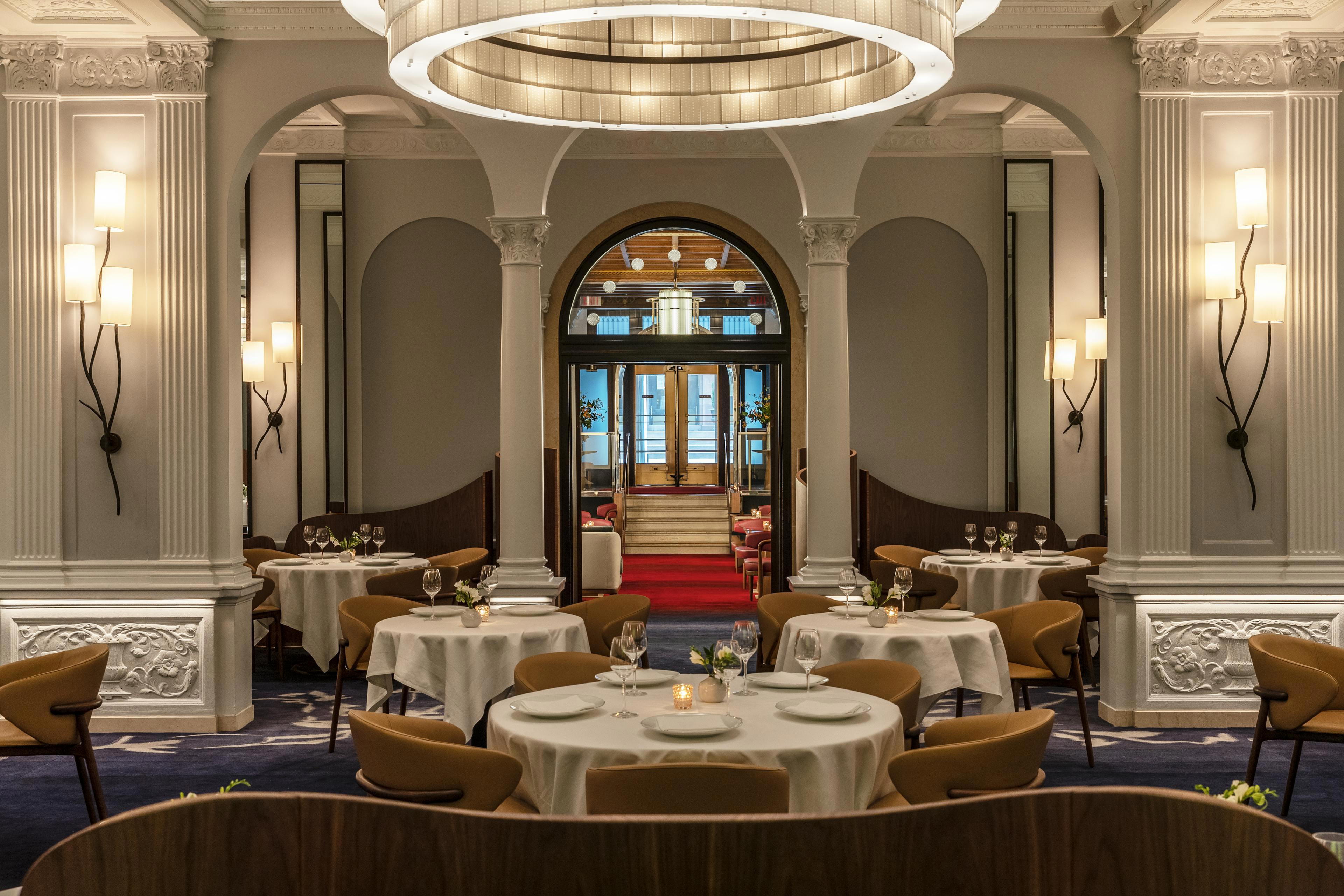
Bars in New York City
Browse all →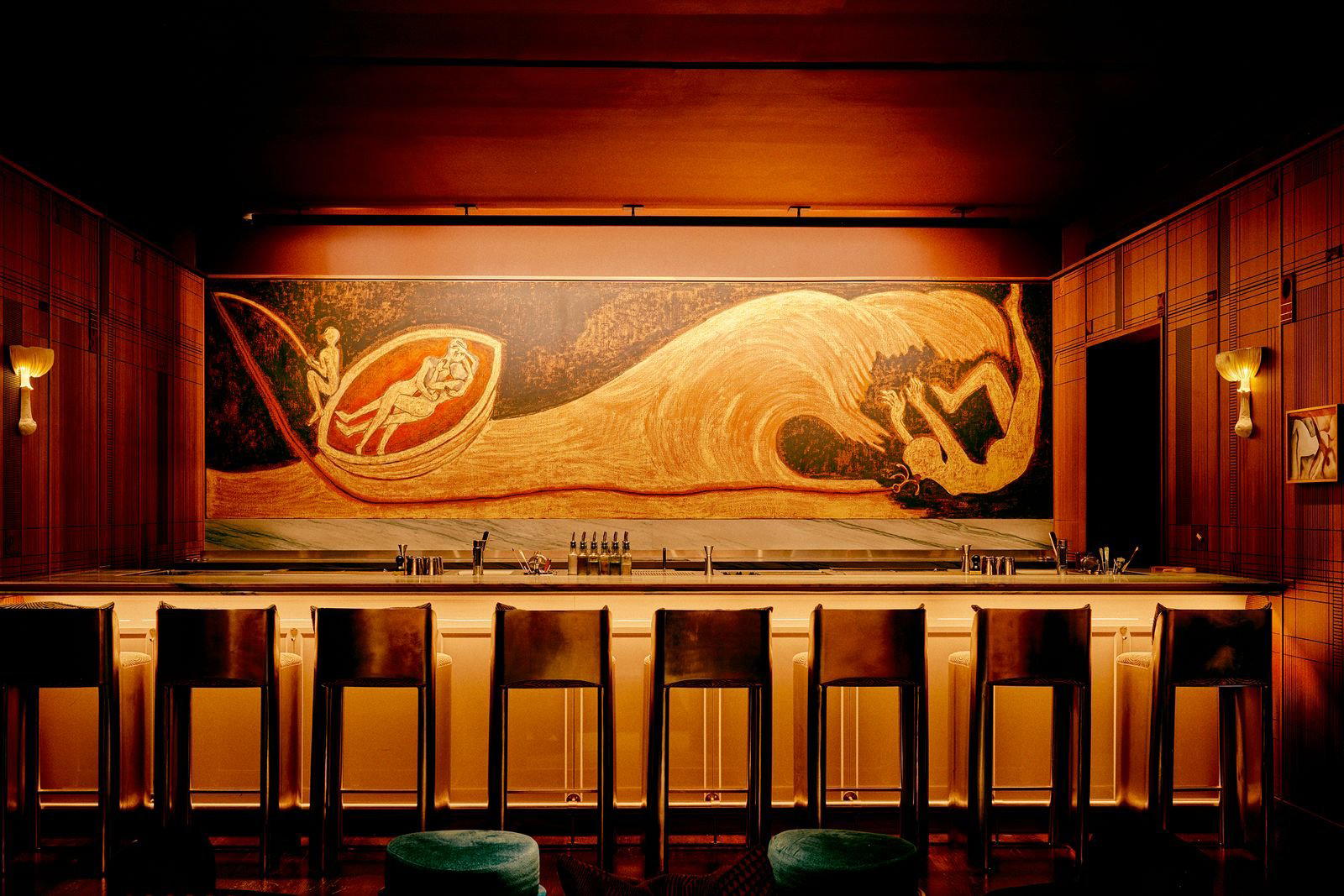
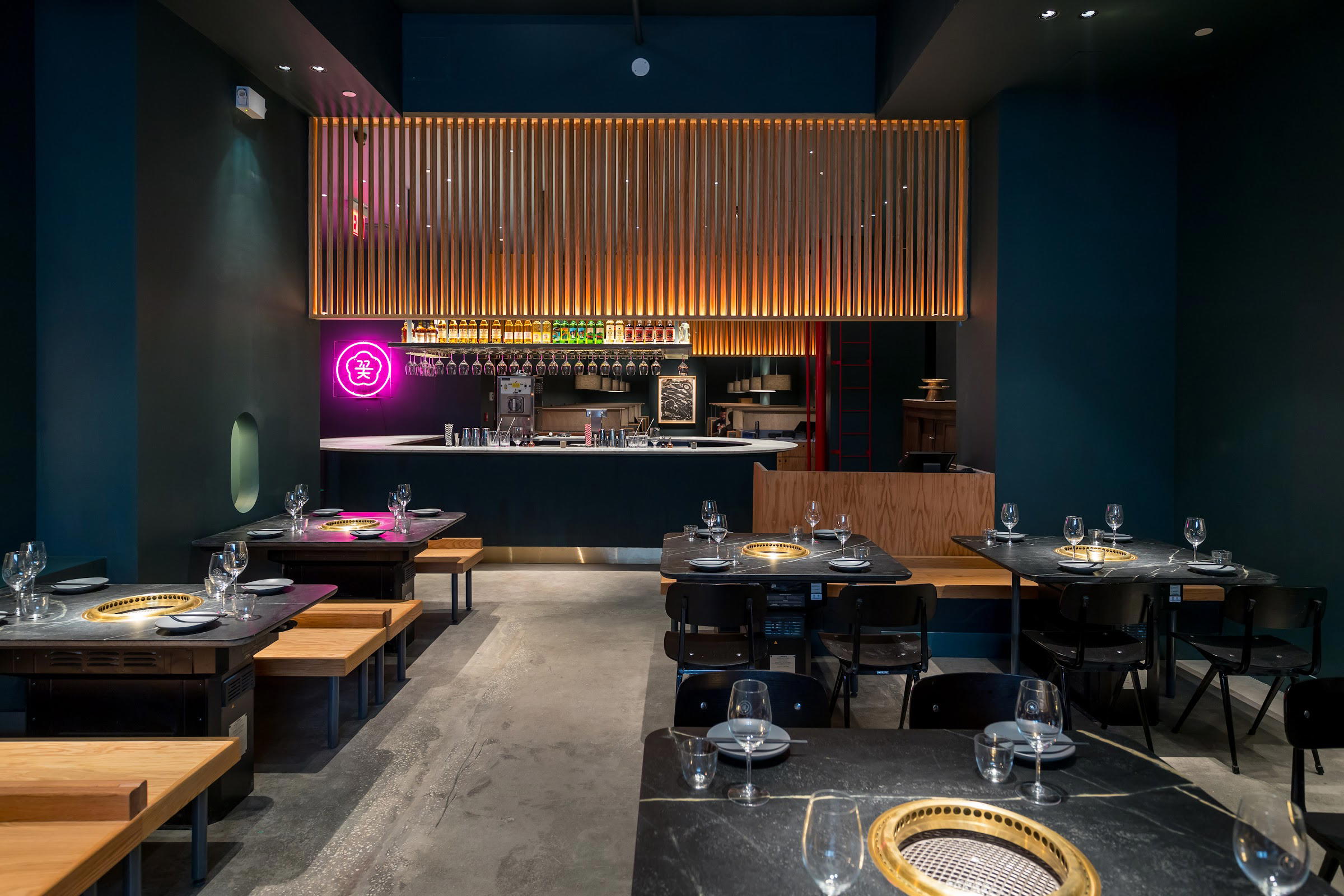
Hotels in New York City
Browse all →




At a Glance
- Elegant
- Sophisticated
- Classic
- Date Night
- Business Dinner
- Special Occasion
- Private Dining
- Extensive Wine List
Current opening hours
- Monday
- 11:45 AM–10 PM
- Tuesday
- 11:45 AM–10 PM
- Wednesday
- 11:45 AM–10 PM
- Thursday
- 11:45 AM–11 PM
- Friday
- 11:45 AM–11 PM
- Saturday
- 3–11 PM
- Sunday
- 3–10 PM
Hours can change for holidays and private events. Last verified .
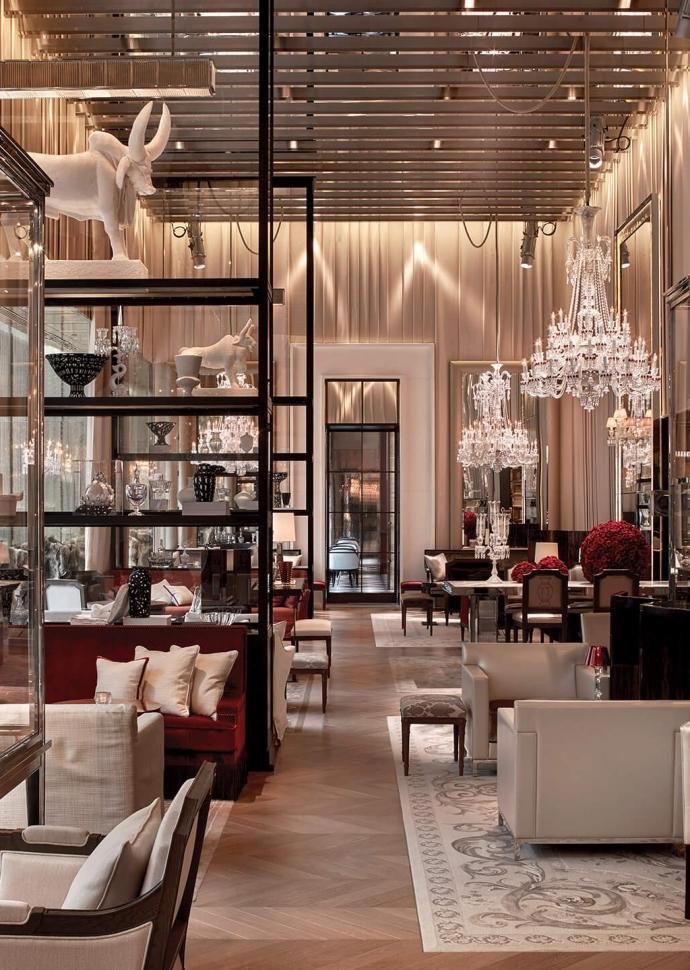
Warm, refined, and elegant atmosphere with lively yet sophisticated lighting, hand-painted dome, and raised tiers of seating featuring wrap-around booths.