Andrew Steak Society
Andrew Steak Society is a New York City steak-focused restaurant, a category where the meal is judged as much by the wine list as by the grill. The useful read here is the city steakhouse ritual: red meat, structured service, and a cellar expected to carry Cabernet, Malbec, Bordeaux-style blends, and other bottles built for fat, char, and long tables.
Pearl is the En Primeur Club membership app — saves, bookings, and concierge access live there. Same editors, same standards.
- Address
- New York City, United States
- Website
- andrewsteaksociety.com
- Directions
- Get directions
 Saves & bookings on Pearl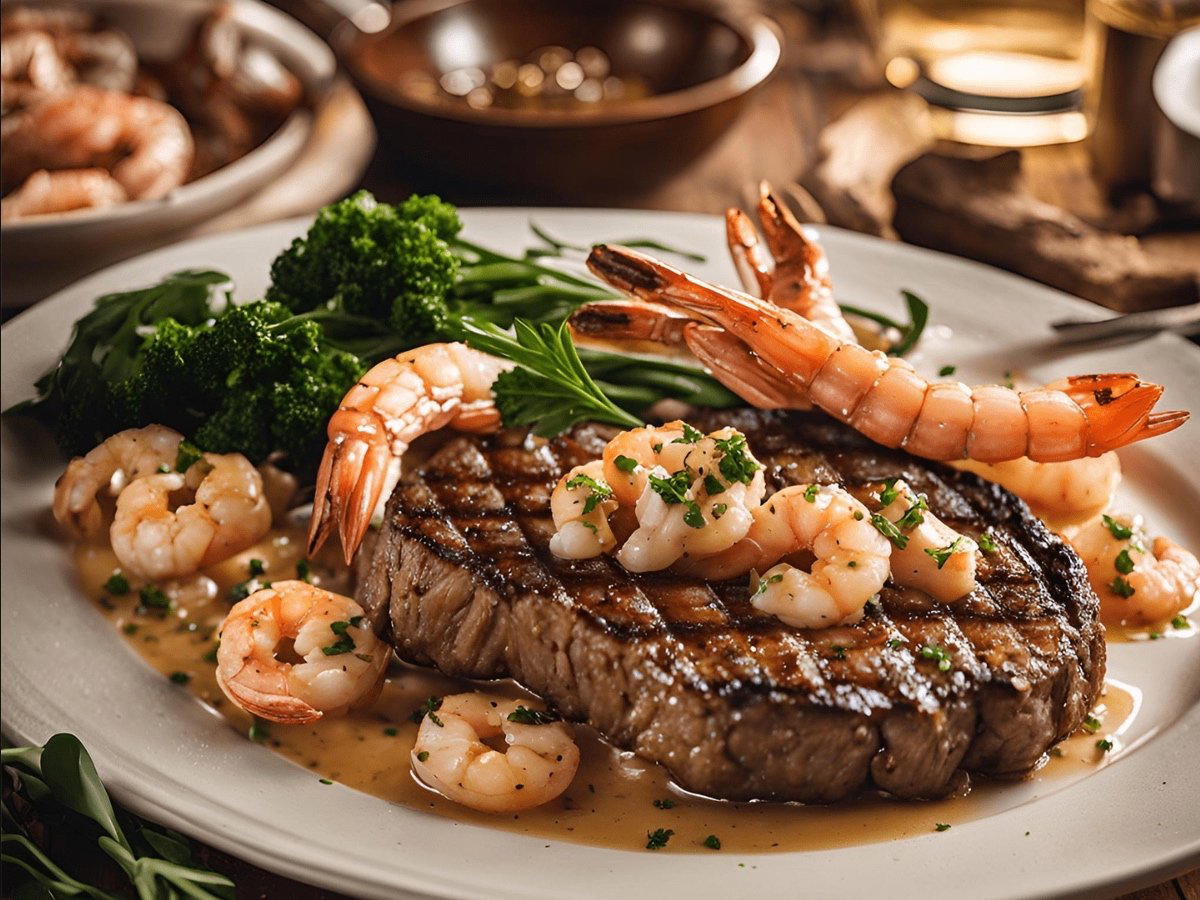
A New York steakhouse announces itself through rhythm before detail: the low-register room tone, the procession of heavy plates, the table that orders in courses rather than dishes. In this city, steak-focused dining is less a novelty than a civic grammar. The category has old power-lunch roots, expense-account habits, anniversary dinners, and late tables after Midtown or downtown commitments. Andrew Steak Society belongs to that tradition, where the question is not only how the beef is handled, but whether the room understands the bottle that should sit beside it.
That wine question matters. Steak restaurants in New York are often judged by the red side of the list: Cabernet with grip, Malbec with dark fruit, Syrah with pepper, Bordeaux-style blends with enough structure to meet fat and salt. The sommelier’s role is not decorative in this format. A serious steak dinner needs pacing, temperature, glassware, and a sense of when a younger bottle needs air or when an older bottle should be handled with restraint. In a city dense with omakase counters, tasting-menu rooms, and casual natural-wine bars, the steakhouse remains one of the few formats where the cellar can still drive the evening.
Red wine is the real test of the steakhouse format
Steak-focused cooking narrows the margin for error. The core order is direct: beef, heat, salt, sides, sauce if the table wants it. Because the food language is familiar, the experience depends on execution and calibration. A leaner cut asks for a different bottle than a ribeye. Char changes how tannin reads. Creamed or butter-heavy sides push the table toward acidity, while a simple preparation gives Cabernet more room. This is where New York’s better steak rooms separate themselves from restaurants that merely serve expensive beef.
Andrew Steak Society is useful to read through that lens. The name signals a clubby, meat-led premise rather than a chef-driven tasting-menu format, and that puts the cellar near the center of the decision. Diners choosing a steakhouse in New York are rarely looking for surprise for its own sake. They are looking for control: a table that can handle business, celebration, or a long red-wine dinner without forcing the meal into performance. The format rewards confidence over novelty.
New York’s dining scene has tilted hard toward specialization: sushi counters with fixed sequences, Korean tasting rooms, Roman-leaning pasta bars, and small-format wine restaurants with tight lists. Against that, the steakhouse remains deliberately legible. Its pleasure is in recognizable choices made well. For readers mapping the city beyond one category, Our full New York City restaurants guide gives the broader dining frame, while Our full New York City bars guide, Our full New York City hotels guide, Our full New York City wineries guide, and Our full New York City experiences guide cover the surrounding after-dinner and travel planning.
Where steak sits in a city built on specialist dining
The modern New York restaurant map is fragmented by appetite. A table might choose 1 or 8 (Sushi - Japanese) or 15 East (Sushi - Japanese) when precision and seafood sourcing are the point; 12 Chairs (Israeli) when the meal calls for a looser, shareable table; & Sons Ham Bar or 'inoteca when cured meat, wine, and grazing set the pace. Steak occupies a different lane. It is less about breadth and more about certainty: the table knows what the evening is built around before anyone opens the menu.
That certainty also changes how to judge value. Without a published price range, the safer assumption is category-based rather than venue-specific: New York steakhouse meals can move quickly once large-format cuts, sides, cocktails, and red wine enter the order. The better strategy is to decide the bottle budget first, then let the food follow. In steak-focused rooms, wine can double the cost of the table if the group begins with aperitifs and then drifts into prestige Cabernet. A disciplined order, built around one properly chosen red, usually reads better than a crowded table of competing drinks.
For travelers comparing dining formats across cities, the same specialization appears elsewhere in different clothing: sake-led Japanese rooms such as Jōdo Saké Bar in Los Angeles, compact rice-focused formats like Onigiri Time in Pasadena, regional casual anchors such as ¿Por Qué No? in Portland, plant-led Hawaiian cooking at 'Ai Love Nalo in Waimanalo Beach, island-influenced tables like 'āina in San Francisco and 'Ama 'Ama in Kapolei, beef traditions at -Grilled beef Sukiyaki- KAMAKURA TANUKIAN 鎌倉 たぬき庵 in Kamakura, and Mexican-American drinking food at ¡Salud! in Los Angeles. The useful comparison is not cuisine-to-cuisine, but format-to-format: each works when it knows exactly what kind of evening it is built to deliver.
The right table is the one that treats the bottle as part of the order
The strongest case for a New York steak dinner is social clarity. It works for a group that wants shared sides, structured pacing, and a bottle that can sit on the table for the length of the meal. It is less suited to diners chasing a long sequence of small surprises or a chef biography expressed course by course. Andrew Steak Society should be read as part of the city’s steakhouse continuum: beef-led, red-wine-friendly, and built around the familiar rituals that New York diners continue to use for business, birthdays, and late-evening meals.
The practical move is to treat the reservation as a wine decision as much as a dinner decision. If the plan centers on Cabernet or Malbec, order cuts and sides that give the bottle a clear role. If the table includes lighter drinkers, keep the meal simpler and avoid turning the cellar into the main expense. In New York, the steakhouse remains a durable form because it gives diners a script. The better nights are the ones where the table follows that script with restraint.
- Tomahawk
- Porterhouse
- Filet Mignon
- Jumbo Lump Crab Cake
- Basturma Croquettes
- Roasted Bone Marrow
- Butter-Poached Lobster
Reputation & Price
Comparable venues nearby, for context on price, style, and recognition.
| Venue | Cuisine | Price | Notes |
|---|---|---|---|
| Andrew Steak SocietyThis venue — the venue you are viewing | East Village, Modern Steakhouse | $$$$ | Not listed |
| Talia's Steakhouse | Not listed | $$$$ | Upper West Side (Central), Glatt Kosher Steakhouse |
| CUT New York | Tribeca, Modern Steakhouse | $$$$ | Not listed |
| Golden Steer | Not listed | $$$$ | Greenwich Village, Classic American Steakhouse |
| Butcher and Banker NYC | Chelsea-Hudson Yards, Modern Steakhouse | $$$$ | Not listed |
| Royal 35 Steakhouse | Not listed | $$$$ | Midtown-Times Square, Classic Dry-Aged Steakhouse |
Continue exploring
More in New York City
Restaurants in New York City
Browse all →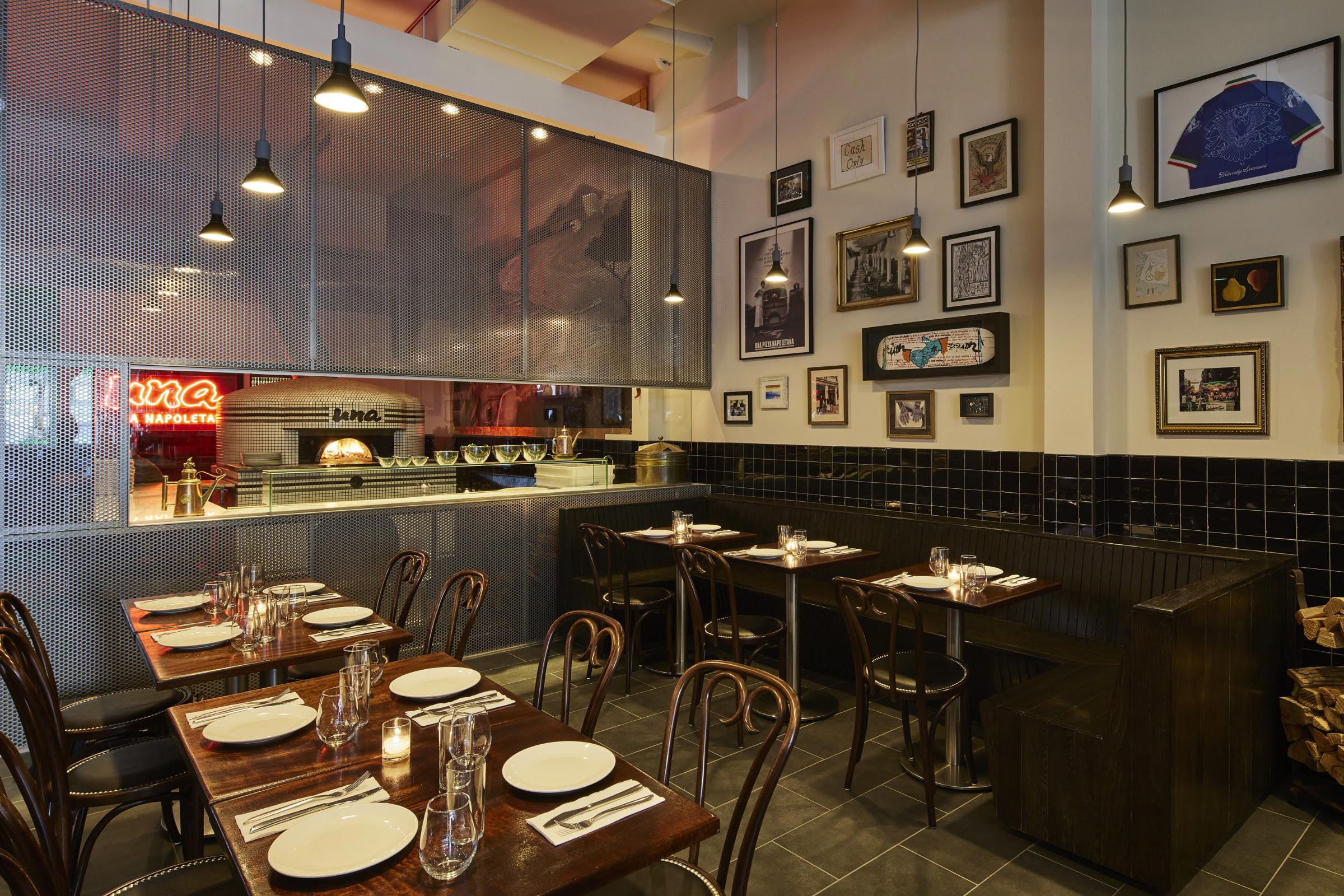
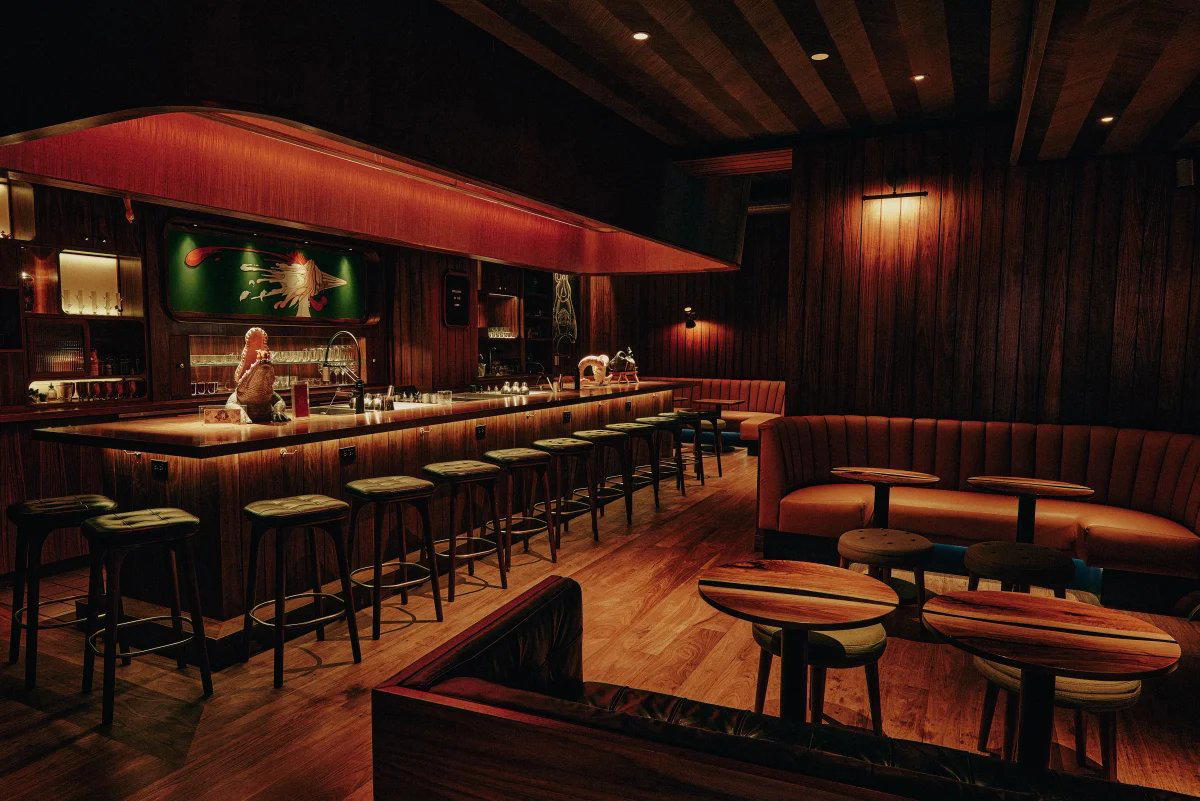
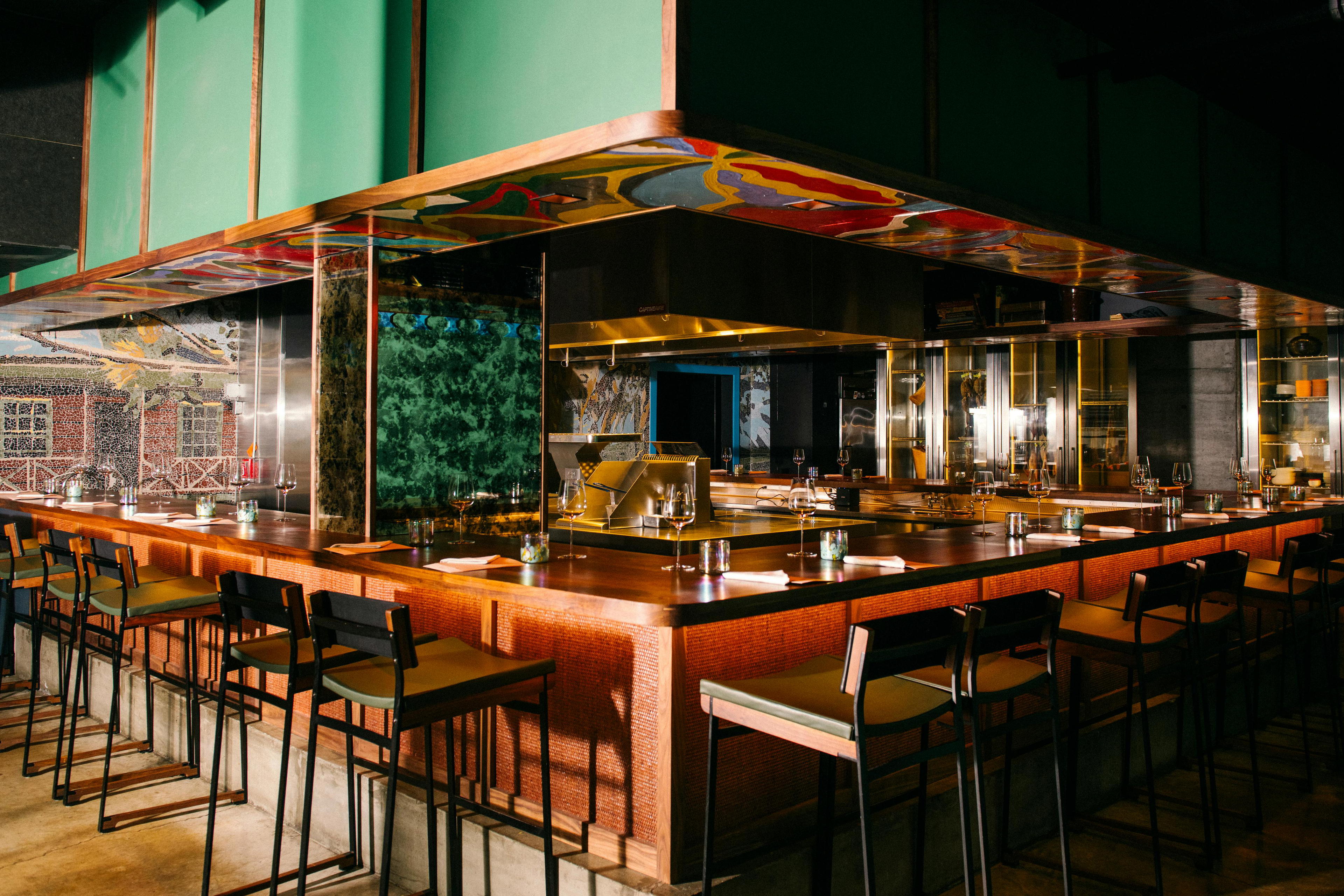
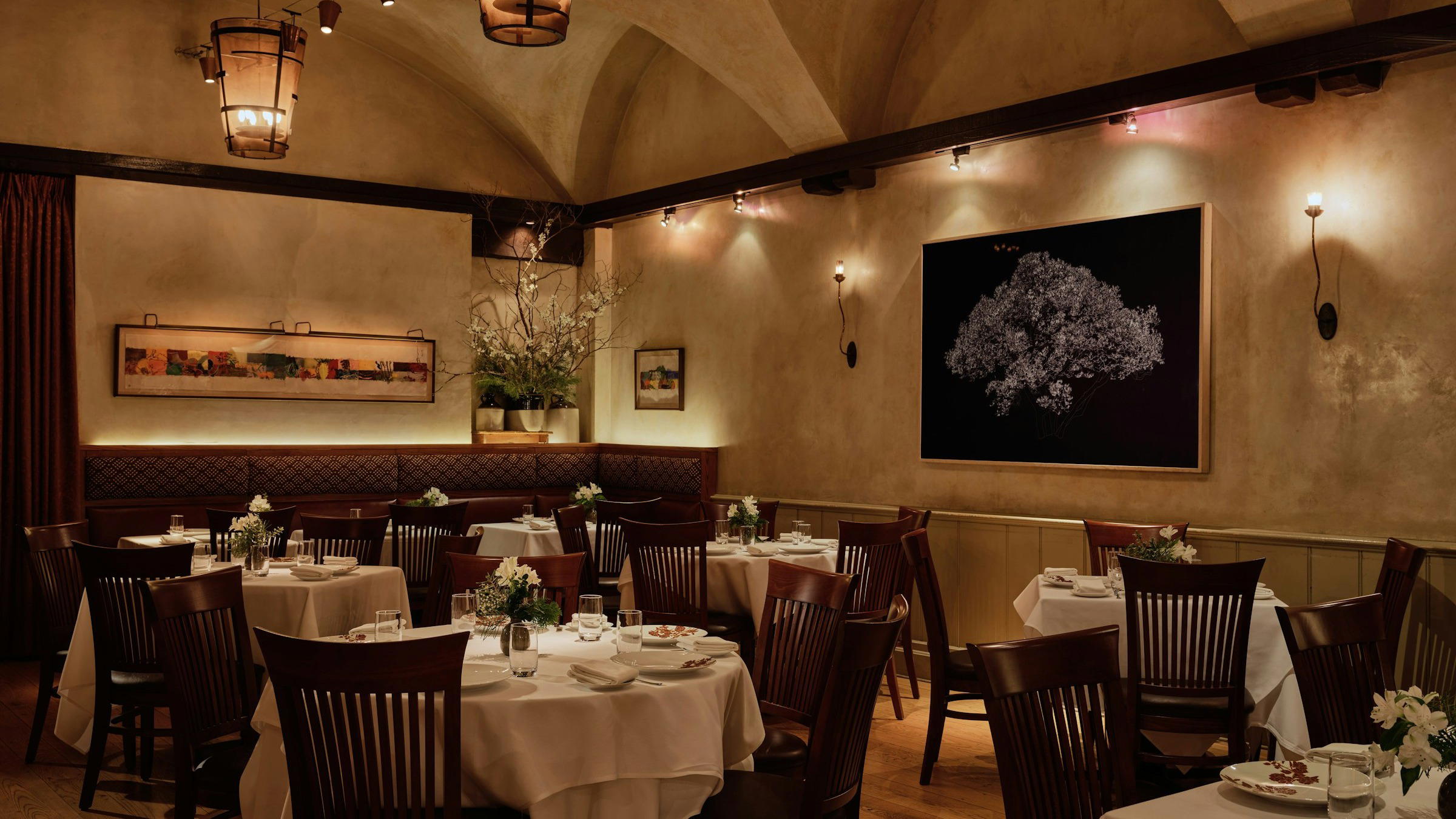
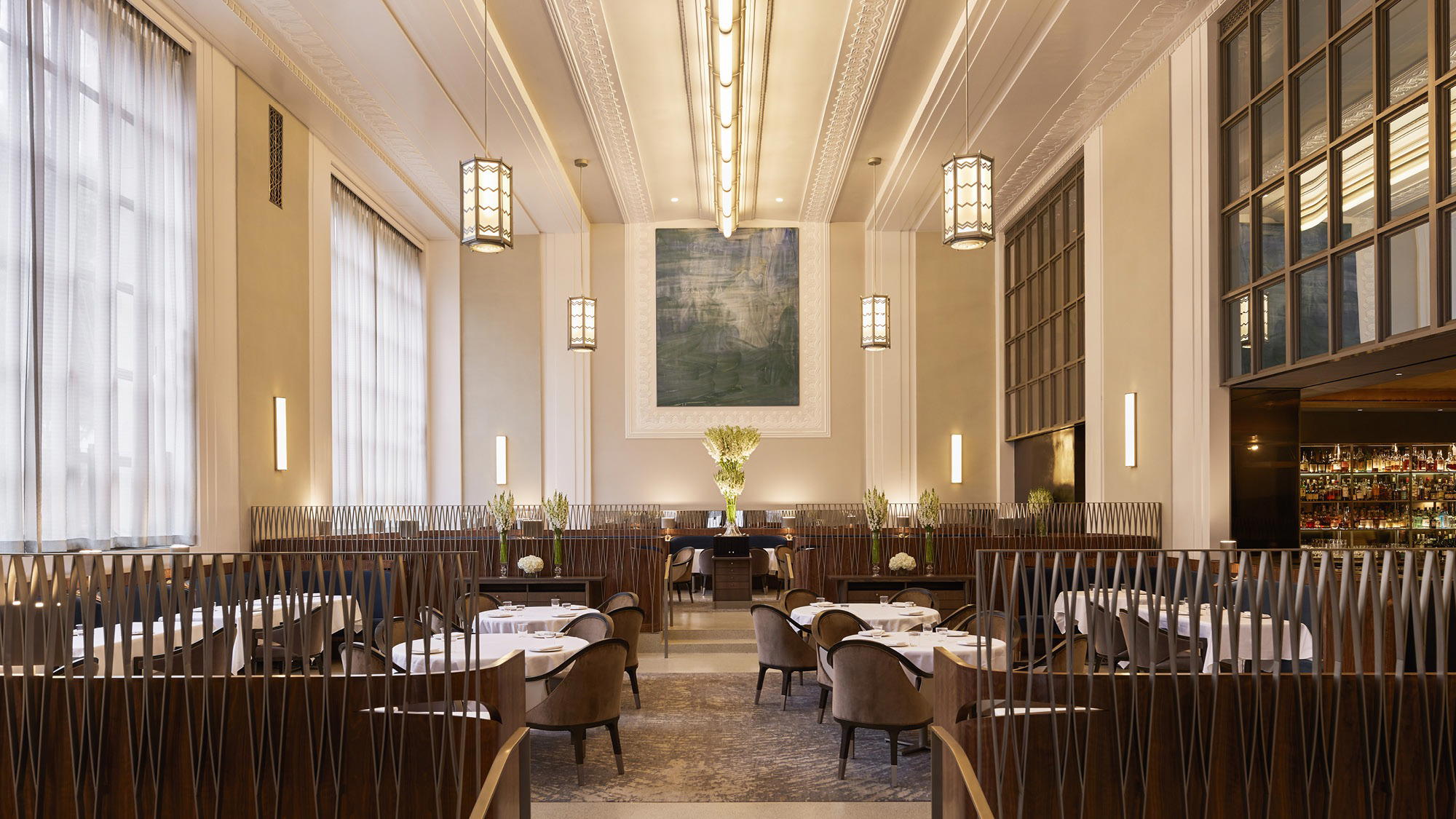
Bars in New York City
Browse all →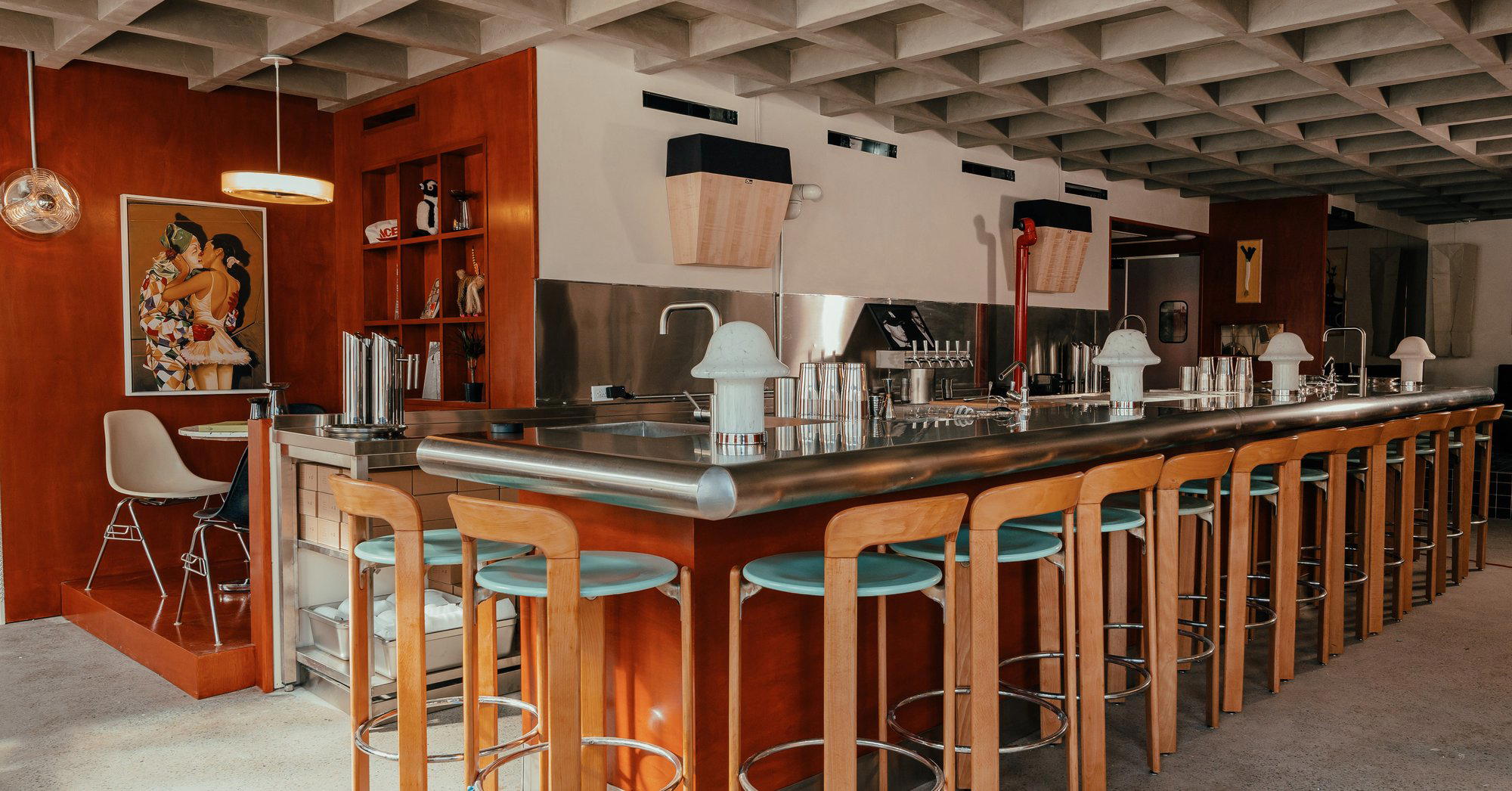
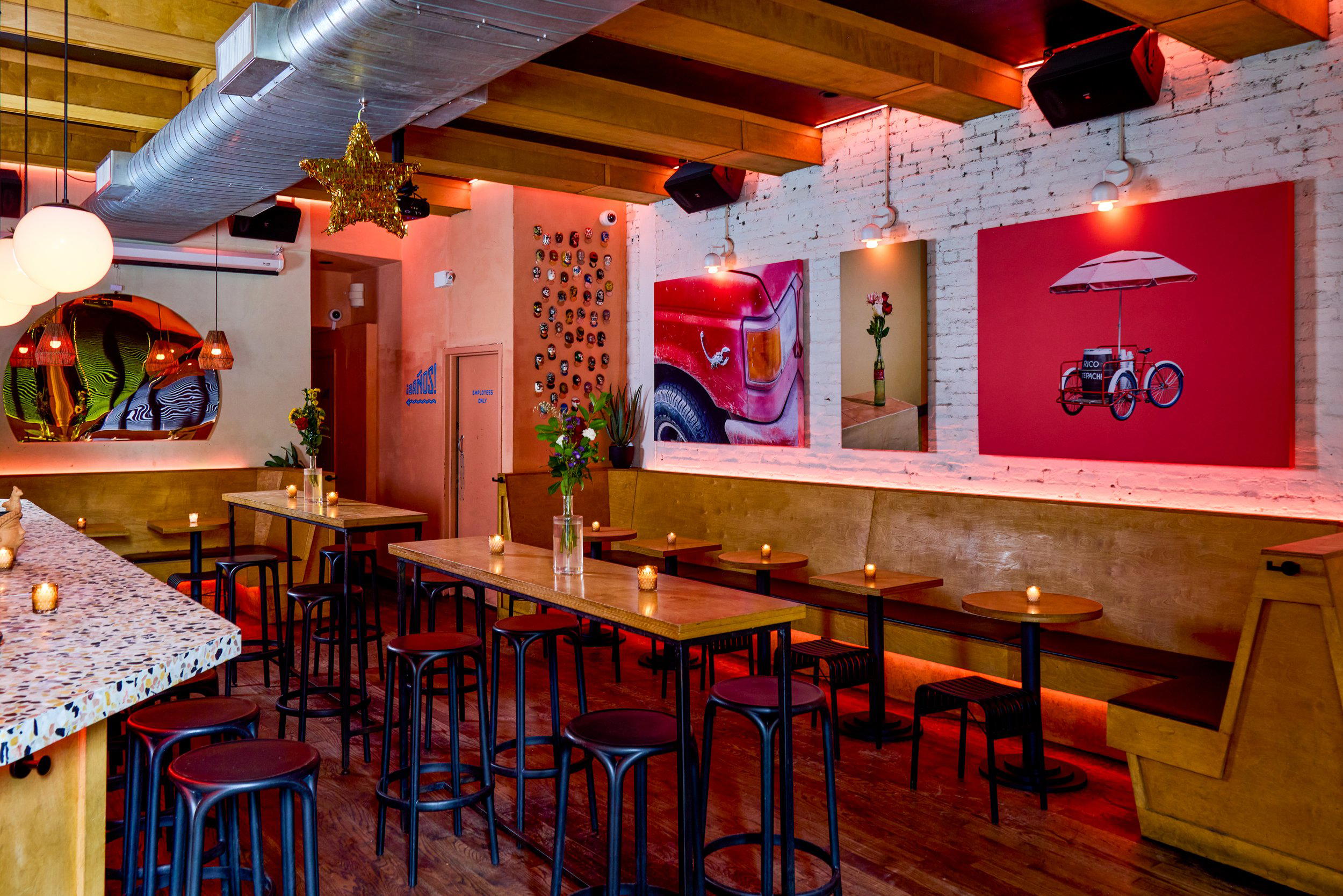
Hotels in New York City
Browse all →






At a Glance
- Ornate
- Sophisticated
- Elegant
- Intimate
- Romantic
- Trendy
- Date Night
- Business Dinner
- Group Dining
- Celebration
- After Work
- Private Event
- Open Kitchen
- Private Dining
- Design Destination
- Standalone
- Craft Cocktails
- Extensive Wine List
- Sommelier Led
- Farm To Table
- Local Sourcing
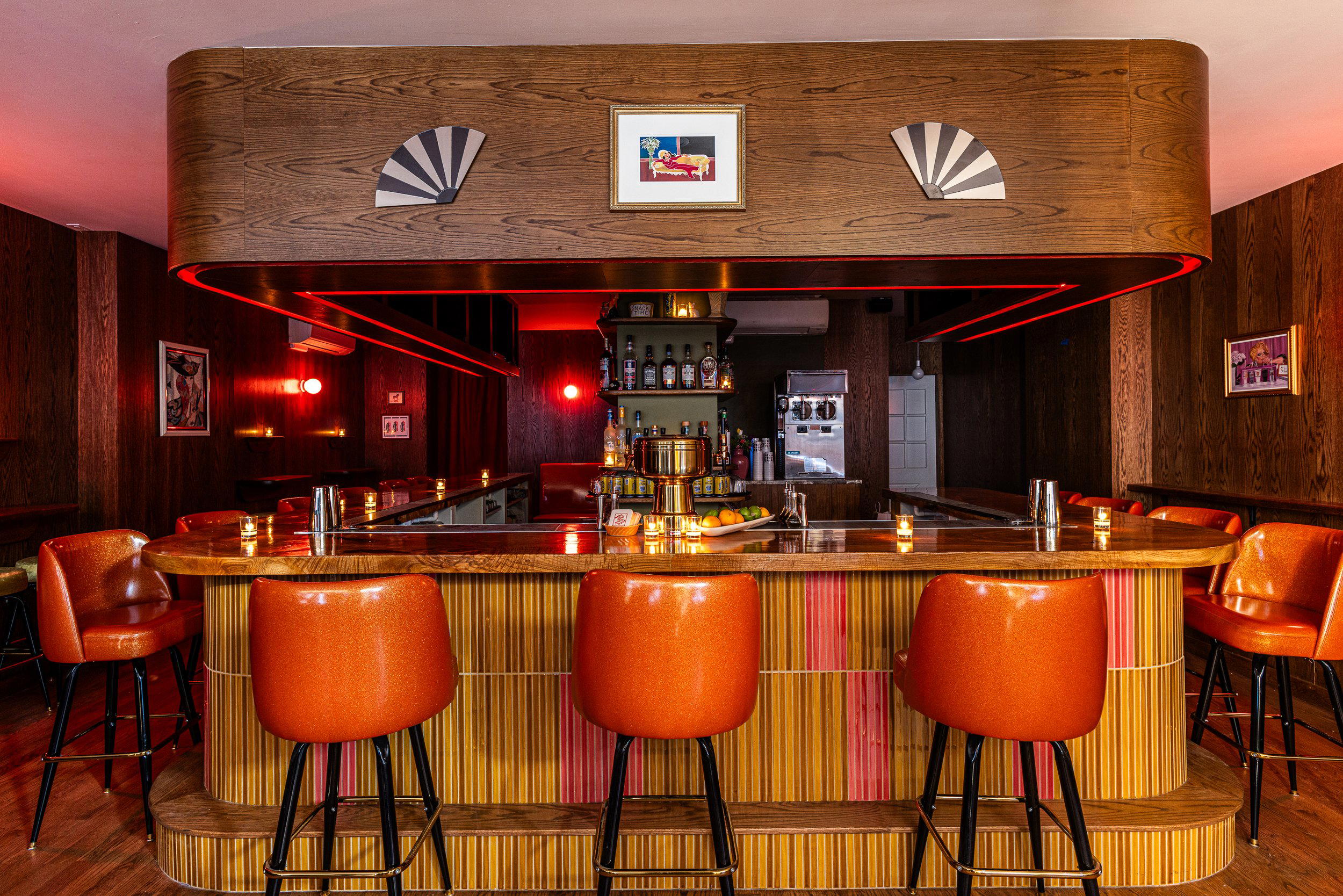
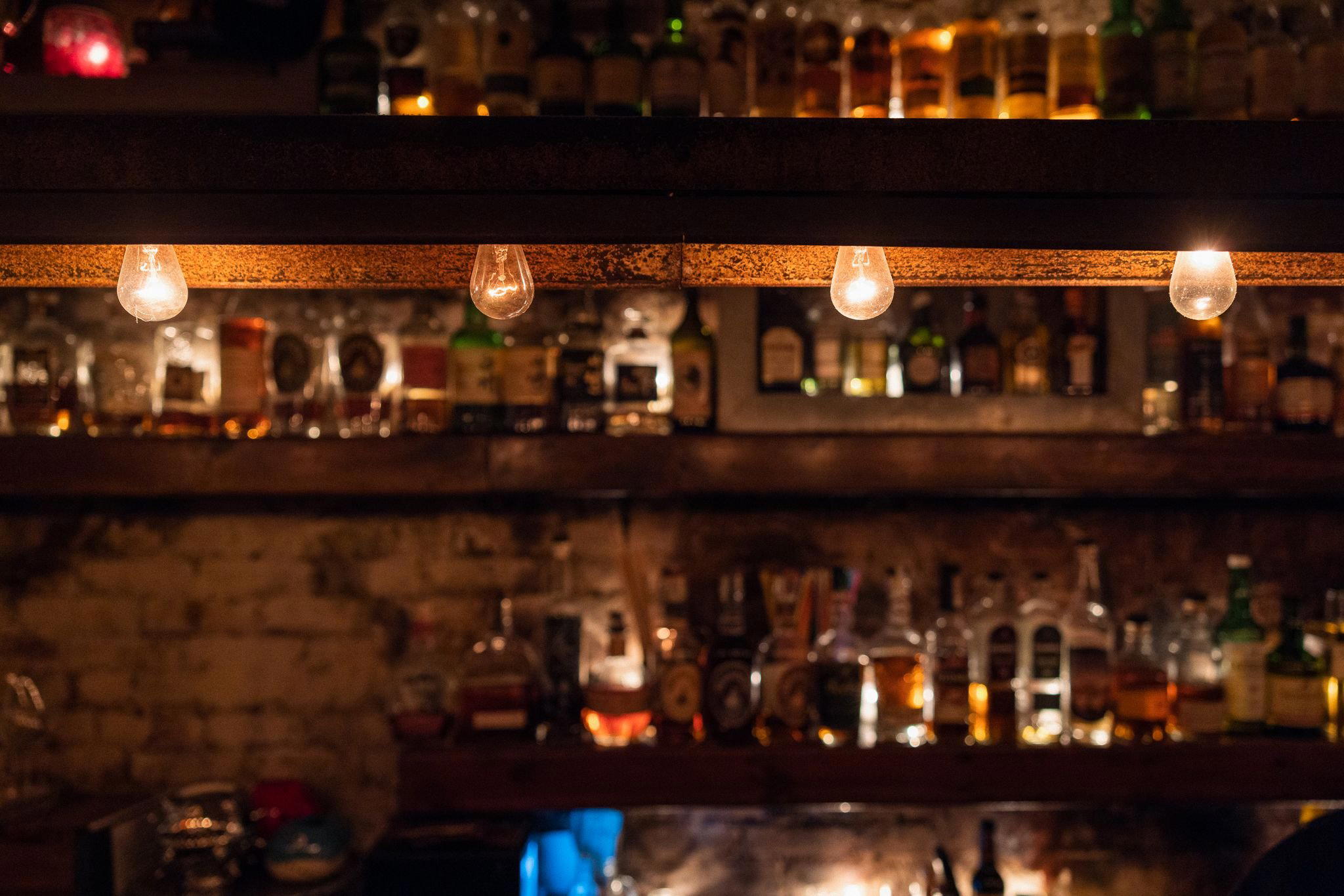
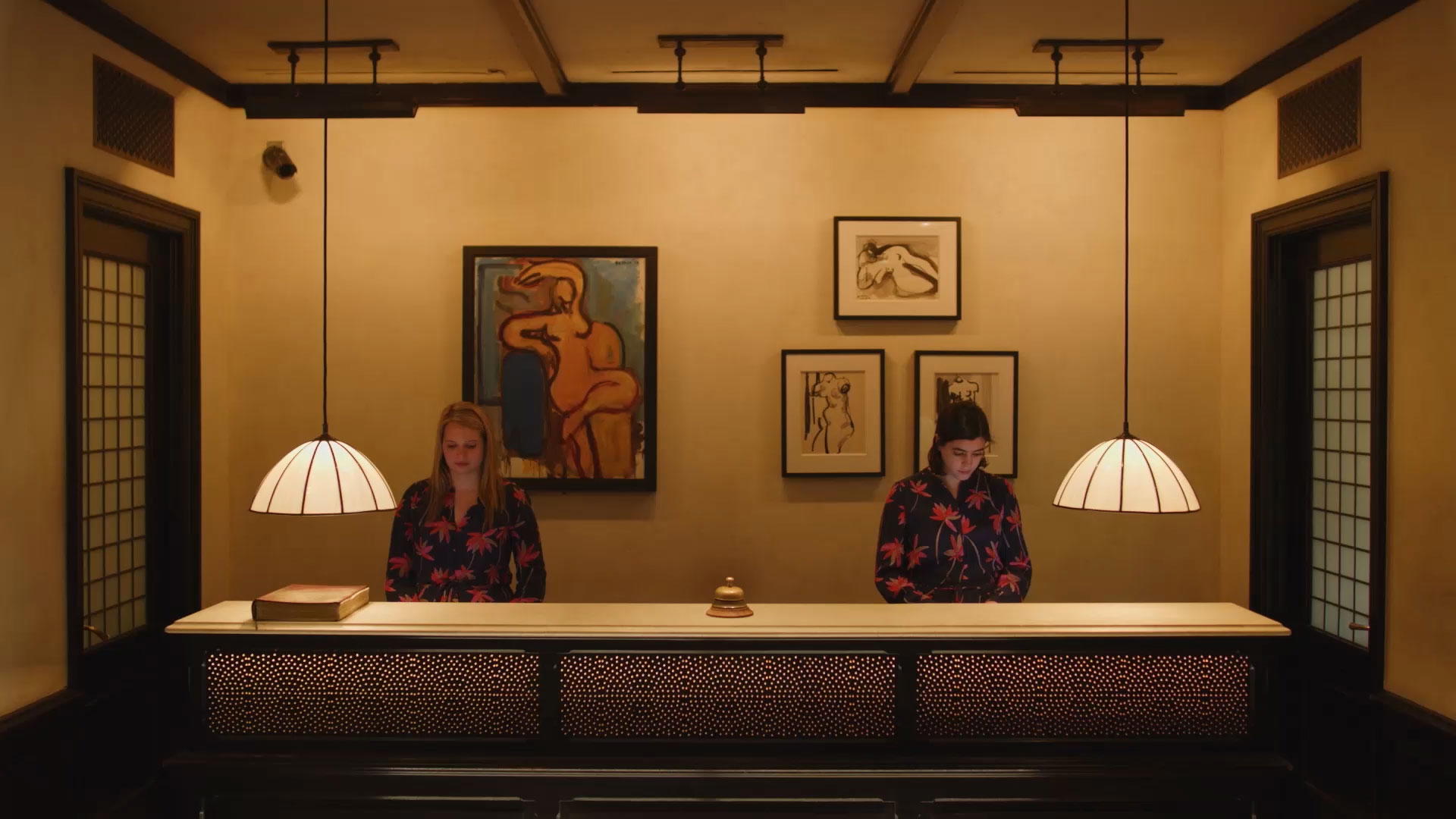
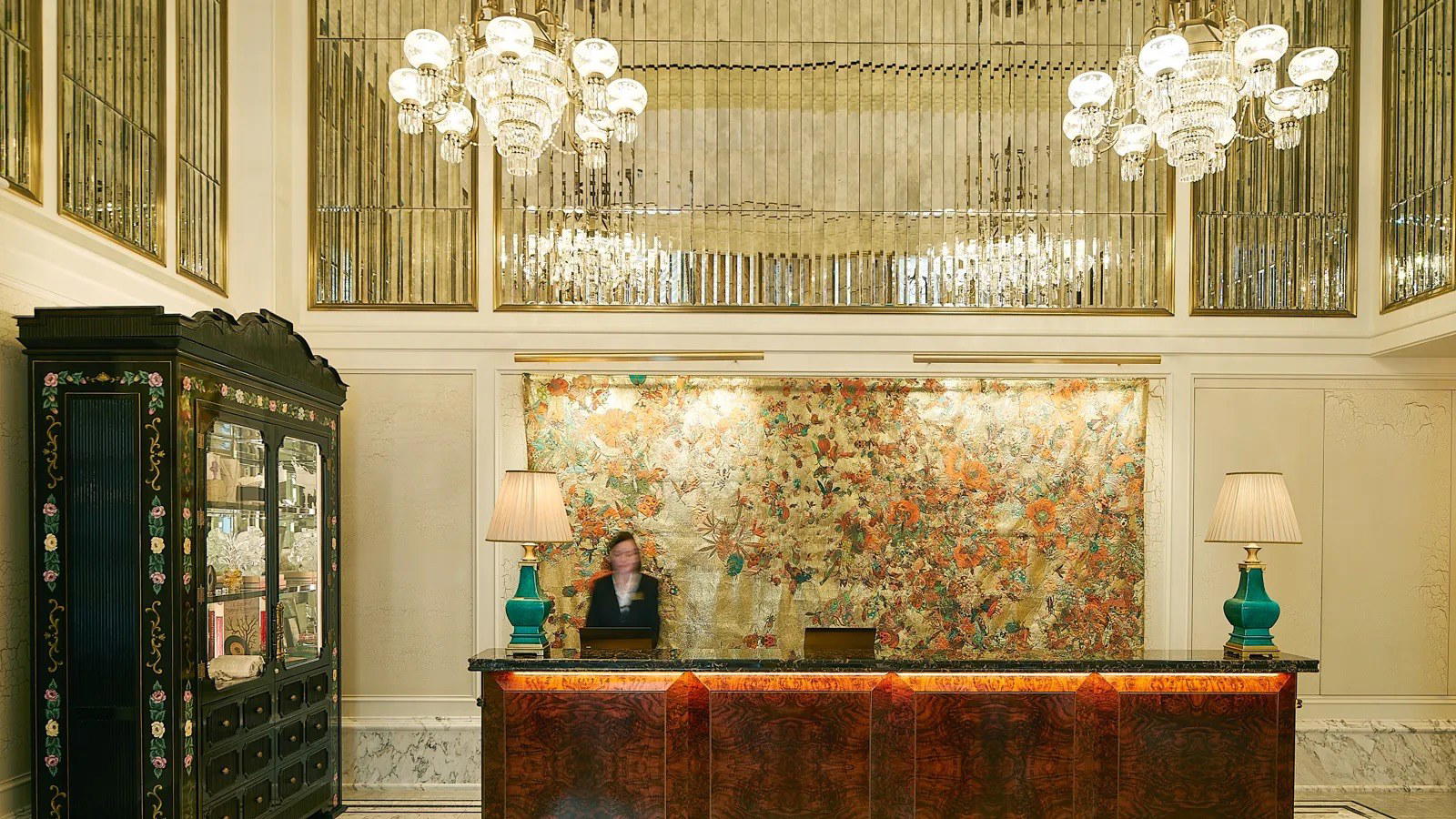
Warm, dimly lit, and luxurious, with royal decorative details, textured wood, and a lively bar that feels classy without being stuffy.