Golden Steer at One Fifth

Wine Spectator Best of Award of Excellence
Our verdict
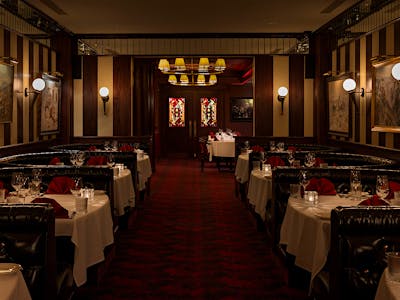
Golden Steer is a classic American steakhouse in New York City, representing the old-guard tradition of dry-aged beef and tableside service that defined the city's carnivore dining culture well before the modern chophouse boom. Where contemporary steakhouses compete on wagyu provenance and wine program depth, Golden Steer holds a position rooted in repetition, regularity, and the kind of institutional confidence that only decades of service can produce.

Pearl is the En Primeur Club membership app, where members save venues, book tables and use the concierge.
The menu
What to order
- Wet-aged USDA Prime steaks
- Tableside Caesar salad
- Twice-baked potato
- Bone-in ribeye
- Jumbo lobster tail
- Cherries jubilee
The Long Arc of the American Chophouse
New York's steakhouse tradition is one of the most durable in American dining. Before the wagyu-and-cocktail era reshaped the chophouse format, before places like Le Bernardin and Eleven Madison Park pushed the city's fine dining ceiling into three-Michelin-star territory, there existed a class of New York steakhouse built on an entirely different contract with its guest: no tasting menus, no chef provenance stories, no sourcing narratives. Just beef, heat, and the discipline to repeat it correctly every service. Golden Steer belongs to that older tradition. Its history places it among the generation of Manhattan chophouses that predates the modern American restaurant renaissance, which makes it a useful lens for understanding how the category has fractured over the past four decades.
Fire, Timing, and the Architecture of a Proper Steak
The editorial angle at a steakhouse of this vintage is not the menu innovation, it is the grill itself. The American chophouse at its technical core is an exercise in temperature management and timing. A properly cooked cut requires a grill running at sustained high heat, a cook who reads the meat rather than the clock, and a resting protocol that most high-volume kitchens sacrifice for speed. At the establishments that survive across multiple decades in New York, that discipline at the fire station is the differentiator. It is where reputations are made and, more commonly, lost.
The category comparison is instructive. At the contemporary end of New York's protein-focused dining, you have operations where the beef itself is the starting narrative: regional breed, days of aging, the particular fat content of a specific ranch's output. That information-forward approach suits a dining public trained by a decade of tasting menus at restaurants like Per Se or the omakase format at Masa to expect detailed provenance at every course. The older chophouse model makes a different argument: that the grill technique, the seasoning discipline, and the consistency of execution across hundreds of covers are themselves the craft. Neither position is wrong; they describe two genuinely different relationships between kitchen and guest.
Where Golden Steer Sits in the New York Steakhouse Spectrum
New York's steakhouse market has stratified sharply since the early 2000s. At one end, you have the expense-account flagships, many of them national chains that operate on volume and brand recognition. At another, a smaller tier of independent houses that survive on neighborhood loyalty and the trust of regulars who have eaten at the same table for fifteen years. Golden Steer occupies the latter position. That kind of longevity does not happen by accident in a city with Manhattan's real estate economics and dining turnover rate. It happens because a specific audience returns consistently, and because the kitchen delivers within a narrow, well-defined range of expectations.
This is worth stating plainly because it changes how the venue should be assessed. The correct comparison is the cluster of mid-century American chophouses that have either closed, been acquired by hospitality groups, or transformed into something unrecognizable from their original format.
For readers who want to map the broader American fine-dining scene beyond New York, the contrast is even sharper. Venues like Lazy Bear in San Francisco, Smyth in Chicago, or Single Thread Farm in Healdsburg represent the contemporary American dining mode: seasonal, chef-driven, ingredient-narrative-heavy. The Golden Steer model represents the opposing tradition: format stability, service familiarity, and the primacy of the grill over the garden. Both are legitimate. They answer different questions about what a restaurant is for.
The Classic American Steakhouse in National Context
The chophouse as a format has proved more resilient nationally than critics predicted two decades ago. Institutions like Emeril's in New Orleans and The French Laundry in Napa represent the chef-forward American restaurant tradition, but the parallel track of the classic American grill, anchored in simplicity and repetition, has continued to draw a loyal audience that has little interest in tasting menus or foraging narratives. Places like Blue Hill at Stone Barns in Tarrytown, Providence in Los Angeles, and Addison in San Diego define one pole of American dining ambition. The classic chophouse defines another, and the audience for both is larger than the critical conversation usually acknowledges.
Even in the European fine dining context, the tension between innovation and tradition is well-documented. Atelier Moessmer Norbert Niederkofler in Brunico and Dal Pescatore in Runate hold their positions through deep commitment to regional tradition rather than constant reinvention. The American chophouse operates from a similar logic, even if the culinary tradition it draws on is narrower in scope.
For readers planning a broader New York dining itinerary that includes the full spectrum, The Inn at Little Washington, Frasca Food and Wine in Boulder, and our full New York City restaurants guide provide further reference points across format and price tier.
Planning Your Visit
Golden Steer operates as a traditional New York steakhouse in the classic American format. Given the sparse public booking data available, contacting the venue directly is the safest approach for securing a table, particularly on weekend evenings when demand at established chophouses in New York tends to run ahead of capacity. Dress expectations at venues of this generation typically skew toward smart casual at minimum; diners who arrive in athletic wear at a mid-century Manhattan chophouse are likely to find the room does not accommodate the look. The format rewards guests who are not in a hurry. The steakhouse dining pace, with its tableside rhythm and extended service structure, is a deliberate counter-programming to the faster formats that now dominate the mid-market.
Quick reference: Classic American steakhouse, New York City. Booking via direct contact recommended. Smart casual dress appropriate.
Frequently asked questions
Do I need a reservation at Golden Steer?
In New York's established steakhouse tier, Thursday through Saturday evenings are the tightest windows for walk-in availability. Contacting the venue directly before your visit is advisable, particularly for groups of three or more. Mid-week services generally allow more flexibility, though Golden Steer's standing in the classic American steakhouse category means it draws a consistent local following.
What's the signature dish at Golden Steer?
At an American chophouse of this vintage and format, the centerpiece is the beef program. Expect primary cuts in the New York strip and bone-in ribeye tradition, prepared on a high-heat grill in the classic chophouse method. The draw is consistency and technique, not novelty, which is precisely the point at a steakhouse operating in New York City's mid-century tradition.
Do I need a reservation for Golden Steer?
Reservations are recommended for Golden Steer in New York City. Confirm current policy via the venue's official channels.
Recognition history
Dated appearances from independent guides and award organizations, with the underlying list record or original source where available.
Wine Spectator Best of Award of Excellence
Wine Spectator
Continue exploring
More in New York City
Restaurants in New York City
All restaurants in New York City →
Bars in New York City
All bars in New York City →


Golden Steer at One Fifth
The wine
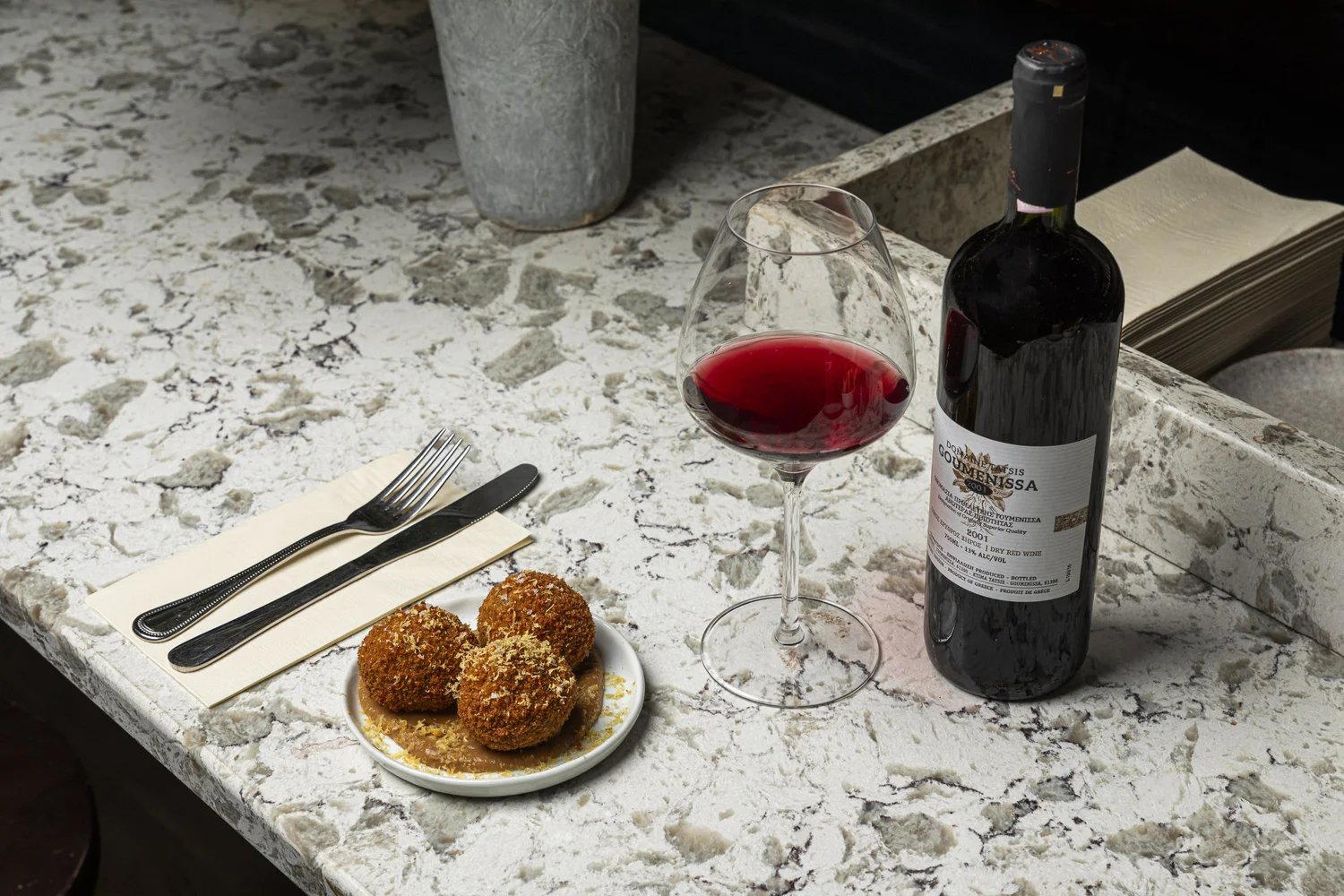
Golden Steer at One Fifth holds the Wine Spectator Best of Award of Excellence, which Wine Spectator gives to lists of usually 350 or more selections.
- Wine program
- Deep wine list
- Wine Spectator
- Wine Spectator Best of Award of Excellence
- Extensive wine list
- Corkage allowed
- Craft cocktails
Details
- Classic
- Elegant
- Well Known
- Sophisticated
- Romantic
- Energetic
- Date Night
- Business Dinner
- Group Dining
- Celebration
- Special Occasion
- After Work
- Private Event
- Private Dining
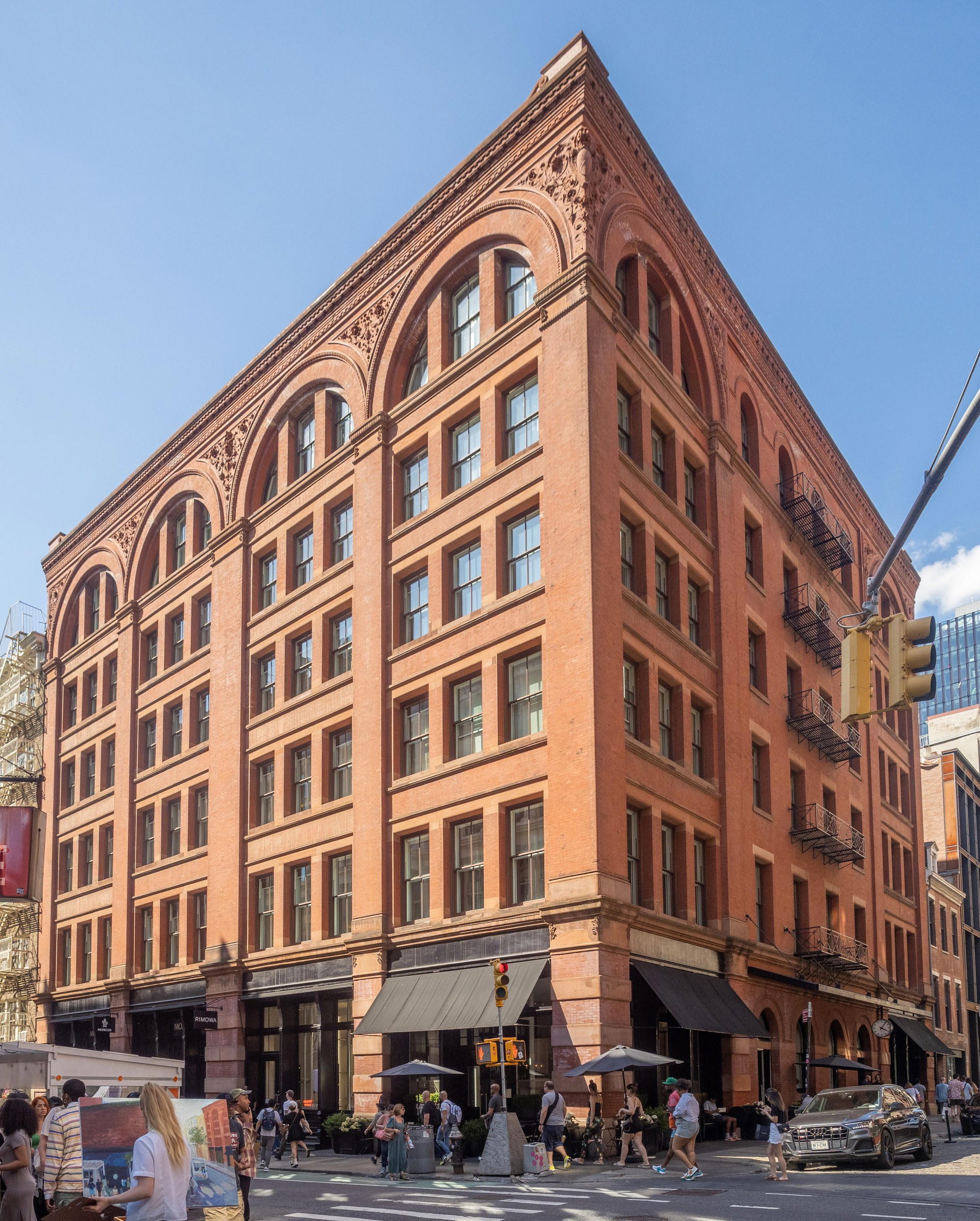
- Historic Building
- Design Destination
- Standalone
- Craft Cocktails
- Extensive Wine List
- Corkage Allowed
- Street Scene
Current opening hours
- Monday
- Closed
- Tuesday
- 5–10 PM
- Wednesday
- 5–10 PM
- Thursday
- 5–10 PM
- Friday
- 5–10 PM
- Saturday
- 5–10 PM
- Sunday
- Closed
Hours can change for holidays and private events. Hours as of .
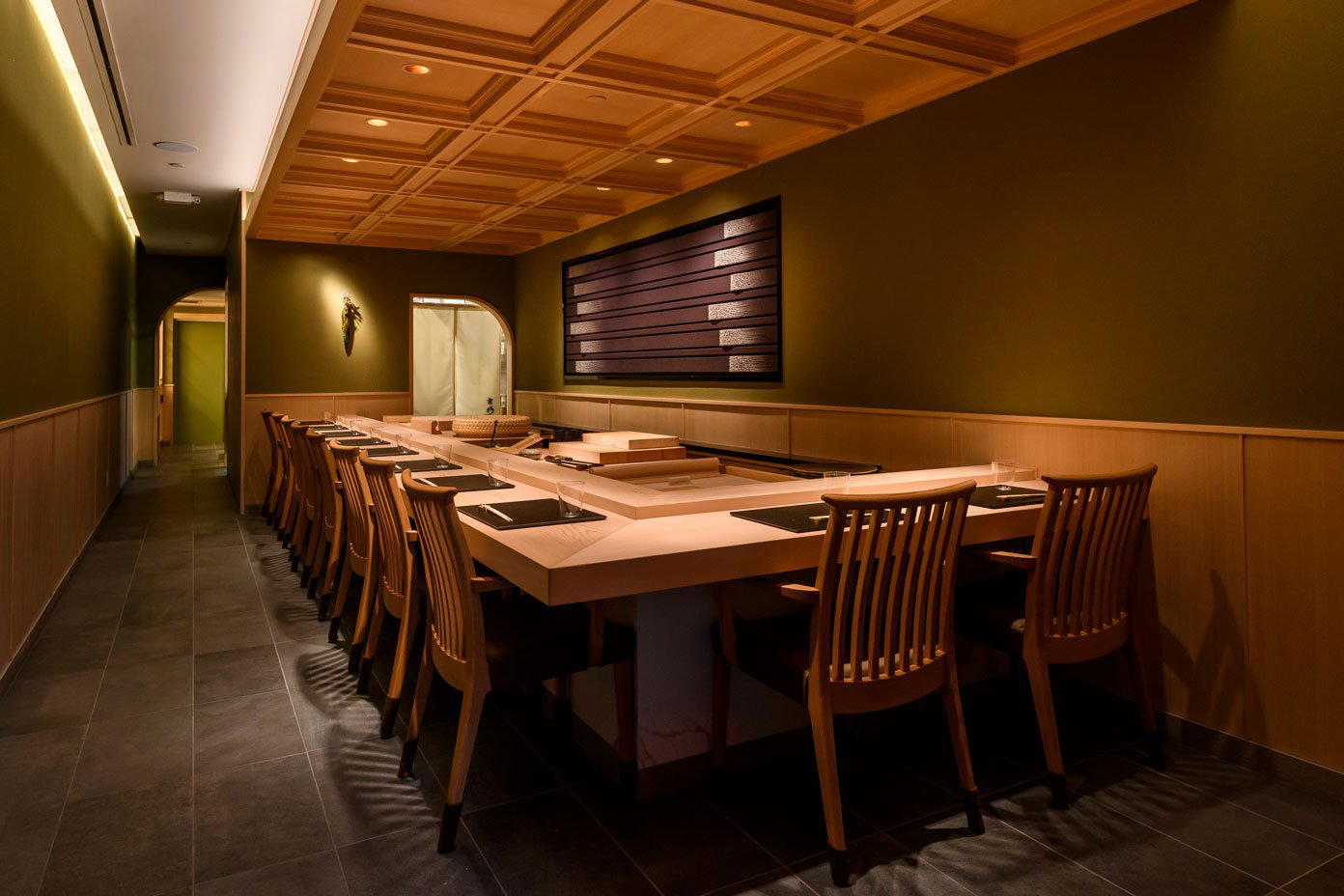
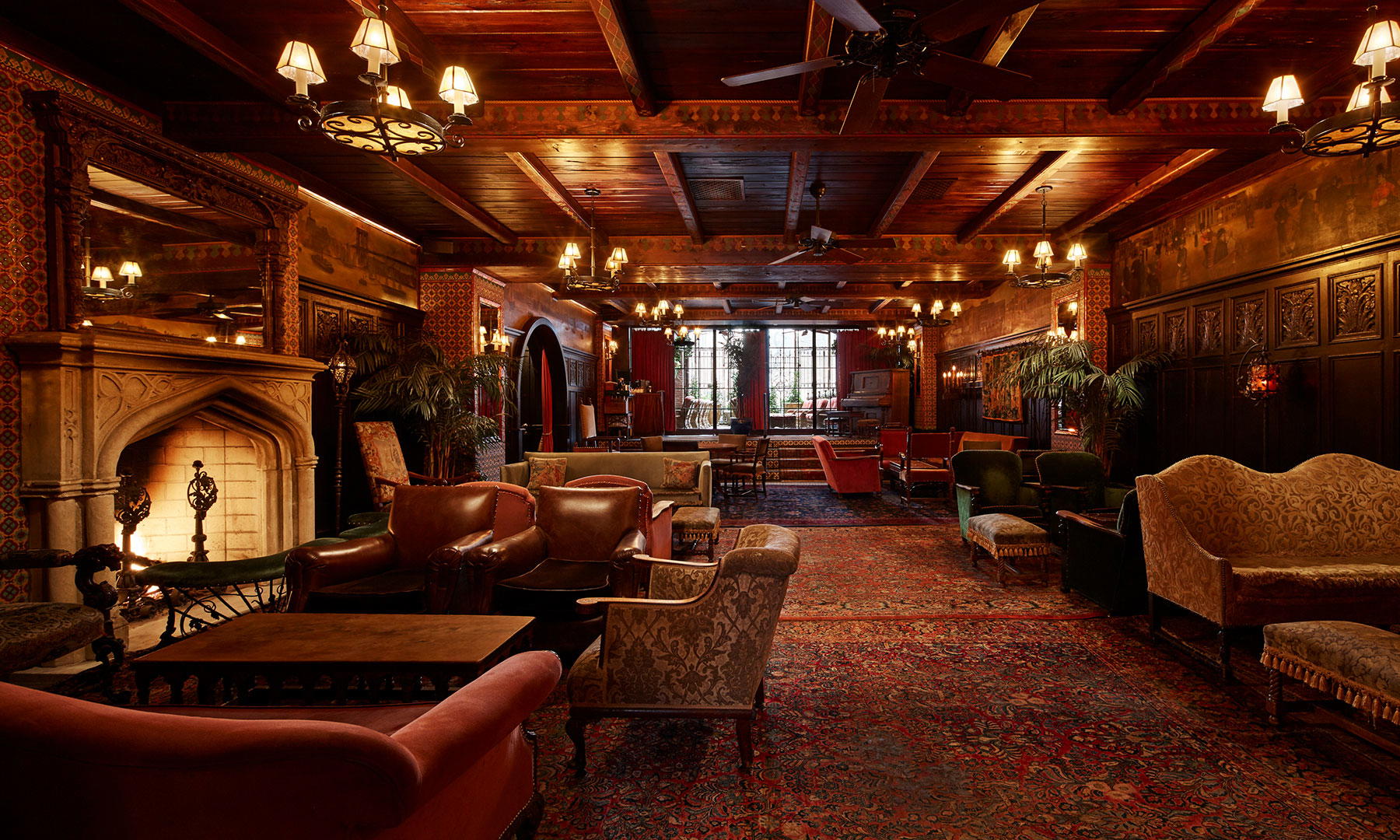
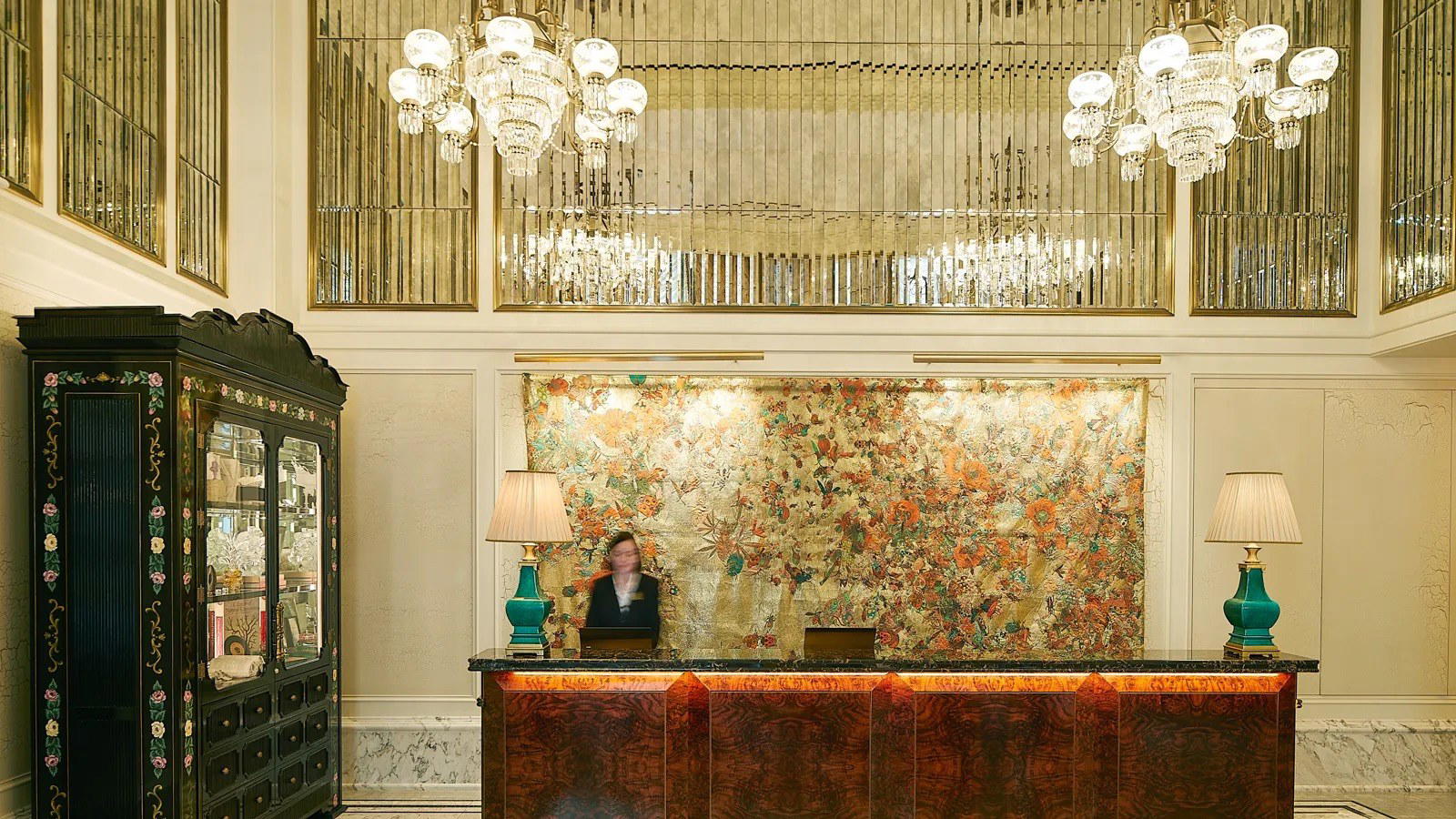
Vintage, Rat Pack-era steakhouse glamour translated to a New York landmark: tuxedoed servers in bowties, classic tableside service, a sizable bar, and a polished, old-school fine dining room evoking the golden era of New York and Las Vegas.