Giulia


Michelin Plate
Our verdict
Giulia on Massachusetts Avenue is Cambridge's most pasta-focused Italian, with around nine varieties on any given night ranging from fresh fusilli with tomato and zucchini to pappardelle with braised wild boar. A sister restaurant to Moëca around the corner, it runs an all-Italian wine list and keeps a row of bar counter seats available for walk-ins on one of the busiest dining rooms in the neighbourhood.

Pearl is the En Primeur Club membership app, where members save venues, book tables and use the concierge.
The menu
What to order
- Pappardelle with wild boar
- Chicken liver crostini
- Burrata
A Room Built Around the Pasta Course
On most American restaurant menus, pasta occupies the middle tier: a warm-up act before the protein, priced accordingly, portioned to leave room. Giulia, on Massachusetts Avenue in Cambridge, inverts that logic. Here, pasta is the architectural centre of the meal, and everything else, the burrata to open, the all-Italian wine list to accompany, the shared plates to round out the table, exists in service of that central commitment. The result is a dining room with a clear point of view, which is rarer than it sounds in a neighbourhood that leans heavily toward the eclectic.
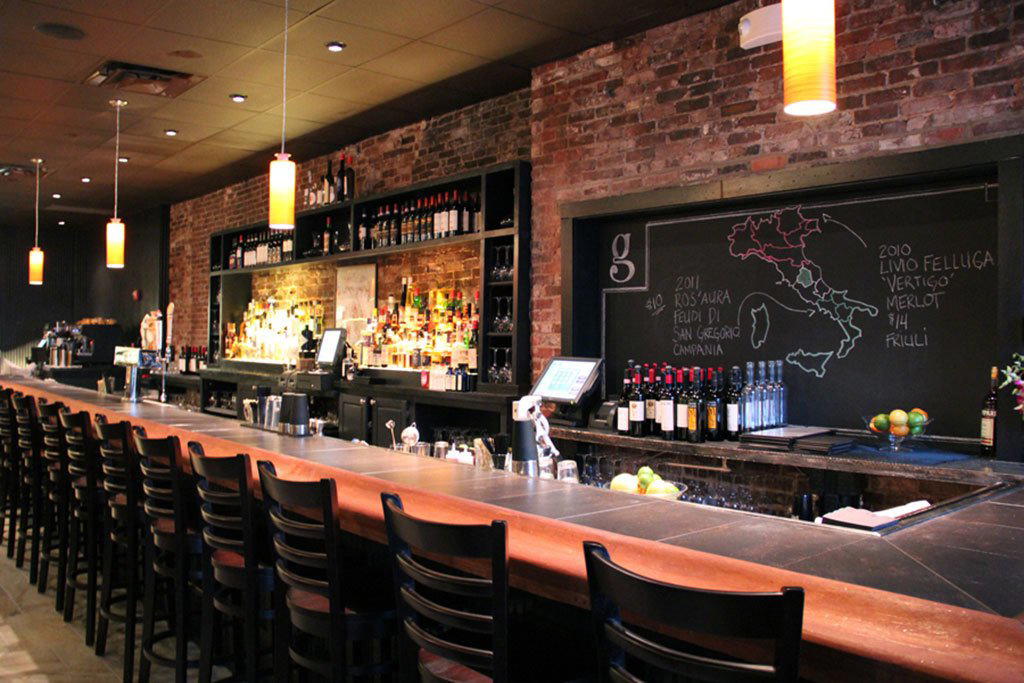
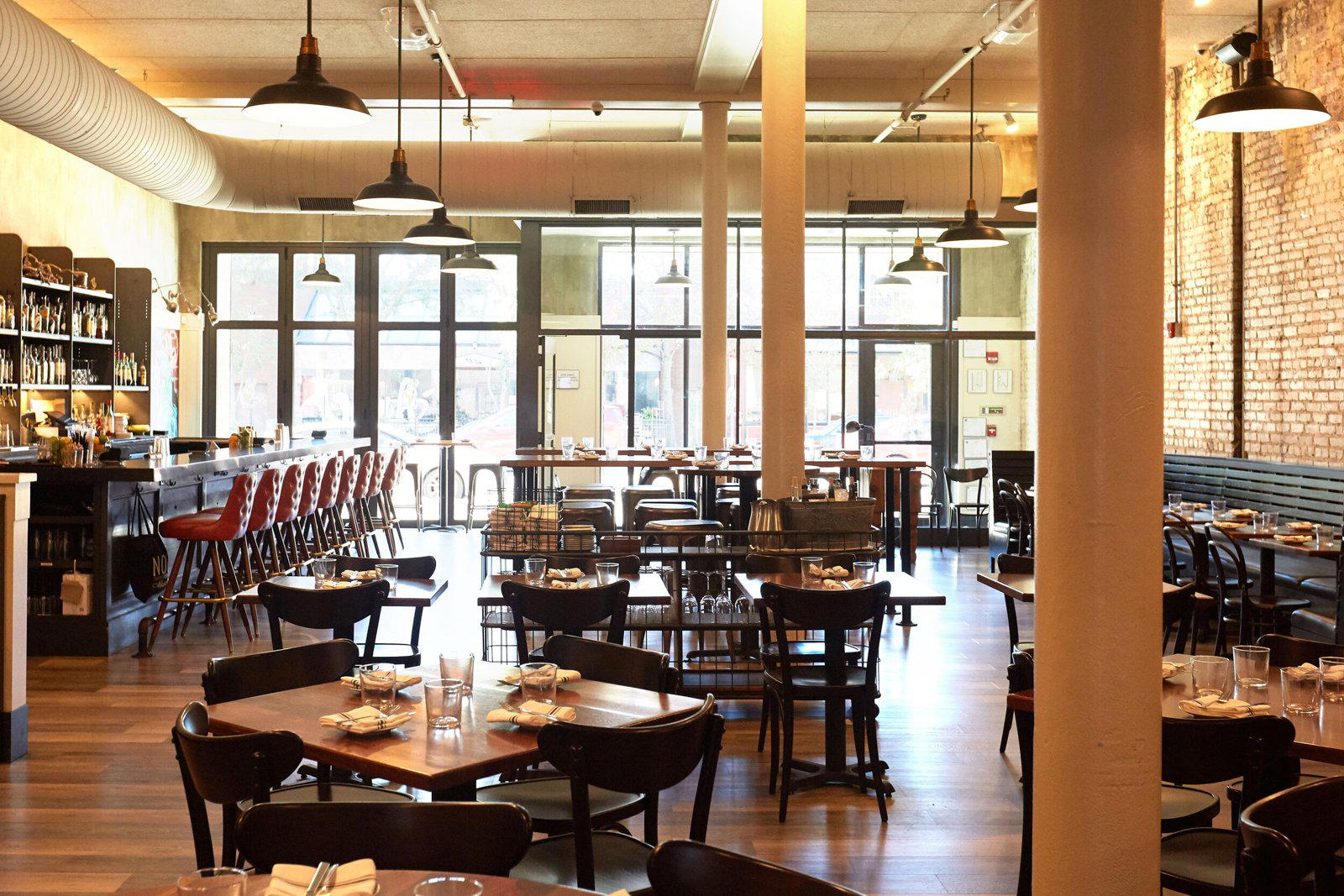
The room itself sets expectations before the menu arrives. It runs long and narrow, animated by the kind of productive noise that suggests the kitchen and the front of house are operating in sync rather than racing to catch up with each other. A row of bar counter seats stretches down one side, a detail worth noting not just for its aesthetic but for what it signals about how the restaurant manages demand: those counter seats are kept for walk-ins, a deliberate policy that keeps the room accessible even on nights when reservations are long gone.
Nine Pastas, One Argument
The menu architecture at Giulia makes an argument through repetition. Around nine pasta varieties are available on any given night, a number large enough to require a decision but small enough to suggest genuine editorial control. This is not the Italian-American approach of offering twenty options to avoid disappointing anyone. It is closer to the trattoria model, where the kitchen commits to a shorter list and executes it with the confidence that comes from focus.
Range spans the spectrum from restrained to substantial. On the lighter end, fresh fusilli with tomato and zucchini demonstrates how a well-made pasta needs very little intervention to hold interest: good texture, clean acidity, ingredients that don't compete. At the heavier end, pappardelle with braised wild boar is the kind of dish that justifies the pasta-first philosophy entirely. Wide ribbons of pasta against a long-braised ragu is a combination that Italian regional cooking has refined over centuries, and the version here earns its place on a menu built around exactly this kind of conviction.
That range is worth reading carefully. A menu that holds both a light, vegetable-forward option and a slow-braised meat preparation is not trying to be all things to all diners. It is demonstrating range within a single culinary tradition, which is a more interesting editorial act. Restaurants in Cambridge that do this well, and there are a few, tend to attract regulars who return specifically to work through the menu rather than visitors looking for a single occasion dish.
The Italian Wine List as a Pairing Position
An all-Italian wine list is a constraint that functions as a credential. It tells you the kitchen is not hedging toward an international selection that lets the sommelier off the hook for difficult pairings. It commits the restaurant to a specific conversation between food and wine, one rooted in the same regional tradition as the pasta itself. For a guest ordering the wild boar pappardelle, the implied recommendation is a red from the Italian peninsula, which narrows the field usefully and rewards guests who engage with the list rather than defaulting to habit.
This kind of wine program sits in notable contrast to Cambridge's higher price-tier restaurants, where broader international lists are the norm. Midsummer House and Restaurant Twenty-Two, both operating at the Michelin-starred end of the city's dining scene, carry the more expansive cellar selections that their price points require. Giulia's Italian-only approach is a different kind of decision, one that prioritises coherence over comprehensiveness.
Where Giulia Sits in the Cambridge Scene
Cambridge's restaurant scene in 2024 is more varied than its academic reputation might suggest. The stretch of Massachusetts Avenue running through Cambridge carries a concentration of independent restaurants that span formats from casual to occasion dining. Giulia's sister restaurant, Moëca, operates around the corner, and the two together represent a coherent approach to Italian cooking at a neighbourhood scale, rather than the grand-gesture Italian dining that tends to dominate city centre locations in Boston proper.
Within Cambridge specifically, Giulia occupies a middle register that is neither the destination-occasion tier of Midsummer House nor the approachable-casual end represented by Alden & Harlow or Darling. It is a restaurant where the menu has a clear identity, the room is consistently full, and the cooking is precise enough to reward attention without requiring the ceremony of a tasting menu format. For Cambridge diners, that register is genuinely useful. For visitors, it is the kind of place that reads as local knowledge rather than tourist infrastructure.
That is a different ambition than what drives destination restaurants like Le Bernardin in New York or Alinea in Chicago, but it is a coherent one, and the full room on any given evening suggests the market agrees.
Other Cambridge options worth considering in a longer visit include Fallow Kin, and the city's broader dining picture is mapped in our full Cambridge restaurants guide. For accommodation, our Cambridge hotels guide covers the range of options near Massachusetts Avenue. Those planning further around the region can also consult our Cambridge bars guide, wineries guide, and experiences guide.
Planning Your Visit
Giulia runs busy, and the team is noted for handling volume without the service degrading under pressure, which is a harder operational achievement than it looks from the outside. Reservations are the reliable path for anyone with a fixed schedule, but the counter seats along the bar are held specifically for walk-ins, making a spontaneous visit viable if you arrive early in service or are flexible on timing. The address is 1682 Massachusetts Avenue, Cambridge, placing it in easy reach of Harvard Square and the residential stretch of the avenue that runs north toward Porter Square.
Frequently asked questions
What part of town is Giulia in?
Giulia is located at 1682 Massachusetts Ave, Cambridge, MA 02138, United States, Cambridge.
What kind of recognition has Giulia received?
Giulia has received recognition including: It’s all about the pasta here at Giulia, sister restaurant to Moëca around the corner. There are usually around nine varieties on offer; you can go for lighter choices like fresh-tasting fusilli with tomato and zucchini or plump for the smo….
What do people recommend at Giulia?
The pasta is the clear focus, with around nine varieties on the menu on any given night. Pappardelle with braised wild boar appears most consistently in recommendations, while lighter options like fusilli with tomato and zucchini suit those wanting something less heavy. Starting with shared burrata or caponata before moving to pasta is the approach most regulars follow.
How far ahead should I plan for Giulia?
Giulia on Massachusetts Ave in Cambridge runs consistently busy, so booking ahead is the reliable approach. If you arrive without a reservation, counter seats along the bar are held for walk-ins and represent your best chance on the night.
Recognition Snapshot
Comparable venues nearby, for context on price, style, and recognition.
| Venue | Cuisine | Price | Awards | Notes |
|---|---|---|---|---|
| GiuliaThis venue (the venue you are viewing) | Seasonal Italian Pasta | $50–100 | Michelin Plate | Not listed |
| Pammy's | Modern Italian with Global Influences | $100–150 | Michelin Plate | Riverside |
| Trattoria Pulcinella | Authentic Neapolitan Trattoria | $30–50 | Not listed | Neighborhood Nine |
| Little Donkey | Global Small Plates | Not listed | Diners, Drive-Ins and Dives Featured Bar | The Port |
| Viale | Italian-Inspired Seasonal Trattoria | $50–100 | Not listed | The Port |
| Batifol | Classic French Brasserie | $30–50 | Not listed | East Cambridge |
Recognition history
Dated appearances from independent guides and award organizations, with the underlying list record or original source where available.
Michelin Plate
Michelin
Opinionated About Dining Casual in North America Recommended
Opinionated About Dining
Continue exploring
More in Cambridge
Restaurants in Cambridge
All restaurants in Cambridge →
Bars in Cambridge
All bars in Cambridge →
Hotels in Cambridge
All hotels in Cambridge →

Wineries in Cambridge
Browse all →
Details
- Cozy
- Rustic
- Intimate
- Elegant
- Date Night
- Special Occasion
- Open Kitchen
- Extensive Wine List
- Local Sourcing
- A La Carte
- Small Plates
- Vegetarian Friendly
Current opening hours
- Monday
- 5:30–9 p.m.
- Tuesday
- 5:30–9 p.m.
- Wednesday
- 5:30–9 p.m.
- Thursday
- 5:30–9 p.m.
- Friday
- 5:30–10 p.m.
- Saturday
- 5:30–10 p.m.
- Sunday
- Closed
Hours can change for holidays and private events. Hours as of .
Cozy rustic atmosphere with warm lighting, close tables, and a welcoming vibe focused on food rather than design.