Our verdict
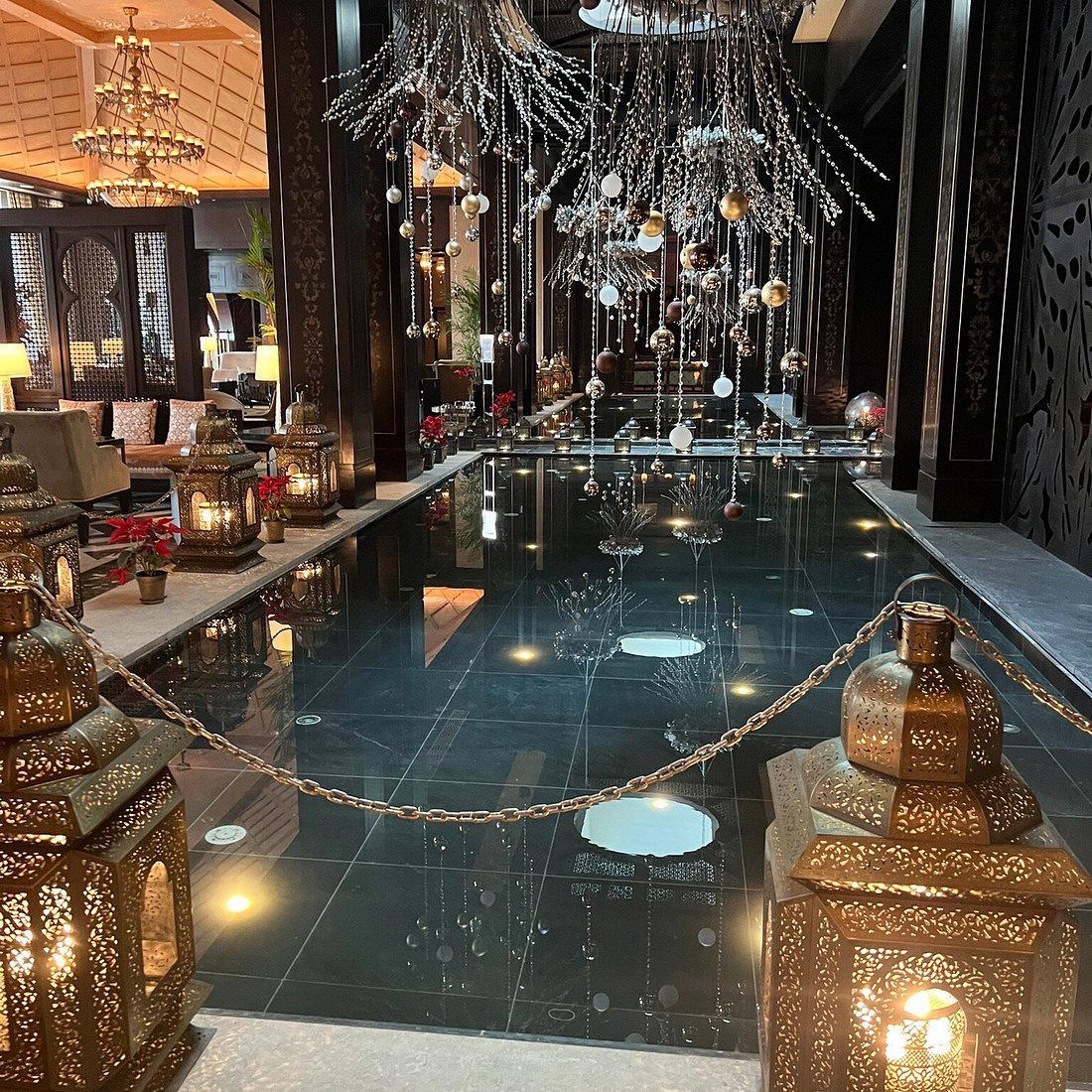
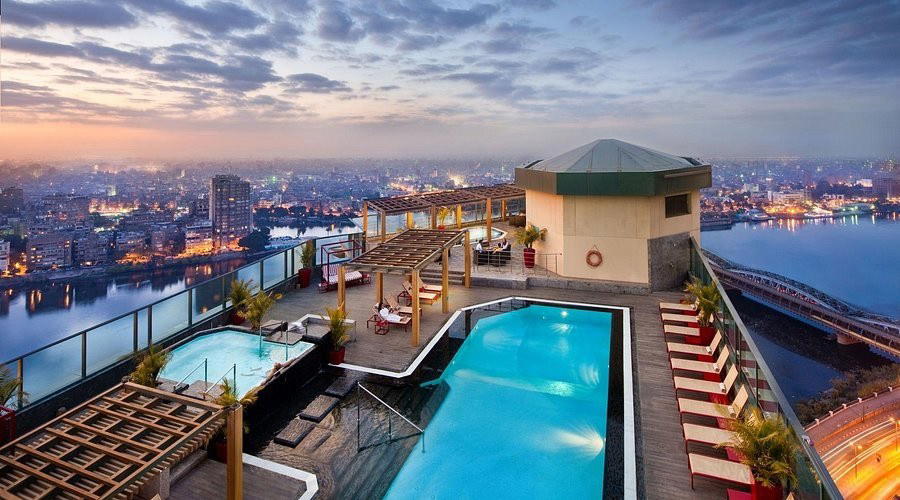
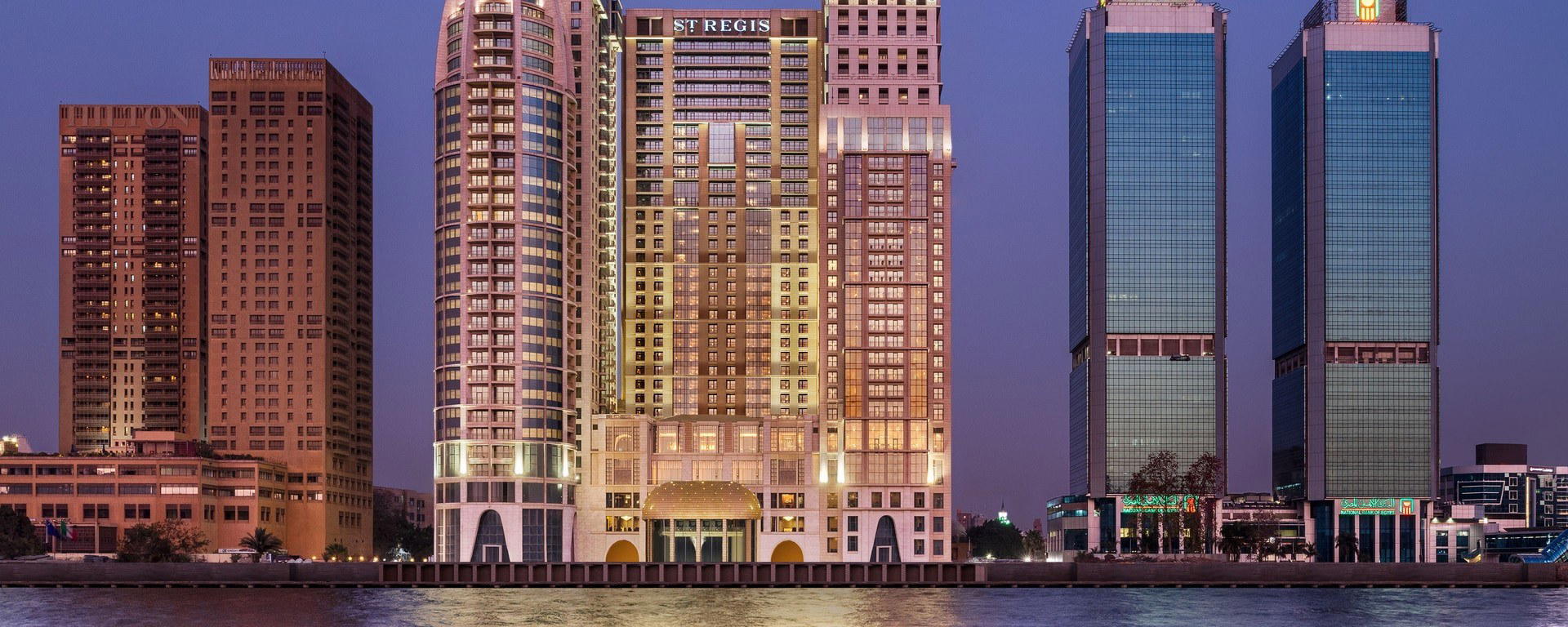
Gingko occupies a striking position inside Nile City Towers on Cairo's Corniche, placing it among the Nile-facing dining addresses that define the city's upscale restaurant tier. The setting frames the meal before the food arrives — river light, refined sightlines, and a room that signals intention. For a dining scene increasingly split between casual street-level formats and formal tower restaurants, Gingko holds the latter ground.

Pearl is the En Primeur Club membership app — saves, bookings, and concierge access live there. Same editors, same standards.
- Address
- Nile City Towers 2005 B, Nile Corniche, Boulaq Num.1, Bulaq, Cairo Governorate 11311, Egypt
- Phone
- +201202088781
- Hours
- Daily 5 PM–1 AM
- Website
- fairmont.com
- Directions
- Get directions
- Booking
- Book on OpenTable
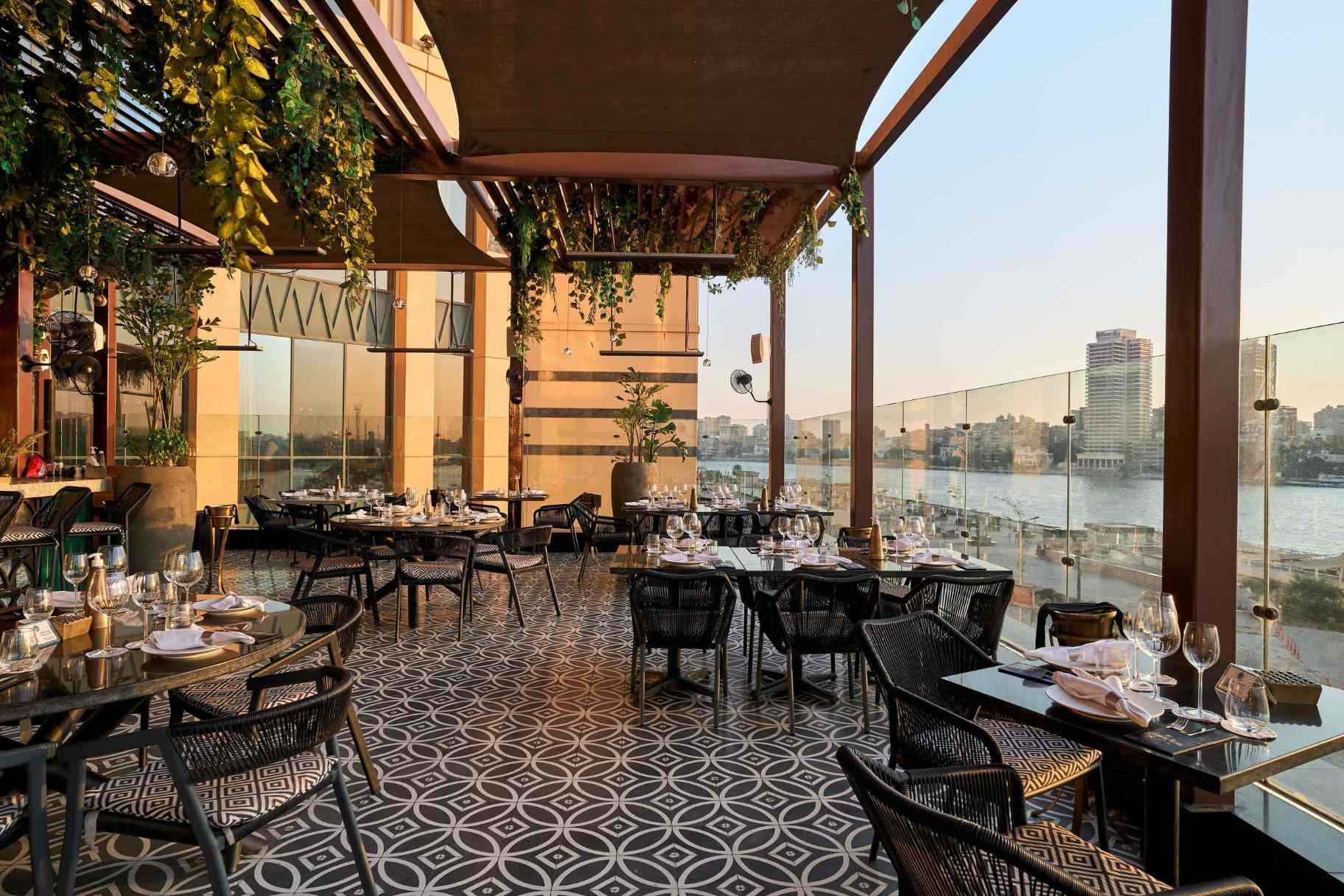
Dining on the Nile Corniche: What the Address Signals
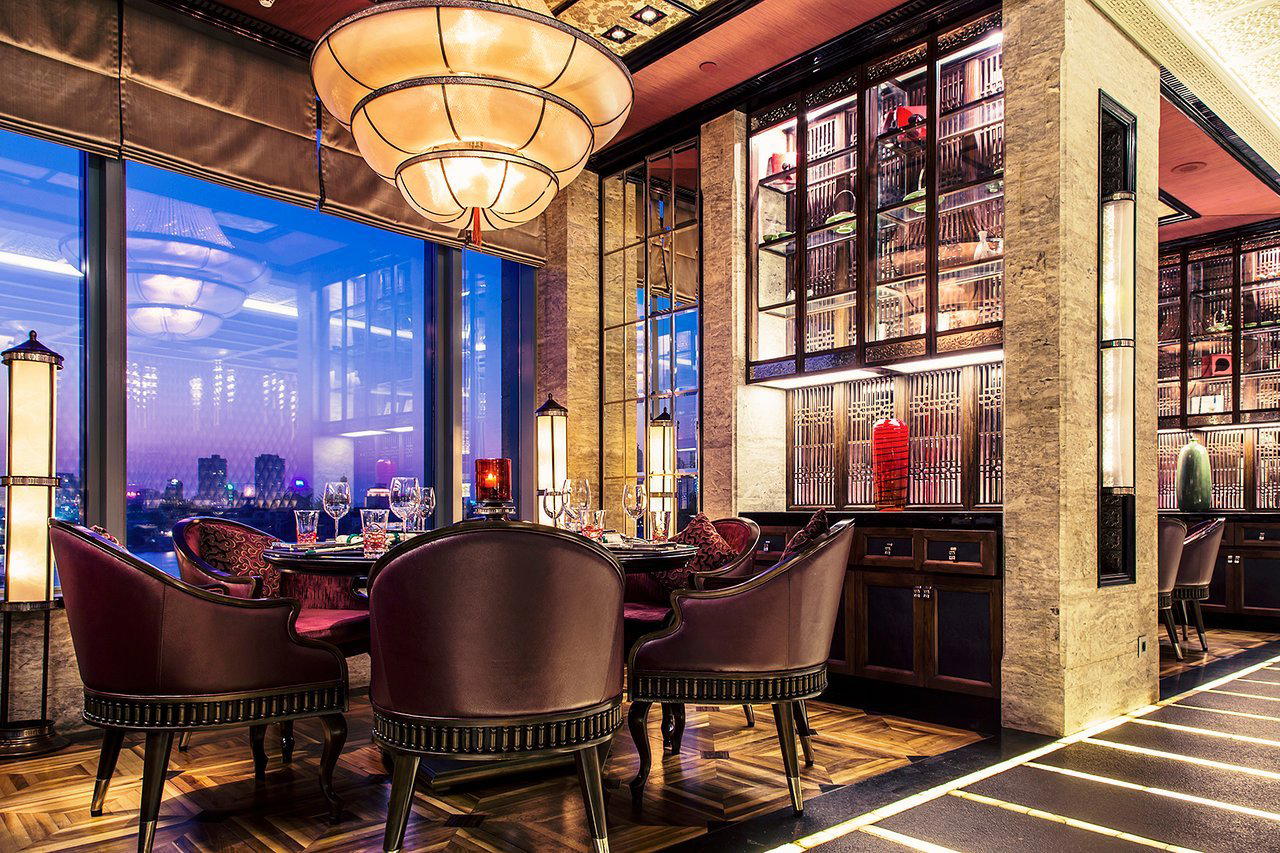
Cairo's restaurant geography has its own logic. The Nile Corniche has historically attracted dining rooms that trade on their river proximity — a combination of spectacle and accessibility that draws both residents and visitors. Nile City Towers, at address 2005 B on the Corniche in Bulaq, represents the vertical end of that tradition: restaurants positioned high enough to convert the city's horizontal sprawl into a backdrop. Gingko sits within that complex, and its location immediately places it in a specific competitive conversation — not with street-level neighbourhood spots, but with the tier of Cairo dining rooms where the physical setting is part of the proposition from the moment you approach.
That positioning matters more in Cairo than in many comparable cities. Egyptian dining culture has long distinguished between neighbourhood staples, the kind of grounded, ritual-heavy meals you find at places like Al Khal Egyptian Restaurant in Nasr or Koshary Hekaya, and destination dining rooms where the act of going out is itself the event. Gingko occupies the latter category, and the Corniche address reinforces that framing before you've ordered anything.
The Ritual of a Nile-Facing Meal
In cities where dining has a strong ceremonial dimension, the physical approach to a restaurant shapes the meal's tone. Walking into a tower complex like Nile City Towers carries its own rhythm, the transition from street noise to lobby, from lobby to lift, from lift to a room with a view. That sequence functions as a kind of decompression, a shift in register that separates the meal from whatever preceded it. Cairo's dining culture, which places significant value on the social occasion of eating out rather than merely the food on the plate, benefits from venues that build this kind of transition into their format.
Across the broader Cairo dining scene, this experiential pacing is increasingly where restaurants at the upper tier differentiate themselves. Venues like Sachi Cairo and Kazoku have staked positions in the city's premium dining conversation through format and atmosphere as much as cuisine. Reif Kushiyaki Cairo brings a distinct food-led identity to the same tier. The question for any room in this bracket is whether the physical setting and the dining ritual reinforce each other, or whether one outweighs the other.
Cairo's Upper Dining Tier: How the Field Has Shifted
Over the past decade, Cairo has developed a more layered restaurant market. The entry point for recognisable international-style dining has dropped, with mid-market concepts expanding across neighbourhoods from Zamalek to New Cairo. Simultaneously, the best of the market has sharpened its identity, with a smaller group of venues competing on setting, format, and consistency rather than novelty alone. This mirrors a pattern visible across regional cities, Sachi Giza in Giza and Andrea El Mariouteya in Sheikh Zayed City are both expressions of how the premium dining idea has spread geographically beyond Cairo's historic centre.
The Bulaq neighbourhood, once primarily industrial, has shifted in character as Nile City Towers and similar developments changed the area's density and function. Restaurants in this zone compete less on neighbourhood charm and more on the quality of their room and their ability to hold a table for a long, considered meal. That dynamic suits a dining culture where the occasion matters as much as the menu. In that sense, Gingko's Corniche address is less a geographical fact and more an editorial statement about what kind of dining experience it is positioning itself to deliver.
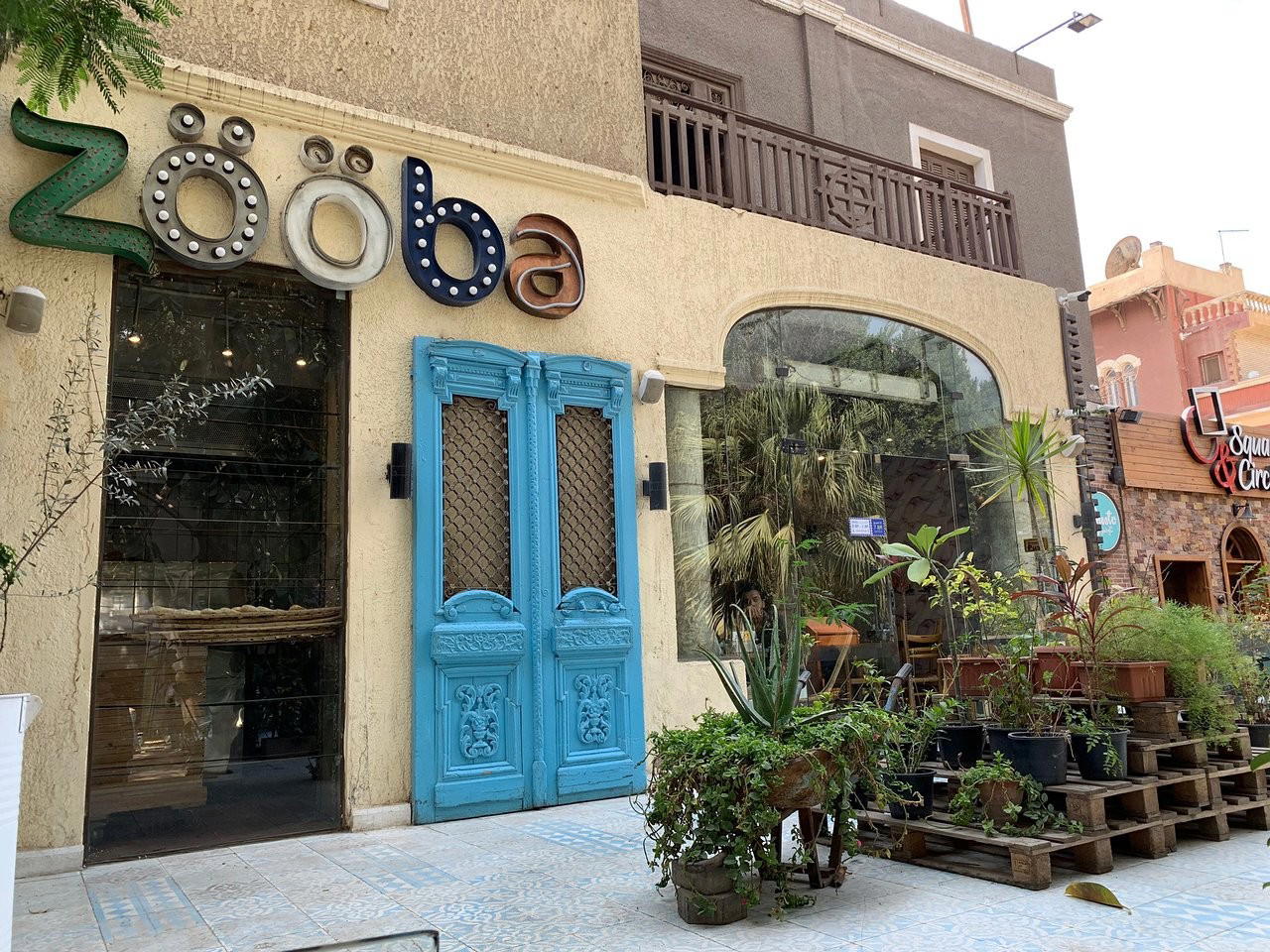
For a different register entirely, the kind of casual, grounded Egyptian street-food experience that anchors the other end of Cairo's dining spectrum, Zooba (Zamalek) and Le Petit Cornichon occupy distinct positions in the city's broader map. The contrast is instructive: Cairo's dining scene rewards knowing which register you want before you book.
Internationally, the pairing of a carefully constructed physical setting with deliberate meal pacing has produced some of the most discussed dining formats of the past decade. Lazy Bear in San Francisco built its reputation partly on the ritual structure of the meal itself, while Le Bernardin in New York City has sustained decades of relevance through consistency of format and room rather than reinvention. The underlying principle, that the how of eating matters as much as the what, is not unique to any single cuisine tradition, and it finds particular traction in cities like Cairo where social dining is deeply embedded in daily life.
Planning a Visit: What to Consider
Nile City Towers sits on the Corniche in Bulaq, accessible from central Cairo by taxi or ride-hail services, which remain the most practical option given the complex's tower-format layout. For visitors staying in the Zamalek or downtown corridor, the journey is short. For those coming from further east, New Cairo or Nasr City, allow for Cairo's unpredictable traffic patterns, particularly in the evening, which is when the Corniche dining tier sees its highest demand.
Given the venue's positioning in the premium segment, evenings at Nile City Towers restaurants tend to attract a mix of Cairo residents marking occasions and visitors to the city seeking a meal with a view. Weekend evenings move at a different pace than weekday dinners, and the social dimension of the meal tends to extend, tables hold longer, the room fills gradually rather than in a rush. That rhythm is worth accounting for if you're working around other evening plans. For broader context on how Gingko fits within Cairo's restaurant geography, our full Cairo restaurants guide maps the city's dining tier across neighbourhoods and formats.
Further afield, Egypt's dining scene extends well beyond the capital. La Maison Bleue in El Gouna, Castle Zaman in Noweiba, and Chinoix Restaurant in New Cairo each represent different expressions of how the country's restaurant market is developing outside Cairo's centre. Carbs in Al Ameria, Crepe & Waffle in Tanta, and Izakaya in 6th of October add further range to the picture. Egypt's dining geography is more varied than Cairo-only coverage suggests.
Frequently asked questions
Is Gingko suitable for children?
Gingko occupies a tower complex on the Nile Corniche in Bulaq, a setting that tends to draw adult diners looking for a more composed, occasion-oriented meal.
How would you describe the vibe at Gingko?
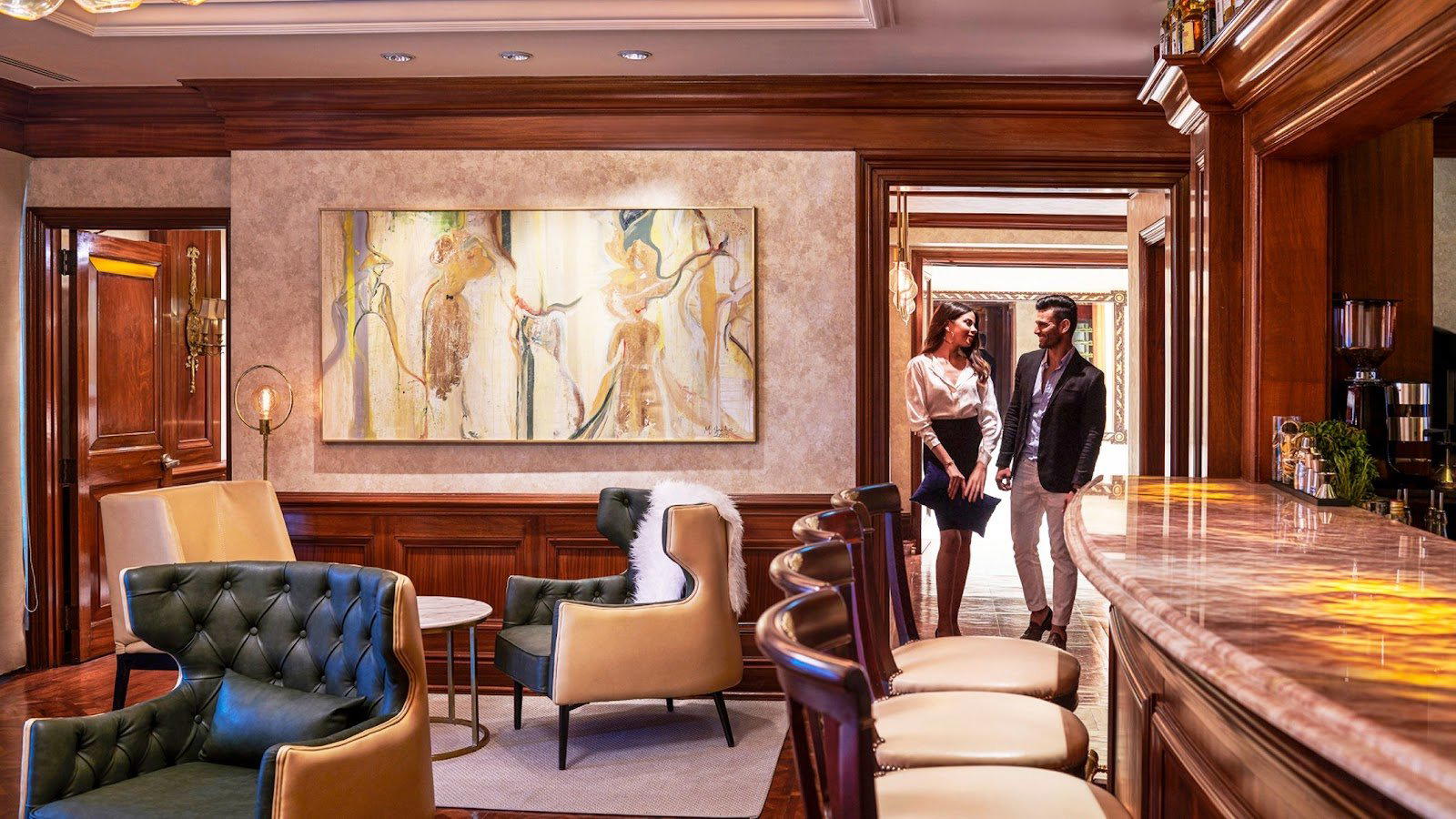
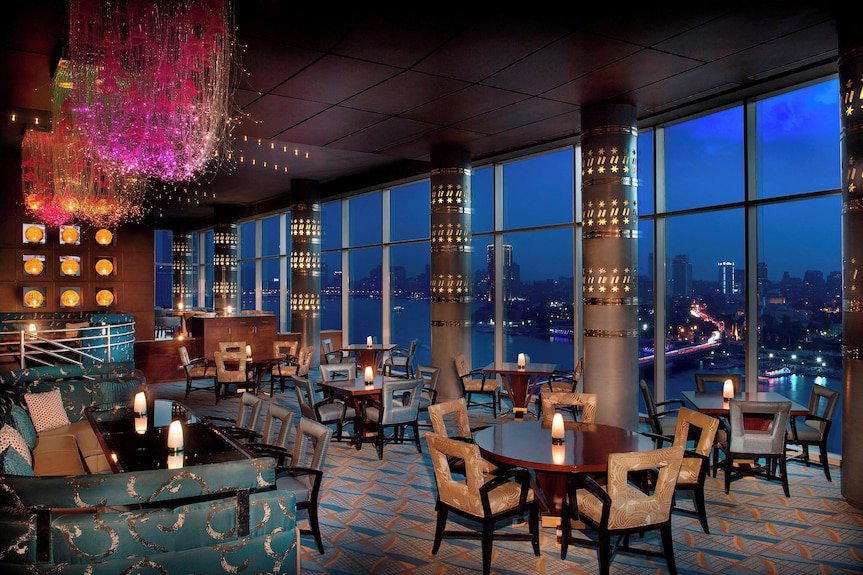
The address inside Nile City Towers on the Corniche sets a clear register: this is a destination with the physical weight of a deliberate dining decision, not a casual drop-in. Tower complexes along this stretch of the Corniche tend toward composed, grown-up dining rooms where the river view does meaningful work on the mood.
What is the location of Gingko within Nile City Towers, and does that affect the dining experience?
Gingko is located at Nile City Towers 2005 B, Nile Corniche, Bulaq — one of Cairo's most prominent mixed-use tower developments running along the river. That position means the approach, the views, and the overall frame of reference are shaped by the complex before guests reach the restaurant itself, which is a factor worth considering when planning an evening.
What do regulars order at Gingko?
For current dishes and any signature preparations, the venue itself is the most reliable source — reaching out directly before a visit is the practical approach.
Where do I go for Gingko?
Gingko is located at Nile City Towers 2005 B, Nile Corniche, Boulaq Num.1, Bulaq, Cairo Governorate 11311, Egypt, Cairo.
How far ahead should I plan for Gingko?
Nile-facing dining rooms in Cairo's upper tier, particularly those inside Nile City Towers, attract both local regulars and visitors, which can compress weekend availability. Booking at least several days ahead for Friday or Saturday evenings is advisable; for special occasions or larger groups, contact the venue earlier.
What makes Gingko worth seeking out?
The Nile City Towers address on the Corniche in Bulaq places Gingko within a small set of Cairo dining rooms where the physical setting — river-facing, elevated above street level — is part of the proposition rather than incidental to it. Few restaurants in Cairo combine that kind of address with the infrastructure of a purpose-built hospitality complex.
Category Peers
Comparable venues nearby, for context on price, style, and recognition.
| Venue | Cuisine | Price | Notes |
|---|---|---|---|
| GingkoThis venue — the venue you are viewing | Modern Peruvian | Not listed | Not listed |
| Byblos | Modern Lebanese Fine Dining | $50–100 | Nile Plaza |
| 8 Restaurant | Authentic Cantonese | $50–100 | Qasr El Nil |
| Maharaja Restaurant | Authentic Indian | $10–20 | Nasr City |
| Koshary Hekaya | Egyptian Koshary | $1–10 | Giza |
| Abou Shakra | Traditional Egyptian Grill | $10–20 | El Kasir El Einy (Downtown Cairo) |
Details
- Lively
- Trendy
- Elegant
- Scenic
- Date Night
- Special Occasion
- Terrace
- Open Kitchen
- Craft Cocktails
- Waterfront
- A La Carte
- Vegetarian Friendly
- Vegan Options
- Gluten Free Options
Current opening hours
- Monday
- 5 PM–1 AM
- Tuesday
- 5 PM–1 AM
- Wednesday
- 5 PM–1 AM
- Thursday
- 5 PM–1 AM
- Friday
- 5 PM–1 AM
- Saturday
- 5 PM–1 AM
- Sunday
- 5 PM–1 AM
Hours can change for holidays and private events. Last verified .
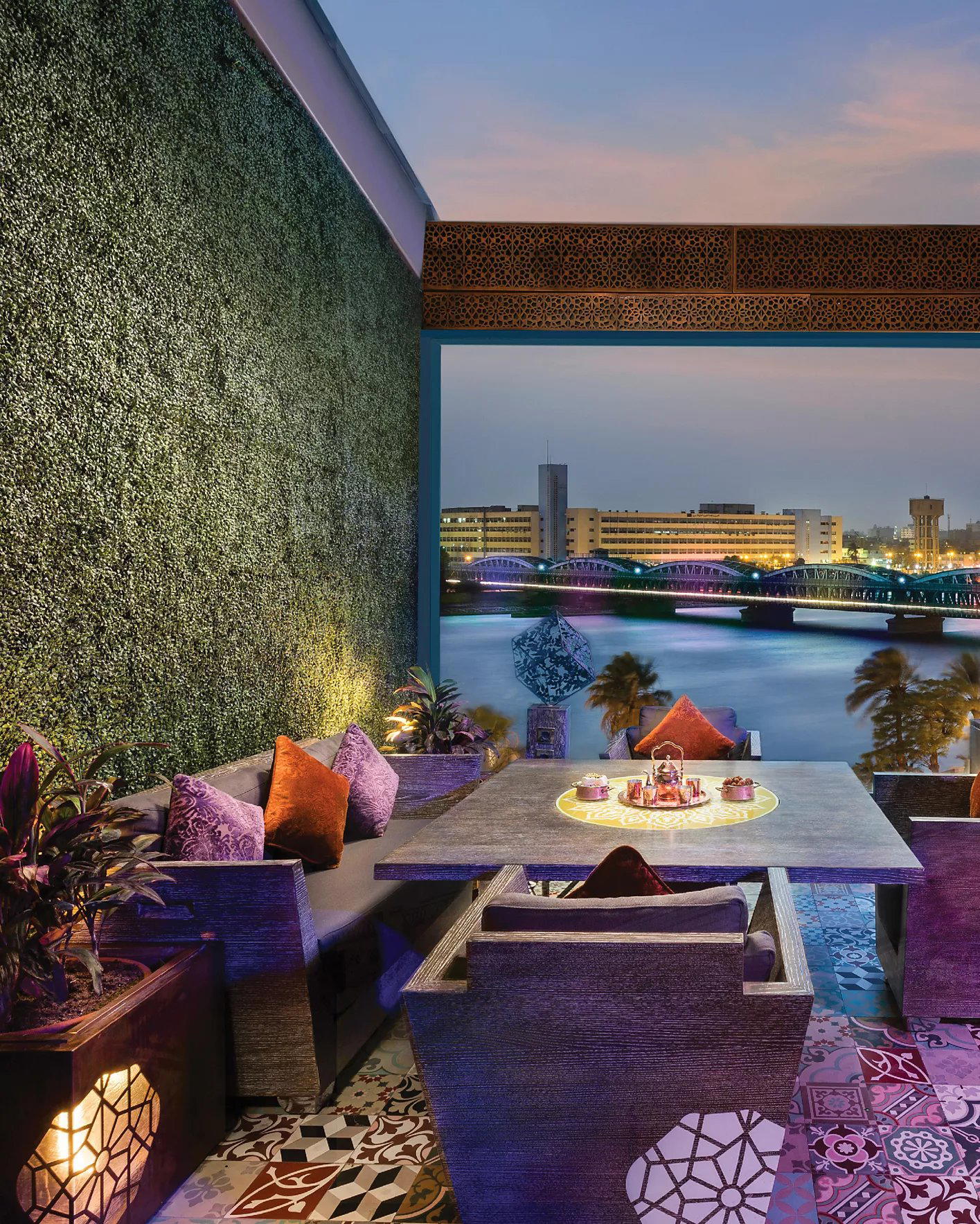
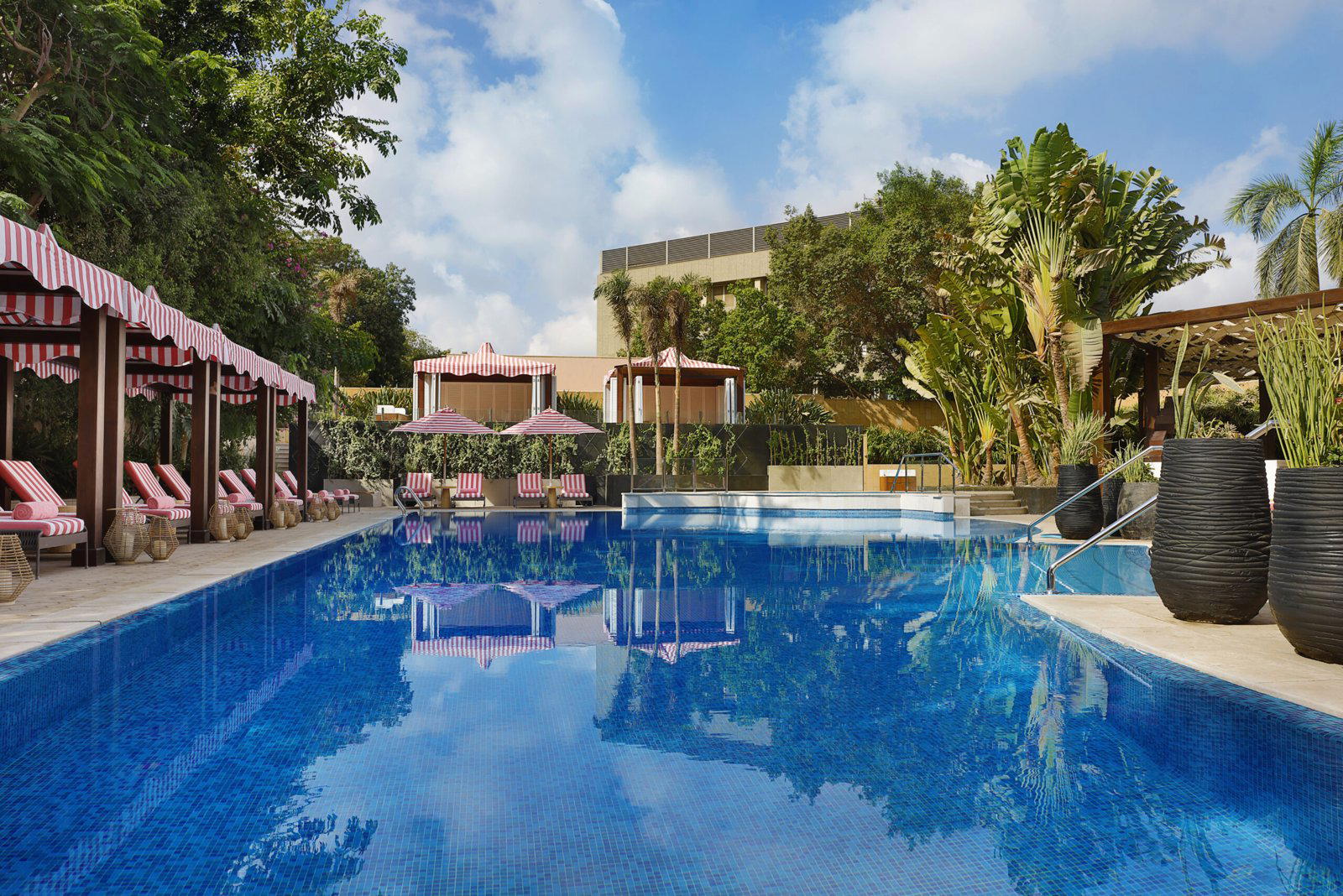
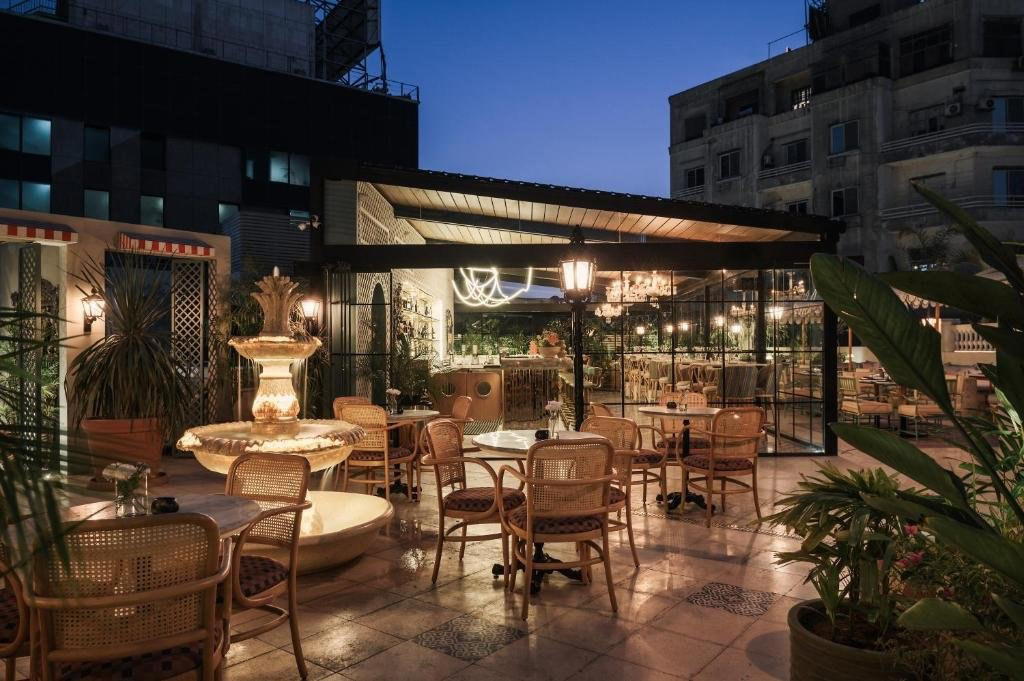
Light, airy interiors in green tones with stylish seating, lush greenery ceiling, and lively yet relaxing terrace atmosphere.