Abou Shakra is one of Cairo's most enduring addresses for traditional Egyptian grilled meats, operating across multiple locations in the city for decades. The kitchen draws on long-established sourcing relationships and preparation methods that predate the city's modern restaurant boom. For visitors tracing Cairo's grilling tradition back to its roots, this is a foundational reference point.

Pearl is the En Primeur Club membership app — saves, bookings, and concierge access live there. Same editors, same standards.
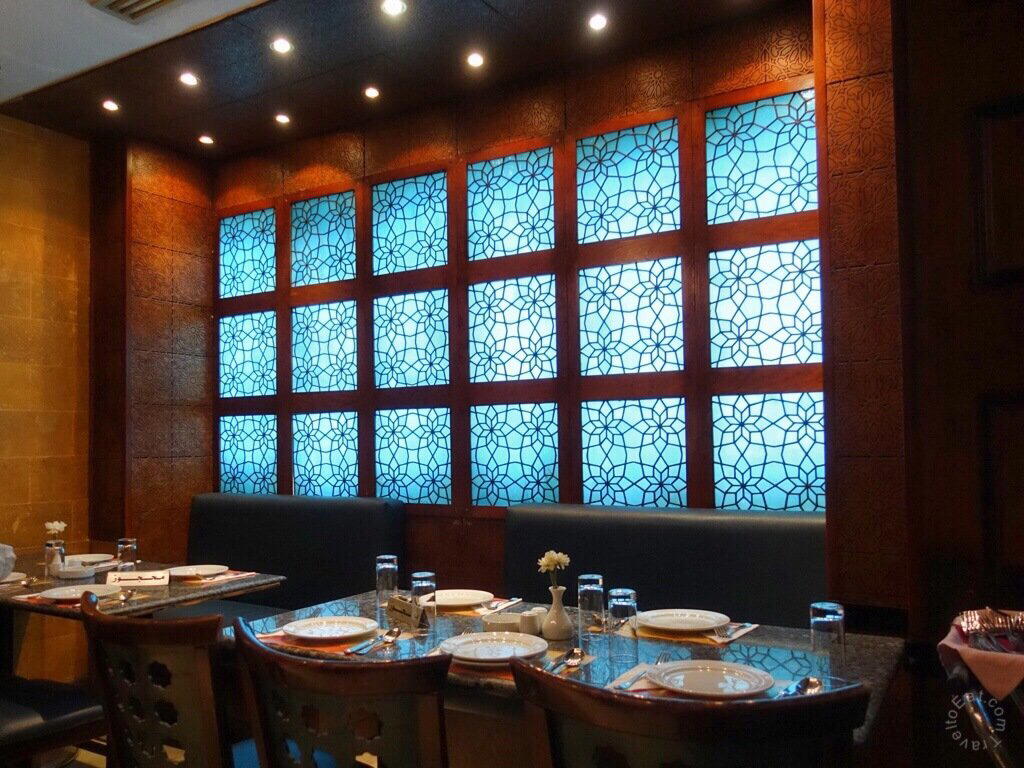
Where Cairo's Grilling Tradition Holds Its Ground
Walk into any branch of Abou Shakra during the lunch hour and the air carries the same signal it has for generations: charcoal smoke, rendered fat, and the faint sweetness of spiced kofta hitting the heat. This is not a restaged version of Egyptian street-grill culture tidied up for a tourist audience. It is practiced at scale in an institution that has outlasted a dozen waves of culinary fashion in this city. Cairo's dining scene has absorbed Japanese counters like Kazoku, kushiyaki specialists like Reif Kushiyaki Cairo, and a sprawling class of modern Egyptian concepts like Zooba (Zamalek). Abou Shakra occupies a different position: the establishment that newer kitchens quietly measure themselves against when they claim to serve Egyptian food seriously.
The Sourcing Logic Behind Egyptian Grilled Meat
Egyptian grilling culture at its most serious is an ingredient-driven practice. The kofta, the kebab, and the grilled lamb chop are technically simple preparations, which means the quality of the animal, the fat content, the freshness of the grind, and the care of the butchering become legible in every bite. Abou Shakra's multi-decade presence in the market has allowed it to build sourcing relationships that newer restaurants simply cannot replicate on a short timeline. Established Egyptian grill houses of this generation typically work directly with specific suppliers or farms, and the consistency of the product over years is itself evidence of that supply-chain depth.
This matters particularly in Cairo, where the informal meat trade and formal restaurant supply chains have historically operated in parallel. A kitchen that has been sourcing reliably for decades has navigated those systems, established trust with producers, and built a product consistency that first-year restaurants, however ambitious, cannot claim. The comparison is instructive: the same gap in sourcing depth separates seasoned Egyptian grill institutions from their newer competitors as the gap between a long-running Napa estate and a debut vintage. Both may produce excellent results, but the track record signals something different about reliability.
For a broader sense of how Cairo's grilling tradition plays out across different registers, the Andrea El Mariouteya in Sheikh Zayed City offers an instructive parallel: another address where open-fire cooking and long operational history carry more weight than any individual chef credential. Further afield, Castle Zaman in Noweiba demonstrates how the same sourcing-and-fire logic extends across Egyptian culinary geography, adapting to local produce without abandoning the core technique.
Multiple Locations, One Culinary Reference Point
The restaurant operates across several Cairo locations, including a branch at Abou Shakra (ابو شقرة) in Al Haram, which positions it as a city-wide institution rather than a neighbourhood fixture. This is a meaningful distinction. Single-location restaurants in Cairo accumulate a local identity shaped partly by their immediate surroundings. A multi-branch operation that maintains product consistency across sites is doing something more demanding: standardising sourcing, preparation, and output across a distributed kitchen network without letting the core product degrade. The fact that restaurant's reputation has remained coherent across locations over the years is itself a form of operational credential.
Cairo's restaurant geography has expanded considerably. Chinoix Restaurant in New Cairo and Izakaya in 6th Of October represent the city's appetite for international concepts in its newer suburban zones. The restaurant's multi-branch presence across older and newer parts of the city reflects a different kind of expansion logic: following a loyal customer base rather than chasing demographic clusters.
What Distinguishes the Format
The dining format at traditional Egyptian grill houses like Abou Shakra is communal and direct. Meats arrive quickly, portions are generous, and the expectation is that the table fills with shared plates rather than individual courses. This is not a tasting-menu rhythm. It is a feeding tradition rooted in hospitality norms that predate the modern restaurant format entirely. The mezze that opens the meal, typically including tahini, baba ghanoush, salads, and bread, functions as both appetiser and palate context for the grilled proteins that follow.
That structural simplicity is where the sourcing argument becomes most visible. A kitchen with access to well-raised, properly butchered meat does not need to complicate its preparation. The kofta is seasoned simply because the meat has enough intrinsic flavour to carry a light hand. Kitchens working with lower-quality product tend to compensate with heavier spicing or saucing. The relative restraint of traditional Egyptian grill seasoning is not a stylistic choice so much as a confidence signal about what is going in the fire.
For readers comparing the Egyptian grill tradition against other Cairo dining registers, the contrast is sharp. A meal at Sachi Cairo or Le Petit Cornichon operates in an entirely different register, where technique, plating, and wine service carry significant weight. The restaurant is making a different argument: that one direct path to a satisfying meal is the shortest one between good animal husbandry and an open flame.
Planning Your Visit
The restaurant suits both lunch and dinner, with lunch drawing Cairo regulars and visitors moving between the city's central sites. Given its multiple locations, including the Al Haram branch, it is sensible to confirm which branch suits your itinerary before arriving. The format is walk-in friendly, but visiting during peak Friday lunch hours will mean a fuller room and a longer wait for tables. For those exploring the city's grilling tradition more broadly, the proximity to other Egyptian food addresses such as Cairo Caizer in Nasr and Carbs in Al Ameria makes it possible to build a day around the city's more rooted food culture rather than its internationally inflected restaurant scene.
Fast Comparison
Comparable venues nearby, for context on price, style, and recognition.
| Venue | Cuisine | Price | Notes |
|---|---|---|---|
| Abou ShakraThis venue — the venue you are viewing | Traditional Egyptian Grill | $$ | Not listed |
| L'ULIVETO | Italian with Mediterranean Influences | $$$ | Ramlet Beaulac |
| Byblos | Modern Lebanese Fine Dining | $$$$ | Nile Plaza |
| Koshary Hekaya | Egyptian Koshary | $ | Giza |
| Birdcage | Authentic Thai | $$$ | Garden City |
| 8 Restaurant | Authentic Cantonese | $$$$ | Qasr El Nil |
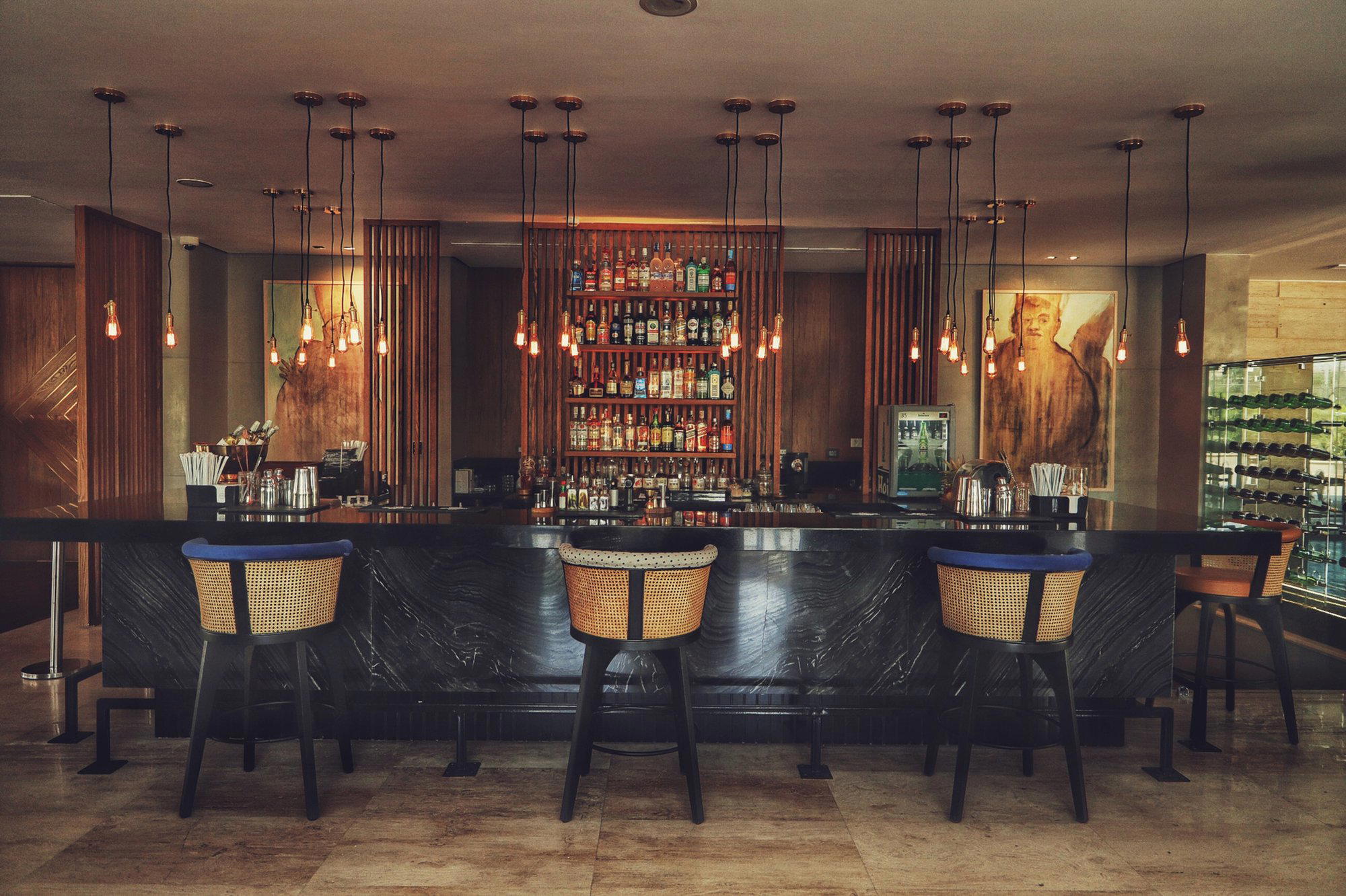
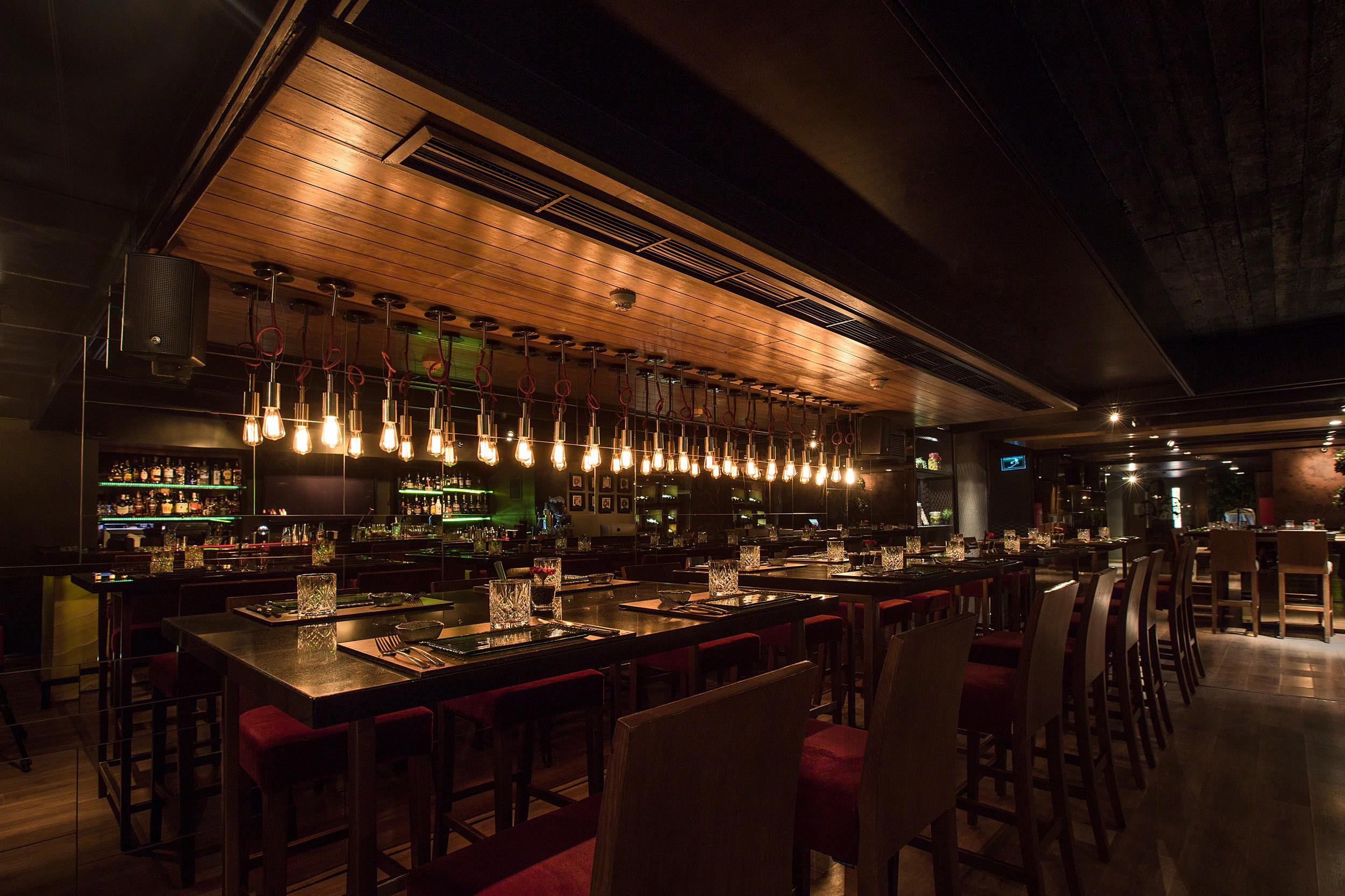
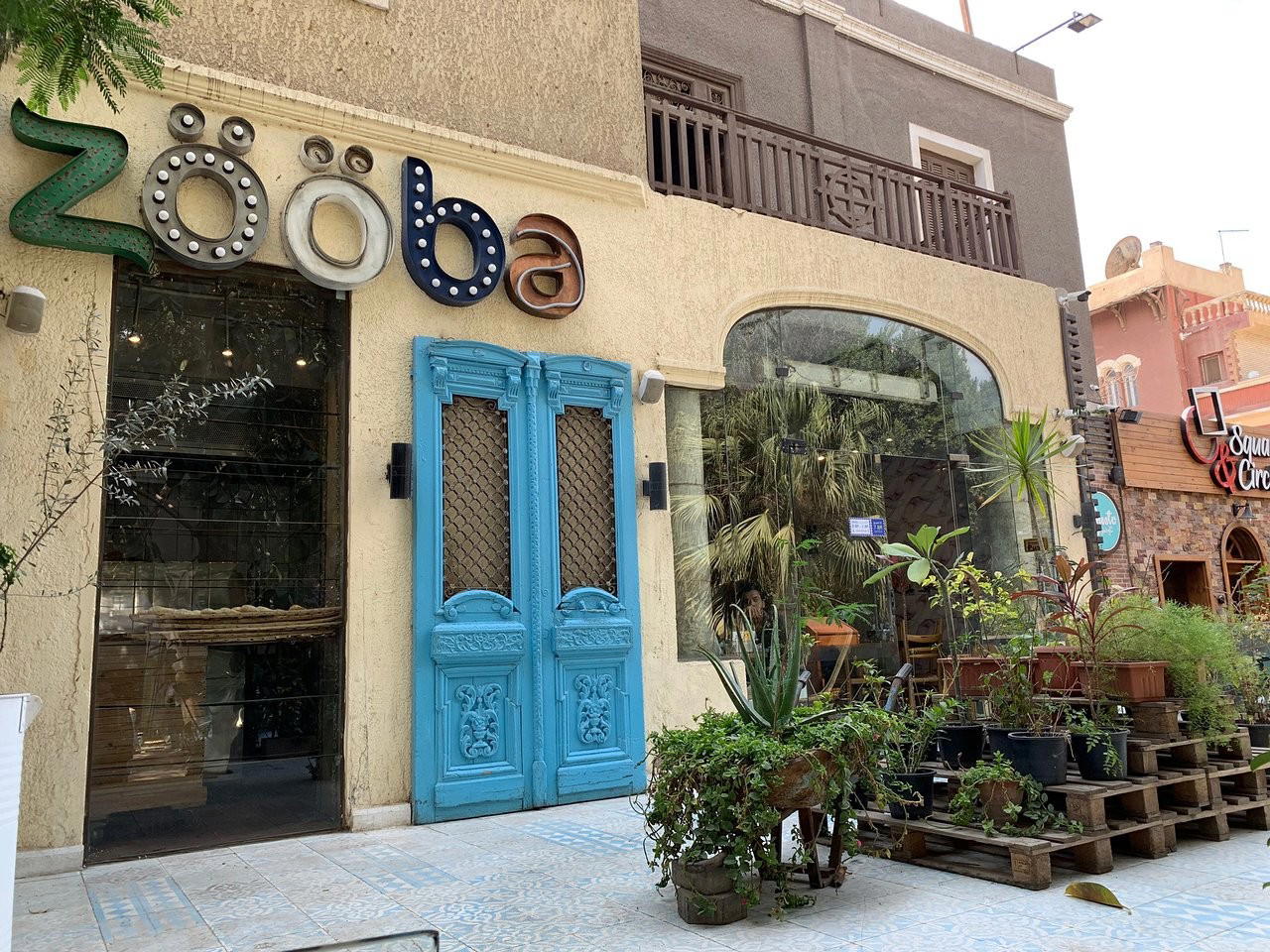
At a Glance
- Rustic
- Classic
- Lively
- Group Dining
- Casual Hangout
- Family
- Late Night
- Standalone
- Open Kitchen
- Street Scene
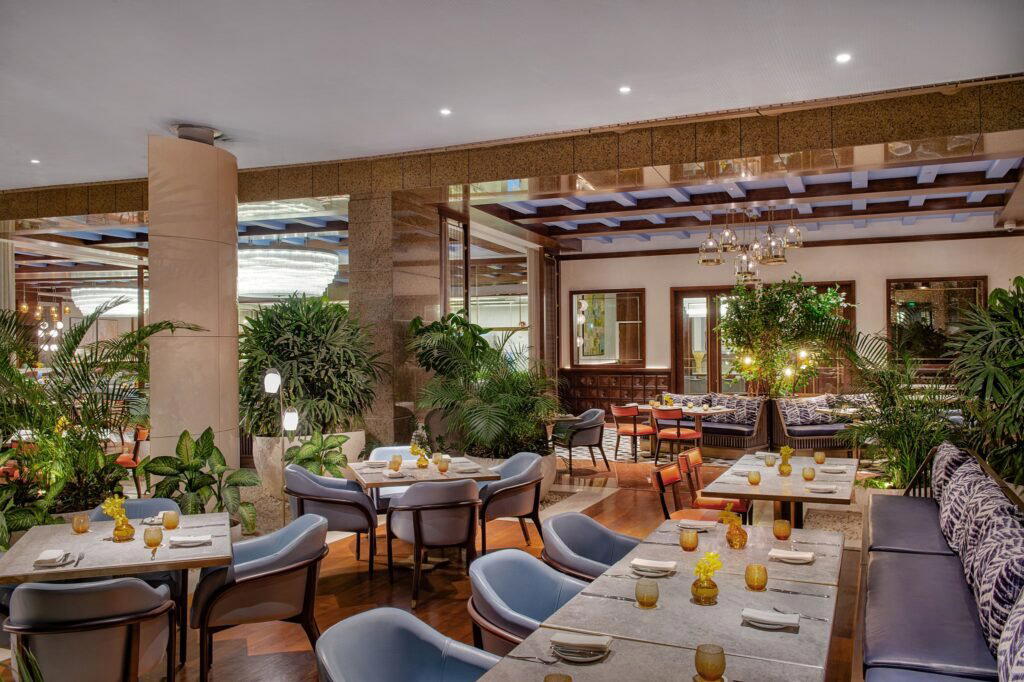
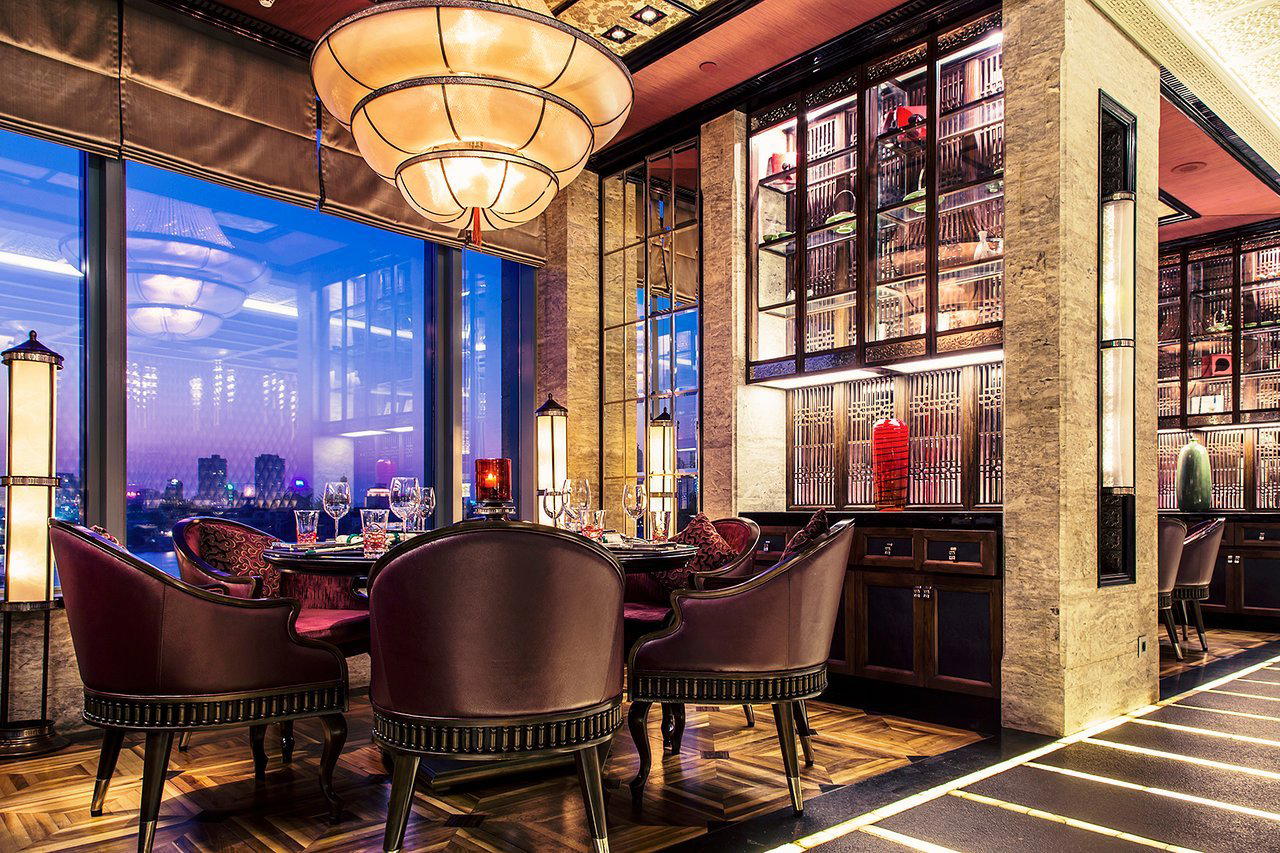
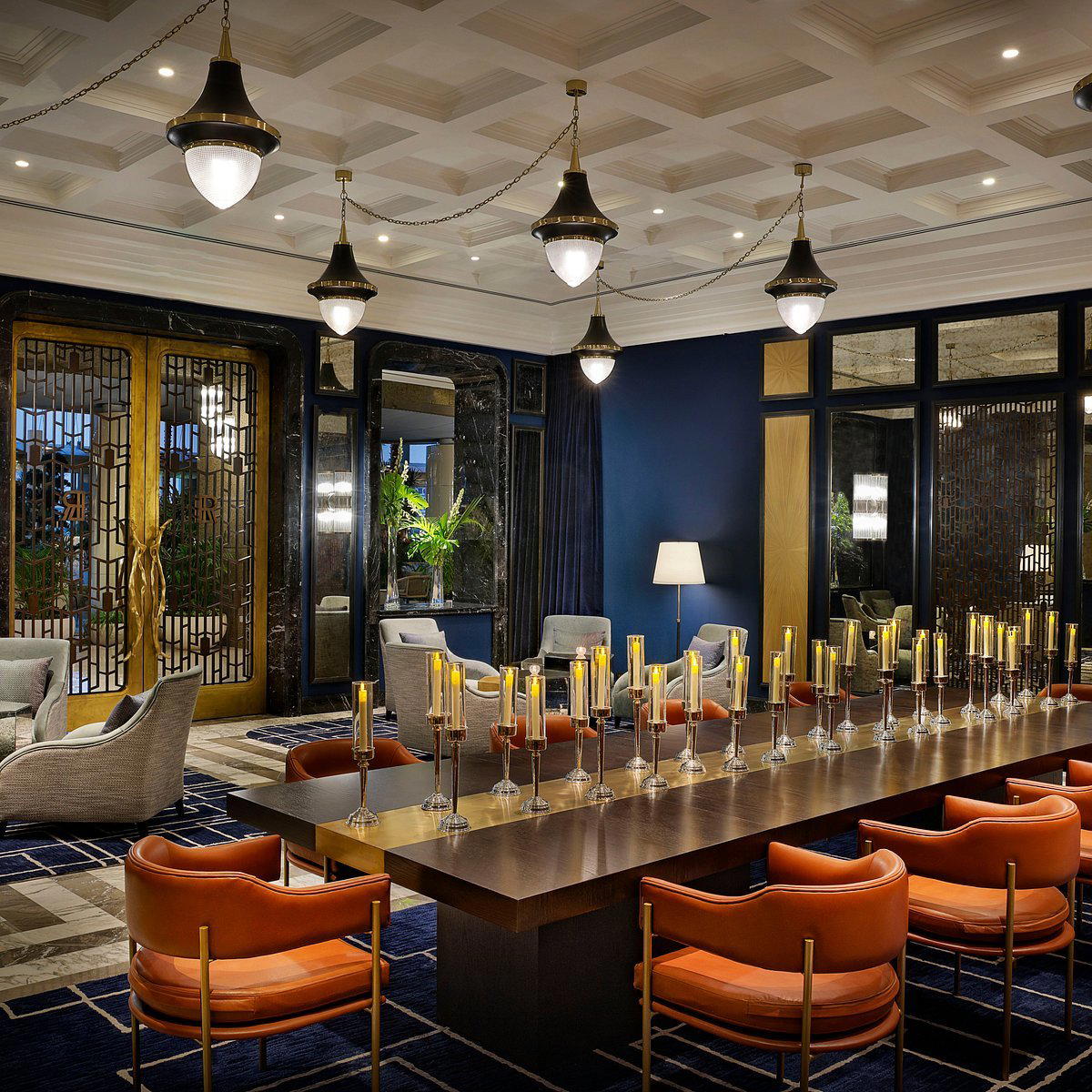
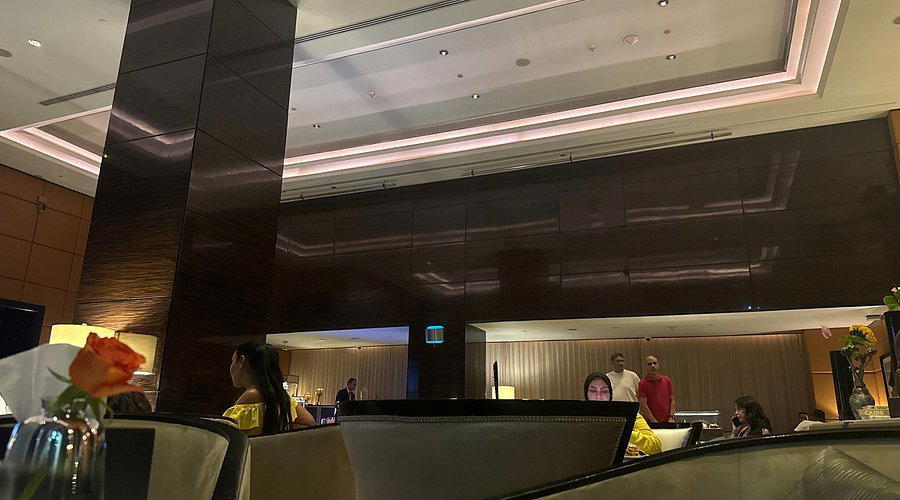
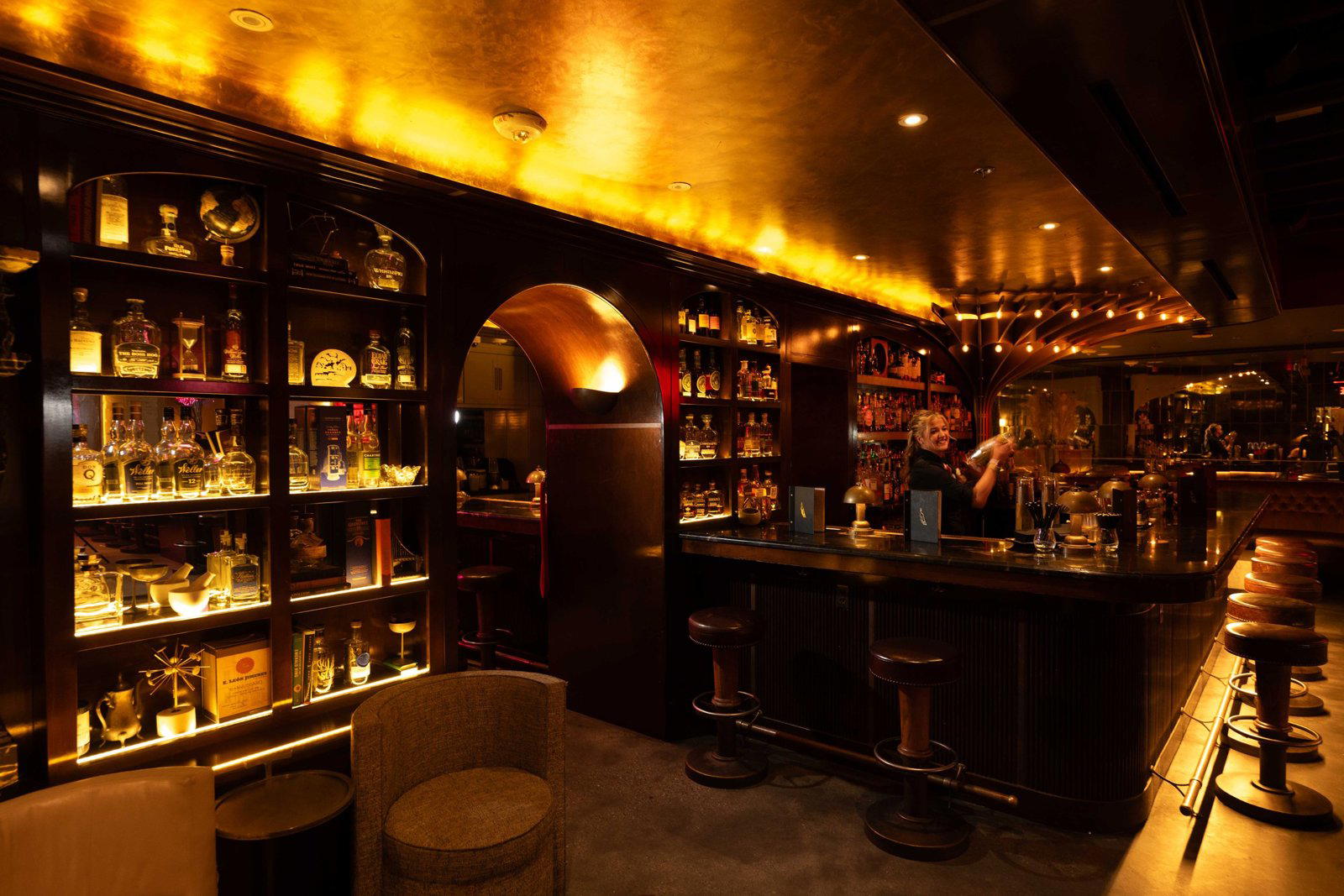
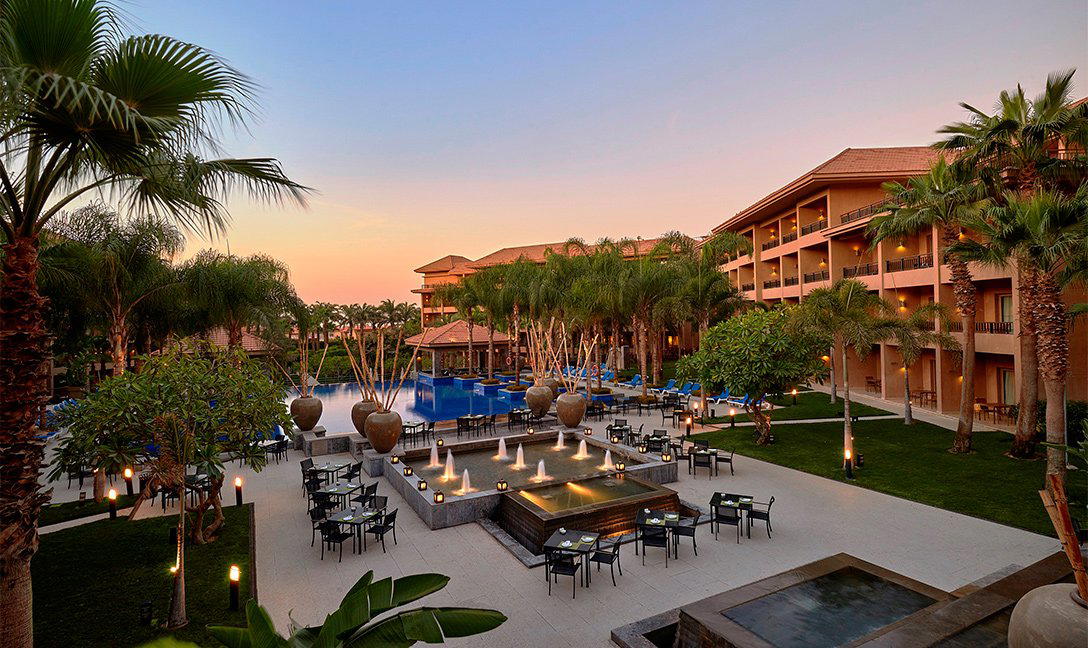
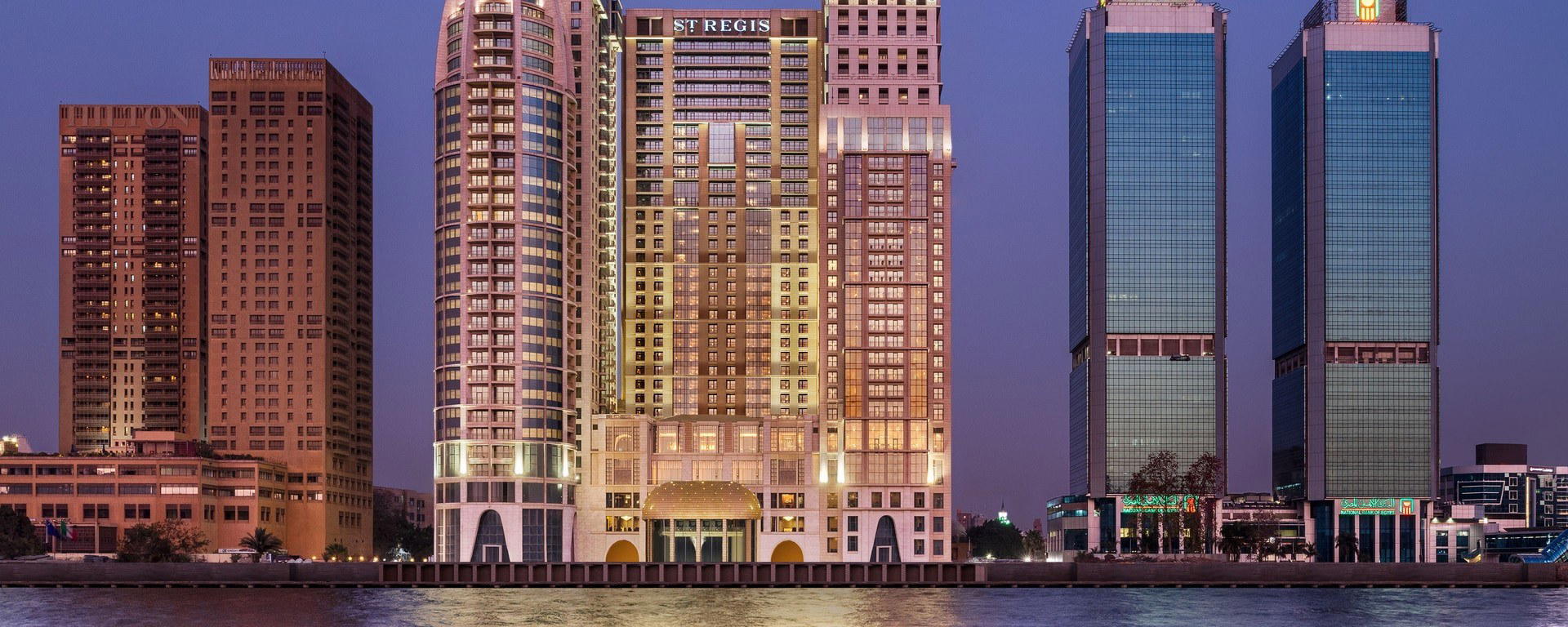
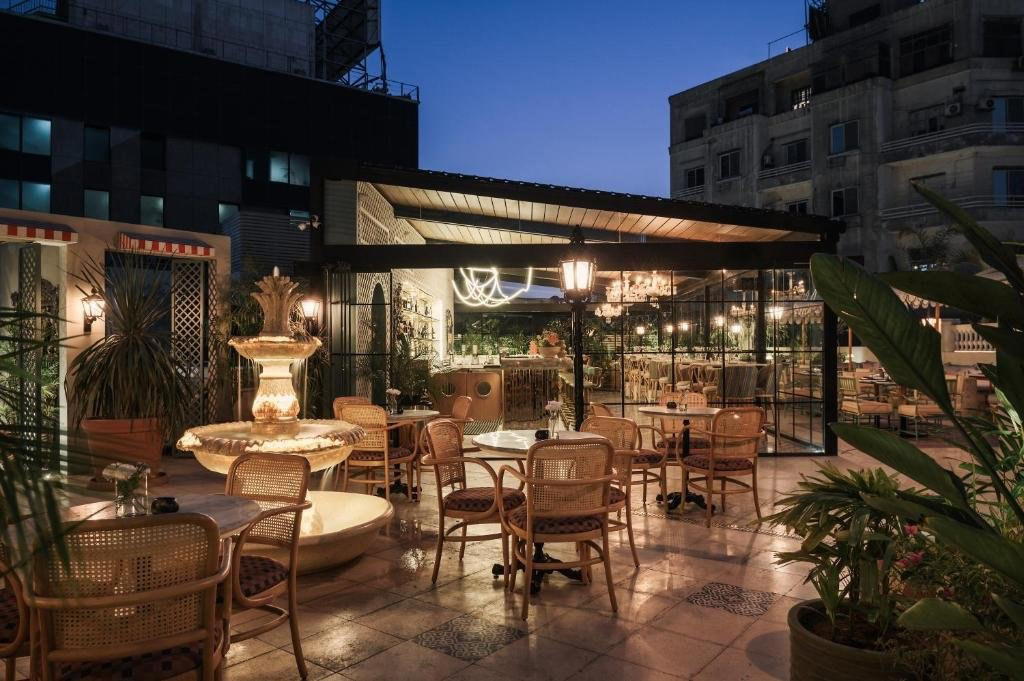
Rustic and relaxed atmosphere on a busy Cairo street with a welcoming, unpretentious setting that reflects traditional Egyptian dining culture.