
Ranked #21 on the World's 50 Best Restaurants MENA list in 2024, Zooba in Zamalek has spent over a decade making the case for Egyptian street food as a serious dining category. The Zamalek branch sits on 26 July Street, where the menu's architecture around traditional ful, ta'meya, and koshary formats signals something more considered than casual fast food.
Pearl is the En Primeur Club membership app — saves, bookings, and concierge access live there. Same editors, same standards.
- Address
- 16 26 July, Street, Al Gabalayah, Zamalek, Egypt
- Website
- zoobaeats.com
- Directions
- Get directions
 Saves & bookings on Pearl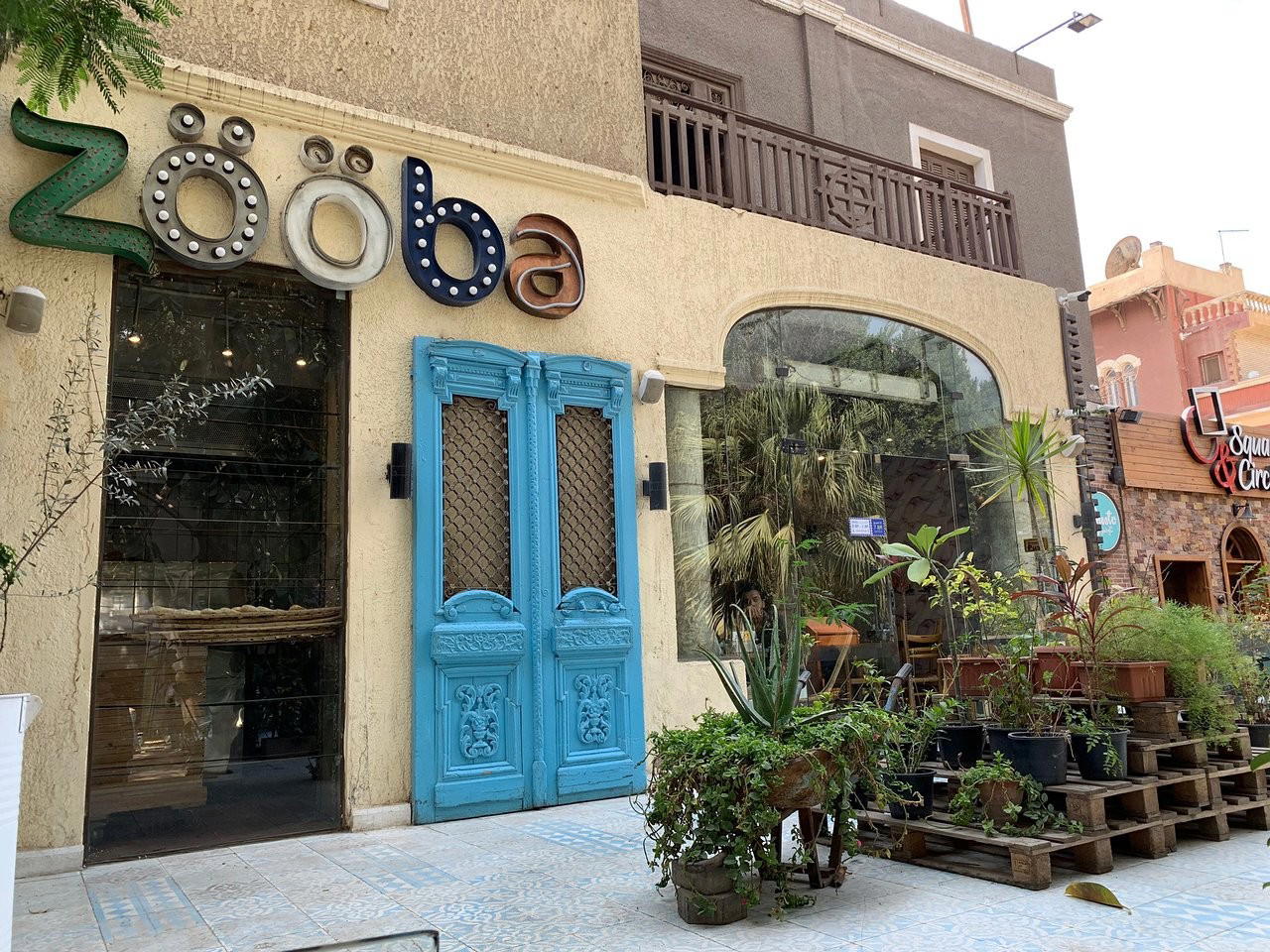
The Street on a Plate: How Egyptian Food Found Its Formal Voice
On 26 July Street in Zamalek, a stretch that runs through one of Cairo's most internationally minded districts, Zooba sits at an address that says something about its ambition. Zamalek is where the city's diplomatic community, creative professionals, and well-travelled Cairenes have long gathered, a neighbourhood accustomed to French bistros and Japanese counters. Choosing to open an Egyptian street food concept here, rather than in a tourist corridor or a food court, was a positioning decision that the menu has justified.
Zooba is a restaurant serving modern Egyptian street food in Zamalek, Cairo, and it was ranked No. 21 in the World's 50 Best Restaurants MENA 2024. It was a moment when Copenhagen tasting menus and Tokyo ramen counters were being discussed in the same critical breath, but Middle Eastern and North African street traditions remained largely outside that frame. Zooba's entry into that gap was not accidental. The concept was built around the argument that Egyptian koshary, ful medames, and ta'meya deserve the same structural attention that ramen or tacos received when they crossed from street cart to serious restaurant format.
What the Menu Architecture Reveals
The editorial angle most useful for understanding Zooba is not the chef or the origin story, it is the menu's internal logic. Egyptian street food has a vocabulary that most Cairenes know by feel: ful medames as the protein anchor, ta'meya as its fried counterpart, koshary as the carbohydrate monument, and a rotating cast of pickles, sauces, and bread that make the whole system cohere. What Zooba does structurally is preserve that vocabulary while applying the kind of sourcing and presentation discipline associated with restaurants operating several price tiers higher.
This is a distinction worth pressing on. Across comparable dining cities, New York, where places like Atomix have recoded Korean dining, or Paris, where Alléno Paris au Pavillon Ledoyen applies a similar systems logic to classical French form, the upgrade of a populist tradition into a structured restaurant format tends to follow a pattern: identify the dish that carries cultural weight, strip it to its essential components, and rebuild those components with better sourcing and tighter execution. Zooba's menu reads as a version of that exercise applied to Egyptian ingredients. The result is a format that can be read both by a local who grew up eating ful from a cart and by an international visitor encountering the cuisine for the first time, which is a structural achievement most street-food-refined concepts fail to manage simultaneously.
In Cairo's current dining hierarchy, Zooba occupies a tier that sits between the city's casual local eateries and its higher-end international imports. For a sense of where that places it in the broader Cairo scene, consider that the city's premium end now runs from precise Japanese formats like Kazoku and Sachi Cairo through European-influenced dining at Le Petit Cornichon to skewer-focused concepts like Reif Kushiyaki Cairo. Zooba is notable precisely because it doesn't compete in that import category. It makes the argument that Egyptian cuisine belongs in the same conversation without borrowing the format logic of any of those traditions.
Critical Recognition and What It Measures
The 2024 World's 50 Best Restaurants MENA ranking placed Zooba at number 21 across the broader Middle East and North Africa region. That ranking is a useful data point, but it requires some interpretation. The 50 Best list has historically privileged certain formats, tasting menus, counter dining, chef-driven narratives, and its MENA extension covers a competitive field that includes Dubai's dense concentration of high-investment restaurant openings. A rank of 21 in that context, for a concept rooted in Egyptian street food formats rather than international fine dining grammar, represents a different kind of critical endorsement than a rank achieved through imported European technique. It suggests the judges read the menu architecture on its own terms, which is the only valid way to assess it.
Google's aggregate data adds a ground-level layer to that critical signal. With 4.2 stars across nearly 6,000 reviews, Zooba's reputation is not the product of a small, self-selecting audience of food professionals. That volume of reviews, holding at that rating, describes a concept that satisfies across a wide demographic, local regulars, regional visitors, and international travellers, which is exactly what its menu architecture is designed to do.
For context on how the MENA dining scene compares internationally, the list's global peers include restaurants like Le Bernardin in New York City, 8½ Otto e Mezzo Bombana in Hong Kong, and Alain Ducasse: Louis XV in Monte Carlo, all operating in different register from Zooba, but sharing the quality of making a strong case for the culinary tradition they represent.
Cairo Beyond This Address
Zamalek is one of two or three neighbourhoods in Cairo where a visitor can build a coherent multi-day eating and drinking itinerary without significant travel time. For those extending across the city, Khufu's in Giza offers a geographically and tonally distinct dining option, while La Maison Bleue in El Gouna represents the Red Sea coast's more relaxed register.
Zooba's Zamalek location is at 16, 26 July Street, Al Gabalayah, Egypt. The neighbourhood's density means that visits can be combined easily with other stops on the same day.
The Broader Implication
What makes Zooba worth tracking is not the address or the ranking in isolation, but what both signal about Egyptian food's position in the wider MENA dining conversation. In the same way that Lazy Bear in San Francisco or Emeril's in New Orleans made regional American cooking legible to an international critical audience, Zooba has done the structural work of making Egyptian street food readable as a serious category, not by dressing it up in borrowed formats, but by applying rigour to its own internal logic. That is a harder thing to achieve, and it explains why the recognition, when it came, landed on both critical and popular registers simultaneously.
A Credentials Check
Comparable venues nearby, for context on price, style, and recognition.
| Venue | Cuisine | Price | Awards | Notes |
|---|---|---|---|---|
| Zooba (Zamalek)This venue — the venue you are viewing | Modern Egyptian Street Food | $ | World's 50 Best #21 | Not listed |
| Reif Kushiyaki Cairo | Japanese Kushiyaki | $$$ | World's 50 Best #20 | New Cairo |
| Kazoku | Contemporary Japanese with Asian Fusion | $$$ | World's 50 Best #24 | New Cairo City |
| Sachi Cairo | Modern Japanese Fusion | $$$ | World's 50 Best #27 | Park St |
| Byblos | Modern Lebanese Fine Dining | $$$$ | Not listed | Nile Plaza |
| Maharaja Restaurant | Authentic Indian | $$ | Not listed | Nasr City |
Recognition history
Dated appearances from independent guides and award organizations, with the underlying list record or original source where available.
World's 50 Best MENA's Best Restaurants #32
World's 50 Best
World's 50 Best MENA's Best Restaurants #21
World's 50 Best
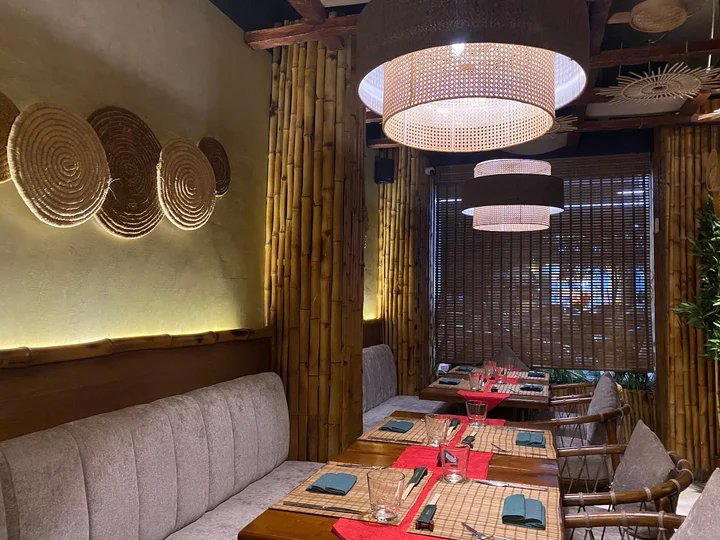
At a Glance
- Cozy
- Rustic
- Lively
- Trendy
- Casual Hangout
- Family
- Group Dining
- Solo
- Open Kitchen
- Standalone
- Local Sourcing
Current opening hours
- Monday
- 8 AM–11:59 PM
- Tuesday
- 8 AM–11:59 PM
- Wednesday
- 8 AM–11:59 PM
- Thursday
- 8 AM–11:59 PM
- Friday
- 8 AM–11:59 PM
- Saturday
- 8 AM–11:59 PM
- Sunday
- 8 AM–11:59 PM
Hours can change for holidays and private events. Last verified .