
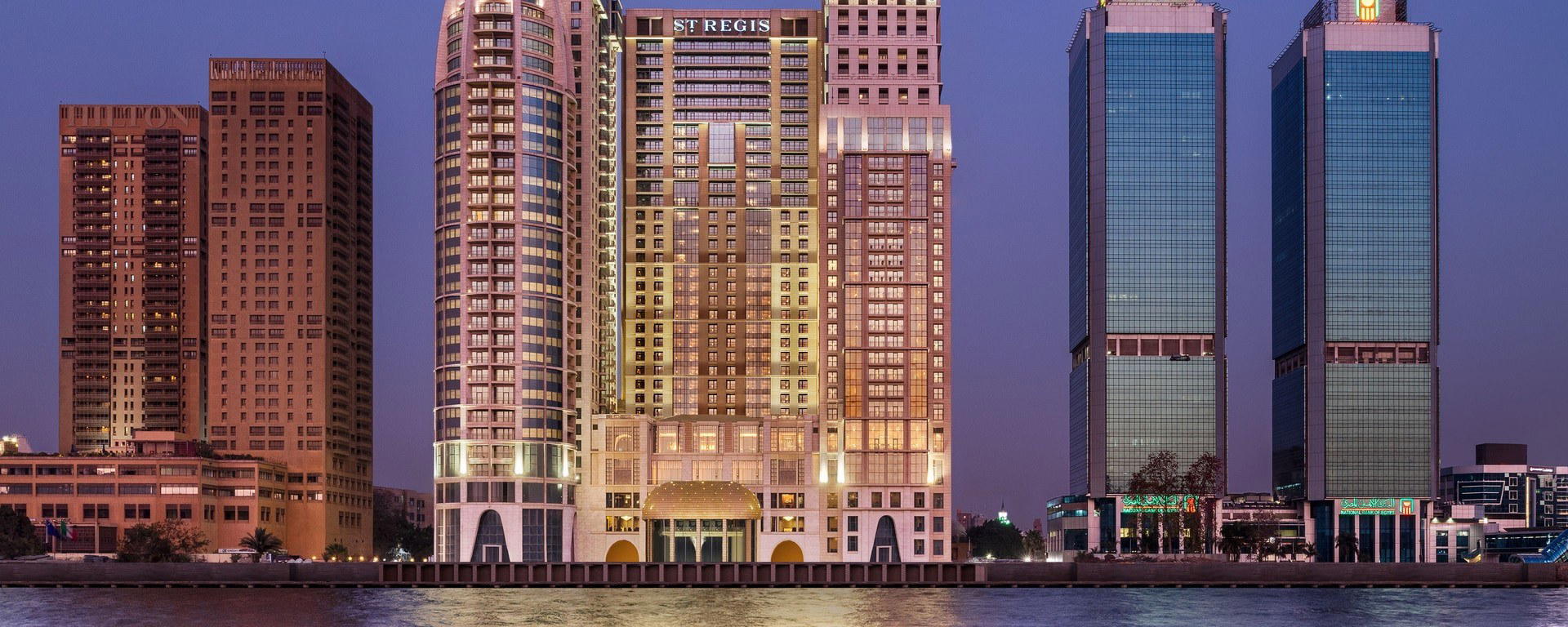
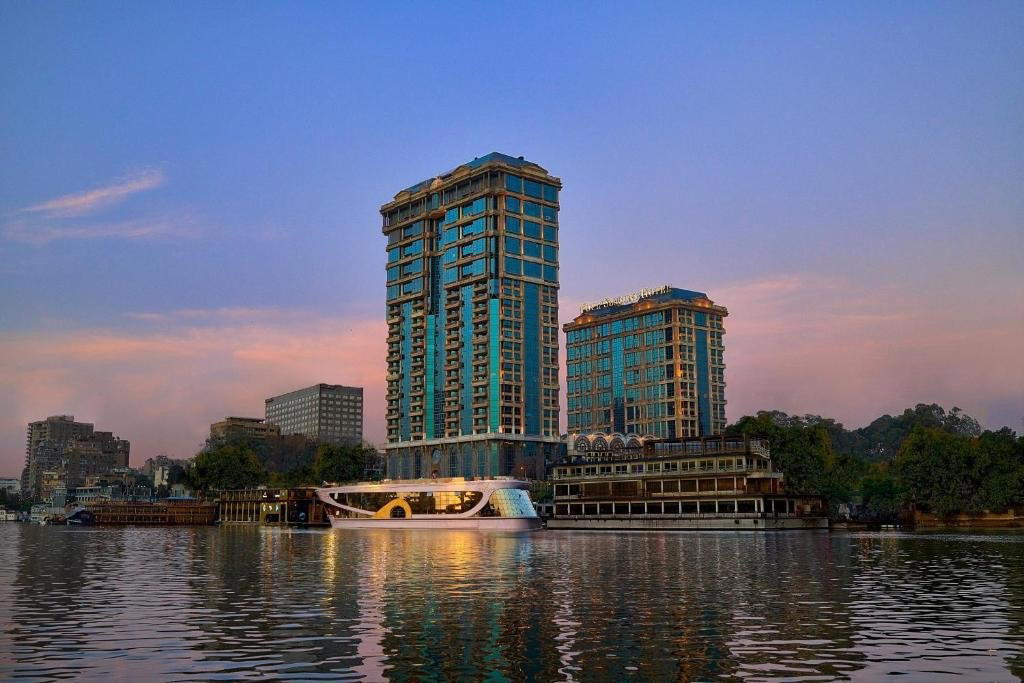
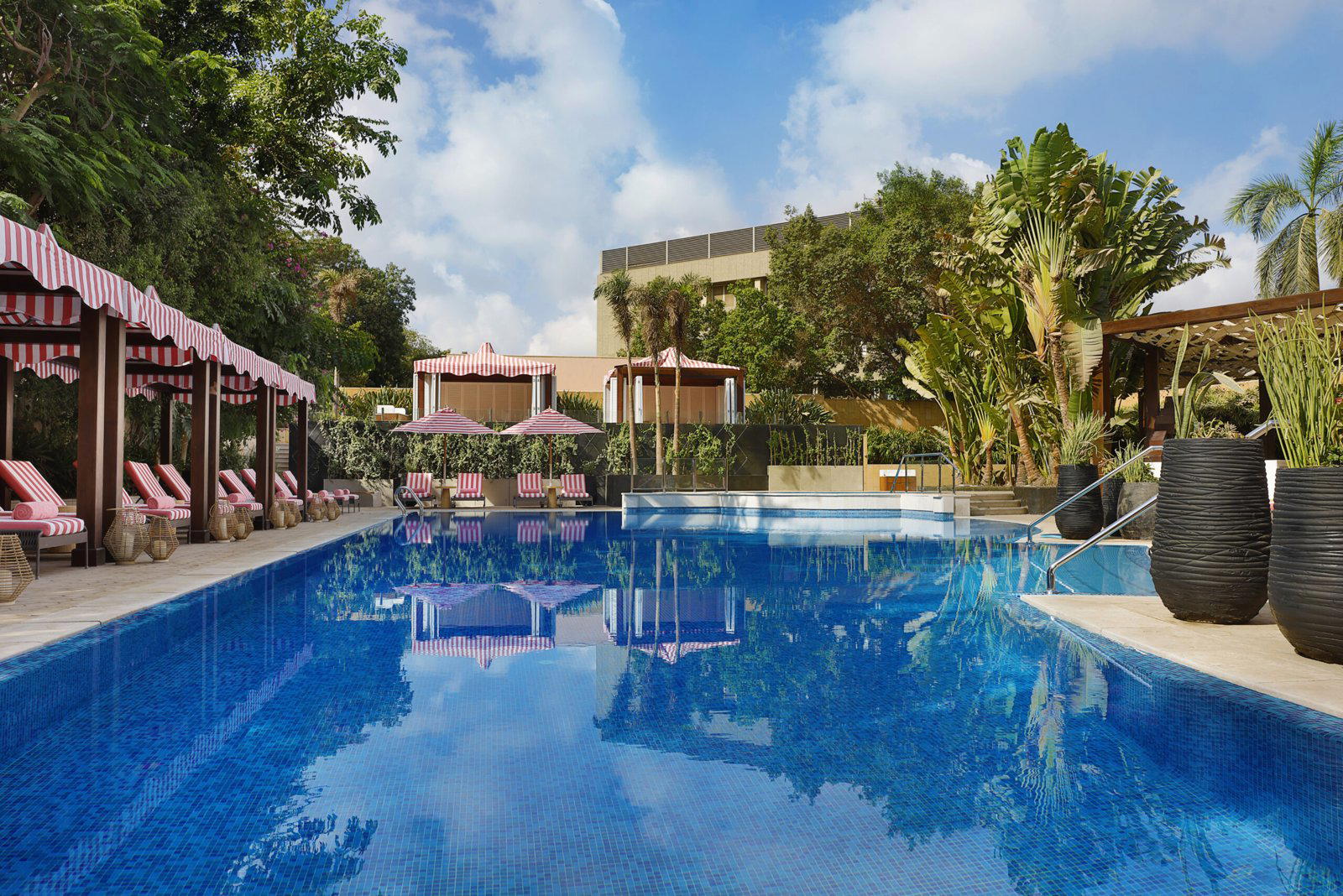
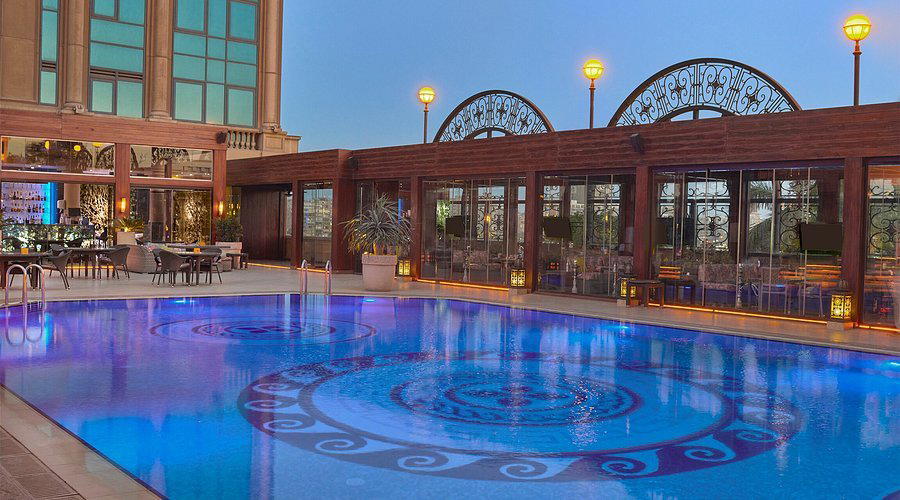
On the Nile Corniche at the heart of Cairo, The Nile Ritz-Carlton occupies a position few city-centre properties can match: Tahrir Square and the Egyptian Museum to one side, the Zamalek district across the water on the other. Nine dining venues, the largest pool in downtown Cairo, and pharaonic artefacts embedded into the architecture make this a full-service property calibrated for both serious leisure and extended stays.
Pearl is the En Primeur Club membership app — saves, bookings, and concierge access live there. Same editors, same standards.
- Address
- 1113 Nile Corniche, Ismailia, El Nil, Cairo Governorate 11221
- Phone
- +20 2 25778899
- Website
- ritzcarlton.com
- Directions
- Get directions
 Saves & bookings on Pearl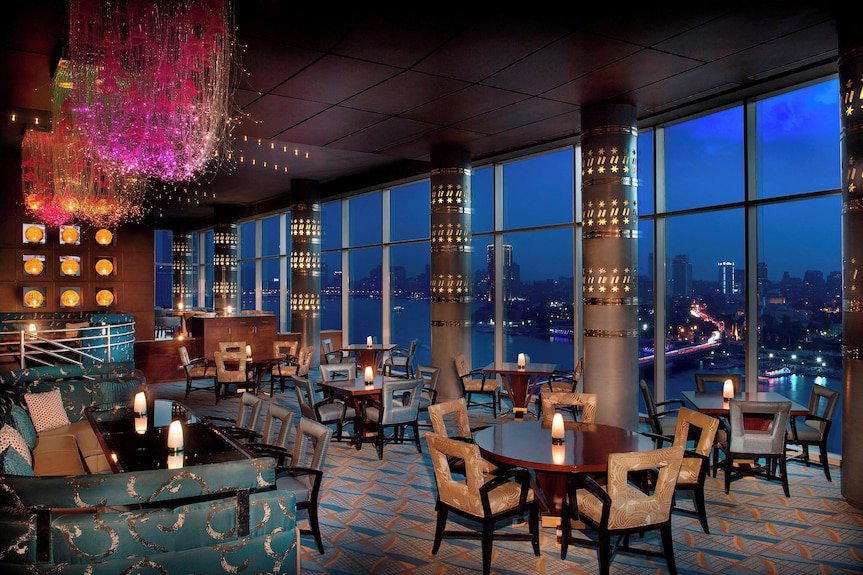
Where the Nile Does the Heavy Lifting
The Nile Ritz-Carlton, Cairo is a five-star hotel in Cairo at 1113 Nile Corniche, Ismailia, El Nil, Cairo Governorate 11221. The Nile Ritz-Carlton, at 1113 Nile Corniche in the Ismailia district, holds one of the stronger positions in that corridor: directly above the waterway, with Tahrir Square and the Egyptian Museum within walking distance on one flank, and Zamalek's low-rise island neighbourhood visible across the water on the other. That geography does more to frame the stay than any amenity list could. At dusk, river-facing rooms track the light changing over the water in a way that city-view rooms at inland Cairo addresses simply cannot replicate.
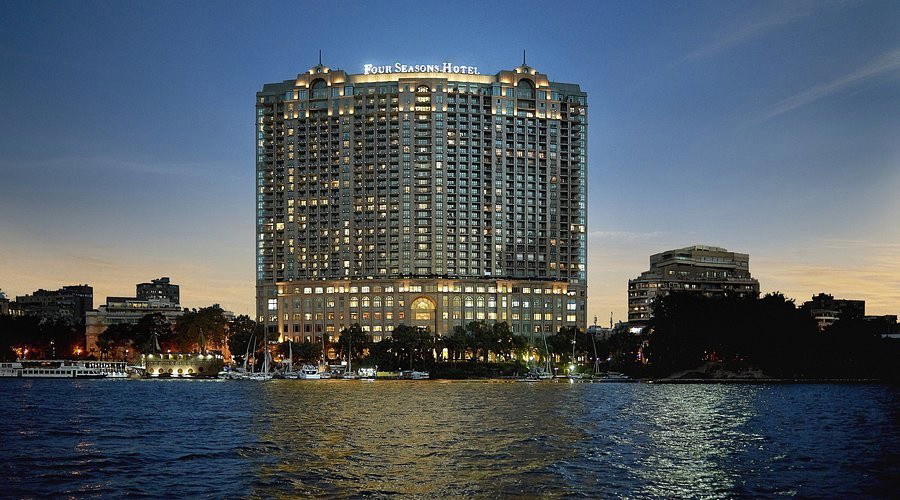
The comparable set here includes the Fairmont Nile City, the Four Seasons Hotel Cairo at Nile Plaza, and The St. Regis Cairo, all of which compete in the same downtown luxury tier. What separates the Ritz-Carlton in this grouping is the combination of scale and density of on-site programming: nine dining venues and a spa under one roof, alongside what the property describes as the largest swimming pool in downtown Cairo. For travellers who want to operate from a single base across multiple days without feeling under-served, that density matters. The Four Seasons Hotel Cairo at the First Residence and Waldorf Astoria Cairo Heliopolis serve different parts of the city and draw a somewhat different profile of guest, which makes direct comparison less useful than understanding what each geography rewards.
A Property That Uses Its Heritage as Architecture
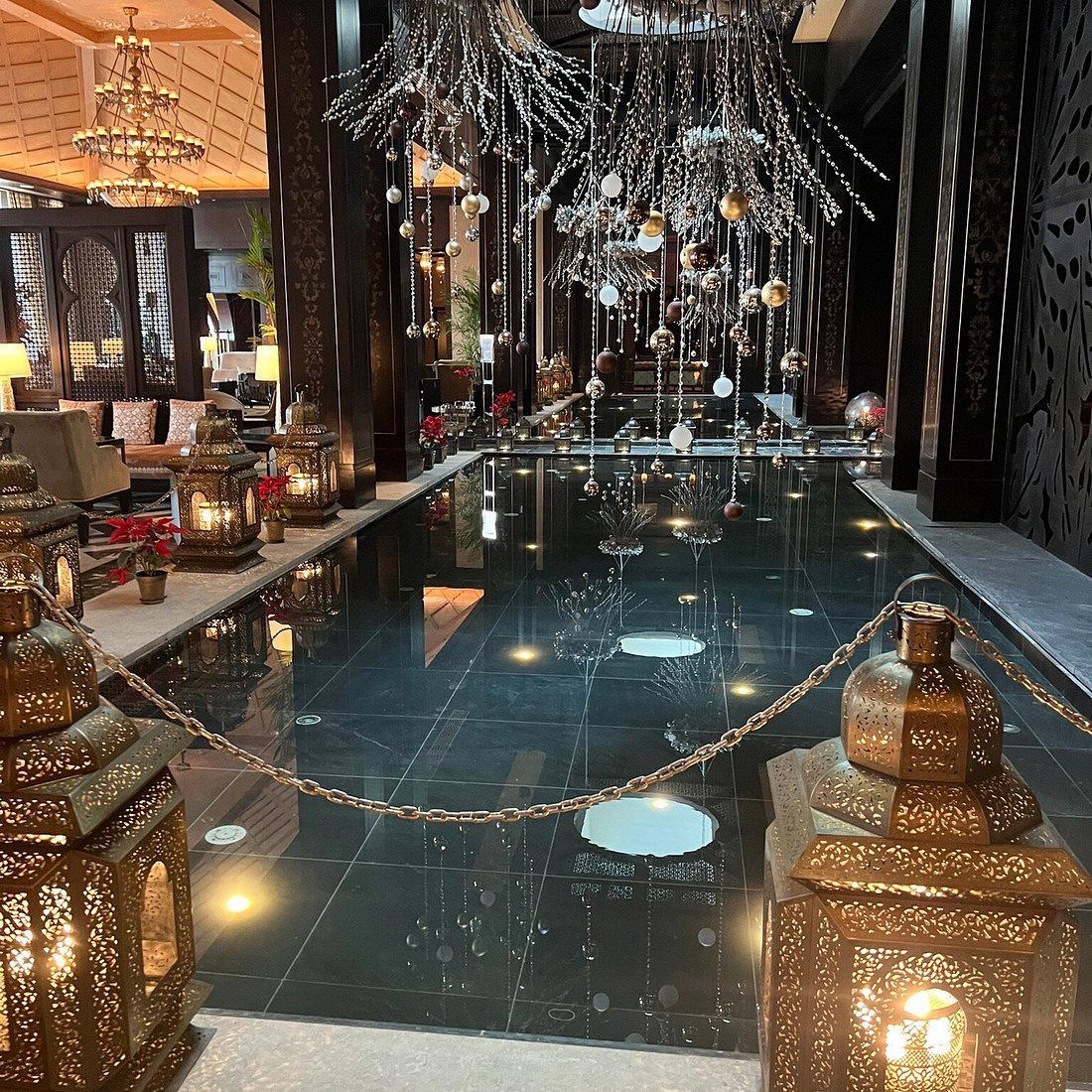
Cairo's luxury hospitality has increasingly leaned into heritage as a design language, and the Ritz-Carlton's approach here is more considered than decorative. Pharaonic tablets are embedded into the lobby floor and near the elevators; an authentic Karnak temple artefact sits adjacent to reception, depicting the festival of the king. These are not reproductions placed for atmosphere. For guests with serious interest in Egyptology, the lobby itself functions as an orientation before visiting the Egyptian Museum a short walk away. In a city where history is everywhere but often compartmentalised behind museum glass, this integration of authenticated artefacts into a functioning hotel environment is a distinct curatorial choice.
The broader question of how luxury properties in Egypt handle cultural patrimony is worth raising here. Using verified historical objects as design elements, rather than manufactured allusions to antiquity, positions the property differently from hotels that gesture at Egyptian heritage through motifs and colour palettes. It is a form of architectural accountability, one that aligns the property with the heritage-conscious traveller rather than the spectacle-seeking one. Those in the former camp will find the lobby worth spending time in before heading to Tahrir Square.
Nine Venues and the Logic Behind Them
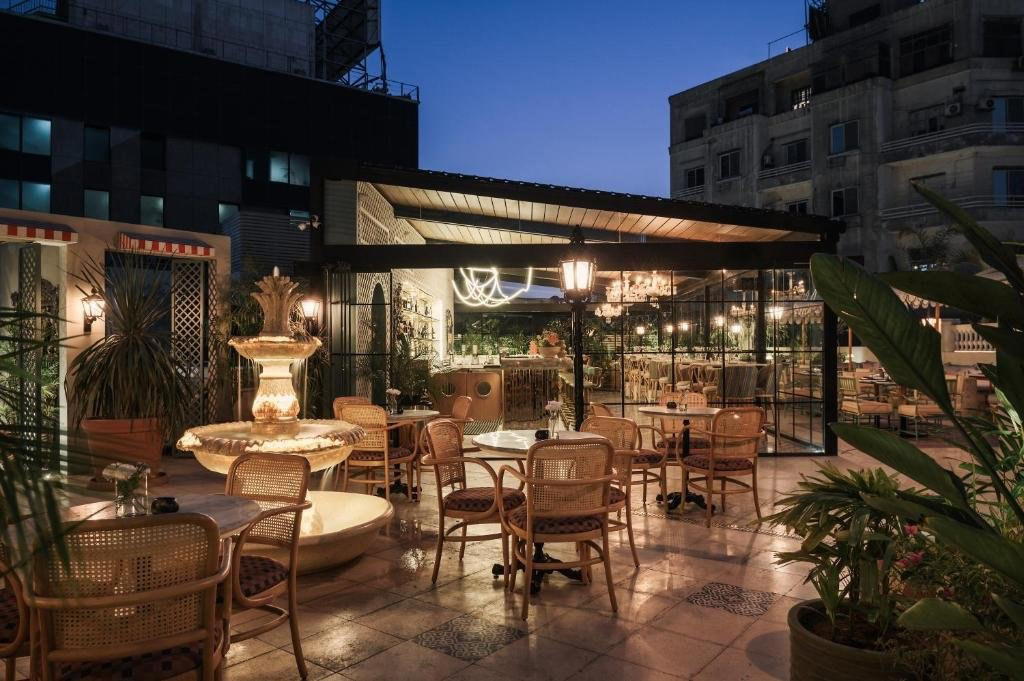
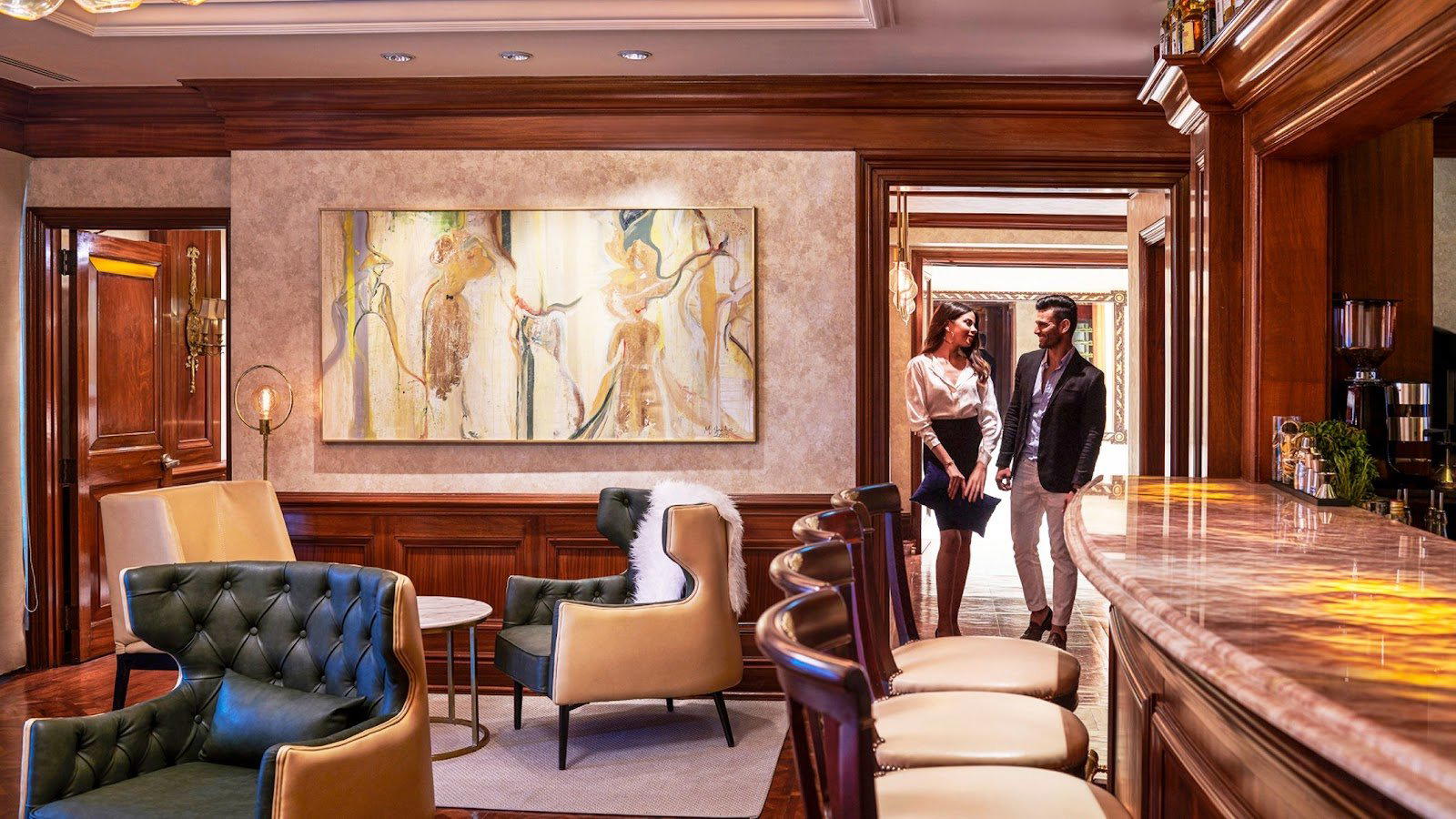
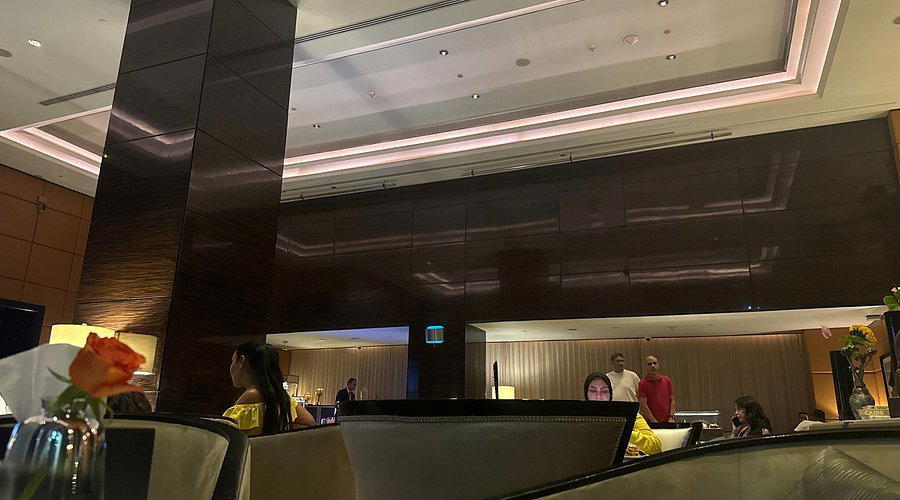
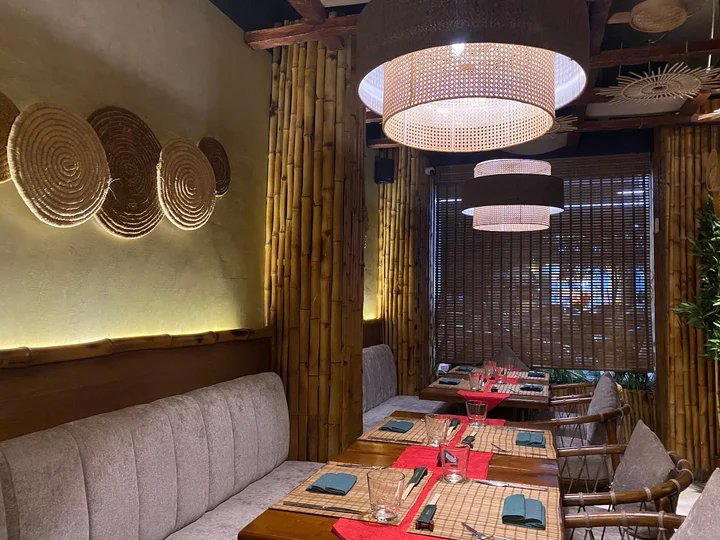
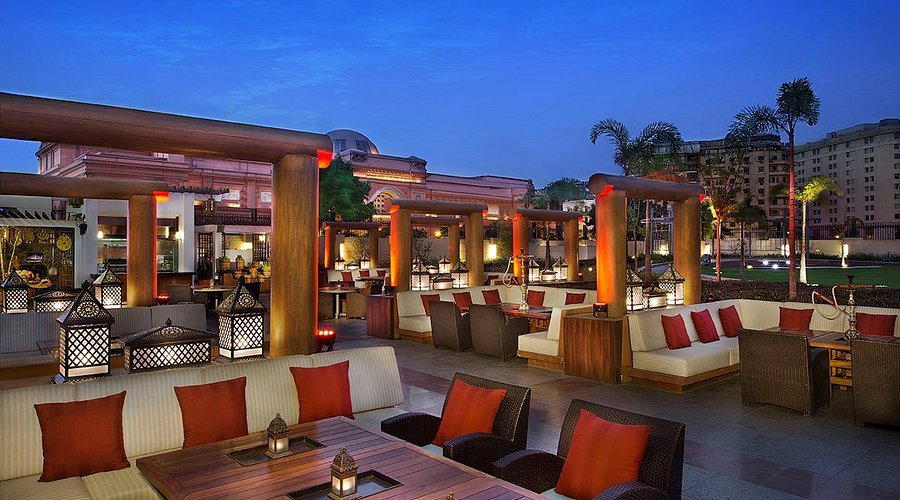
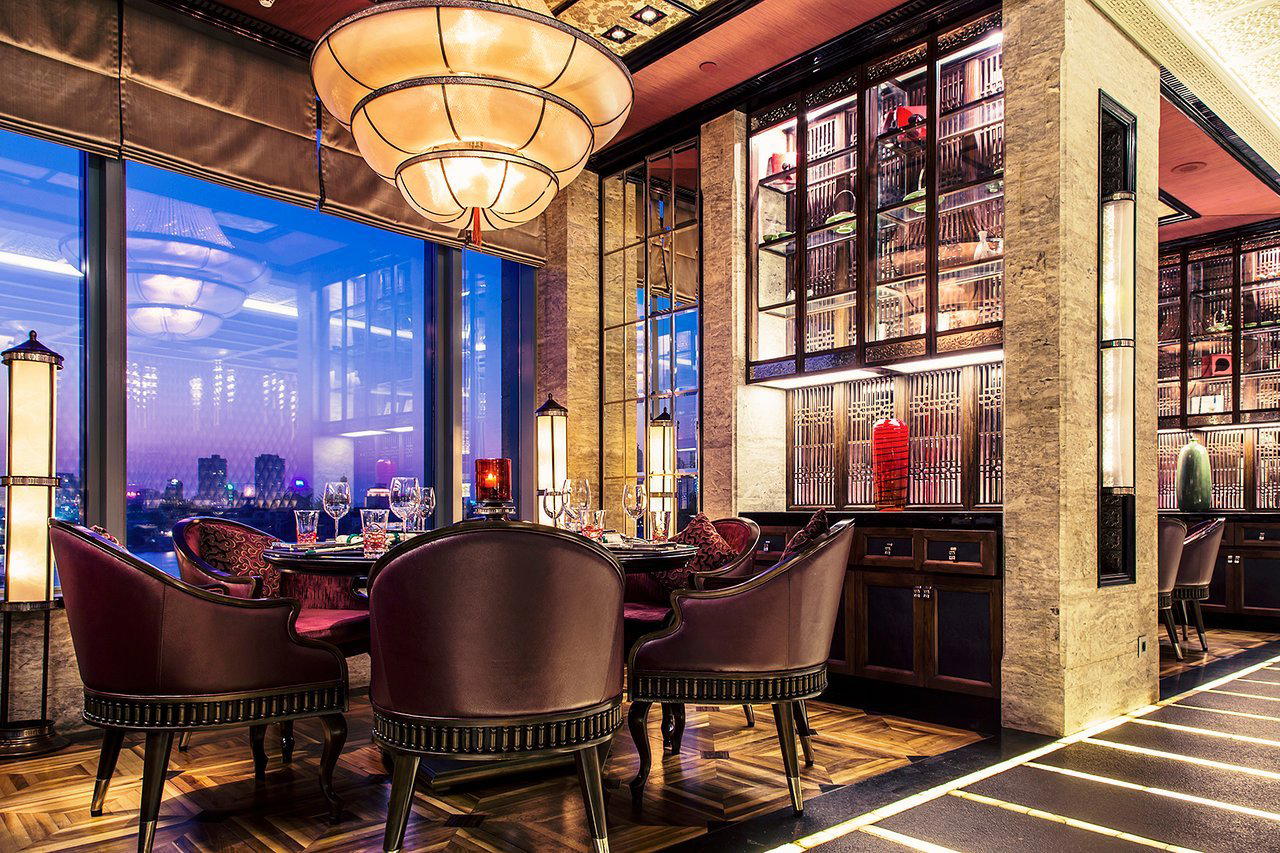
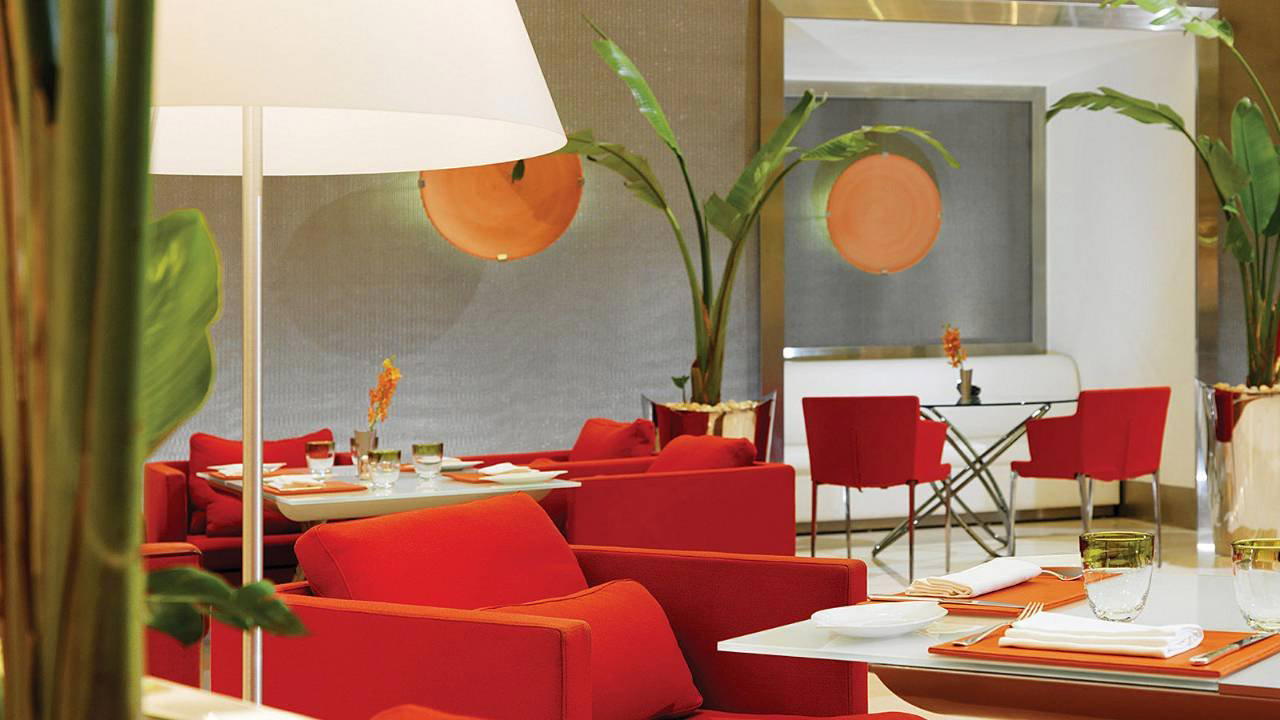
The dining footprint at the Nile Ritz-Carlton reflects the operating logic of a large full-service property in a major urban market: variety across format and occasion rather than a single destination restaurant. Nine venues is a significant number for any downtown hotel, and the spread runs from the all-day dining room Culina, which anchors the Friday brunch crowd, to Bar El-Sharq on the rooftop, where the programming moves toward evening entertainment and shisha. The Sunday afternoon tea in Lobby Lounge adds a third distinct temporal slot, meaning the property is programming for morning, midday, and evening guests simultaneously.
For travellers arriving with specific preferences, the range covers Cuban cigars, Middle Eastern mezze, and Italian cuisine under the same roof. That breadth is unusual for a hotel that also maintains the spatial quality of a river-facing property. At the pool, the adjacent Aqua restaurant handles casual daytime eating and frozen cocktails, which keeps the pool environment from feeling like a dead zone between meals.
The Spa and the Responsible Luxury Argument
Luxury spa programming in Cairo has expanded considerably over the past decade, and properties in the Corniche tier now compete on treatment philosophy as much as square footage. The Nile Ritz-Carlton Spa offers treatments including a milk foot bath, sea salt exfoliation, and a mineral-rich mud cocoon, all of which draw on ingredients with a regional grounding: mineral salts and natural muds have long featured in North African bathing traditions that predate modern spa culture. The signature scent available at the spa boutique, a blend of fresh orchids and natural jojoba oil, follows a similar logic of using plant-derived materials with traceable provenance rather than synthetic fragrance compounds.
Jojoba, for instance, is cultivated commercially in Egypt and is a resource with genuine local economic relevance. A spa that can articulate that chain of provenance, even in a product like a candle, is making a different kind of statement than one that simply imports a European brand's product line wholesale.
Room Selection and What the Views Actually Deliver
The room configuration at the Nile Ritz-Carlton rewards careful selection. River-facing rooms, including the Deluxe Nile View Room and Executive Suites, face the Corniche and the water; the views are the primary reason to choose them, and they command corresponding demand. City-facing rooms, by contrast, look toward Zamalek across the water and, from higher floors, deliver sightlines to the Egyptian Museum, Tahrir Square, and the Saladin Citadel. Guests who are sensitive to Corniche noise should note that the hotel's own data acknowledges the river-facing side carries more street-level sound, making city-view rooms a reasonable trade-off for lighter sleepers.
Ritz-Carlton Suite occupies a corner position with an L-shaped balcony that captures both orientations simultaneously, making it the logical choice for guests who want to hold both the Nile and the city in frame at once. That kind of sustained rating at scale is harder to maintain than a high score on a thin review base.
For context on what comparable properties elsewhere in Egypt offer, the Sofitel Legend Old Cataract Aswan sets the benchmark for Nile-facing historic luxury further south, while Four Seasons Resort Sharm El Sheikh operates in an entirely different coastal register. Within Cairo itself, the Dusit Thani LakeView Cairo and Mazeej Balad Boutique Hotel represent different tiers and formats for comparison. For those extending their Egypt itinerary, Al Moudira Hotel in Luxor, Shali Lodge in Siwah, and La Maison Bleue in El Gouna each offer a radically different sense of Egyptian landscape and hospitality scale. On the coast, Address Beach Resort Marassi and Premier Le Rêve Hotel & Spa in Hurghada serve beach-oriented itineraries. For international points of reference at the design-led or landmark-hotel tier, Aman Venice and Amangiri in Canyon Point illustrate what river and landscape-adjacent luxury looks like in radically different geographies.
The property operates as part of Marriott International and sits at 1113 Nile Corniche, Ismailia, El Nil, Cairo Governorate 11221. An onsite branch of Banque Misr operates 22 hours a day for currency exchange, which is a practical asset in a market where foreign card acceptance can still be inconsistent. Glen Falls House is a further point of comparison for those researching smaller Cairo addresses alongside large-format properties.
Booking and Cost Snapshot
Comparable venues nearby, for context on price, style, and recognition.
| Venue | Price | Awards | Notes |
|---|---|---|---|
| The Nile Ritz-Carlton, CairoThis venue — the venue you are viewing | $$$$ | 5-Star | Not listed |
| Waldorf Astoria Cairo Heliopolis | $$$$ | 5-Star | Heliopolis, Modern luxury infused with Egyptian heritage and art deco elements |
| Sofitel Cairo Downtown Nile | $$$$ | 5-Star | Downtown, French luxury blended with Egyptian heritage in a modernist tower |
| Dusit Thani LakeView Cairo | $$$$ | 5-Star | New Cairo, Luxurious Thai hospitality oasis in urban setting |
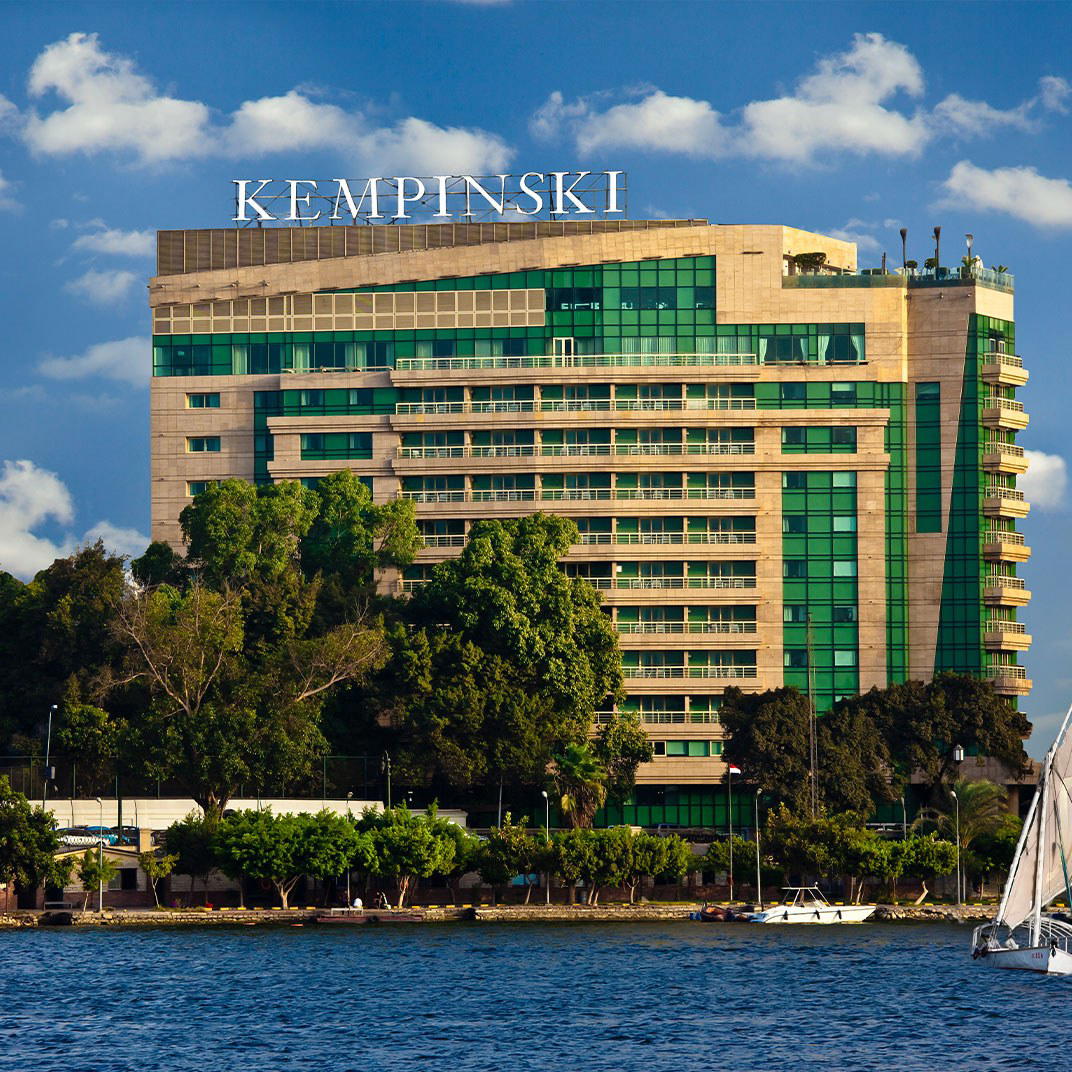
| Kempinski Nile Hotel | $$$$ | 5-Star | Garden City, Contemporary luxury boutique hotel combining European sophistication with Egyptian cultural influences, positioned as an intimate urban retreat for informed travelers. |
| Four Seasons Hotel Cairo at the First Residence | $$$$ | 5-Star | Giza, Grand French Empire-style architecture with polished woods, gilt finishes, and Egyptian motifs on the Nile's west bank. |
Recognition history
Dated appearances from independent guides and award organizations, with the underlying list record or original source where available.
Forbes Recommended
Forbes
Forbes Recommended
Forbes
At a Glance
- Elegant
- Sophisticated
- Ornate
- Classic
- Romantic Getaway
- Business Trip
- Family Vacation
- Rooftop Pool
- Panoramic View
- Historic Building
- Wi Fi
- Pool
- Spa
- Fitness Center
- Room Service
- Concierge
- Business Center
- Valet Parking
- Waterfront
- Skyline
- Wi Fi
- Pool
- Spa
- Fitness Center
- Room Service
- Concierge
- Business Center
- Valet Parking
Refined and elegant atmosphere with soundproofed rooms featuring blackout drapes, premium lighting, and serene Nile or city views.