Our verdict
L'ULIVETO occupies a position along the Nile Corniche in Nile City Towers, Bulaq, placing it within Cairo's tier of river-facing dining destinations where address and atmosphere carry as much weight as what arrives on the plate. The name signals an Italian inflection, situating it inside a city where European Mediterranean cuisine has found a consistent and engaged audience among Cairo's cosmopolitan dining set.

Pearl is the En Primeur Club membership app — saves, bookings, and concierge access live there. Same editors, same standards.
- Address
- Nile City Towers 2005 B, Nile Corniche, Ramlet Beaulac, Bulaq, Cairo Governorate 11311, Egypt
- Phone
- +201202088781
- Hours
- Daily 6 AM–11 PM
- Website
- fairmont.com
- Directions
- Get directions
- Booking
- Book on the venue's website
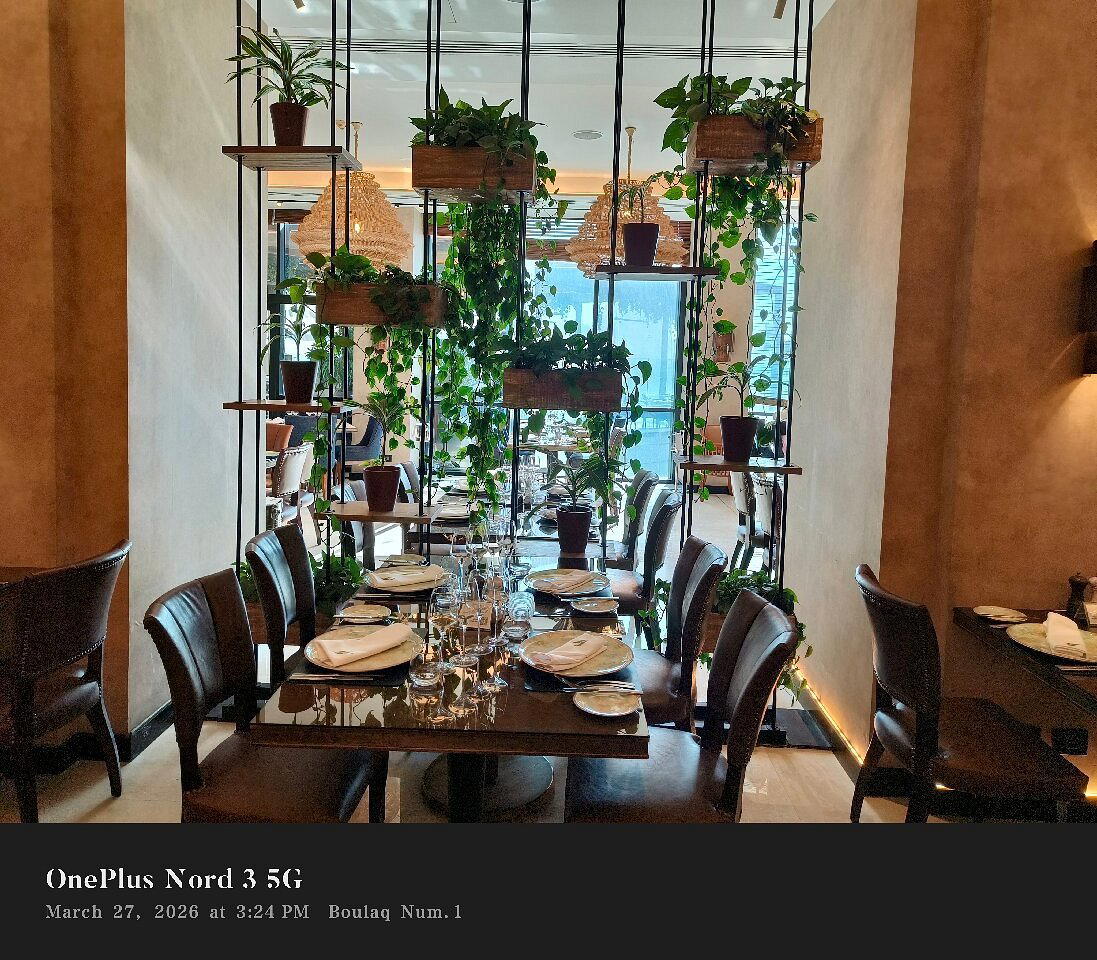
Dining on the Corniche: What the Nile Does to a Room
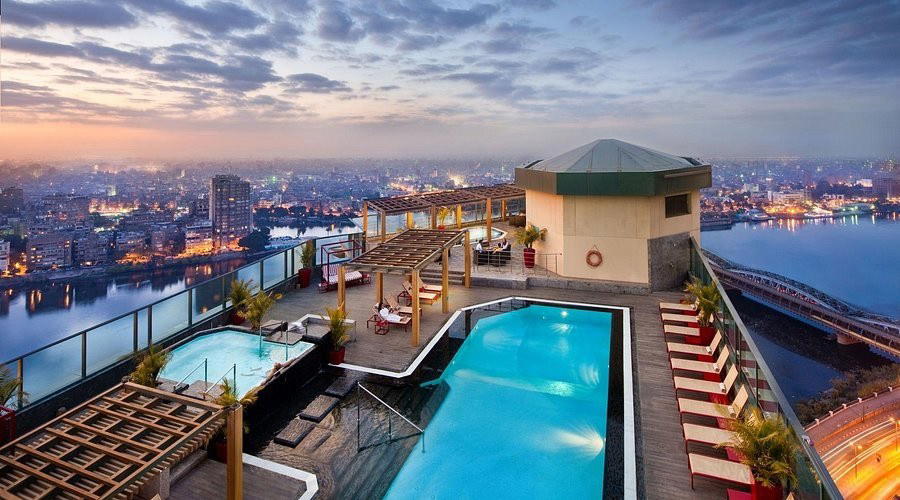
There is a particular quality to dining above the Nile in Cairo. The river, wide and slow at this latitude, acts as a visual reset from the density of the city behind you. Restaurants that occupy Nile-facing positions along the Corniche understand this implicitly: the water does a portion of the work that a designer would otherwise need to achieve. L'ULIVETO, addressed to Nile City Towers on the Nile Corniche in Ramlet Beaulac, Bulaq, sits within this established tradition of refined river-view dining that has long attracted Cairo's professional and international dining public.
Nile City Towers is one of the more significant mixed-use developments along this stretch of the Corniche, a cluster that positions its tenants against the skyline and the river simultaneously. For a restaurant carrying an Italian name, that address is not incidental. Italian dining in Cairo has historically clustered around locations that can support its positioning: hotels, towers, and waterfront addresses where the expectation of a considered environment is already established before the menu arrives.
Italian Cuisine in Cairo: The Longer Arc
Cairo's relationship with Italian cooking runs deeper than the current generation of restaurant openings suggests. Egypt's Mediterranean orientation, its port history through Alexandria, and the communities of European nationals who settled along the Nile delta from the nineteenth century onward created early conditions for Italian culinary influence to take hold. By the late twentieth century, Italian restaurants in Cairo had become a reference point for the city's international dining class, occupying a reliable middle ground between the formality of French service and the accessibility of local cuisine.
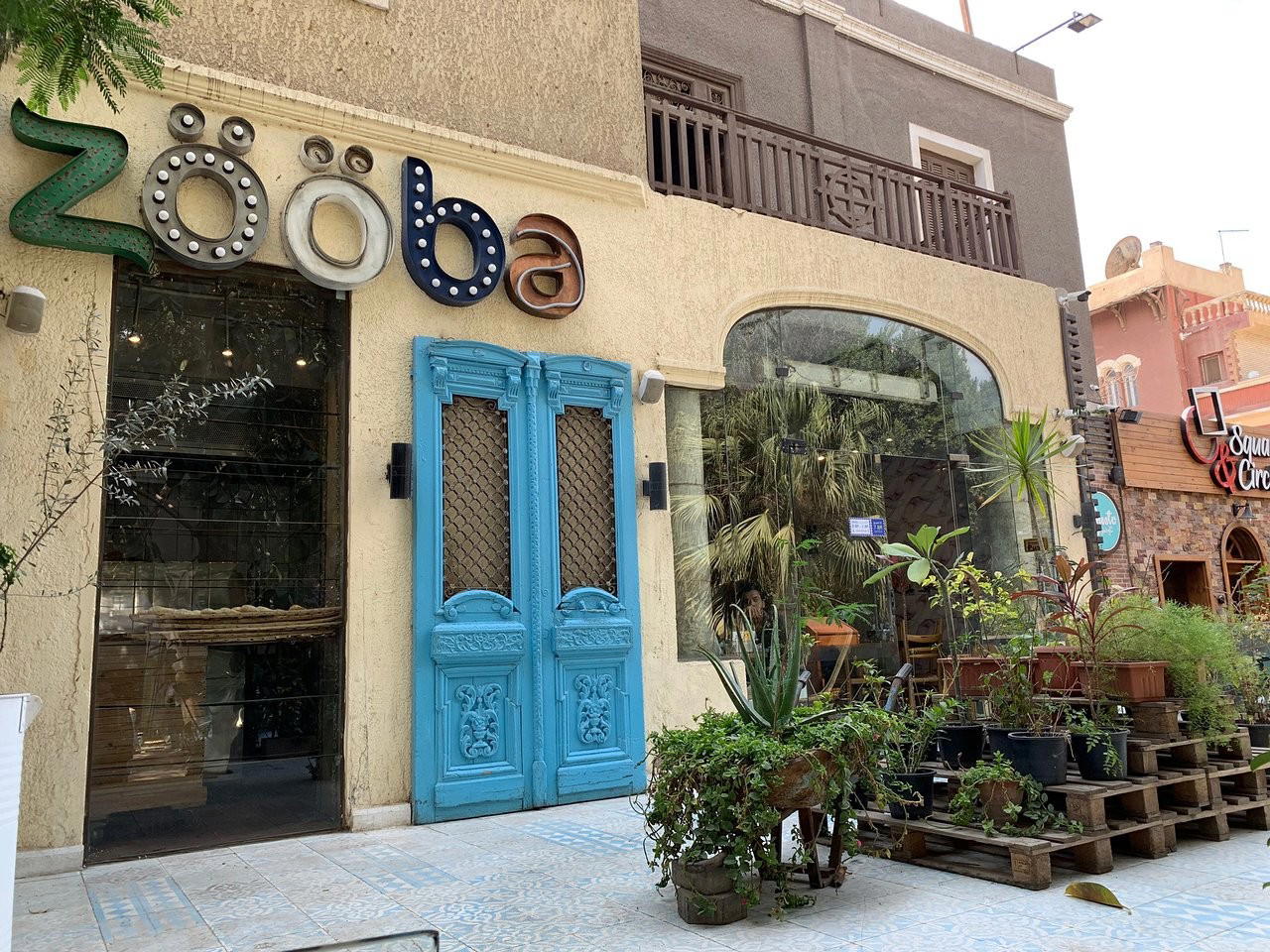
That tradition has since fragmented. Cairo's contemporary dining scene now includes Japanese concepts like Kazoku and Sachi Cairo, Japanese-inflected grill formats like Reif Kushiyaki Cairo, French bistro sensibilities at Le Petit Cornichon, and Egyptian street food repositioned for a dining-room context at Zooba (Zamalek). Within this widened competitive field, Italian restaurants now occupy a more contested position than they did a decade ago. They must compete not only on cuisine quality but on atmosphere, address credibility, and the specific promise their room makes to a guest deciding between several options in a single evening.
L'ULIVETO's name, derived from the Italian for olive grove, signals a particular register within Italian cooking: the southern, agricultural, oil-forward tradition rather than the butter-rich north. That framing, whether or not it is executed literally on the menu, carries cultural weight. Olive-centered Italian cuisine has a specificity that Mediterranean-generic does not, and in a city where guests are increasingly literate about regional Italian distinctions, the naming choice positions the restaurant with some intention.
Cairo dining divides across several spatial axes. There are the central city and downtown addresses, the Zamalek island restaurants, the Maadi suburban corridor, and the Nile Corniche tier, which includes both hotel-based and tower-based venues. The Corniche addresses tend to price and present themselves differently from their inland peers: the river view commands a premium, the footprint often allows for larger spaces, and the clientele mix tends toward international visitors, business diners, and Cairo residents treating the evening as an occasion rather than a convenience.
For context on how Egyptian dining geography shapes expectations, venues like Khufus in Giza and Andrea El Mariouteya in Sheikh Zayed City operate with entirely different spatial logics, where the draw is landscape scale or suburban community, rather than the urban Corniche's particular density of occasion dining. The Abou Shakra (ابو شقرة) in Al Haram represents a different axis entirely: a long-established Egyptian institution where longevity and local loyalty are the credentials, not address prestige.
L'ULIVETO occupies the Corniche tier, which means it operates in a register where the guest has already decided to invest time and likely money in an evening out. That is a different guest, and a different negotiation, than venues targeting frequency and accessibility. Among Cairo's broader international dining options, Maharaja Restaurant and Chinoix Restaurant in New Cairo serve comparable international-cuisine-seeking audiences but from different spatial and cultural positions. The Corniche address gives L'ULIVETO a specific kind of occasion credibility that inland alternatives must work harder to establish through other means.
Planning Your Visit
L'ULIVETO is located at Nile City Towers 2005 B, Nile Corniche, Ramlet Beaulac, Bulaq, Cairo Governorate 11311. The Nile City Towers development is well-known to Cairo's professional class and is accessible from central Cairo via the Corniche road, with the towers serving as an identifiable landmark. For a broader picture of where L'ULIVETO sits within the city's dining options, our full Cairo restaurants guide maps the scene across neighborhoods and cuisine categories.
Visitors exploring beyond central Cairo and the Corniche might also consider Castle Zaman in Noweiba for a perspective on Egyptian dining that operates at a completely different remove from the city, or Izakaya in 6th of October for the city's westward expansion of serious restaurant concepts. For those assembling a broader Cairo dining itinerary, Cairo Caizer in Nasr, Carbs in Al Ameria, and What the Crust in Al Bassatin cover different neighborhoods and price points worth holding alongside the Corniche tier. Internationally, the precision-focused Mediterranean edge of Le Bernardin in New York City and the conceptual rigor of Atomix in New York City provide a useful reference for what the upper tiers of Italian-adjacent and international fine dining are doing at a global benchmark level.
Frequently asked questions
How do I find L'ULIVETO?
L'ULIVETO is located at Nile City Towers 2005 B, Nile Corniche, Ramlet Beaulac, Bulaq, Cairo Governorate 11311, Egypt, Cairo.
Is L'ULIVETO inside a hotel or independently operated within Nile City Towers?
L'ULIVETO is addressed at Nile City Towers 2005 B on the Nile Corniche in Bulaq, Cairo — a mixed-use development that houses corporate offices, residences, and hospitality outlets. The Nile City Towers location does place it within one of Cairo's more prominent Corniche addresses, with direct river orientation.
What's the best thing to order at L'ULIVETO?
What the Nile City Towers address does tell you is that this is a Corniche-tier venue in Cairo, which typically means a kitchen pitched at a cosmopolitan clientele expecting full Italian coverage from antipasti through to pasta and secondi. Visit the restaurant directly for current menu information.
Do they take walk-ins at L'ULIVETO?
At Corniche-tier addresses in Cairo — particularly those inside landmark developments like Nile City Towers — Friday and Saturday evenings tend to draw consistent demand from both hotel guests and city residents, making spontaneous seating less reliable on weekends. Contacting the venue ahead of a planned visit is the practical approach.
Price and Recognition
Comparable venues nearby, for context on price, style, and recognition.
| Venue | Cuisine | Price | Notes |
|---|---|---|---|
| L'ULIVETOThis venue — the venue you are viewing | Italian with Mediterranean Influences | $30–50 | Not listed |
| Byblos | Modern Lebanese Fine Dining | $50–100 | Nile Plaza, Modern Lebanese Fine Dining |
| Maharaja Restaurant | Authentic Indian | $10–20 | Nasr City, Authentic Indian |
| Gingko | Modern Peruvian | Not listed | Ramlet Beaulac, Modern Peruvian |
| Abou Shakra | Traditional Egyptian Grill | $10–20 | El Kasir El Einy (Downtown Cairo), Traditional Egyptian Grill |
| Birdcage | Authentic Thai | $30–50 | Garden City, Authentic Thai |
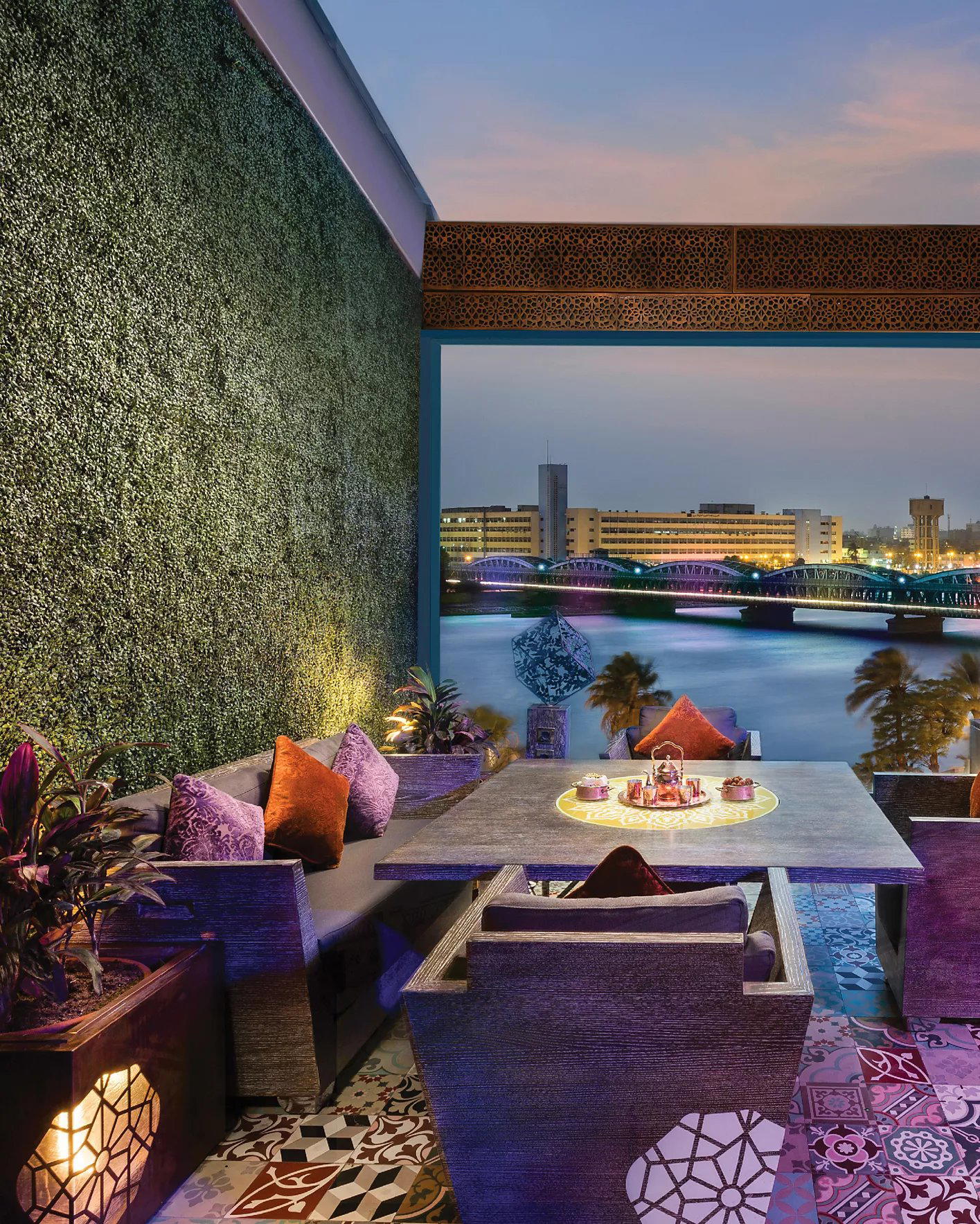
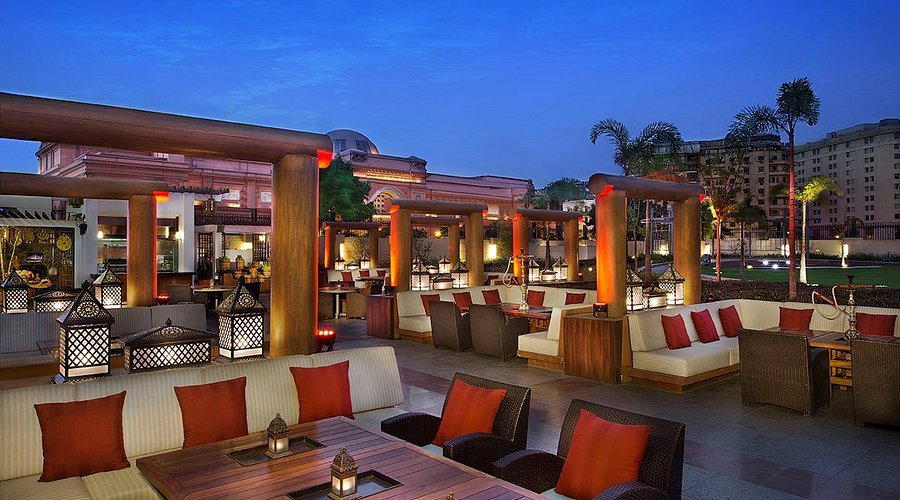
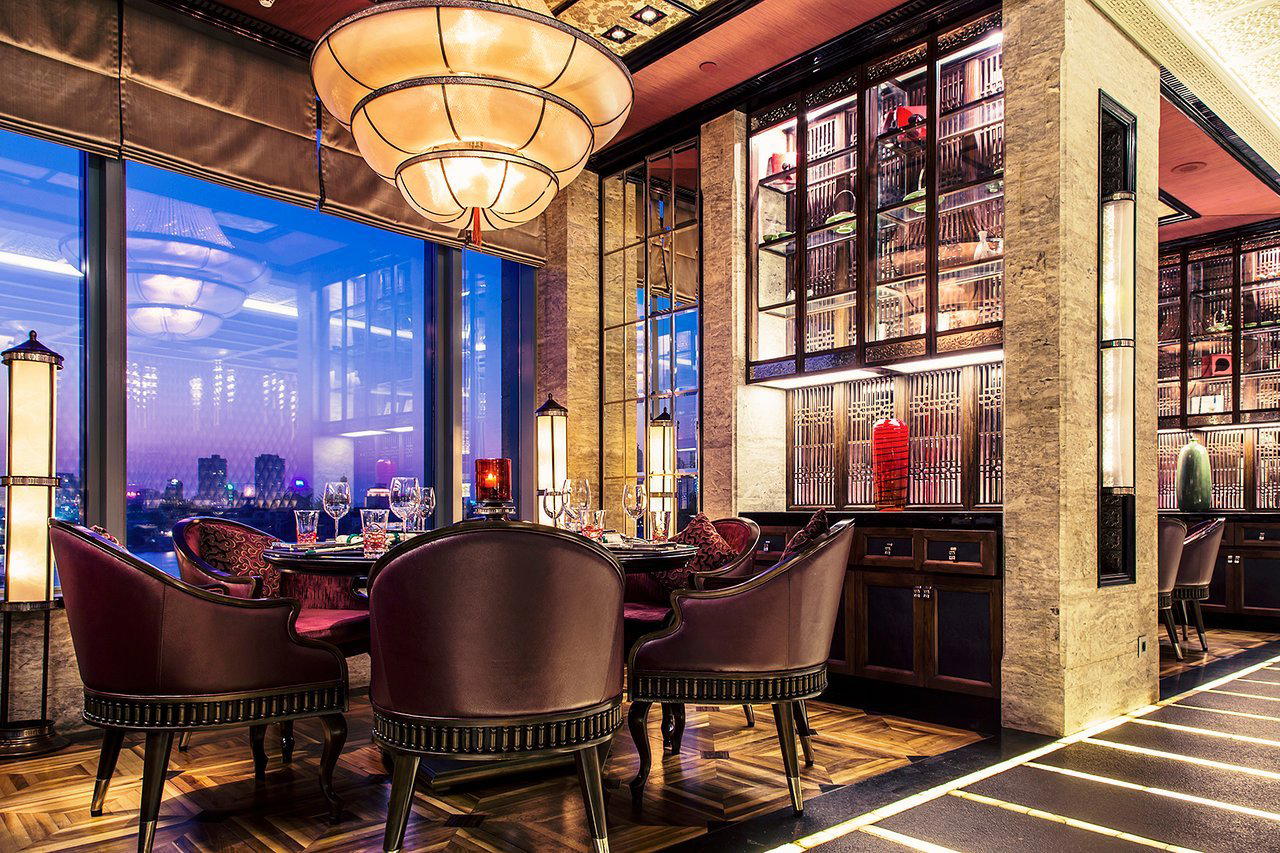
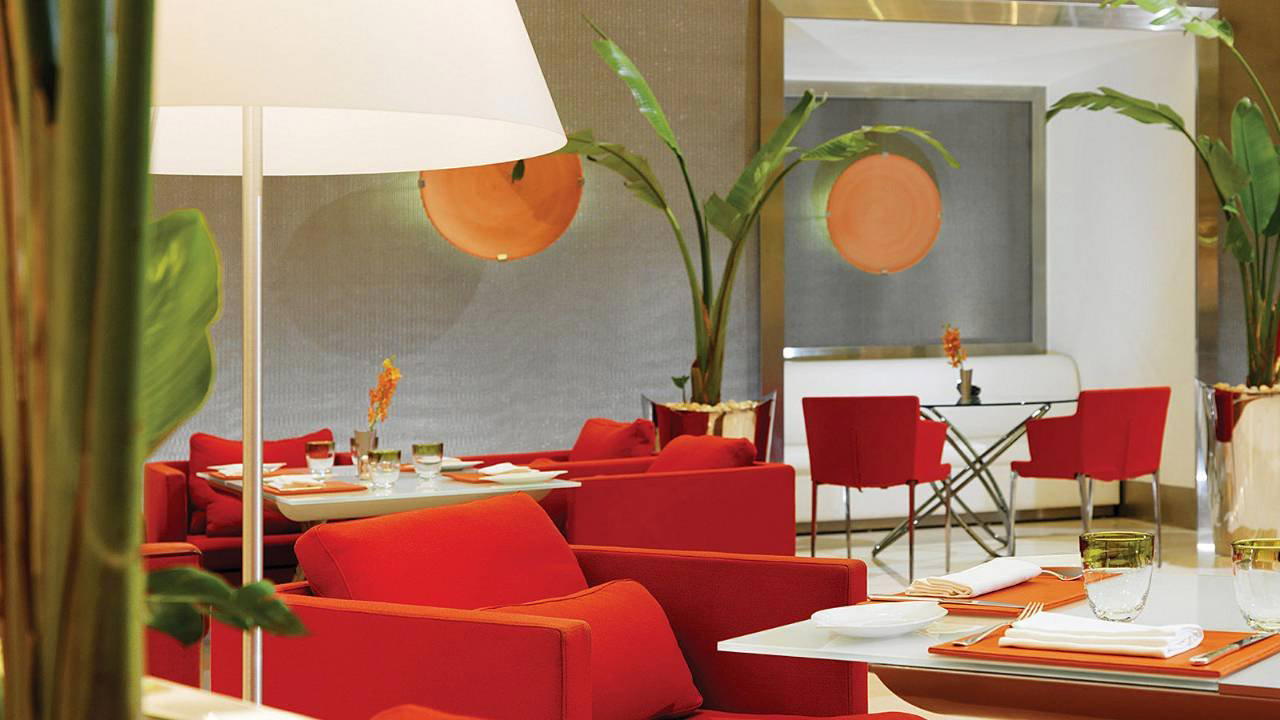
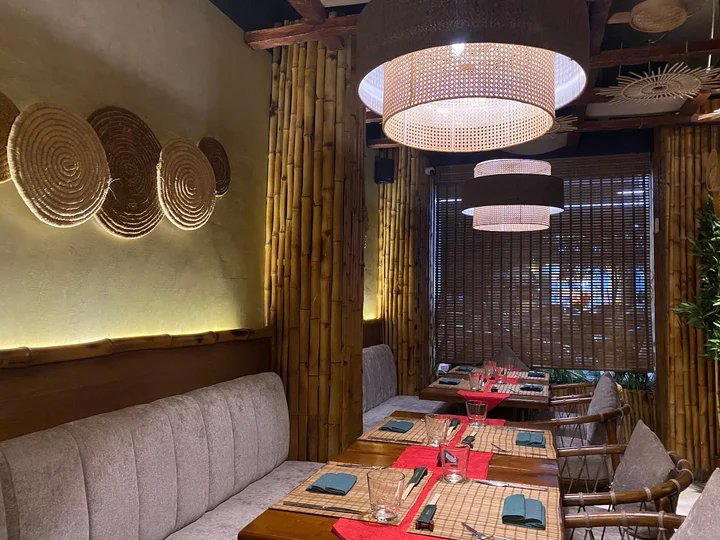
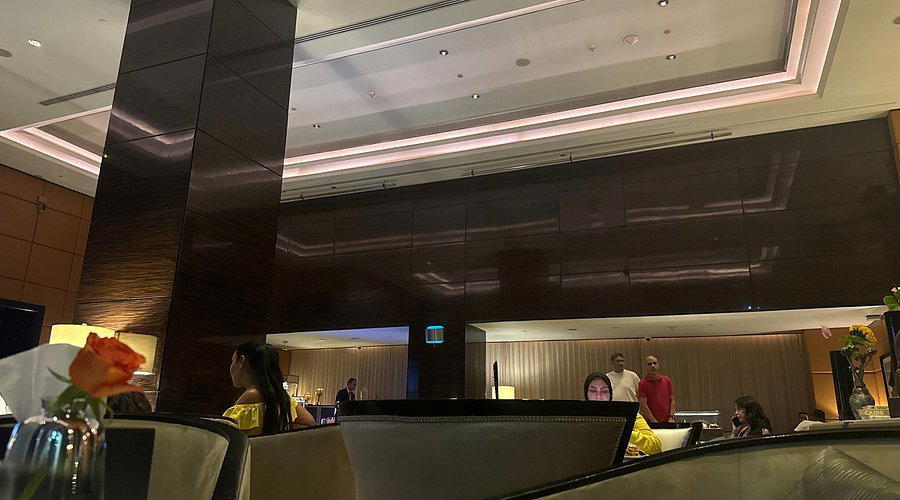
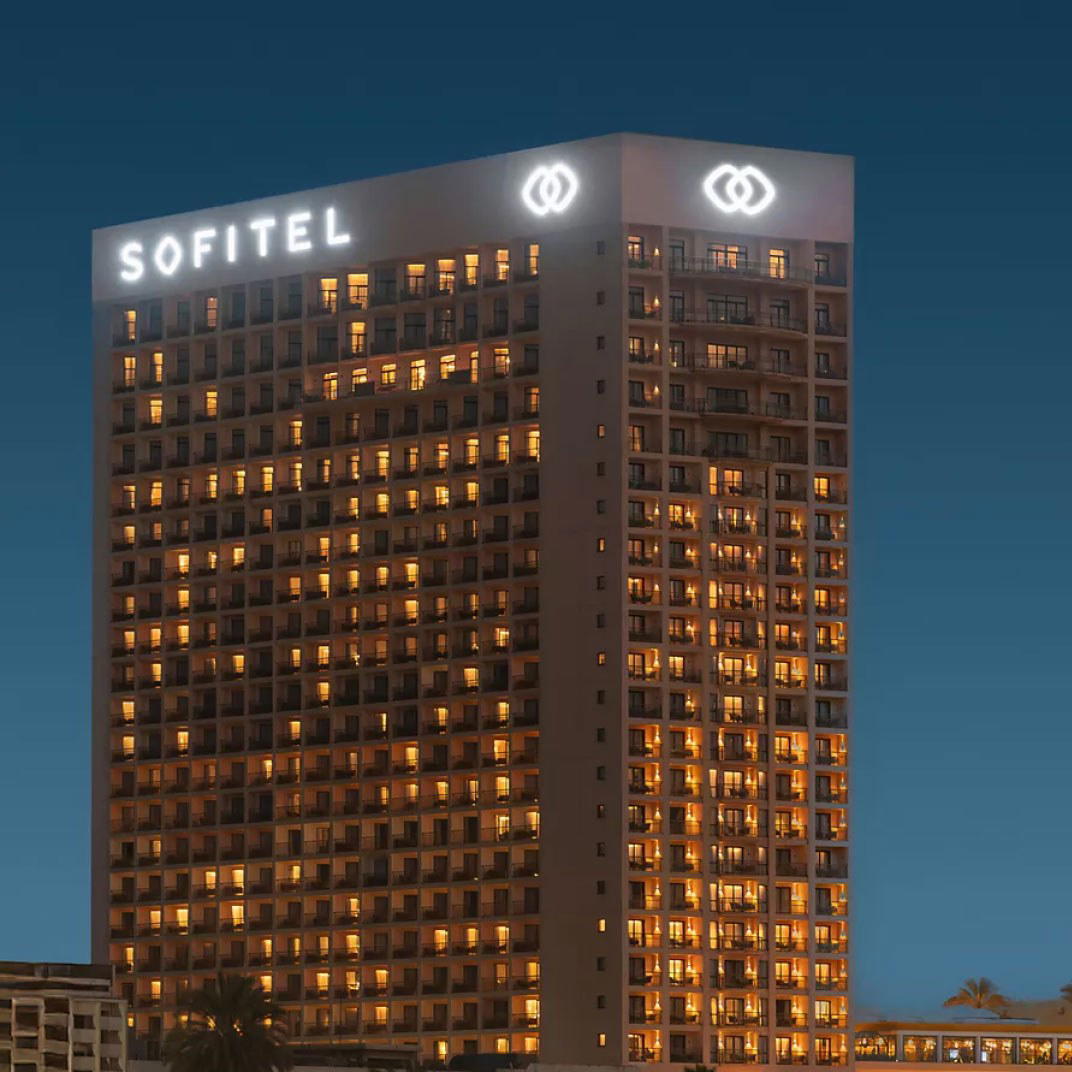
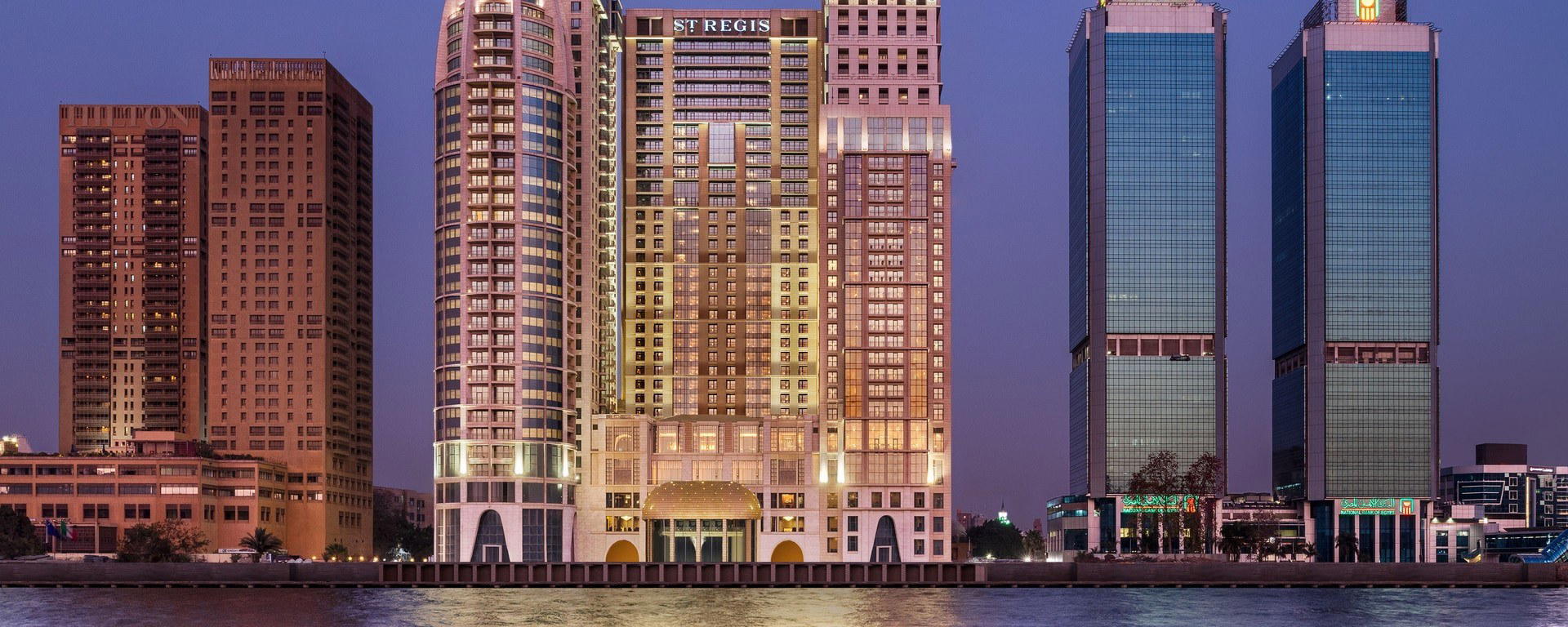
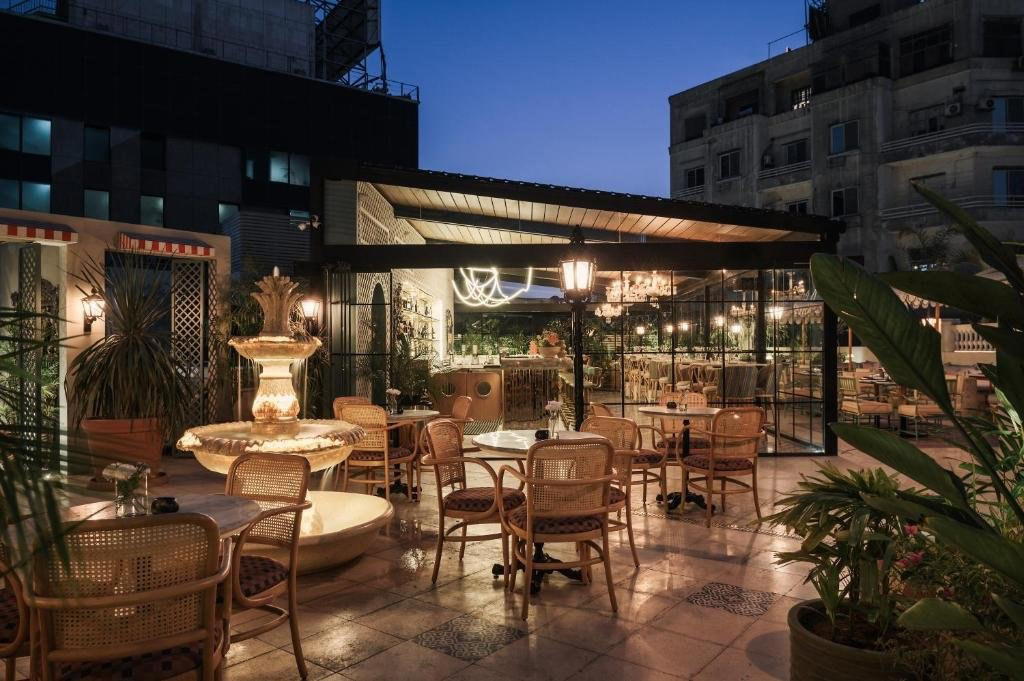
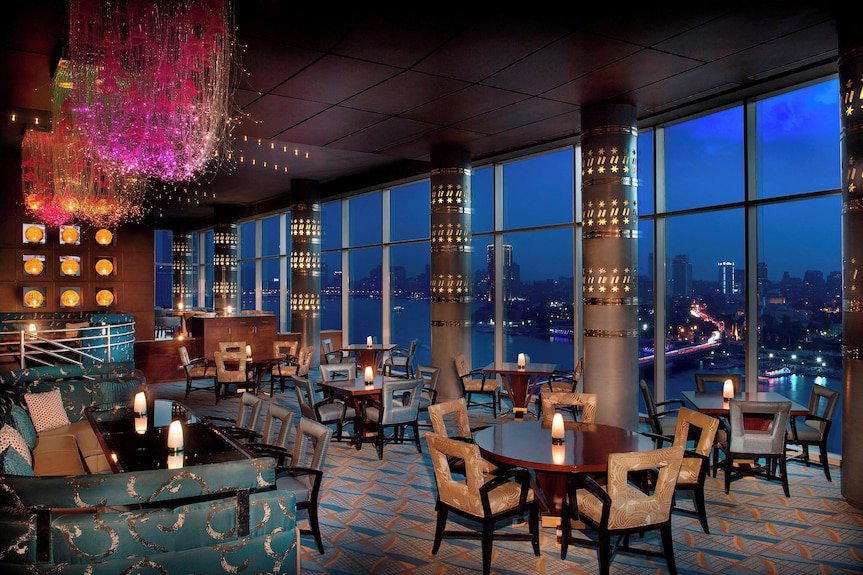
L'ULIVETO
The wine
- Wine program
- Curated wine list
- Extensive wine list
- Craft cocktails
Details
- Elegant
- Cozy
- Sophisticated
- Date Night
- Business Dinner
- Special Occasion
- Brunch
- Waterfront
- Hotel Restaurant
- Panoramic View
- Extensive Wine List
- Craft Cocktails
- Waterfront
- Skyline
- A La Carte
- Buffet
- Vegetarian Friendly
- Vegan Options
- Gluten Free Options
- Halal
Current opening hours
- Monday
- 6 AM–11 PM
- Tuesday
- 6 AM–11 PM
- Wednesday
- 6 AM–11 PM
- Thursday
- 6 AM–11 PM
- Friday
- 6 AM–11 PM
- Saturday
- 6 AM–11 PM
- Sunday
- 6 AM–11 PM
Hours can change for holidays and private events. Last verified .
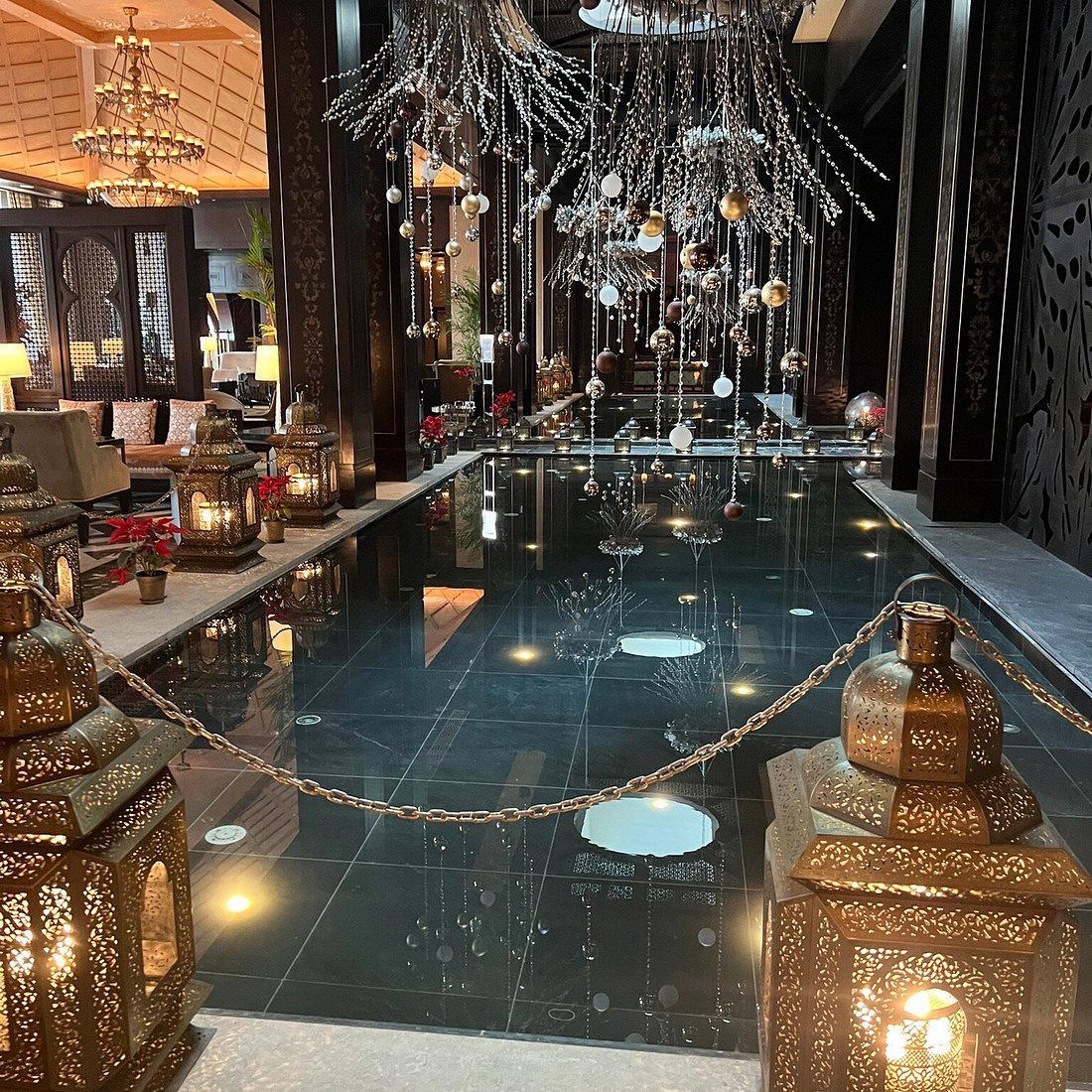
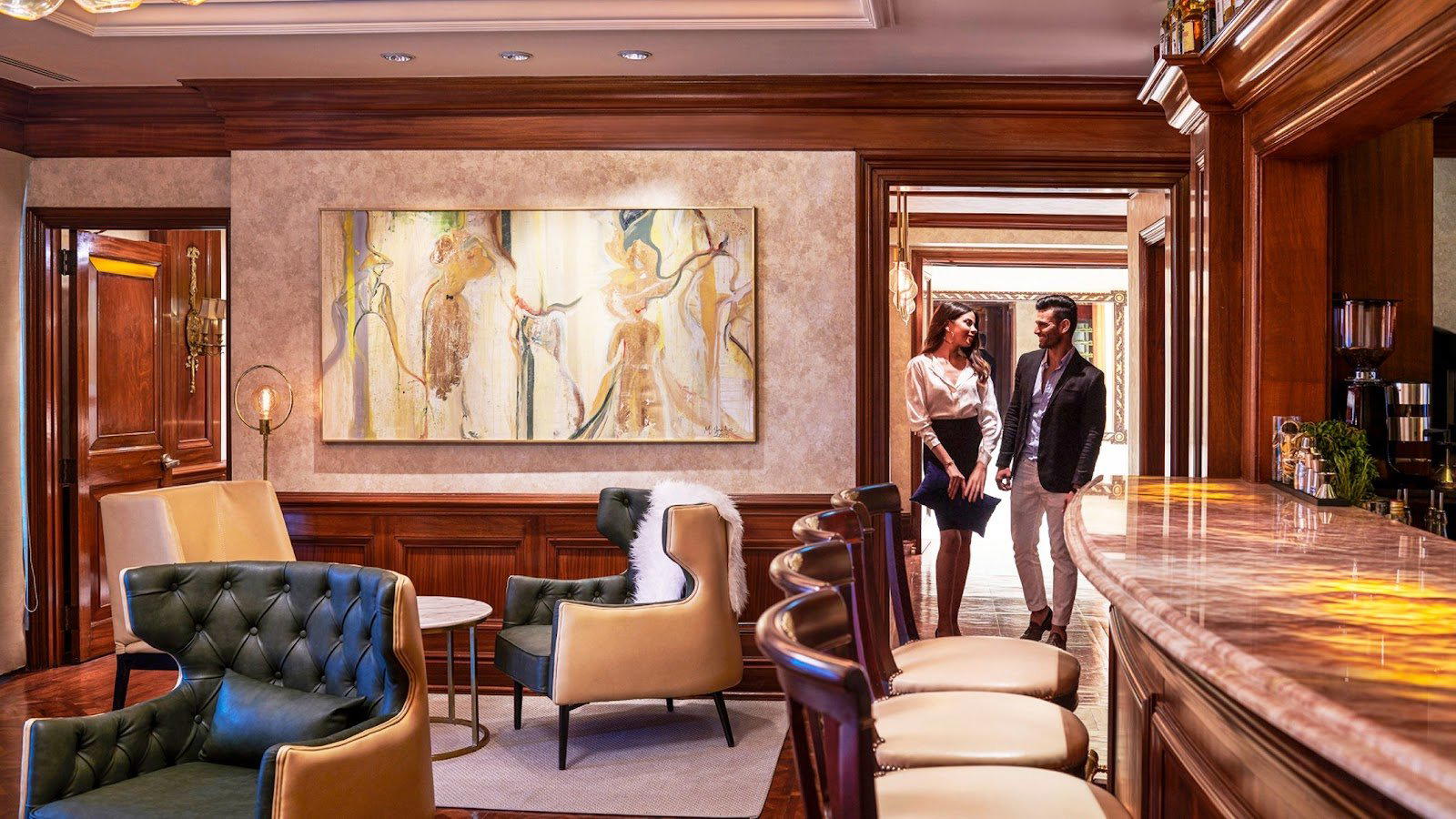
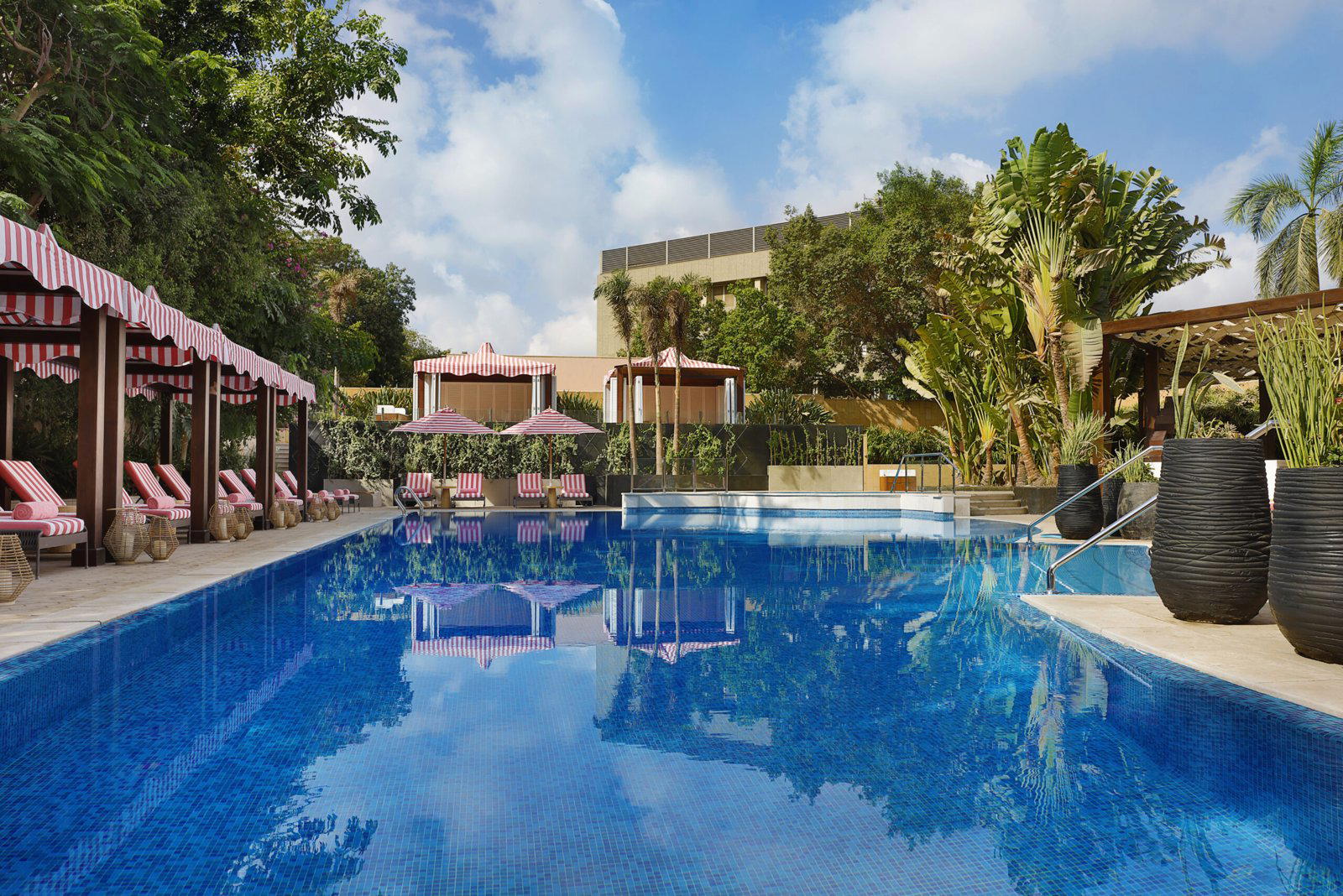
Warm ambiance featuring natural elements, cozy lounges, stylish lighting, transforming from relaxed dining to lively bar with cocktails and music.