Our verdict
Byblos sits on the Nile Corniche at 1089 El Nil, positioning it among Cairo's most scenically anchored dining addresses. The name references the ancient Phoenician city that served as a trading crossroads between the Levant and North Africa, a lineage that signals something about how Lebanese and broader Eastern Mediterranean cuisines have historically landed in Cairo's restaurant culture.

Pearl is the En Primeur Club membership app — saves, bookings, and concierge access live there. Same editors, same standards.
- Address
- 1089 Nile Corniche, El Nil, Cairo Governorate 11519, Egypt
- Phone
- +20227917377
- Hours
- Daily 1 PM–1 AM
- Website
- fourseasons.com
- Directions
- Get directions
- Booking
- Book on the venue's website
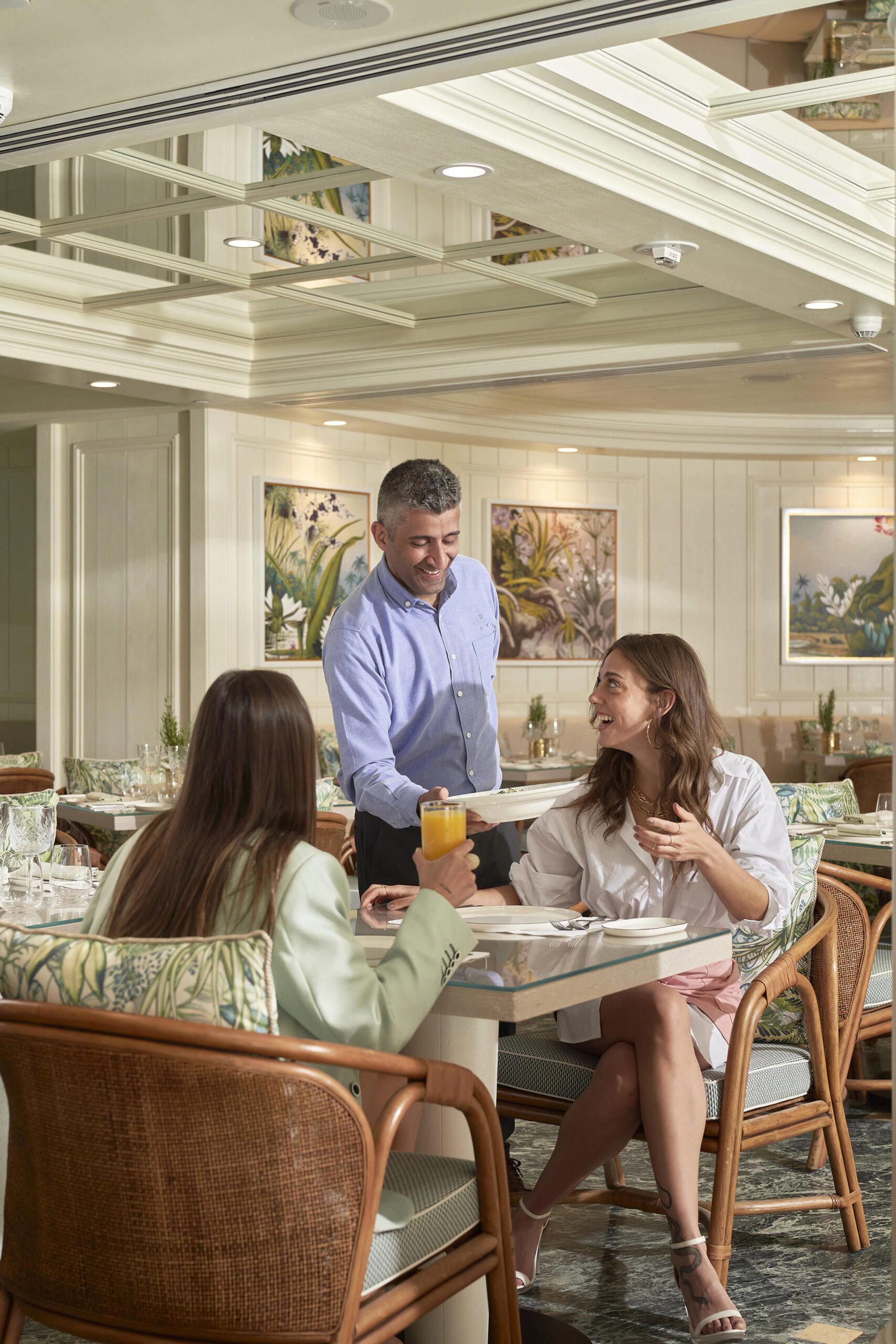
The menu
What to order
- Lamb Shank with Arabian Rice and Mixed Nuts
- Shrimp Fatteh
- Lamb Kebab
- Shish Tawouk
The Nile Corniche and the Levantine Table
Cairo's relationship with Lebanese cuisine is longer and more layered than most cities outside Beirut can claim. From the mid-twentieth century onward, waves of Levantine migration brought mezze culture, charcoal-grilled meats, and the habit of long, shared table eating into Cairo's social fabric. Today, Lebanese and Lebanese-inflected restaurants occupy a distinct tier in the city's dining hierarchy, read by locals as simultaneously familiar and slightly formal, the kind of cooking that anchors a business lunch or a family occasion without requiring explanation. Byblos, addressed at 1089 Nile Corniche in El Nil, operates within that tradition and carries a name that locates it precisely: Byblos (the ancient Phoenician port city, now Jbeil, north of Beirut) was the trading hinge between the Levant and North Africa for centuries, and Lebanese restaurants across Cairo have long used that cultural shorthand to signal provenance and register.
The Corniche itself sets a particular frame. The stretch of road running along the Nile through central Cairo has always attracted restaurants that want a view to anchor the experience, and competition on that strip is about more than the food. Diners arrive expecting a combination of river light, open air or at least the suggestion of it, and cooking that can hold its own against the spectacle outside. That is a more demanding brief than a tucked-away neighbourhood address, and it shapes what kinds of restaurants survive there long-term.
Levantine Cooking in the Cairo Context
To understand where a restaurant like Byblos sits, it helps to map how Levantine cooking has moved through Cairo's dining culture over the past few decades. The foundational items, hummus, mutabbal, kibbeh, mixed grill platters, fattoush, have become so integrated into everyday Cairo eating that they read as borderless. But restaurants that carry specifically Lebanese identity markers, the Beiruti-style raw kibbeh, the cold mezze spread arriving before anything is ordered, the arak poured early, the insistence on fresh bread at every stage, still occupy a slightly distinct position. They are read as a more deliberate version of Eastern Mediterranean hospitality, and they attract a clientele that treats the meal as a multi-hour event rather than a transaction.
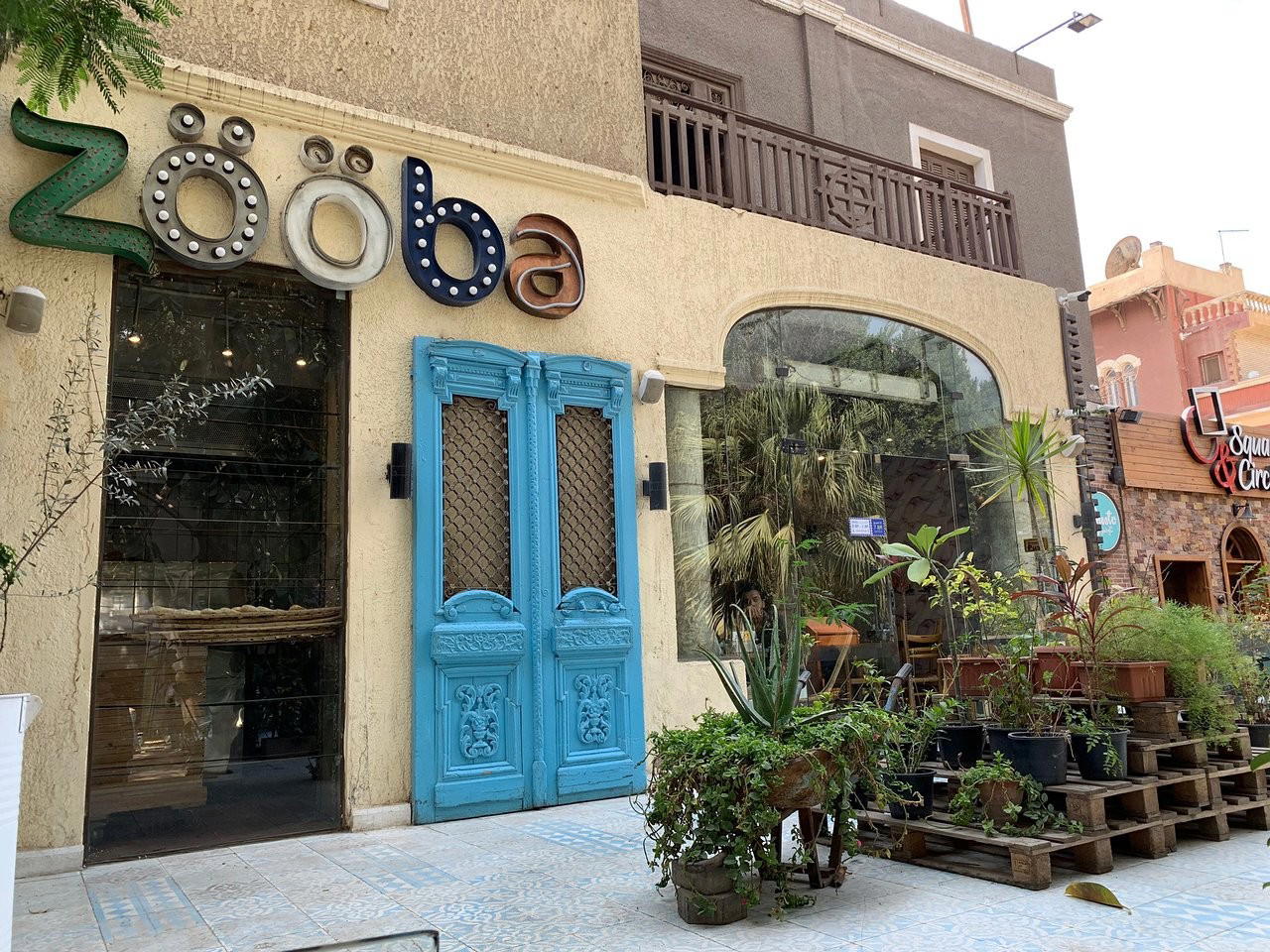
This is the tradition Byblos enters. Across Cairo, you can trace the development of this category from older institutions in Zamalek and Mohandiseen through to newer entrants working in the New Cairo and Sheikh Zayed corridors. The Corniche address places Byblos in a different register from the quieter neighbourhood Lebanese spots: more visible, more occasion-oriented, more reliant on setting as part of the offering. For comparison, Zooba (Zamalek) operates in an entirely different register, built around Egyptian street food made accessible and shareable, while Le Petit Cornichon occupies Cairo's French-leaning bistro tier. Byblos is neither of those things; its reference points are the Beirut-origin restaurants that treat the table as a social institution.
What the Name Carries
Naming a restaurant after Byblos (the city) is a deliberate act of positioning. Byblos was among the oldest continuously inhabited cities in the world, a Phoenician trading port through which cedar, papyrus, and wine moved between civilizations. When Lebanese restaurants abroad use it as a name, they are invoking both antiquity and the specific cultural confidence of Beirut's food scene, the city that, before its various crises, was regarded across the Arab world as the standard-setter for how this cuisine should be executed. That signal is not incidental. It places the restaurant in conversation with a culinary tradition that prizes freshness, precision in cold mezze preparation, and generosity of spread over any single showpiece dish. The cooking, at its finest, is less about individual technique than about the cumulative effect of a table covered in small plates, each made with enough care that none feels like a filler.
Cairo has a number of restaurants working in this register, and the Corniche positioning means Byblos competes on atmosphere and occasion value as much as on the food itself. Visitors who have spent time at Lebanese tables in Beirut, or at Lebanese-diaspora restaurants in London or São Paulo, will arrive with a calibrated set of expectations. The cold mezze spread, the quality of the bread, the char on the mixed grill, the freshness of the parsley in the tabbouleh: these are the benchmarks, not innovation.
Cairo's Broader Dining Geography
The Nile Corniche address puts Byblos in physical proximity to some of Cairo's most established dining real estate, but the city's restaurant energy has been shifting. New Cairo and Sheikh Zayed City have drawn significant investment in recent years, and a number of the more contemporary dining formats have landed there first. For context on that geography, Chinoix Restaurant in New Cairo and Andrea El Mariouteya in Sheikh Zayed City each represent different facets of how Cairo's appetite for dining-as-event has spread outward from the traditional city centre. Meanwhile, the central Cairo and Zamalek corridor retains its hold on international visitors and older-money Cairo families who read geography as part of the restaurant's social currency.
For Japanese-inflected formats now drawing serious attention in Cairo, Kazoku, Sachi Cairo, and Reif Kushiyaki Cairo each represent a wave of investment in precision-led Asian formats that sits at some remove from the Levantine tradition Byblos occupies. The two categories are not in direct competition, but together they illustrate how Cairo's dining range has widened over the past decade. Further afield, Castle Zaman in Noweiba and La Maison Bleue in El Gouna show how the resort corridor has developed its own premium dining vocabulary, distinct from Cairo's urban restaurant culture. For Egyptian cooking in a more direct, unmediated form, Al Khal Egyptian Restaurant in Nasr and Koshary Hekaya occupy a completely different part of the spectrum. See our full Cairo restaurants guide for a broader map of the city's dining tiers.
Planning a Visit
Byblos is located at 1089 Nile Corniche, El Nil, Cairo Governorate 11519. The Corniche is accessible by taxi or ride-share from most central Cairo addresses, and the El Nil stretch is familiar enough to most drivers that the address translates without difficulty. Current booking details, hours, and pricing are best confirmed directly with the venue, as the information is not published in a form we can verify at time of writing. For Corniche dining generally, evenings with a river view tend to draw the largest crowds on Thursday and Friday nights, when Cairo's dining-out culture is at its most intense; earlier weeknight bookings typically offer a quieter room. Dress expectations at this address are consistent with the broader Corniche register: smart casual at minimum, with evening visits skewing more formal among the local clientele.
Frequently asked questions
Where do I go for Byblos?
Byblos is located at 1089 Nile Corniche, El Nil, Cairo Governorate 11519, Egypt, Cairo.
How does Byblos fit into Cairo's Lebanese restaurant scene?
Cairo has sustained a Lebanese dining culture since at least the mid-twentieth century, making it one of the few cities outside Lebanon where the cuisine has genuine historical depth rather than recent import status. The Corniche corridor places it alongside some of Cairo's most enduring dining addresses, where competition from both long-running Lebanese institutions and newer Egyptian-run Levantine kitchens is consistent.
What do regulars order at Byblos?
Byblos draws on the Levantine canon that Cairo diners have been ordering since the mid-twentieth century: mezze spreads, grilled meats, and the cold and hot starters that define Lebanese table culture. The Nile Corniche location attracts a mix of neighbourhood regulars and visitors staying in the surrounding hotel corridor, so the kitchen fields a broad cross-section of that repertoire. Specific dish data for the current menu is not published, so ordering broadly across the mezze selection is a practical approach on a first visit.
Is Byblos reservation-only?
Reservation and walk-in policies for Byblos have not been published online. The Nile Corniche address places the restaurant in one of Cairo's higher-footfall dining strips, where demand on weekend evenings can be significant. Contacting the venue directly or arriving early is advisable until booking details are confirmed publicly.
What's the defining dish or idea at Byblos?
The name itself signals the positioning: Byblos references one of the oldest continuously inhabited cities in the world, a deliberate anchor to the deep roots of Levantine cooking rather than a contemporary fusion pitch. The restaurant sits within Cairo's long tradition of Lebanese-influenced dining, a tradition that predates most Western cities' engagement with the cuisine by several decades.
Budget and Context
Comparable venues nearby, for context on price, style, and recognition.
| Venue | Cuisine | Price | Notes |
|---|---|---|---|
| ByblosThis venue — the venue you are viewing | Modern Lebanese Fine Dining | $50–100 | Not listed |
| 8 Restaurant | Authentic Cantonese | $50–100 | Qasr El Nil, Authentic Cantonese |
| Abou Shakra | Traditional Egyptian Grill | $10–20 | El Kasir El Einy (Downtown Cairo), Traditional Egyptian Grill |
| Koshary Hekaya | Egyptian Koshary | $1–10 | Giza, Egyptian Koshary |
| Gingko | Modern Peruvian | Not listed | Ramlet Beaulac, Modern Peruvian |
| L'ULIVETO | Italian with Mediterranean Influences | $30–50 | Ramlet Beaulac, Italian with Mediterranean Influences |
Byblos
The wine
- Wine program
- Curated wine list
- Extensive wine list
- Sommelier-led
Details
- Elegant
- Romantic
- Sophisticated
- Scenic
- Date Night
- Special Occasion
- Business Dinner
- Celebration
- Waterfront
- Hotel Restaurant
- Terrace
- Panoramic View
- Extensive Wine List
- Sommelier Led
- Local Sourcing
- Waterfront
- A La Carte
- Family Style
- Wine
- Shisha
- Vegetarian Friendly
- Allergy Accommodating
Current opening hours
- Monday
- 1 PM–1 AM
- Tuesday
- 1 PM–1 AM
- Wednesday
- 1 PM–1 AM
- Thursday
- 1 PM–1 AM
- Friday
- 1 PM–1 AM
- Saturday
- 1 PM–1 AM
- Sunday
- 1 PM–1 AM
Hours can change for holidays and private events. Last verified .
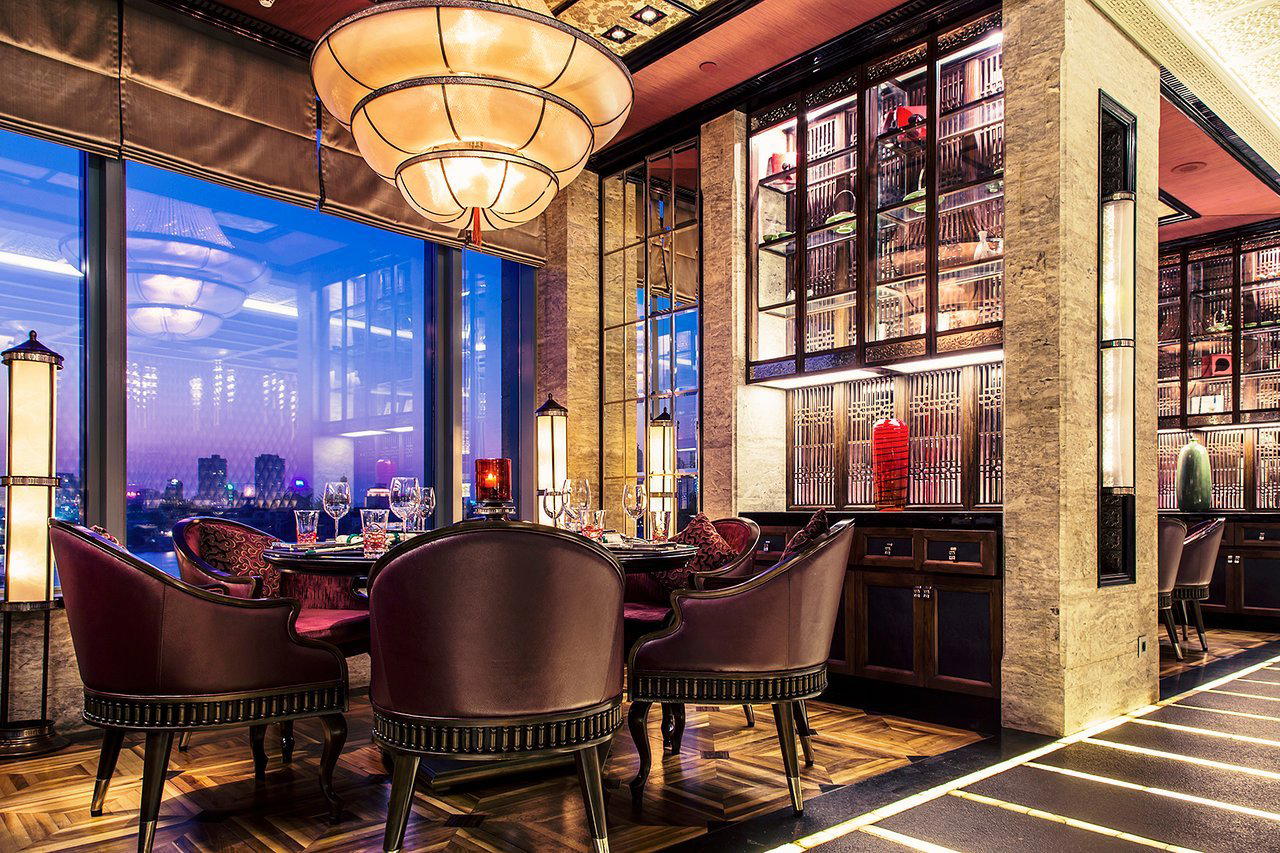
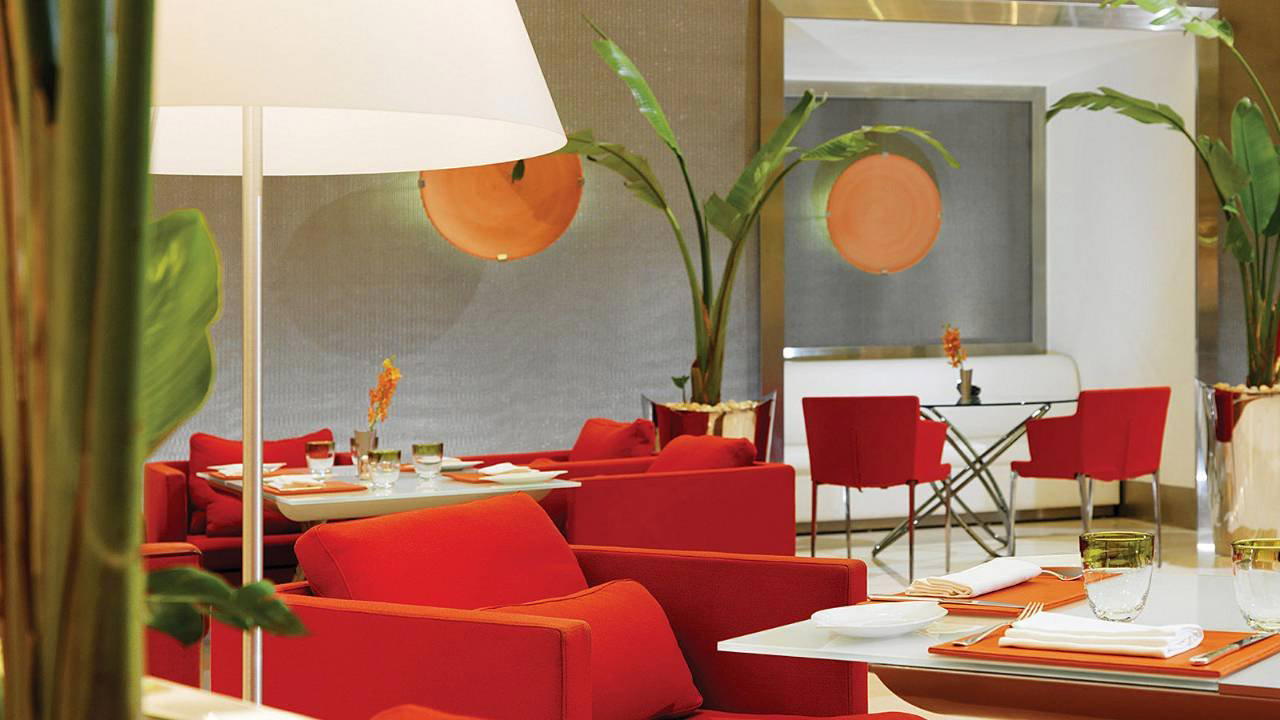
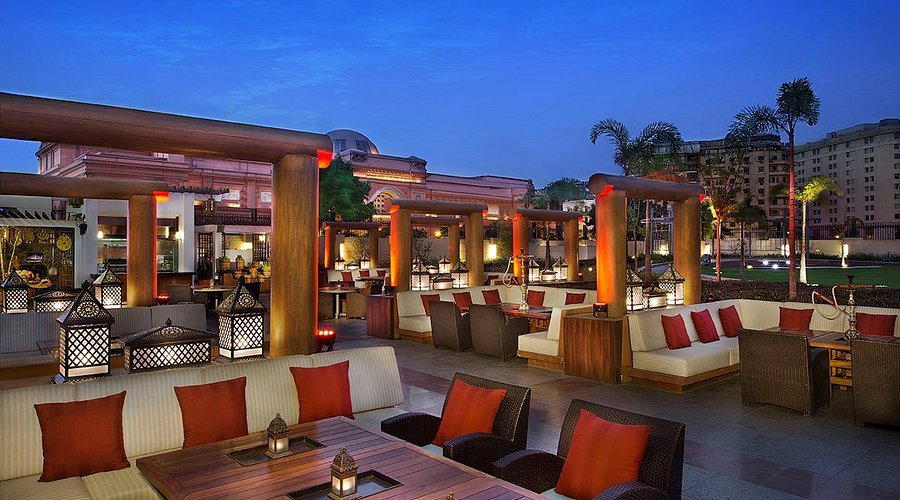
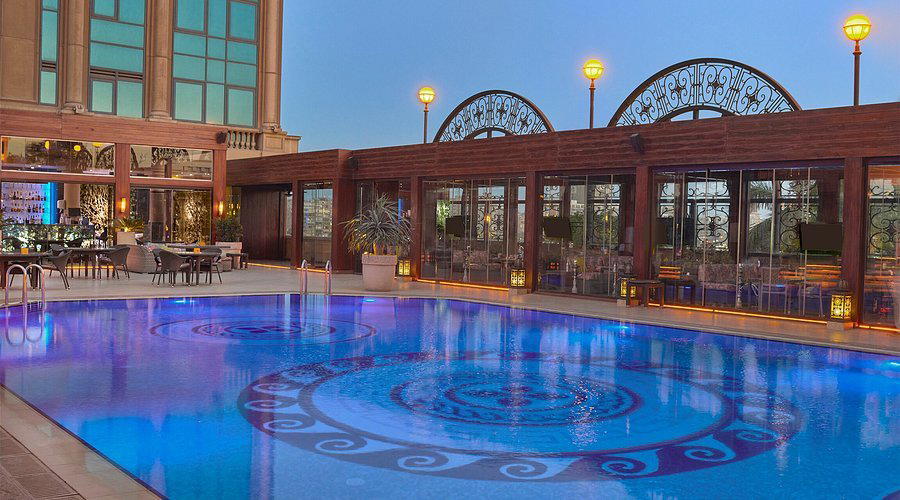
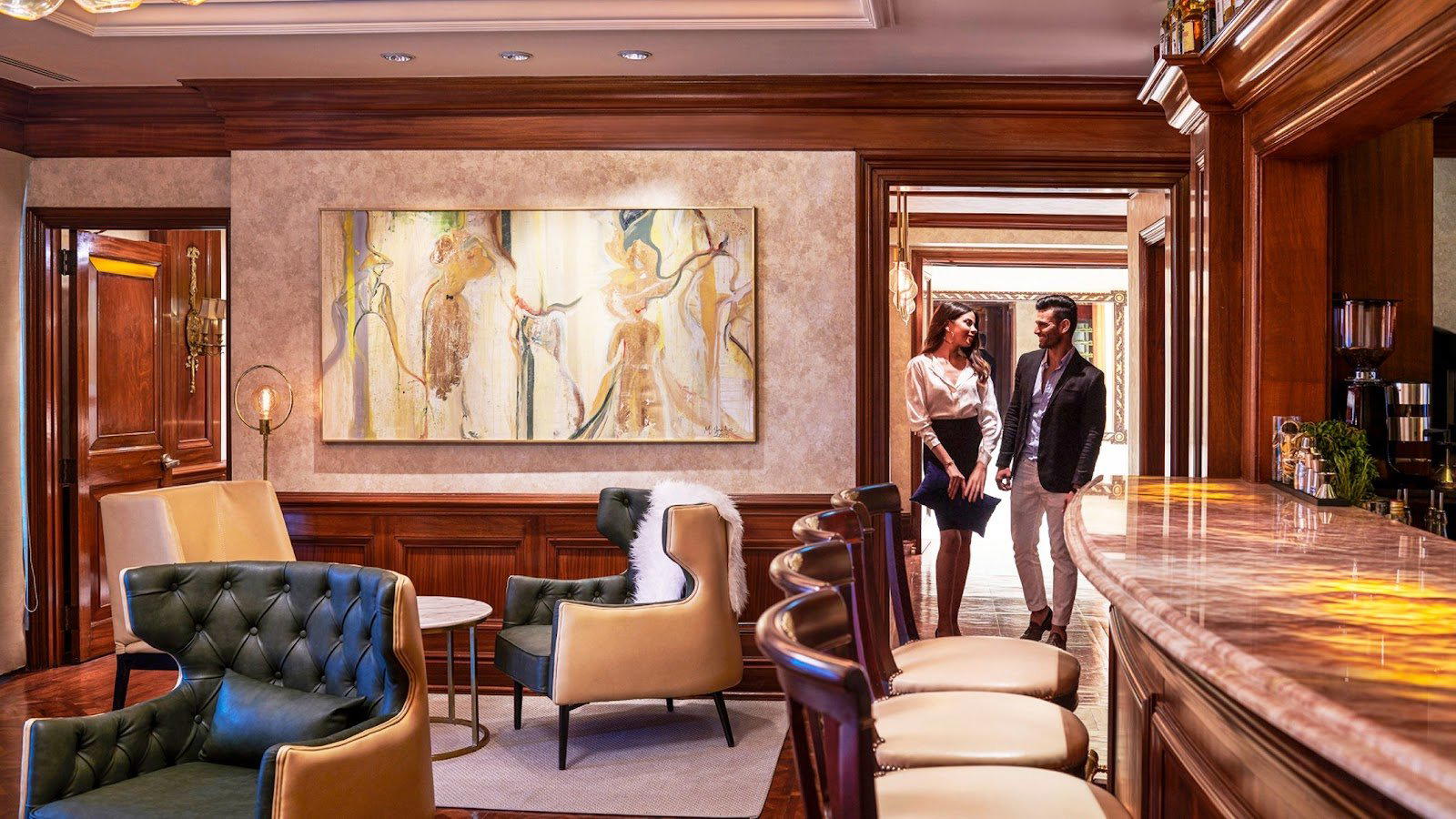
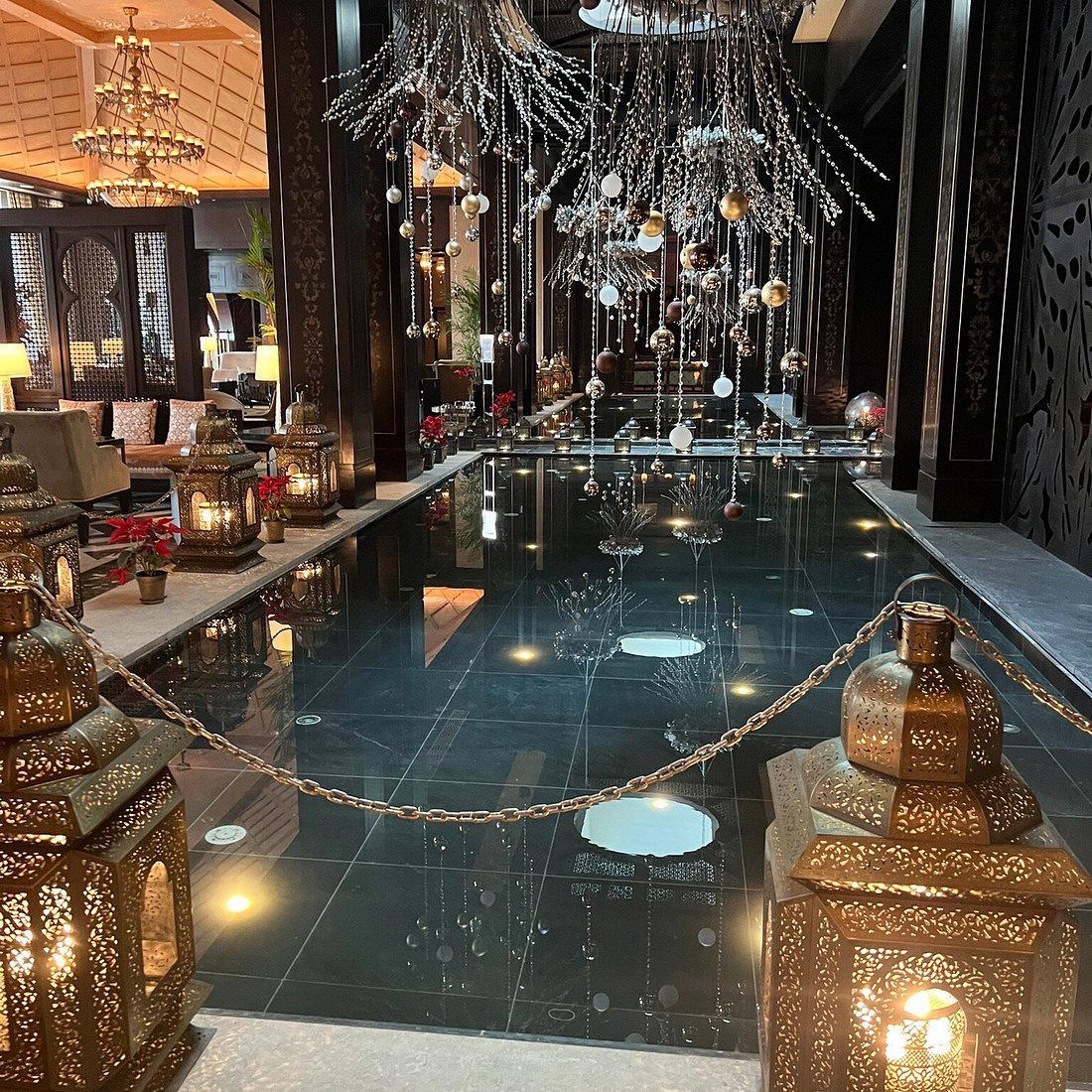
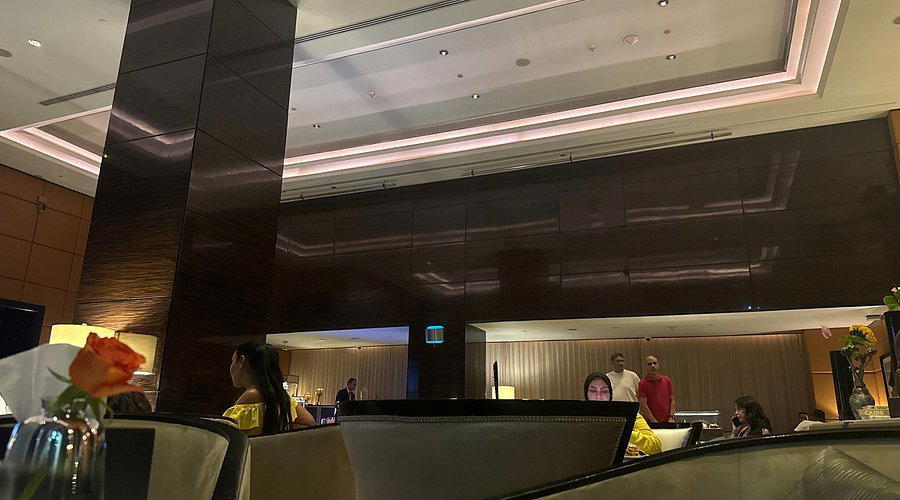
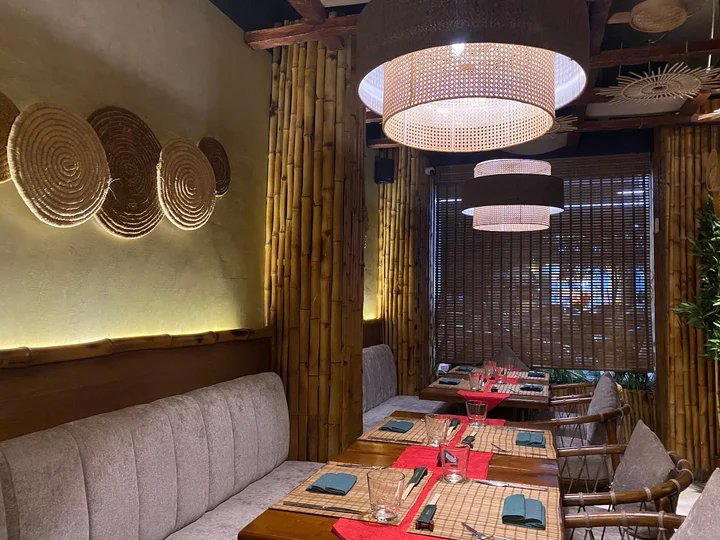
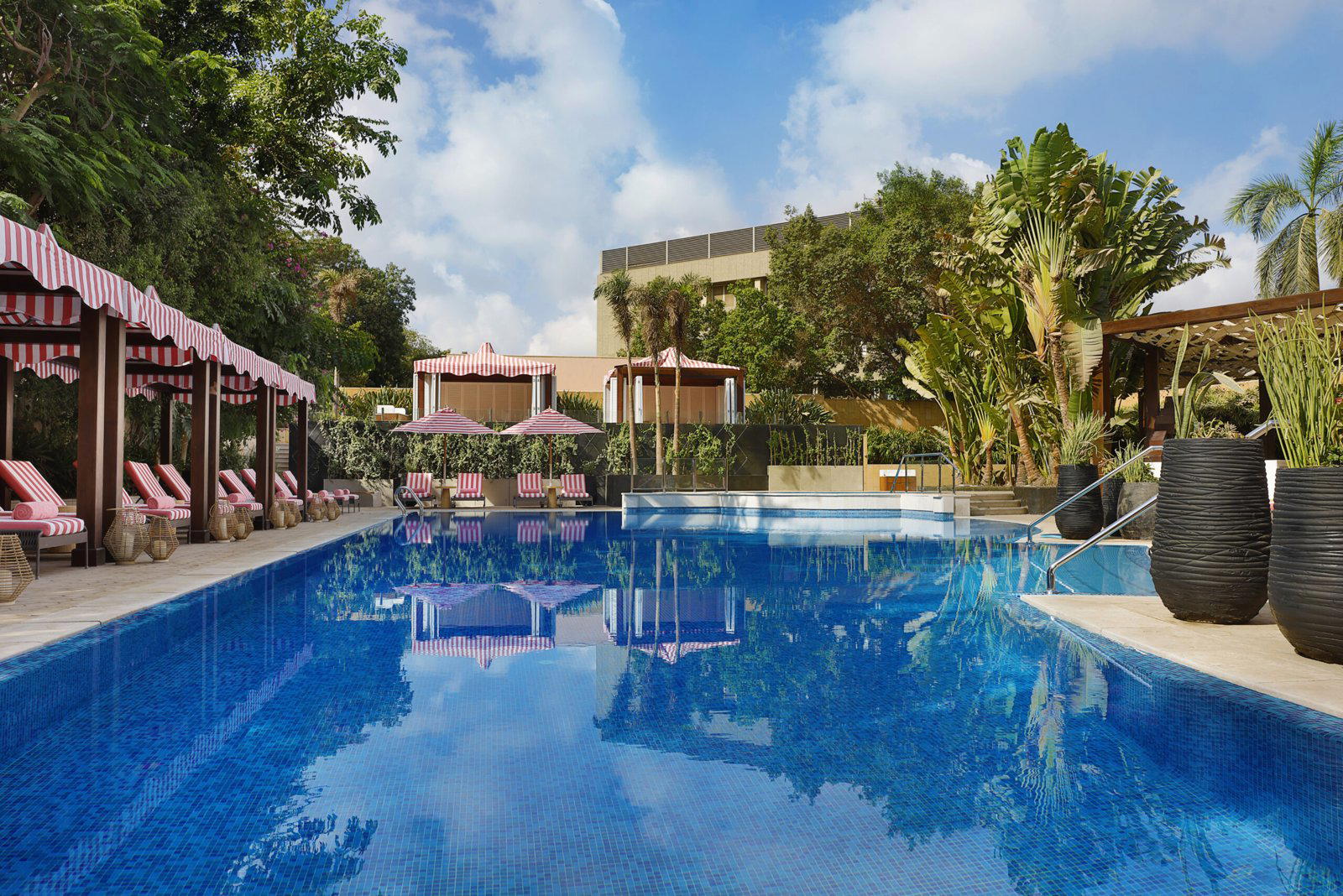
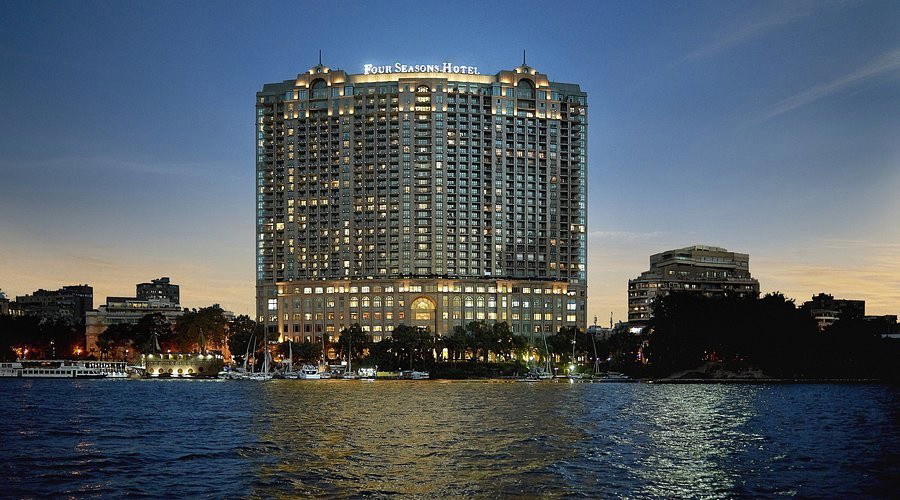
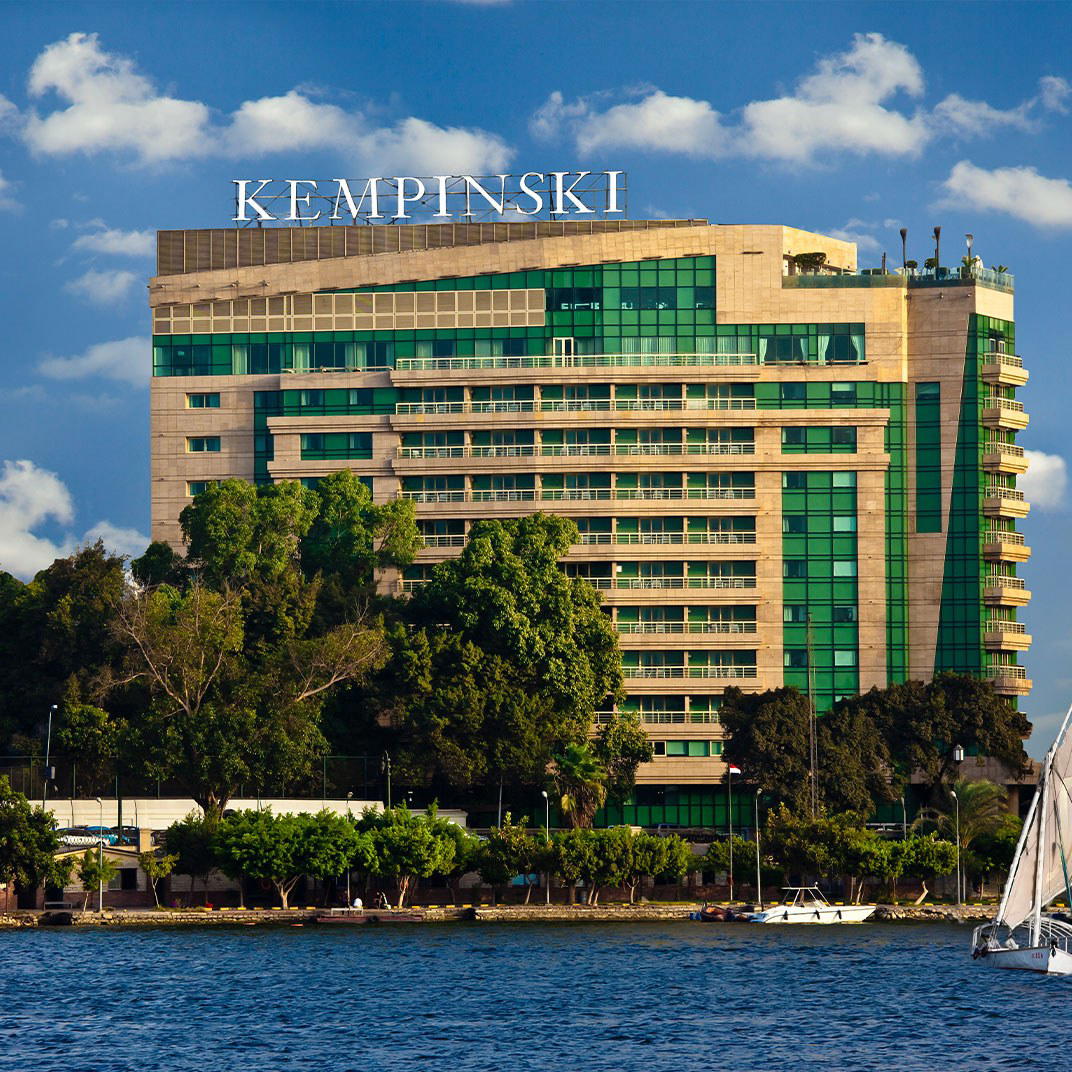
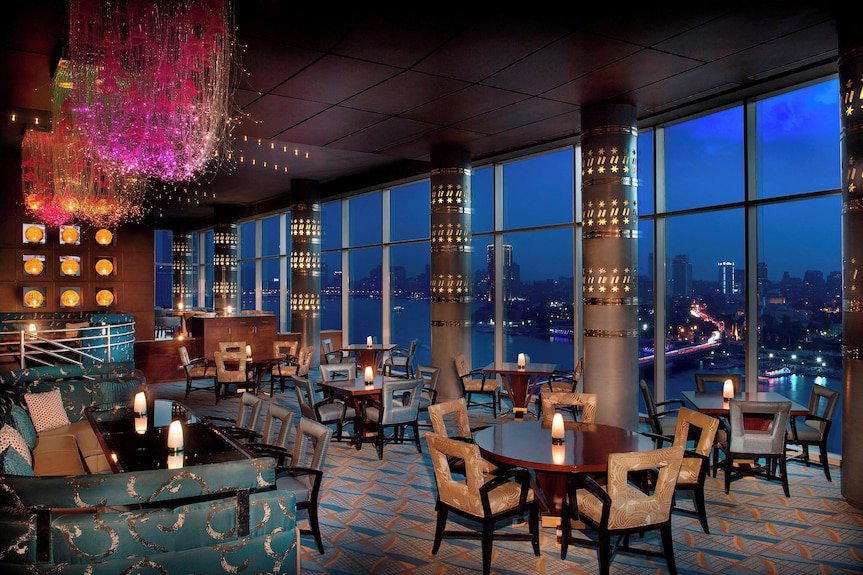
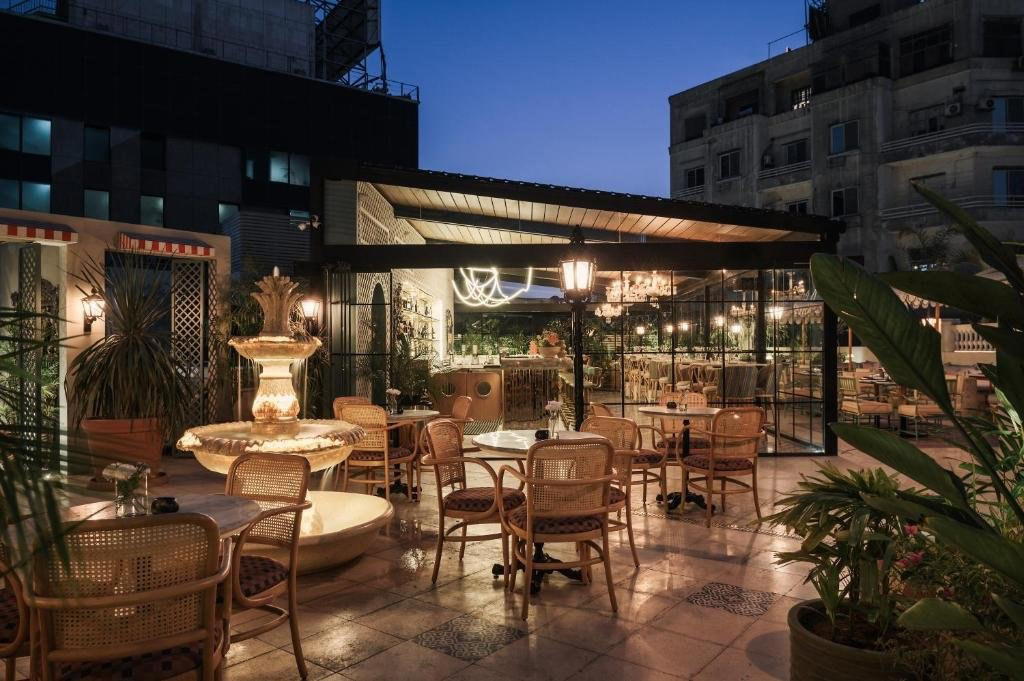
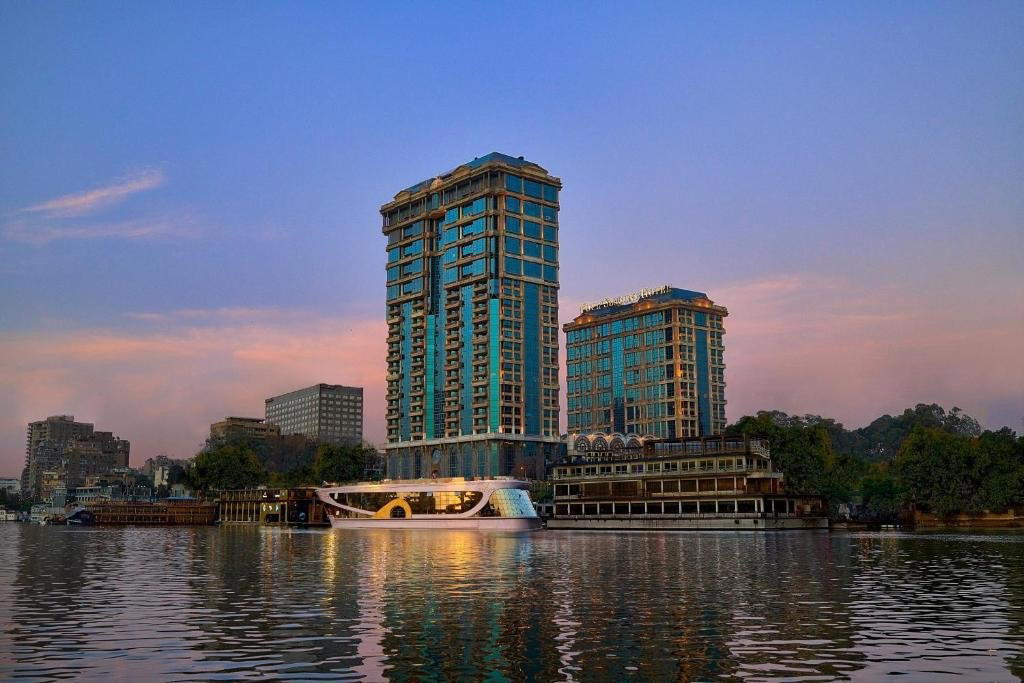
Sleek interiors with picture-well-suited Nile views and a refined, quiet atmosphere that masks a bustling kitchen; elegant poolside setting with contemporary design.