Giardino occupies a corner of Hornby Street where Italian dining in Vancouver has long carried more weight than its address suggests. The room signals a particular register of European formality that has become rarer in the city's increasingly casual premium tier. For diners seeking that tradition, it represents one of the more deliberate Italian options in the downtown core.
Pearl is the En Primeur Club membership app — saves, bookings, and concierge access live there. Same editors, same standards.
- Address
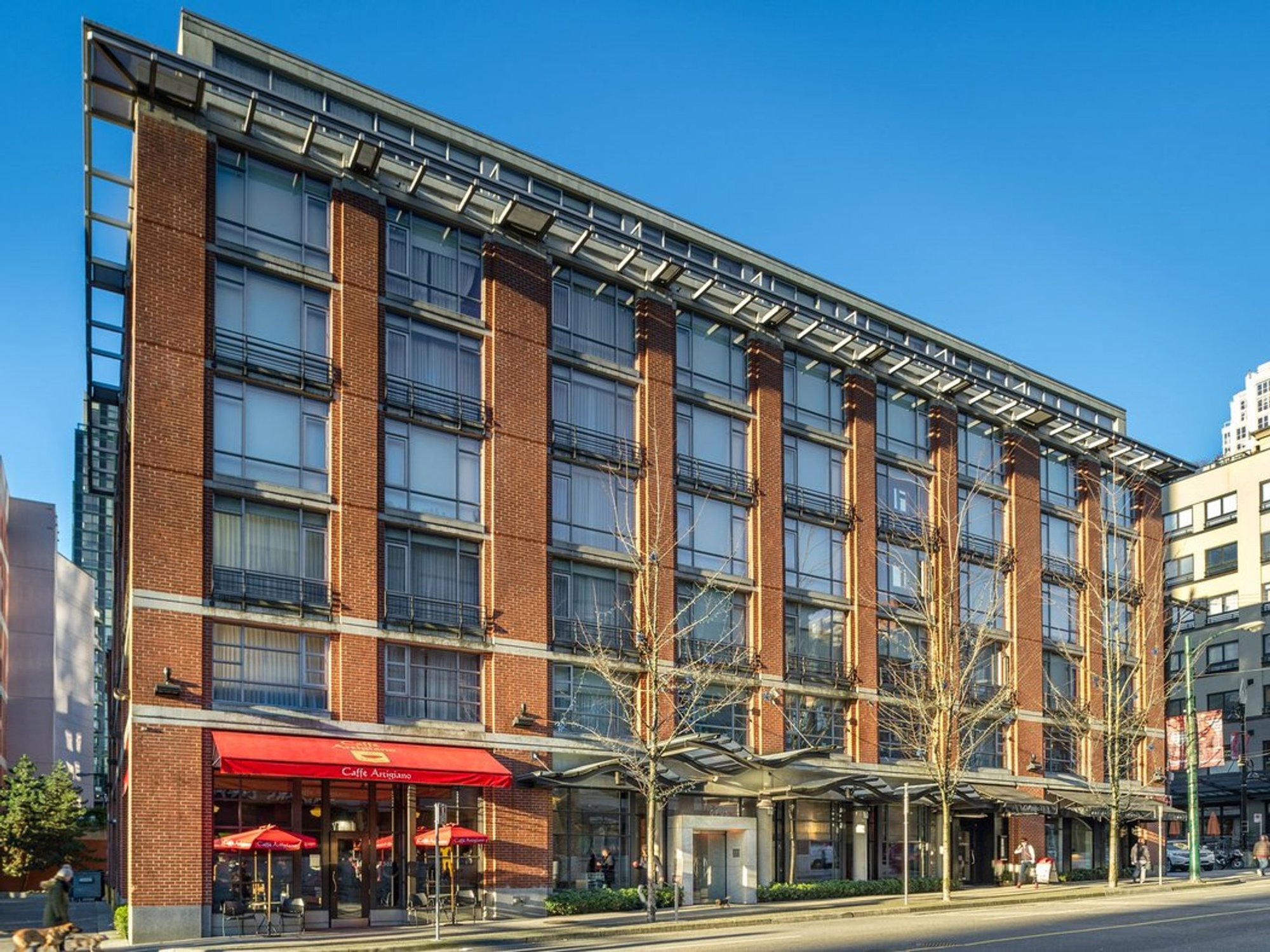
- 1328 Hornby St, Vancouver, BC V6Z 1W5, Canada
- Phone
- +16046692422
- Website
- umberto.com
- Directions
- Get directions
 Saves & bookings on Pearl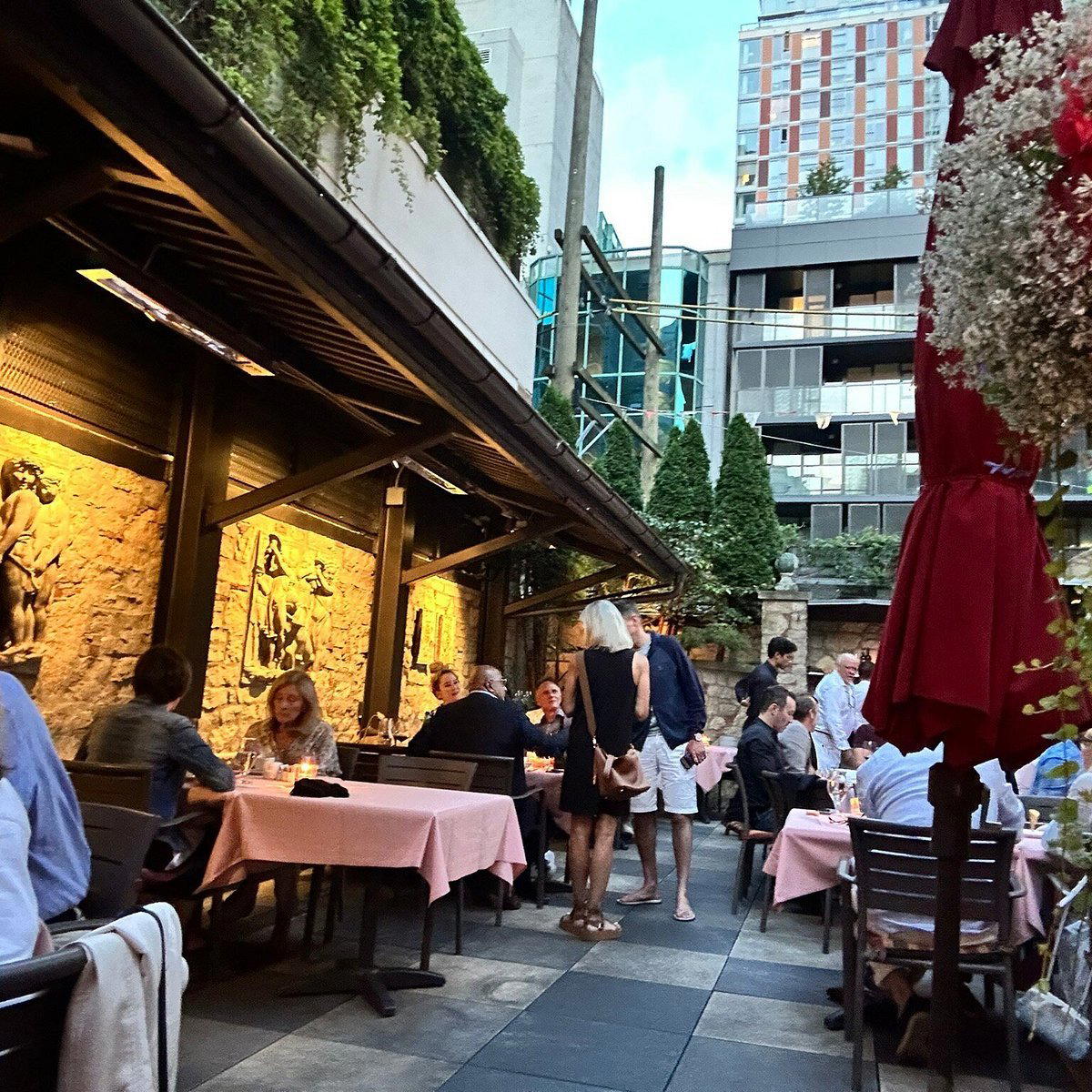
The Italian Dining Tradition Giardino Sits Within
Vancouver's premium restaurant scene has moved, over the past decade, toward formats that are either architecturally minimal or ostentatiously open-kitchen. The classic European room, white linen, warm service cadence, a wine list structured around region rather than trend, has become a smaller category in the city, even as demand for it persists among a clientele that associates dining formality with occasion. Giardino, at 1328 Hornby Street in the downtown core, occupies that contracting tier. Its address places it among Vancouver's established dining corridor, where Italian restaurants have historically held ground against the broader Pacific-Asian drift of the city's food culture.
Italian cooking in Vancouver has never been homogeneous. The city's Italian-Canadian community, concentrated historically in the Commercial Drive corridor, built a grassroots restaurant culture that ran parallel to the fine-dining establishments that opened in the West End and Yaletown during the 1980s and 1990s. The latter group, places that drew from northern Italian technique, heavy wine programs, and a service model closer to London or New York than to the Italian-Canadian trattoria, produced several long-running addresses. Giardino belongs to that lineage, in a segment of the market that prioritises consistency and atmosphere over seasonal reinvention.
That positioning puts it in a different conversation than the contemporary restaurant openings that dominate press coverage. Places like AnnaLena and Barbara operate in the $$$$ tier with a forward-looking contemporary frame; Kissa Tanto has built its reputation on a specific Italian-Japanese fusion idiom that is sui generis. Giardino is doing something older and less fashionable: maintaining a classical Italian register in a city that has largely moved past it.
What the Hornby Street Address Tells You
The stretch of Hornby between Drake and Pacific sits at the edge of the West End and Yaletown, close enough to the Granville Island approach to draw a mix of hotel guests, theatre-adjacent diners, and downtown residents for whom the neighbourhood has accumulated associations over decades. It is not the address you choose if you are trying to signal new-Vancouver cool. It is the address you inherit or choose because the room itself, and what happens inside it, is the argument.
In many cities, this kind of Italian address, established, room-led, with a wine list that does the heavy lifting, functions as the anchor of its neighbourhood's dining identity. Vancouver has fewer of these than Toronto or Montreal, in part because the city's growth has been so recent and so demographically diverse that no single European tradition has achieved the institutional weight it might in those older cities. That relative scarcity gives places like Giardino a role that is disproportionate to their size: they carry the tradition for a segment of the dining public that wants it.
Compared with Masayoshi, which has built a tight, highly specific Japanese omakase format at the same price tier, or iDen & QuanJuDe Beijing Duck House, which brings a mainland Chinese institution's credentialed approach to Cantonese-dominant Vancouver, Giardino's competitive claim rests less on technical novelty and more on the accumulated weight of its address and format. That is either a strength or a liability depending on what you are looking for.
Italian Fine Dining and Cultural Continuity
The case for classical Italian cooking in a city like Vancouver is not nostalgia. It is the argument that certain techniques, pasta hydration, risotto timing, the management of acidity in a braised dish, are not improved by deconstruction, and that a room built to serve them properly is doing something the market under-supplies. Northern Italian cuisine in particular, with its emphasis on butter, cream, and aged cheeses rather than olive oil and tomato, travels differently across cultural contexts. In Vancouver, where the dominant Italian-Canadian tradition leaned southern, the northern register has always been a smaller, more expensive niche.
Across Canada, the restaurants that have built reputations for sustained excellence in European classical traditions tend to share certain characteristics: long tenure, a loyal returning clientele, and a resistance to format change that reads either as integrity or stubbornness depending on the decade. Jérôme Ferrer's Europea in Montreal and Alo in Toronto both demonstrate, in different ways, how a commitment to technical discipline in a European tradition can accumulate critical authority over time. The question for any classical Italian address in Vancouver is whether it is building that kind of record or simply holding position.
For context on how the premium dining tier operates across different Canadian geographies, it is worth noting that places like Eigensinn Farm in Singhampton and Fogo Island Inn Dining Room have built international reputations by committing entirely to a single, place-specific argument. Giardino's argument is different: it is urban, European, and tradition-oriented, which in Vancouver's current dining culture is its own form of specificity.
Other strong Italian-leaning or European-classical options worth considering in the region include Cafe Brio in Victoria, which takes a similar tradition-respecting approach on the island, and further afield, Restaurant Pearl Morissette in Lincoln, which operates at the intersection of European classical and Canadian terroir in a format that has attracted significant international attention.
Planning Your Visit
| Venue | Price Tier | Format | Primary Cuisine |
|---|---|---|---|
| Giardino | $$$$ | Room-led, European classical | Italian |
| AnnaLena | $$$$ | Contemporary tasting | Contemporary |
| Kissa Tanto | $$$$ | À la carte, room-forward | Italian-Japanese |
| Masayoshi | $$$$ | Omakase counter | Japanese |
| Barbara | $$$$ | Contemporary | Contemporary |
Giardino is located at 1328 Hornby Street, Vancouver, BC V6Z 1W5, Canada. For international comparisons in the classical European fine-dining register, Le Bernardin in New York City and Lazy Bear in San Francisco both illustrate how sustained critical attention accrues to rooms that commit to a format and execute it at a high level over time. For something in a different Canadian register, Narval in Rimouski, The Pine in Creemore, and Busters Barbeque in Kenora each represent how strongly regional identity can anchor a dining room's authority outside major urban centres, and Tanière³ in Quebec City shows what happens when that regional commitment meets high technical ambition.
Pricing, Compared
Comparable venues nearby, for context on price, style, and recognition.
| Venue | Cuisine | Price | Notes |
|---|---|---|---|
| GiardinoThis venue — the venue you are viewing | Downtown, Tuscan Italian | $$$ | Not listed |
| Locanda dell'Orso | Downtown, Modern Northern Italian | $$$ | Not listed |
| Nook | Not listed | $$ | West End, Traditional Italian Pizza & Pasta |
| La Quercia | Kitsilano, Traditional Northeast Italian | $$$ | Not listed |
| CinCin | Not listed | $$$ | Robson Street, Wood-fired modern Italian fine dining |
| Pizzeria Bufala | Arbutus Ridge, Napolitana-Style Pizzeria | $$ | Not listed |
Continue exploring
More in Vancouver
Restaurants in Vancouver
Browse all →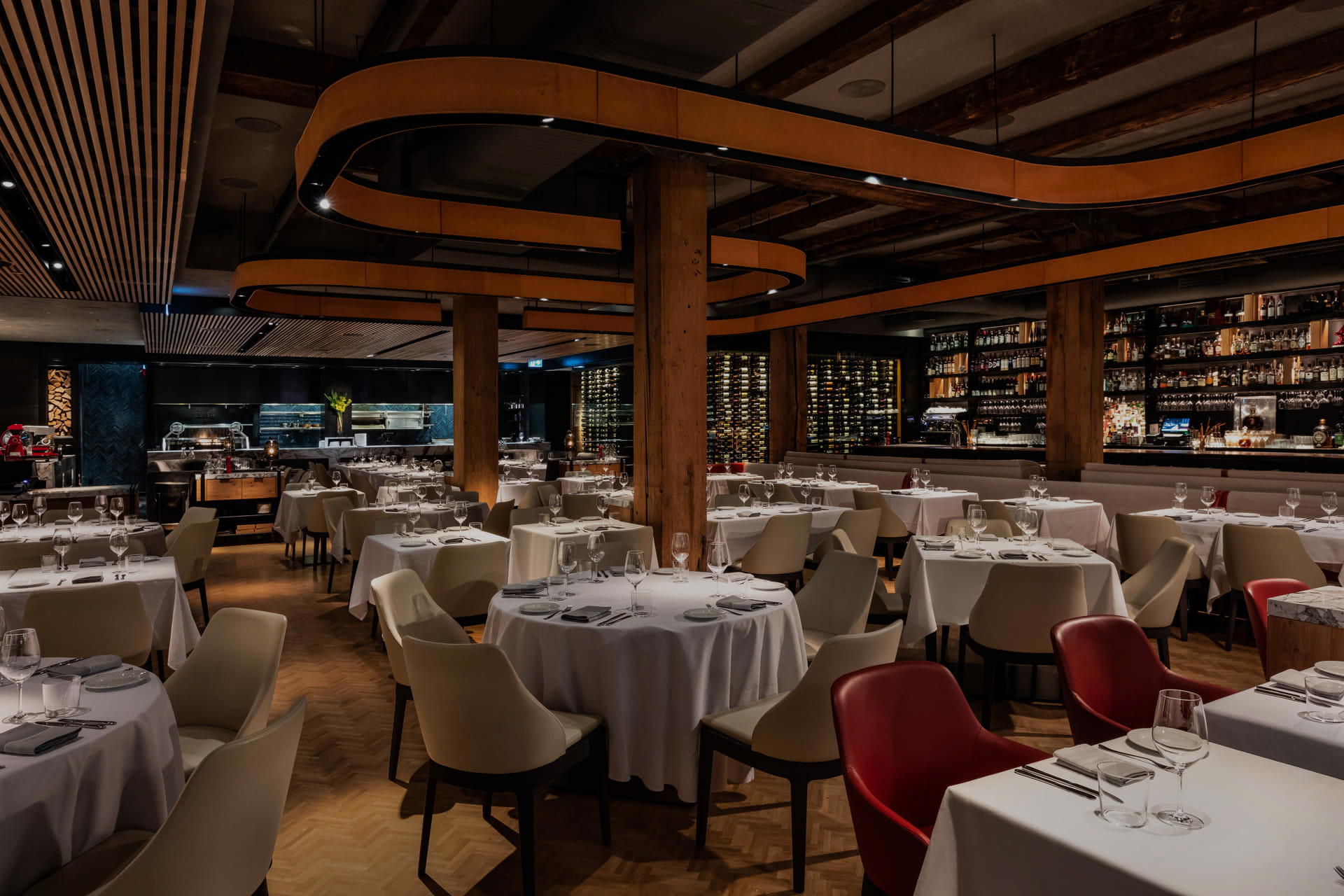
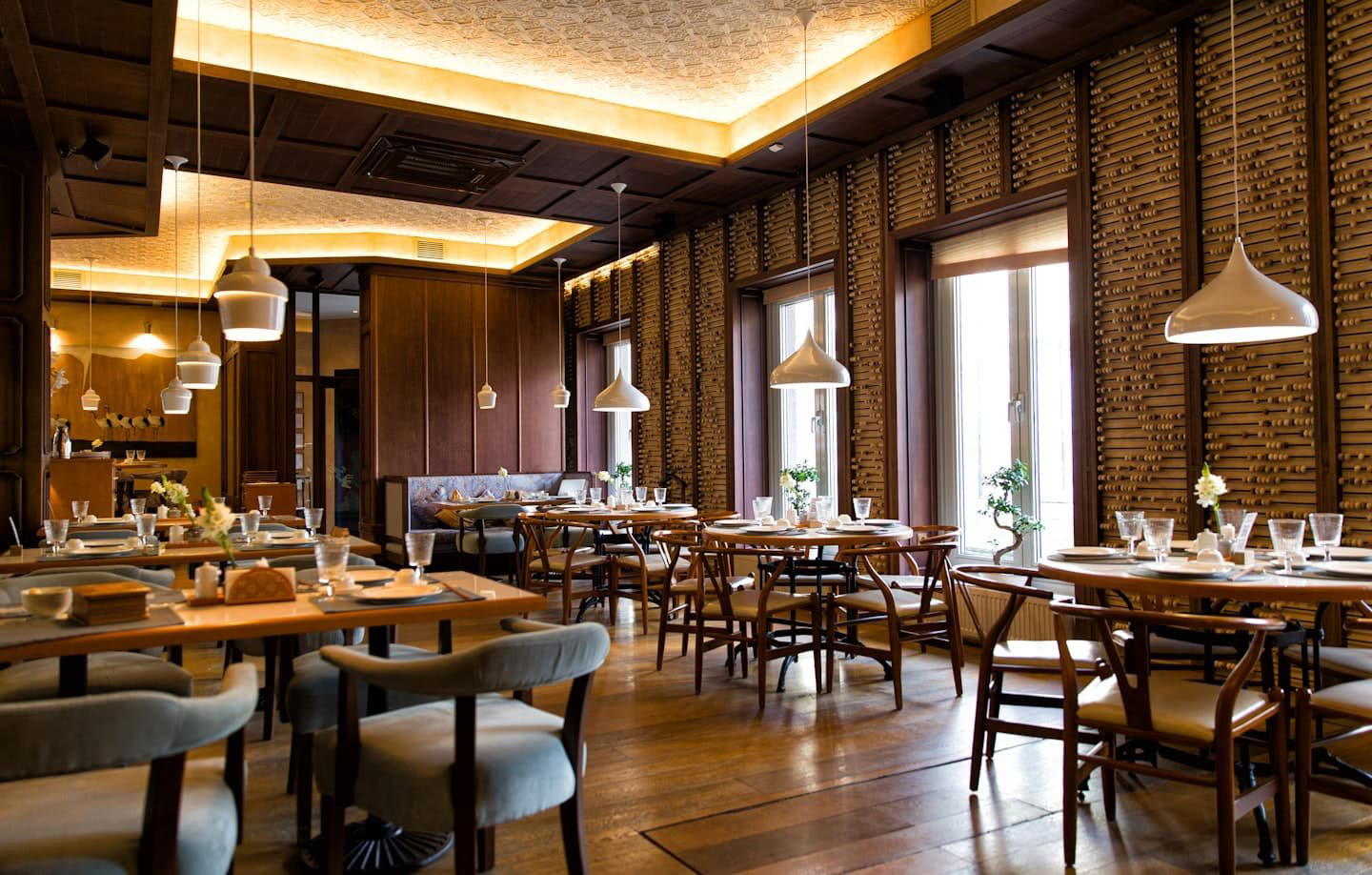
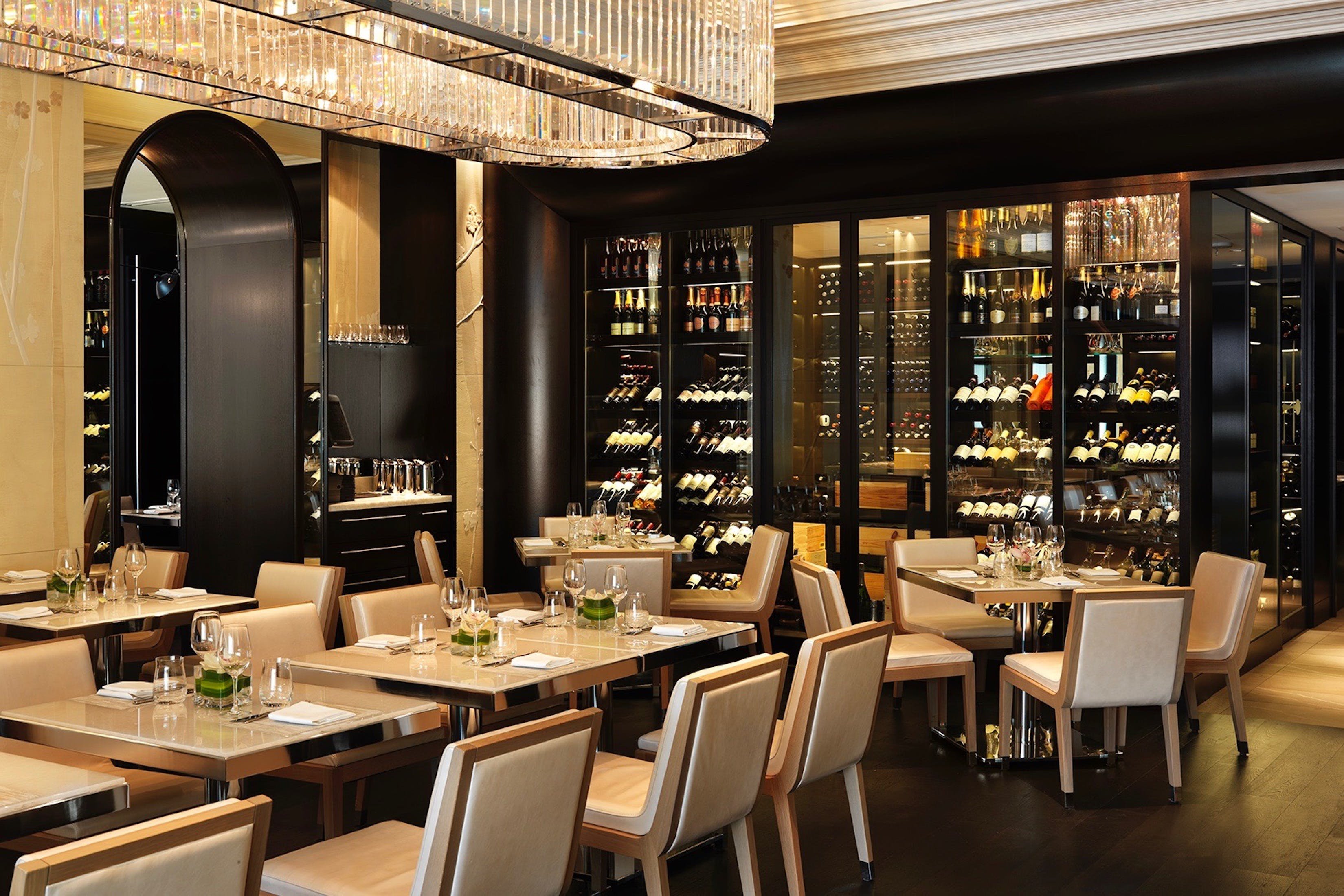
Bars in Vancouver
Browse all →
At a Glance
- Elegant
- Cozy
- Sophisticated
- Date Night
- Special Occasion
- Celebration
- Courtyard
- Open Kitchen
- Extensive Wine List
Current opening hours
- Monday
- Closed
- Tuesday
- 5:30–10 PM
- Wednesday
- 5:30–10 PM
- Thursday
- 5:30–10 PM
- Friday
- 5:30–10 PM
- Saturday
- 5:30–10 PM
- Sunday
- Closed
Hours can change for holidays and private events. Last verified .
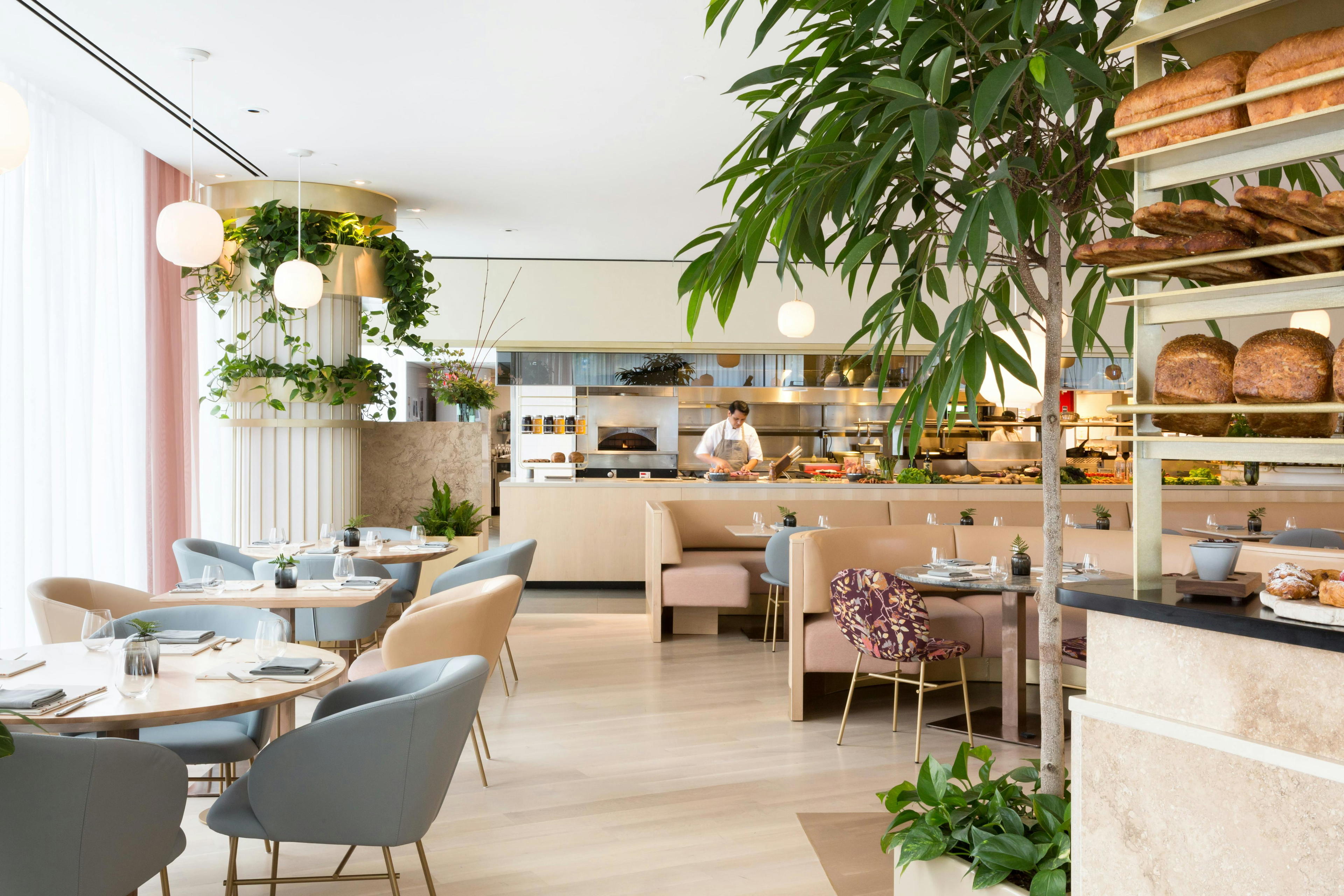
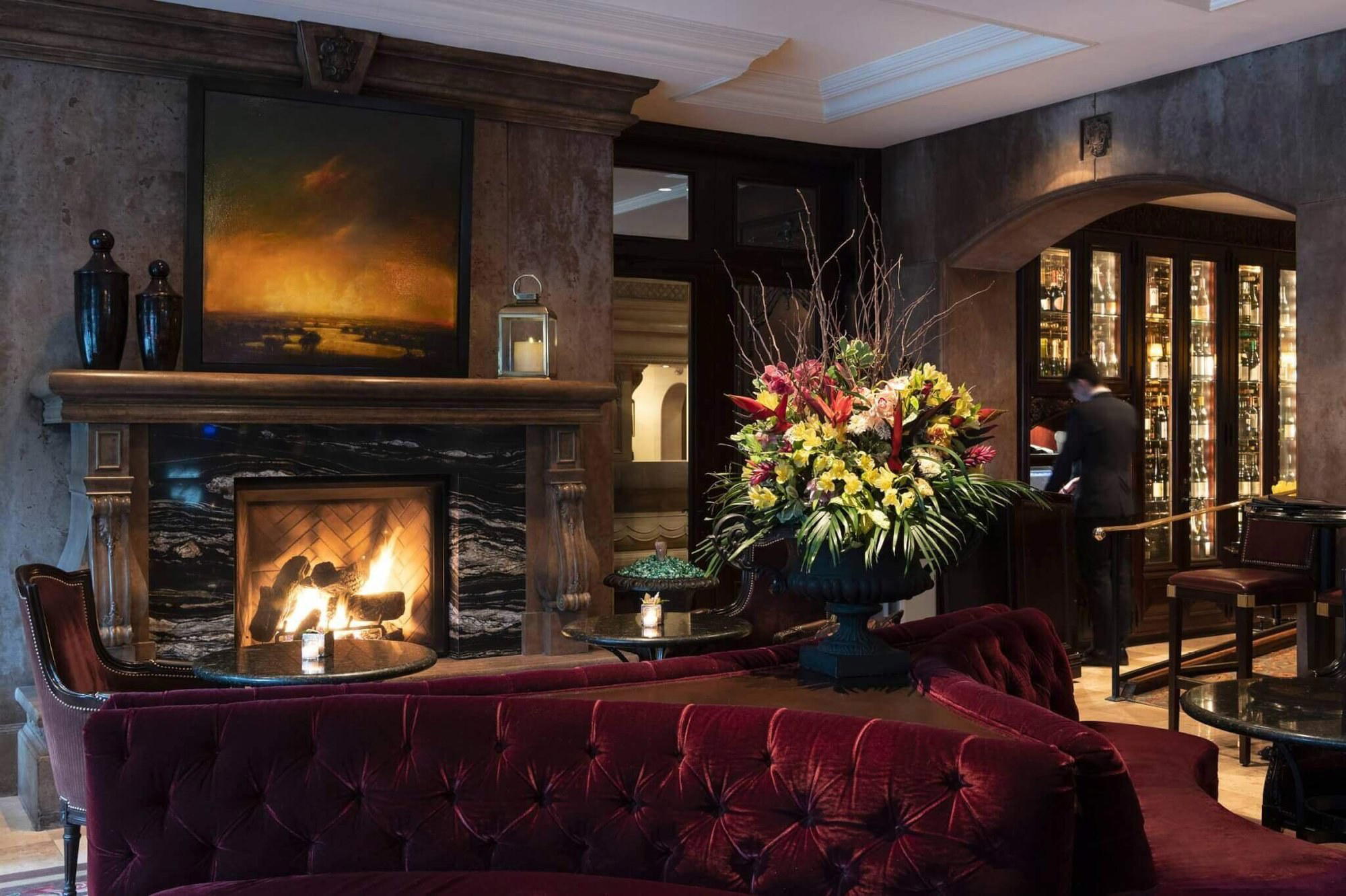
Lovely bright dining room adorned with art everywhere, warm and inviting with a cozy yet upscale atmosphere.