George McNally restaurant
Our verdict
George McNally, the restaurateur behind some of New York's most recognisable dining rooms, is working on an as-yet-unnamed French Mediterranean project in the city. Details remain under wraps, but McNally's track record places this firmly in the conversation around serious mid-to-upper-tier dining in Manhattan.

Pearl is the En Primeur Club membership app — saves, bookings, and concierge access live there. Same editors, same standards.
- Address
- New York City, United States
The menu
What to order
- Black Label Burger
A McNally Project in French Mediterranean Territory
New York's French Mediterranean category sits at an interesting intersection. It is neither the locked-down three-Michelin-star tier occupied by Le Bernardin and Per Se, nor the neighbourhood Mediterranean that has proliferated across downtown Manhattan in the past decade. It is, instead, a register that asks for genuine fluency in both the French classical tradition and the lighter, produce-forward cooking of the Ligurian coast, Provence, and the western Adriatic. Venues operating credibly in this space, such as Amarines by Mauro Colagreco in Cap d'Antibes and the dining room at Grand Hôtel de Cala Rossa in Porto-Vecchio, demonstrate how narrow that brief genuinely is when executed with rigour.
George McNally, the restaurateur whose name has been attached to this as-yet-unnamed New York project, has a long history of reading the city's appetite for a certain kind of European dining room: convivial, carefully sourced, and legible to a transatlantic crowd. That track record places whatever emerges from this project into a specific conversation, even before a name, address, or opening date is confirmed.
Where French Mediterranean Fits in Manhattan's Current Dining Structure
Manhattan's top tier is dominated by tasting-menu formats with deep French classical roots. Per Se anchors the French Contemporary bracket at the very best of the price register, while Le Bernardin occupies a position in French seafood that has remained essentially unchallenged for decades. Masa operates in a separate category entirely, where the Japanese-luxury model has colonised what used to be the best of the French fine-dining price band.
French Mediterranean occupies a somewhat different position: it can carry a high price point, but it is more naturally suited to à la carte formats, shared plates, and a wine program weighted toward the Rhône, Provence, and southern Italian appellations rather than the prestige Burgundy and Champagne lists that define the city's formal French rooms. The contemporary Mediterranean wave that produced places like Estela has demonstrated clear appetite for this mode of eating in New York, and a McNally project with French classical grounding would position itself as a more structured, kitchen-led version of that impulse.
What to Expect from the Cuisine
French Mediterranean as a cuisine type spans a wide range of ambition and register, from the simple grilled-fish and olive-oil cooking of coastal Provence to the technically complex tasting menus emerging from chefs trained in both Paris and Barcelona. What the cuisine category itself signals is a kitchen likely to prioritise seasonal produce, fish and shellfish sourced with attention to provenance, and a lighter touch with fat and sauce architecture than classical French technique alone would produce.
For comparison across the broader American fine-dining scene, other kitchens working in adjacent registers include Providence in Los Angeles, where French technique is applied to Pacific seafood, and Single Thread Farm in Healdsburg, where ingredient provenance is foregrounded as a design principle. Both demonstrate that the French-inflected, produce-driven mode has traction well beyond New York. Within New York itself, the market for this style of cooking has not been saturated, which is a relevant data point for any incoming project in the category.
Booking This Project: What to Know Before You Go
Planning a visit to this restaurant is not currently possible. No address, phone number, website, or booking platform has been confirmed. Readers seriously interested in securing an early table should monitor the EP Club listing pages linked above, as details will be added as they become available. McNally projects historically attract significant early attention, and the booking window for a named restaurateur entering a relatively undercrowded cuisine category tends to compress quickly once a reservation system opens.
For context on how demand plays out at comparable openings in New York's upper-mid and premium dining tier: projects with recognised names attached, operating in a cuisine category with established demand and limited direct competition, typically see their first several weeks of bookings fill within days of the reservation system going live. Readers who want early access should treat this as a watch-list item rather than a same-week option once it opens. The EP Club full New York City restaurants guide tracks the broader scene and is the right resource for planning a full dining itinerary while this project moves toward opening.
Placing This Project in a Wider American Context
The French-influenced tasting menu and fine-casual format have been tested in major American cities with varying results. Alinea in Chicago pushed the format to its conceptual limit. The French Laundry in Napa remains the benchmark against which American French fine dining is measured. Lazy Bear in San Francisco demonstrated that communal, less formally structured versions of the same tradition have a serious audience. Emeril's in New Orleans represents a different strand of French-American synthesis, rooted in Creole tradition rather than Mediterranean sourcing.
What this McNally project adds to that national conversation depends entirely on the format and execution choices still to be confirmed. The cuisine tag, French Mediterranean, is promising precisely because it is under-represented in the city's current premium dining tier relative to the appetite the category has demonstrated in both coastal American cities and in the broader European fine-dining circuit.
Planning the Rest of Your Visit
While details for this restaurant remain unconfirmed, New York offers parallel resources for building a full trip around the dining scene. The EP Club New York City hotels guide covers accommodation across the relevant price tiers. The bars guide maps the current cocktail scene, which has shifted significantly toward ingredient-driven, lower-ABV programs over the past several years. The wineries guide and experiences guide round out the picture for readers building a multi-day itinerary around food and drink.
Frequently asked questions
How does George McNally's background shape what to expect from this French Mediterranean project in New York City?
McNally's track record in New York is weighted toward atmosphere-led rooms where the cuisine format serves a broader social experience rather than a strictly chef-driven tasting progression. A French Mediterranean remit fits that model: it allows for a menu that reads accessibly while drawing on the produce and technique depth of southern French and coastal cooking. No chef has been announced for this project, so the kitchen's specific direction remains open.
What's the best thing to order at George McNally restaurant (as-yet-unnamed)?
No confirmed menu exists for this project at time of writing. French Mediterranean cooking at this level in New York typically centres on seafood preparations, olive-oil-driven sauces, and produce with a coastal southern France or Levantine lean. Once the kitchen confirms its format, that should clarify whether the focus lands closer to Provençal simplicity or a more composed, plated register.
Do I need a reservation for George McNally restaurant (as-yet-unnamed)?
No reservation system is currently active. The New York City project has not confirmed an address, opening date, or booking platform. Given that McNally's previous ventures in the city have drawn sustained demand at launch, securing a table early will likely matter once a booking channel opens.
What's George McNally restaurant (as-yet-unnamed) best at?
Without a confirmed chef, menu format, or opening date, specific kitchen strengths cannot be assessed. The French Mediterranean cuisine category in New York City sits between the locked-in tasting-menu tier and the more relaxed brasserie register, which leaves meaningful room for how this project could position itself on both price and ambition.
Quick Comparison
Comparable venues nearby, for context on price, style, and recognition.
| Venue | Cuisine | Price | Notes |
|---|---|---|---|
| George McNally restaurantThis venue — the venue you are viewing | american | Not listed | Not listed |
| The Parlor | Modern American Grill | Not listed | Midtown Manhattan |
| The East Pole | Elevated Farm-to-Table American | $30–50 | Upper East Side-Carnegie Hill |
| Bar Hugo - Rooftop | Cocktail-focused American rooftop bar with upscale bar bites | $30–50 | SoHo |
| David Burke Kitchen | Modern American Fine Dining | $50–100 | SoHo |
| Otway | American Seasonal Bistro | $30–50 | Clinton Hill |
Continue exploring
More in New York City
Restaurants in New York City
Browse all →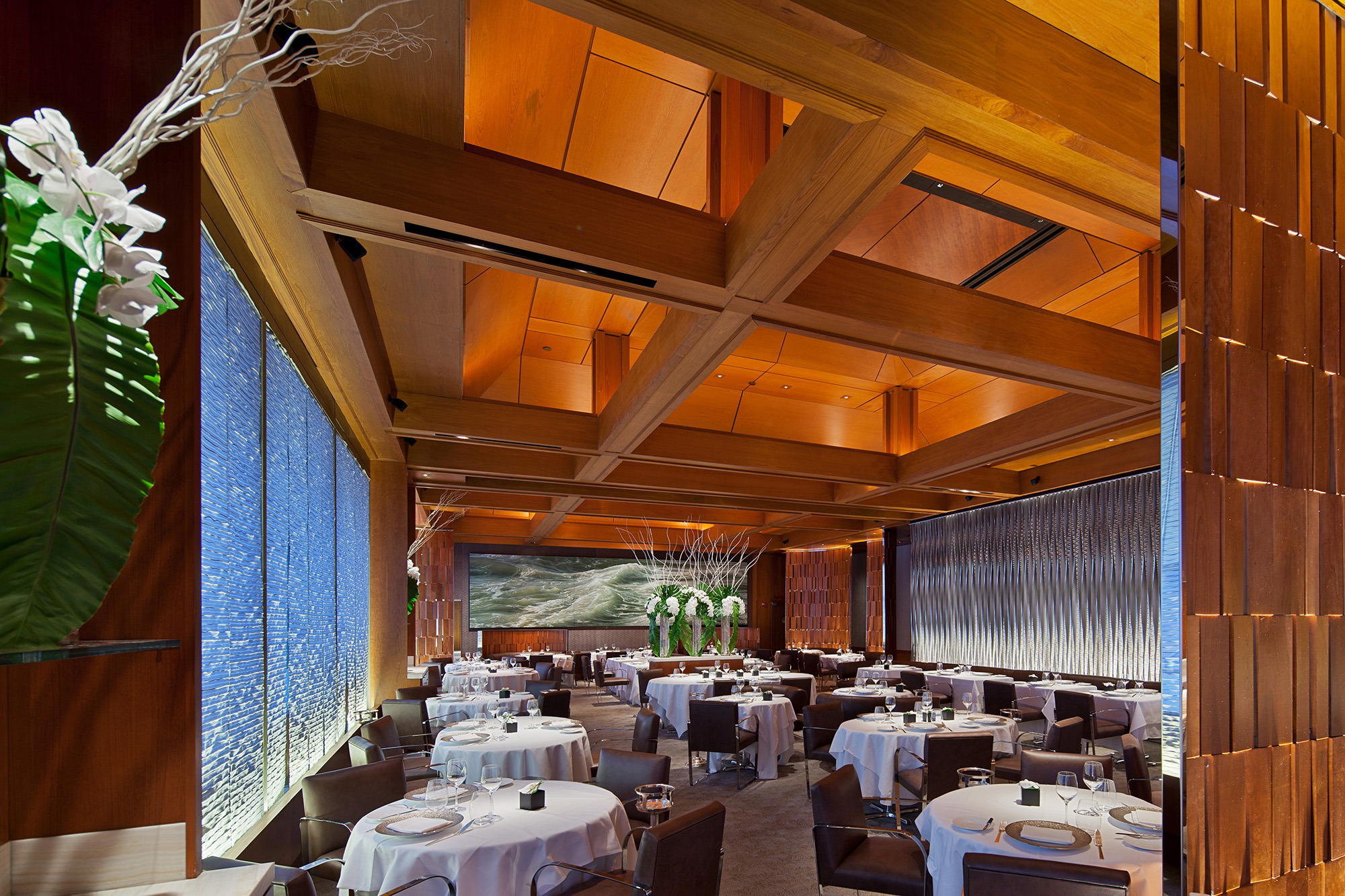
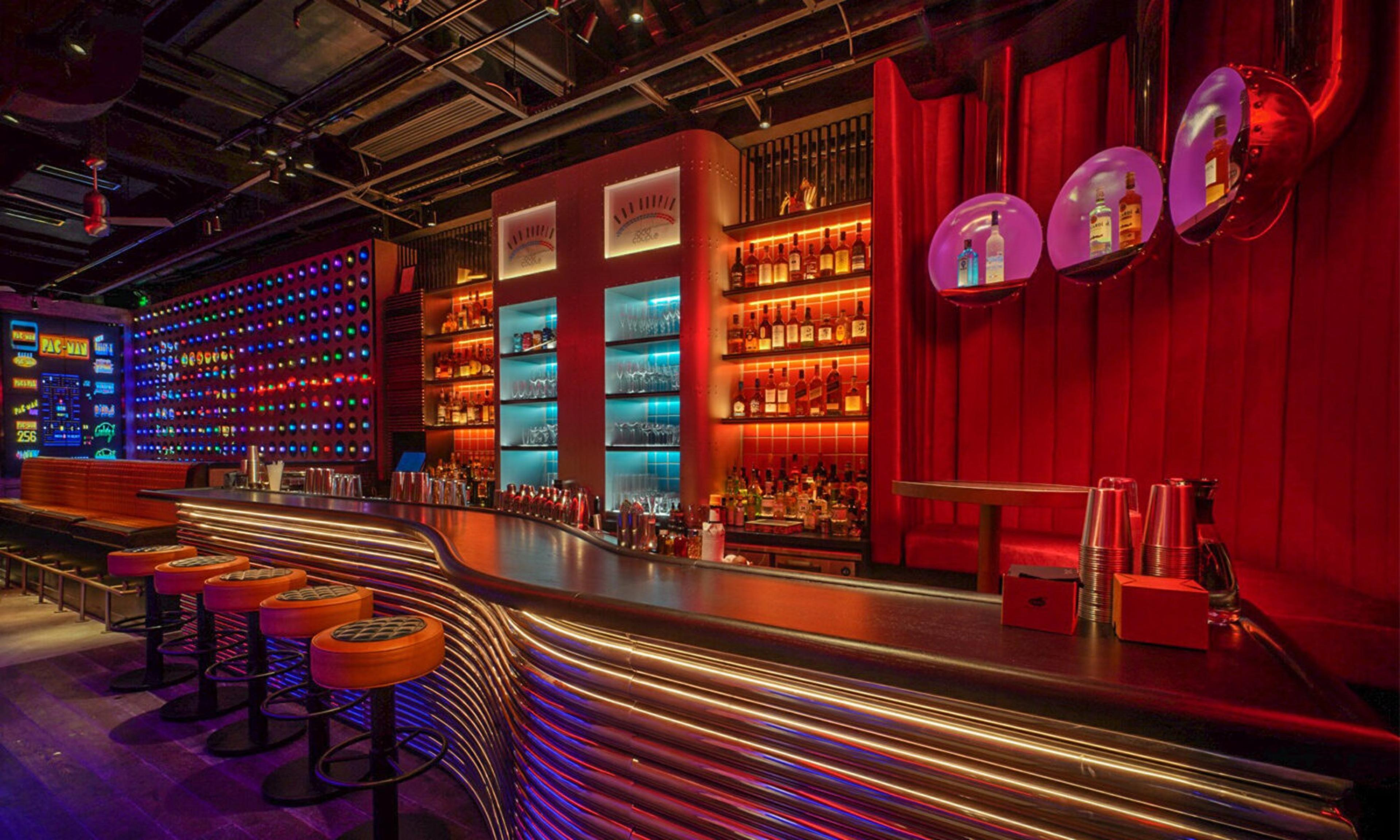
Bars in New York City
Browse all →


Hotels in New York City
Browse all →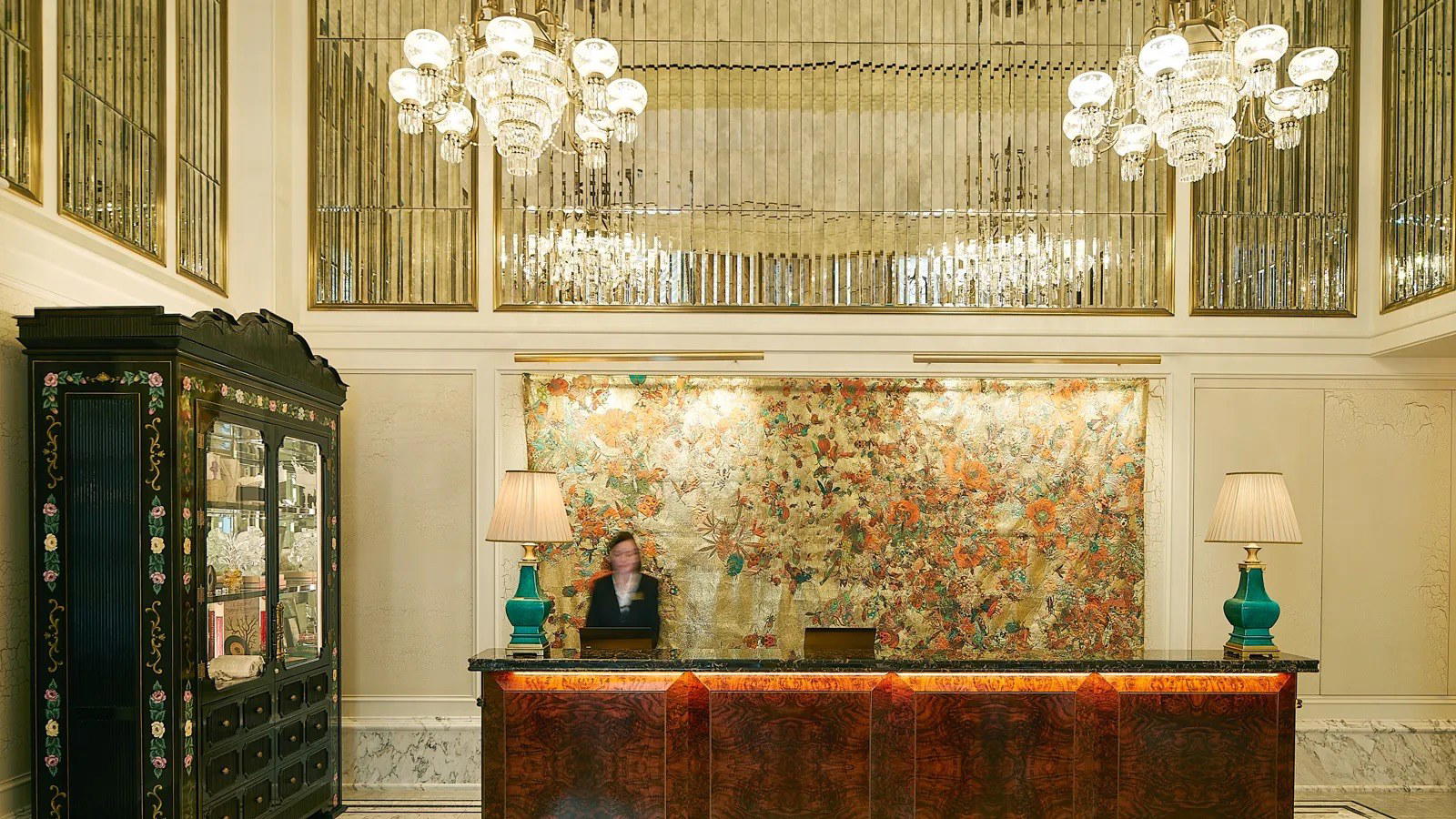
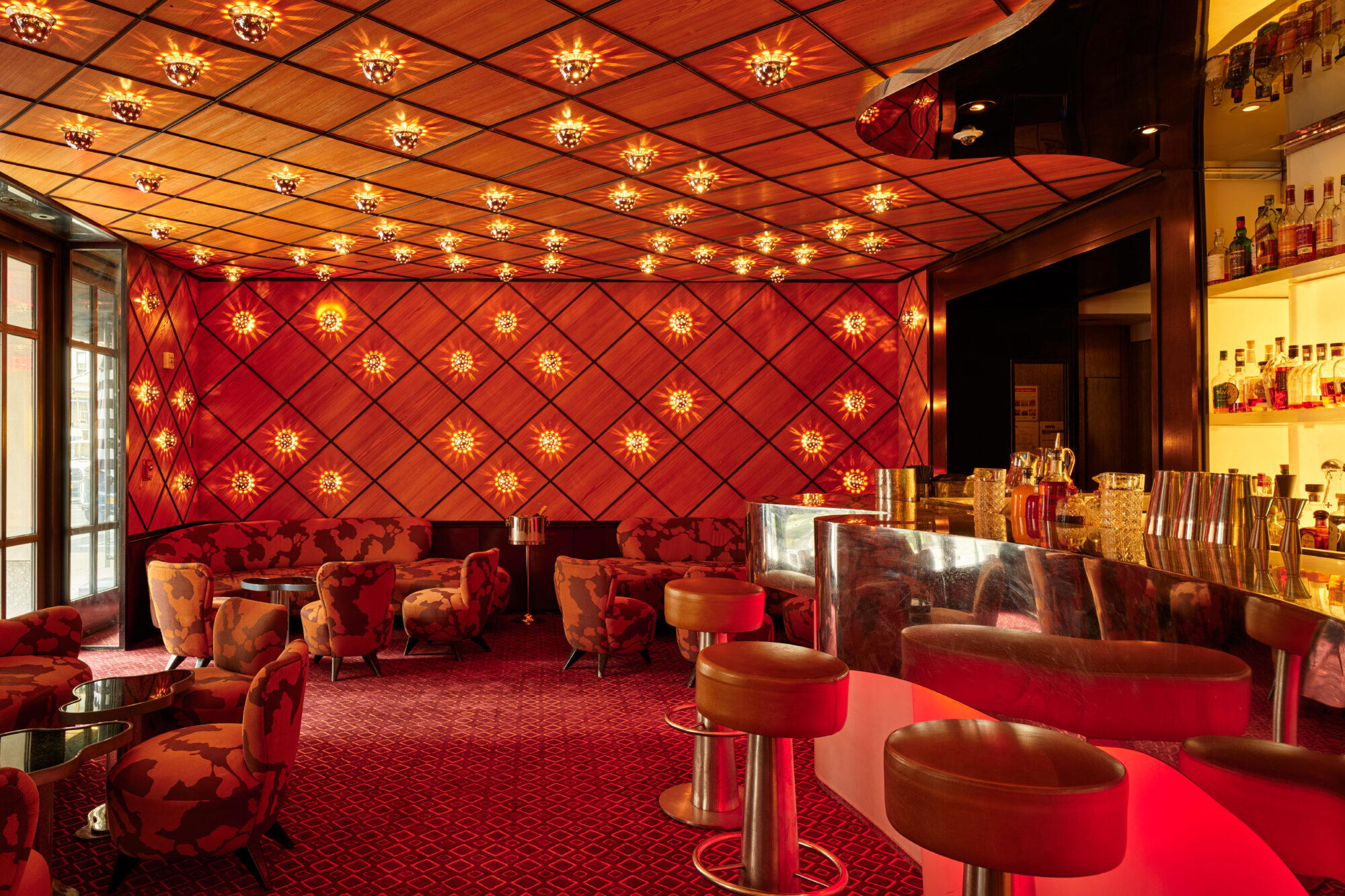

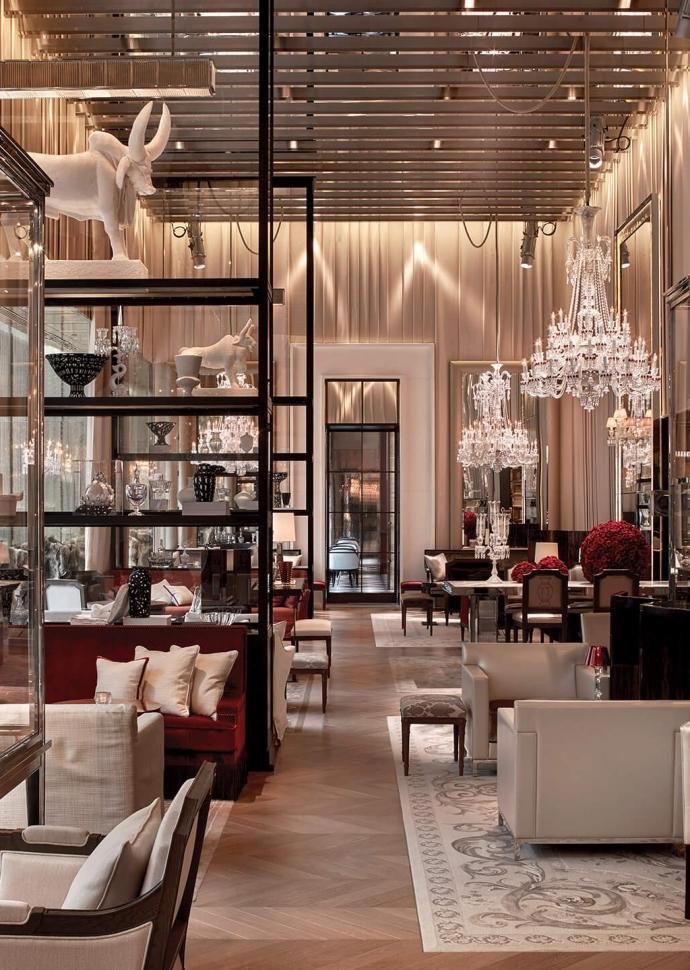
Wineries in New York City
Browse all →
George McNally restaurant
The wine
- Wine program
- Curated wine list
Details
- Classic
- Well Known
- Elegant
- Date Night
- Business Dinner
- Historic Building
- A La Carte
Dark wood paneling, checkerboard floors, red banquettes, and historic caricature-lined walls creating a classic, throwback tavern atmosphere.