George McNally Restaurant
George McNally's forthcoming French Mediterranean restaurant arrives in New York City with the weight of one of American hospitality's most influential careers behind it. The project remains unnamed and unlocated, but the cuisine category alone signals a particular kind of ambition: the warm, produce-driven register of the Mediterranean coast filtered through a French technical framework, in a city that takes both traditions seriously.
 Discover on Pearl
Pearl is the En Primeur Club membership app — saves, bookings, and concierge access live there. Same editors, same standards.
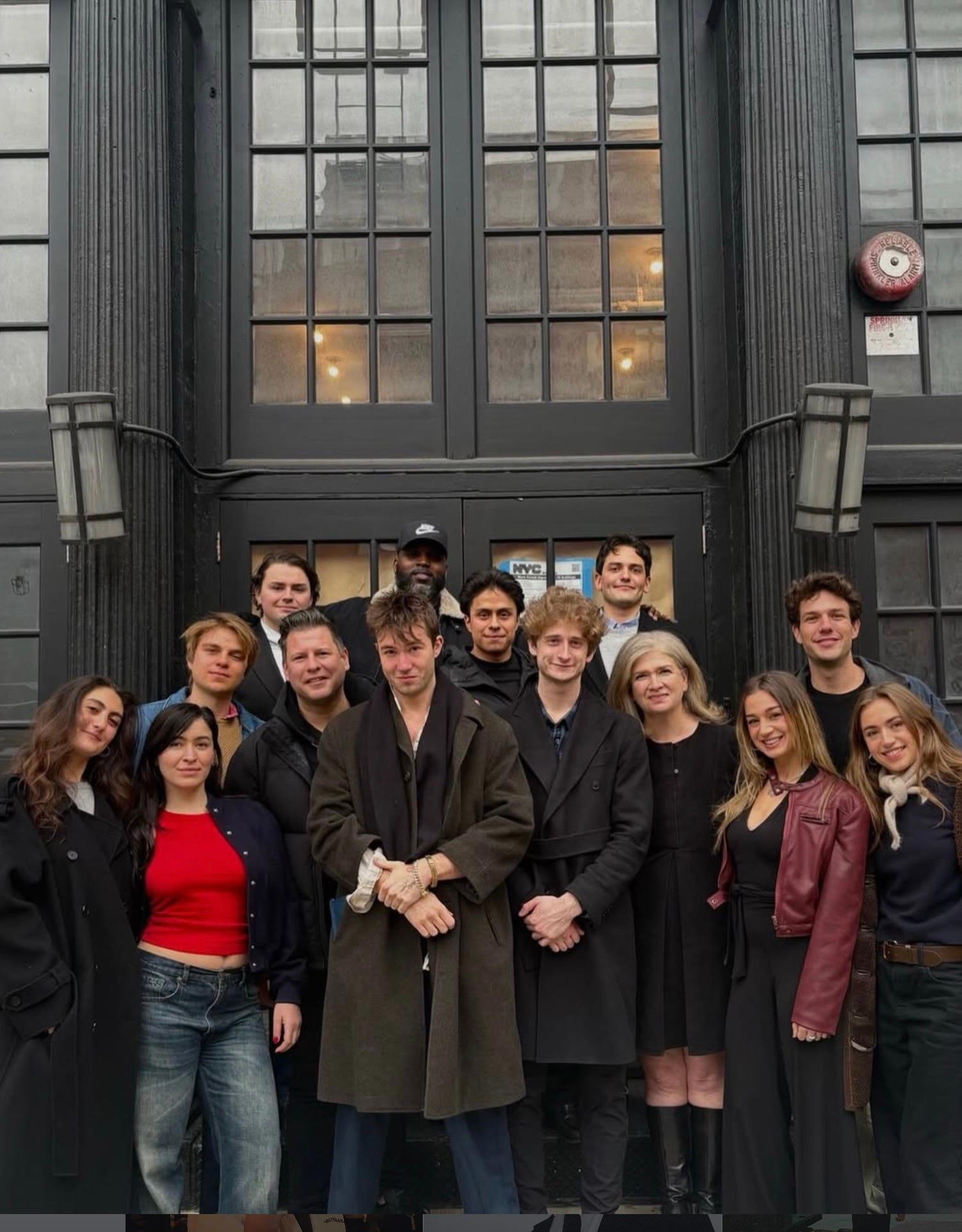
A French Mediterranean Project in a City That Knows the Difference
New York's upper tier of French dining has long occupied two distinct registers. One is the haute-classical tradition, represented by institutions like Le Bernardin and Per Se, where kitchen discipline and tasting-menu architecture carry the weight. The other is a looser, Mediterranean-inflected mode, olive oil over butter, vegetables alongside protein, acidity doing more structural work than cream. George McNally Restaurant is a French Mediterranean restaurant in New York City at a price tier of three. In New York terms, that is a more contested space than it might appear.
The French Mediterranean register has achieved serious critical traction internationally. Properties like Amarines by Mauro Colagreco in Cap d'Antibes and the dining program at Grand Hôtel de Cala Rossa in Porto-Vecchio illustrate what the cuisine looks like when it is treated as a serious culinary framework rather than a marketing category. The defining character is restraint applied to abundance: sun-intensive ingredients handled with precision rather than drama, the regional logic of Provence or Liguria brought into focus through French kitchen technique. Whether a New York version captures that balance or defaults to something more generic is the question that will define how this project is received.
The McNally Effect: Hospitality as Atmosphere-Building
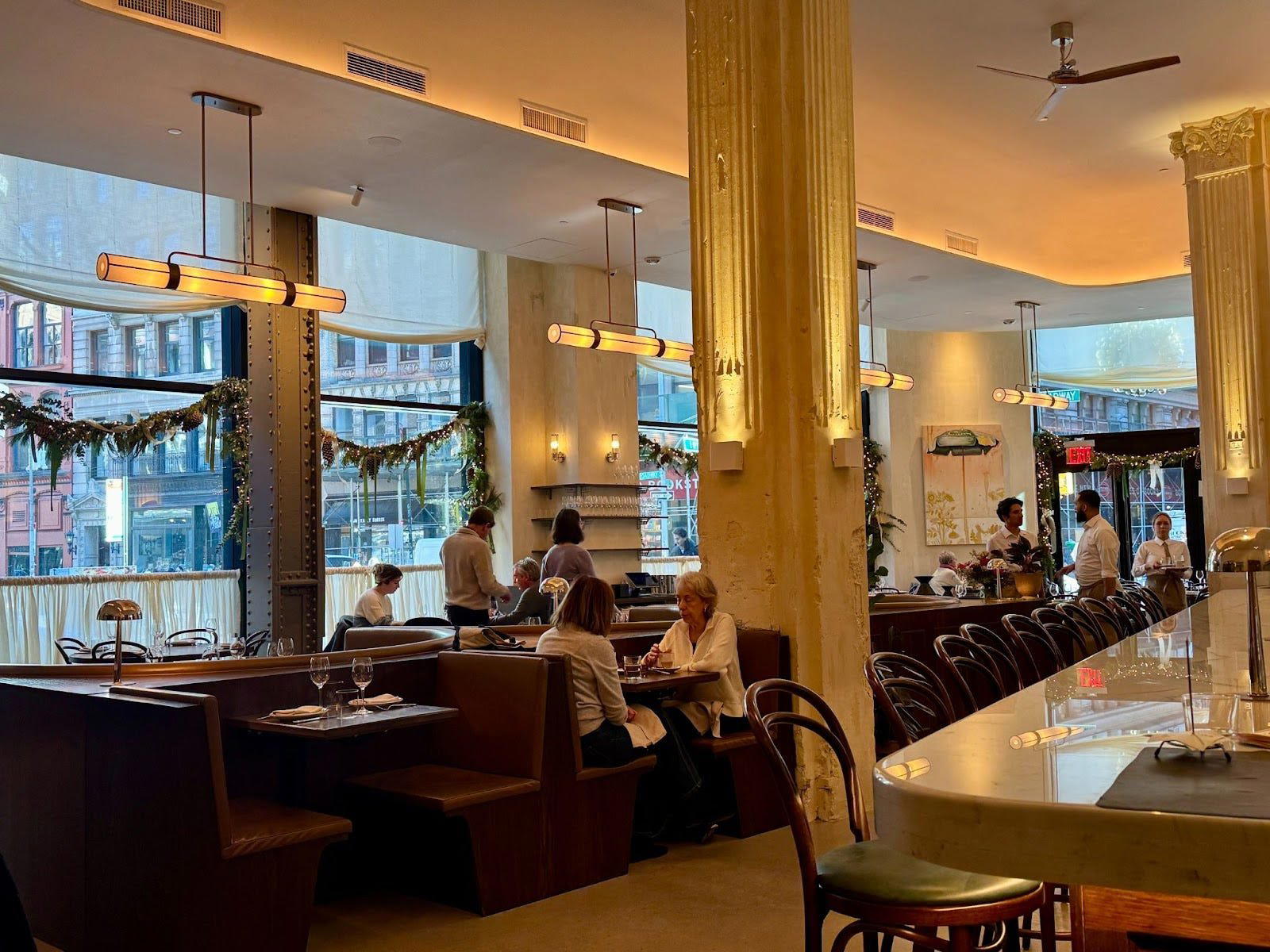
George McNally's previous restaurants, Odeon, Balthazar, Pastis, Minetta Tavern, established a specific model for what a New York dining room can feel like. The rooms tend to read as lived-in rather than designed, warm without being calculated, and populated in a way that feels social rather than hushed. That atmospheric consistency is not accidental; it reflects a coherent philosophy about how a dining room should behave as a social space, and it has made McNally one of the most studied operators in American hospitality. The comparison is not with Masa, where silence and ritual define the experience, but with a different axis of excellence: the ability to make a room feel necessary to the city that contains it.
The question for this project is whether that atmospheric intelligence translates into a more technique-forward French Mediterranean format. McNally's earlier restaurants leaned into brasserie and bistro traditions, where room energy and consistent execution matter more than tasting-menu precision. A French Mediterranean kitchen, particularly at a price point that would place it near the upper tier of New York dining, asks for a different kind of team coordination.
Team Architecture in a High-Attention Opening
The editorial angle that matters most for this project is not who will cook but how the floor, kitchen, and wine program will be structured to function as a single statement. At the level of New York dining where a McNally project will inevitably land, the room experience is not separable from the food: critics and guests read them as one thing. The front-of-house cadence sets the pace for how the kitchen's timing reads, and the wine program either reinforces or undercuts the cuisine's regional logic.
French Mediterranean cuisine has a clear regional wine tradition to draw from: the southern Rhône, Provence, Corsica, and the Ligurian coast all produce bottles that track the cuisine's flavors without announcing themselves. A wine director who understands that logic can deepen the meal considerably; one who defaults to Burgundy and Bordeaux defaults to a different restaurant. Similarly, a floor team trained to explain provenance without lecturing, and to pace a table without engineering it, is doing a form of editorial work that shapes the overall impression as much as any single dish.
Projects from other operators who have built strong team cultures, Lazy Bear in San Francisco, Single Thread Farm in Healdsburg, and at a different scale Alinea in Chicago, demonstrate that what separates a good opening from a defining one is often the internal coherence between these departments. The kitchen sets the ambition; the floor and wine program either make it accessible or leave it stranded.
Where This Fits in New York's Current Moment
New York's restaurant market is not short of French-adjacent ambition, but the French Mediterranean niche is less crowded than the classical French tier. Estela has worked the Mediterranean-contemporary register with considerable critical success, and Providence in Los Angeles has shown what happens when that cuisine reaches a serious technical level on the West Coast, see Providence for the comparison. In New York, the space between casual Mediterranean and full haute-classical French remains genuinely open to a well-executed project at the upper-middle tier.
The McNally brand brings reservation demand and press attention automatically. The risk, as with any high-profile opening, is that attention arrives before the team has found its rhythm. Openings at this level in New York, see The French Laundry's influence on how the industry thinks about sequencing a kitchen program, tend to be reviewed within weeks, before the collaboration between departments has settled into the muscle memory that produces consistency. How this project manages that window will matter.
Planning Your Visit
The restaurant is not yet open, and address and opening date remain unconfirmed. Given the profile of the operator, demand on opening will be high, and the reservation window is likely to open with significant lead time. For context on where this project will sit within the broader New York dining scene, the full New York City restaurants guide covers the current tier structure in detail.
For comparable French Mediterranean programs operating at a high level outside New York, Emeril's in New Orleans provides an instructive American reference point for how Mediterranean-influenced cuisine translates within a strong regional food culture.
Comparable Spots
Comparable venues nearby, for context on price, style, and recognition.
| Venue | Cuisine | Price | Notes |
|---|---|---|---|
| George McNally RestaurantThis venue — the venue you are viewing | other | $$$ | |
| Pegu Club | Classic Cocktail Bar | $$$ | East Village |
| Mari Vanna | Traditional Russian & Eastern European Home Cooking | $$$ | Midtown South-Flatiron-Union Square |
| FOOD | Quirky Daily Changing Menu | $$ | Chinatown-Two Bridges |
| La Fusta | Authentic Argentine Steakhouse | $$ | Elmhurst |
| Russian Samovar | Traditional Russian | $$$ | Hell's Kitchen |
Continue exploring
More in New York City
Restaurants in New York City
Browse all →
Bars in New York City
Browse all →

Hotels in New York City
Browse all →
Wineries in New York City
Browse all →
At a Glance
- Classic
- Elegant
- Iconic
- Special Occasion
- Standalone
Expected to blend classic McNally glamour with modern touches in a Tribeca setting.