George + Kin’s
Our verdict
George + Kin's brings an American diner sensibility into dialogue with Japanese American cooking traditions, positioning it as a counterpoint to Napa's wine-country fine dining circuit. In a valley where the dominant register runs from Californian tasting menus to French-influenced bistros, this is a more personal, casual frequency, one worth knowing before you book your week.

Pearl is the En Primeur Club membership app, where members save venues, book tables and use the concierge.
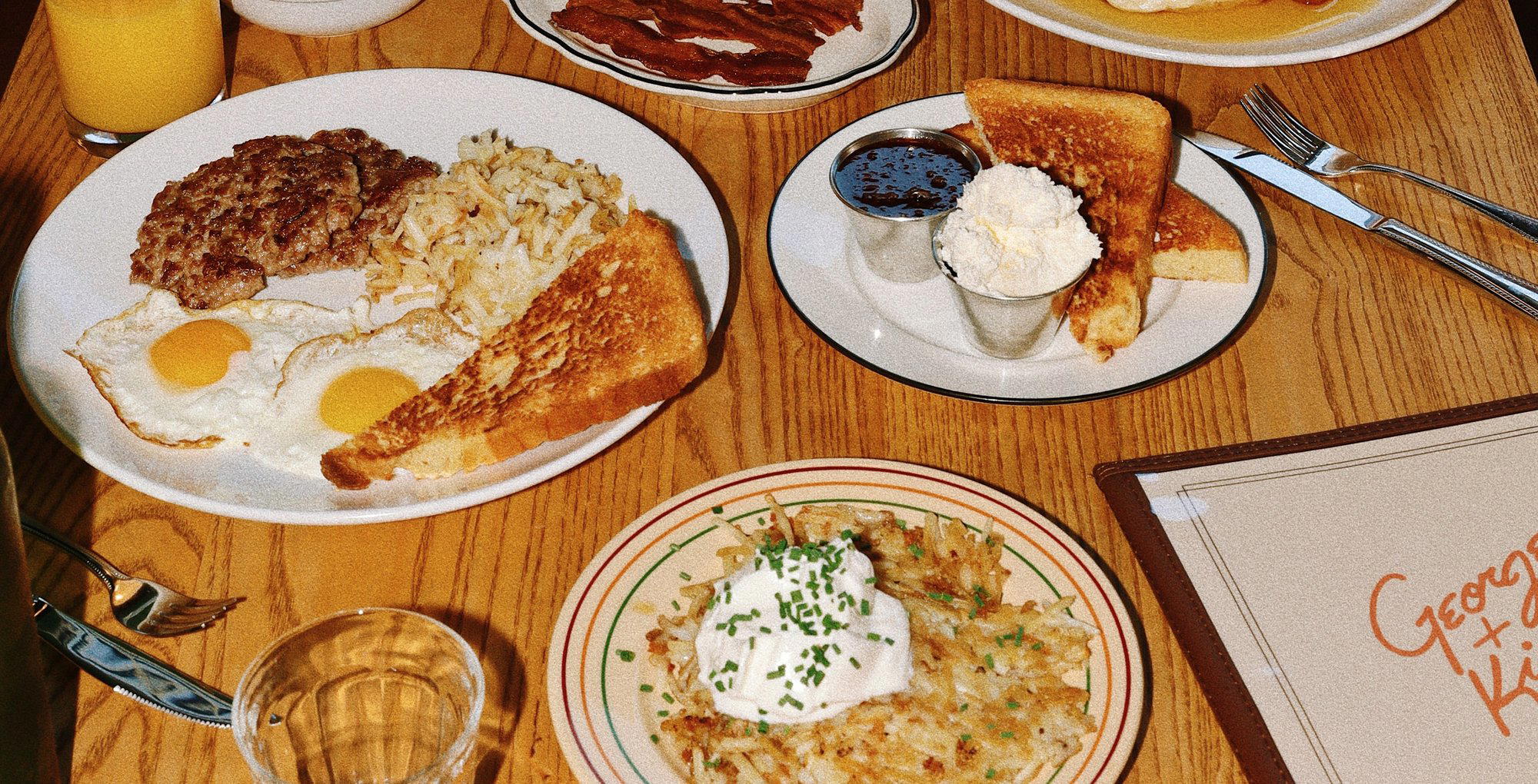
The menu
What to order
- Japanese milk bread French toast
- Curry udon soup
- Katsu-style fried chicken sandwich
- Plate-sized chicken parmesan
- Mile-high lemon meringue pie
A Different Register in the Wine Country
Napa's dining scene has long been organized around a familiar hierarchy: the grand tasting-menu institutions at one end, the relaxed wine-country bistros at the other, and a middle tier of Californian kitchens drawing on local farms and valley producers. George + Kin's occupies a different position within that structure entirely. Its premise, an American diner inflected with Japanese American cooking traditions, sits outside the dominant modes that define the valley's restaurant culture, and that specificity is precisely what makes it worth understanding before you build an itinerary.
The broader American diner form has always been a vehicle for cultural synthesis. Japanese American communities on the West Coast, particularly in California, produced a hybrid kitchen language over the course of the twentieth century, threading together diner staples with Japanese technique, seasoning, and sensibility. That tradition shows up in counter culture, in family-run operations from the Central Valley to the Bay Area, and now, in Napa, at a venue that draws on those roots in a wine-country context that rarely acknowledges them.
Counter Culture and the Performance of the Kitchen
The editorial angle that leading frames George + Kin's is what counter-adjacent cooking formats have always made legible: the kitchen as performance space. Whether it is a teppanyaki grid, an open sushi counter, or a diner pass where plates are assembled in plain view, cooking in front of a guest changes the dynamic of the meal. It makes process visible, invites attention to sequencing and technique, and shifts the register from passive dining to something more participatory.
American diners, at their working leading, operate on a similar principle. The short-order cook is a performer. The clatter of the flat-leading, the speed of the pass, the call and response of the kitchen, these are not incidental; they are part of the contract the diner format makes with its guests. When Japanese American cooking sensibility enters that frame, what you often get is precision applied to speed, restraint applied to abundance, and umami applied to the kinds of dishes, egg preparations, griddled proteins, composed plates with pickles and condiments, that the diner format handles naturally.
In a Napa context where counter dining tends toward the refined and the ceremonial (see Kenzo for the Japanese end of that spectrum, or The French Laundry for its apex), a venue that returns counter cooking to something more immediate and less ritualized is a meaningful point of difference.
Positioning George + Kin's within the wider valley dining map requires a clear-eyed look at what the alternatives offer. At the upper register, The Restaurant at Auberge du Soleil delivers Californian cuisine with estate views and a price point that reflects both. Ad Hoc, Thomas Keller's more accessible Yountville format, established the template for American comfort food served with fine-dining discipline in this valley. Angele anchors the French bistro end on the Napa River. None of these operate in the Japanese American diner register.
The broader context for that cuisine type exists up and down the California coast. In San Francisco, Lazy Bear demonstrates how American cooking can be refracted through a highly specific lens. Atomix in New York City shows how Korean American cooking can operate at the highest level of critical recognition. George + Kin's works from a different scale and ambition, but the principle, cuisine rooted in a specific cultural tradition, applied with intention, connects it to that broader conversation.
For travelers assembling a multi-day Napa itinerary, this kind of variety matters. A valley where every meal trends toward the same Californian-French idiom quickly becomes monotonous regardless of quality. George + Kin's represents the kind of register shift that a well-composed trip benefits from, a meal that does something different, not simply cheaper or more casual.
The Japanese American Diner Tradition in California
California's Japanese American communities shaped a hybrid culinary culture that rarely gets the critical attention it deserves. The interplay between Japanese technique and American diner ingredients produced dishes that exist in a space between cultures: rice plates with tonkatsu-inflected sauces, egg preparations seasoned with dashi or soy, sandwiches built on Japanese milk bread, pickles that owe as much to tsukemono as to American brining traditions. These are not fusion constructions in the marketing sense; they are the natural output of communities cooking across two food cultures simultaneously for generations.
In a wine country context, that tradition has particular resonance. Napa and Sonoma counties have deep agricultural histories tied to Japanese American farming, disrupted by internment and partially rebuilt afterward. The food that emerged from those communities, and that continues to evolve in California, is part of the valley's actual history even if it rarely appears on the menus of its marquee restaurants. For more on how that wider restaurant context fits together, our full Napa restaurants guide maps the valley's dining range in detail.
Planning a Visit
What the cuisine type and format suggest, however, is that this is a more accessible and spontaneous booking than the tasting-menu venues that define Napa's upper tier. The American diner format is not typically built around weeks-in-advance reservation queues of the kind that govern a table at The French Laundry or a counter seat at Kenzo. That said, Napa's visitor volume, particularly during harvest season from August through October and over spring weekends, compresses availability across all price tiers. Checking ahead, even for casual formats, remains practical during peak periods.
Napa sits approximately an hour's drive north of San Francisco, with the town of Napa itself offering easier street-level access than the upper-valley towns of Yountville, St. Helena, and Calistoga. For visitors splitting time between wine-country dining and the city, the range of what is available nationally, from Le Bernardin in New York City to Alinea in Chicago to Blue Hill at Stone Barns in Tarrytown, Addison in San Diego, The Inn at Little Washington, Bacchanalia in Atlanta, Emeril's in New Orleans, and 8½ Otto e Mezzo Bombana in Hong Kong, provides useful reference points for placing any single venue in a wider critical frame.
Frequently asked questions
What should I order at George + Kin's?
George + Kin's operates at the intersection of American diner conventions and Japanese American culinary traditions, so the menu likely bridges both registers, think comfort-format dishes inflected with Japanese technique or ingredient logic. The Japanese American diner tradition in California has historically produced its most interesting work through daily specials shaped by seasonal and community sourcing, and that pattern is worth probing directly at the counter.
How far ahead should I plan for George + Kin’s?
Reservations are recommended for George + Kin’s in Napa. Confirm current policy via the venue's official channels.
How far ahead should I plan for George + Kin's?
Counter-format restaurants in this category can fill quickly on weekends, particularly in a wine-country market where dining slots compete with winery reservations. Visiting mid-week generally offers more flexibility across Napa's casual dining tier.
Peers Worth Knowing
Comparable venues nearby, for context on price, style, and recognition.
| Venue | Cuisine | Price | Awards | Notes |
|---|---|---|---|---|
| George + Kin’sThis venue (the venue you are viewing) | American Diner with Japanese American Influences | $10–20 | Not listed | Not listed |
| Azzurro Pizzeria | Neapolitan-Style Pizza and Pasta | $20–30 | Not listed | downtown |
| La Taberna | Modern Spanish Tapas | $30–50 | Not listed | Downtown |
| A16 Napa | Southern Italian Wood-Fired | $50–100 | Wine Spectator Best of Award of Excellence | downtown Napa |
| Hog Island Oyster Co | Sustainable Seafood Oyster Bar | $30–50 | Not listed | Oxbow Public Market |
| Angele | French Bistro | $50–100 | Not listed | Downtown |
Continue exploring
More in Napa
Restaurants in Napa
All restaurants in Napa →
Bars in Napa
All bars in Napa →


Details
- Cozy
- Classic
- Casual Hangout
- Family
- Brunch
- Standalone
- A La Carte
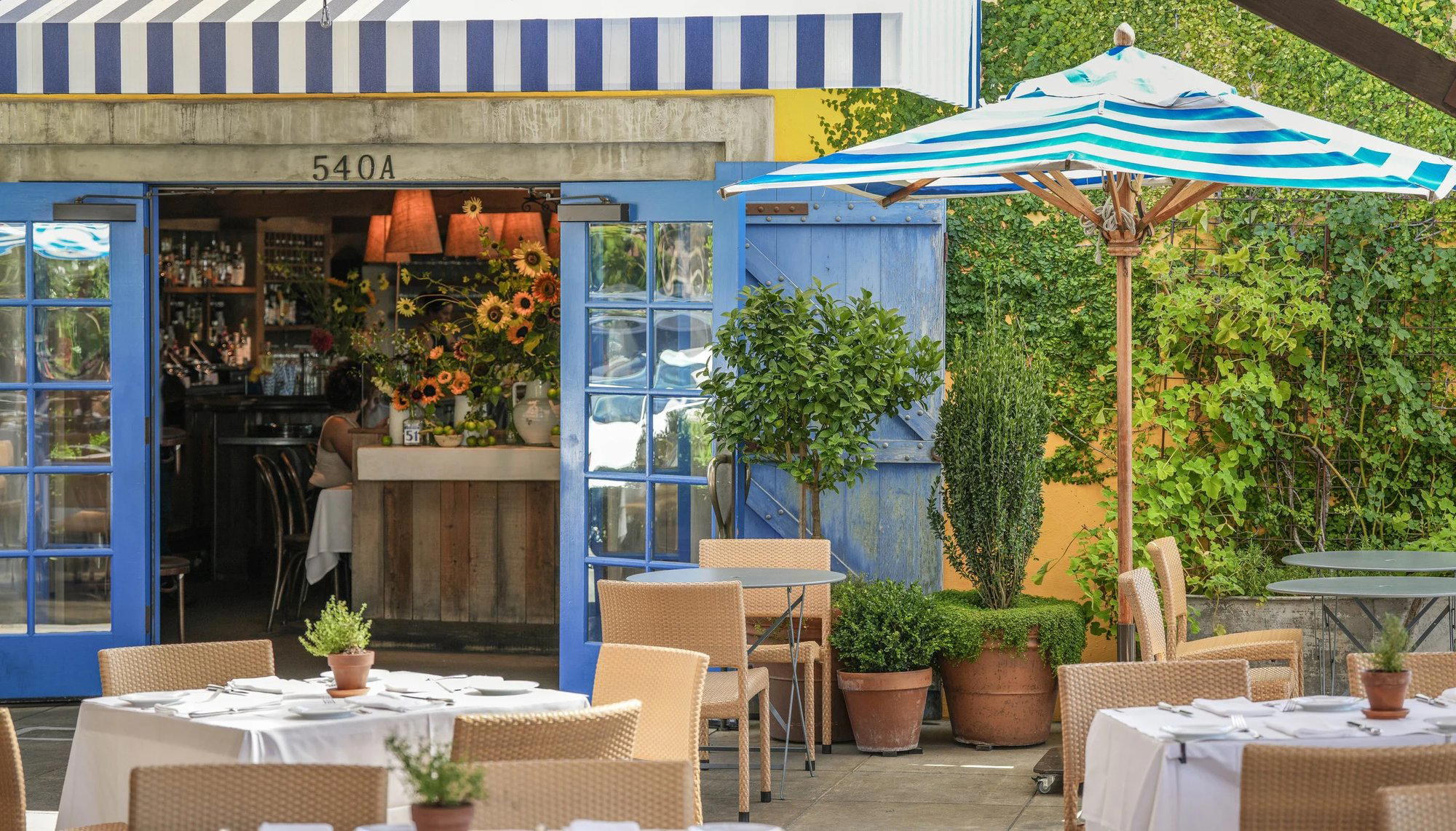
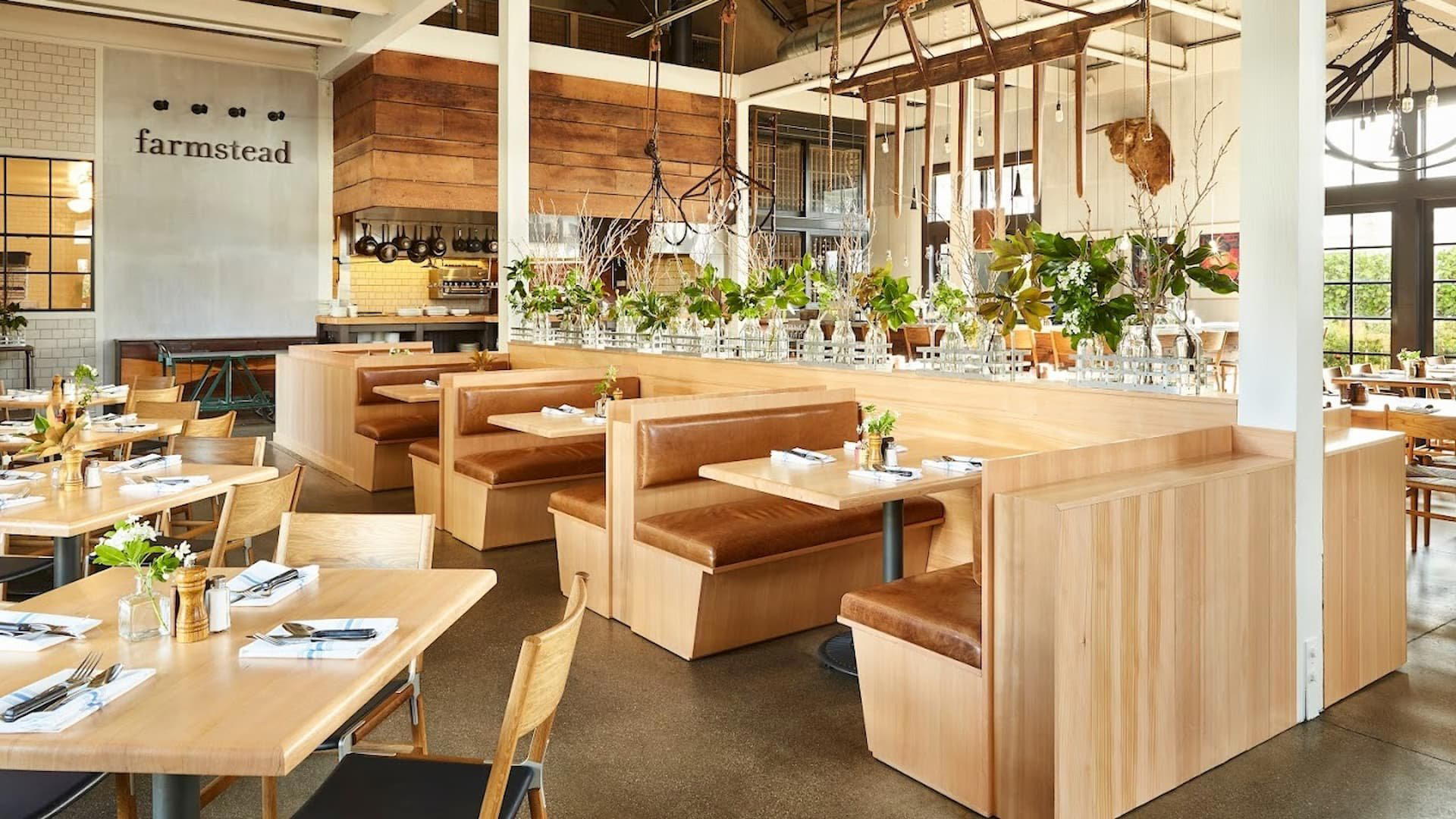
Nostalgic, comfortable diner atmosphere rooted in tradition with a multicultural twist.