
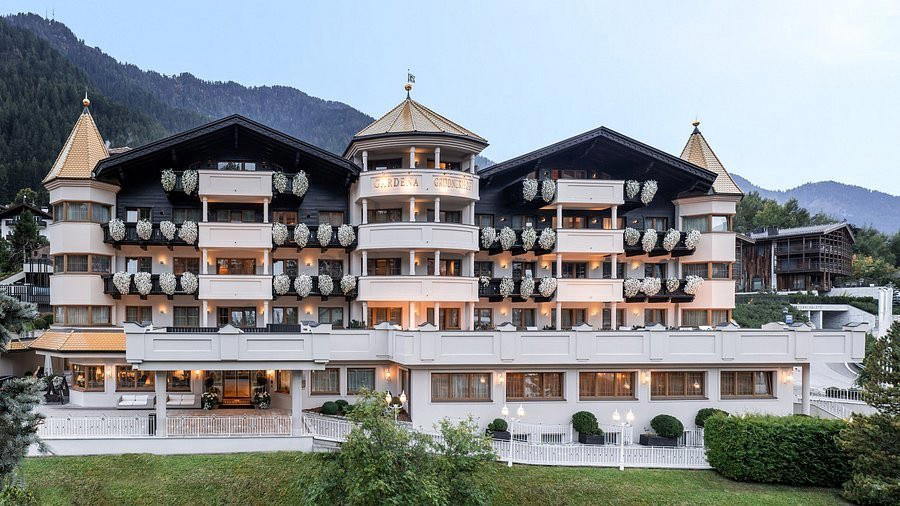
Gasthofstube Stafler sits inside the Stafler hotel on the road north toward Austria, serving traditional Tyrolean cooking grounded in Isarco valley ingredients. Two consecutive Michelin Plates (2024 and 2025) signal consistent kitchen execution at a mid-range price point. The Stube-style dining room and garden terrace make it a practical choice for a quiet dinner in the Val di Mules.
Pearl is the En Primeur Club membership app — saves, bookings, and concierge access live there. Same editors, same standards.
- Address
- Via Mules, 10, 39040 Campo di Trens BZ, Italy
- Phone
- +39 0472 771136
- Website
- stafler.com
- Directions
- Get directions
 Saves & bookings on Pearl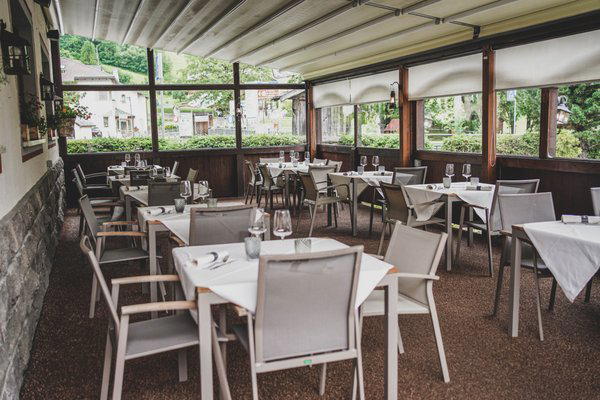
Where the Val di Mules Meets the Tyrolean Table
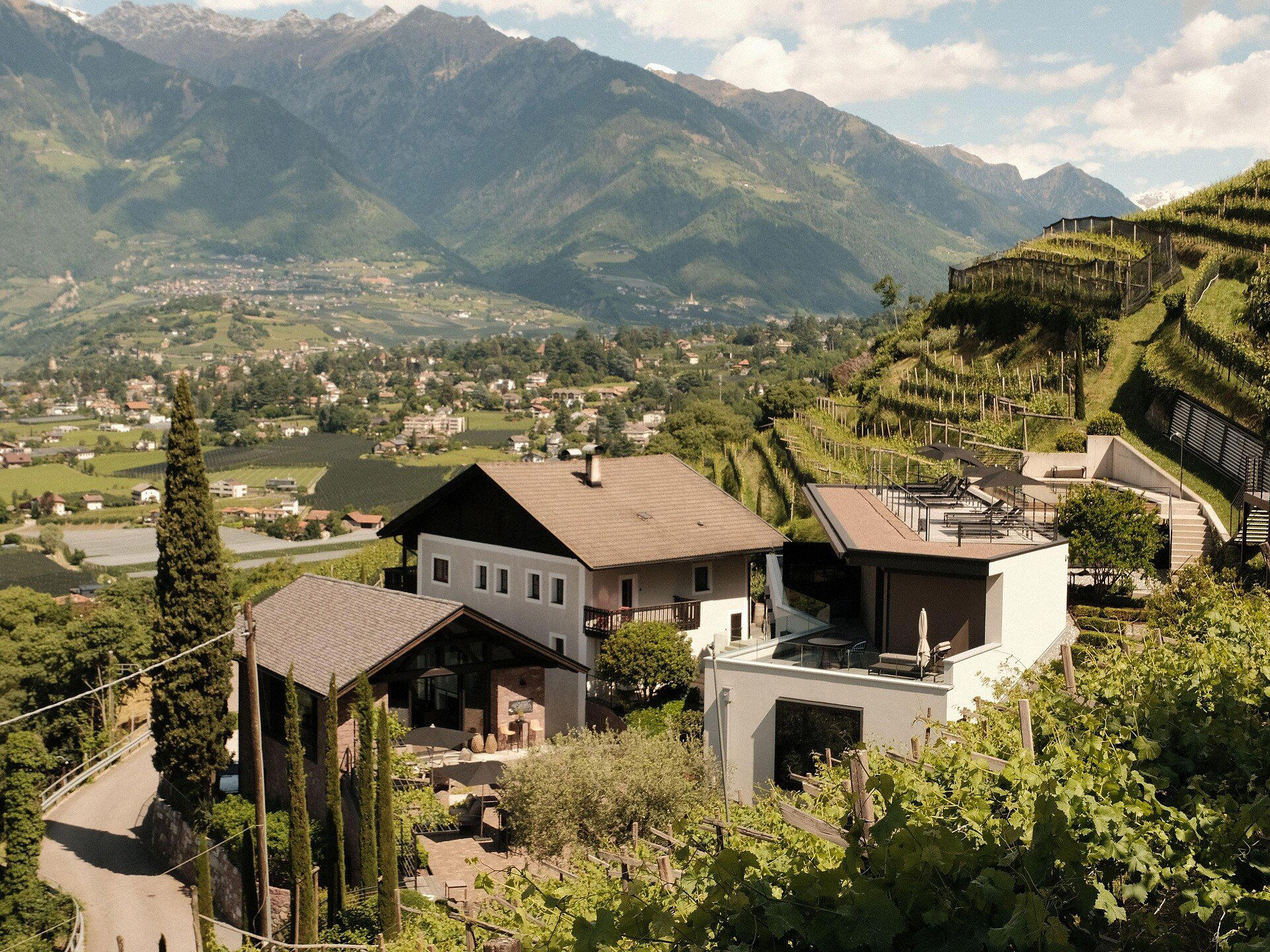
The road north from Bolzano through the Isarco valley climbs steadily, passing through a landscape defined by apple orchards, steep vineyard terraces, and the kind of small hotel-restaurant combinations that have anchored South Tyrolean hospitality for generations. At Campo di Trens, just before the road begins its final approach toward the Brenner Pass and Austria, the Stafler hotel sits at this cultural and geographical threshold. Its dining room, the Gasthofstube, inherits a tradition that runs deeper than any single kitchen: the Stube format itself, a panelled, timber-lined room originally designed to hold warmth against Alpine winters, has been the default setting for serious regional cooking in this part of Italy for centuries.
That format still carries weight here. The dining room reads as a proper Stube, not a reproduction of one, and in fine weather the internal garden extends the table count outdoors without changing the register of the meal. What happens in the kitchen, though, is not purely archival. The Isarco valley's producers supply the core of the menu, and the chef adds personal interpretations to what might otherwise read as a straight catalogue of Tyrolean classics. The result sits in a small but coherent category: traditional South Tyrolean cooking that acknowledges contemporary technique without abandoning its source material.
Isarco Valley Ingredients and Why Provenance Defines the Menu
In the broader context of Italian regional dining, South Tyrol operates as something of an outlier. While much of the country's fine dining conversation is driven by kitchens in Milan, Modena, or the Po plain, see Osteria Francescana in Modena, Enrico Bartolini in Milan, or Enoteca Pinchiorri in Florence for a sense of the €€€€ tier, South Tyrol's strongest kitchens draw authority from their geography. The Isarco valley in particular produces speck, cured meats, dairy from mountain pastures, and the concentrated stone-fruit flavours that come from high-altitude orchards subject to wide diurnal temperature swings. These are not decorative origins: the climate and altitude here produce ingredients with measurably different profiles from their lowland equivalents.
At Gasthofstube Stafler, the menu is framed explicitly around this valley sourcing. That choice places the kitchen in a peer group of similarly regionally committed restaurants in the province, rather than in competition with the more technically ambitious creative kitchens like Atelier Moessmer Norbert Niederkofler in Brunico, which operates at three Michelin stars and a €€€€ price point. Gasthofstube Stafler's mid-range €€ positioning means the sourcing philosophy reaches a wider audience than the province's prestige tier allows. Across the border in the German-speaking Alpine world, kitchens with comparable regional commitments, such as Gannerhof in Innervillgraten and Fahr in Künten-Sulz, follow a similar logic: provenance-led menus at accessible prices, with enough technical ambition to earn Michelin attention without chasing the upper bracket.
Two Michelin Plates and What They Signal
The Michelin Plate, awarded in both 2024 and 2025, marks a kitchen that Michelin inspectors consider worth seeking out: cooking that is consistent, ingredient-focused, and above casual. It sits below the star system but above unrecognised regional cooking. For a €€ hotel-restaurant on a transit road through a small South Tyrolean comune, two consecutive Plates represent a meaningful endorsement. The signal is one of reliability rather than ambition, which is precisely the right signal for what Gasthofstube Stafler appears to be doing. Italy's three-star restaurants, Le Calandre in Rubano, Dal Pescatore in Runate, Piazza Duomo in Alba, Uliassi in Senigallia, Quattro Passi in Marina del Cantone, and Reale in Castel di Sangro, occupy an entirely different competitive register. The restaurant earns its recognition in the category it actually competes in: honest, sourcing-led Alpine cooking executed with enough discipline to hold Michelin's attention across two consecutive guide cycles.
The sample is small, which limits its statistical weight, but the consistency between independent guest opinion and inspector recognition points in the same direction.
The Dining Room: Stube Format and Seasonal Garden
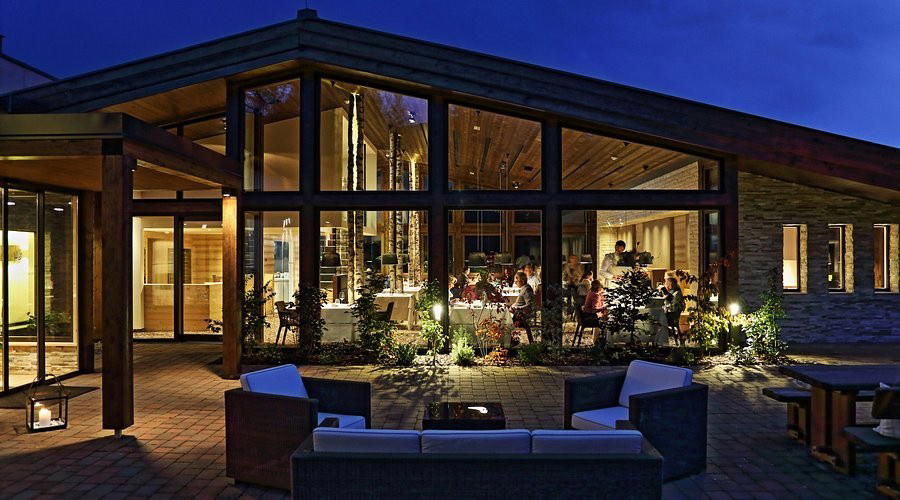
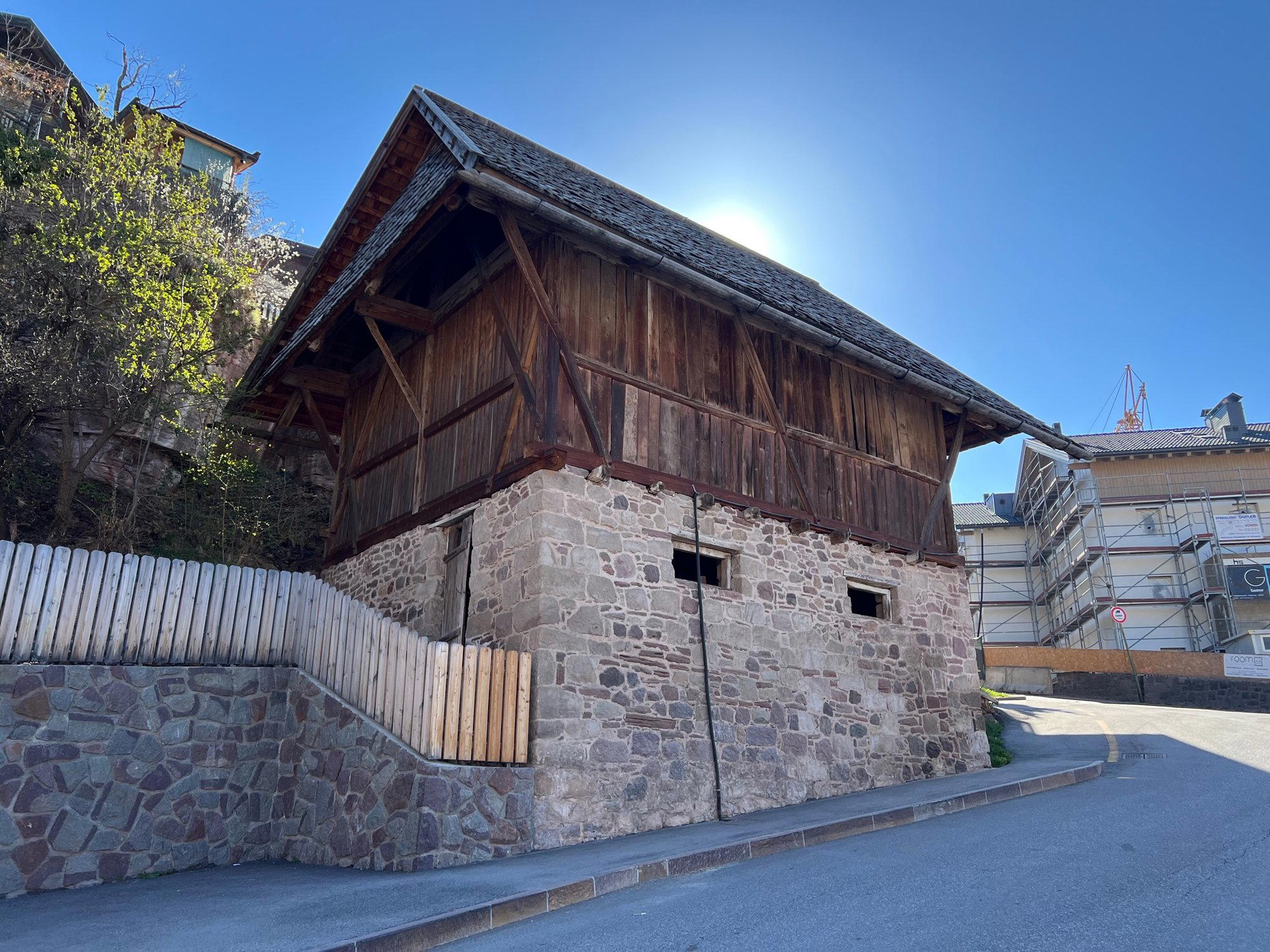
South Tyrolean Stuben are not merely a design reference: the wood-panelled, low-ceilinged room format developed as a functional response to mountain winters, creating a contained environment that holds warmth and encourages a slower pace of eating. In that sense, atmosphere here is not a marketing add-on but an architectural fact. The Gasthofstube runs alongside an internal garden, which in warmer months provides an alternative setting without shifting the overall register away from the measured, unhurried tone that the Stube interior establishes.
The friendly and welcoming staff that guests consistently mention is a further characteristic of this format at its strongest: service in the South Tyrolean Stube tradition tends toward attentive without being formal, a cadence that suits the mid-range €€ positioning and the hotel-restaurant setting. For comparison, the more creatively ambitious end of South Tyrolean dining, such as Gourmetstube Einhorn in Mules, takes the Stube frame in a different direction, pushing toward a more contemporary creative register.
Planning a Visit to Gasthofstube Stafler
Mules sits in the municipality of Campo di Trens in the lower Isarco valley, accessible from the Brenner motorway at the Vipiteno/Sterzing exit or via the older state road that runs parallel to it. The hotel's position on the road to Austria means it draws both guests staying in the Stafler hotel itself and travellers moving between Bolzano and Innsbruck who want a proper meal rather than a motorway stop. That dual audience gives the restaurant a degree of year-round stability that purely destination kitchens in remote mountain positions sometimes lack.
At €€ pricing, the restaurant sits in the accessible mid-range of South Tyrolean dining. Booking in advance for dinner is advisable, particularly in the summer walking and cycling season and during the autumn harvest period when the valley's produce is at its most concentrated. The internal garden operates as weather permits, making late spring through early autumn the more flexible visiting window if outdoor seating matters.
In Context: Similar Options
Comparable venues nearby, for context on price, style, and recognition.
| Venue | Cuisine | Price | Awards | Notes |
|---|---|---|---|---|
| Gasthofstube StaflerThis venue — the venue you are viewing | Traditional Tyrolean Regional Cuisine | $$$ | Michelin Plate | Not listed |
| Gourmetstube Einhorn | Modern South Tyrolean Fine Dining | $$$$ | Michelin 1 Star | Campo di Trens, Mules |
| Ladinia | Ladin Alpine Cuisine | $$$ | Michelin Plate | Corvara in Badia |
| Aurora | Modern Venetian Cuisine | $$$ | Michelin Plate | Centro Storico (Historic Center) |
| Alle Codole | Modern Italian Mountain Cuisine | $$$ | Michelin Plate | Canale d'Agordo |
| Gratschwirt | Traditional South Tyrolean | $$$ | Michelin Plate | Toblach |
Recognition history
Dated appearances from independent guides and award organizations, with the underlying list record or original source where available.
Michelin Plate
Michelin
Michelin Plate
Michelin
Michelin Plate
Michelin
Continue exploring
More in Mules
Restaurants in Mules
Browse all →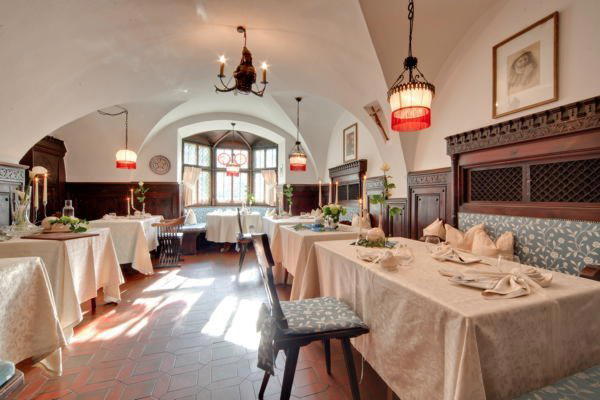
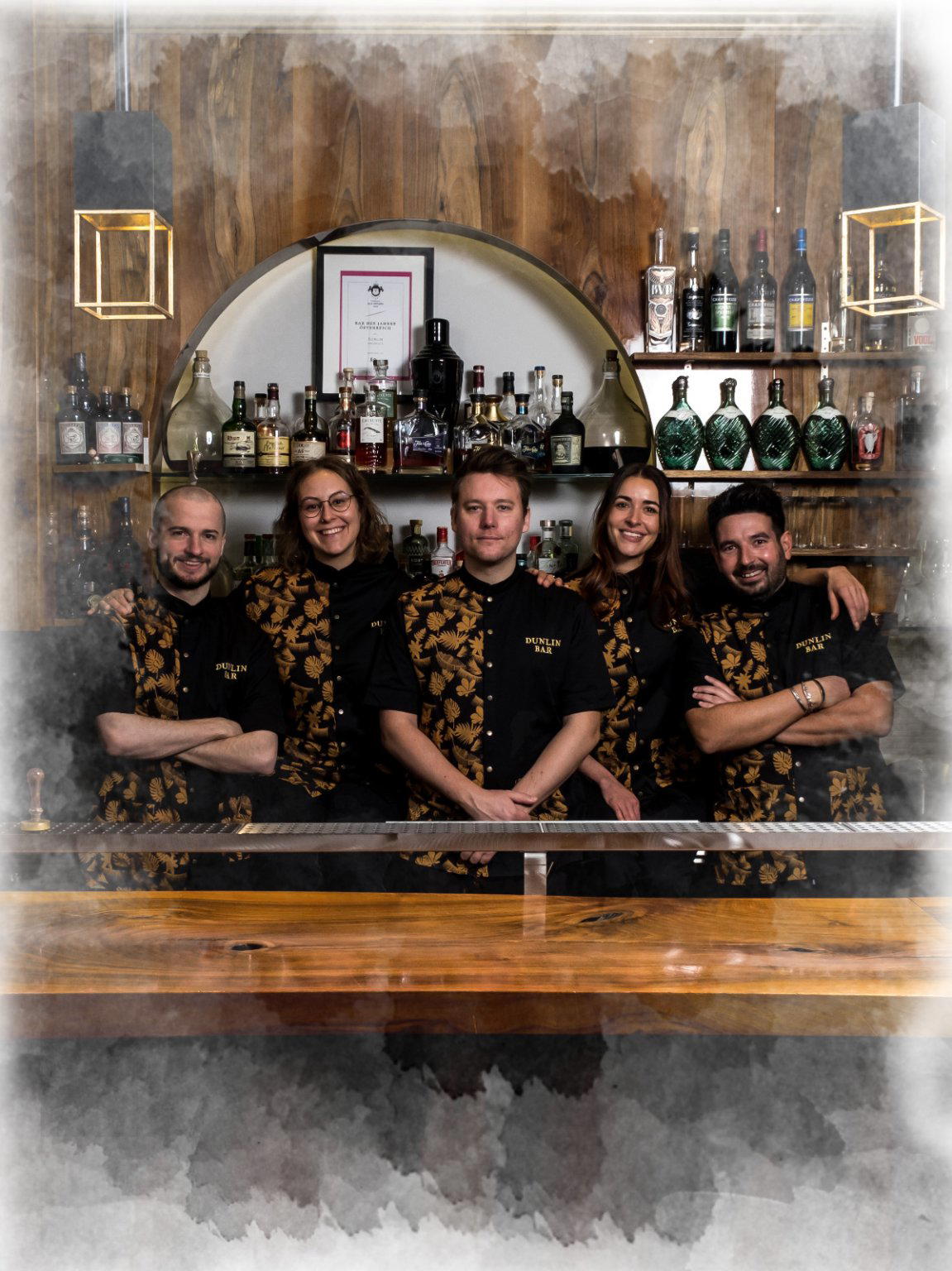
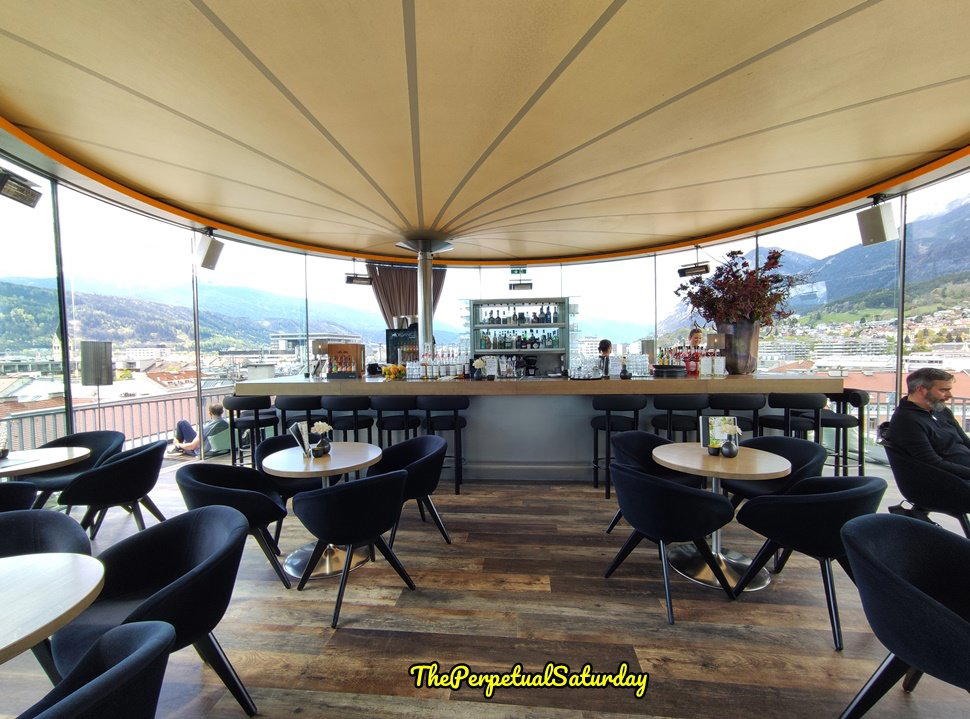
Bars in Mules
Browse all →

Hotels in Mules
Browse all →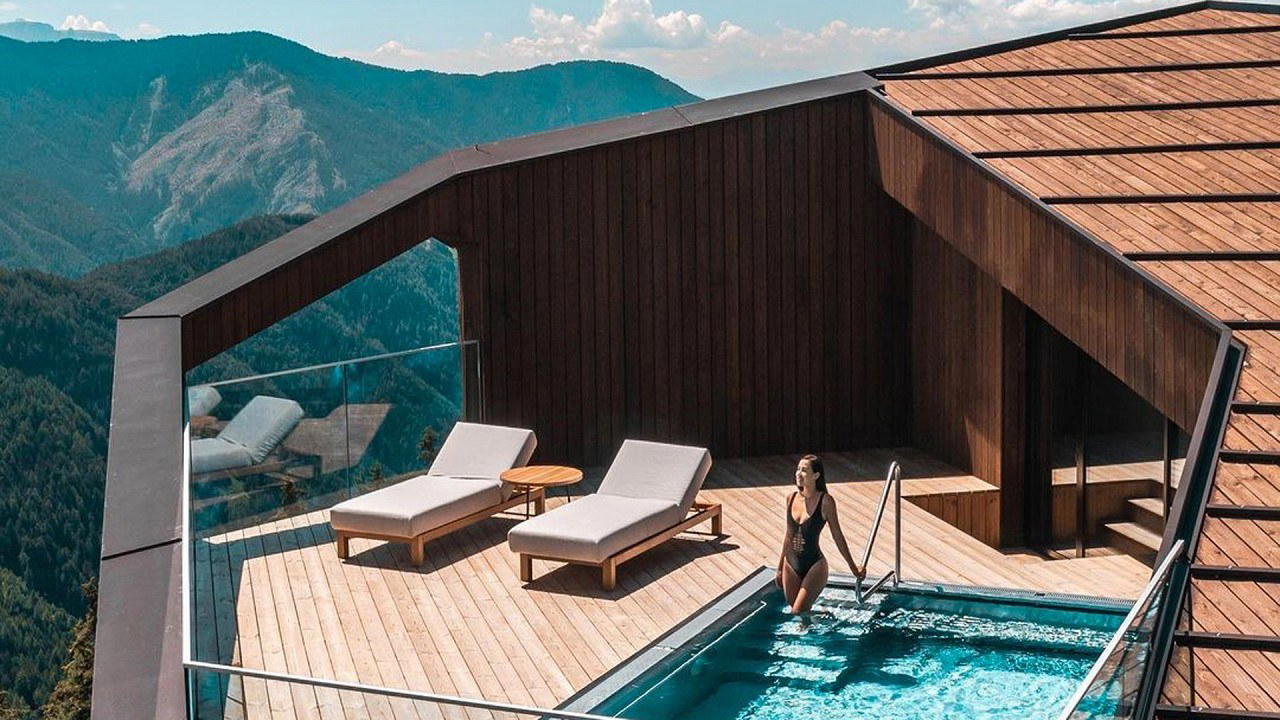

At a Glance
- Romantic
- Elegant
- Cozy
- Classic
- Date Night
- Special Occasion
- Celebration
- Garden
- Historic Building
- Hotel Restaurant
- Private Dining
- Extensive Wine List
- Sommelier Led
- Local Sourcing
- Farm To Table
- Garden
- Mountain
Current opening hours
- Monday
- 7–9 PM
- Tuesday
- Closed
- Wednesday
- Closed
- Thursday
- 7–9 PM
- Friday
- 7–9 PM
- Saturday
- 12–2 PM, 7–9 PM
- Sunday
- 12–2 PM, 7–9 PM
Hours can change for holidays and private events. Last verified .
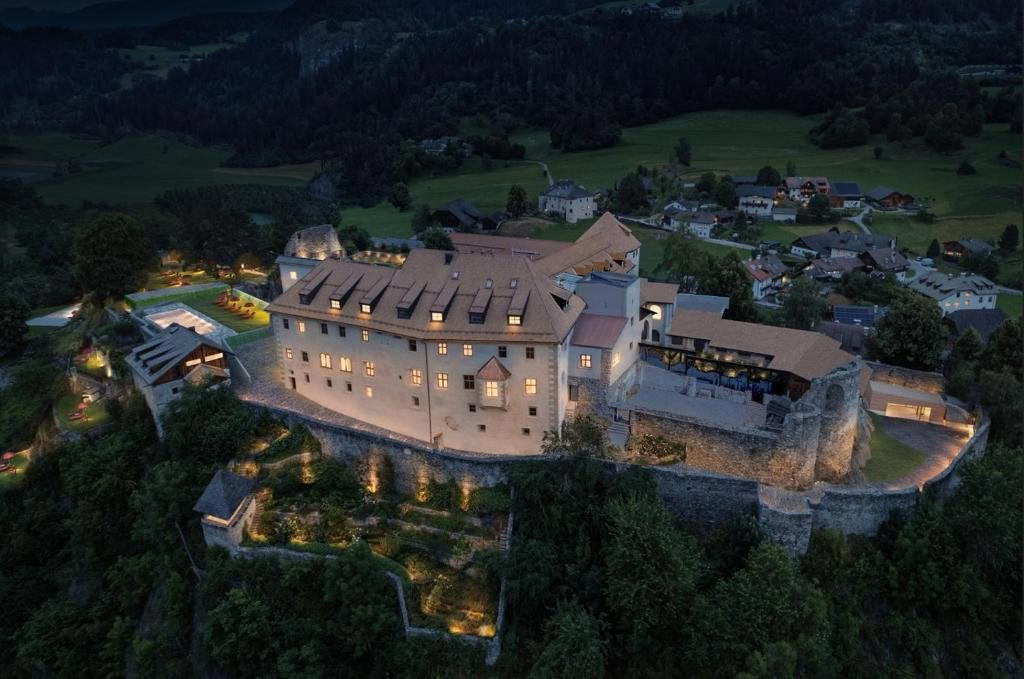
Warm and welcoming with wood-paneled Stube interiors featuring medieval wooden elements, soft lighting, and romantic garden views; intimate and refined atmosphere.