Landgasthaus Gidibauer-Hof

Landgasthaus Gidibauer-Hof is a Michelin Bib Gourmand-recognised country kitchen in Hauzenberg, Bavaria, earning consecutive awards in 2024 and 2025 under chef Shamim Popal. Priced at the budget end of the German dining spectrum, it represents the kind of rooted, ingredient-led regional cooking that Michelin's inspectors specifically flag when value and quality converge in rural settings.
Pearl is the En Primeur Club membership app — saves, bookings, and concierge access live there. Same editors, same standards.
- Address
- Grub 7, 94051 Hauzenberg, Germany
- Phone
- +49 8586 96440
- Website
- gidibauer.de
- Directions
- Get directions
 Saves & bookings on Pearl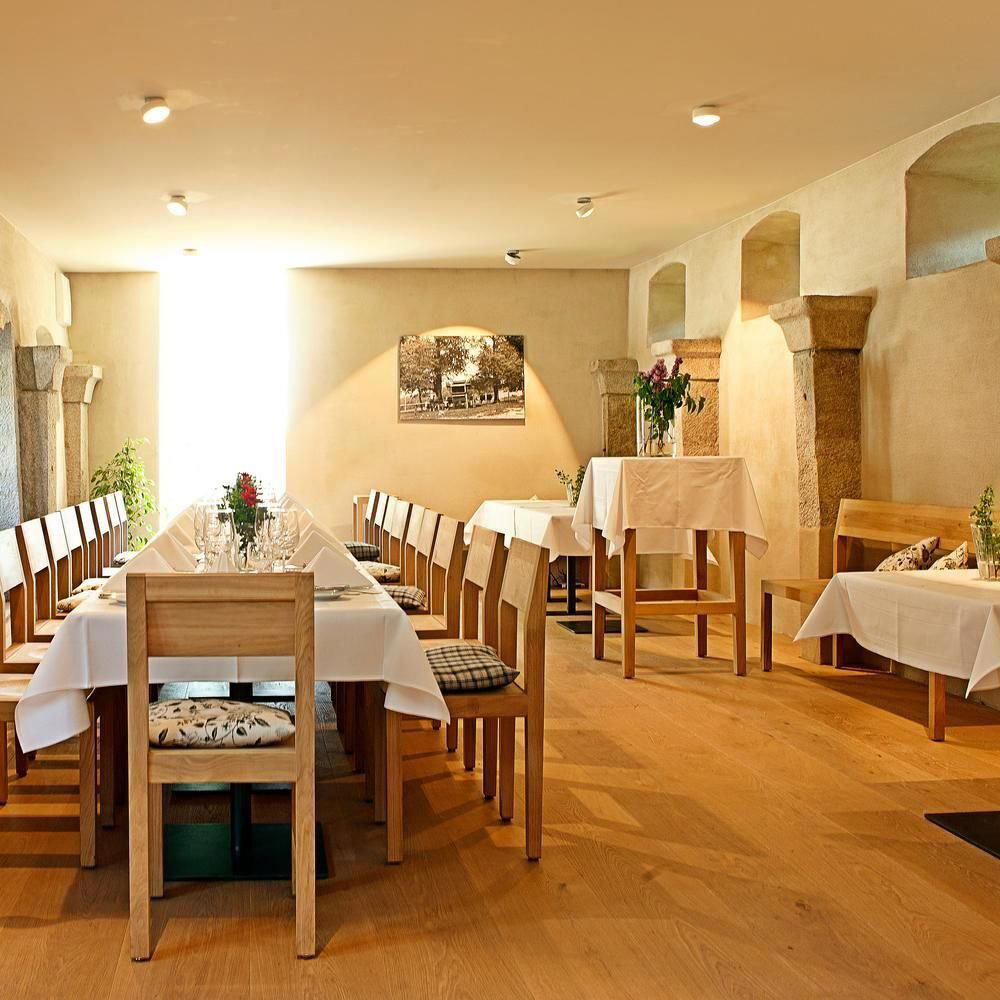
Where Bavarian Country Cooking Earns Its Credentials
The road into Hauzenberg, a small town in the Bavarian Forest near the Austrian border, passes through a range of dense conifers, sloping meadows, and farmsteads that have been feeding this corner of Lower Bavaria for generations. That agricultural backdrop is not incidental to what happens at Landgasthaus Gidibauer-Hof, it is the context that makes the cooking at this address on Grub 7 legible. Country inns of this type occupy a specific and increasingly valued tier in Germany's dining culture: they are not destination restaurants in the metropolitan sense, but they are precisely the venues Michelin's Bib Gourmand programme was designed to recognise, rewarding kitchens where the ratio of quality to price tips decisively in the diner's favour.
The Bib Gourmand Tier and What It Signals
Michelin awarded Gidibauer-Hof the Bib Gourmand in both 2024 and 2025. In Germany, the Bib Gourmand sits below the star tier but above ordinary recommendation, and it carries a specific brief: good cooking at a price point that does not require a special-occasion budget. At the two euro-sign price range, Gidibauer-Hof operates at the accessible end of that bracket. The comparison set here is not Schwarzwaldstube in Baiersbronn or Aqua in Wolfsburg, which occupy the four-euro-sign tier of German fine dining, nor Vendôme in Bergisch Gladbach or CODA Dessert Dining in Berlin. Gidibauer-Hof belongs to a different and more socially embedded tradition: the Landgasthaus, the country inn that feeds locals, farmers, and travellers from the same kitchen without adjusting ambition based on the table's postcode.
That tradition has its own rigour. The Landgasthaus format has historically been the repository of genuinely regional cooking in Germany, surviving in rural areas long after urban restaurants abandoned regional specificity for pan-European menus. The Bavarian Forest version of this cooking draws on proximity: game from surrounding woodland, pork and dairy from local farms, root vegetables and preserved produce that reflect the short growing season at altitude. A kitchen working within that constraint is not making a stylistic choice so much as responding to geography.
Ingredient Sourcing as the Central Argument
The editorial angle that matters most here is provenance. Country cooking in the Bavarian Forest is defined less by technique, though technique matters, and more by the proximity of raw material to plate. The Gidibauer-Hof sits in a rural hamlet where that proximity is structural rather than aspirational. Sourcing locally is not a marketing position in this context; it is the practical reality of a kitchen that operates in a region where the supply chain is short by necessity and by tradition.
Chef Shamim Popal leads the kitchen, a name that signals something worth noting about the contemporary German country inn: like several of Germany's most interesting rural kitchens, Gidibauer-Hof carries a cultural layer that complicates any easy assumption about what Bavarian country cooking looks like in 2025. The Bib Gourmand inspectors assess the cooking on the plate, not the biography behind it, and the recognition suggests the kitchen has found an approach that satisfies both the regional brief and Michelin's quality threshold. For a comparable example of how country-cooking formats are earning serious recognition elsewhere in Europe, 21.9, Country cooking in Piobesi d'Alba and Andrea Monesi - Locanda di Orta, Country cooking in Orta San Giulio offer instructive parallels in the Italian context.
Hauzenberg's Dining Context
Hauzenberg does not have a deep restaurant culture in the way that Munich or Nuremberg does, which makes the concentration of quality in its smaller venues more striking. Anetseder represents another point on that map, and together these addresses suggest that the town is generating more culinary interest than its size would predict.
The Bavarian Forest sits within a triangle formed by Passau, Freilassing, and the Czech border, an area that sees serious tourism in summer and winter but rarely for its restaurants. That dual identity is common among Bib Gourmand venues in rural Germany, and it is part of what the award is designed to celebrate. For contrast, JAN in Munich and ES:SENZ in Grassau demonstrate what the destination-restaurant model looks like in the broader Bavarian region, while Gidibauer-Hof operates on an entirely different axis. Further afield in Germany, Restaurant Haerlin in Hamburg, Schanz in Piesport, Waldhotel Sonnora in Dreis, and Victor's Fine Dining by christian bau in Perl map out the starred tier of German regional cooking, a tier that Gidibauer-Hof does not compete with but rather sits alongside as a different kind of answer to the same question about what serious cooking outside a major city looks like.
Planning Your Visit
The address is Grub 7, 94051 Hauzenberg, in the rural outskirts of the town rather than the centre. Reservations are recommended. The price range at the single-euro-sign level means a full meal remains among the more accessible options in the Michelin-recognised tier anywhere in Bavaria.
A Note on the Landgasthaus Format
Visitors arriving with metropolitan fine-dining expectations will find something different here. The Landgasthaus format prioritises accessibility, familiarity, and a certain directness in service and setting that star-chasing tasting menus deliberately move away from. Michelin's Bib Gourmand recognises precisely this quality, and two consecutive years of that recognition at Gidibauer-Hof confirms that the kitchen is delivering on the format's terms, not despite them.
Price Lens
Comparable venues nearby, for context on price, style, and recognition.
| Venue | Cuisine | Price | Awards | Notes |
|---|---|---|---|---|
| Landgasthaus Gidibauer-HofThis venue — the venue you are viewing | Country cooking | $$ | Bib Gourmand | Not listed |
| Anetseder | Haag, Modern German Country Cooking | $$ | Bib Gourmand | Not listed |
| MundArt2015 | Not listed | $$ | Bib Gourmand | Teisendorf, Seasonal Bavarian Country Cooking |
| Forst's Landhaus | Not listed | $$ | Bib Gourmand | Riedenburg, Seasonal Bavarian Regional Cuisine |
| Gasthof Alpenrose | Samerberg, Seasonal Bavarian | $$ | Bib Gourmand | Not listed |
| Zum Fischer am See | Not listed | $$ | Bib Gourmand | Prien am Chiemsee, Traditional Bavarian Seafood |
Recognition history
Dated appearances from independent guides and award organizations, with the underlying list record or original source where available.
Michelin Bib Gourmand
Michelin
Michelin Bib Gourmand
Michelin
Michelin Bib Gourmand
Michelin
Continue exploring
More in Hauzenberg
Restaurants in Hauzenberg
Browse all →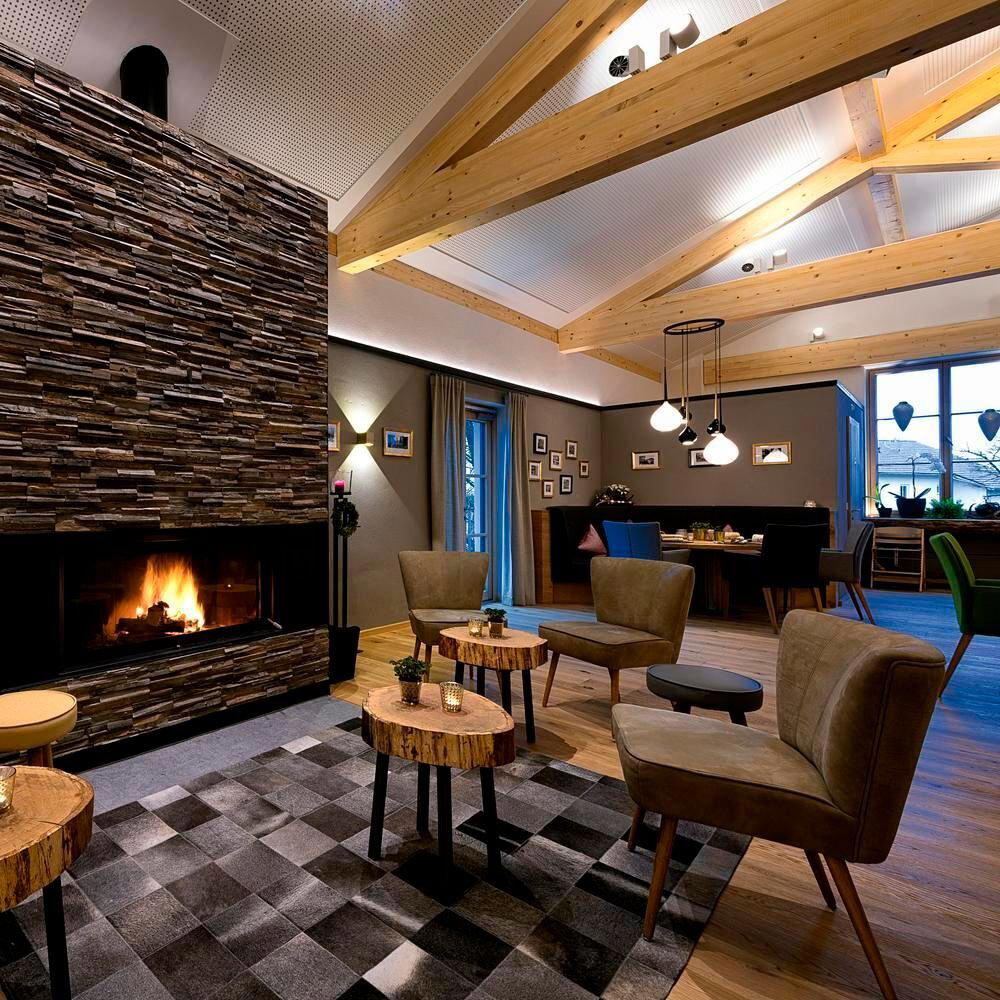
Bars in Hauzenberg
Browse all →
At a Glance
- Rustic
- Cozy
- Romantic
- Classic
- Date Night
- Family
- Celebration
- Special Occasion
- Group Dining
- Courtyard
- Garden
- Historic Building
- Private Dining
- Terrace
- Beer Program
- Farm To Table
- Local Sourcing
- Organic
- Garden
- Mountain
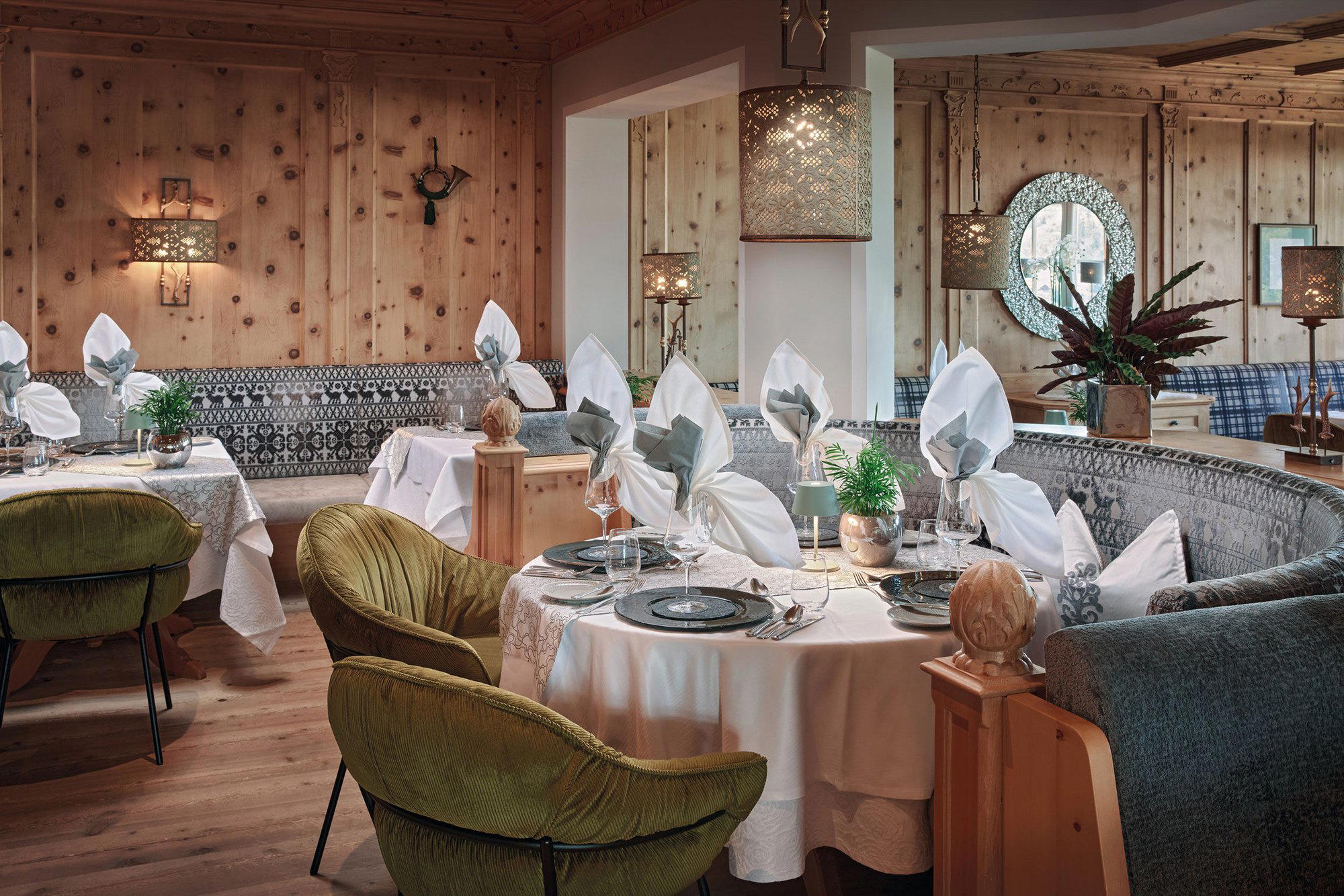
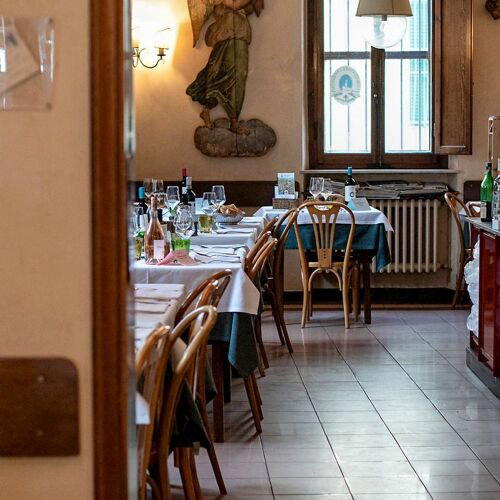
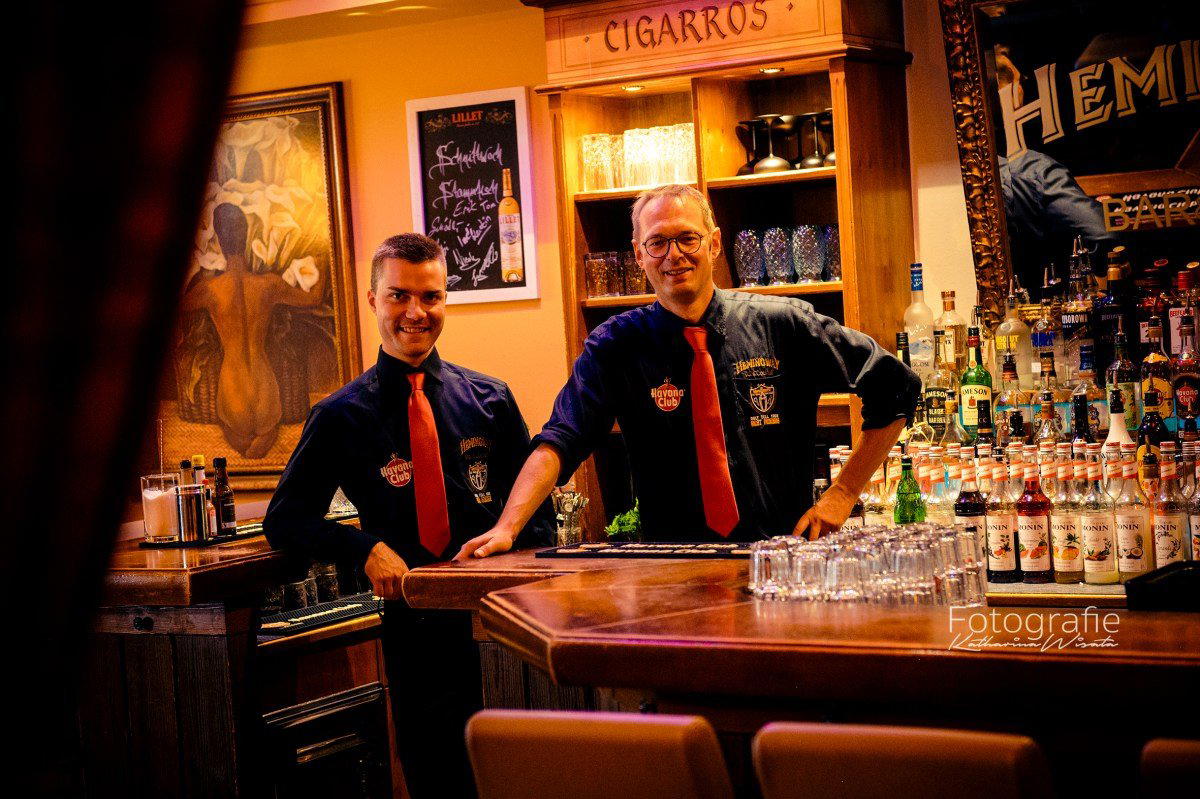
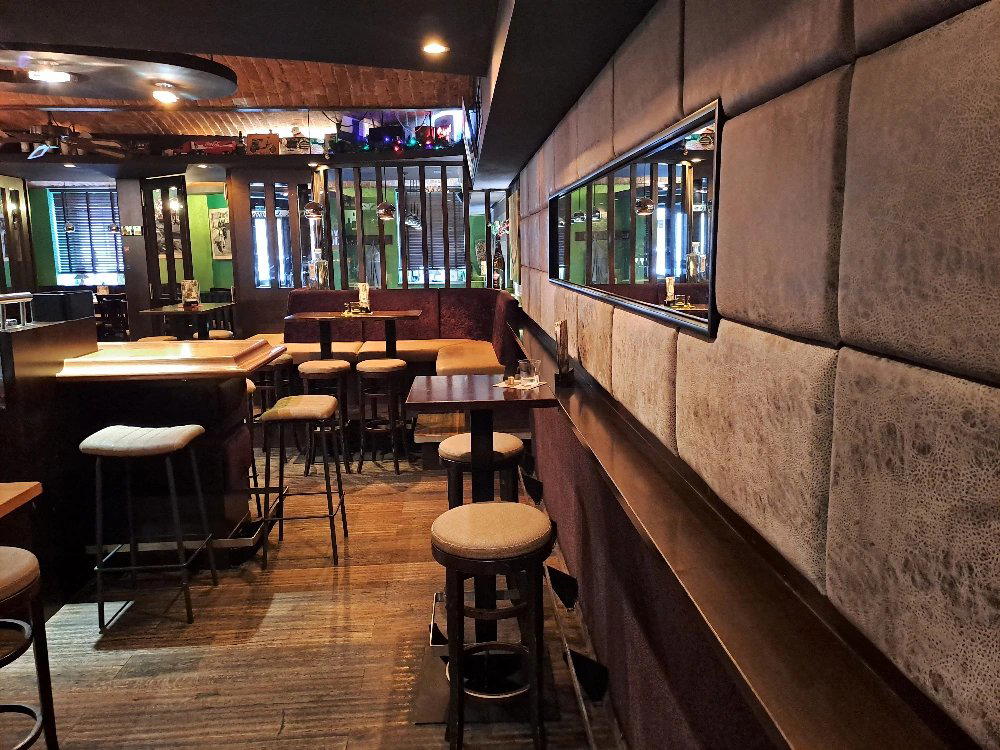
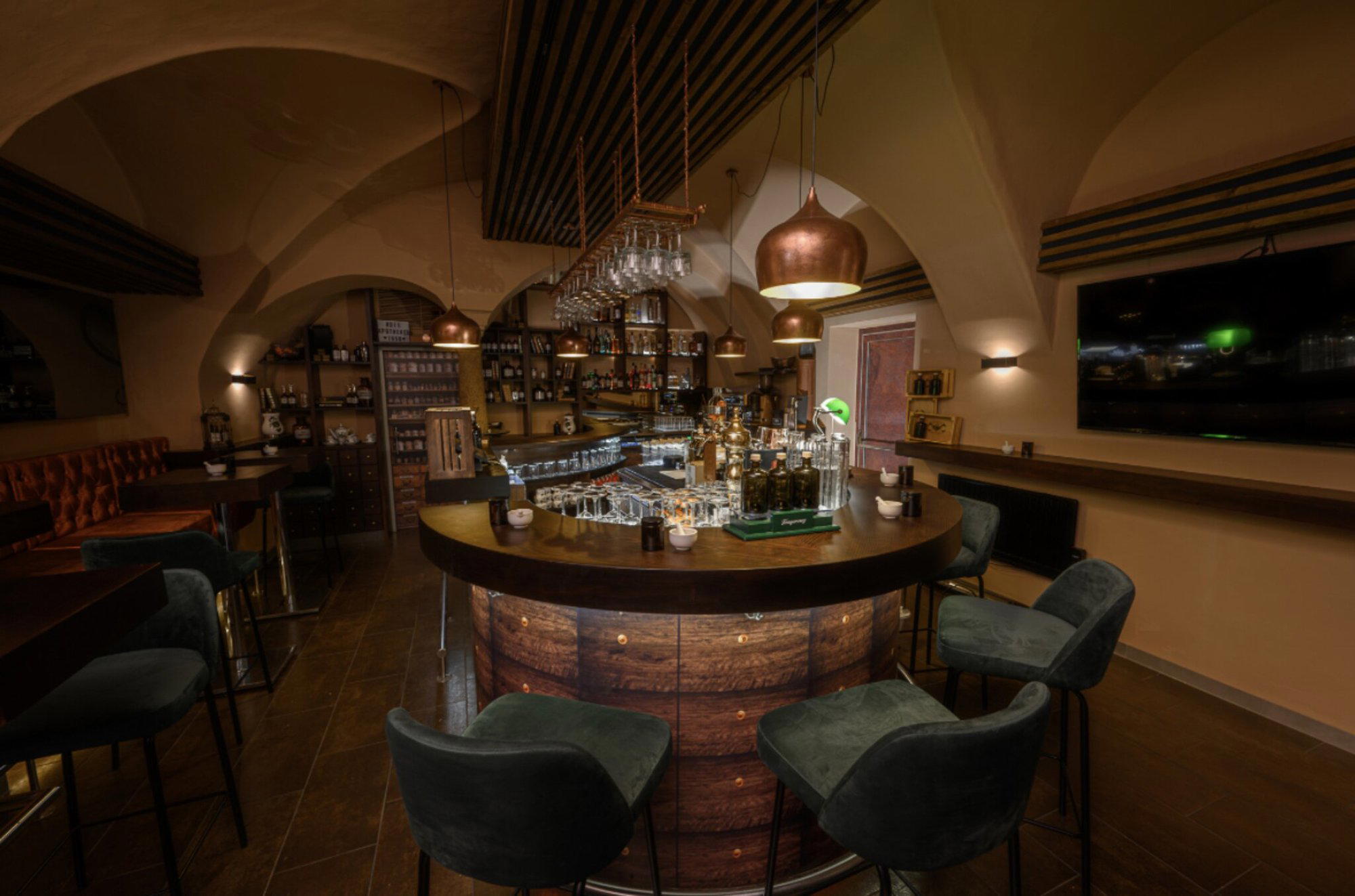
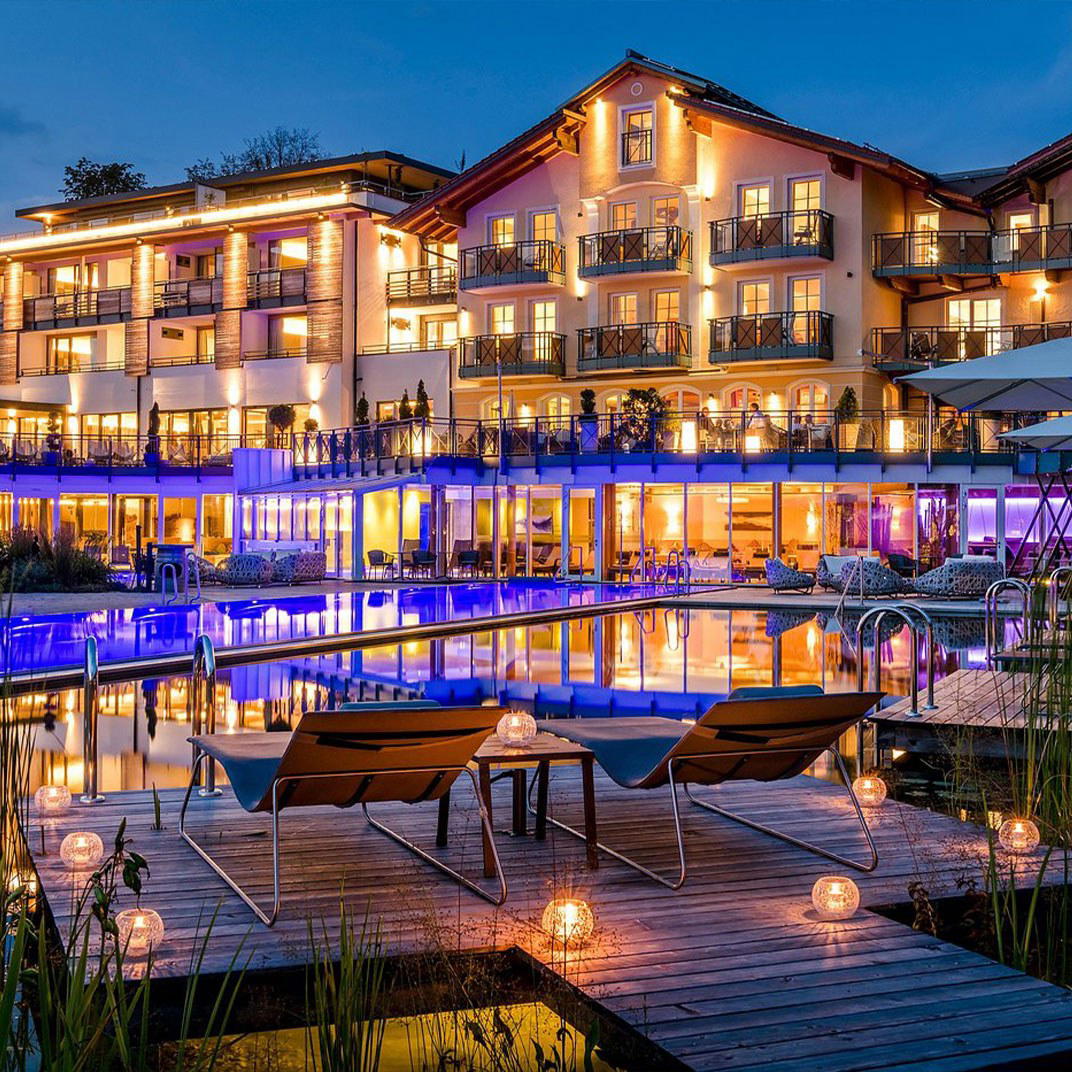
Warm, rustic, and gemütlich (cozy) atmosphere in a restored historic farmhouse with natural wood furnishings, friendly lighting, and a charming green courtyard with terrace; intimate yet welcoming family-run setting.