A traditional Gasthaus in the Vorarlberg market town of Nenzing, Gasthaus Rössle represents the kind of unhurried, community-rooted dining that defines Austrian alpine hospitality at its most grounded. The format here follows the rhythms of a working inn rather than a destination restaurant, where the meal is incidental to the gathering and the gathering is the point. Visitors to the Walgau valley will find it a reliable local anchor.
Pearl is the En Primeur Club membership app — saves, bookings, and concierge access live there. Same editors, same standards.
- Address
- Andreas-Gaßner-Straße 1, 6710 Nenzing, Austria
- Phone
- +43552520852
- Website
- gasthaus-roessle.at
- Directions
- Get directions
 Saves & bookings on Pearl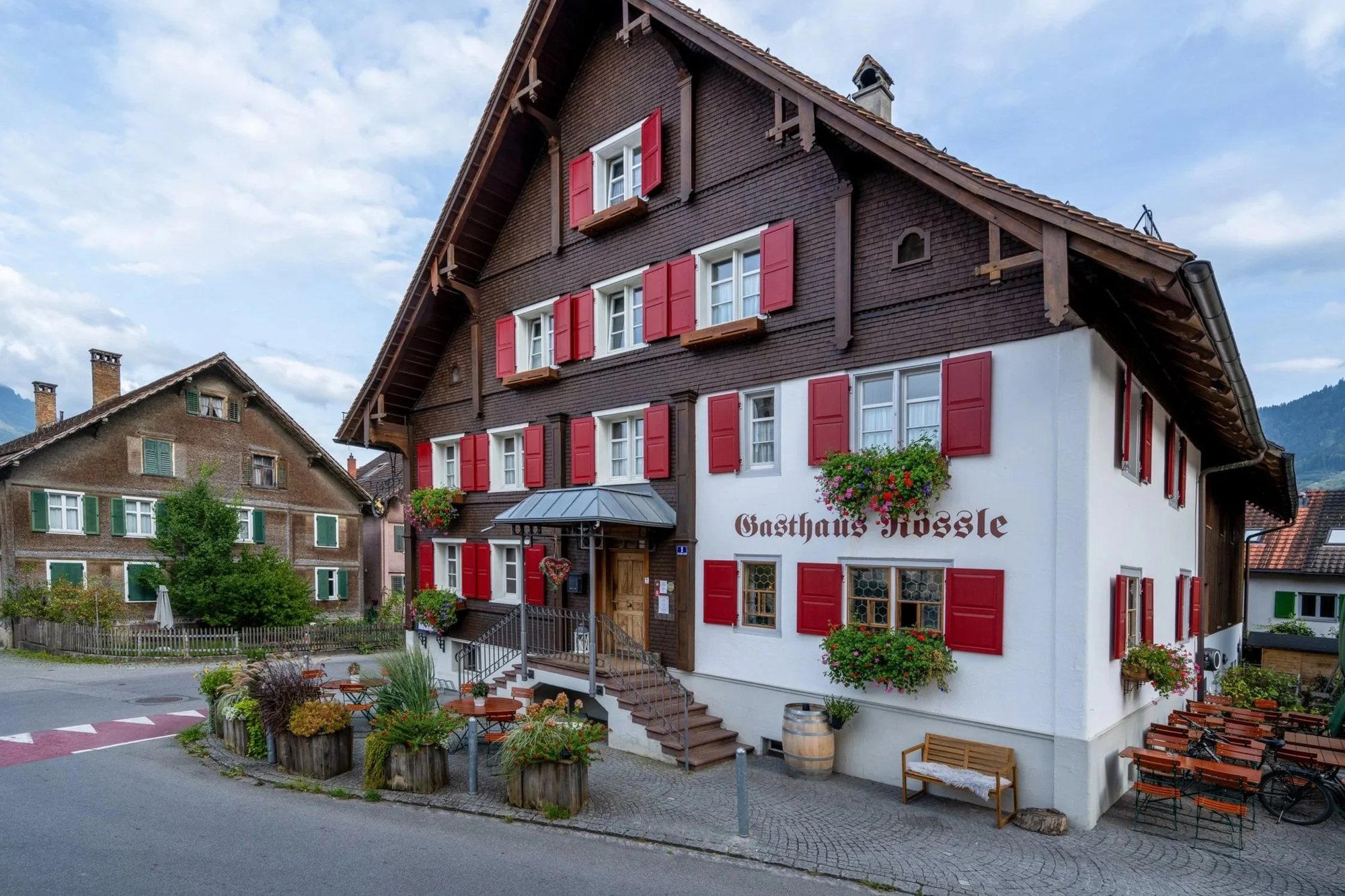
Dining at the Pace of the Valley
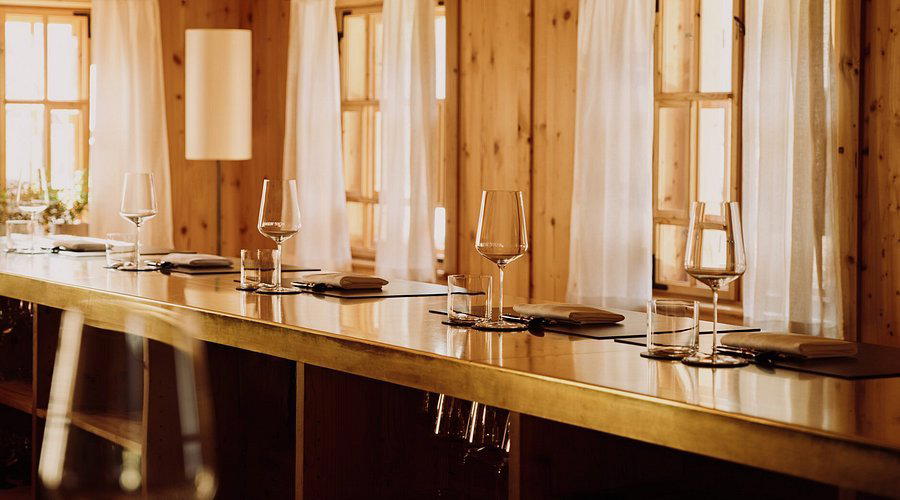
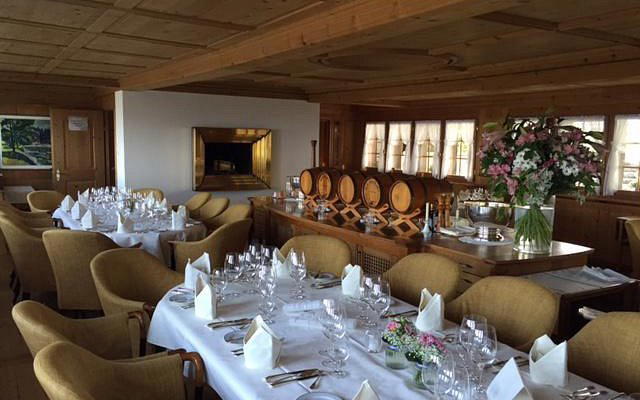
Gasthaus Rössle is a restaurant in Nenzing, Austria, at Andreas-Gaßner-Straße 1, serving modern Austrian food in a relaxed Gasthaus setting. The room arrives before the food does: worn wooden furniture, low ceilings shaped by decades of use, the low murmur of conversations that have been happening in some form at this table, or one like it, for generations. Gasthaus Rössle on Andreas-Gaßner-Straße sits inside that tradition, occupying a position in Nenzing that is less about culinary destination and more about the quiet persistence of a dining ritual that the alpine west of Austria has maintained long after it disappeared elsewhere.
Nenzing itself is a compact market town in the Walgau, the broad valley that runs between Feldkirch and Bludenz in Vorarlberg province. It is not a resort town in the way that nearby Lech or Ischgl are, which means its hospitality infrastructure serves residents and passing travelers rather than seasonal tourism at scale. That distinction matters for understanding what a Gasthaus here is and what it is not. You are not walking into a stage-set version of Austrian tradition assembled for an international audience. The rituals of the meal, the pacing, the expectation of shared tables and unhurried service, these are functional rather than performative.
The Gasthaus Ritual in Western Austria
Austria's dining culture splits fairly cleanly between two modes. At one end are ambitious Austrian dining rooms such as Steirereck im Stadtpark in Vienna, Döllerer in Golling an der Salzach, and Landhaus Bacher in Mautern an der Donau. At the other, the Gasthaus format keeps the focus on everyday hospitality rather than culinary statement.
In Vorarlberg specifically, the Gasthaus tradition carries a regional accent shaped by proximity to Switzerland and southern Germany. Portions tend toward the generous side of central European convention. The kitchen calendar tracks what is available locally rather than what can be flown in. Slow-cooked meats, potato-based sides, and seasonal vegetable preparations appear not as a curated philosophy but as the direct output of kitchens working within what the region produces. This is food that serves a function inside a longer afternoon or evening, where the meal is one chapter of a social occasion rather than the occasion itself.
That approach to pacing is something Gasthaus dining shares across Austria's western provinces, from the Bregenzerwald to the upper Inn valley. Places like Schwarzer Adler in Hall in Tirol occupy a middle tier that bridges Gasthaus comfort with more deliberate kitchen ambition, and Gourmetrestaurant Tannenhof in Sankt Anton am Arlberg and Griggeler Stuba in Lech represent the fully destination-oriented end of western Austrian dining. Gasthaus Rössle sits at the opposite end of that spectrum, by choice rather than by circumstance.
What the Room Asks of You
The editorial angle worth dwelling on here is not what the restaurant produces in the kitchen but what it asks of the diner. The customs of a working Gasthaus meal are specific and worth understanding before you arrive. Tables are not turned on a schedule. Ordering happens at your own pace, and extending a meal over two hours with no particular agenda is not unusual and not frowned upon. In smaller Gasthaus rooms, sharing a table with strangers is occasionally necessary during busier service, particularly at lunch when local workers join tourists passing through the Walgau.
This is a format that rewards patience and a relaxed pace. It separates Gasthaus culture from the tasting-menu economy that has come to dominate premium Austrian dining, visible in houses like Obauer in Werfen or Stüva in Ischgl, where the pacing is controlled entirely by the kitchen.
Nenzing and the Walgau Context
Understanding the Walgau helps calibrate expectations for what Nenzing's dining scene offers. The valley sits between Feldkirch to the west and the Arlberg mountains to the east, making it a transitional zone rather than a destination in itself. Most visitors pass through on the way to skiing areas or heading toward Bregenz and Lake Constance. That transit character means local restaurants serve a mixed audience: residents eating dinner on a Tuesday, families stopping for lunch mid-drive, and the occasional traveler who has chosen Nenzing as a base for exploring Vorarlberg.
For those using the town as a base, Das Himmelwärts and Garfrenga 1 round out the local options, and the town's dining character across formats and price points. The restaurant occupies one traditional position within that local set.
Vorarlberg's dining scene more broadly is shaped by a quieter regional tradition. Programs like Kräuterreich by Vitus Winkler in Sankt Veit im Pongau and Taubenkobel in Schützen am Gebirge represent the kind of ambitious regional cooking that draws national and international attention. Western Austria's contribution to that conversation is quieter, expressed more through the sustained practice of traditional formats than through award-seeking experimentation.
Planning a Visit
Nenzing is accessible by rail on the Arlberg line, with the station sitting within walking distance of the town center and Andreas-Gaßner-Straße. Driving from Feldkirch takes under twenty minutes; from Bludenz, slightly less. Reservations are recommended, especially for larger parties.
Pricing is in the mid-range for the area. The comparison is not with Restaurant 141 by Joachim Jaud in Mieming or international references like Le Bernardin in New York City or Lazy Bear in San Francisco, but with a meal for one averages about $30 per person. Similarly, Ikarus in Salzburg and Ois in Neufelden represent different value propositions, both in format and in what they ask of the diner's attention.
Cuisine Lens
Comparable venues nearby, for context on price, style, and recognition.
| Venue | Cuisine | Price | Notes |
|---|---|---|---|
| Gasthaus RössleThis venue — the venue you are viewing | Modern Austrian | $$$ | Not listed |
| Das Himmelwärts | Modern Vorarlberg Steak & Fish | $$$ | Nenzing |
| Garfrenga 1 | Traditional Austrian Regional | $$ | Nenzing |
| Sonne Mellau | Creative Vorarlberg and International Cuisine | $$$ | Mellau |
| Alpenrose | Regional Austrian Alpine Cuisine | $$$ | Schruns |
| Vitalquelle Montafon | Modern Austrian with International Influences | $$$ | Schruns |
Continue exploring
More in Nenzing
Restaurants in Nenzing
Browse all →
Bars in Nenzing
Browse all →

Hotels in Nenzing
Browse all →


At a Glance
- Rustic
- Cozy
- Classic
- Family
- Group Dining
- Special Occasion
- Historic Building
- Extensive Wine List
- Local Sourcing
rustic parlors blending traditional charm with modern comfort, creating a cozy and rich atmosphere.