Gardens of Salonica
Gardens of Salonica has anchored the Northeast Minneapolis dining scene for decades, serving Greek-Mediterranean cooking in a setting that trades on warmth and familiarity rather than spectacle. Located on 5th Street NE in a neighbourhood with deep Eastern European roots, it draws regulars who return for the consistency of its kitchen and the particular atmosphere of a room that never seems to be performing for anyone.
Pearl is the En Primeur Club membership app — saves, bookings, and concierge access live there. Same editors, same standards.
- Address
- 19 5th St NE, Minneapolis, MN 55413
- Phone
- +16123780611
- Website
- gosalonica.com
- Directions
- Get directions
 Saves & bookings on Pearl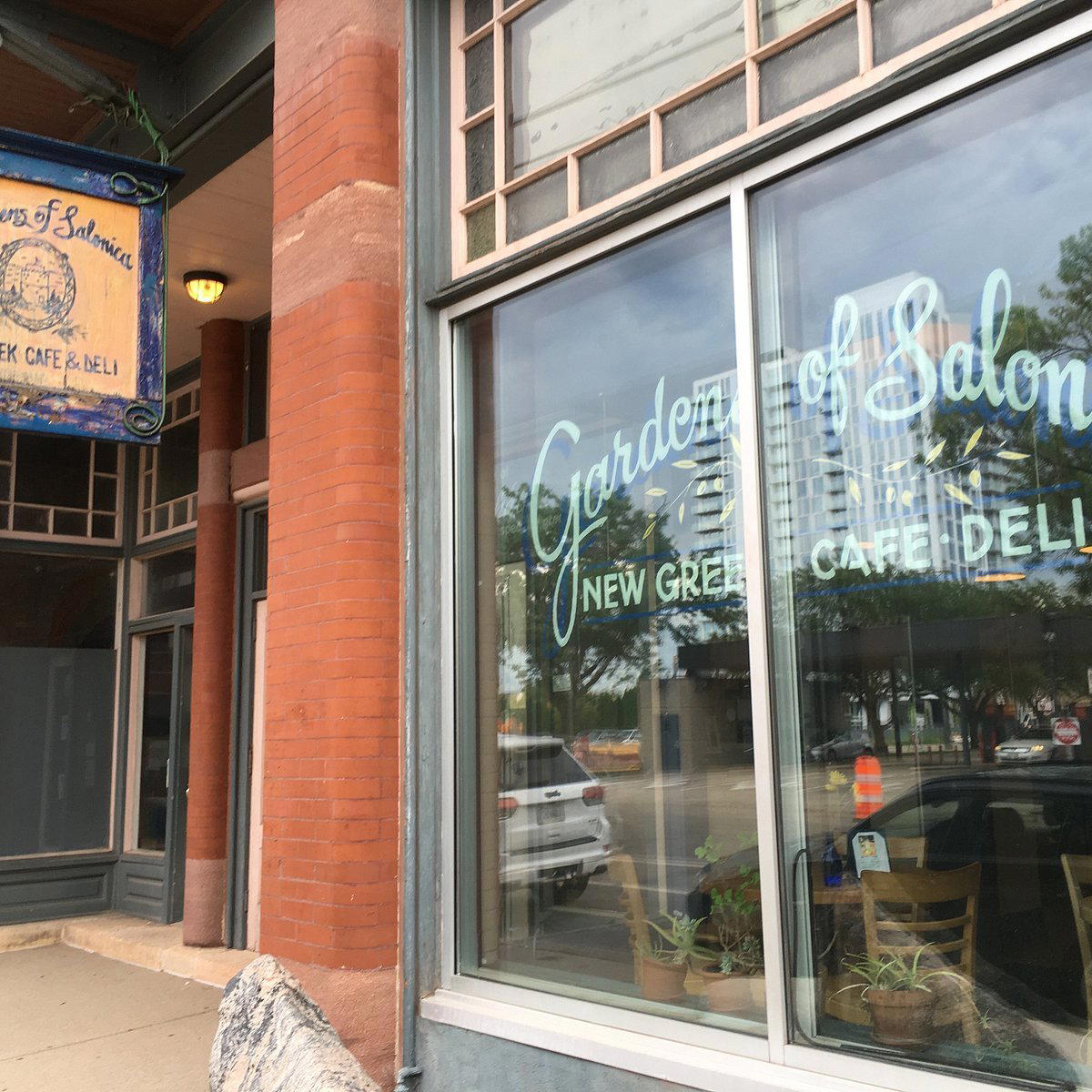
Northeast Minneapolis and the Tradition It Carries
Northeast Minneapolis has always operated on a different frequency from the city's downtown dining corridor. The neighbourhood's identity was shaped by waves of Eastern and Southern European immigration, and that layering is still legible in its streets, its church domes, and, in several cases, its restaurants. Greek-Mediterranean cooking arrived here not as a trend but as a community practice, and Gardens of Salonica, at 19 5th Street NE, belongs to that lineage. It is not a restaurant designed to signal ambition. It is a room that has learned, over time, what it is supposed to be, and has largely stayed there.
That kind of institutional confidence is rarer than it sounds. In a city where the dining conversation increasingly turns toward newer arrivals, Owamni redefining Indigenous cuisine on the riverfront, Spoon and Stable anchoring the Warehouse District with New American precision, a restaurant that holds its ground on Greek-Mediterranean cooking earns a different kind of attention. It is the attention of context rather than novelty.
The Room Before the Food
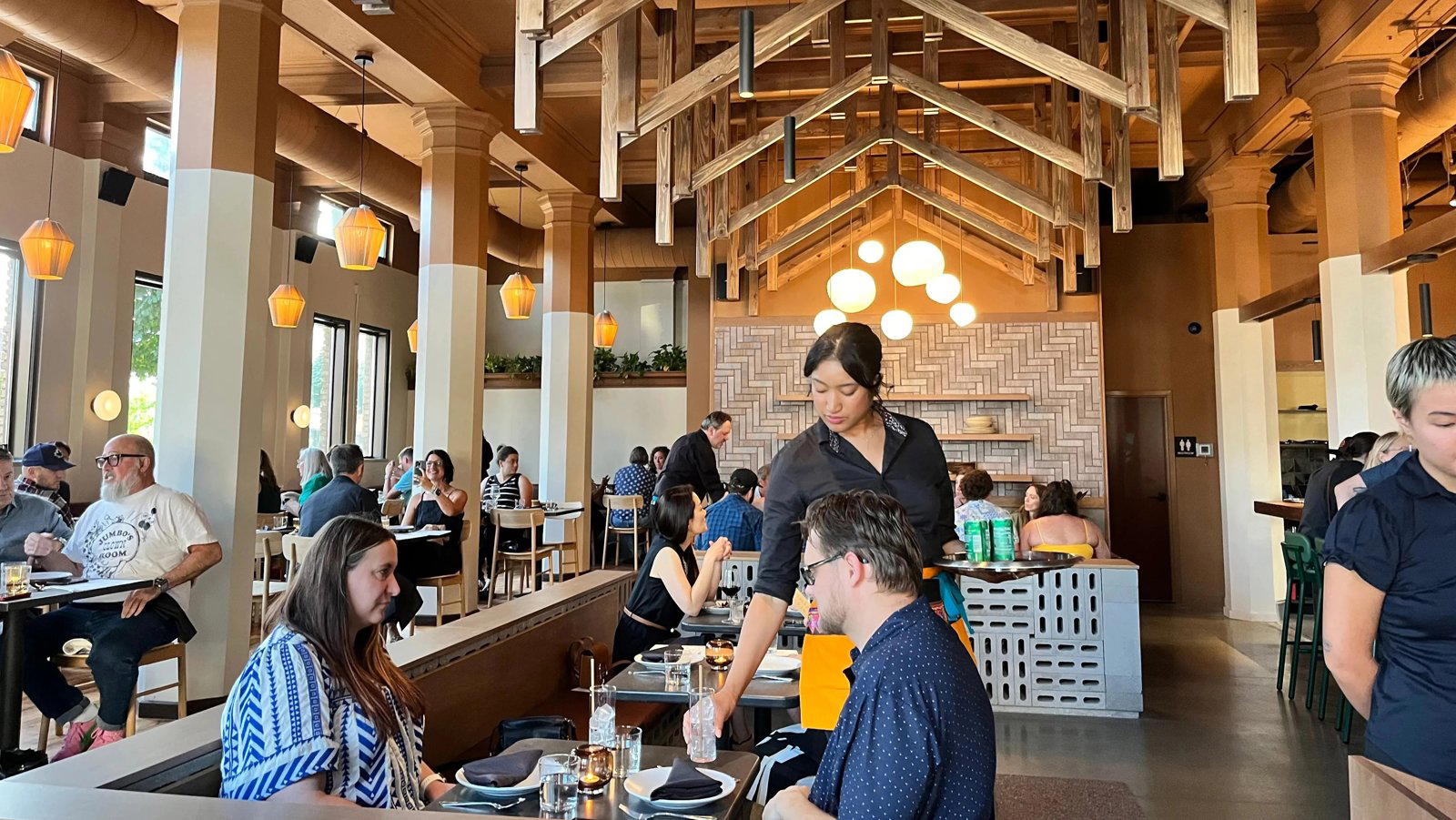
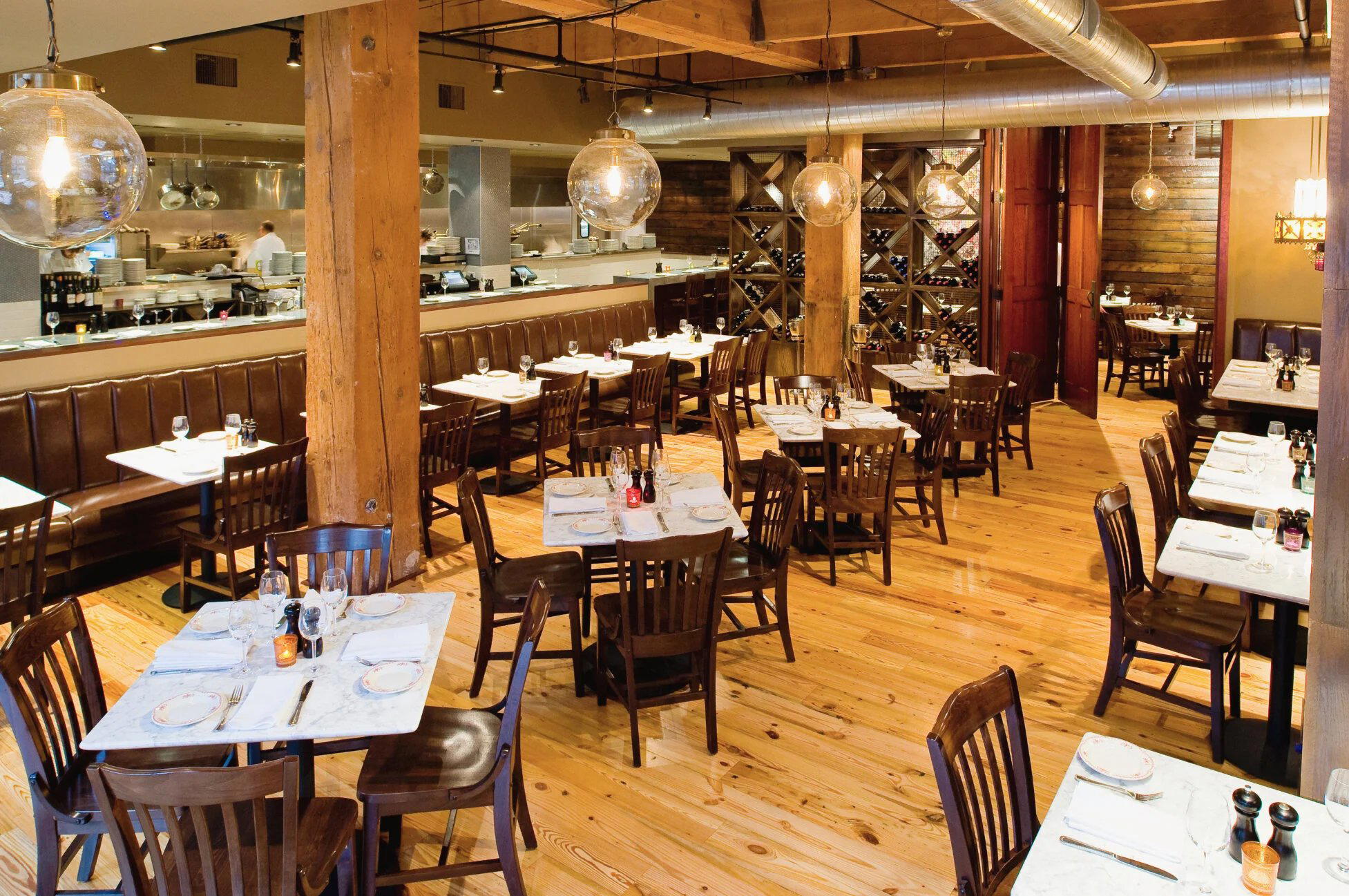
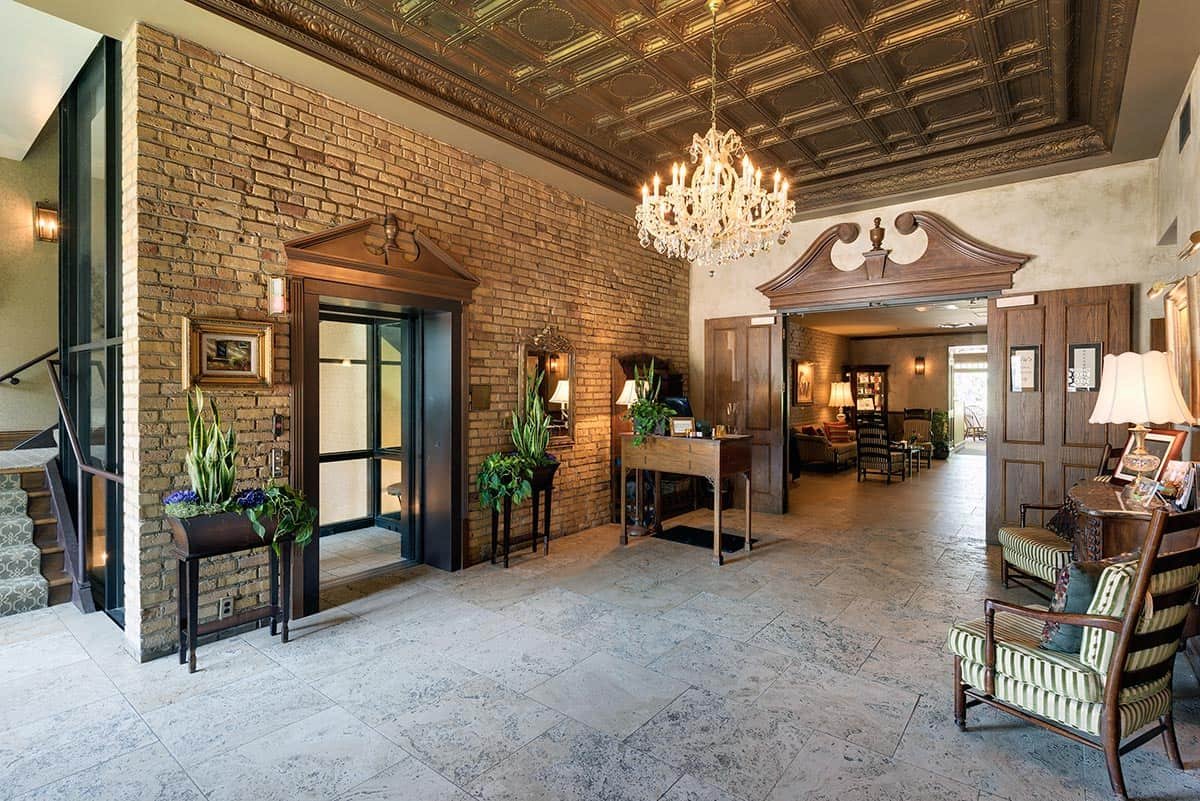
The sensory experience at Gardens of Salonica begins before a dish arrives. The dining room draws on the visual and textural vocabulary of a Greek taverna translated into a Midwestern townhouse: whitewashed walls, warm amber lighting, and the accumulated weight of a space that has served generations of the same families. The proportions are intimate rather than cavernous, which changes the acoustic register entirely. Conversations at other tables do not compete; they contribute to a low hum that functions more like background warmth than intrusion.
Approaching from 5th Street NE, the building itself reads as part of a streetscape that resists the kind of glass-and-steel redevelopment that has altered other Minneapolis corridors. That restraint is not accidental. Northeast Minneapolis has a preservation instinct, partly aesthetic, partly economic, that has protected a certain character along its residential-commercial seams. Gardens of Salonica sits inside that character rather than against it.
The smell that greets a guest is one direct signal of what kind of kitchen this is: olive oil, dried herbs, and something slow-cooked. These are not elaborate aromatic constructs. They are the product of a kitchen working within a defined tradition rather than reaching outside it. Greek-Mediterranean cooking at its most grounded relies on quality of ingredient and patience of method rather than technical complexity, and the olfactory atmosphere of this room reflects that approach.
What the Kitchen Prioritises
Greek cuisine in the United States occupies an awkward middle ground. At the casual end, it collapses into gyro counters and iceberg salads with canned olives. At the ambitious end, it has occasionally been stretched into modernist formats that bear little relationship to the Aegean. The more interesting position, the one the restaurant appears to occupy, is the register of traditional taverna cooking executed with genuine care: whole fish, braised lamb, pastries built on phyllo and honey, and the kind of meze that functions as a full argument for a cuisine rather than a preamble to one.
This places it in a specific and underserved niche within Minneapolis dining. The city's Greek-Mediterranean options are thinner than its broader international restaurant offer, and a venue that has held this position across multiple decades carries a kind of authority that newer entrants to the category cannot replicate through ambition alone. For a sense of what that authority looks like at national scale in different cuisines, the comparison set runs from Smyth in Chicago to Blue Hill at Stone Barns in Tarrytown, venues where longevity and clarity of purpose are themselves a credential. The restaurant operates at a different price point and scale, but the principle is the same: knowing what you are and doing it consistently is a competitive position.
Northeast in the Broader Minneapolis Picture
Minneapolis's dining reputation has sharpened considerably over the past decade. The city now generates meaningful national attention, Hai Hai, the James Beard-nominated Northeast spot, put Southeast Asian cooking on the map in a neighbourhood context; 112 Eatery demonstrated that Italian-inflected cooking could anchor a serious late-night program. The broader landscape includes everything from steakhouses that compete on grade and dry-aging to rotisserie formats and Neapolitan pizza that treat the wood-fired oven as a discipline. Against that range, the restaurant represents the category of restaurant that cities need but rarely celebrate: the reliable, neighbourhood-specific institution.
For visitors approaching Minneapolis with a full restaurant itinerary, having already registered the national names like Le Bernardin, The French Laundry, or Atomix as reference points for what fine dining looks like at its most formal, the restaurant offers something structurally different. It is not competing in that register. It competes in the register of place-specific, cuisine-specific cooking that a neighbourhood has endorsed over time. That is a harder endorsement to manufacture and, for some diners, a more meaningful one.
The Question of Value
Greek-Mediterranean cooking, when executed with quality olive oil, fresh seafood, and properly sourced lamb, is not inherently inexpensive to produce. The perception that it should be cheap is a legacy of the casual-dining end of the category rather than a reflection of its raw material costs. A restaurant holding this position in Northeast Minneapolis, in a building with character and a room that operates at human scale, is not a discount proposition, nor should it be treated as one.
The more relevant question for a prospective diner is not whether the prices are low, but whether the cooking justifies the position the restaurant has established for itself over its years in operation.
Know Before You Go
| Address | 19 5th St NE, Minneapolis, MN 55413 |
|---|---|
| Neighbourhood | Northeast Minneapolis |
| Cuisine | Greek-Mediterranean |
| Reservations | Recommended, particularly for weekends |
| Pricing | Mid-range for the category; verify current pricing directly with the venue |
| Hours |
- Lamb Shank
- Saganaki
- Pastitsio
- Moussaka
- Tiropita
- Gyros
Cuisine-First Comparison
Comparable venues nearby, for context on price, style, and recognition.
| Venue | Cuisine | Price | Notes |
|---|---|---|---|
| Gardens of SalonicaThis venue — the venue you are viewing | Traditional & Modern Greek with Local Ingredients | $$ | Not listed |
| Eli's Food & Cocktails | American Pub Fare | $$ | Loring Park |
| The Freehouse | American Gastropub | $$ | North Loop |
| 5-8 Club | Classic American Burgers | $$ | Diamond Lake |
| Lakeview Kitchen + Bar | American Gastropub | $$ | Bde Maka Ska |
| The Monte Carlo | Classic American Gastropub | $$ | North Loop |
Continue exploring
More in Minneapolis
Restaurants in Minneapolis
Browse all →
Bars in Minneapolis
Browse all →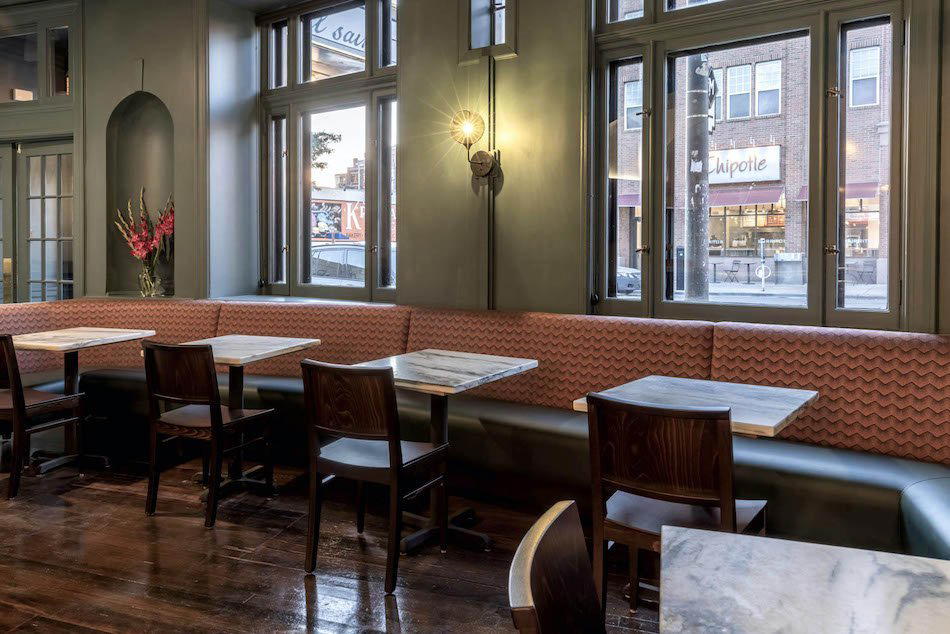






At a Glance
- Cozy
- Classic
- Intimate
- Date Night
- Group Dining
- Casual Hangout
- Special Occasion
- Standalone
- Beer Program
- Farm To Table
- Organic
- Local Sourcing
Current opening hours
- Monday
- Closed
- Tuesday
- Closed
- Wednesday
- 1–8 PM
- Thursday
- 12–8:30 PM
- Friday
- 12–8:30 PM
- Saturday
- 12–8:30 PM
- Sunday
- 1–8 PM
Hours can change for holidays and private events. Last verified .
Small, unassuming neighborhood spot with a faded sign, relaxed and welcoming atmosphere that transports diners to Greece; intimate seating with limited capacity creates a cozy, personal dining experience.