Gallo Santo Gracia sits on Carrer del Torrent de l'Olla in Barcelona's Gràcia district, a neighbourhood where independently run kitchens have long resisted the pressures of tourist-facing formats. The address places it inside one of the city's most consequential dining clusters for sustainability-minded, produce-driven cooking. Visitors should verify current hours and booking terms directly before visiting, as operational details are subject to change.
Pearl is the En Primeur Club membership app — saves, bookings, and concierge access live there. Same editors, same standards.
- Address
- Carrer del Torrent de l'Olla, 64, Gràcia, 08012 Barcelona, Spain
- Phone
- +34930276746
- Website
- gallosanto.es
- Directions
- Get directions
 Saves & bookings on Pearl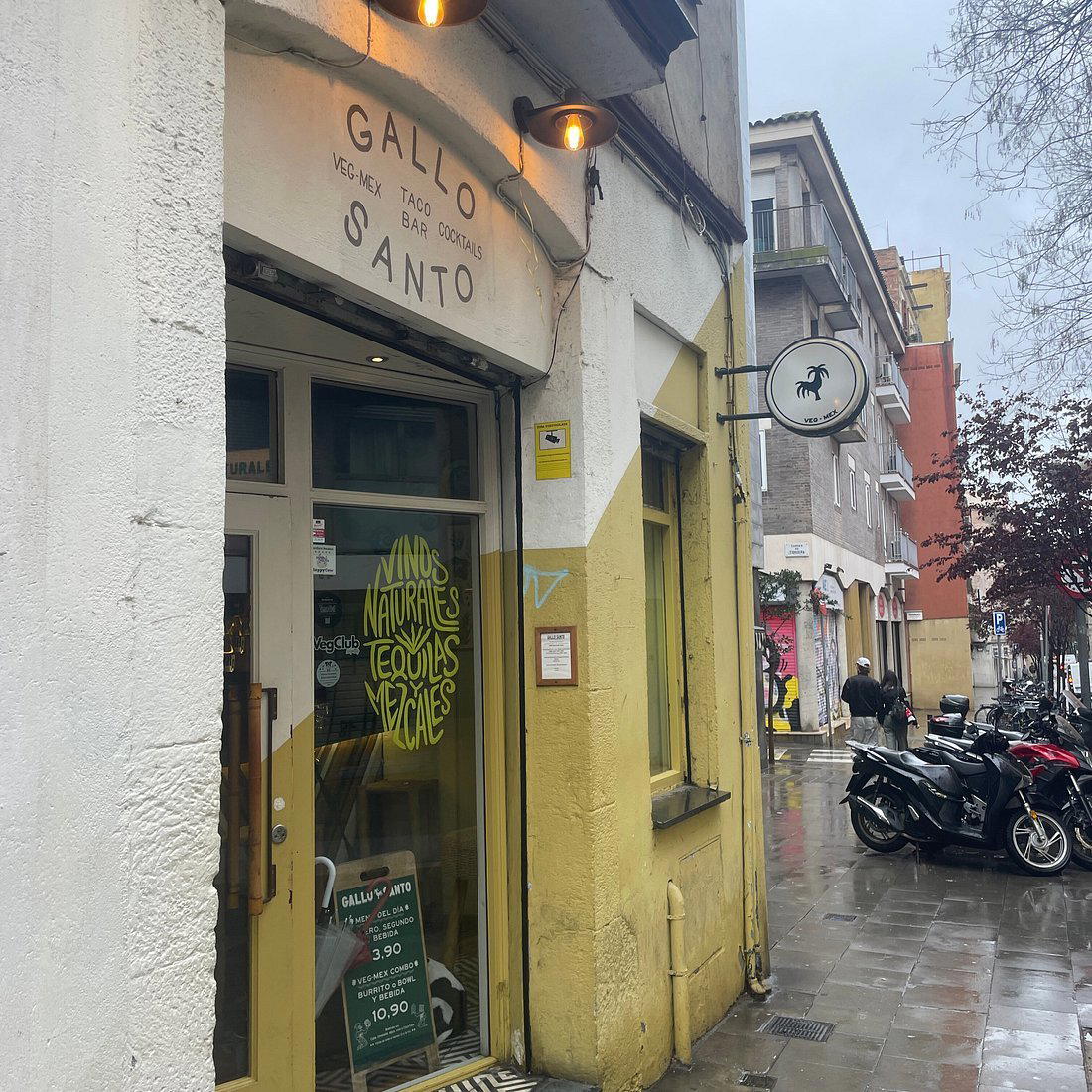
Gràcia's Dining Character and Where Gallo Santo Fits
Barcelona's Gràcia district has developed a distinct culinary identity over the past decade, one that diverges sharply from the high-volume waterfront and the Eixample's trophy-restaurant corridor. The neighbourhood runs on smaller operators: kitchens where the menu changes with what arrived that morning, where the wine list skews toward natural and low-intervention producers, and where the economics of the room depend on repeat local trade rather than first-time visitors chasing a reservation. Carrer del Torrent de l'Olla sits inside this ecosystem, a street that threads through the district's residential core and concentrates several of the area's more serious independent addresses. Gallo Santo Gracia occupies that context. Understanding the neighbourhood helps place the restaurant, a vegan Mexican spot in Barcelona's Gràcia district.
This matters because Gràcia operates differently from the districts where Barcelona's most decorated kitchens are concentrated. Venues like Disfrutar, Cocina Hermanos Torres, and Lasarte operate in a register defined by formal tasting menus, advance booking windows measured in weeks or months, and price points at the upper end of the city's range. Gràcia's better independents tend to occupy a different tier: less ceremony, more directness, and a closer relationship between the kitchen's sourcing choices and what ends up on the table each service. That is the competitive set most relevant to Gallo Santo Gracia.
Sustainability as a Structural Commitment, Not a Marketing Position
Across Spanish fine dining, the conversation about ethical sourcing and environmental accountability has shifted over the past several years from aspiration to operational standard. Kitchens working at the level of Azurmendi in Larrabetzu have built sustainability into their physical infrastructure, from rooftop growing to closed-loop composting, earning Michelin's Green Star designation in the process. Aponiente in El Puerto de Santa María has pushed further still, centering its entire culinary argument on marine by-products and species that conventional supply chains discard. These are benchmark cases, but they represent an approach that has filtered down into smaller, neighbourhood-scale kitchens throughout the country.
In Gràcia, the pressure toward ethical sourcing is reinforced by the district's customer base, which skews toward residents with a strong preference for independent businesses, transparent supply chains, and seasonal cooking. Venues in this postcode that ignore those priorities tend to find the neighbourhood unrewarding. The ones that align with them often develop the kind of embedded local loyalty that sustains a kitchen through the unpredictability of a city as seasonally variable as Barcelona. Gallo Santo Gracia operates in that environment. The address alone signals a particular set of values about how a dining room should relate to its suppliers and its community.
For context on how sustainability commitments translate across Spanish dining, Ricard Camarena in València offers an instructive comparison: a kitchen that has built its entire sourcing architecture around single-origin relationships with producers from the Valencia region, with traceability running from the farm through to the plate. Mugaritz in Errenteria takes a different route, emphasising experimental techniques and a philosophical resistance to convention, but with sourcing discipline that remains central to its identity. These are not peer venues for the restaurant in scale or price, but they establish the range of positions a Spanish kitchen can take on the question of environmental accountability.
The Barcelona Context for Independent Dining
Barcelona's dining scene has been under structural pressure for several years. The concentration of tourism in the city centre has pushed rents upward and shifted the economics of hospitality toward formats that can absorb high footfall and rapid turnover. The result, in many central postcodes, has been a narrowing of the independent operator base. Gràcia has been more resistant to this trend than most areas, partly because of its geography (it sits above the dense tourist corridor rather than inside it) and partly because of its resident demographic, which has consistently supported neighbourhood-scale businesses over chains and tourist-facing formats.
That context matters for anyone weighing the restaurant against the city's more prominent options. For the kind of experience offered by ABaC or Enigma, the framework is formal: advance reservation, structured menu progression, a price point that reflects the full apparatus of modern fine dining. For a Gràcia independent, the framework is closer to the European neighbourhood bistro model: a room that rewards regulars, a menu that moves with the season, and a relationship with sourcing that is expressed through the cooking rather than declared in the marketing.
Placing Gallo Santo in the Wider Spanish Picture
Spain's independent dining scene beyond its flagship destinations is considerably deeper than international coverage suggests. While venues like El Celler de Can Roca in Girona, Quique Dacosta in Dénia, Arzak in San Sebastián, Martin Berasategui in Lasarte-Oria, DiverXO in Madrid, and Atrio in Cáceres absorb a disproportionate share of international attention, the real texture of Spanish dining is found in the layer beneath: operators working in specific neighbourhoods, with specific producer relationships, at price points accessible to the local market. The restaurant belongs to that layer in Barcelona.
The international comparison points are worth noting briefly. Le Bernardin in New York City and Lazy Bear in San Francisco both represent kitchens that have built strong ethical sourcing narratives within their respective markets, though at different price points and formats. The principle they share with Gràcia's better independents is the same: sourcing decisions are structural, not decorative.
Planning Your Visit
| Venue | Style | Price Tier | Booking Approach |
|---|---|---|---|
| The restaurant | Vegan Mexican | €€ | Recommended |
| Cocina Hermanos Torres | Creative | €€€€ | Advance reservation required |
| Disfrutar | Progressive, Creative | €€€€ | Advance reservation required |
| Lasarte | Progressive Spanish, Creative | €€€€ | Advance reservation required |
Budget and Context
Comparable venues nearby, for context on price, style, and recognition.
| Venue | Cuisine | Price | Notes |
|---|---|---|---|
| Gallo Santo GraciaThis venue — the venue you are viewing | la Vila de Gracia, Vegan Mexican | $$ | Not listed |
| Cresta Colorada | Not listed | $$ | l'Antiga Esquerra de l'Eixample, Authentic Mexican Rotisserie |
| L'Adelita Botaner | Not listed | $$ | l'Antiga Esquerra de l'Eixample, Authentic Traditional Mexican |
| Gallo Santo | la Sagrada Familia, Vegan Mexican | $$ | Not listed |
| El Volador | Not listed | $$ | Sant Gervasi - Galvany, Modern Mexican Gastronomy |
| MutiClub | Not listed | $$ | la Vila de Gracia, Modern Spanish Tapas and Signature Sandwiches |
Continue exploring
More in Barcelona
Restaurants in Barcelona
Browse all →
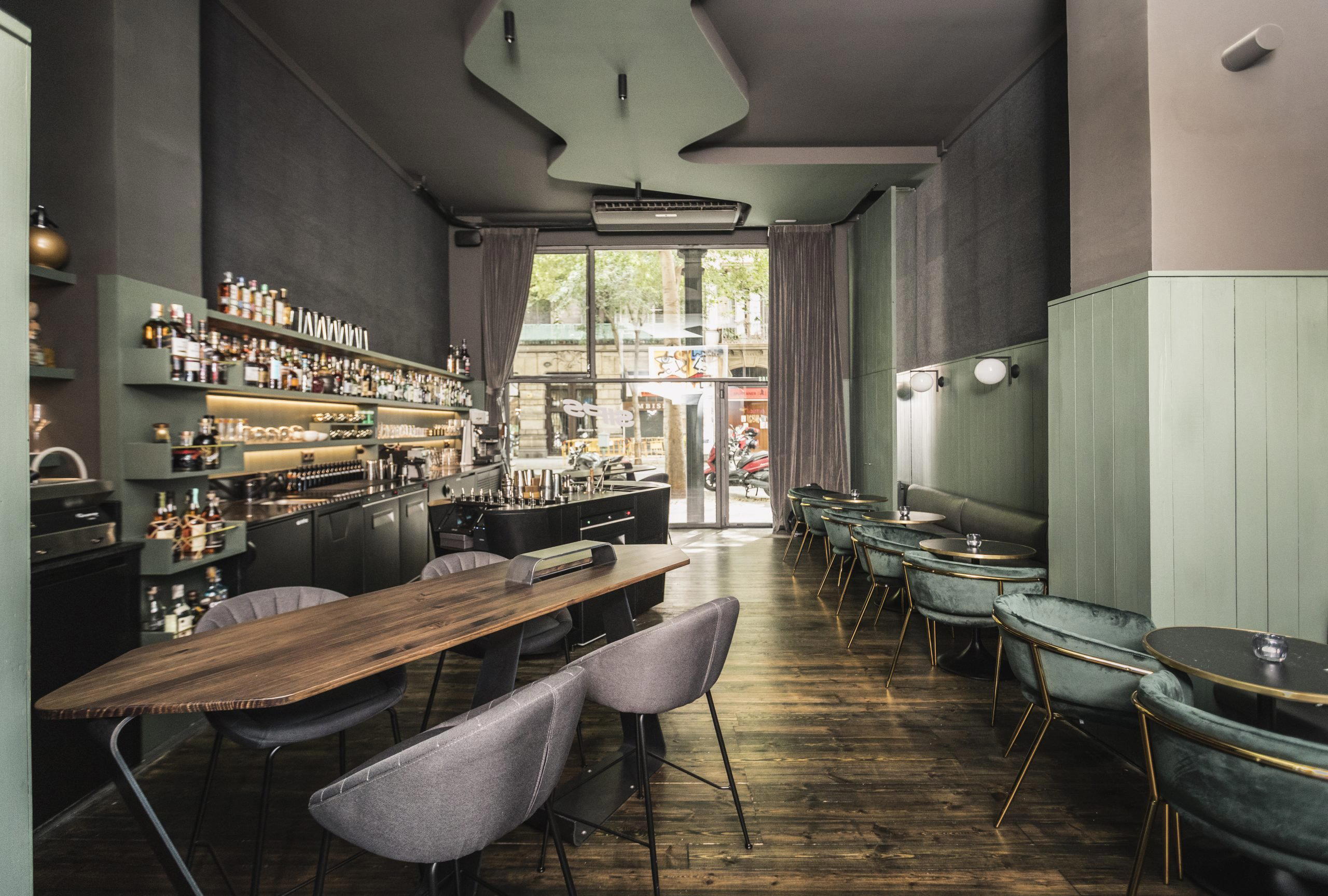
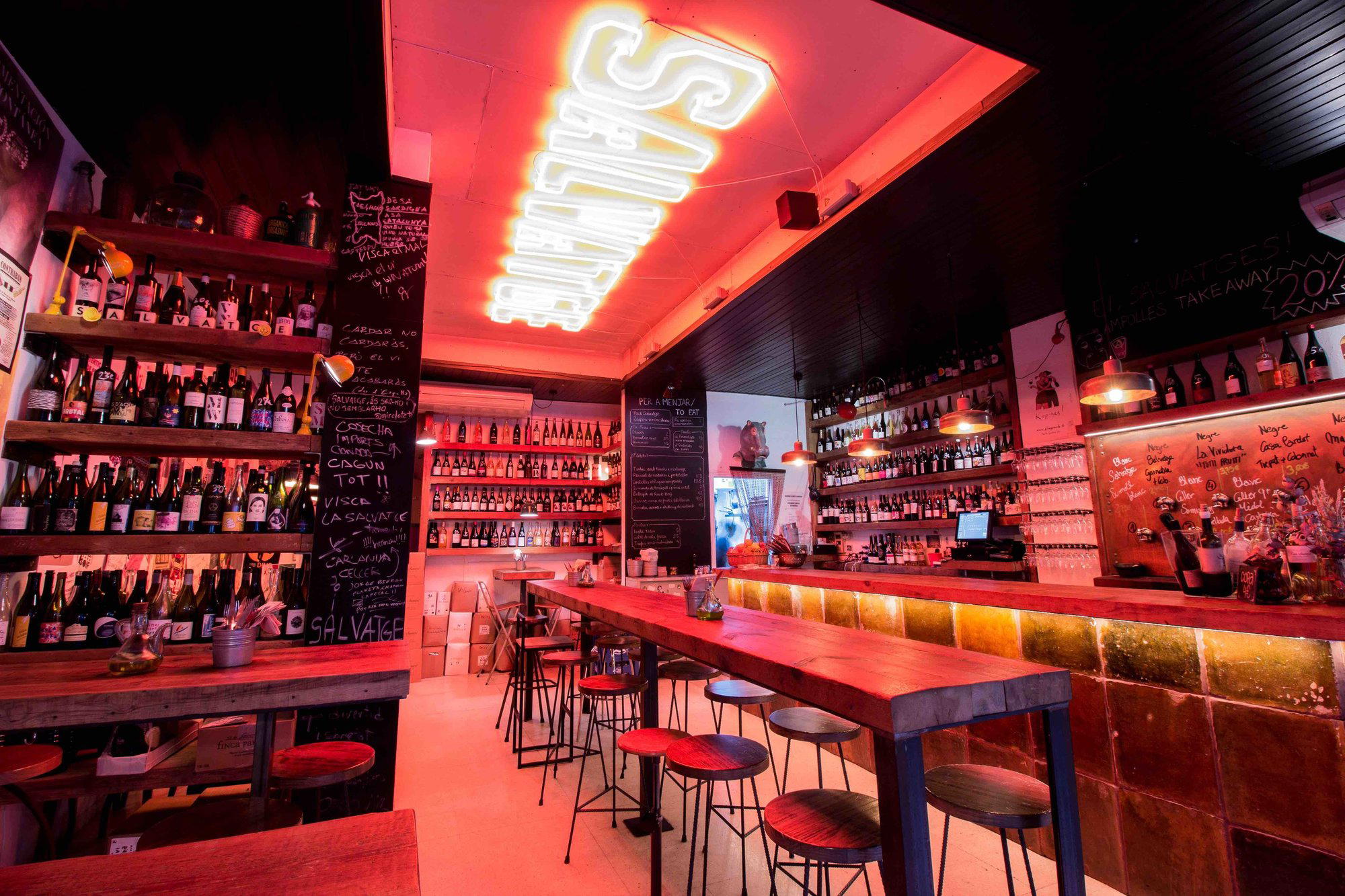
Bars in Barcelona
Browse all →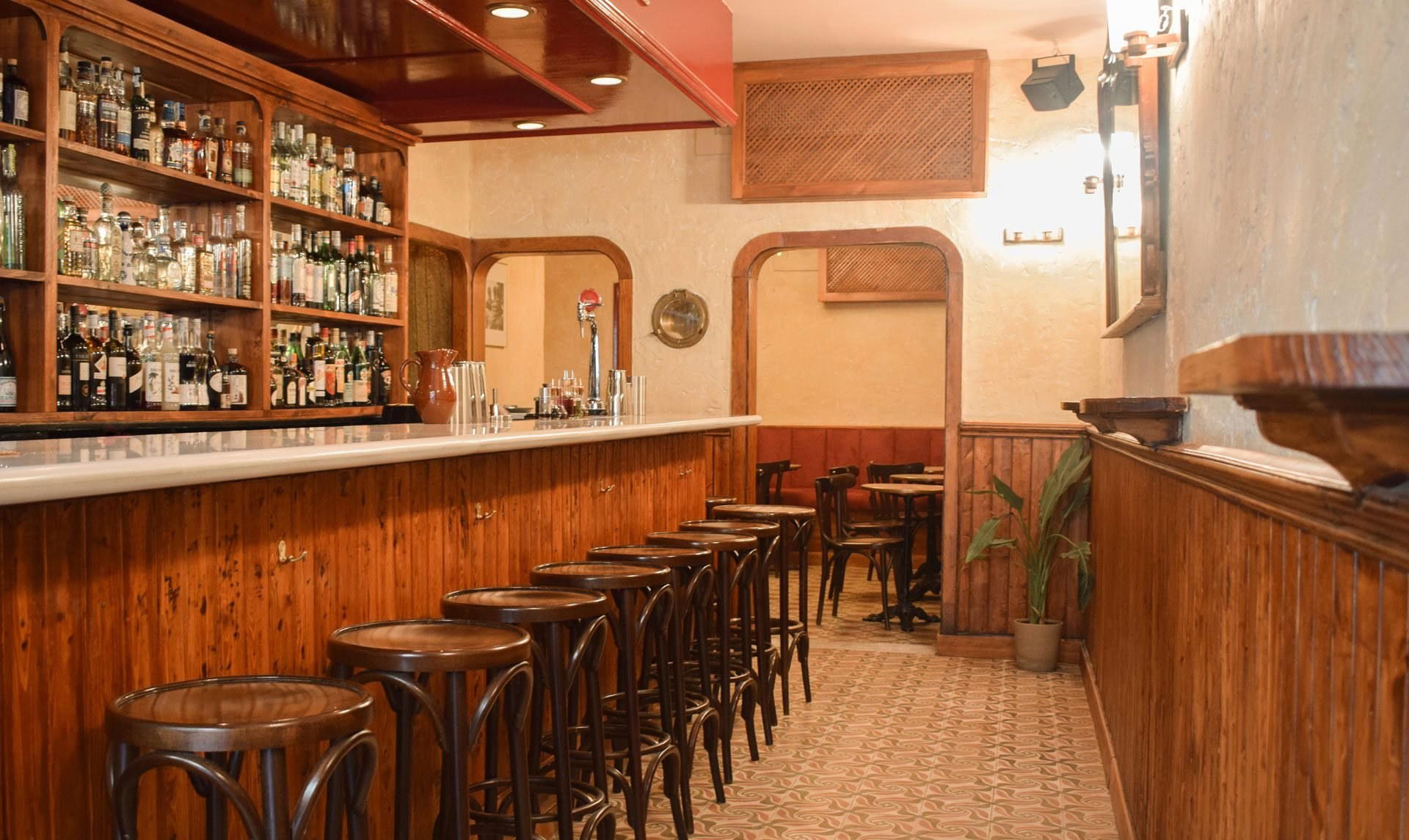

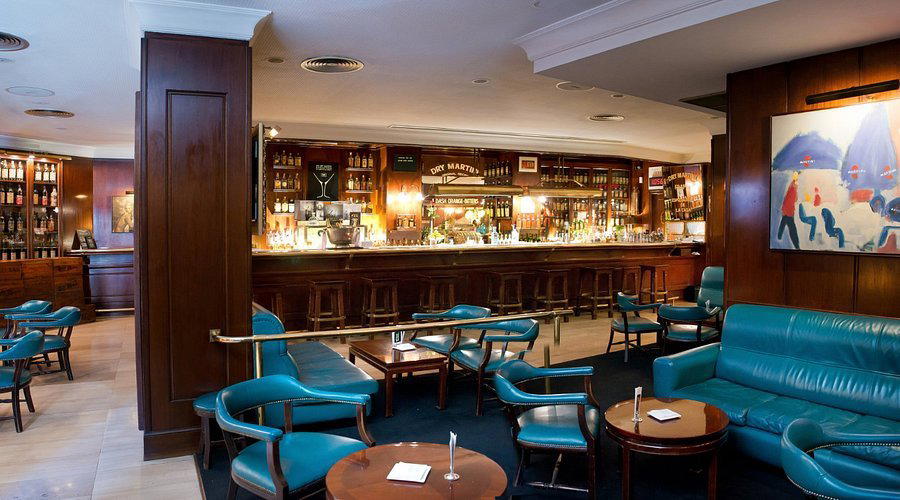
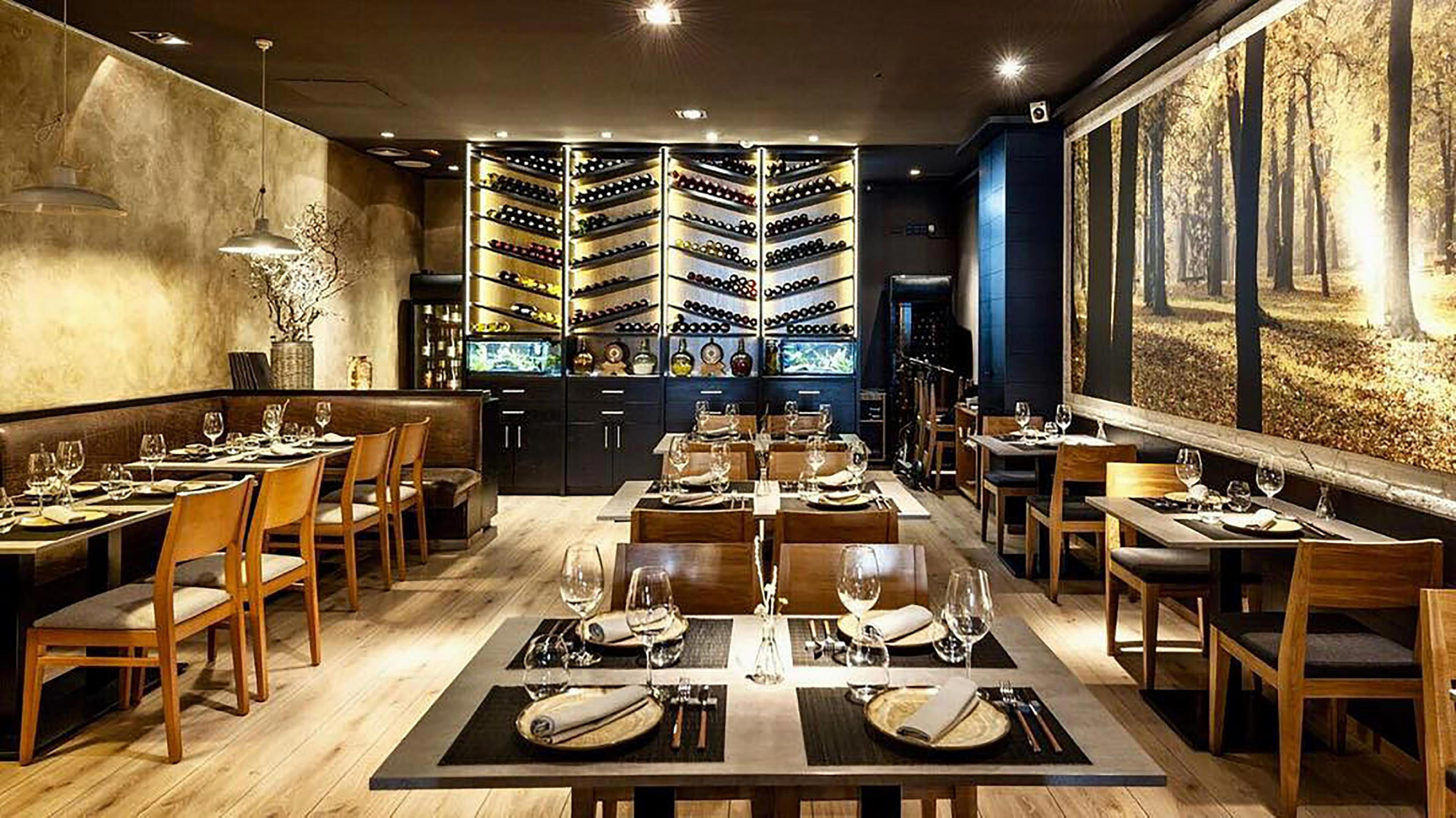
Hotels in Barcelona
Browse all →


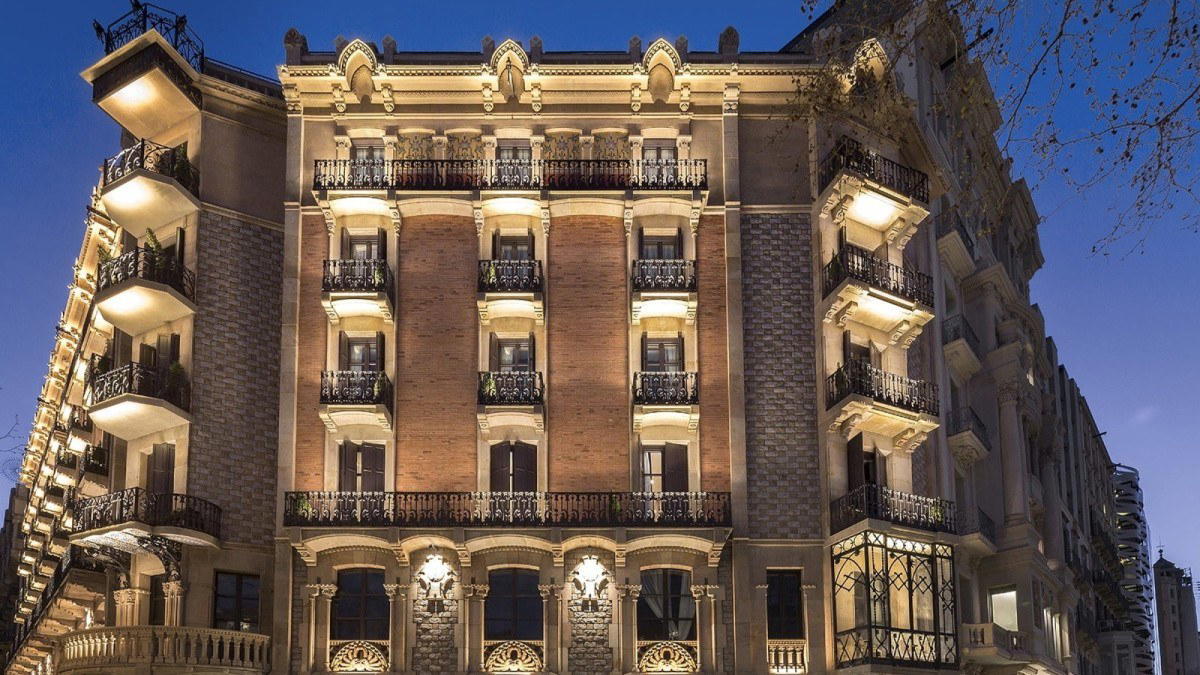
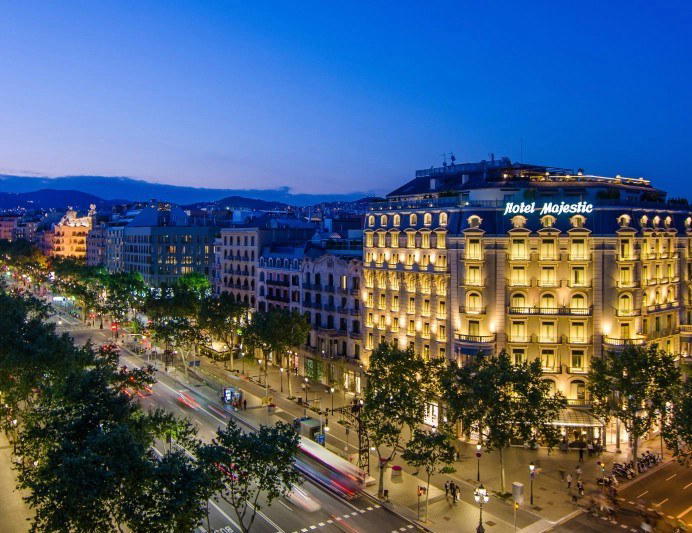
At a Glance
- Cozy
- Trendy
- Lively
- Date Night
- Casual Hangout
- Group Dining
- Open Kitchen
- Craft Cocktails
Current opening hours
- Monday
- 1–4:30 PM, 7–11:30 PM
- Tuesday
- 1–4:30 PM, 7–11:30 PM
- Wednesday
- 7–11:30 PM
- Thursday
- 7–11:30 PM
- Friday
- 1–4:30 PM, 7 PM–12 AM
- Saturday
- 1–4:30 PM, 7 PM–12 AM
- Sunday
- 1–4:30 PM
Hours can change for holidays and private events. Last verified .
Cozy and lively atmosphere with hip design, comfortable seating, and a busy energy well-suited for dates and casual meals.