
A family-owned Italian trattoria on Sierichstraße in Hamburg-Winterhude, Gallo Nero occupies a corner building in one of the city's most restaurant-dense neighbourhoods. The kitchen follows traditional Italian cooking rather than contemporary reinterpretation, positioning it as a counterpoint to Hamburg's Michelin-driven fine-dining circuit. Direct booking, neighbourhood pricing, and a convivial setting make it a regular for locals rather than a destination for tourists.
Pearl is the En Primeur Club membership app — saves, bookings, and concierge access live there. Same editors, same standards.
- Address
- Sierichstraße 46, 22301 Hamburg, Germany
- Phone
- +49 40 27092229
- Website
- gallo-nero.net
- Directions
- Get directions
 Saves & bookings on Pearl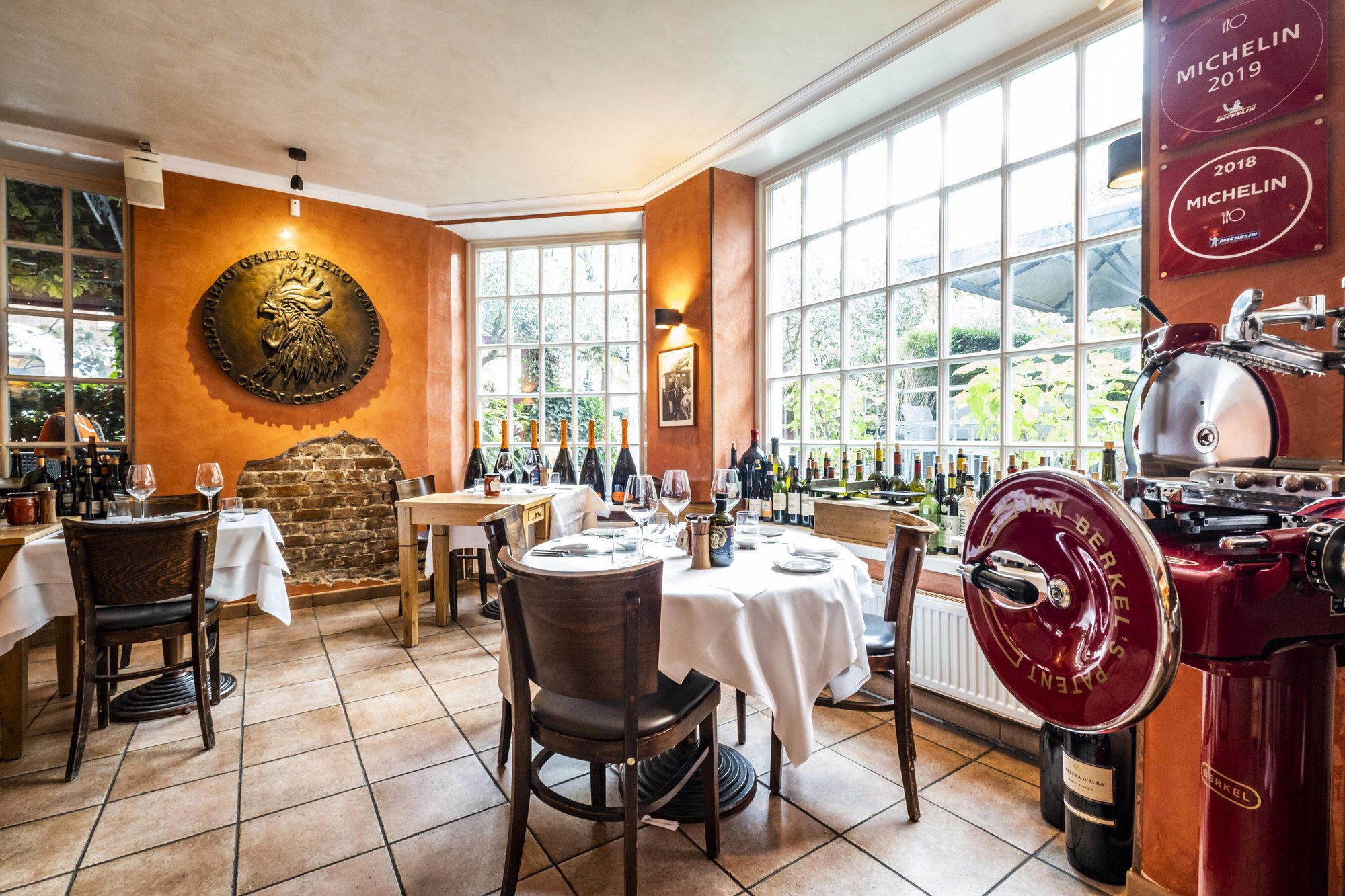
Winterhude's Italian Anchor
Sierichstraße in Hamburg-Winterhude runs through one of the city's most consistently active dining corridors, where restaurants, cafés, and bars compete for attention on nearly every block. In this context, longevity carries its own editorial weight. A family-owned Italian restaurant that holds a corner position on this street is not trading on novelty; it is trading on repetition, on the kind of trust that builds when the same families return season after season. Gallo Nero sits in exactly that position, operating as a traditional Italian trattoria at a time when Hamburg's broader restaurant scene has moved decisively toward modernist European formats and tasting menus.
That contrast is worth understanding. Hamburg's fine-dining circuit now includes several ambitious addresses: Restaurant Haerlin with its formal French foundations, The Table Kevin Fehling at the creative end of the €€€€ tier, and 100/200 Kitchen representing a more ingredient-led creative approach. bianc occupies a modern Mediterranean register. Against this backdrop, a family-run Italian operating on traditional lines is not competing with these rooms; it is serving a different function entirely, one that Hamburg's restaurant culture still needs and which a certain kind of diner actively seeks out.
What Traditional Italian Cooking Means in a Northern European City
Italian cooking exported beyond its home regions carries a particular set of risks. In northern European cities, the category fractures into three broad tiers: mass-market pizza-and-pasta houses aimed at volume, mid-market trattorias attempting authenticity with variable success, and a smaller group of owner-operated rooms where the cooking connects to genuine regional traditions. The third tier is rarer than restaurant guides tend to suggest, and it is where Gallo Nero positions itself.
The defining characteristic of this tier is restraint in the kitchen rather than ambition. Traditional Italian cooking does not pursue complexity for its own sake; it pursues the correct preparation of good ingredients, executed consistently across hundreds of services. Pasta made to a regional recipe, a sauce reduced to the right point, a protein handled without over-embellishment: these are the benchmarks that separate a serious trattoria from a themed dining room. This approach aligns Gallo Nero with the mode of Italian regional cooking that the country exports most reluctantly and that northern European diners often encounter only in cities with large Italian communities or in restaurants where ownership traces directly back to Italian households.
Family ownership is a structural commitment in this context, not a marketing description. When the people running the room also own it, the kitchen does not shift its register to chase trends or satisfy an investor return. The menu remains stable because stability is the point. This is the same logic that governs long-running family trattorias across northern Italy, and it is a logic that translates directly to a corner restaurant on Sierichstraße.
The Neighbourhood and Its Dining Character
Winterhude is not Hamburg's most prominent dining address in the way that HafenCity or the Altstadt attract visitors with specific destination anchors. It is instead a residential district with a dense and largely local-facing restaurant scene. The concentration of restaurants and bars on and around Sierichstraße functions as a neighbourhood eating circuit rather than a showcase corridor: places here succeed by serving residents reliably rather than by attracting traffic from across the city.
This dynamic shapes how the restaurant should be understood. Its comparable set in Winterhude includes cafés, casual European bistros, and other neighbourhood-format restaurants, not the €€€€ rooms at Lakeside or the modern European formats found further afield. Within that comparable set, a family Italian with genuine traditional cooking occupies a specific and not easily replicated position. The corner building adds physical presence: the format of a corner restaurant, with exposure on two frontages, is a particular Hamburg vernacular that communicates permanence and accessibility simultaneously.
Italian Cooking in Germany: A Longer Frame
Germany has one of the largest Italian diaspora communities in Europe, a legacy of the postwar Gastarbeiter migration that brought Italian workers to German industrial cities from the 1950s onward. Hamburg was part of that history, and the Italian restaurants that took root in German cities during this period created a particular local tradition of Italian cooking adapted to German ingredients, German serving conventions, and German dinner timing. What followed, across decades, was a layering of authentic Italian techniques onto a German restaurant format that is not quite the same as what you find in Milan or Naples but carries its own coherent logic.
The leading surviving examples of this tradition are family-run operations that have maintained kitchen continuity across generations or at least across changes in staff. They are not attempting to replicate a specific regional Italian cuisine for a specialist audience; they are cooking Italian food for a German neighbourhood that has grown to expect a certain standard from a certain kind of room. The restaurant's positioning in Winterhude fits this model directly. For comparison, the broader tradition of Italian cooking adapted to non-Italian contexts plays out across European cities, from the neighbourhood trattorias of London to the old-school red-sauce rooms that defined a generation of American Italian cooking.
Planning a Visit
The restaurant is located at Sierichstraße 46, 22301 Hamburg, in the Winterhude district. The restaurant occupies a corner building and is accessible by public transport, with the Winterhude area well served by Hamburg's U-Bahn and bus network. As a family-owned neighbourhood trattoria, it operates primarily as a walk-in and phone-reservation room; contact details and current opening hours are best confirmed directly or through Hamburg's local listings.
Hamburg's fine-dining tier, for reference, is anchored by addresses including The Table Kevin Fehling, Restaurant Haerlin, and the creative-format rooms that have put the city on Germany's Michelin map alongside Aqua in Wolfsburg, JAN in Munich, and Schwarzwaldstube in Baiersbronn. The restaurant serves a function those rooms cannot, and in Winterhude, that function has sustained a neighbourhood institution.
Cost Snapshot
Comparable venues nearby, for context on price, style, and recognition.
| Venue | Cuisine | Price | Notes |
|---|---|---|---|
| Gallo NeroThis venue — the venue you are viewing | Barmbek, Traditional Sicilian-Italian | $$$ | Not listed |
| Lupo Vino e Cucina | Not listed | $$$ | Anscharhoehe, Authentic Italian Seasonal Trattoria |
| Poletto Winebar | Not listed | $$$ | Anscharhoehe, Contemporary Italian Trattoria |
| Kasa | Neu Lokstedt, Modern Sicilian | $$$ | Not listed |
| Edmondo | Neustadt, Modern Italian Trattoria | $$$ | Not listed |
| Ristorante Torcello | Not listed | $$$ | Anscharhoehe, Authentic Italian Trattoria |
Recognition history
Dated appearances from independent guides and award organizations, with the underlying list record or original source where available.
Star Wine List
Star Wine List
Continue exploring
More in Hamburg
Restaurants in Hamburg
Browse all →
At a Glance
- Elegant
- Cozy
- Romantic
- Classic
- Date Night
- Business Dinner
- Group Dining
- Special Occasion
- Terrace
- Wine Cellar
- Extensive Wine List
- Local Sourcing
Current opening hours
- Monday
- 12 PM–12 AM
- Tuesday
- 12 PM–12 AM
- Wednesday
- 12 PM–12 AM
- Thursday
- 12 PM–12 AM
- Friday
- 12 PM–12 AM
- Saturday
- 12 PM–12 AM
- Sunday
- 12 PM–12 AM
Hours can change for holidays and private events. Last verified .
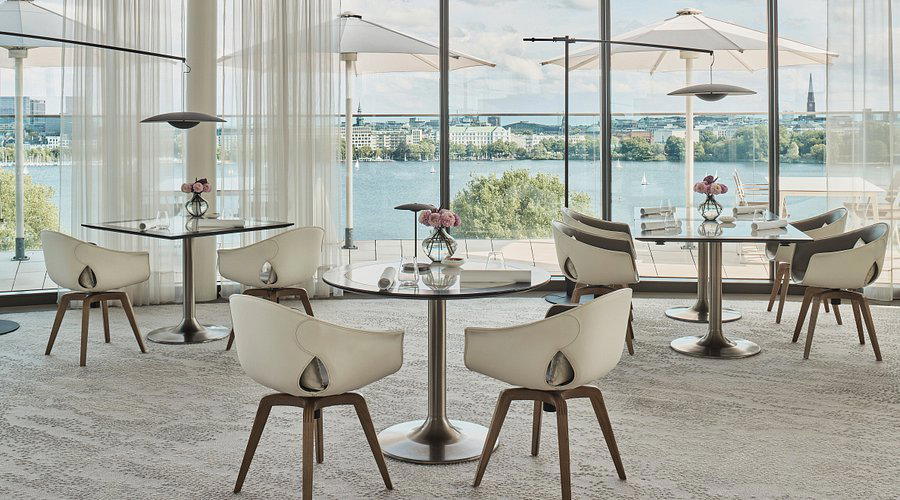
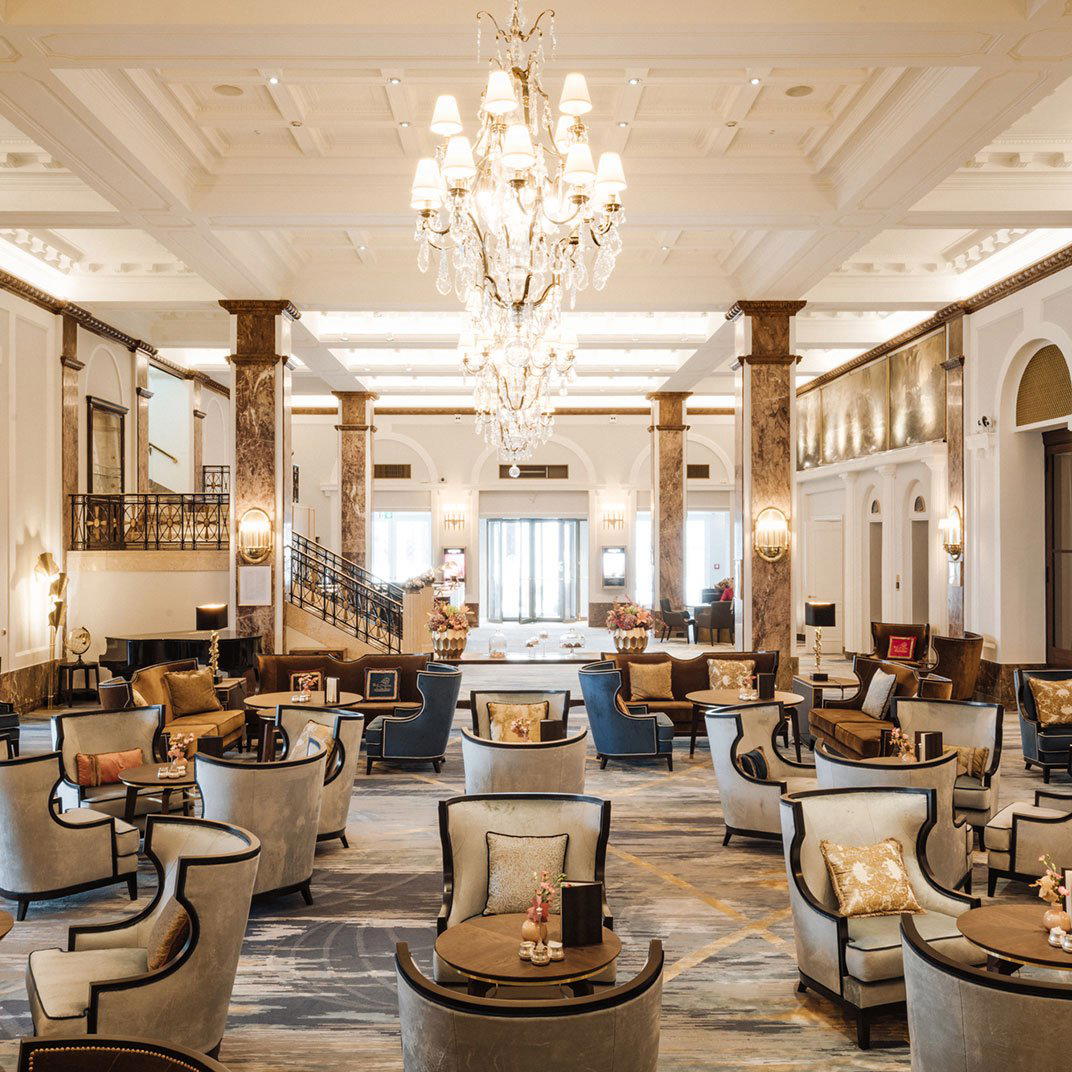
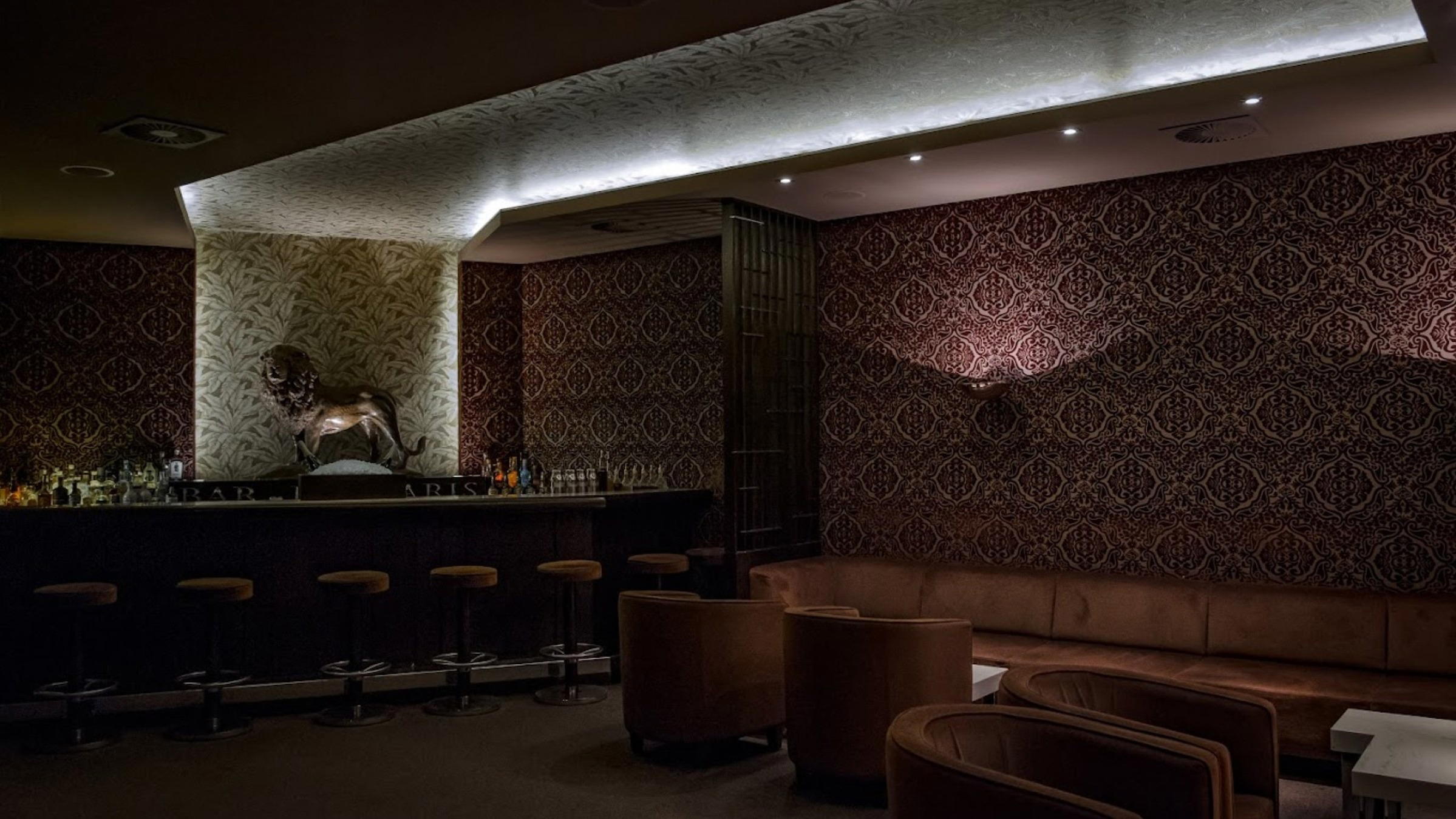
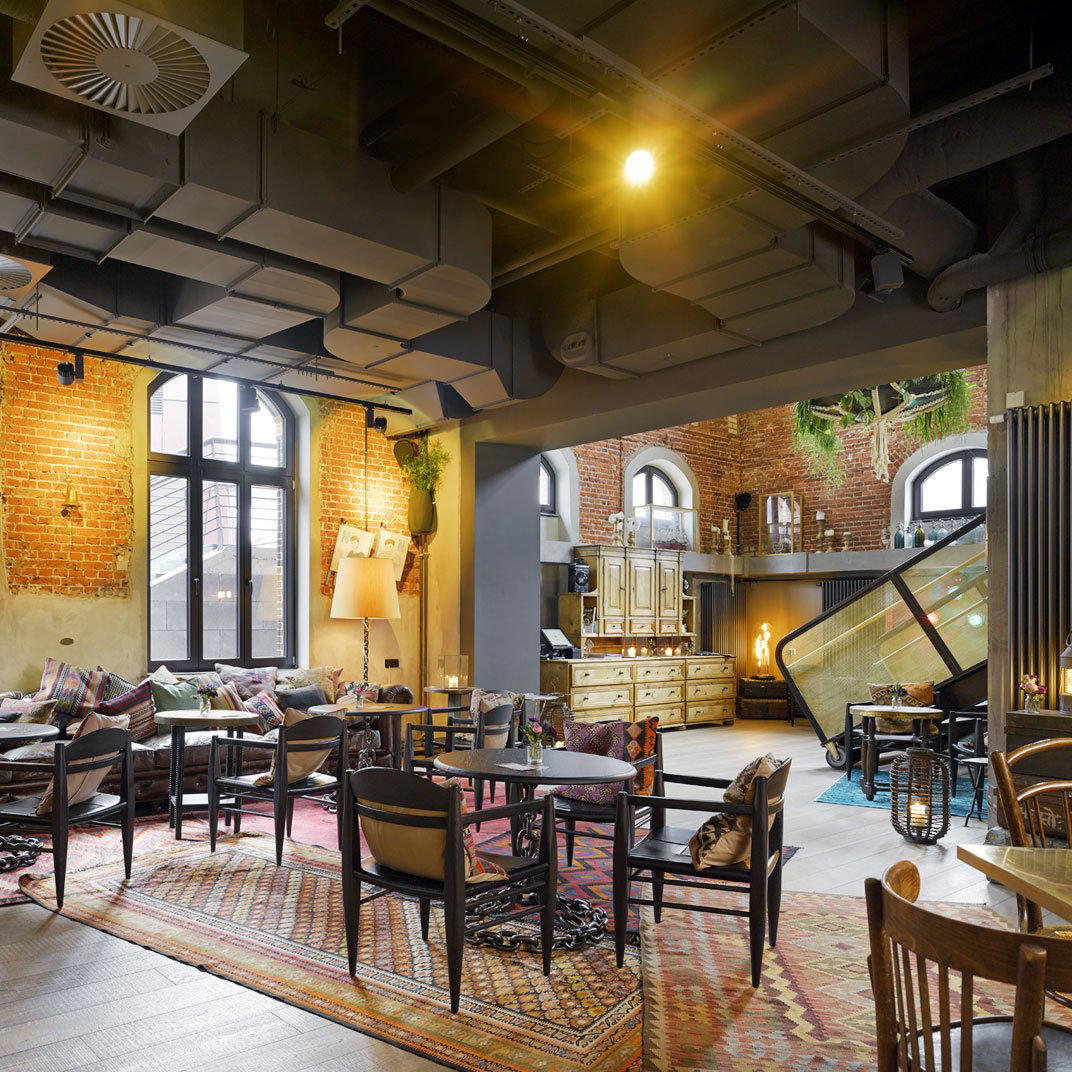
Warm, cozy, and elegant with a traditional Italian winery feel, pleasant and relaxed atmosphere.