

A converted shop on Rúa da Poza de Bar, Gaio holds a Michelin Plate for its sharing-focused fusion menu that layers Peruvian and Asian technique over seasonal Galician produce. Chef Andrés Medina Risco runs an open kitchen wrapped by a dining counter, keeping the format informal and the cooking precise. At the €€ price point, it sits among Santiago's most interesting mid-range tables.
Pearl is the En Primeur Club membership app — saves, bookings, and concierge access live there. Same editors, same standards.
- Address
- Rúa da Poza de Bar, 2, 15705 Santiago de Compostela, A Coruña, Spain
- Phone
- +34 981 58 64 21
- Website
- restaurantegaio.com
- Directions
- Get directions
 Saves & bookings on Pearl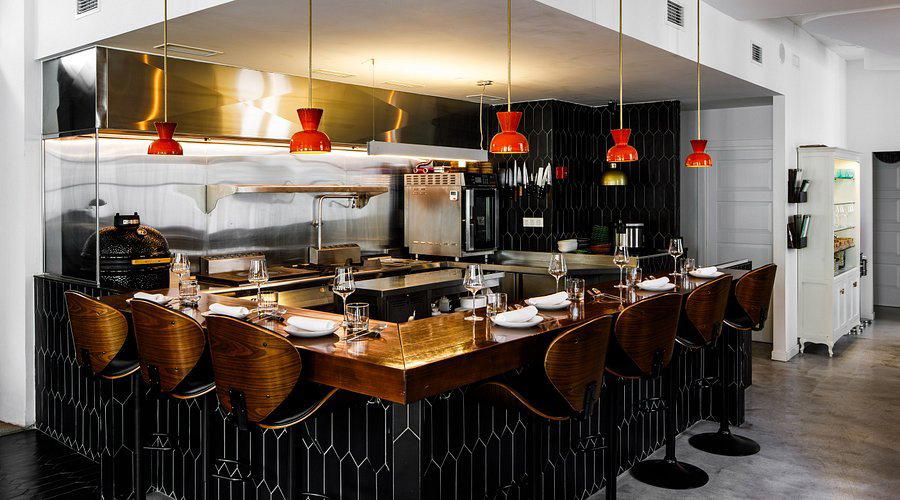
A Former Shop, Reimagined as a Counter
Santiago de Compostela's dining scene has long been divided between cathedral-adjacent restaurants playing to pilgrimage crowds and a quieter, more serious cohort of neighbourhood tables that cook for residents rather than wayfarers. Gaio belongs firmly to the second category. The space occupies what was once a retail unit on Rúa da Poza de Bar, and the conversion retains a certain commercial honesty: clean lines, modest square footage, no attempt to dress the room in the stone-and-linen aesthetic that signals 'Galician heritage restaurant' to first-time visitors. What you find instead is a dining counter wrapping an open kitchen, a layout that collapses the distance between cook and guest in a way that formal dining rooms, however handsome, cannot replicate.
That physical arrangement is the first signal about what kind of meal this is. Counter seating around an open kitchen is a format that has migrated from Japanese omakase culture into a broader European idiom, particularly in cities where a new generation of chefs is more interested in exchange than ceremony. In Santiago, where the dining tradition leans heavily on shared tables and communal eating, the format feels locally coherent rather than imported. The informality is deliberate: the room's open kitchen and counter keep the experience immediate and unforced.
What the Menu Is Actually Doing
The menu at Gaio organises itself around sharing, which in practice means dishes arrive as they are ready rather than in the lock-step sequence of a tasting menu. The cooking draws from Peruvian and Asian reference points while remaining anchored to seasonal Galician produce, a combination that sounds more conceptually ambitious than it often is in practice, but which here carries some internal logic. Galicia's coastline and its agricultural interior produce ingredients with enough character to hold their own against strong flavour frameworks. Mackerel, millet, bull's beef, and Galician vegetables appear across the menu, treated with techniques and condiments that shift their register without obscuring what they are.
Specific dishes include charcoal-grilled chicken with Chinese cabbage and a 'Genoveva' dressing; millet and bull's beef tosta; mackerel with grapes and gazpachuelo. These are not fusion dishes in the loose, anything-goes sense of the term. They reflect a specific set of influences and a consistent hand. The gazpachuelo reference, a Málaga-origin emulsion traditionally made with mayonnaise, fish stock, and potato, placed alongside mackerel and grapes is the kind of pairing that requires the cook to know exactly how far to push the acidity before the dish loses coherence.
This positions Gaio in a different tier from the farm-to-table tapas model running at places like Abastos 2.0 - Barra, where the Galician ingredient is the point and the cooking technique is the frame. At Gaio, the technique is doing more work, and the menu asks slightly more of the guest. At the same €€ price bracket as A Maceta, another fusion-leaning mid-range address in the city, it represents the more technically demanding end of that price tier. Further up the scale, A Tafona holds a Michelin star at €€€€, and A Viaxe and A Horta d'Obradoiro operate in the contemporary and regional registers at higher price points. Gaio's recognition in both 2024 and 2025 marks it as a table the guide considers worth knowing about.
The Broader Context: Fusion as a Spanish Dining Mode
Fusion cooking in Spain carries a complex history. At one end of the spectrum sit restaurants like DiverXO in Madrid and El Celler de Can Roca in Girona, where Asian and global references are absorbed into elaborate tasting menus at stronger examples from the market. At the other end, fusion becomes a marketing term applied loosely to any menu that includes soy sauce. The interesting middle ground, where chefs with genuine training in non-Spanish culinary traditions bring those frameworks to bear on local produce at accessible prices, is smaller and harder to identify.
Gaio sits in that middle ground, alongside places like Ajonegro in Logroño and, in a different geography, Arkestra in Istanbul, where the fusion designation describes a genuine synthesis rather than a cosmetic overlay. Spain's Basque and Galician restaurant traditions are both worth examining in this context: the former, represented at the high end by Arzak in San Sebastián and Azurmendi in Larrabetzu, absorbed international technique decades ago and built a distinct identity from it. Galicia has been slower to develop that kind of defined creative identity at the mid-market level, which makes addresses like Gaio more notable than their price point might suggest.
Several dishes pay tribute to Chef Andrés Medina Risco's grandmother and aunt, who shaped his early relationship with cooking. This matters not as personal narrative but as a signal about the menu's orientation: the cooking is reaching toward something specific rather than sampling global techniques at random. Whether or not the individual dishes always fully resolve that ambition, the intention gives the menu a coherence that purely trend-driven fusion often lacks. Comparable examples of this approach in Spain include Cocina Hermanos Torres in Barcelona and Aponiente in El Puerto de Santa María, both of which ground formally ambitious cooking in personal and regional reference points.
Planning a Visit
Gaio is at Rúa da Poza de Bar, 2, in the 15705 postal district of Santiago de Compostela, a street that sits within walking distance of the old city without being in the immediate tourist circuit around the cathedral. The €€ pricing makes it one of the more accessible entries in Santiago's Michelin-recognised set. Given the counter format and the informal ethos, this is a table that rewards arriving without an elaborate agenda: order across the sharing menu, let dishes arrive as they come, and pay attention to the produce underneath the technique. For broader context on where Gaio fits within the city's restaurant scene, the guide maps the full range of options.
A Quick Peer Check
Comparable venues nearby, for context on price, style, and recognition.
| Venue | Cuisine | Price | Awards | Notes |
|---|---|---|---|---|
| GaioThis venue — the venue you are viewing | Galician-Peruvian-Asian Fusion | $$$ | Michelin Plate | Not listed |
| Indómito | Modern Galician Contemporary | $$$ | Michelin Plate | Bajo |
| A Maceta | Galician Fusion with Asian Touches | $$ | Michelin Plate | casco histórico |
| Con Culler | Modern Galician | $$ | Bib Gourmand | historic core |
| Abastos 2.0 - Mesas | Modern Galician Market Cuisine | $$$ | Bib Gourmand | Praza de Abastos |
| Anaco | Contemporary Galician Seasonal Cuisine | $$$ | Bib Gourmand | Old Town (Zona Vieja) |
Recognition history
Dated appearances from independent guides and award organizations, with the underlying list record or original source where available.
Macarfi 8.2 Food Rating
Macarfi
Michelin Plate
Michelin
Michelin Plate
Michelin
Michelin Plate
Michelin
Continue exploring
More in Santiago de Compostela
Restaurants in Santiago de Compostela
Browse all →
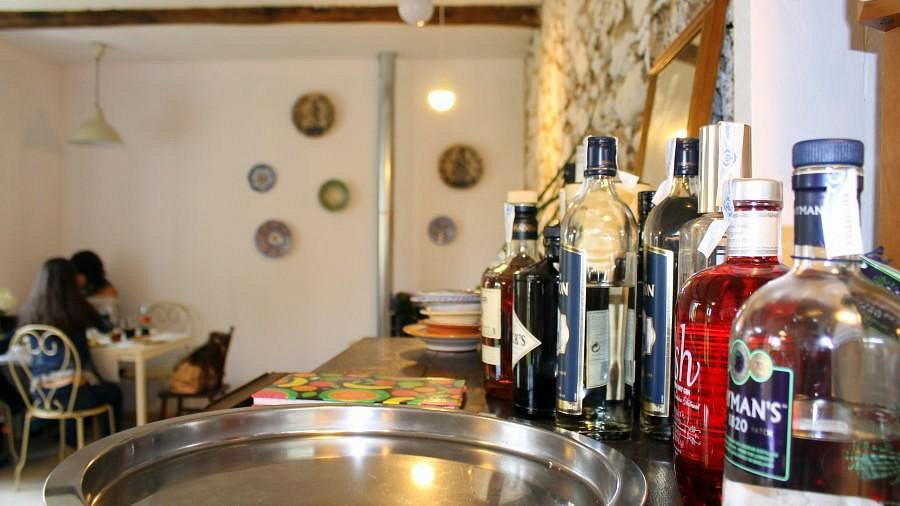
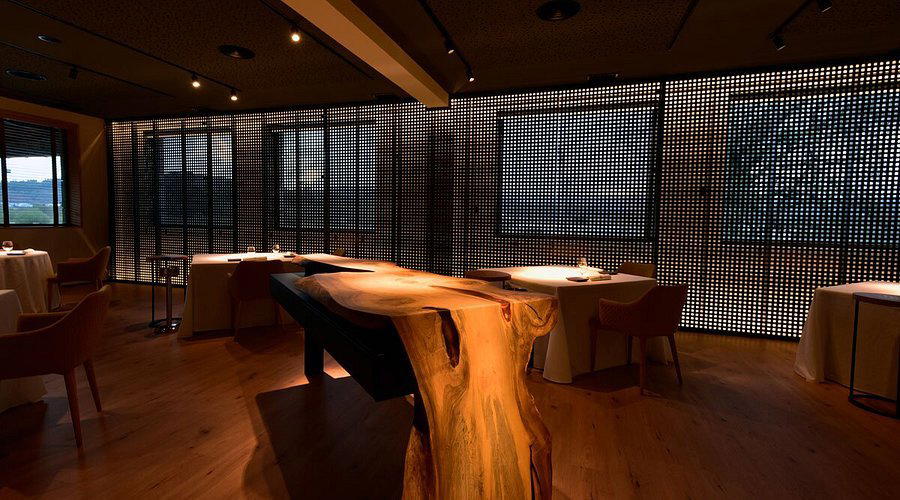
Bars in Santiago de Compostela
Browse all →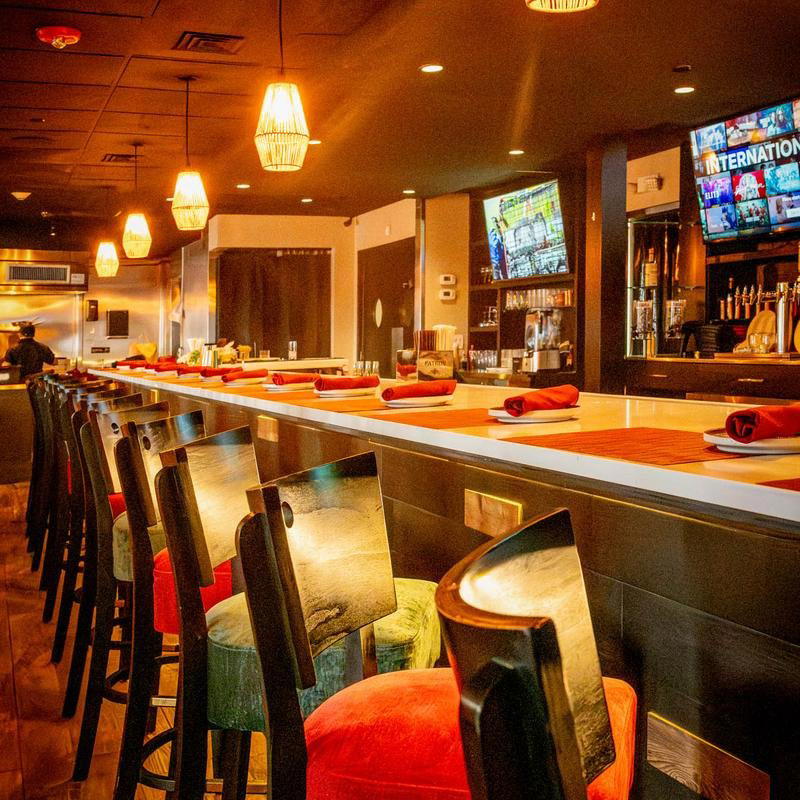
Hotels in Santiago de Compostela
Browse all →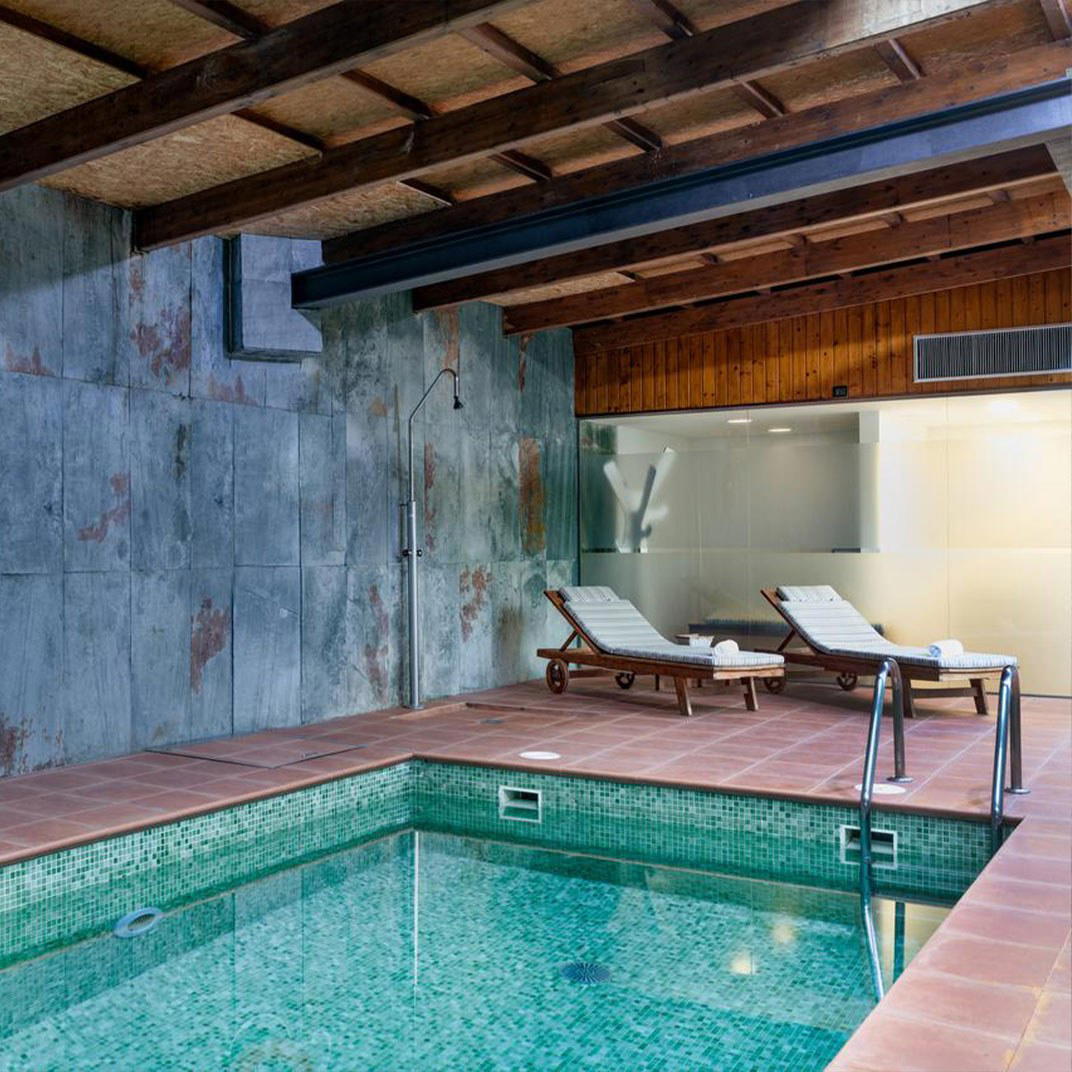
Wineries in Santiago de Compostela
Browse all →
At a Glance
- Modern
- Cozy
- Intimate
- Trendy
- Date Night
- Group Dining
- Special Occasion
- Open Kitchen
- Extensive Wine List
- Local Sourcing
Current opening hours
- Monday
- Closed
- Tuesday
- Closed
- Wednesday
- 1:45–3 PM, 8:30–10:30 PM
- Thursday
- 1:45–3 PM, 8:30–10:30 PM
- Friday
- 1:45–3 PM, 8:30–10:30 PM
- Saturday
- 1:45–3 PM, 8:30–10:30 PM
- Sunday
- 1:45–3 PM
Hours can change for holidays and private events. Last verified .
Warm, contemporary atmosphere with informal elegance and visibility into the bustling open kitchen.