
Tabelog 100 #52
Our verdict
Fuhan places Kamakura’s wagashi culture in a modest, low-price register rather than the formal kaiseki orbit many visitors associate with Japanese sweets. Its selection for Tabelog’s 2023 Japanese traditional sweets and sweets-cafe EAST 100 gives it a clear quality signal, while its Hase/Yuigahama setting makes it part of the city’s temple-and-seaside daytime rhythm.

Pearl is the En Primeur Club membership app, where members save venues, book tables and use the concierge.
The menu
What to order
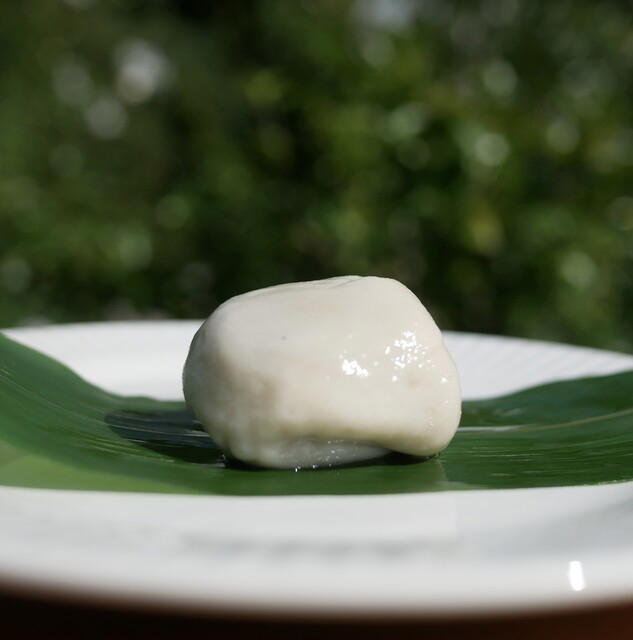
- Fu-manju (笹衣)
- Classic fu-manju wheat cake
- Nama-fu confections
Kamakura has a different tempo from central Tokyo’s confectionery districts. The streets carry temple traffic, seaside walkers, local rail riders, and the occasional visitor who has learned that Kamakura’s sweets culture is not only about souvenir boxes. In this city, wagashi sits closer to daily ritual: a pause during a walk, a small purchase between plans, a taste of seasonality without the ceremony of a formal tea room.
Fuhan belongs to that register. The category is Japanese traditional sweets, and the recognition that matters here is specific rather than inflated: inclusion in Tabelog’s 2023 Hyakumeiten recognition for this field. In a field where reputation often passes quietly through local habit, that listing gives outside readers a useful signal. It places the shop within a specialist wagashi conversation, not in the restaurant tasting-menu conversation that dominates so much travel planning.
Kamakura wagashi, without the formal dining frame
Kamakura is often read through temples, hydrangeas, surf, and day-trip logistics, but its food culture also depends on low-commitment specialties. Soba, shirasu, coffee, bread, taiyaki, and sweets all fit the same urban pattern: small-format stops that reward walking rather than a single destination meal. That is why a wagashi shop can matter here. It gives structure to the day without asking the visitor to give up the day.
Traditional Japanese sweets operate on a different clock from Western pastry. The point is not excess, height, or theatrical plating. The discipline sits in proportion, texture, sweetness control, and the way a small item can mark a season or a place. Kamakura, with its long cultural history and older-feeling lanes, gives that tradition a setting that feels less commercial than the department-store counters of larger cities. The experience is compact, but the cultural context is deep.
Within Kamakura’s price spectrum, this is the opposite of a destination dinner such as Spanish restaurant Arashida, where the expectations move toward a more formal meal. It sits closer in spirit to the affordable, quick-stop rhythm associated with Taiyaki Namihei and La for e t et la table. That comparison matters because it changes the reader’s expectations. This is not a place to judge by ceremony, room design, or wine service. It belongs to the city’s craft-led food economy.
Why the Tabelog 100 signal matters for sweets
Japanese confectionery does not always travel well in translation. Visitors know sushi counters and ramen queues, but wagashi requires a different literacy: bean paste, rice flour, seasonal forms, tea compatibility, and restraint. A Tabelog Hyakumeiten selection in the Japanese traditional sweets field helps cut through that uncertainty. It indicates a shop recognized within a specialist category rather than one carried by tourist traffic alone.
That distinction is useful in Kamakura because the city receives heavy day-trip volume. Visitor flow can flatten food choices into whatever is closest to the next stop. Fuhan gives the area a more precise food reason to pause. The point is not that every traveler needs a full wagashi education before walking in; the point is that this address gives a short, edible route into a tradition that usually rewards attention.
The category also suits Kamakura’s scale. A formal sweets salon can turn wagashi into a lesson. A neighborhood shop keeps it in circulation. That is closer to how traditional sweets function in Japan: bought for home, shared, carried as a seasonal courtesy, or paired with tea without being over-explained. For travelers, the value is the compression. A small purchase can say more about local taste than a longer meal designed mainly for visitors.
How to place it in a Kamakura day
The strongest use of Fuhan is as a cultural stop inside a Kamakura route, not as the anchor for an entire day. Pairing it with the city’s temples, local transit, and slower side streets gives the visit its logic. This is also where Kamakura’s broader food map becomes useful: other dining rooms, coffee stops, and bakeries show how the city’s daytime eating scene is built from specialists rather than grand dining rooms.
For a fuller reading of the city, use Our full Kamakura restaurants guide alongside Our full Kamakura hotels guide, Our full Kamakura bars guide, Our full Kamakura wineries guide, and Our full Kamakura experiences guide. Other Kamakura dining references help frame how varied the city becomes once the visitor looks beyond the postcard circuit.
The wider Japan map also gives context. A sweets stop in Kamakura belongs to the same culture of specialist addresses that sends travelers toward small, craft-led places across the country. Outside Japan, Japanese food culture is often understood abroad through casual formats first. Fuhan is a reminder that small scale does not mean minor importance.
Frequently asked questions
Is Fuhan okay with children?
Fuhan is best understood as a brief sweets stop rather than a formal meal. It is a Japanese traditional sweets venue in Kamakura.
Is Fuhan better for a quiet night or a lively one?
Fuhan is better framed as a calm sweets stop than as a nightlife venue, with Tabelog recognizing it in its 2023 Hyakumeiten selection for this field.
What does dinner at Fuhan typically cost?
Pricing at Fuhan is listed as - JPY 999 View spending breakdown.
What is Fuhan known for?
Fuhan is known as a Japanese traditional sweets venue in Kamakura, recognized in Tabelog’s 2023 Hyakumeiten selection for this field.
Cost Snapshot
Nearby venues at a similar price tier for orientation.
| Venue | Cuisine | Price | Awards | Notes |
|---|---|---|---|---|
| FuhanThis venue (the venue you are viewing) | Traditional Japanese wagashi & fu-manju shop | $1–10 | Tabelog 100 #52 | Not listed |
| Caraway | Japanese Western-style curry house | $1–10 | Tabelog 100 #69 | Kamakura, Japanese Western-style curry house |
| arbre noir YAKUMI | Japanese sweets and condiments | $1–10 | Tabelog 100 #89 | Kamakura, Japanese sweets and condiments |
| Kamakura Naniwaya | Traditional Japanese Taiyaki & Wagashi Shop | $1–10 | Tabelog 100 #93 | Kamakura, Traditional Japanese Taiyaki & Wagashi Shop |
| Toshimaya Karyo Hatokoji | Traditional Japanese sweets cafe (wagashi) | $10–20 | Tabelog 100 #44 | Kamakura, Traditional Japanese sweets cafe (wagashi) |
| Come va? SHOP Dankazura ten | Bakery and bagels takeaway shop | $1–10 | Tabelog 100 #89 | Kamakura, Bakery and bagels takeaway shop |
Recognition history
Dated appearances from independent guides and award organizations, with the underlying list record or original source where available.
Tabelog 100 #52 · No. 52
Tabelog · Tabelog 100 - Japanese traditional sweets / Japanese sweets cafe - EAST - 2023
Continue exploring
More in Kamakura
Restaurants in Kamakura
All restaurants in Kamakura →


Bars in Kamakura
Browse all →



Details
- Quiet
- Cozy
- Classic
- Solo
- Casual Hangout
- After Work
- Historic Building
- Standalone
- Local Sourcing
- A La Carte
Current opening hours
- Monday
- Closed
- Tuesday
- 10 AM–5 PM
- Wednesday
- 10 AM–5 PM
- Thursday
- 10 AM–5 PM
- Friday
- 10 AM–5 PM
- Saturday
- 10 AM–5 PM
- Sunday
- 10 AM–5 PM
Hours can change for holidays and private events. Hours as of .
A small, traditional Japanese sweets shop focused on careful handcrafting of fresh nama-fu and fu-manju, with a calm, understated atmosphere that fits Kamakura’s relaxed seaside-temple setting.