Frida Room Pilsen
Frida Room Pilsen occupies a corner of Chicago's most politically and artistically charged Mexican-American neighborhood, where the dining conversation intersects with questions of sourcing, community, and cultural representation. The address at 1454 W 18th St places it inside a corridor where independent operators have consistently resisted the homogenizing pull of the city's downtown dining circuit. For travelers already tracking Chicago's progressive restaurant scene, Pilsen is the counterpoint worth understanding.
Pearl is the En Primeur Club membership app — saves, bookings, and concierge access live there. Same editors, same standards.
- Address
- 1454 W 18th St, Chicago, IL 60608
- Phone
- +13126313620
- Website
- thefridaroom.com
- Directions
- Get directions
 Saves & bookings on Pearl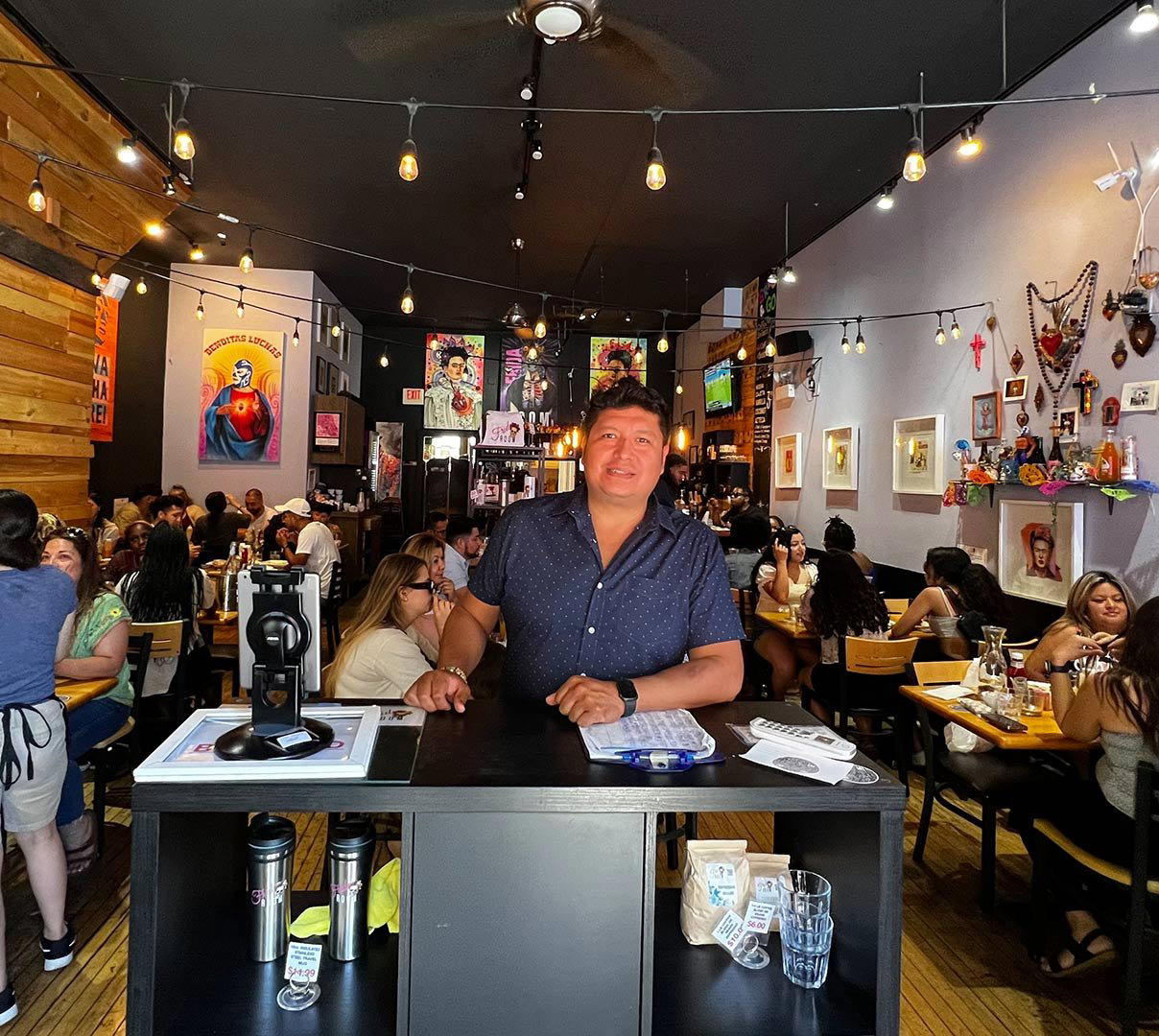
Pilsen and the Ethics of the Table
Chicago's dining conversation has long been anchored to the North Side: the tasting-menu flagships, the Michelin addresses, the river-adjacent hotel restaurants. But a different kind of argument has been taking shape along 18th Street in Pilsen, where a cluster of independent operators has built something that the trophy-room tier rarely manages — a direct line between the plate and the place. Frida Room Pilsen sits inside that argument, at 1454 W 18th St, in a neighborhood that has carried Mexican-American cultural identity through decades of economic pressure and institutional neglect.
The Pilsen corridor matters for a reason that goes beyond novelty. In a city where venues like Alinea, Smyth, and Oriole compete on technique and credential, the Southwest Side has been building credibility through a different mechanism: community rootedness, sourcing transparency, and a refusal to detach the dining experience from the neighborhood's living culture. That is the tradition Frida Room Pilsen enters.
The Neighborhood as Sourcing Context
Pilsen's food identity is inseparable from its agricultural and import networks. The neighborhood's proximity to the Chicago International Produce Market and its long-standing relationships with Mexican and Central American suppliers give operators here access to ingredients — fresh chiles, heirloom corn varieties, tropical fruits, that do not flow naturally into the wholesale channels feeding River North or the West Loop. This structural advantage shapes what conscientious kitchens in the area can put on the table.
Across the broader movement of sustainability-oriented dining in American cities, the most credible examples tend to share a few characteristics: they source from suppliers with documented practices, they reduce unnecessary processing steps that add waste, and they situate themselves in communities where food production has cultural meaning rather than simply economic value. Blue Hill at Stone Barns in Tarrytown built its reputation on precisely this kind of farm-to-table integration, as did Single Thread Farm in Healdsburg. In Chicago, the equivalent conversation happens not on suburban campuses but in urban neighborhoods like Pilsen, where the sourcing is more mercantile and less pastoral but no less intentional.
For travelers who have already spent time at sustainability-forward properties elsewhere in the country, Lazy Bear in San Francisco, Addison in San Diego, or Providence in Los Angeles, Pilsen offers a structurally different model: the sourcing here is embedded in immigrant trade networks rather than certified agricultural partnerships, which produces its own form of traceability and integrity.
What the Room Tells You
Approaching 18th Street, the visual register is murals, not awnings. Pilsen is one of the most densely painted urban corridors in the Midwest, and the art is not decorative, it is documentary, political, and community-owned. A venue named after Frida Kahlo is making a deliberate statement about Mexican identity, artistic heritage, and the politics of representation. That framing is relevant to how the room functions: not as an ethnic-theme restaurant aimed at curious outsiders, but as a neighborhood address with its own internal logic and audience.
The broader shift this reflects is visible in how Chicago's most interesting newer operators are positioning themselves. Kasama on the North Side built a similarly community-oriented identity around Filipino heritage, earning recognition not despite its specificity but because of it. Next Restaurant took a different path, using concept rotation to maintain editorial relevance. Frida Room Pilsen represents a third approach: staying rooted in a specific cultural geography and letting that rootedness generate its own authority.
Sustainability as Neighborhood Practice
The sustainability story in a neighborhood like Pilsen is less about carbon metrics and more about economic ecology. When an operator sources from local Mexican grocery importers, uses preparation methods tied to traditional foodways, nixtamalization, slow braising, fermentation, and employs staff from the immediate community, the sustainability argument is structural rather than programmatic. It does not require certification because it is built into the supply chain and the labor model.
This is the approach that places like Atelier Moessmer Norbert Niederkofler in Brunico have formalized at the fine-dining tier, where the entire menu is constrained by what the surrounding Alpine region can produce across the season. The ambition is different in scale at a Pilsen neighborhood address, but the underlying logic, that the sourcing geography should determine the menu, is consistent.
For travelers tracking this conversation across American cities, it is worth noting that venues anchored in specific immigrant food cultures often carry a kind of sourcing discipline that farm-to-table marketing rarely achieves. The supply chain is shorter not because of philosophical commitment but because the ingredients demanded by the cuisine do not exist in standard wholesale. That structural constraint produces real traceability.
Placing Frida Room in Chicago's Dining Tier
Chicago's premium dining tier is well-documented: Alinea and Smyth at the top of the tasting-menu bracket, Oriole occupying a similarly serious but slightly more accessible register. Below that tier, the city's independent neighborhood operators, particularly in Pilsen, Bridgeport, and Humboldt Park, form a distinct competitive set defined by cultural specificity and community accountability rather than Michelin positioning. Frida Room belongs to this second tier, where the evaluation criteria are different but not less demanding.
For the traveler comparing options across American cities, the parallel set includes places like Emeril's in New Orleans, which built its identity around regional cuisine before the farm-to-table vocabulary existed, and Frasca Food and Wine in Boulder, which demonstrates that serious regional commitment can coexist with formal recognition. The question for Pilsen operators is whether that formal recognition will eventually follow the substance, or whether the neighborhood's cultural logic will deliberately keep it at arm's length. See our full Chicago restaurants guide for the broader context.
Planning Your Visit: Practical Comparison
| Venue | Price Tier | Format | Booking Lead Time | Neighborhood |
|---|---|---|---|---|
| Frida Room Pilsen | Not published | Neighborhood dining | Pilsen / SW Side | |
| Smyth | $$$$ | Tasting menu | 4-6 weeks | West Loop |
| Kasama | $$$$ | Tasting menu / bakery | Several weeks | Ukrainian Village |
| Next Restaurant | $$$$ | Rotating concept | Ticketed in advance | Fulton Market |
How Frida Room Pilsen Chicago compares with similar nearby venues.
| Venue | Cuisine |
|---|---|
| Carnitas Uruapan Restaurant | Mexican Cuisine |

At a Glance
- Cozy
- Trendy
- Bohemian
- Brunch
- Family
- Casual Hangout
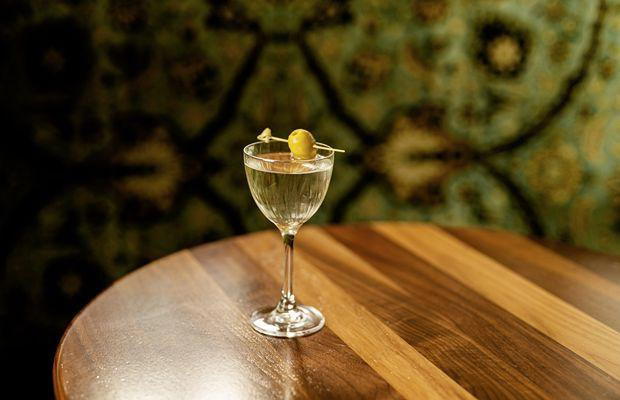
- Craft Cocktails
Current opening hours
- Monday
- 8:30 AM–2 PM
- Tuesday
- 8:30 AM–2 PM
- Wednesday
- 8:30 AM–2 PM
- Thursday
- 8:30 AM–2 PM
- Friday
- 8:30 AM–2:30 PM
- Saturday
- 8:30 AM–2:30 PM
- Sunday
- 8:30 AM–2:30 PM
Hours can change for holidays and private events. Last verified .
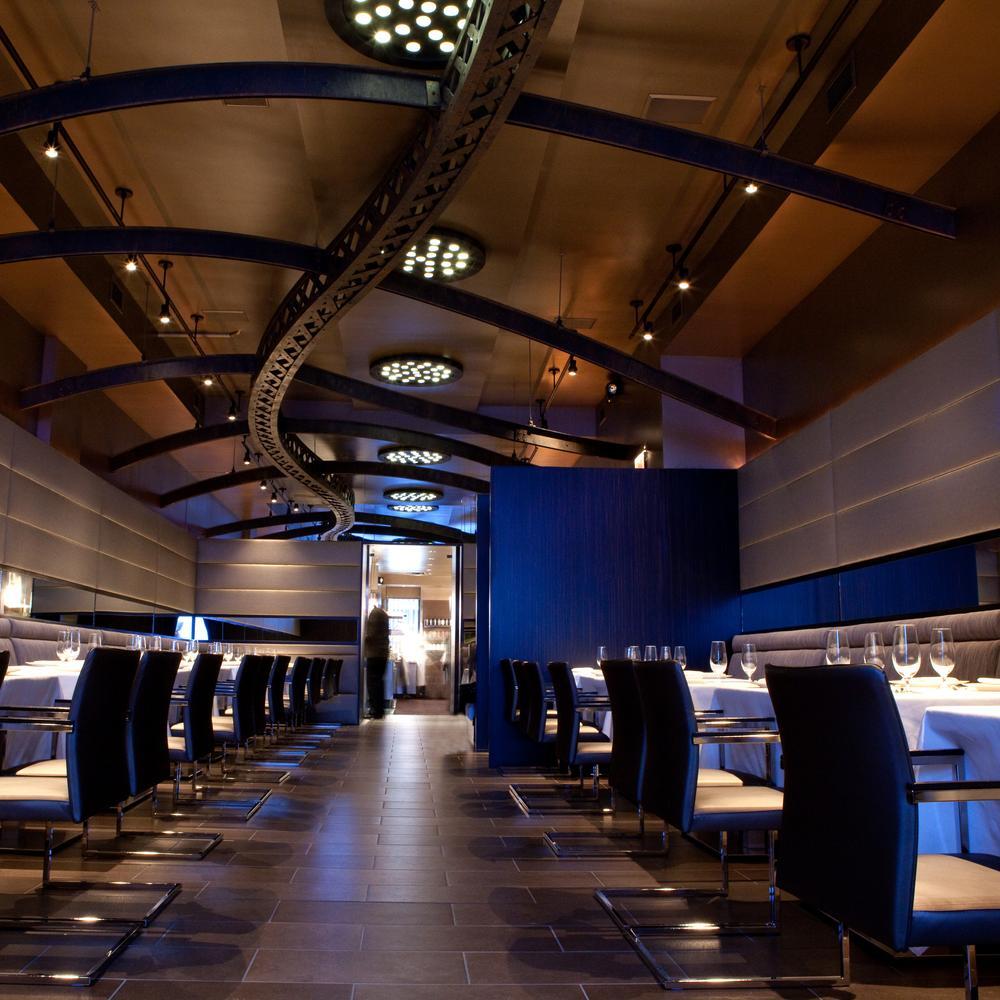
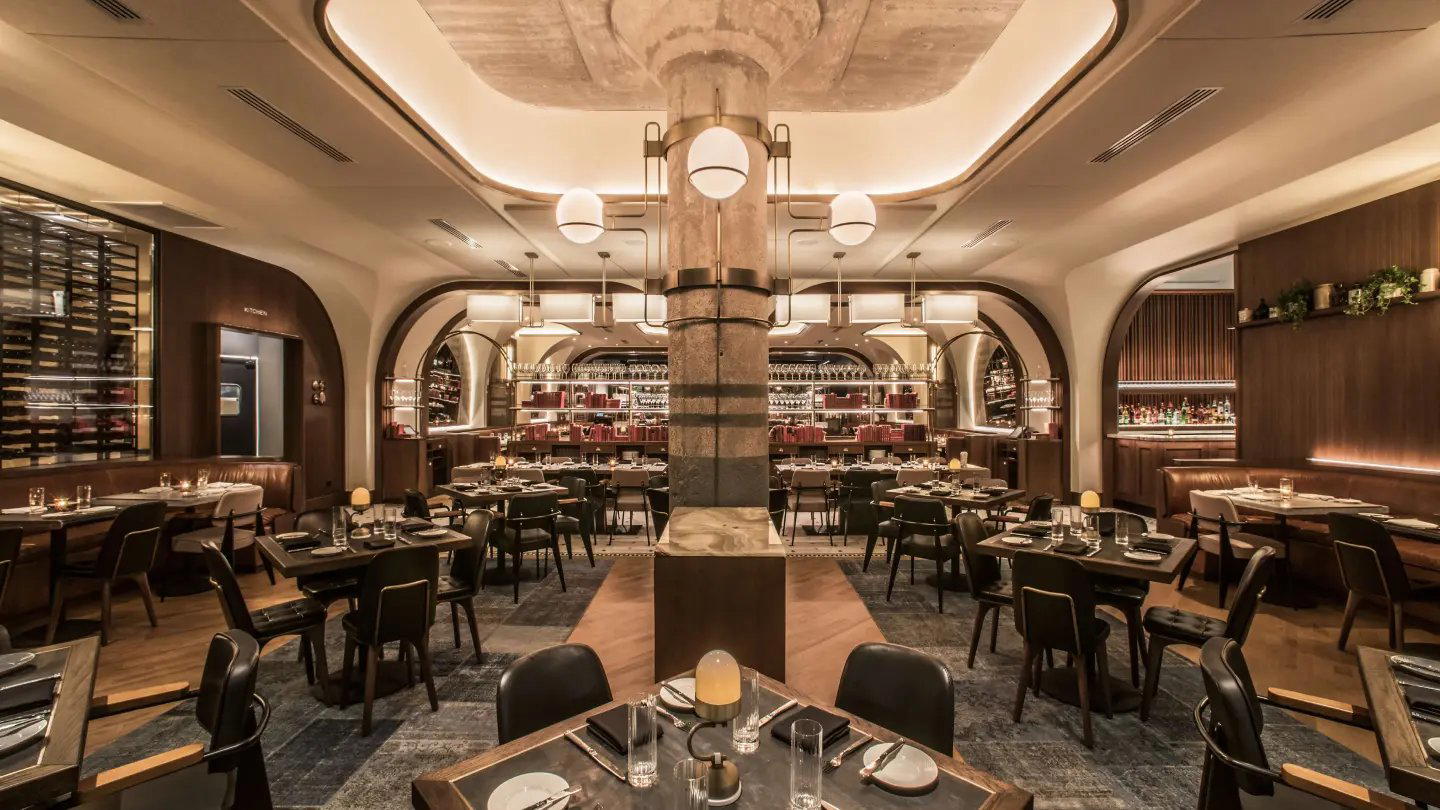
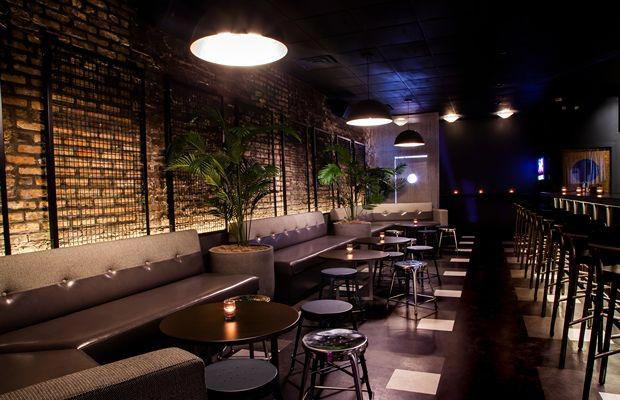
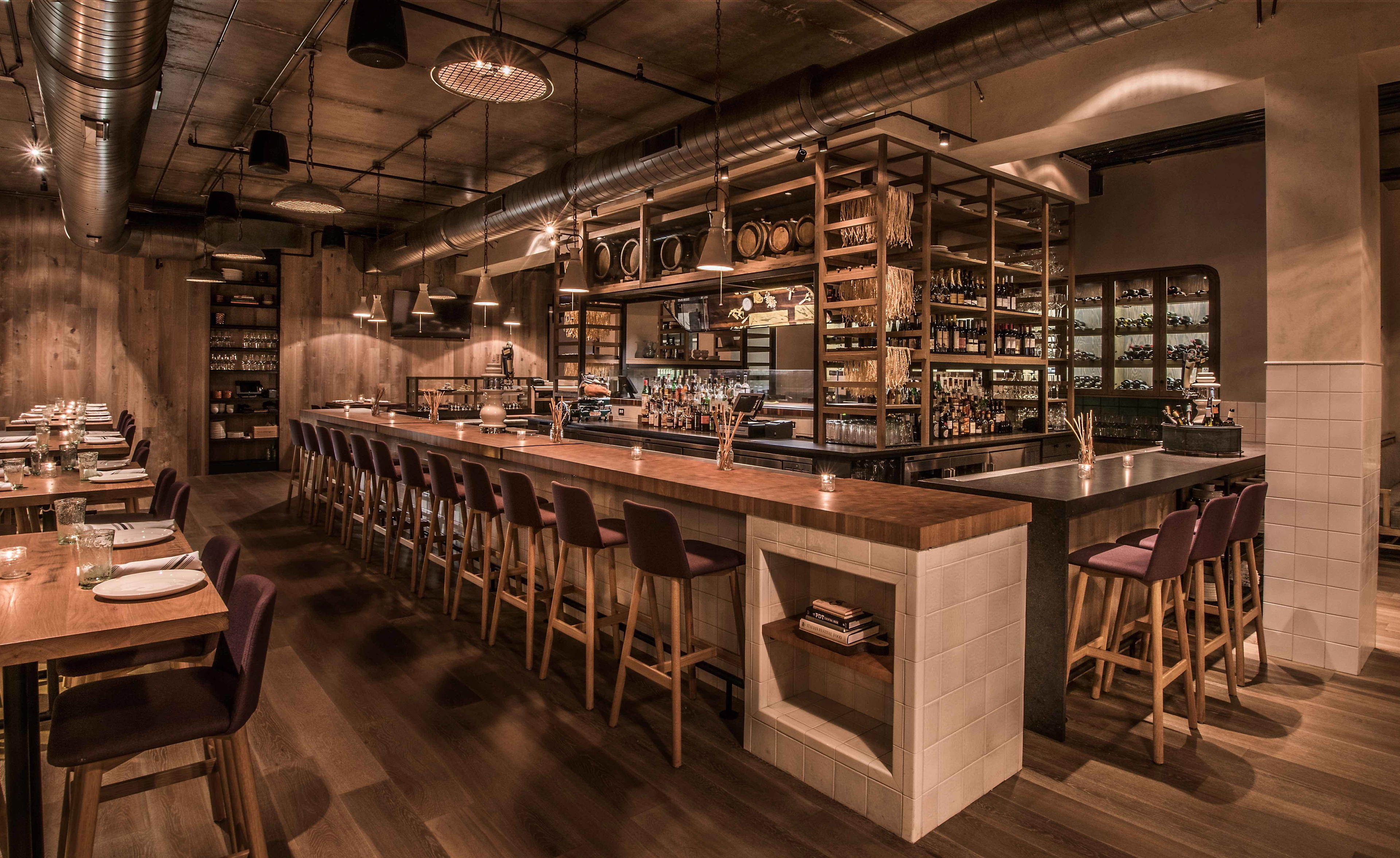
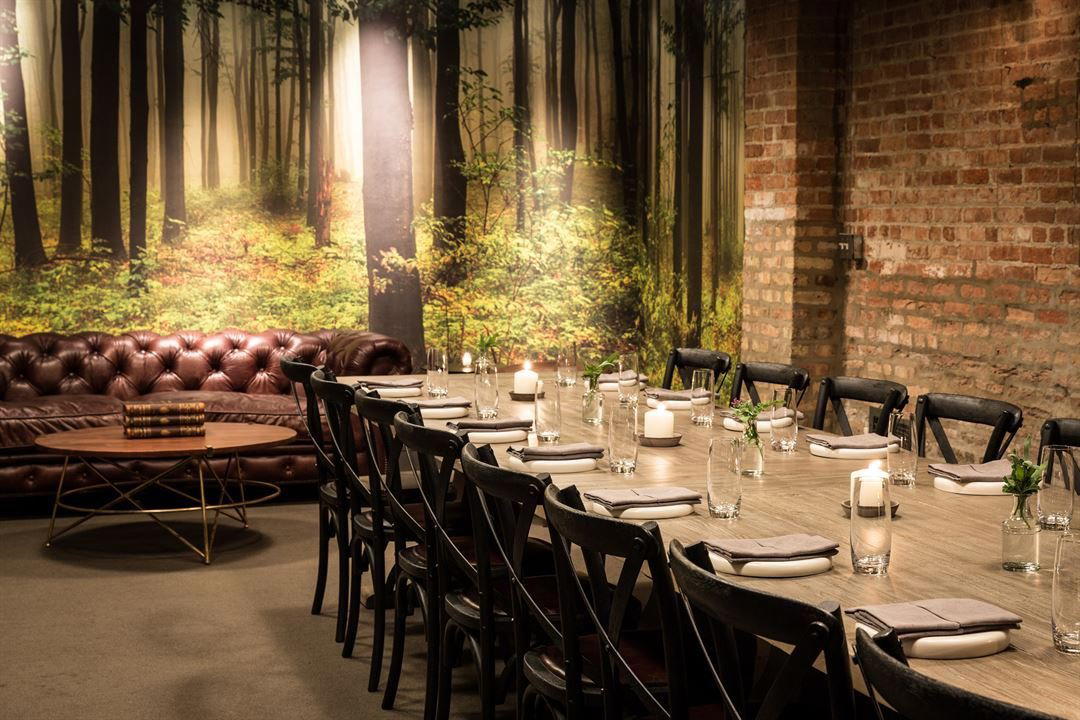
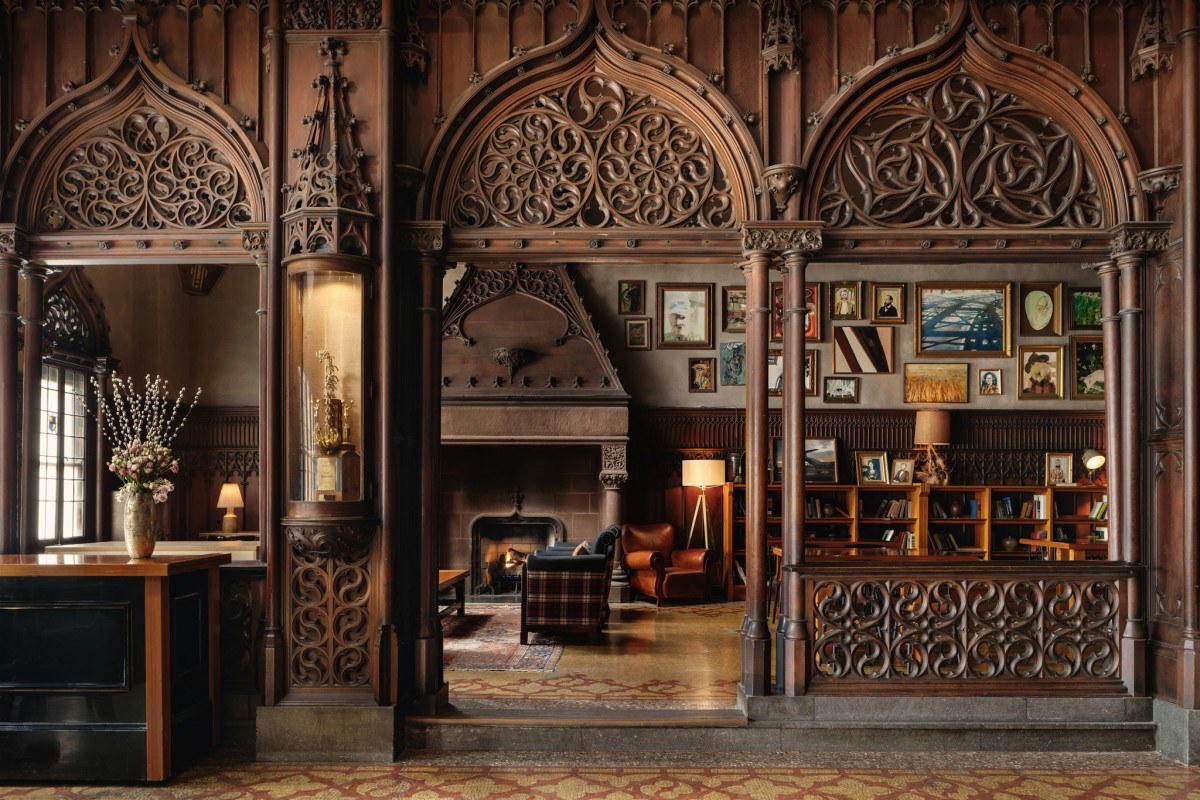
Homey and lively with funky decor inspired by Lucha Libre, skateboarding, and Frida Kahlo, creating a welcoming casual atmosphere.
Know Before You Go
- Getting there
- 1454 W 18th St, Chicago, IL 60608