Frascati
Frascati sits at 1901 Hyde Street in Russian Hill, one of San Francisco's most quietly residential stretches, where neighbourhood loyalty and Italian-leaning cooking have long defined the room. The address places it at the intersection of the cable car corridor and the city's older dining culture, a useful reference point for understanding where it fits in a scene that has shifted considerably around it.
Pearl is the En Primeur Club membership app — saves, bookings, and concierge access live there. Same editors, same standards.
- Address
- 1901 Hyde St, San Francisco, CA 94109
- Phone
- +14159281406
- Website
- frascatisf.com
- Directions
- Get directions
 Saves & bookings on Pearl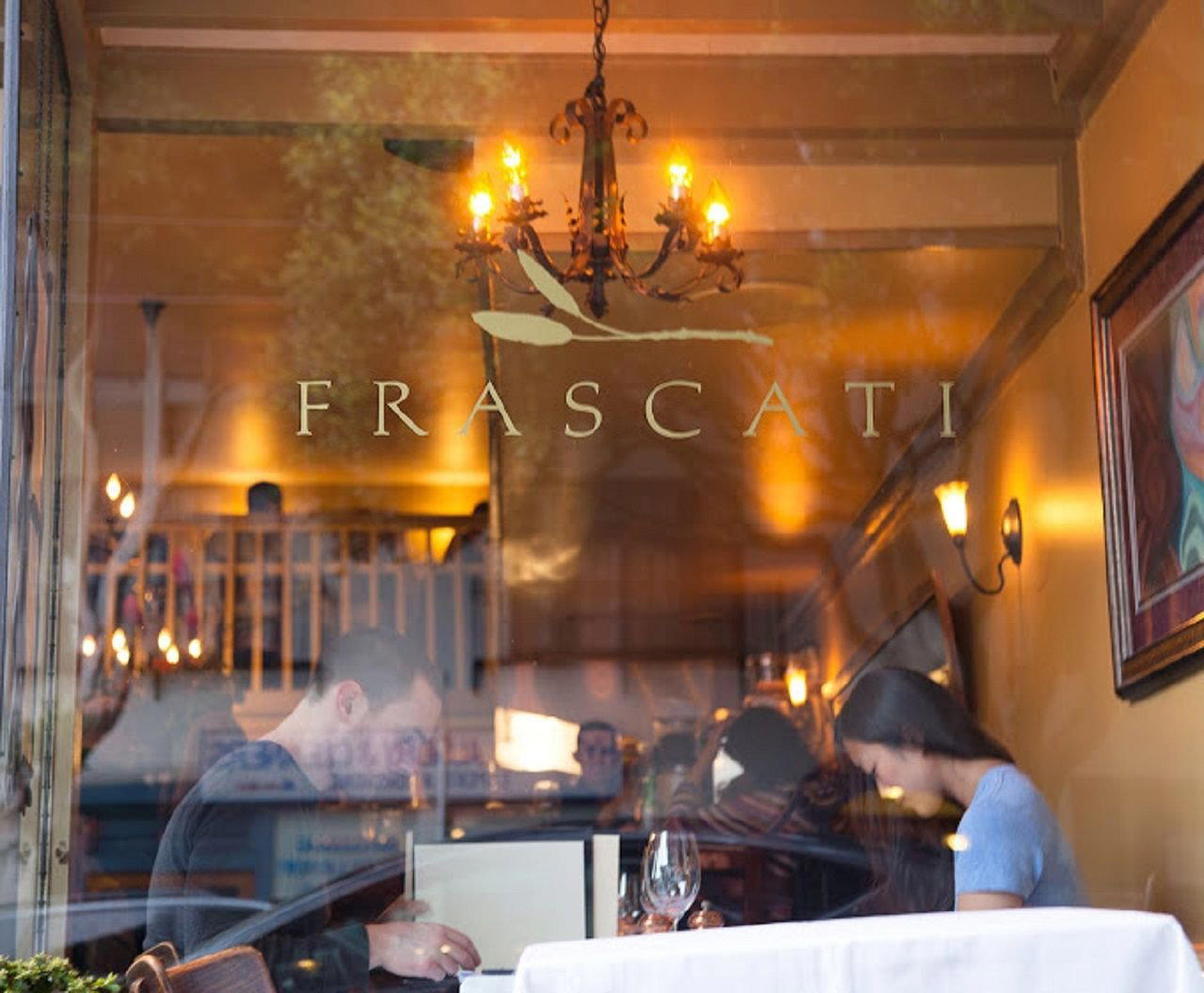
Russian Hill's Dining Character and Where Frascati Fits
San Francisco's dining scene tends to organise itself around a handful of high-profile corridors: the Financial District's expense-account rooms, the Mission's fermentation-forward canteens, Hayes Valley's pre-theatre tasting menus. Russian Hill operates differently. The neighbourhood's restaurant culture is shaped by residents rather than destination diners, and the addresses that survive here do so because they earn repeat visits from people who live within walking distance, not because they appear on international shortlists. The cable car line on Hyde Street is one of the few remaining in the city that still carries genuine daily commuters alongside tourists, and the restaurants that cluster around it reflect that dual audience: accessible enough for a Tuesday, considered enough for a Saturday.
Frascati is a Californian-Italian Bistro at 1901 Hyde St in San Francisco, with a recommended reservation policy and a price tier around $60 per person. Frascati at 1901 Hyde Street sits in that context. The address puts it at the northern slope of Russian Hill, a few blocks from Ghirardelli Square and the Aquatic Park waterfront, but far enough removed that the foot traffic is local rather than tourist-driven. That positioning has historically suited the Italian-leaning neighbourhood restaurant format better than any other: a room that feels like it belongs to the street rather than to a brand.
The Italian Neighbourhood Restaurant in a City That Has Changed Around It
The Italian neighbourhood restaurant is one of the more durable formats in American dining, and San Francisco has a longer relationship with it than most cities. The North Beach tradition, built around generations of Ligurian and Sicilian immigration, produced a dining culture that the city has never fully moved away from, even as the restaurant conversation shifted toward tasting menus and hyper-seasonal California cooking. The tension between those two impulses, comfort and innovation, defines a lot of what happens in rooms like this one.
At the summit of the city's contemporary dining tier, the Italian tradition takes a different form. Quince on Pacific Avenue has positioned itself as the reference point for high-end Italian cooking in San Francisco, with a tasting menu format and a level of sourcing ambition that places it in a comparable set closer to The French Laundry in Napa or Le Bernardin in New York City than to the neighbourhood trattoria tradition. The neighbourhood Italian room occupies a different register entirely: less about declaration, more about consistency.
The broader shift in San Francisco's restaurant culture over the past decade has been well-documented. The arrival of ambitious tasting menu formats at Benu, Atelier Crenn, and Lazy Bear created a distinct upper tier that operates on a different economic and experiential logic from the mid-range neighbourhood room. Saison occupies a similar stratosphere, with a fire-driven format that prices against destination restaurants nationally. These are not the venues Russian Hill residents walk to on a weeknight. They are the venues San Francisco residents plan months in advance, as one might plan a trip to Smyth in Chicago or Atomix in New York City.
The neighbourhood restaurant, by contrast, competes on different terms: proximity, reliability, and the sense that the room knows its regulars. That is the tradition Frascati operates within, and it is a tradition worth taking seriously even when the press attention flows elsewhere.
What the Address Tells You About the Experience
Positioning on Hyde Street at the Russian Hill crest is a specific kind of San Francisco real estate. The views from the upper end of the street are among the more recognisable in the city, and the residential character of the surrounding blocks means that the restaurants here serve a community that has options and exercises them deliberately. This is not the kind of neighbourhood where a mediocre room survives on tourist overflow. The clientele is local, the expectations are calibrated, and longevity is a meaningful signal.
The Italian-leaning format fits this geography in a way that, say, a Korean tasting menu or a hyper-technical cocktail bar would not. Russian Hill's dining identity has always been closer to the comfortable European model, the kind of room where the wine list rewards knowledge but does not demand it, where the pasta course is the point rather than a supporting act. It shares that sensibility with the neighbourhood Italian format you find in cities like Boulder at Frasca Food and Wine, or at the more produce-driven end of California cooking represented by Single Thread Farm in Healdsburg and Blue Hill at Stone Barns, even if the scale and ambition differ considerably.
Further afield, the comparison set for Italian-inflected cooking at the neighbourhood level broadens to include rooms like Providence in Los Angeles, which operates at a different price tier but shares the commitment to sourcing discipline, and Addison in San Diego, which demonstrates how California fine dining has become its own category distinct from European reference points. Emeril's in New Orleans and The Inn at Little Washington represent the American interpretation of the European neighbourhood anchor: rooms defined by their geography and their regulars as much as their menus. In the European context, the regional commitment visible at Atelier Moessmer Norbert Niederkofler in Brunico illustrates how the Italian tradition, when taken seriously, becomes inseparable from place.
Frascati's place in that broader conversation is modest by design. It is not competing with three-Michelin-star rooms or destination tasting menus. It is competing with every other neighbourhood Italian address in a city that has a long memory for what good, consistent cooking looks like.
Planning Your Visit
Frascati is located at 1901 Hyde Street, San Francisco, CA 94109, on the cable car corridor in Russian Hill. Current booking details and hours should be verified directly before visiting.
Cuisine and Credentials
Comparable venues nearby, for context on price, style, and recognition.
| Venue | Cuisine | Price | Notes |
|---|---|---|---|
| FrascatiThis venue — the venue you are viewing | Californian-Italian Bistro | $$$ | Not listed |
| Tosca Cafe | Modern Italian-American | $$$ | North Beach |
| North Beach Restaurant | Classic Italian-American | $$$ | North Beach |
| Fior d'Italia | Northern Italian Fine Dining | $$$ | North Beach |
| 54 Mint | Authentic Roman Cucina | $$$ | South of Market |
| Morella | Argentinian-Italian Fusion | $$ | Marina |
Continue exploring
More in San Francisco
Restaurants in San Francisco
Browse all →
Bars in San Francisco
Browse all →
Hotels in San Francisco
Browse all →
At a Glance
- Cozy
- Elegant
- Intimate
- Date Night
- Special Occasion
- Open Kitchen
- Extensive Wine List
- Street Scene
Current opening hours
- Monday
- Closed
- Tuesday
- 5–9 PM
- Wednesday
- 5–9 PM
- Thursday
- 5–9 PM
- Friday
- 5–9:30 PM
- Saturday
- 5–9:30 PM
- Sunday
- Closed
Hours can change for holidays and private events. Last verified .
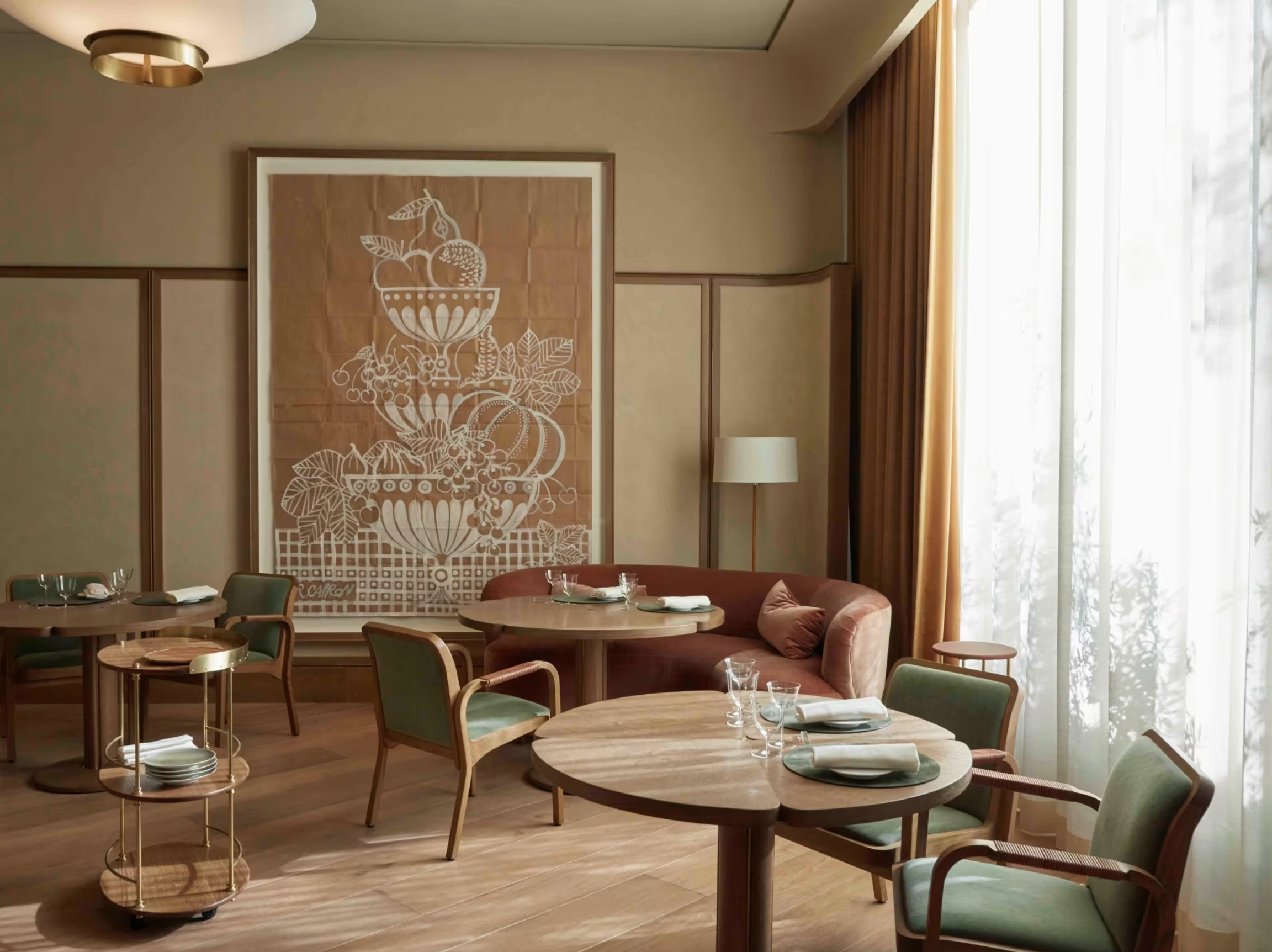
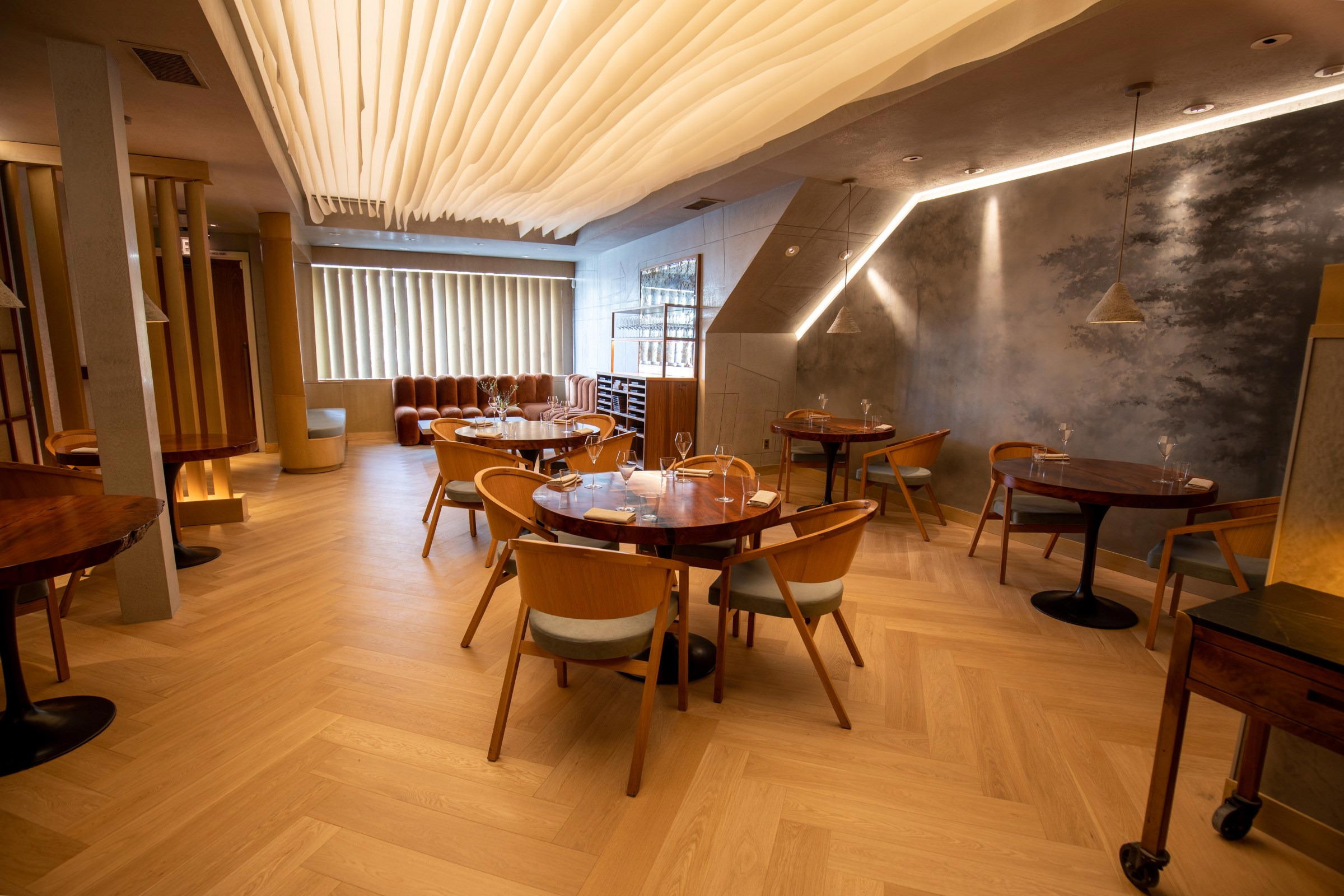
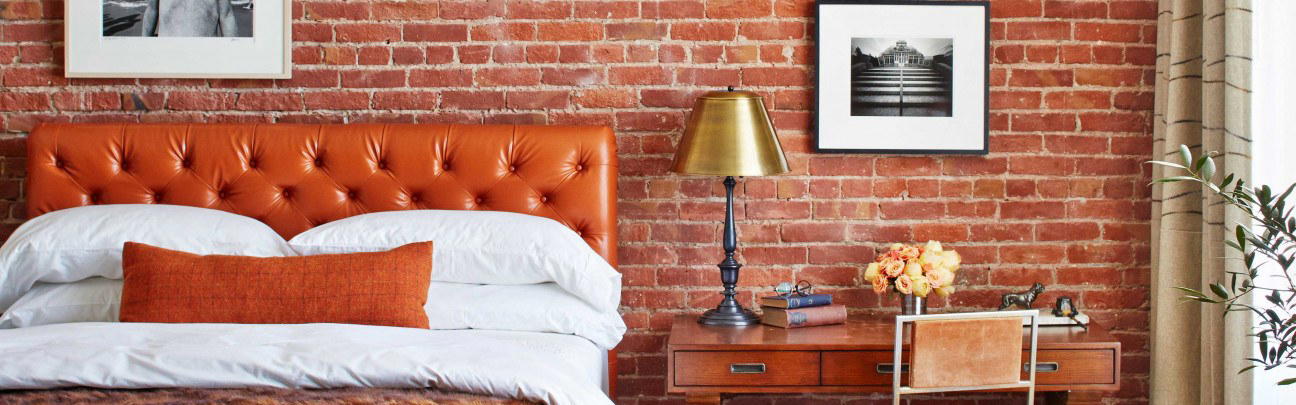
Warm, dimly lit two-floor space with high ceilings, antique light fixtures, and lively energy from natural light and cable car street views.