Frankie's Restaurant Arthur Avenue
On Arthur Avenue in the Bronx, Frankie's sits inside a Italian-American dining tradition that Manhattan's tasting-menu circuit never fully absorbed. The meal here follows a cadence shaped by neighbourhood custom rather than culinary trend: generous portions, long tables, and a pace that assumes you have nowhere else to be. For the city's red-sauce canon, Arthur Avenue remains the more grounded counterpoint to Mulberry Street.
Pearl is the En Primeur Club membership app — saves, bookings, and concierge access live there. Same editors, same standards.
- Address
- 2376 Arthur Ave, Bronx, NY 10458
- Phone
- +13472701452
- Directions
- Get directions
 Saves & bookings on Pearl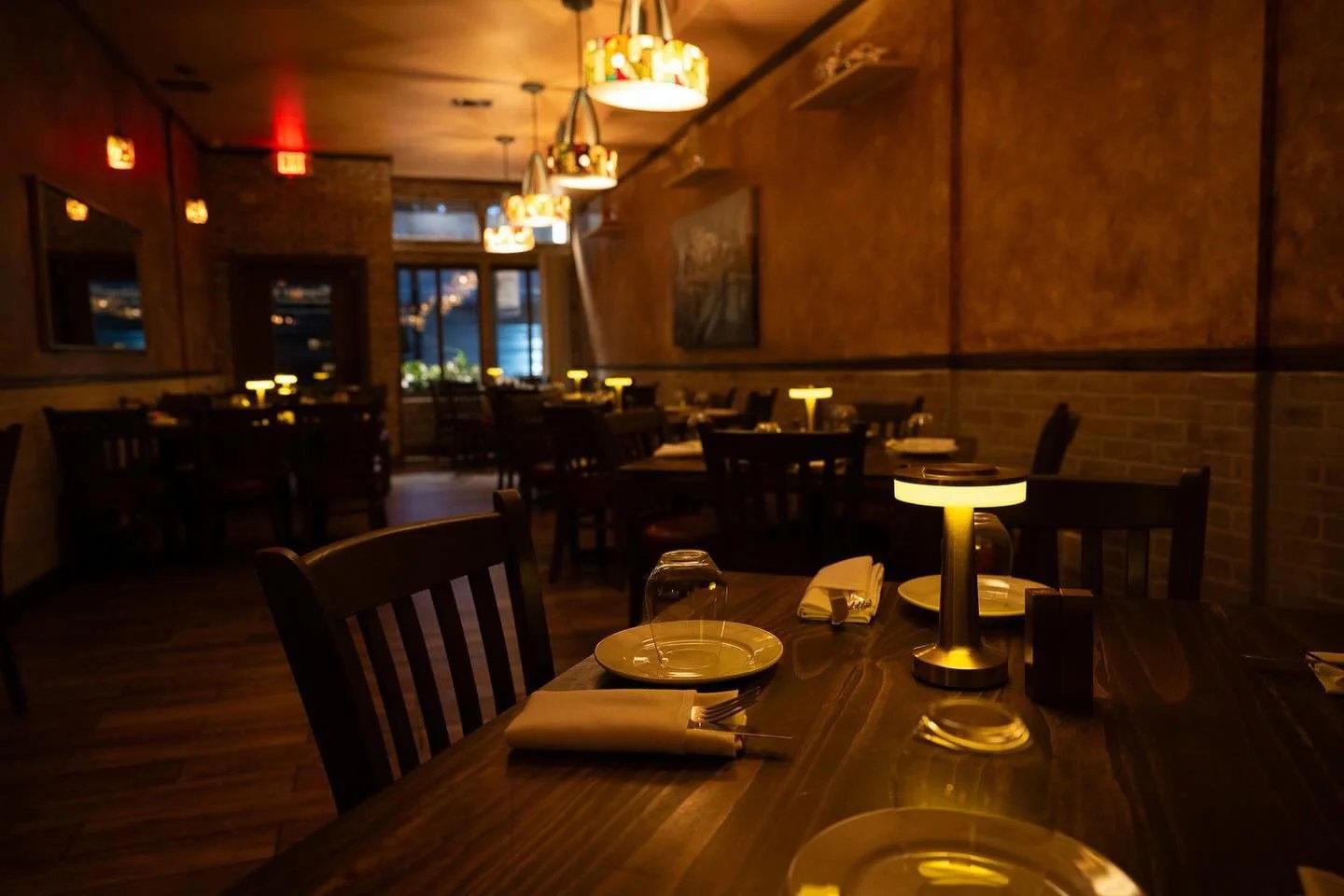
Arthur Avenue and the Red-Sauce Ritual
The Bronx's Arthur Avenue corridor has operated on its own dining logic for the better part of a century. Where Manhattan's Little Italy contracted into a tourist-facing strip, Arthur Avenue held its neighbourhood density: working Italian-American butchers, pastry shops, and trattorias that answer to regulars before they answer to reviews. Frankie's Restaurant, at 2376 Arthur Ave, is a classic Italian-American restaurant in the Bronx, with meals shaped by that block's accumulated customs rather than by any single kitchen philosophy.
That context matters before you sit down. Eating on Arthur Avenue is not the same exercise as booking one of Manhattan's tasting-menu counters. At Le Bernardin, Per Se, or Masa, the meal is a structured sequence, timed and choreographed. Arthur Avenue operates differently: the ritual here is abundance and informality, where the pacing is set by the table rather than the kitchen, and where second helpings are the expectation rather than the exception.
The Ritual of the Table
Italian-American dining in the Bronx follows a recognisable grammar. Antipasti arrive before you have fully decided what you want. Bread is not an amuse-bouche; it is infrastructure. The pasta course is not a small plate interlude but a serious commitment, and the secondi that follow assume you have either paced yourself or abandoned the attempt. This is a meal format closer in spirit to the long Sunday lunches of southern Italy than to the abbreviated tasting menus that dominate Manhattan's premium tier.
At Frankie's, that grammar applies. The dining ritual on Arthur Avenue is communal by default: the tables accommodate groups, the portions are sized for sharing, and the atmosphere presumes that conversation, not contemplation, is the purpose of the evening. This positions Frankie's in a comparable set that has little overlap with Atomix or Eleven Madison Park. The comparison that makes more sense is internal to the neighbourhood itself, or to classic red-sauce houses that have maintained their format across decades of culinary trend cycles.
That consistency is itself a form of editorial statement. While downtown restaurants have chased natural wine lists, fermentation programs, and hyper-seasonal sourcing, the Arthur Avenue model has largely held its shape. Tomato sauce made from San Marzanos, house-made pasta, veal, chicken, and fish prepared without irony, the format survives because its audience never left and new ones keep arriving.
Where Arthur Avenue Sits in the New York Dining Order
New York's restaurant geography is not flat. Manhattan concentrates the award infrastructure, Michelin stars, James Beard recognition, the kind of critical attention that drives international reservation demand. The outer boroughs, including the Bronx, operate in a different register, one where neighbourhood loyalty and generational repeat business carry more weight than algorithm-driven discovery. Arthur Avenue earns its authority through the latter mechanism.
This is a different tier entirely, with its own criteria. The question a visitor should ask about Frankie's is not how it compares to The French Laundry in Napa or Blue Hill at Stone Barns in Tarrytown but whether it delivers what its specific tradition promises: a full, unhurried Italian-American meal in a neighbourhood that has been eating this way for generations.
That tradition has parallels elsewhere in American regional dining. The red-gravy institutions of New Orleans, the Italian-American enclaves of South Philadelphia and Boston's North End, and the family-style trattorias of Chicago's suburbs all operate on a similar premise: the dining ritual is the product, not merely the delivery mechanism for the food. Emeril's in New Orleans represents one end of that American regional-Italian-adjacent spectrum; Arthur Avenue represents the end where the neighbourhood never became a destination and is more honest for it.
What to Order and How to Pace Yourself
The Italian-American table on Arthur Avenue rewards a particular strategy: order less than you think you need, then recalibrate. The portions at establishments in this corridor are sized for an era when restaurant meals were the primary protein event of the week. Antipasto, a shared pasta, and a main is a full meal for two adults; the addition of a dessert course and espresso is an act of commitment, not an afterthought.
For first-time visitors, the red-sauce canon is the entry point: braised meats, baked ziti or rigatoni with Sunday gravy, and whatever seafood the kitchen is running that day. These are the dishes that define the Arthur Avenue register and the ones most likely to reflect the kitchen at its most practised. More adventurous ordering carries more variance, as it does at any neighbourhood trattoria operating at volume. The format here is closer in spirit to Frasca Food and Wine in Boulder, which also builds its identity around a specific regional Italian tradition, than to the open-ended tasting menus at Smyth in Chicago or Lazy Bear in San Francisco.
The wine list, at restaurants in this neighbourhood, tends toward Italian varietals at accessible price points. The expectation is house red or a direct Montepulciano, not the kind of sommelier-led programme you'd find at Providence in Los Angeles or Addison in San Diego. That is consistent with the format, and fighting it by searching for complexity in the wine list misreads the room.
Most visitors who make the trip treat the meal as the destination rather than a prelude to another activity, which is the correct orientation: this is a neighbourhood, not a dining district, and it rewards that reading.
For those interested in how Italian-American dining traditions translate into fine-dining contexts elsewhere in the world, Atelier Moessmer Norbert Niederkofler in Brunico and Dal Pescatore in Runate offer two different European reference points for the same underlying Italian hospitality logic that Arthur Avenue maintains in a Bronx key.
The Essentials
Comparable venues nearby, for context on price, style, and recognition.
| Venue | Cuisine | Price | Notes |
|---|---|---|---|
| Frankie's Restaurant Arthur AvenueThis venue — the venue you are viewing | Belmont, Classic Italian-American | $$ | Not listed |
| Paulie Gee’s | Gowanus, Neapolitan-Inspired Pizza | $$ | Not listed |
| Gennaro | Not listed | $$ | Upper West Side (Central), Authentic Southern Italian Trattoria |
| Cafe Paradiso | Not listed | $$ | Upper West Side-Lincoln Square, Italian-American Cafe |
| NORMA’S | Not listed | $$ | Midtown-Times Square, Authentic Sicilian Gastronomia |
| BarDough | Not listed | $$ | Hell's Kitchen, Brick Oven Pizza & Craft Cocktails |
Continue exploring
More in New York City
Restaurants in New York City
Browse all →
Bars in New York City
Browse all →
Hotels in New York City
Browse all →




At a Glance
- Cozy
- Romantic
- Charming
- Lively
- Intimate
- Date Night
- Special Occasion
- Group Dining
- Private Dining
- Craft Cocktails
Current opening hours
- Monday
- 11 AM–10 PM
- Tuesday
- 11 AM–10 PM
- Wednesday
- 11 AM–10 PM
- Thursday
- 11 AM–10 PM
- Friday
- 11 AM–10 PM
- Saturday
- 11 AM–10 PM
- Sunday
- 11 AM–10 PM
Hours can change for holidays and private events. Last verified .
Warm, cozy and lively with intimate lighting, fresh-baked focaccia, and an energetic atmosphere that can be noisy on peak nights.