
Francis occupies a ground-floor shophouse on St Francis Street in Wan Chai, where the neighbourhood's mix of vintage stores and independent bars sets an informal register that the food quietly contradicts. The kitchen works at the intersection of European bistro technique and Hong Kong produce, producing a style that reads casual but cooks seriously. It sits among the area's more consistently discussed dining addresses.
Pearl is the En Primeur Club membership app — saves, bookings, and concierge access live there. Same editors, same standards.
- Address
- Hong Kong, Wan Chai, St Francis St, 4 & 6號G/F
- Phone
- +852 3101 9521
- Website
- francis.com.hk
- Directions
- Get directions
 Saves & bookings on Pearl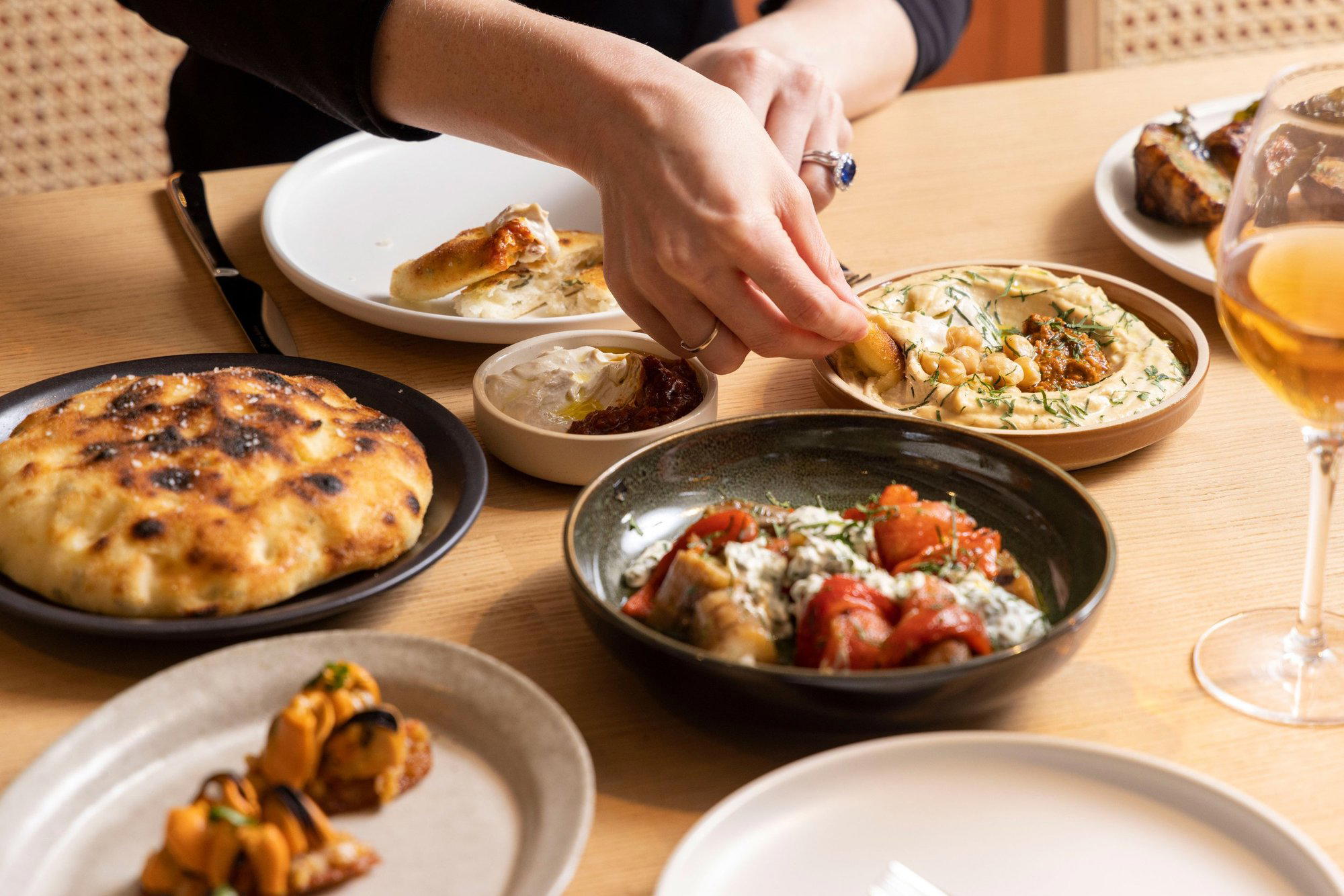
St Francis Street and the New Wan Chai Dining Register
Wan Chai has spent the better part of a decade shedding its older identity as a district of late-night bars and transient dining. The strip around St Francis Street and the lower slopes of Bowen Hill now reads differently: vintage boutiques, independent wine bars, and a cluster of restaurants that pitch their ambition somewhere between neighbourhood ease and considered cooking. It is the kind of precinct that forms when rents allow independent operators to take ground-floor shophouse space and hold it long enough to build a following. Francis sits on that street, in a pair of adjoining ground-floor units at numbers 4 and 6, and the physical address matters because it signals the register immediately. You are not entering a hotel dining room or a tower-level destination. You are walking into a bistro on a residential-commercial street, which is precisely the context the food is designed to work inside.
Where European Bistro Form Meets Hong Kong Produce
The more useful frame for understanding what Francis does is not the bistro label itself but the tension that label contains in Hong Kong. European bistro cooking, in its original sense, is a discipline of economy and technique: inexpensive cuts handled carefully, sauces built from bones and time, vegetables treated as primary rather than incidental. Transplanted to Hong Kong, that framework encounters a different ingredient reality. Wet markets in Wan Chai and across Hong Kong Island still supply produce, proteins, and seafood that carry local specificity, varieties, freshness windows, and seasonal rhythms that differ from the European sources the technique was built around. One interesting version of this kitchen approach is not substitution, where local ingredients are swapped in to approximate European results, but genuine intersection, where the technique serves the ingredient rather than overriding it.
This is the angle that distinguishes the more serious informal European restaurants in Hong Kong from their peers. Venues like Ta Vie, which works a Japanese-French fusion at a higher price tier, and Caprice at the Four Seasons, operating at the formal end of French cooking in Hong Kong, represent different points on the spectrum. Francis operates closer to the accessible end of that range, where the informal format allows the kitchen more freedom to follow seasonal local supply without the constraint of a fixed tasting architecture.
The Bistro as a Technical Vehicle
What the bistro format enables, when it is executed with discipline, is a menu that can change frequently enough to track local produce availability without requiring the choreography of a multi-course tasting program. Globally, the bistro has proven itself as one of the more durable formats for skilled cooking precisely because it separates technique from ceremony. Le Bernardin in New York operates at the opposite end of formality but demonstrates the same underlying principle: the cooking carries the weight, not the room or the ritual. At Francis, the shophouse setting enforces informality in ways that free the plate to do the work.
This also positions Francis in a different competitive set from Hong Kong's Michelin-decorated French and Italian addresses. 8 1/2 Otto e Mezzo Bombana and Amber occupy a formal, high-spend tier where the room, the service architecture, and the wine program are as much the product as the food. Francis competes instead with a growing cohort of informal-but-serious European restaurants in Hong Kong that have expanded considerably since around 2018, as operators recognised that the city's dining appetite for European cooking extended well below the starred formal tier.
The Wan Chai Neighbourhood Context
Understanding where Francis sits physically helps calibrate expectations and logistics. The lower Wan Chai area between the tram line and the mid-levels escalator catchment has developed a density of food and drink options that makes it function as a genuine dining neighbourhood rather than a destination-specific address. Forum, the long-running Cantonese address in the district, represents the older institutional layer of Wan Chai dining. The newer wave, which includes Francis, operates in a more casual register and draws a crowd that mixes local professionals, expats, and visitors who have moved past the reflexive pilgrimage to the hotel dining rooms of Central.
For practical purposes, the address on St Francis Street is a short walk from the Wan Chai MTR station, and the surrounding streets offer enough adjacent bars and wine shops to support an evening that starts or ends elsewhere. The area rewards those who arrive without a tight schedule, as the informal format and the neighbourhood character both suggest an unhurried approach. Booking is advisable for weekend evenings given the restaurant's standing in the area, though the specific booking method is best confirmed directly with the venue.
Placing Francis in the Broader Hong Kong Informal Dining Shift
Hong Kong's restaurant market has long been read through the lens of its Michelin Guide presence, which skews toward formal, expensive, and hotel-anchored dining. That frame misses a significant and growing part of the city's food culture. Venues like Feuille at the French contemporary end and Mono in the Latin American space represent the same underlying shift: skilled cooking in formats that do not require a dress code or a three-figure per-head commitment before wine. Francis occupies that same band, with a European bistro identity that gives it a clear positioning within the cohort.
For visitors approaching Hong Kong with a broader itinerary that includes Le Salon de Thé de Joël Robuchon in Central or a formal dinner at one of the hotel addresses, Francis represents the kind of meal that rebalances the week: lower ceremony, tighter focus on what is on the plate, and an environment that is readable as a local dining room rather than a tourist destination. That is not a minor distinction in a city where the line between the two can feel thin.
Internationally, the bistro-with-intent model has produced particularly discussed restaurant openings of the past decade. From Lazy Bear in San Francisco to the technically ambitious work at Alinea in Chicago and the ocean-produce focus at Aponiente in El Puerto de Santa María, the global direction of cooking has consistently moved toward format discipline rather than format inflation. Francis reads as part of that same movement applied to the Hong Kong context, where the informal European bistro has become a serious vehicle for local ingredient work.
Planning Your Visit
Francis is located at 4 and 6 St Francis Street, Wan Chai, on the ground floor of a shophouse building at the foot of Bowen Hill. The Wan Chai MTR station is one practical arrival point, with the restaurant a short walk from either exit. The neighbourhood is dense with adjacent dining and drinking options, making it a sensible base for an evening rather than a single-stop visit. Reservations for weekend service are advisable given the restaurant's following in the area.
Side-by-Side Snapshot
Comparable venues nearby, for context on price, style, and recognition.
| Venue | Cuisine | Price | Notes |
|---|---|---|---|
| FrancisThis venue — the venue you are viewing | Modern Israeli Mezze | $$ | Not listed |
| Radical Chic | Dining | Not listed | Yau Tsim Mong South |
| Hoi Kwong Seafood Restaurant (海港食家) | Traditional Cantonese Seafood | $$ | Ap Lei Chau |
| Brut! | Modern French-Asian Fusion | $$ | Western |
| Sun Hon Kee Restaurant | Modern Hakka Cuisine | $$ | Wu Tip Shan |
| Giando | Italian | Not listed | Hong Kong |
Recognition history
Dated appearances from independent guides and award organizations, with the underlying list record or original source where available.
Star Wine List
Star Wine List
Continue exploring
More in Hong Kong
Restaurants in Hong Kong
Browse all →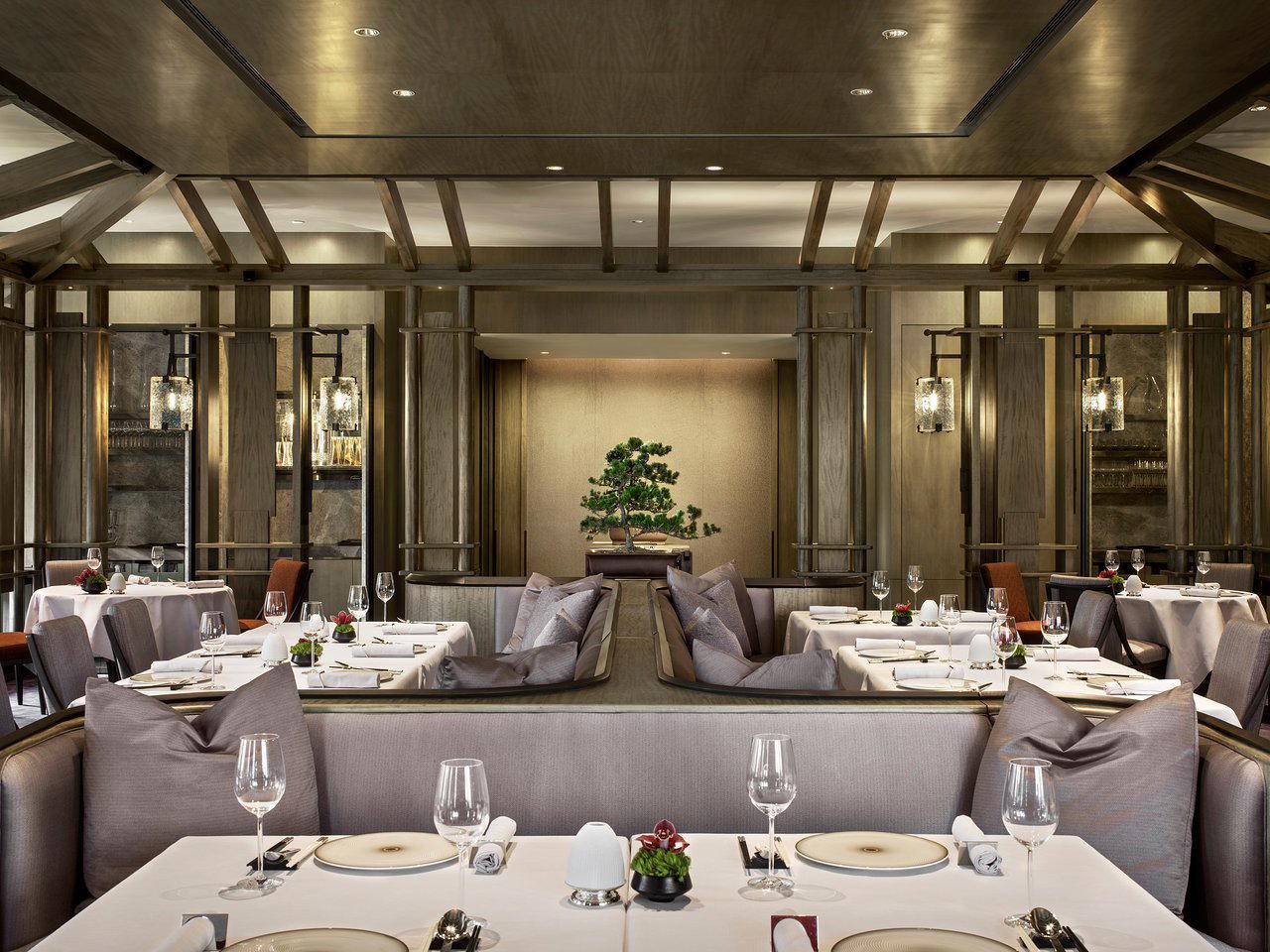
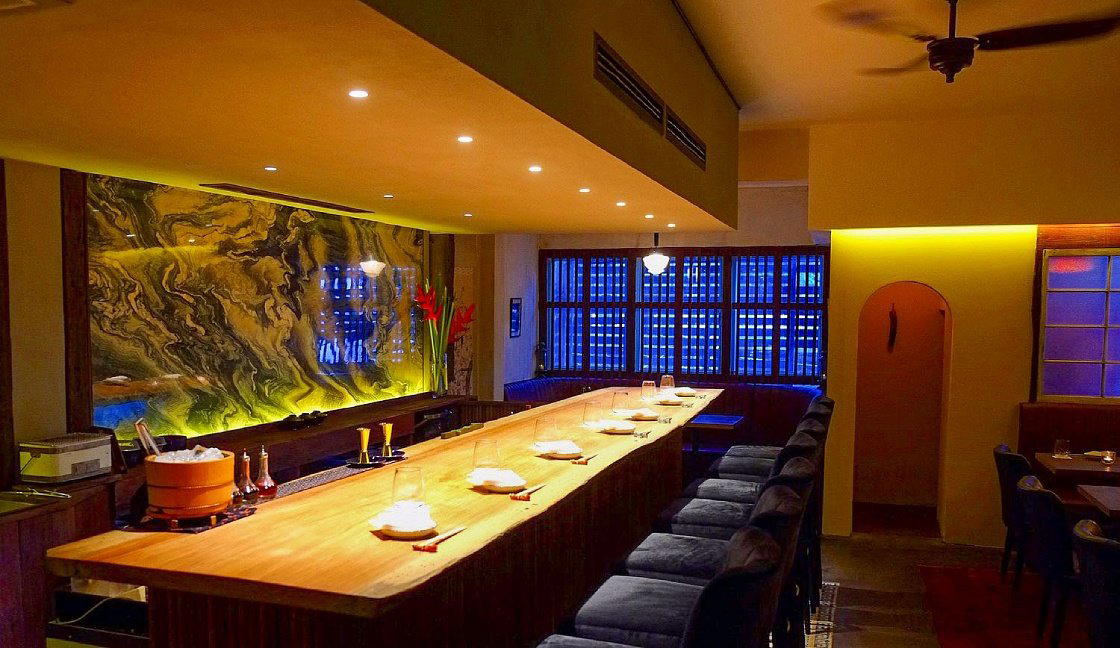
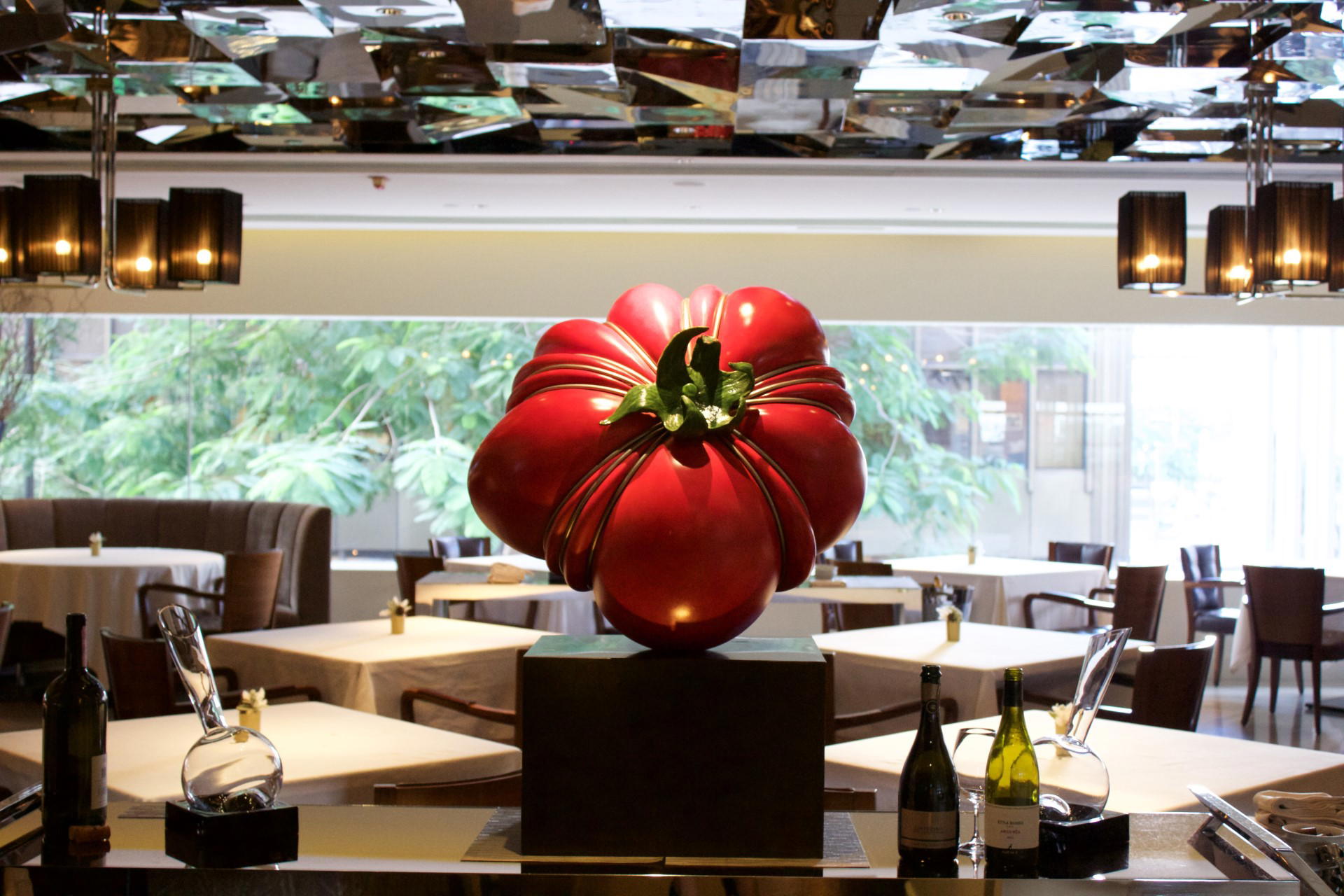
Bars in Hong Kong
Browse all →
At a Glance
- Cozy
- Warm
- Intimate
- Trendy
- Date Night
- Casual Hangout
- Open Kitchen
- Extensive Wine List
Current opening hours
- Monday
- 12–10 PM
- Tuesday
- 12–10 PM
- Wednesday
- 12–10 PM
- Thursday
- 12–10 PM
- Friday
- 12–10 PM
- Saturday
- 12–10 PM
- Sunday
- 12–10 PM
Hours can change for holidays and private events. Last verified .
Cool and dimly lit with a warm, hospitable atmosphere praised for its cozy and lively feel.