Flowers Lebanese restaurant
Flowers Lebanese restaurant occupies a Mayfair address on Woodstock Street, placing it squarely within one of London's most competitive dining corridors. The menu draws from the Lebanese tradition of shared plates, aromatic spice, and mezze-led hospitality that has found a durable audience in the capital. For visitors already planning a West End itinerary, it sits within easy reach of the neighbourhood's broader restaurant circuit.
Pearl is the En Primeur Club membership app — saves, bookings, and concierge access live there. Same editors, same standards.
- Address
- 11 Woodstock St, London W1C 2AE, United Kingdom
- Phone
- +442033376592
- Website
- opentable.com
- Directions
- Get directions
 Saves & bookings on Pearl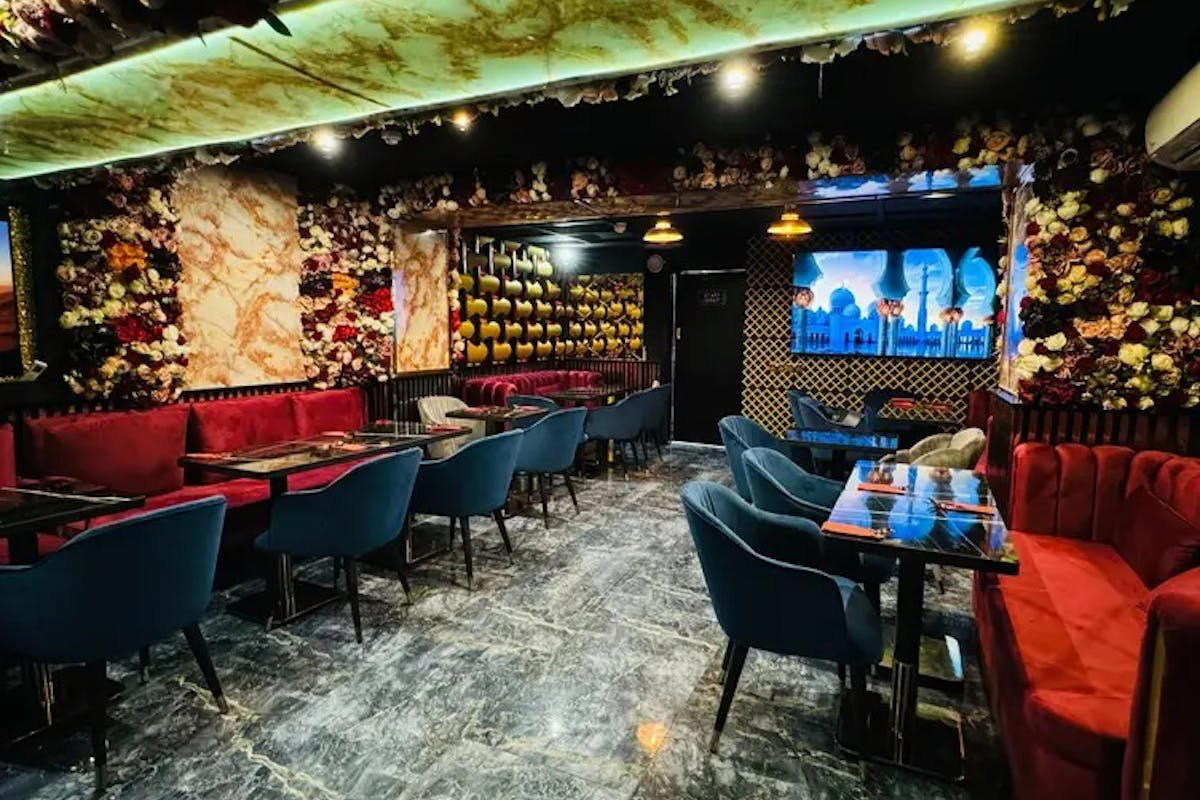
Mayfair's Lebanese Table
London's Mayfair dining scene has long operated as a study in contradiction: some of the city's most formal, trophy-laden restaurants sit within a short walk of neighbourhood spots that have survived decades on the strength of a single, well-executed cuisine. Lebanese cooking occupies a particular position in that ecosystem. Where the French-influenced rooms of Sketch, The Lecture Room and Library or the tasting-menu rigour of CORE by Clare Smyth demand a certain kind of attention from their guests, a well-run Lebanese table asks something different: that you slow down, order broadly, and let the meal accumulate across a spread of dishes rather than arrive in a prescribed sequence.
Flowers Lebanese restaurant, at 11 Woodstock Street, W1C 2AE, sits in that tradition. The address places it in the quieter residential fringe of Mayfair, away from the more aggressively trafficked blocks around Berkeley Square, on a street that retains some of the neighbourhood's original Georgian character. That physical context matters: Woodstock Street does not shout. The approach to the restaurant is low-key by Mayfair standards, which tends to suit a cuisine whose pleasures are cumulative rather than theatrical.
The Shape of Lebanese Hospitality in London
Lebanese cuisine has been part of London's restaurant culture for longer than most of the city's other Middle Eastern food traditions. The first wave of Lebanese restaurants in the capital arrived in the 1970s and 1980s, concentrated around Edgware Road and later spreading into Knightsbridge and Mayfair. What distinguished the better rooms in that tradition was the same thing that distinguishes them now: the quality of the cold mezze, the sourcing of flatbread, the generosity of the pour, and the willingness to let a table sit and build a meal at its own pace.
That hospitality model differs meaningfully from the tasting-menu format that dominates Mayfair's highest-profile restaurants. At Restaurant Gordon Ramsay or The Ledbury, the kitchen controls the sequence and the pace. Lebanese dining at its leading inverts that: the table sets the rhythm, and the kitchen responds. Mezze arrives first — hummus, mutabal, fattoush, kibbeh — and the meal expands or contracts based on appetite and conversation. It is a format that rewards large groups and extended evenings.
The aromatic architecture of Lebanese cooking also sets it apart from the European-influenced menus that dominate the neighbourhood. Za'atar, sumac, pomegranate molasses, dried rose petals, and the smoke of a proper charcoal grill produce a sensory register that is harder to replicate in a domestic kitchen than it might appear. The smell of good Lebanese grilled meat, lamb kofta or shish tawook over live coals, is one of the more immediately recognisable signals that a kitchen is taking its sourcing and technique seriously.
Situating Flowers Within the West End Circuit
For visitors building a multi-day London itinerary, Mayfair functions as a natural hub. The neighbourhood sits between Hyde Park to the west and the West End theatre district to the east, and its restaurant density means that most dining decisions can be made on foot. Flowers' Woodstock Street location puts it within the same walkable radius as the Bond Street shopping corridor and the gallery district around Cork Street.
That positioning makes it a practical choice for a pre-theatre or post-shopping dinner, where the sharable format works in favour of timing: mezze-led meals can be compressed into ninety minutes or extended across three hours without the kitchen imposing a structure. For guests whose Mayfair itinerary already includes a more formal booking, at Dinner by Heston Blumenthal at the Mandarin Oriental, for example, or at one of the neighbourhood's other destination rooms, a Lebanese dinner provides a counterpoint in format and price register.
London's broader restaurant scene, detailed in our full London restaurants guide, spans everything from the three-Michelin-star formality of Waterside Inn in Bray and Le Manoir aux Quat'Saisons in Oxford to the more regional ambitions of L'Enclume in Cartmel, Moor Hall in Aughton, and Gidleigh Park in Chagford. Flowers does not compete in that register, nor should it be evaluated against it. It sits in a different category: neighbourhood-anchored, cuisine-specific, with a format defined by sharing rather than sequence.
What Lebanese Cooking Does Well in a City Like London
Cities with large Lebanese diaspora communities tend to develop a bifurcated Lebanese restaurant scene: there are the community-facing rooms, where pricing is low and the food is calibrated for regulars who will notice if the hummus changes, and there are the more visitor-facing rooms, which often trade on atmosphere and address. The better restaurants in both categories share a commitment to a few fundamentals: good olive oil, properly made tahini, bread that arrives hot, and charcoal that actually gets used rather than approximated.
London's Mayfair addresses generally sit in the visitor-facing tier, which creates a specific set of expectations around service, setting, and the overall experience of the room. Whether a restaurant in that tier earns its address depends largely on whether the kitchen holds to the fundamentals while also delivering the kind of front-of-house fluency that Mayfair diners expect. Those two things do not always coexist, and the Lebanese restaurants that have sustained themselves in this neighbourhood over time have generally done so by getting both right.
For reference points further afield, the EP Club restaurant coverage extends to addresses like Midsummer House in Cambridge, Opheem in Birmingham, Restaurant Andrew Fairlie in Auchterarder, Hand and Flowers in Marlow, and hide and fox in Saltwood, as well as international addresses including Le Bernardin in New York City and Atomix in New York City.
Know Before You Go
| Address | 11 Woodstock St, London W1C 2AE, United Kingdom |
|---|---|
| Cuisine | Lebanese |
| Neighbourhood | Mayfair, London |
| Nearest Transport | Bond Street station (Central and Jubilee lines) is the closest Underground stop, approximately a short walk from Woodstock Street |
| Booking | Contact details not currently listed; walk-in or direct enquiry at the venue is advised |
| Hours | Not confirmed at time of publication; verify directly before visiting |
| Price Range | Not confirmed at time of publication |
How Flowers Lebanese restaurant London compares with similar nearby venues.
| Venue | Cuisine | Price |
|---|---|---|
| Beast | Steak-Seafood, Pacific Northwestern | Not listed |
| Cavita | Mexican | £££ |
Continue exploring
More in London
Restaurants in London
Browse all →
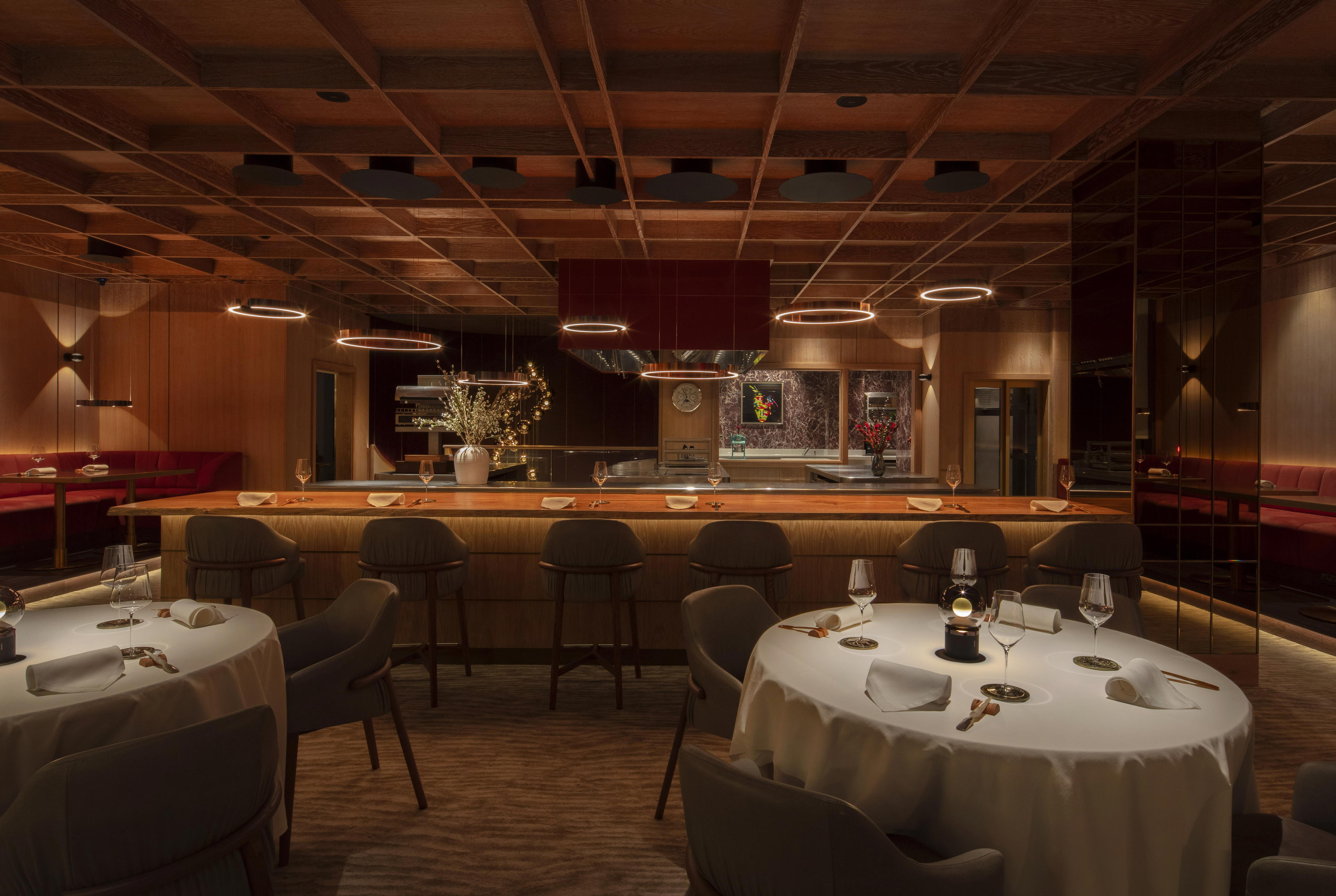
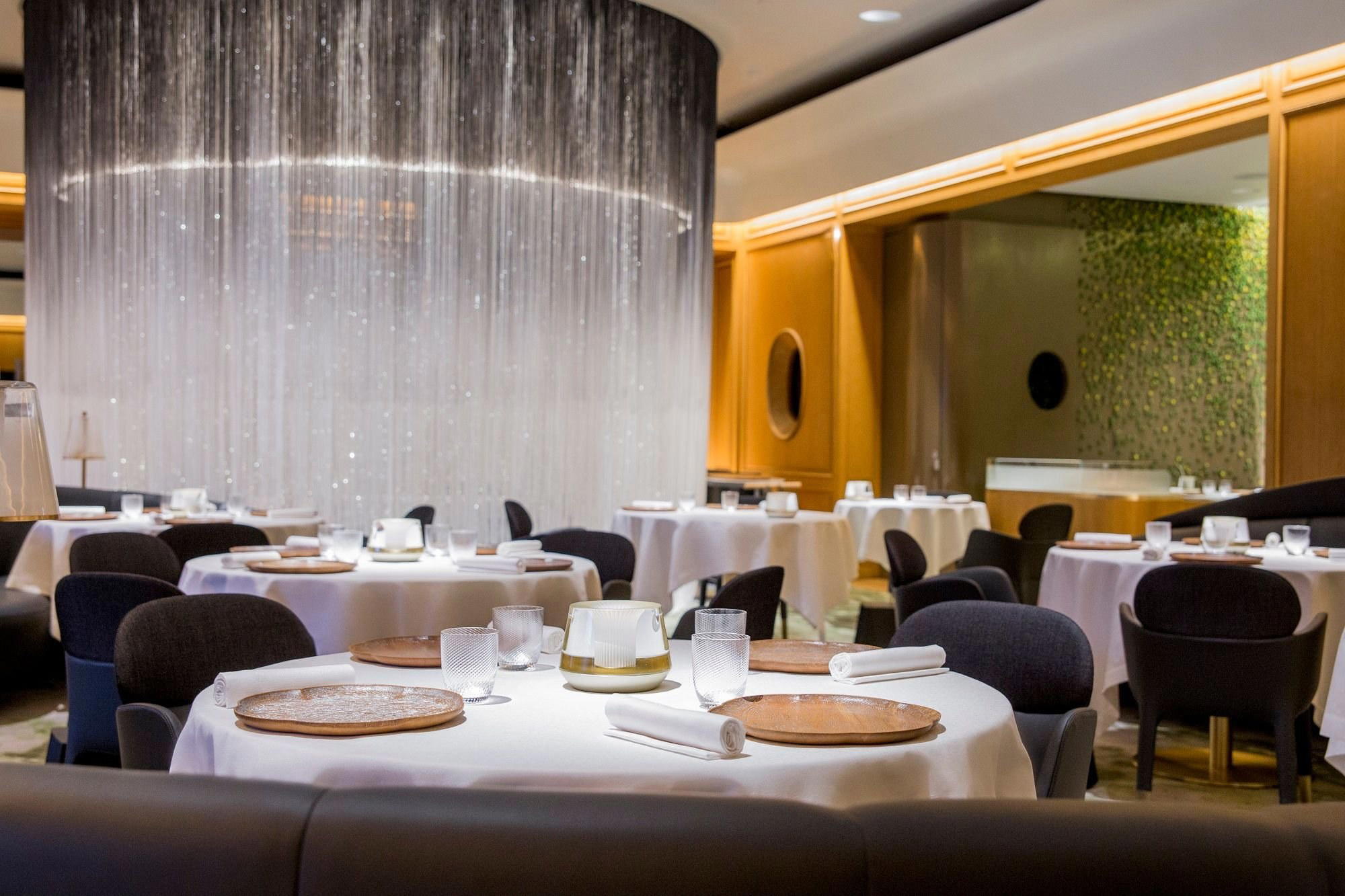
Bars in London
Browse all →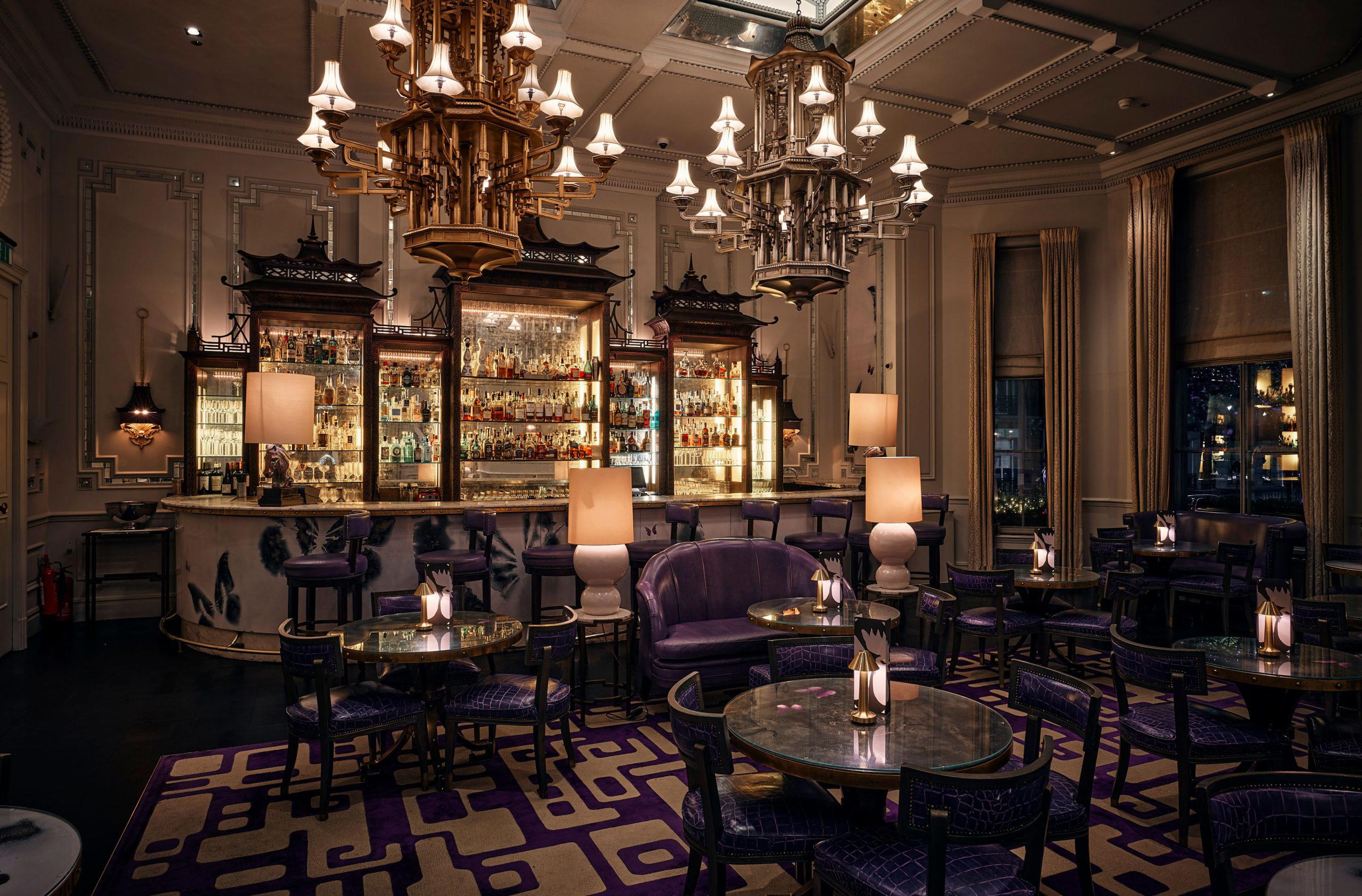
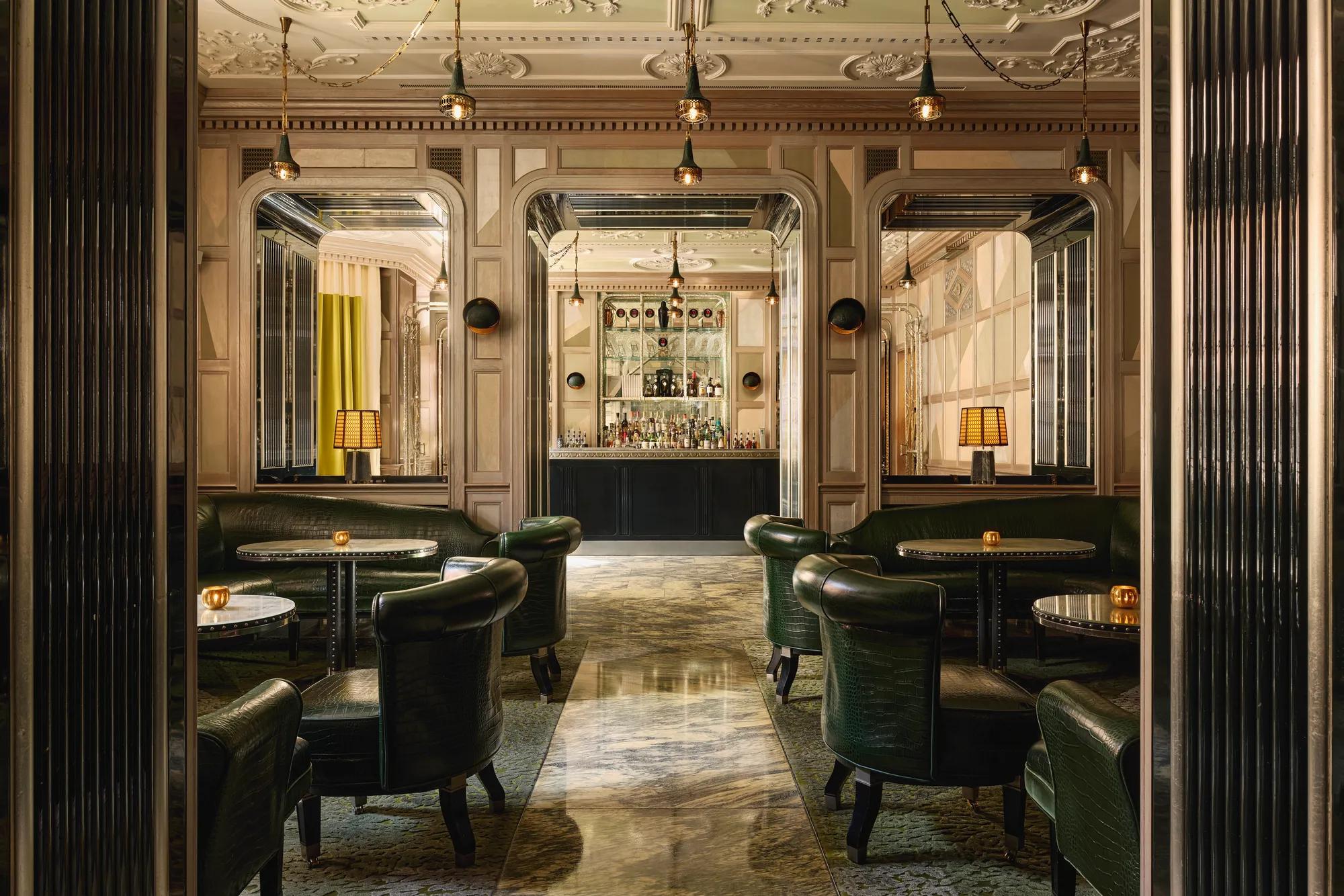
Hotels in London
Browse all →



At a Glance
- Casual Hangout
- Group Dining
Current opening hours
- Monday
- 11 AM–11 PM
- Tuesday
- 11 AM–11 PM
- Wednesday
- 11 AM–11 PM
- Thursday
- 11 AM–11 PM
- Friday
- 11 AM–11 PM
- Saturday
- 11 AM–11 PM
- Sunday
- 11 AM–11 PM
Hours can change for holidays and private events. Last verified .
Energetic atmosphere with lively noise levels.