Flower Power occupies a particular corner of Lisbon's dining scene where the wine list carries as much editorial weight as the kitchen. Set against the city's growing reputation for ambitious Portuguese cooking, it operates in the tier where cellar depth and curation philosophy define the experience as much as the plate. For those building a Lisbon itinerary around serious drinking and eating, it warrants a close look.
Pearl is the En Primeur Club membership app — saves, bookings, and concierge access live there. Same editors, same standards.
- Address
- Lisbon, Portugal
- Directions
- Get directions
 Saves & bookings on Pearl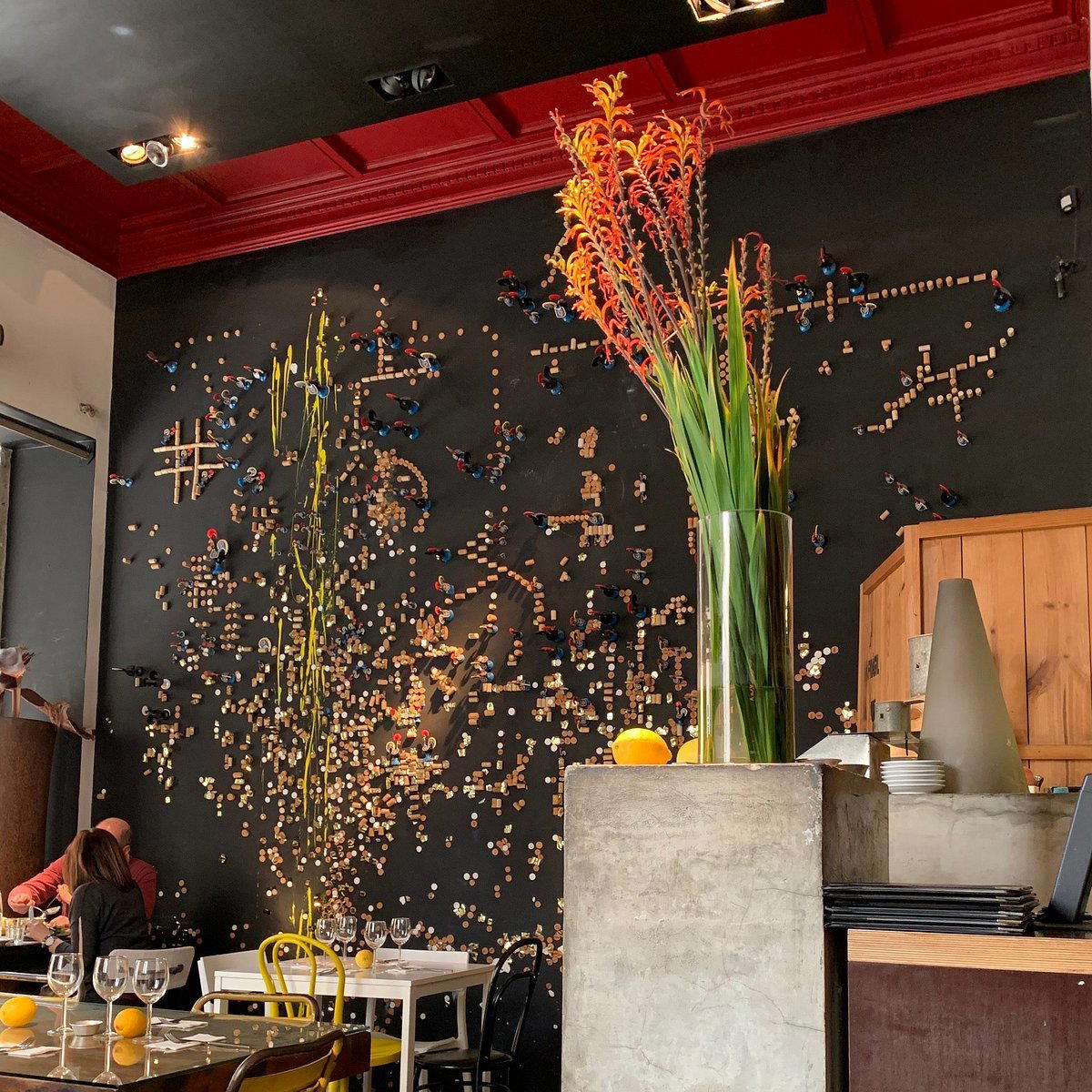
Wine as the Organizing Principle
Lisbon's fine dining scene has spent the better part of a decade consolidating around a recognizable set of ideas: modern Portuguese technique, indigenous grape varieties on the wine list, and a willingness to place local produce at the center of serious tasting menus. The city now holds a cluster of Michelin-recognized addresses, from Belcanto to CURA, that have helped define what ambitious cooking looks like on the Tagus. Within this context, the restaurants that hold attention beyond the kitchen are those where the wine program carries genuine curatorial weight rather than functioning as a secondary consideration. Flower Power sits in that category.
In a dining culture increasingly oriented toward Alentejo reds and the mineral Atlantic whites of the Vinho Verde and Dão regions, a wine list that engages seriously with Portugal's native varieties signals something about the kitchen's intentions. The country produces more than 250 commercially planted indigenous grape varieties. Where that curatorial effort exists, it tends to attract a particular kind of diner: one who treats the wine list as the first thing to read, not the last.
The Room and the Approach
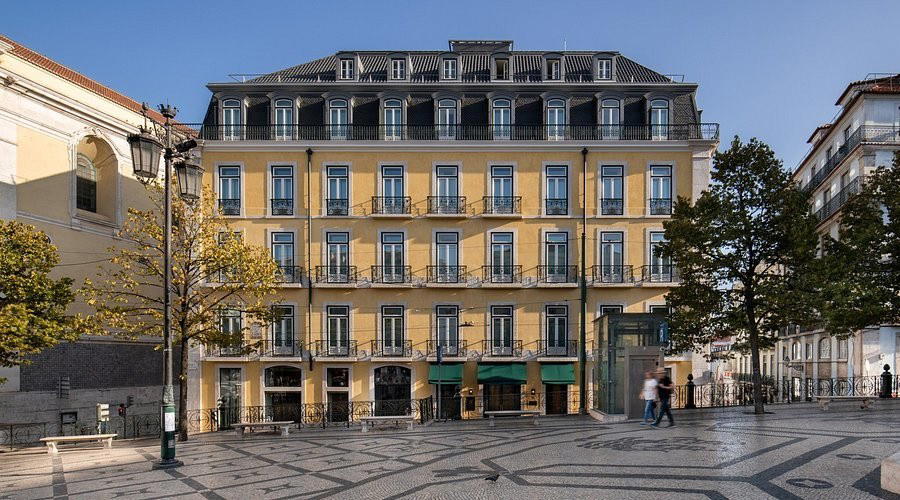
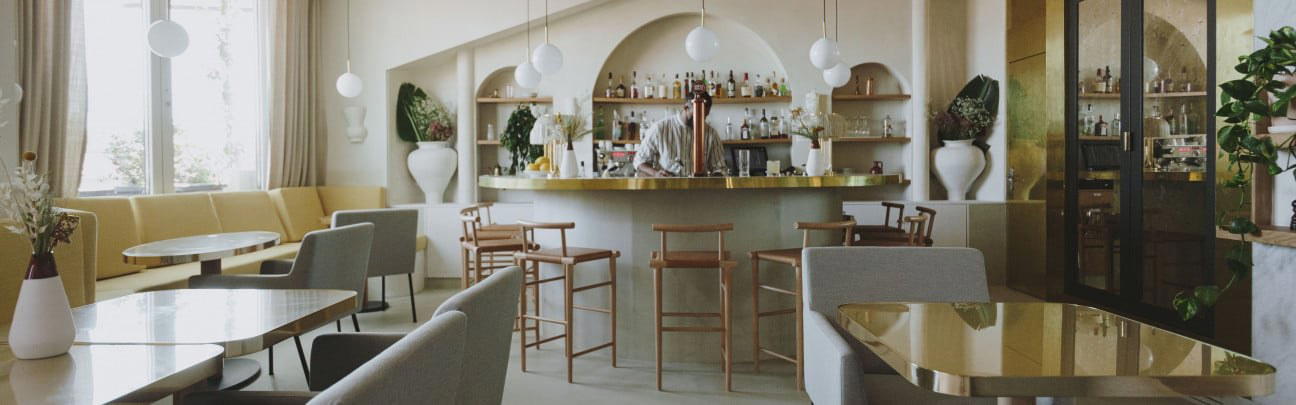
Lisbon has developed two distinct modes of premium restaurant design in recent years. The first draws on the city's Pombaline and Moorish heritage, using azulejo tilework, high ceilings, and warm stone to create rooms that feel embedded in place. The second trades on a cooler, more international vocabulary of natural materials and restrained light. Flower Power's position within this split is something a visit would clarify, but the name alone suggests a venue with a defined aesthetic point of view rather than a neutral backdrop.
Among the city's leading tables, Eleven occupies a rooftop position above the Parque Eduardo VII with views across the Tagus corridor, while 50 Seconds from Martin Berasategui leans into the panoramic drama of its tower setting. Flower Power, by contrast, appears to operate at a scale where intimacy is the operative condition rather than spectacle. That tends to favor wine-led experiences: smaller rooms allow sommeliers to work the floor with real attention, and quieter acoustics give guests space to engage with what is in the glass.
Portugal's Wine Moment, and What It Means at the Table
The broader context matters here. Portuguese wine has undergone a significant critical reassessment over the past fifteen years. Regions that were once treated as bulk producers, including the Alentejo, Douro, and Bairrada, now attract serious collector interest internationally. Single-quinta Ports have expanded their audience well beyond traditional British trade routes. And producers working with low-intervention methods in regions like the Azores and Setúbal have introduced a new tier of wine conversation to Lisbon's leading tables.
For diners building a wine-focused itinerary through Portugal, the concentration of serious cellars in Lisbon provides a useful base. Beyond the capital, properties like The Yeatman in Vila Nova de Gaia have built their entire identity around wine, sitting above the Port lodges with a cellar that functions almost as a national archive. In the Algarve, Ocean in Porches and Gusto by Heinz Beck in Almancil represent wine programs attached to kitchens with strong international credentials. Further north, Antiqvvm in Porto connects historic cellars to contemporary Portuguese cooking. Flower Power places itself within this national conversation from a Lisbon address.
How Flower Power Sits in the Lisbon Tier
Lisbon's leading end has historically been priced below comparable Michelin-level tables in Paris, Copenhagen, or London, a gap that has narrowed as the city's profile has grown but has not disappeared. The starred tier, populated by addresses like Belcanto and CURA, now prices in a range that reflects genuine European fine dining expectations. Below that tier, a dense mid-market of serious but less formal restaurants has developed, including creative operators like 2Monkeys, who approach Portuguese ingredients with a less ceremony-bound format.
Restaurants that invest in deep cellars, whether built around aged Portuguese estates or a cross-regional selection that includes French or Italian references, typically price at a level that supports that investment. The wine-to-food ratio in the bill tends to be higher than at kitchenled tasting menu restaurants, and that arithmetic shapes expectations for the evening as much as the menu structure does.
For comparison at the international level, wine-led restaurants like Le Bernardin in New York City have long demonstrated how sommelier programming can function as a primary editorial voice rather than a support role. In San Francisco, Lazy Bear takes a different route, building its beverage identity around producer relationships and pairing depth. Flower Power's name and positioning suggest an approach with its own distinct personality rather than a direct replication of either model.
Practical Orientation
Lisbon operates on a dining schedule that runs later than northern European visitors typically expect: dinner before 8pm is rare at serious restaurants, and tables between 8:30pm and 10pm represent the core service window. For wine-focused evenings, this schedule works in the diner's favor because it allows time for an aperitif or early glass in one of the city's wine bars before moving to a main booking. Neighborhoods like Príncipe Real, Bairro Alto, and Chiado concentrate the highest density of serious restaurants within a walkable radius, and Flower Power's Lisbon address places it within reach of this broader circuit.
Booking practices across Lisbon's premium tier vary. The most recognized addresses, particularly those with Michelin recognition, typically require advance reservation of several weeks, especially for weekend service and summer months between June and September. Visitors planning a broader Portuguese itinerary around food and wine might also consider pairing a Lisbon visit with the Algarve properties mentioned above, or with Fortaleza do Guincho in Cascais, which sits within forty minutes of central Lisbon and combines a historic setting with a serious kitchen. Those willing to extend further will find Vila Joya in Albufeira and Casa de Chá da Boa Nova in Leça da Palmeira among the country's most rewarding detours. For a complete map of where Flower Power sits within the capital's dining options, our full Lisbon restaurants guide provides the broader picture.
Recognition, Side-by-Side
Comparable options at a glance, pulled from our tracked venues.
| Venue | Cuisine | Price | Awards |
|---|---|---|---|
| Flower PowerThis venue — the venue you are viewing | Not listed | Not listed | Not listed |
| Belcanto | Modern Portugese, Creative | €€€€ | Michelin 2 Star |
| CURA | Modern Portugese, Modern Cuisine | €€€€ | Michelin 1 Star |
| Eleven | Portugese, Creative | €€€€ | Michelin 1 Star |
| Feitoria | Modern Cuisine | €€€€ | Michelin 1 Star |
| Grenache | French Contemporary | €€€€ | Michelin 1 Star |
Continue exploring
More in Lisbon
Restaurants in Lisbon
Browse all →
Bars in Lisbon
Browse all →
Hotels in Lisbon
Browse all →

At a Glance
- Cozy
- Bohemian
- Trendy
- Casual Hangout
- Open Kitchen
- Street Scene
Relaxed and charming with nice atmosphere, distinctive interior featuring roosters, cork motifs, and gorgeous flower displays.