Cozinha Popular da Mouraria sits on Rua das Olarias in Lisbon's oldest Moorish quarter, where the neighbourhood's layered history shapes the dining atmosphere as much as anything on the plate. The address places it at the intersection of working-class Lisbon and the city's growing interest in honest, place-rooted cooking. For visitors looking beyond the fine-dining tier, it offers a grounded point of entry into Mouraria's food culture.
Pearl is the En Primeur Club membership app — saves, bookings, and concierge access live there. Same editors, same standards.
- Address
- R. das Olarias 5, 1100-012 Lisboa, Portugal
- Phone
- +351 21 136 8319
- Website
- cozinhapopular.pt
- Directions
- Get directions
 Saves & bookings on Pearl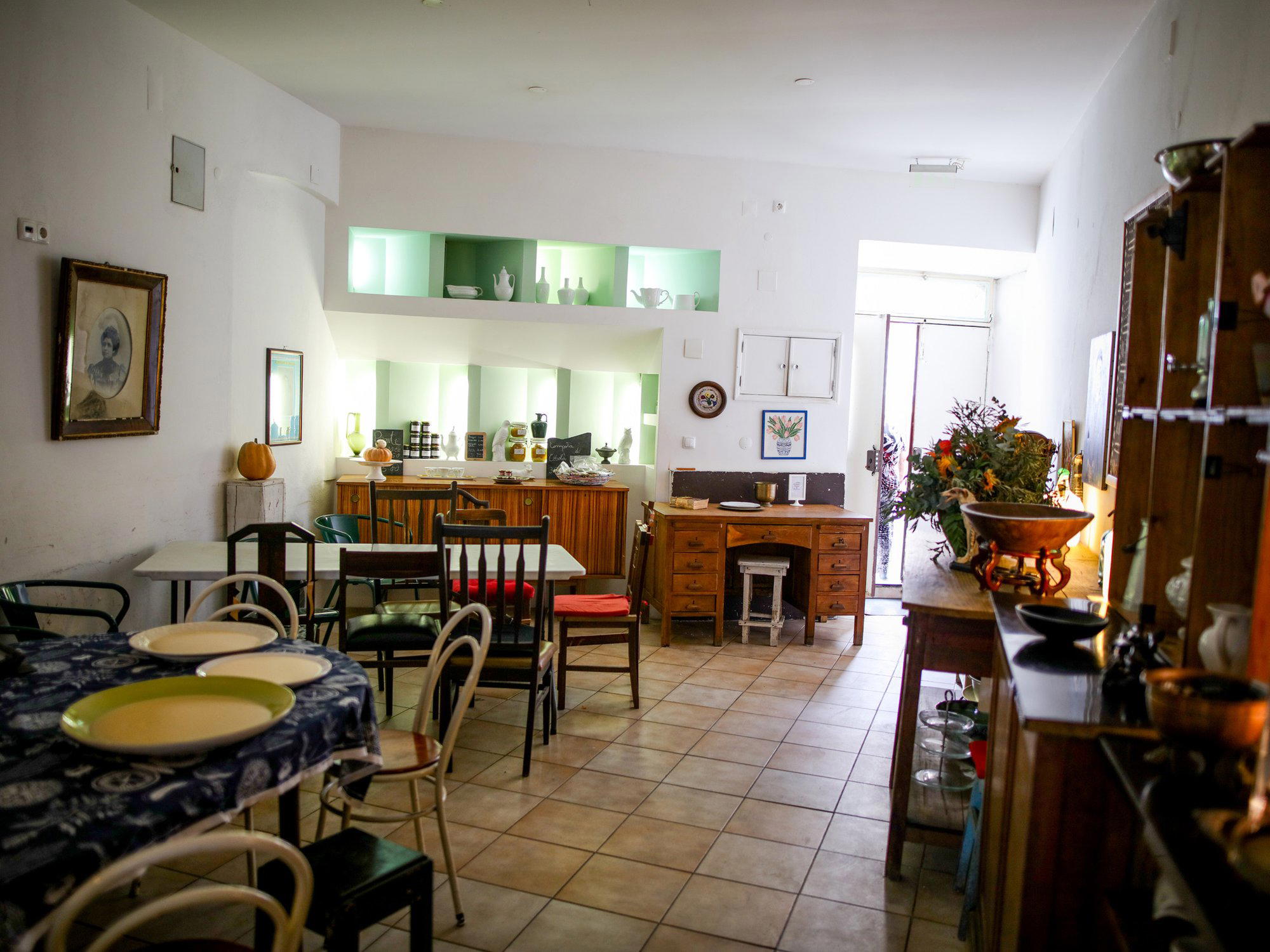
Where Mouraria Sets the Table
Rua das Olarias runs through one of Lisbon's most historically dense neighbourhoods, the kind of street where the smell of caldo verde drifting from a ground-floor kitchen competes with the sound of fado fragments from an open window two floors up. Mouraria — named for the Moorish community settled here after the Christian reconquest of 1147 — has never shed that layered, contested quality. It absorbed wave after wave of migration and remained, for most of the twentieth century, a neighbourhood the rest of Lisbon politely overlooked. That neglect preserved something: the physical fabric, the social texture, and a food culture that stayed close to necessity rather than trend.
Cozinha Popular da Mouraria occupies a position in that context. The address, R. das Olarias 5, puts it squarely in the neighbourhood's lower reaches, close enough to the base of the Castelo slope to feel the gradient in both geography and social character. Walking there from Martim Moniz, Lisbon's most demographically mixed square, where South Asian grocery stalls and Chinese restaurants sit alongside Portuguese tascas, takes under five minutes and works as a useful orientation exercise. By the time you arrive at the door, you've already read the neighbourhood.
The Sensory Register of a Popular Kitchen
The word popular in Portuguese carries a different charge than in English. It doesn't mean fashionable or widely consumed. It means of the people, rooted in ordinary life, the opposite of elaborate. Lisbon's cozinha popular tradition is built on dishes that required ingenuity under constraint: salt cod stretched across dozens of preparations, offal treated as resource rather than curiosity, bread-thickened soups that made use of whatever the week had left over. A restaurant that positions itself within that tradition is making an implicit argument about what Portuguese cooking is when it isn't performing for export.
That sensory register, the steam, the earthenware, the smell of slow-cooked pork fat, the sound of ceramic on a tiled counter, defines this category of Lisbon eating more than any individual dish. The Portuguese interior, from the Alentejo plains north through the Ribatejo, produced a repertoire of slow, deep-flavoured cooking that the capital received through internal migration across the twentieth century. Mouraria, as a neighbourhood that absorbed those migrants, became one of the places where that cooking stayed alive in domestic and near-domestic form.
This stands in clear contrast to the fine-dining tier operating elsewhere in Lisbon, where chefs at places like Belcanto, CURA, and Eleven are reinterpreting those same regional traditions through the technical vocabulary of modern European cooking. Both approaches matter. But they operate in separate registers, and conflating them misses what each is actually doing. The cozinha popular end of the spectrum doesn't aspire to Michelin recognition; it aspires to something harder to systemise, continuity.
Mouraria's Dining Pattern in 2024
Mouraria has changed faster in the last decade than in the previous fifty years. The neighbourhood that tourists once passed through on the way to the Castelo now has its own pull, with wine bars, small restaurants, and cultural spaces opening along streets that were purely residential a generation ago. That gentrification pressure has produced a familiar tension: the arrival of design-conscious small businesses alongside the slow disappearance of the tascas and mercearias that gave the neighbourhood its character in the first place.
Within that pattern, restaurants that anchor themselves explicitly to the popular tradition function as a form of counter-programming. They're not immune to the economic forces reshaping the area, but they signal a deliberate choice about what kind of neighbourhood Mouraria should remain. That positioning carries weight with a specific kind of Lisbon diner, the local who grew up eating this food at home, the younger Portuguese who has become politically interested in what food culture preserves or loses, and the international visitor who has already done the tasting-menu circuit and wants something with less ceremony.
For visitors calibrating against the broader Portuguese dining map, context helps. The Michelin-starred tier across Portugal includes Vila Joya in Albufeira, Casa de Chá da Boa Nova in Leça da Palmeira, The Yeatman in Vila Nova de Gaia, Ocean in Porches, Antiqvvm in Porto, Il Gallo d'Oro in Funchal, Fortaleza do Guincho in Cascais, Gusto by Heinz Beck in Almancil, and Ó Balcão in Santarém. Within Lisbon, creative formats like 2Monkeys, 50 Seconds from Martin Berasategui, and the progressive end of Portuguese cooking occupy the upper price tier. Cozinha Popular da Mouraria operates in a different register entirely, one where the benchmark is fidelity to tradition rather than technical ambition. International fine-dining comparisons like Le Bernardin in New York or Lazy Bear in San Francisco and Al Sud in Lagos illustrate how far the spectrum runs. Also worth noting is Ó Balcão for how a Michelin-recognised kitchen handles traditional Portuguese ingredients at a different scale.
Planning Your Visit
Mouraria is most coherently visited on foot from central Lisbon. The neighbourhood sits between Baixa and the Castelo de São Jorge, and the approach from Praça da Figueira through Martim Moniz is the most direct. Lunch tends to be when cozinha popular restaurants in this tier operate at their leading, the food tradition aligns naturally with midday service, and the neighbourhood is livelier before the evening tourist wave arrives. The absence of a reservation system, if that holds, is itself an aspect of the format: this is the kind of place where you show up, not the kind where you plan three months ahead.
For a fuller orientation to eating and drinking in the city, our full Lisbon restaurants guide maps the scene across price tiers, neighbourhoods, and cooking styles.
Continue exploring
More in Lisbon
Restaurants in Lisbon
Browse all →
Bars in Lisbon
Browse all →
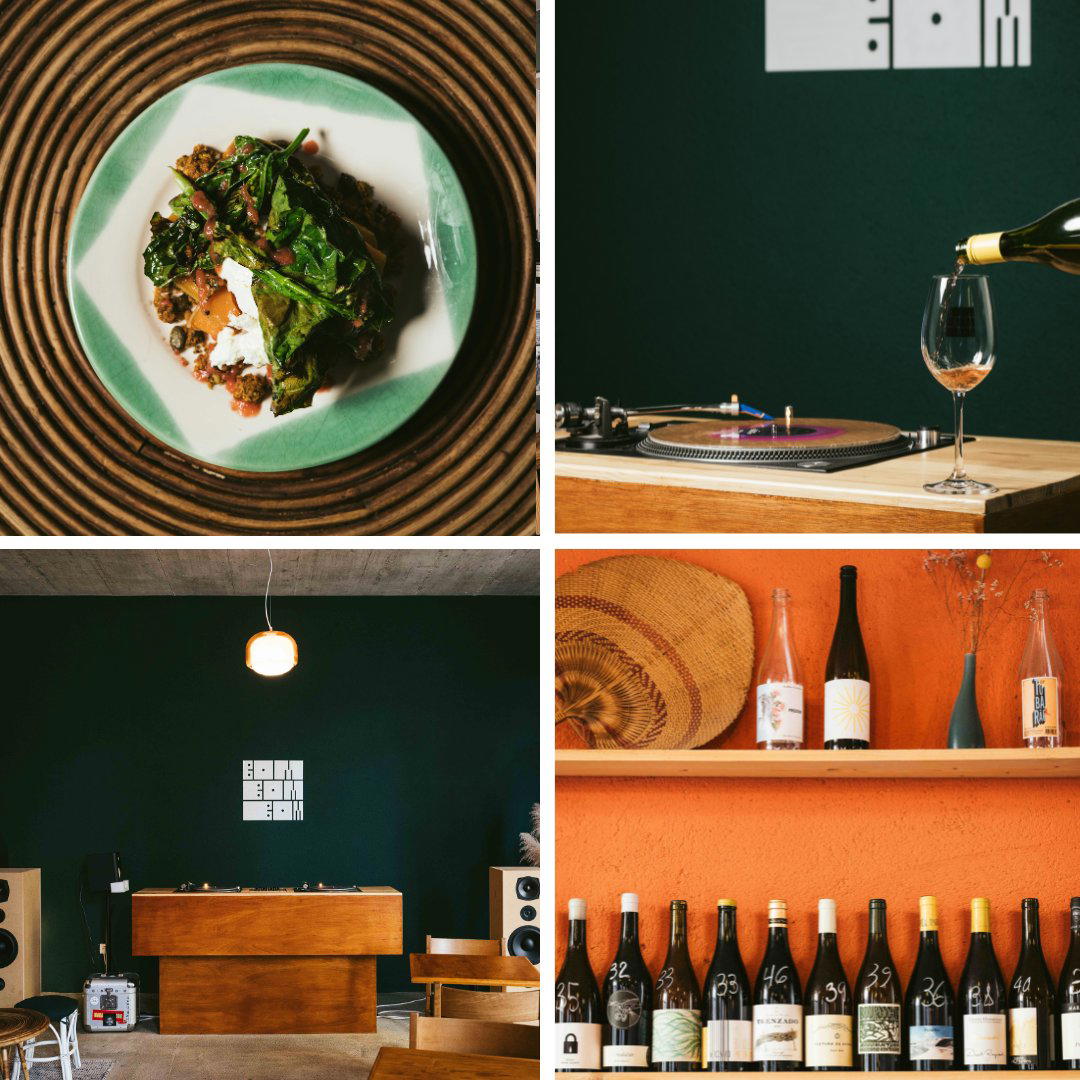
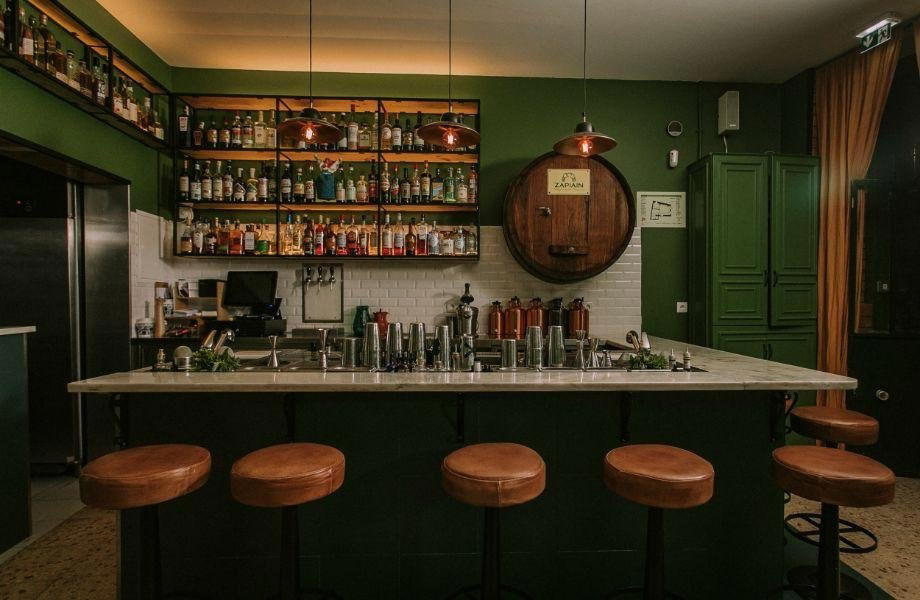
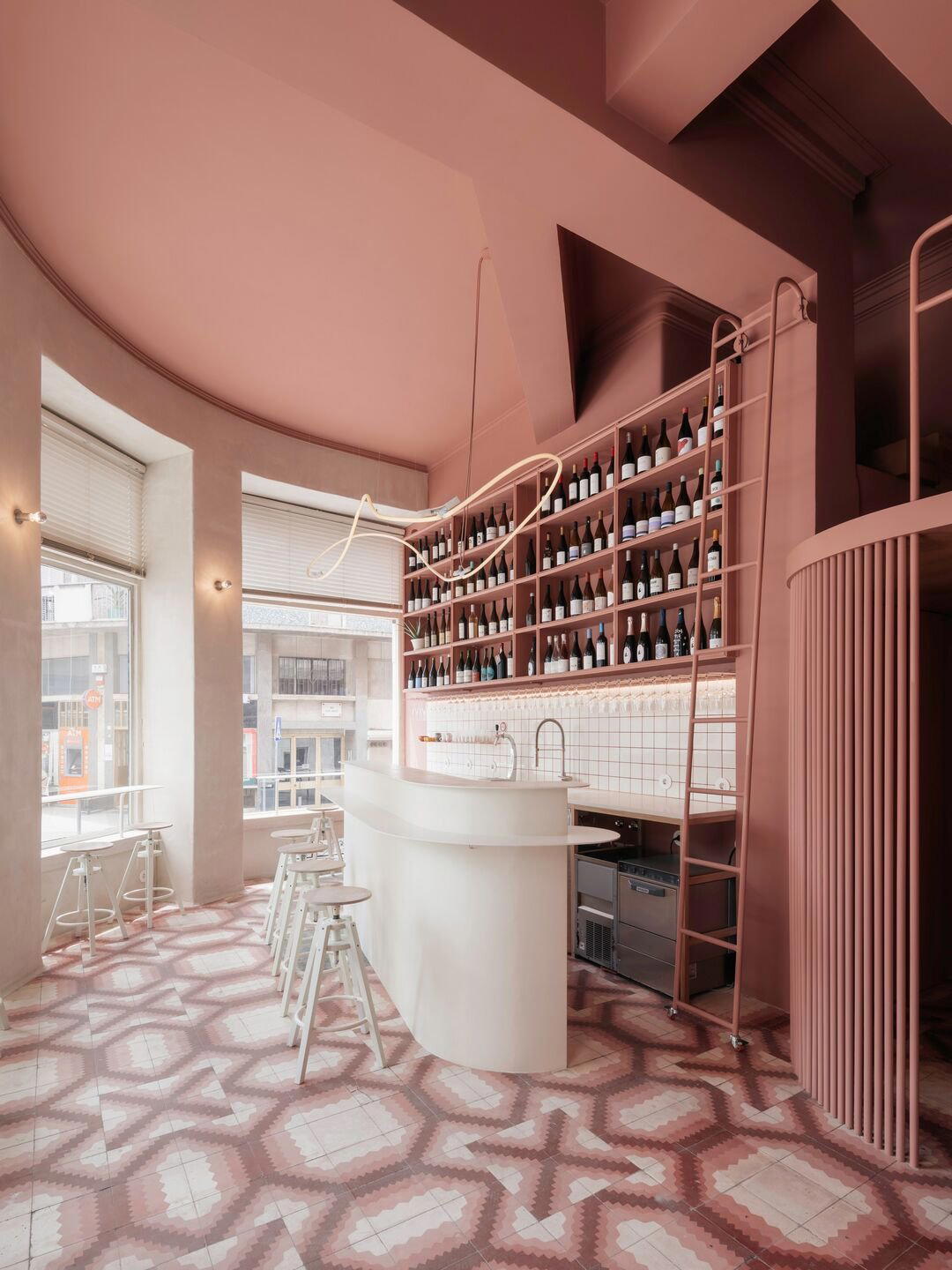
Hotels in Lisbon
Browse all →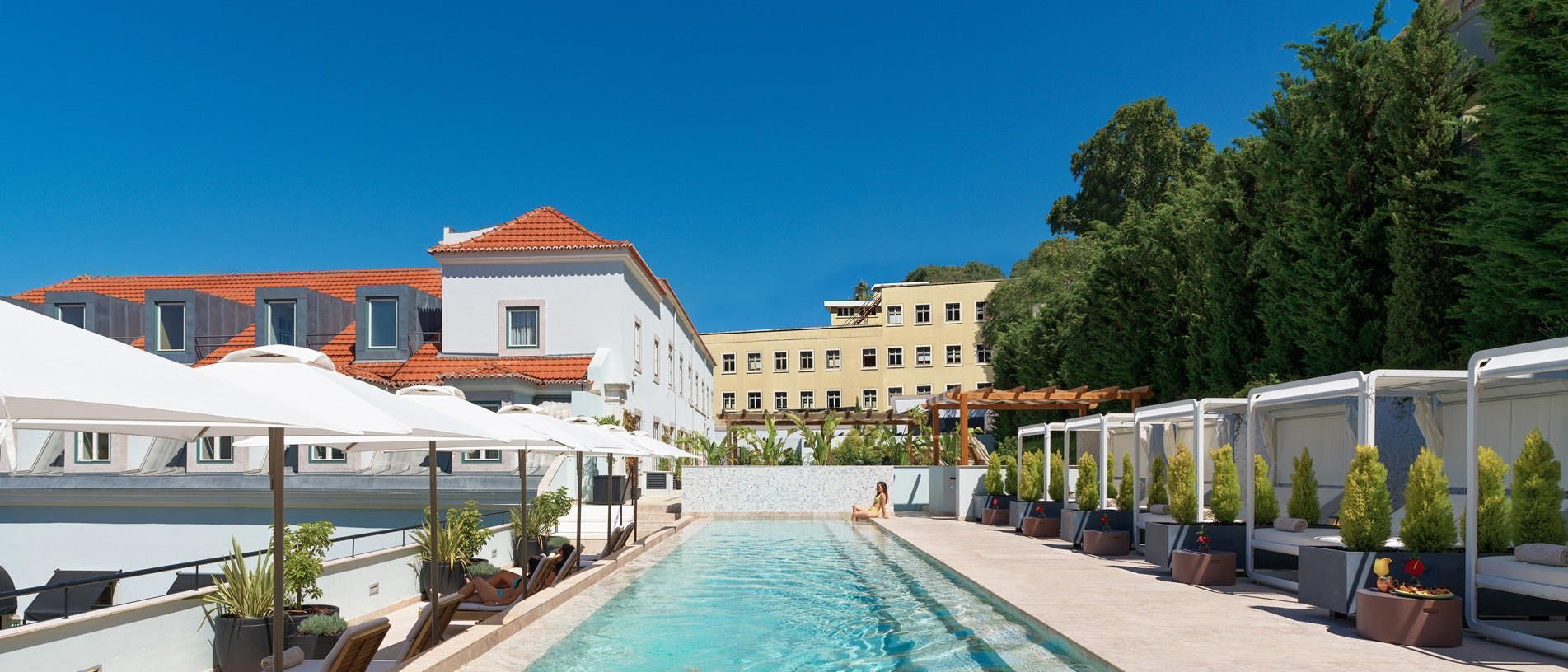
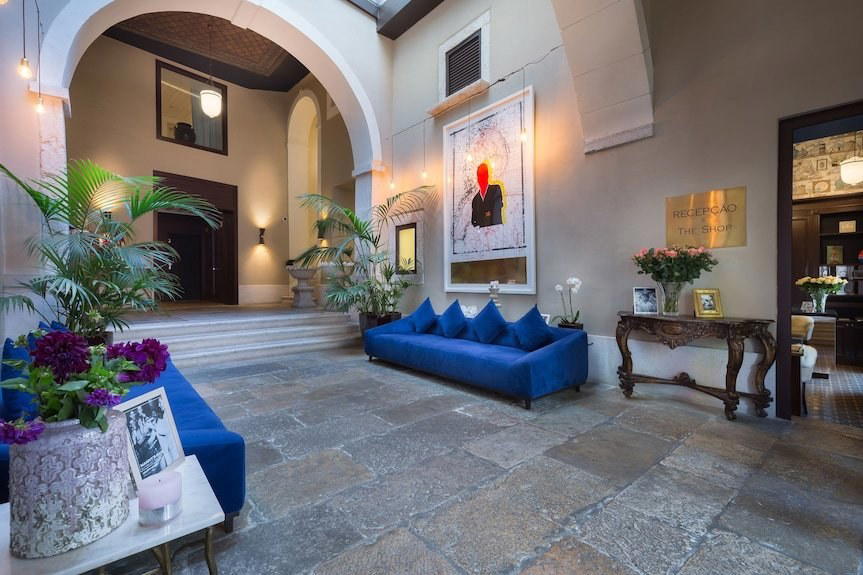
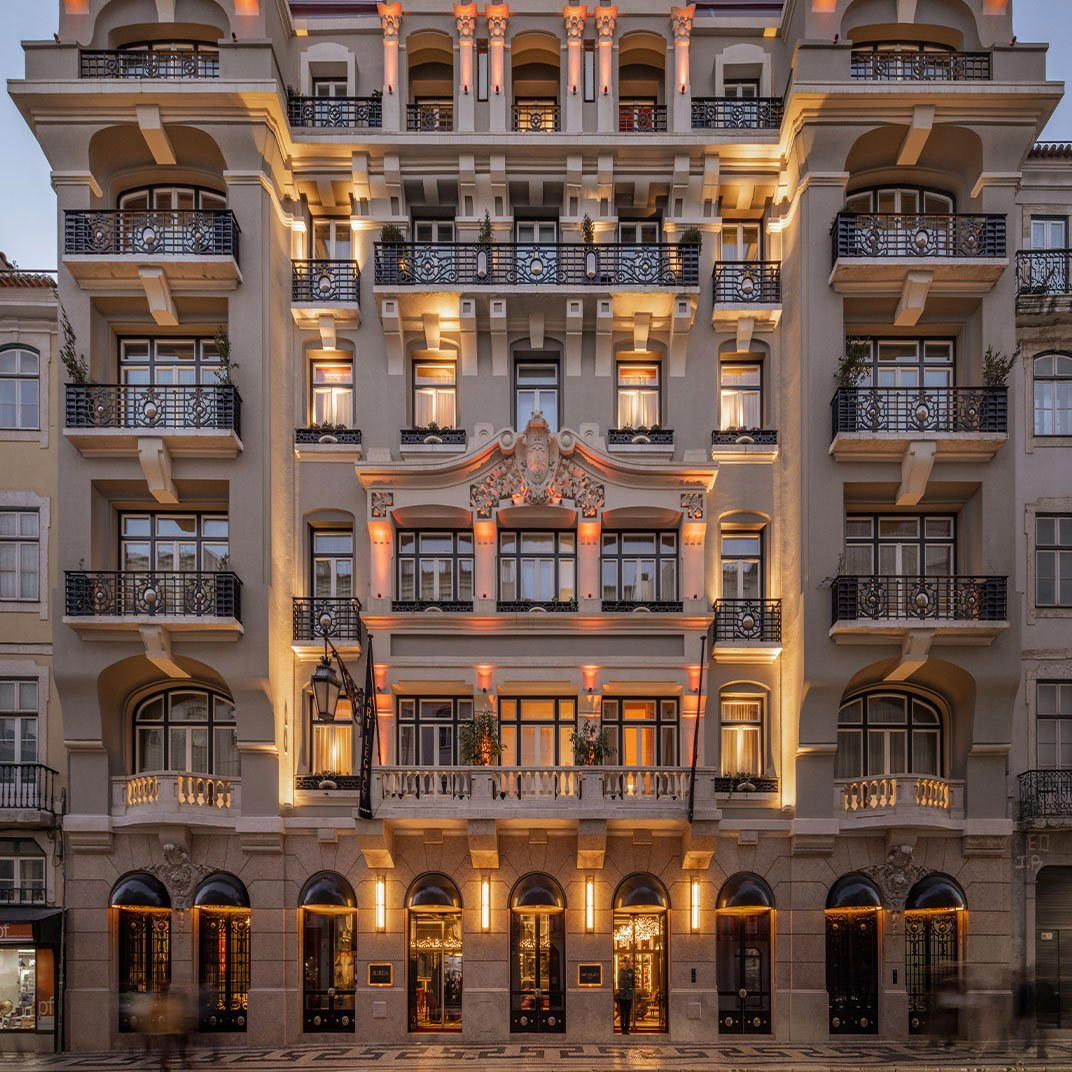
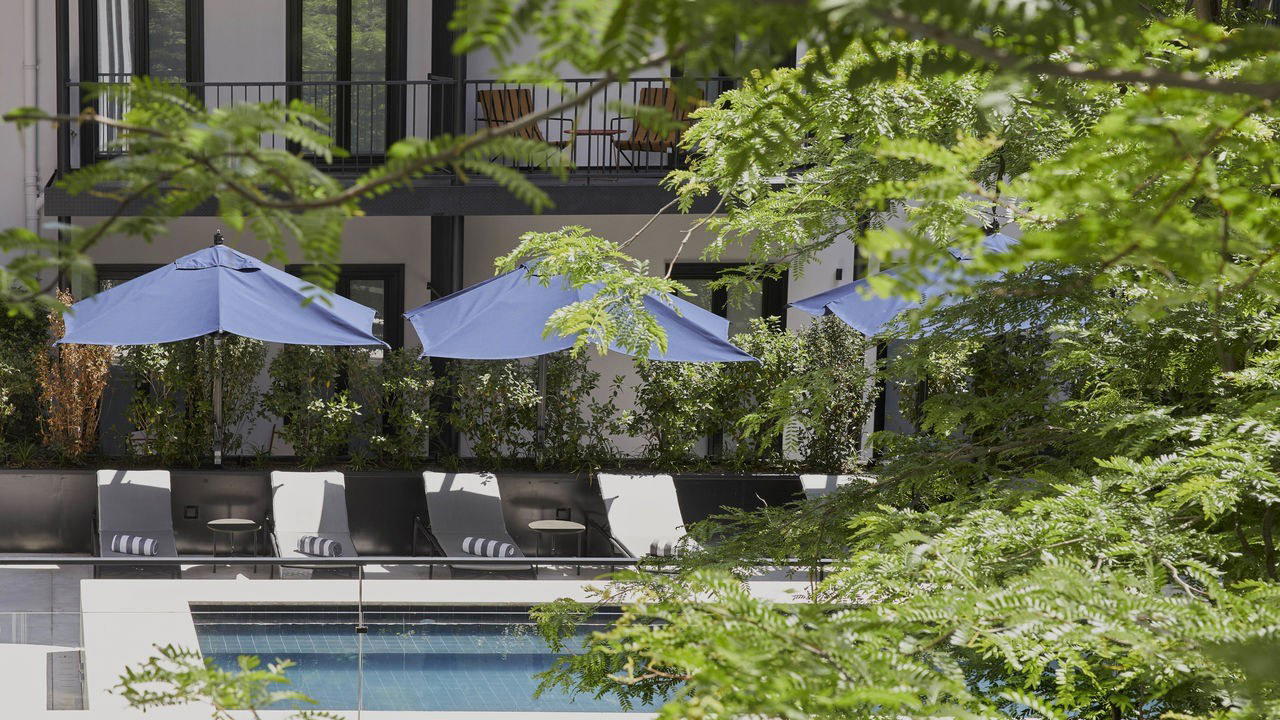
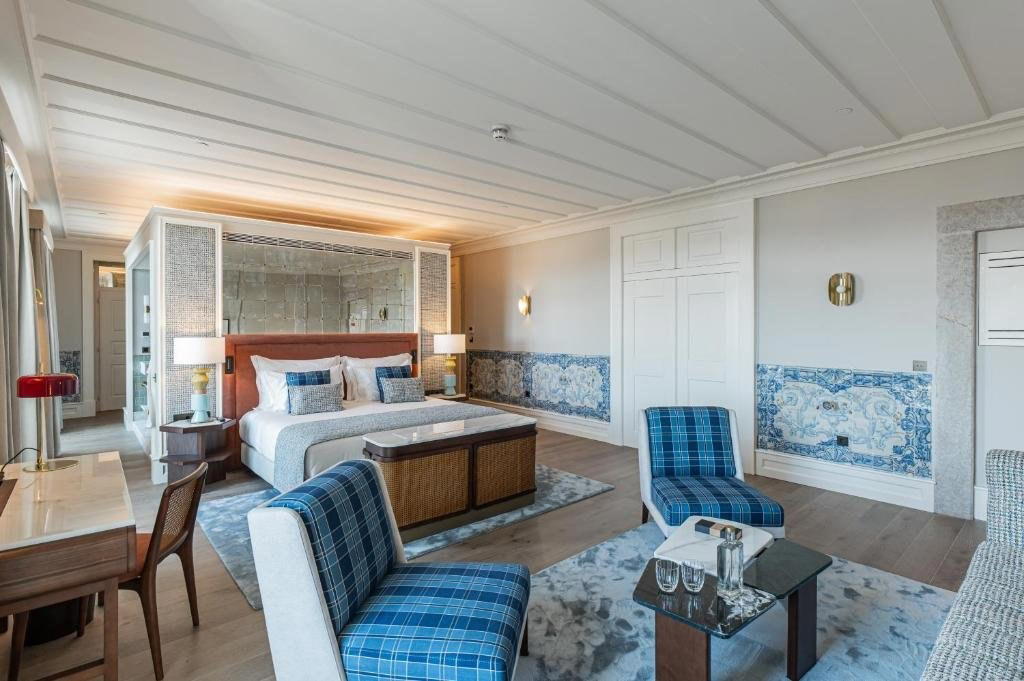

At a Glance
- Cozy
- Rustic
- Casual Hangout
- Group Dining
- Open Kitchen
- Courtyard
- Natural Wine
- Local Sourcing
Current opening hours
- Monday
- Closed
- Tuesday
- 10 AM–11:30 PM
- Wednesday
- 10 AM–11:30 PM
- Thursday
- 10 AM–11:30 PM
- Friday
- 10 AM–11:30 PM
- Saturday
- 10 AM–11:30 PM
- Sunday
- Closed
Hours can change for holidays and private events. Last verified .
Cozy, welcoming, hipster-inspired atmosphere with an open kitchen and small patio fostering a casual, communal family-like dining experience.
Know Before You Go
- Getting there
- R. das Olarias 5, 1100-012 Lisboa, Portugal