Tasquinha do Lagarto occupies a position in Lisbon's Campolide neighbourhood that places it apart from the high-concept dining rooms clustered around Chiado and the waterfront. Where venues like Belcanto and CURA operate at the formal tasting-menu tier, Tasquinha do Lagarto reads as part of the city's enduring tradition of neighbourhood-anchored, locally oriented eating — the kind of table that rewards repeat visits over first impressions.
Pearl is the En Primeur Club membership app — saves, bookings, and concierge access live there. Same editors, same standards.
- Address
- R. de Campolide 258, Lisboa, Portugal
- Phone
- +351 21 388 3202
- Website
- facebook.com
- Directions
- Get directions
 Saves & bookings on Pearl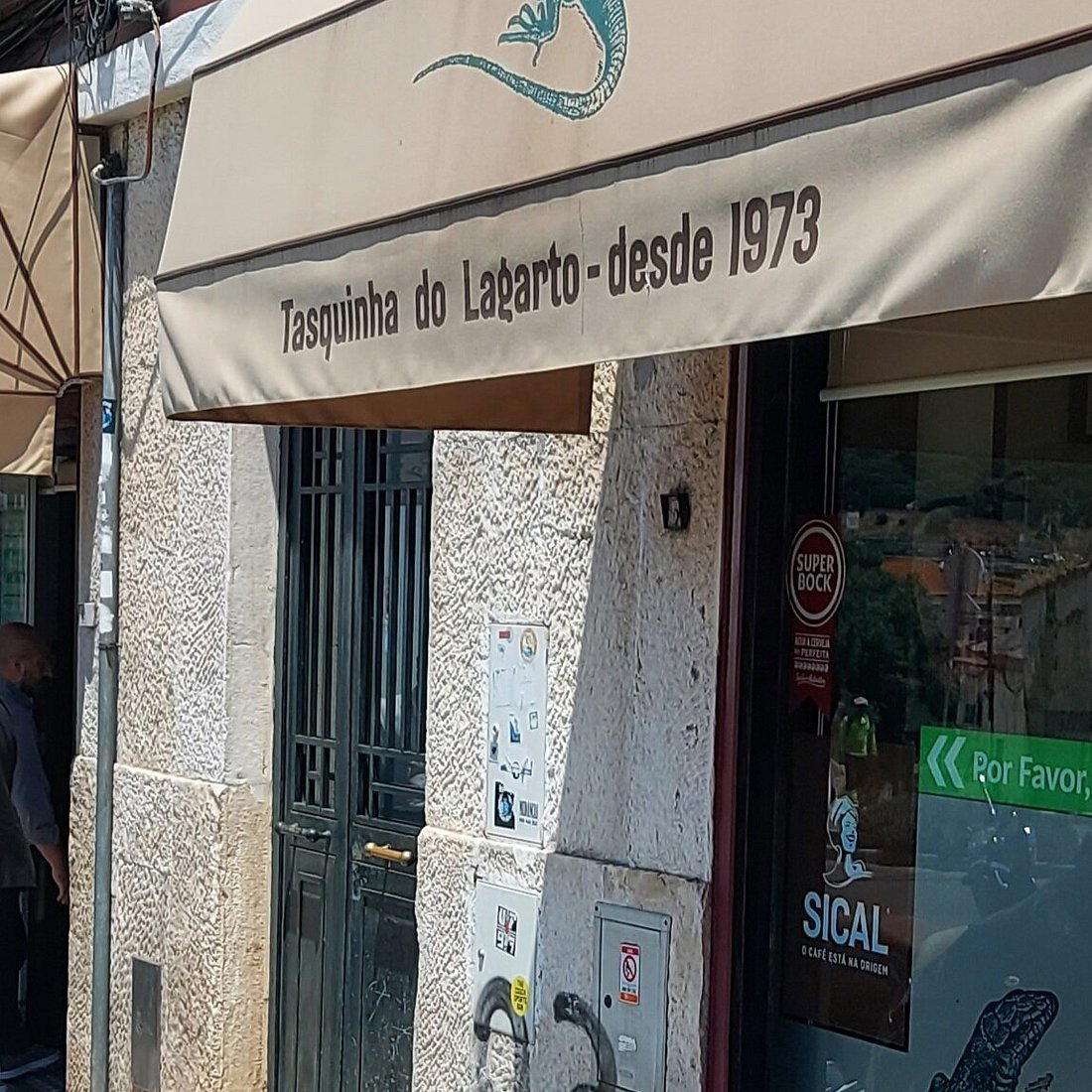
Campolide and the Staying Power of the Neighbourhood Tasca
Lisbon's most-discussed restaurant openings in recent years have concentrated in Chiado, Príncipe Real, and the waterfront corridors — areas where Belcanto and CURA have anchored a formal, internationally recognised dining tier, and where venues like 2Monkeys have staked out creative ground. Campolide, by contrast, runs along the ridge west of Amoreiras, a residential quarter that moves at a different tempo — quieter on weekday afternoons, populated by locals rather than visitors, and shaped by the kind of long-established addresses that don't require much signage. Rua de Campolide 258 is that kind of address. Tasquinha do Lagarto sits in a stretch of the street defined by working-use buildings and everyday commerce rather than destination restaurants, which tells you something about who the place has historically served.
The word tasquinha is diminutive, a small tasca, a modest tavern, and in Lisbon it carries specific connotations. It implies a short menu, fixed or semi-fixed depending on the day, a kitchen operating without architectural pretension, and a clientele that arrives knowing what they want. This is the category that predates Portugal's recent fine-dining expansion by several decades, and it has proven more durable than many assumed it would be when the Michelin spotlight turned toward Lisbon in earnest around 2016. The tasca and tasquinha format has not been replaced by the new formal tier; the two coexist as expressions of genuinely different appetites.
How the Neighbourhood Tasca Has Shifted
The editorial angle here matters: the tasquinha as a format has undergone its own kind of evolution across Lisbon, even when individual venues look unchanged on the surface. In the decade between 2010 and 2020, two things happened simultaneously. The city's upscale tier grew rapidly, with Eleven and then a wave of newer fine-dining rooms adding formal structure to a scene that had long relied on informal excellence. At the same time, the neighbourhood tasca found itself under new pressure, rising rents in central Lisbon pushed some long-standing addresses to close or relocate, while others adapted by sharpening their offering without abandoning their format. The ones that survived tended to do so by becoming more deliberate about what they were: not resisting the fine-dining tide, but operating in a different register entirely.
Campolide's relative distance from the tourist-heavy centre gave addresses on Rua de Campolide a degree of insulation from that rent pressure, allowing the kind of continuity that's harder to maintain in Bairro Alto or Mouraria. That continuity is itself a form of value in a city where the dining map has shifted considerably. For context, Portugal's most formally recognised restaurants, Vila Joya in Albufeira, Casa de Chá da Boa Nova in Leça da Palmeira, Ocean in Porches, and The Yeatman in Vila Nova de Gaia, operate at a structural remove from the tasca tradition. They represent the country's capacity for technical ambition. The tasquinha represents something else: the infrastructure of daily eating that existed before that ambition found international recognition, and that continues to operate on its own terms.
What the Format Delivers
Venues in the tasquinha category typically present a rotating selection of Portuguese standards, bacalhau preparations, grilled meat and fish, seasonal vegetables, and a short wine list weighted toward regional producers. The format is not designed around novelty. It is designed around reliability: the same kitchen logic applied each day, with ingredients that follow the market rather than a fixed menu architecture. This is structurally different from what you find at 50 Seconds from Martin Berasategui or the more experimental end of Lisbon's creative dining scene, and that difference is the point rather than a limitation.
In international terms, the closest analogy might be the French bistrot de quartier or the Japanese teishoku-ya, formats where the kitchen's value lies in execution depth and seasonal attunement rather than conceptual novelty. Cities that maintain a healthy version of this format, Paris, Tokyo, Porto, tend to have more coherent food cultures overall, because the everyday tier sets a floor that elevates expectations across the board. Lisbon is still working out where that floor sits as the formal tier expands; addresses like Tasquinha do Lagarto, whatever their current specific offering, are part of that calibration.
Placing Tasquinha do Lagarto in the Wider Portuguese Picture
Portugal's dining recognition has broadened geographically in recent years. Antiqvvm in Porto, Il Gallo d'Oro in Funchal, Fortaleza do Guincho in Cascais, Gusto by Heinz Beck in Almancil, Ó Balcão in Santarém, and Al Sud in Lagos have all drawn attention to the country's range beyond Lisbon's formal core. What that expansion clarifies is that Portuguese food culture operates across multiple registers simultaneously, and that the informal, neighbourhood-anchored register is not a stepping stone toward the formal tier, it is its own destination. You don't eat at Tasquinha do Lagarto because you can't get a table at Belcanto. You eat there because you want something different: a shorter transaction, a less structured evening, food that reflects the quarter rather than a chef's international ambitions.
That distinction matters when planning a Lisbon itinerary. A city visit structured entirely around formal tasting menus, however accomplished those menus might be, misses the texture of how Lisbon actually eats. Our full Lisbon restaurants guide maps the formal and informal tiers together, which is the most useful way to read the city's food scene. Visitors who move between both tend to leave with a more accurate picture than those who concentrate on one end of the spectrum.
Planning a Visit
Tasquinha do Lagarto sits at Rua de Campolide 258, in a part of the city most easily reached by taxi or rideshare from central Lisbon, Campolide is walkable from Amoreiras but less so from Chiado or Alfama. Arriving without a reservation is a common approach at venues in this category, though smaller rooms fill quickly with regulars at peak lunch hours. For broader international context on what committed, format-driven neighbourhood dining looks like at different price points, Lazy Bear in San Francisco and Le Bernardin in New York City represent the formal anchor of the spectrum, Tasquinha do Lagarto sits at the opposite end of that axis, which is precisely its appeal.
- Bitoque do Lombo
- Bacalhau à Brás
- Polvo à Lagareiro
- Mussels à Bulhão Pato
- Roasted Pork Cheeks
- Grouper Rice
How Tasquinha do Lagarto Lisbon compares with similar nearby venues.
| Venue | Cuisine | Price |
|---|---|---|
| Eleven | Portugese, Creative | €€€€ |
Continue exploring
More in Lisbon
Restaurants in Lisbon
Browse all →

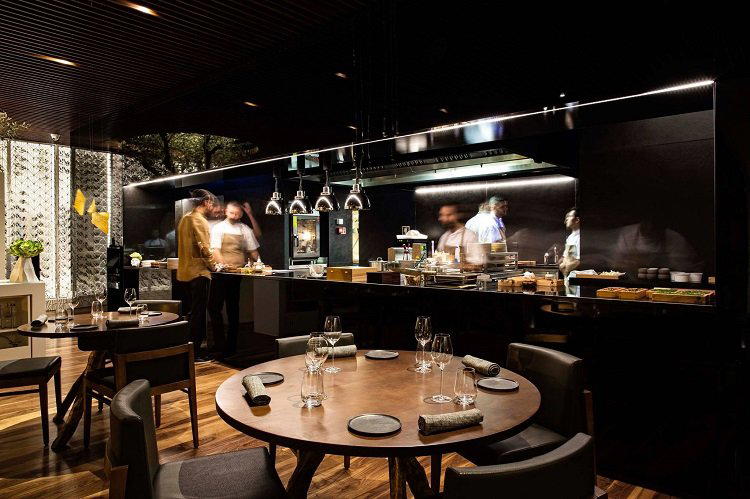
Bars in Lisbon
Browse all →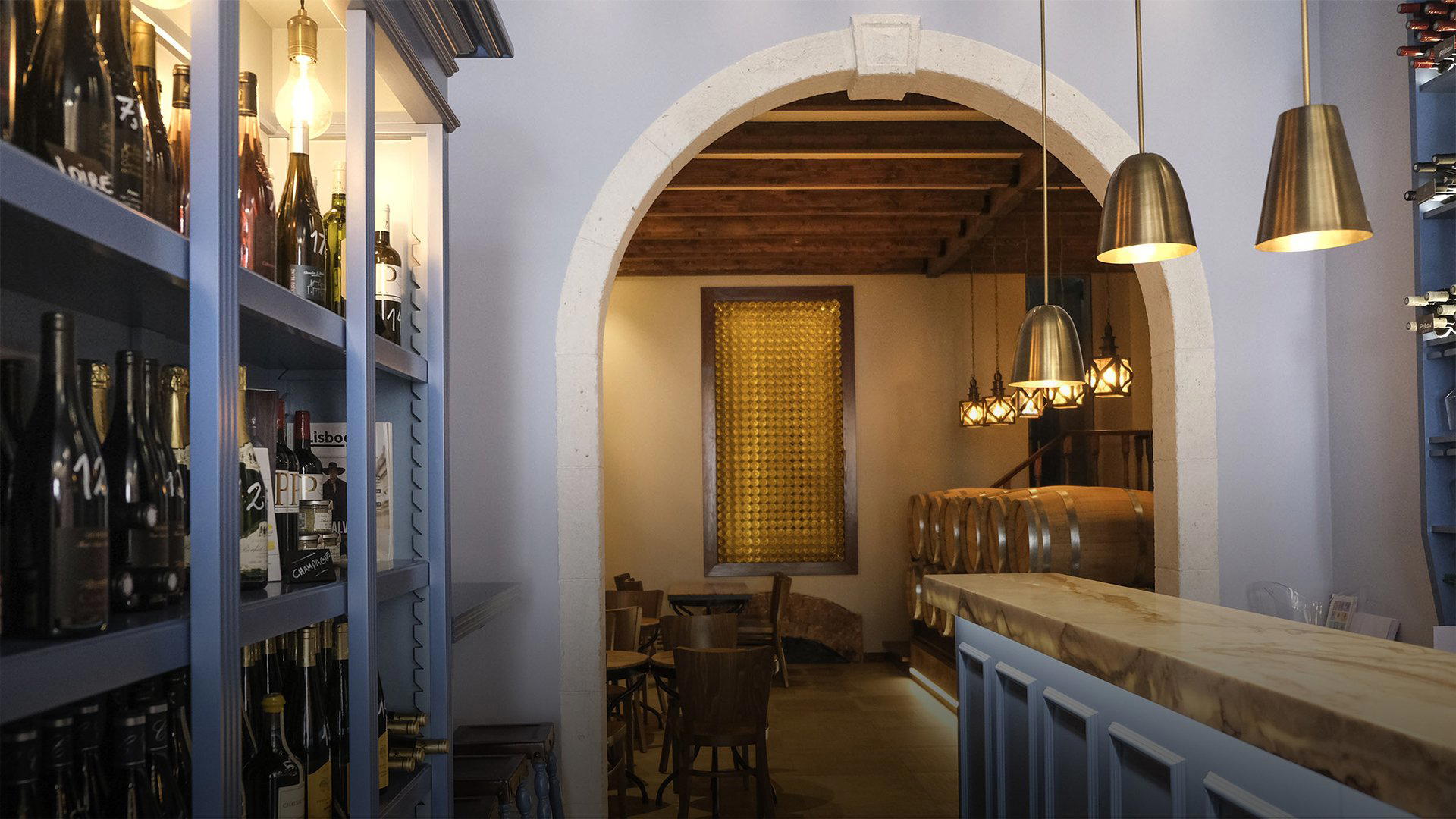
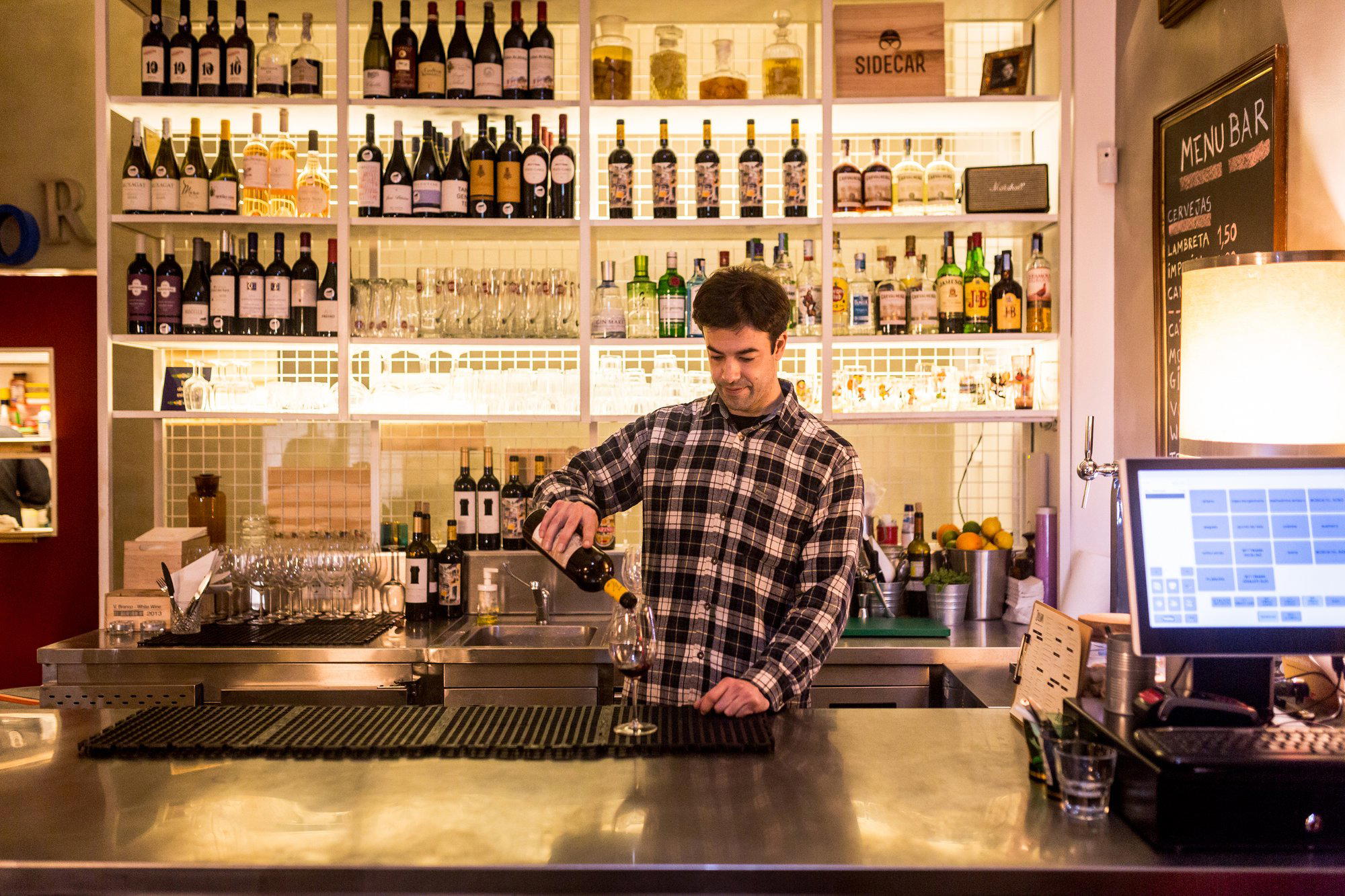
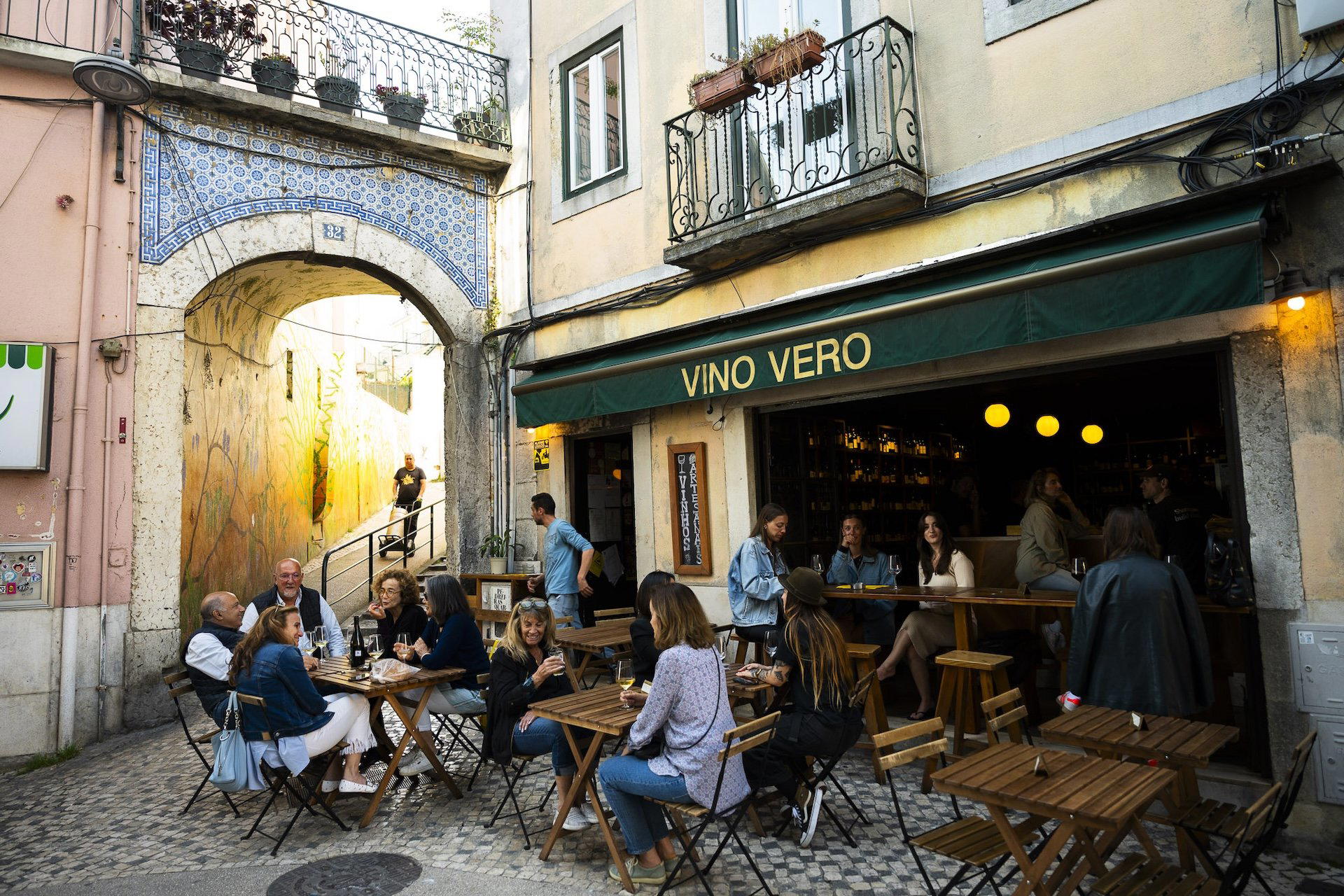
Hotels in Lisbon
Browse all →

At a Glance
- Lively
- Rustic
- Cozy
- Casual Hangout
- Group Dining
- After Work
- Standalone
- Beer Program
- Local Sourcing
Current opening hours
- Monday
- Closed
- Tuesday
- 12–3:30 PM, 7:30–10:30 PM
- Wednesday
- 12–3:30 PM, 7:30–10:30 PM
- Thursday
- 12–3:30 PM, 7:30–10:30 PM
- Friday
- 12–3:30 PM, 7:30–10:30 PM
- Saturday
- 12–3:30 PM, 7:30–10:30 PM
- Sunday
- Closed
Hours can change for holidays and private events. Last verified .
Casual and lively with paper tablecloths, a TV on the wall, and walls decorated with football jerseys and random sports memorabilia, creating an authentic local tavern atmosphere.
Know Before You Go
- Getting there
- R. de Campolide 258, Lisboa, Portugal