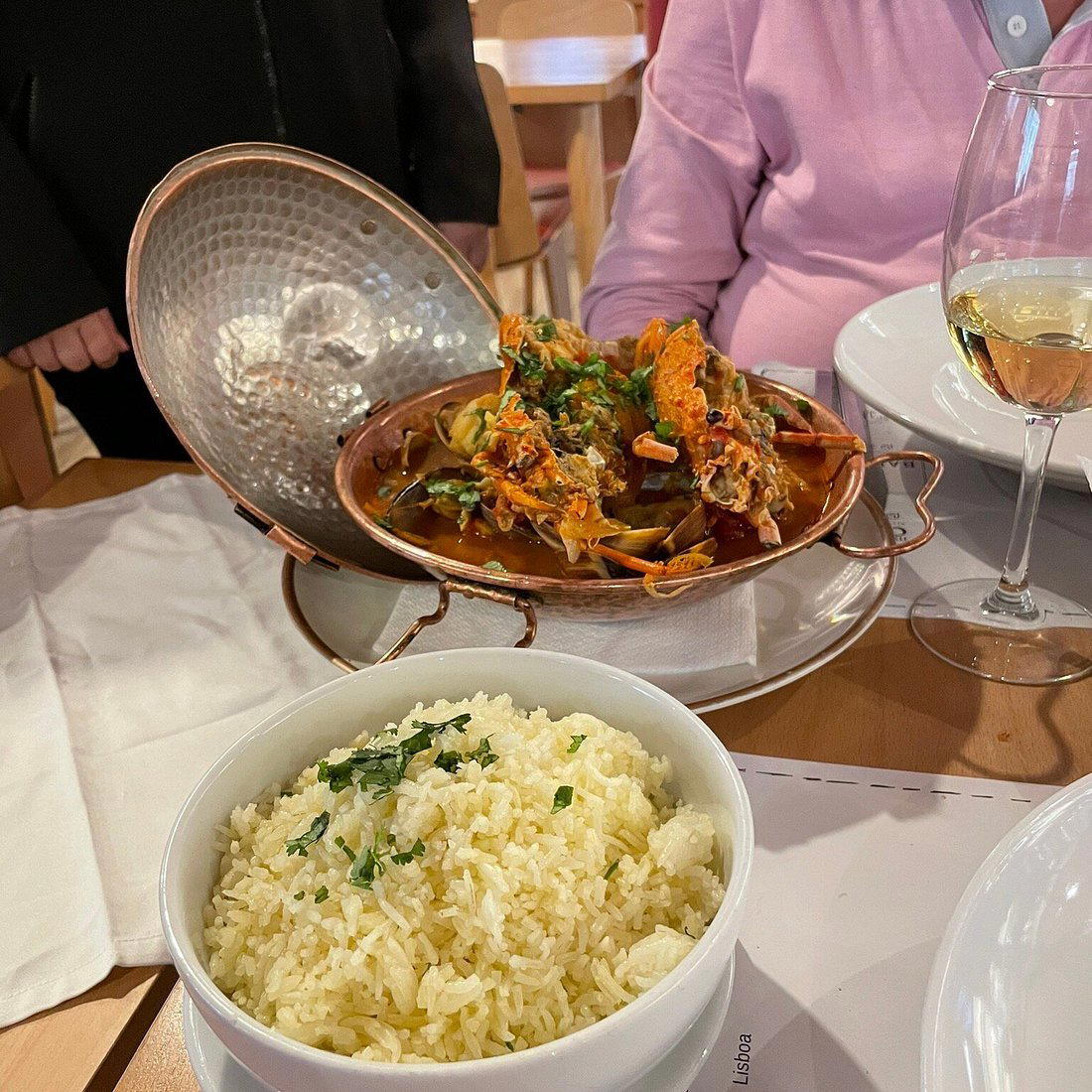
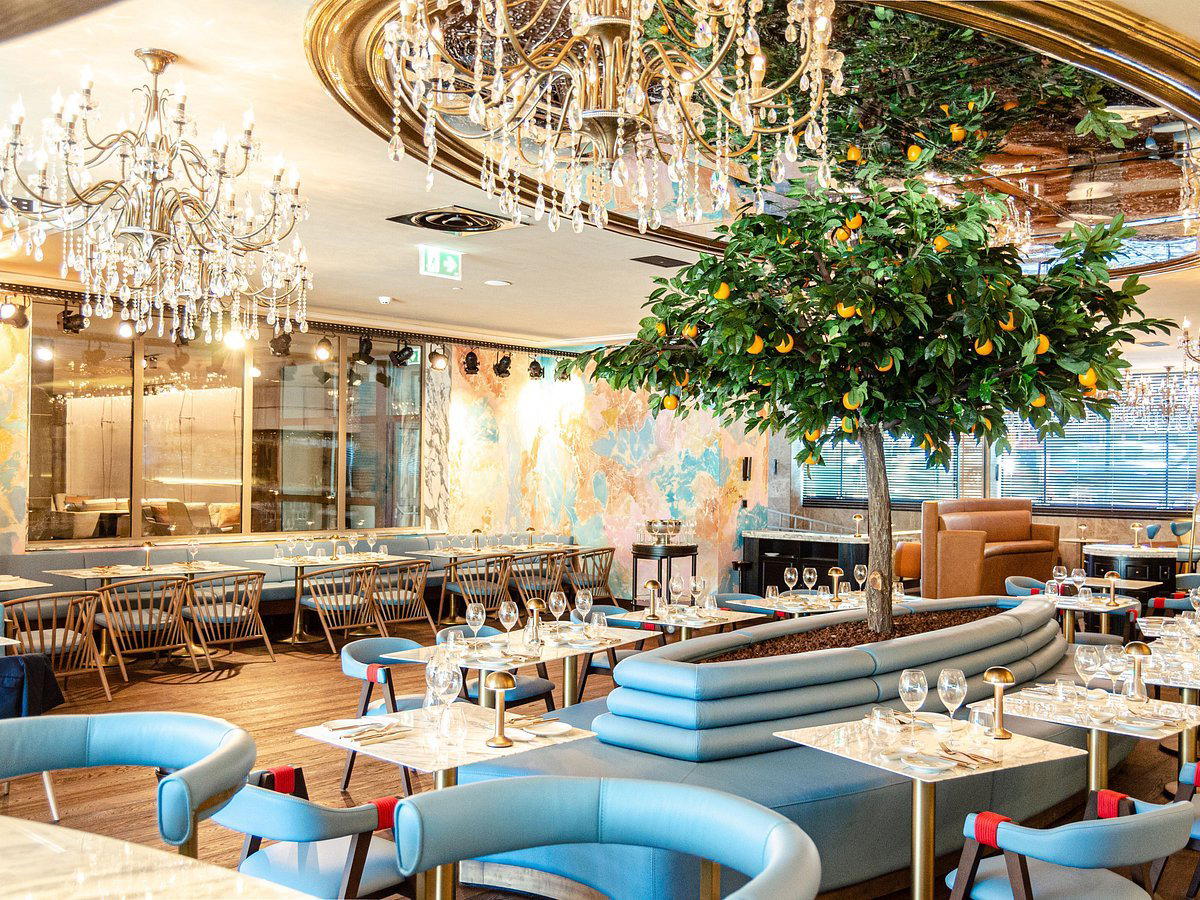
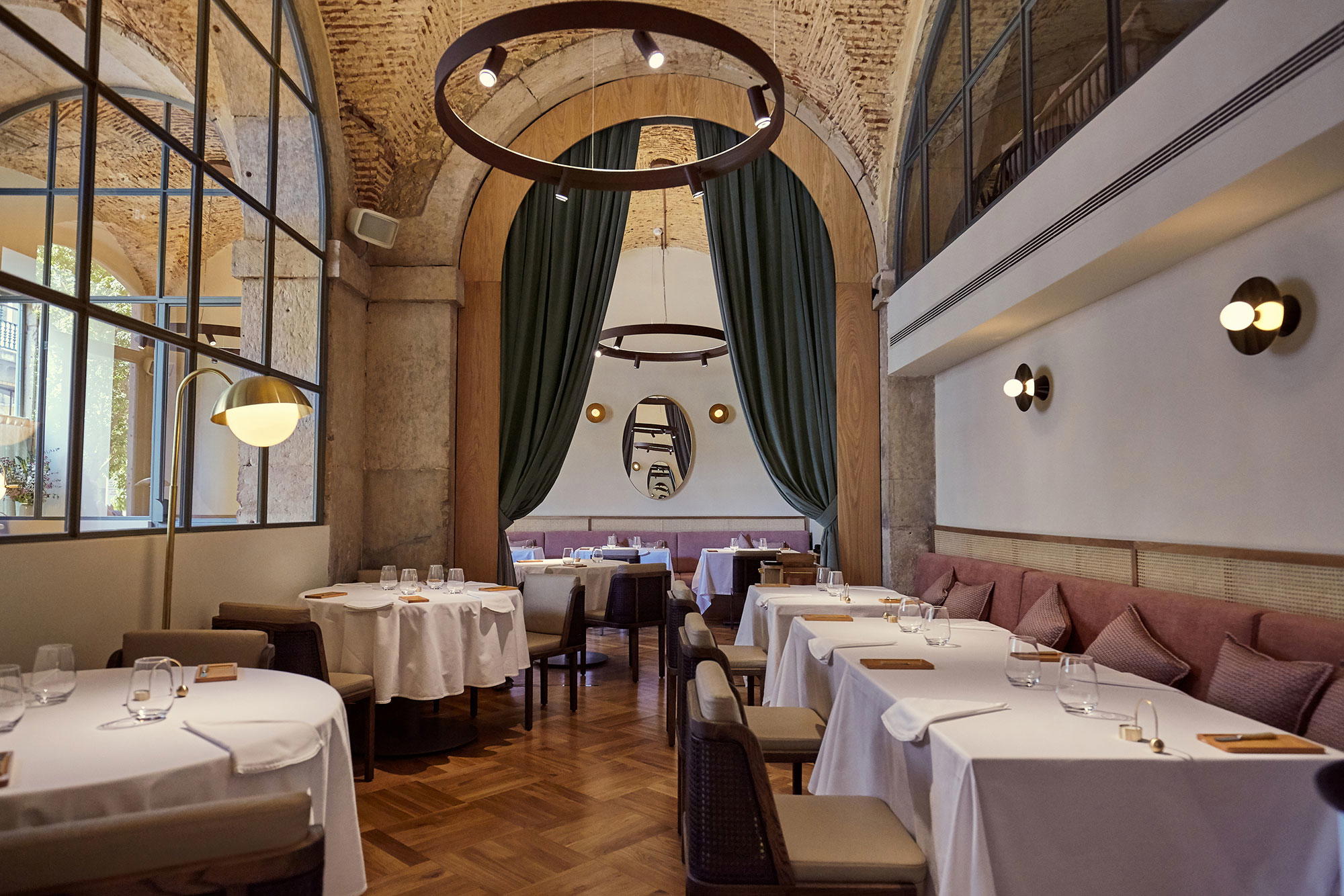
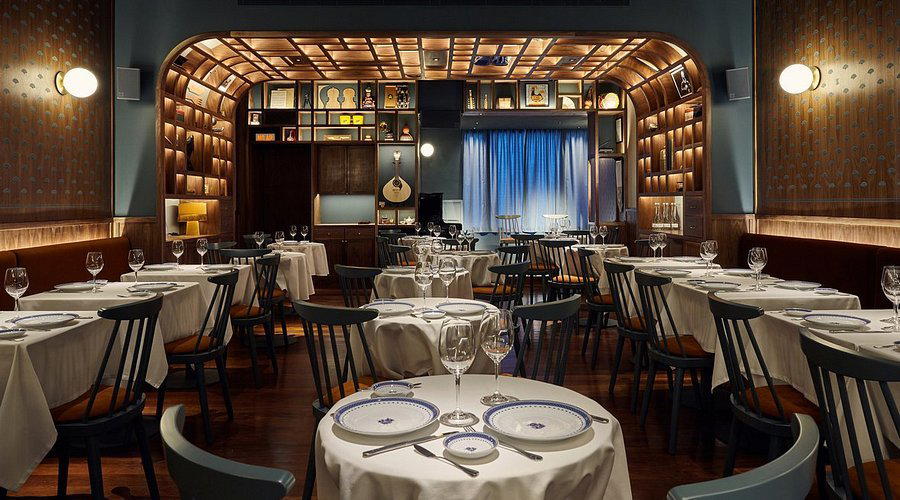
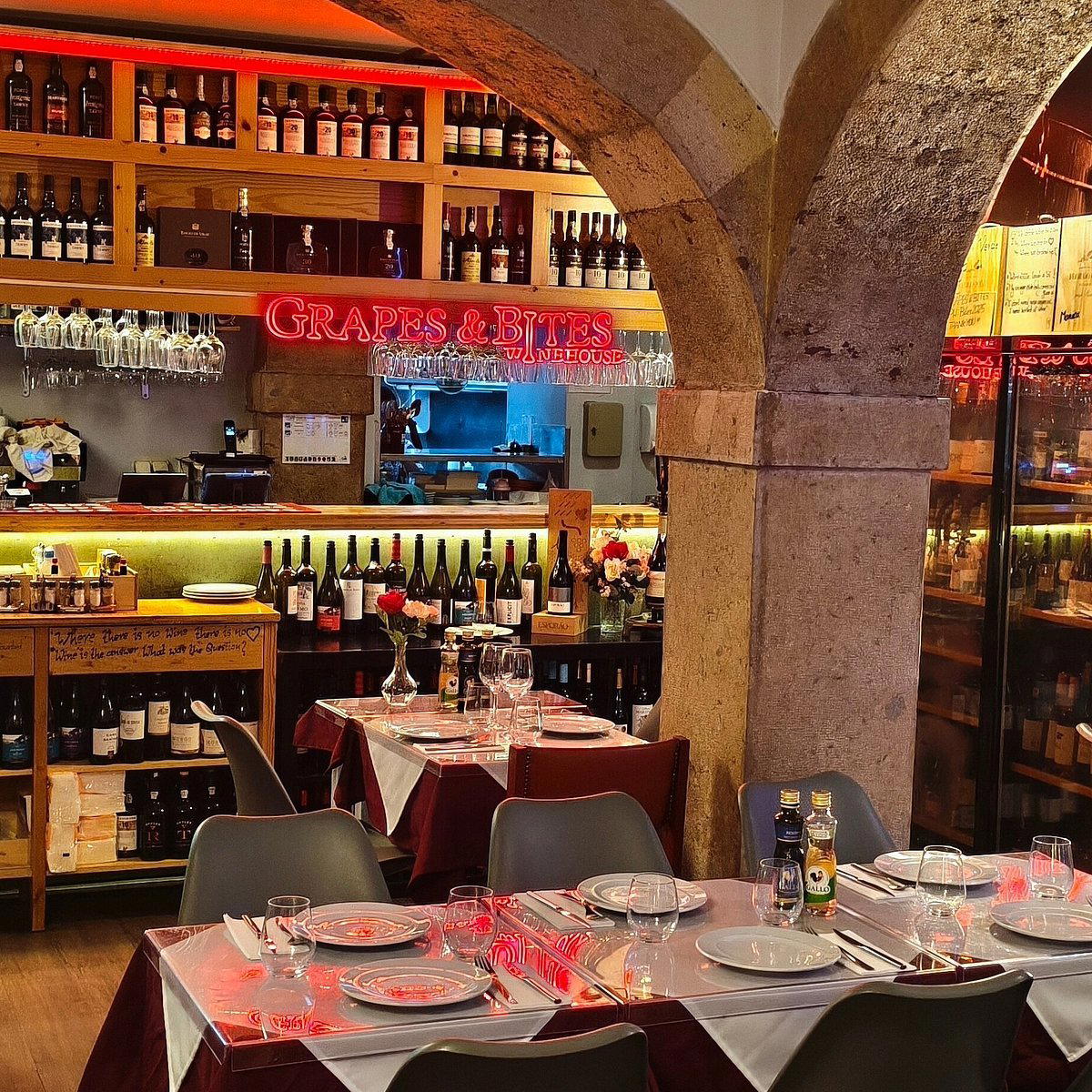
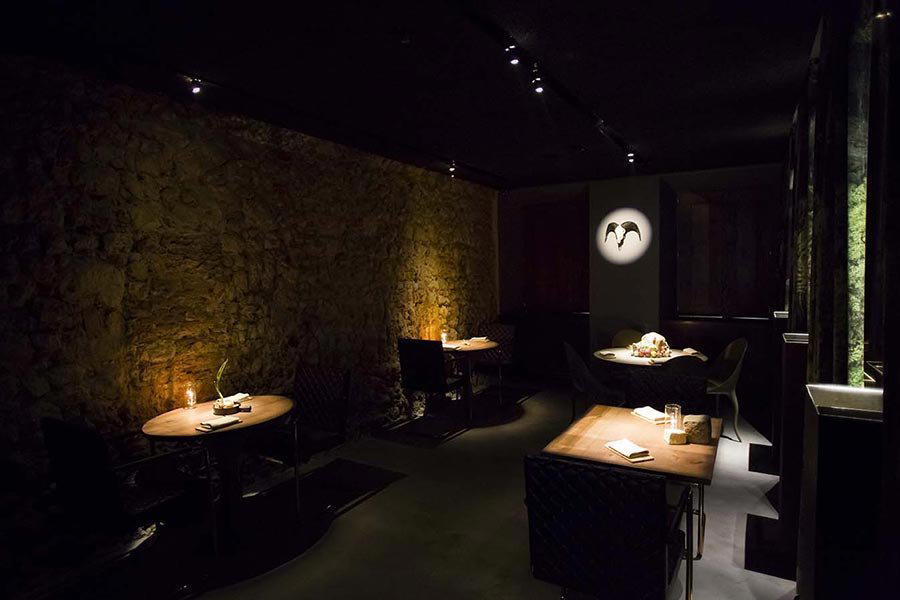
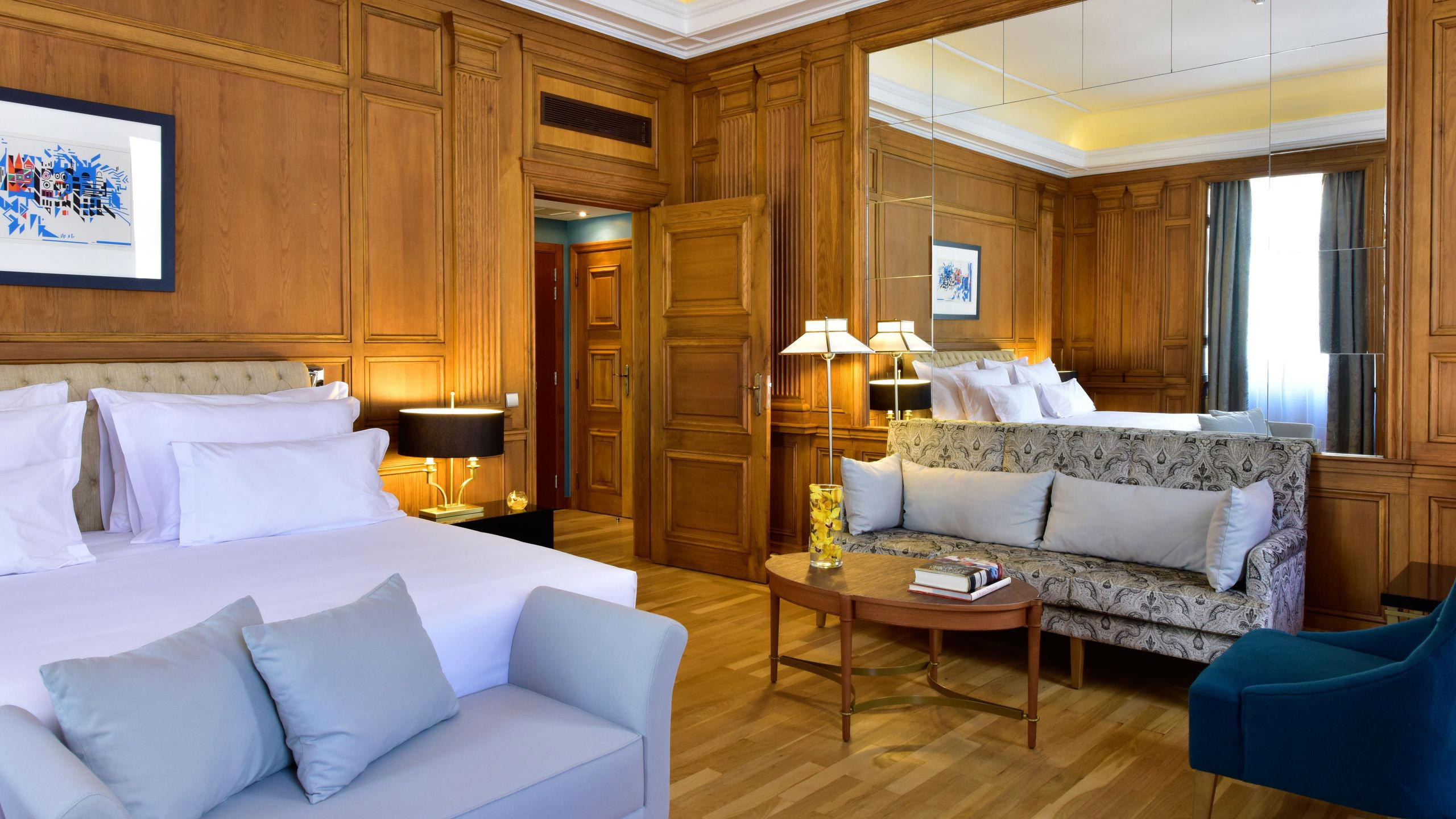
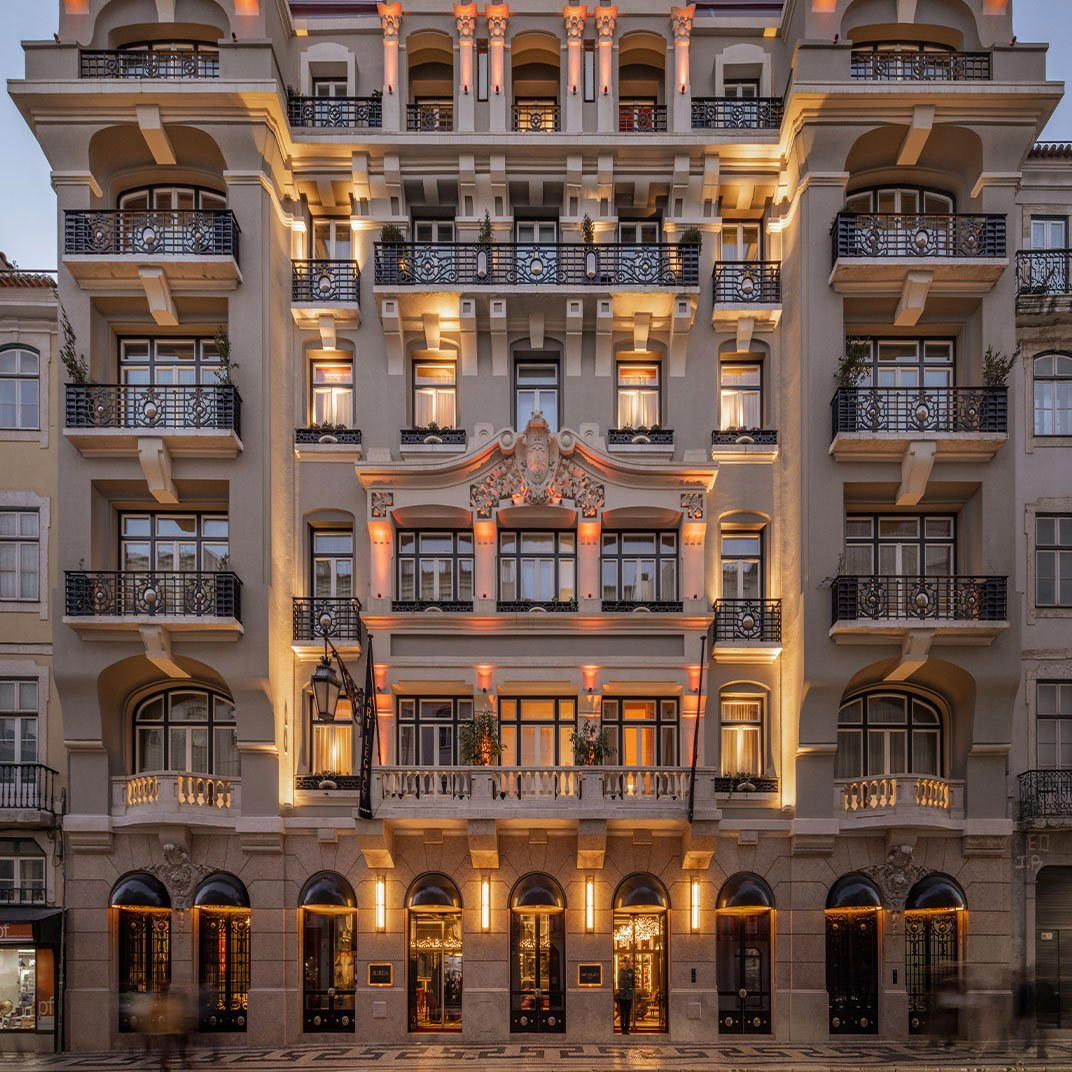
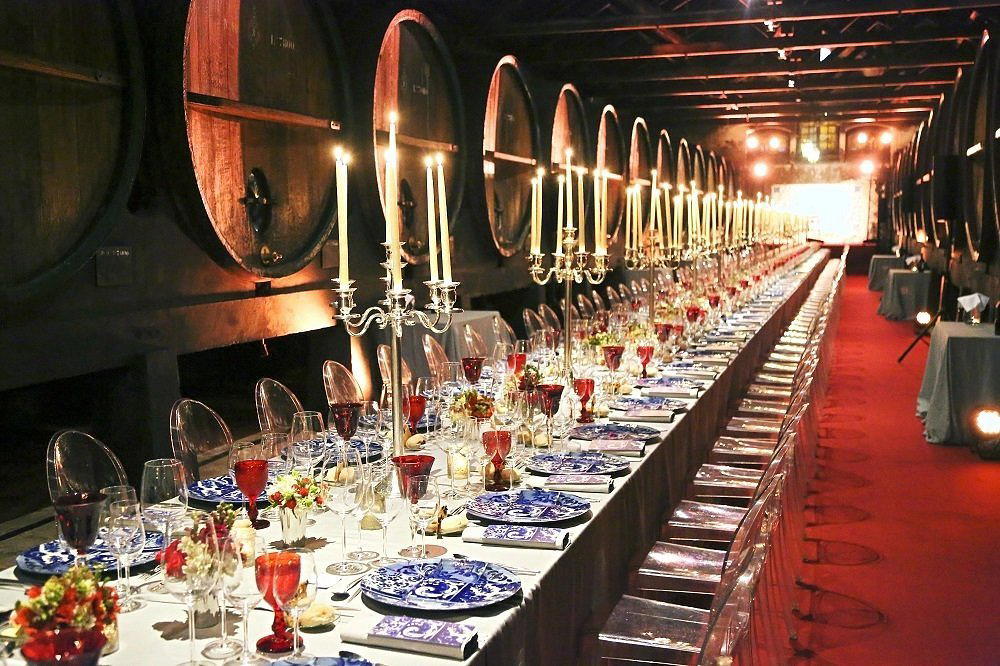
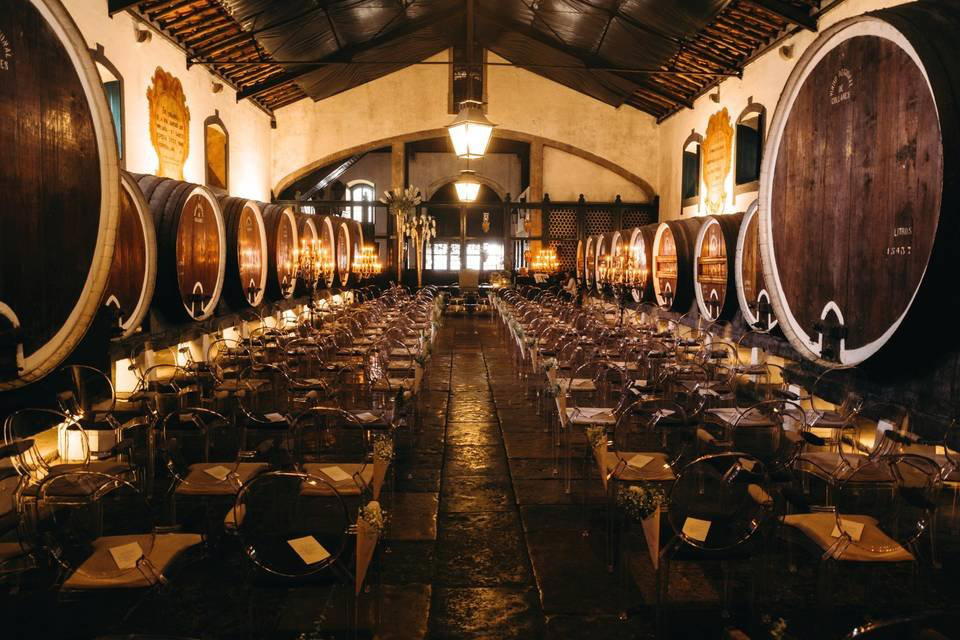
Queijaria Nacional occupies a compact space on Rua da Conceição in Lisbon's Baixa district, operating as one of the city's dedicated Portuguese cheese specialists. The address draws a loyal crowd of regulars who return for the depth of the selection and the knowledge behind it, a format that sits well apart from Lisbon's tasting-menu circuit.
Pearl is the En Primeur Club membership app — saves, bookings, and concierge access live there. Same editors, same standards.
- Address
- Rua da Conceição 8, 1100-404 Lisboa, Portugal
- Phone
- +351 912 082 450
- Website
- queijarianacional.pt

A Counter That Rewards Knowing What to Ask For
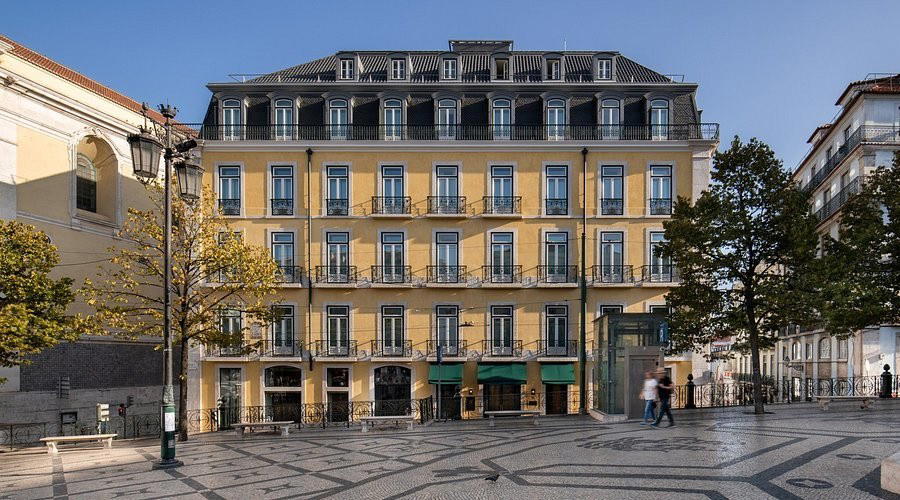
Rua da Conceição runs through the heart of Baixa, the flat grid of streets that Maria I rebuilt after the 1755 earthquake levelled the old city. The neighbourhood today is a dense mix of tourist-facing commerce and genuine local commerce, sometimes occupying the same building. Queijaria Nacional sits at Rua da Conceição 8 in Lisbon's Baixa, and at about €25 per person, it is a casual walk-in counter for Portuguese cheese and charcuterie. The address, number 8, is easy to walk past if you're moving quickly.
Portugal has a serious cheese culture that rarely receives the international attention it deserves. The country produces a range of PDO-protected varieties across distinct geographical zones: Queijo Serra da Estrela from the central highlands, aged and semi-soft; Queijo de Azeitão from the Setúbal peninsula, smaller and intensely aromatic; Queijo de Nisa from the Alentejo, pressed and cured to a firm, granular texture. A specialist address in Lisbon functions as a point of convergence for this regional spread, stocking varieties that would otherwise require travel to their production zones. That is the premise Queijaria Nacional operates on.
What Keeps Regulars Returning
The regulars at a place like this are rarely tourists on a first visit. They are people who have figured out something the passing crowd has not: that the counter staff can be more useful than the shelves. In specialist food shops across Lisbon, and the city has a healthy number of them, particularly in Intendente, Mouraria, and the older Alfama lanes, the real transaction is informational. A regular knows to name the region, the milk type, the age, or simply the occasion, and to let that guide the selection. The product becomes more precise as a result.
This dynamic distinguishes the specialist-format shop from the supermarket cheese aisle and from the tourist-facing emporiums selling generic queijo packaging. Portugal's Designation of Origin framework guarantees specific production methods and source geographies, but within those categories there is still considerable variation depending on season, producer, and curing duration. Staff knowledge at a focused operation bridges that gap in a way that labelling alone cannot.
The loyal clientele at Queijaria Nacional also returns because this type of address functions as a quiet corrective to Lisbon's increasingly headline-driven dining scene. The city's restaurant attention is concentrated on tasting menus and Michelin-starred addresses: Belcanto and CURA operate at the formal end of modern Portuguese cuisine, while Eleven and 50 Seconds from Martin Berasategui represent the internationalist tier with significant production budgets. 2Monkeys occupies a different creative register entirely. None of these addresses are competitors to a cheese shop; they belong to a different circuit. But the regulars who know Queijaria Nacional often cross both worlds, using the shop to source for home, and using the knowledge accumulated there to read restaurant cheese courses with greater fluency.
Portuguese Cheese in Broader Context
Portugal's cheese production spans sheep's milk, goat's milk, and cow's milk traditions, with the most celebrated varieties concentrated in the sheep's milk category. Serra da Estrela, arguably the country's most recognised export in this category, is produced in a defined mountain zone and hand-pressed with thistle rennet, a technique that produces a characteristic softness and a slightly bitter, floral edge. It is worth understanding this variety in relation to its Spanish neighbours: Manchego, also sheep's milk but pressed harder and aged longer, occupies a firmer and more commercially accessible register. Serra da Estrela remains less internationally distributed, which keeps it within specialist networks.
Across Portugal's starred and awarded restaurants, cheese courses have grown more considered over the past decade. Kitchens at destinations like Vila Joya in Albufeira, The Yeatman in Vila Nova de Gaia, and Ocean in Porches integrate Portuguese producers into their progression in ways that would have been uncommon fifteen years ago. Casa de Chá da Boa Nova in Leça da Palmeira connects Portugal's Atlantic identity to its sourcing decisions. The same regionalist impulse shows up at Antiqvvm in Porto and at Il Gallo d'Oro in Funchal, which interprets Madeiran produce through a fine-dining lens. At the retail end, addresses like Queijaria Nacional supply the same producers to a different type of customer.
Portugal's Atlantic-facing regions also produce cheeses that rarely make it to export markets at all. Queijo do Pico from the Azores, a semi-cured cow's milk variety, and Queijo Rabaçal, a mixed sheep and goat's milk cheese from the Coimbra region, appear irregularly even in specialist Lisbon shops. When they do appear, they tend to move quickly. Regulars know to ask rather than to look.
Visiting Queijaria Nacional: What to Know
The address is Rua da Conceição 8, in Baixa, within walking distance of the Praça do Comércio riverfront and the Rossio square to the north. The neighbourhood is densely served by public transport, with the Baixa-Chiado metro station connecting the Azul and Verde lines within a few minutes' walk. For visitors staying in Chiado, Bairro Alto, or Mouraria, the shop is a practical addition to a half-day in the lower city.
This is a retail and counter operation, not a reservable dining experience. Walk-in is the expected mode. Timing-wise, Baixa sees its highest foot traffic mid-morning through early afternoon; arriving earlier typically allows for a less crowded exchange at the counter.
Elsewhere in Portugal, a similar specialist sensibility shows up in very different formats: Fortaleza do Guincho in Cascais and Ó Balcão in Santarém both work Portuguese produce into formal dining contexts, while Al Sud in Lagos and Gusto by Heinz Beck in Almancil represent the Algarve's own distinct register. For comparison at the international end of specialist, counter-format dining, Le Bernardin in New York City and Lazy Bear in San Francisco show how different cities formalise their niche, though both operate at a scale and price point well removed from what Rua da Conceição offers.
Price Lens
Comparable venues nearby, for context on price, style, and recognition.
| Venue | Cuisine | Price | Awards | Notes |
|---|---|---|---|---|
| Queijaria NacionalThis venue — the venue you are viewing | Rossio, Portuguese Cheese & Charcuterie | $$ | , | |
| Honest Greens | $$ | , | Bairro Alto, Modern Healthy Mediterranean | |
| Pharmacia | $$ | , | Bairro Alto, Portuguese Tapas & Mediterranean | |
| Corrupio | Bairro Alto, Modern Portuguese | $$ | , | |
| A Praça | Alcantara, Portuguese Mediterranean | $$ | , | |
| Fidalgo | Chiado, Portuguese Tapas & Wine Bar | $$ | , |
Continue exploring
More in Lisbon
Restaurants in Lisbon
Browse all →Bars in Lisbon
Browse all →Hotels in Lisbon
Browse all →At a Glance
- Classic
- Cozy
- Hidden Gem
- Casual Hangout
- Solo
- Historic Building
- Extensive Wine List
- Local Sourcing
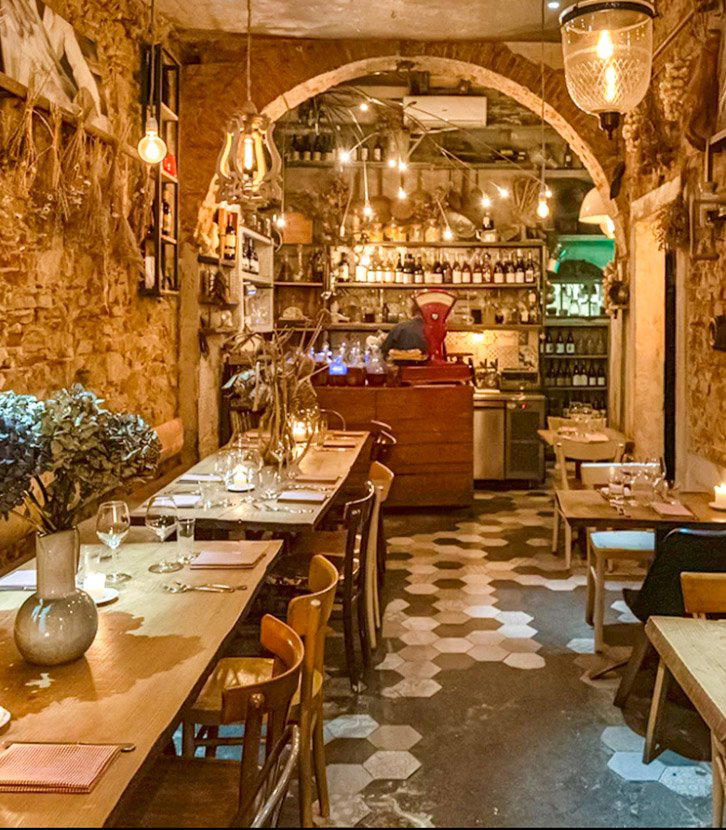
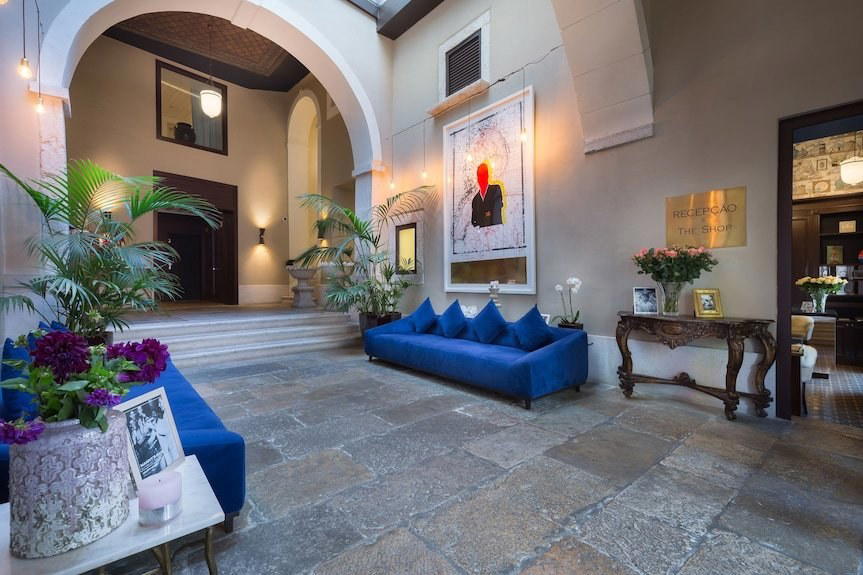
Historic 18th-century setting with warm, welcoming atmosphere; intimate retail and tasting space dedicated to Portuguese culinary traditions.