Parasol at Cafe Flore
Parasol at Cafe Flore occupies a corner of the Castro at 2298 Market Street, where San Francisco's neighborhood-dining culture meets a kitchen approach that draws on global culinary technique applied to California's agricultural depth. The address has long served the area's community-oriented dining scene, and the room reflects that character: familiar enough for regulars, considered enough for visitors arriving from elsewhere in the city.
Pearl is the En Primeur Club membership app — saves, bookings, and concierge access live there. Same editors, same standards.
- Address
- 2298 Market St, San Francisco, CA 94114
- Phone
- +1 415 621 8579
- Website
- flore415.com
- Directions
- Get directions
 Saves & bookings on Pearl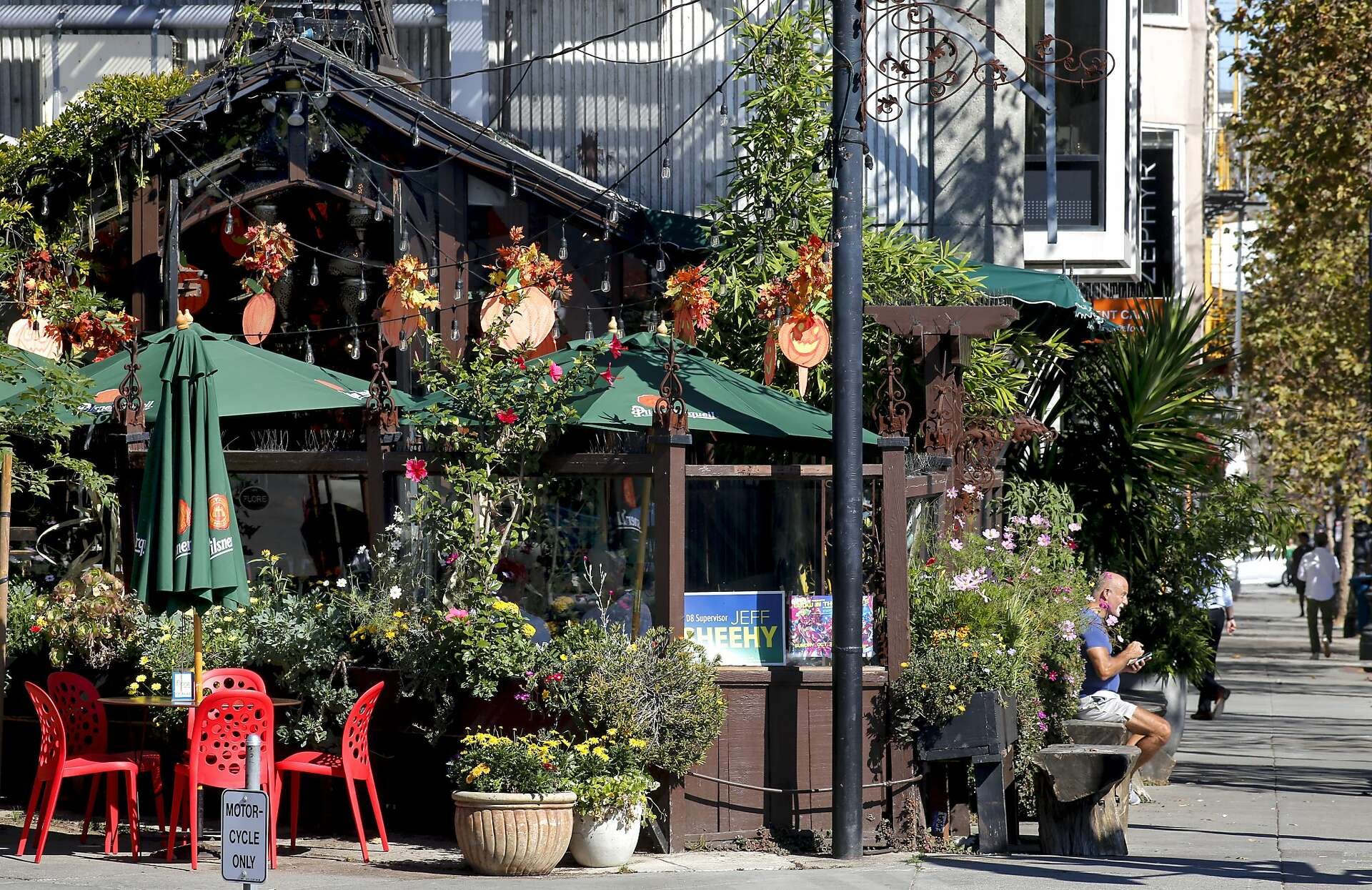
The Corner That Holds the Castro Together
Market Street in San Francisco's Castro district operates differently from the destination-dining corridors of SoMa or the Financial District. The energy here is residential and rhythmic: the same faces on Tuesday that were here on Saturday, a pace set by the neighborhood rather than reservation platforms. Parasol at Cafe Flore, at 2298 Market Street, fits that register. The address sits at a junction where the Castro's commercial strip begins to ease into the quieter residential blocks beyond, placing it in foot-traffic territory that rewards walk-ins and locals over the planned pilgrimage crowd that routes toward places like Lazy Bear or Atelier Crenn.
That distinction matters in a city where dining has stratified sharply. San Francisco's upper tier, anchored by tasting-menu formats and Michelin recognition at venues such as Benu and Quince, occupies one end of the spectrum. Neighborhood restaurants that absorb the community's daily dining life occupy the other. Parasol at Cafe Flore operates in the latter category, which in San Francisco carries its own weight: the city's neighborhoods are demanding audiences, and longevity on a stretch like Market Street is earned rather than inherited.
California Produce, Methods from Elsewhere
The culinary tension that defines much of California's interesting mid-tier dining is the collision between notable local agriculture and technique imported from somewhere else entirely. The Bay Area is positioned to exploit this more than almost any American city. Within a two-hour radius sit some of the country's most productive farming terrain, coastline fisheries, and small-scale producers whose output rarely leaves the state.
This is the same structural question that separates the approaches at, say, Saison, with its live-fire Californian idiom, from the French-inflected discipline at places like The French Laundry in Napa, or the produce-first philosophy that Blue Hill at Stone Barns in Tarrytown applies to its farm context. When global technique meets California ingredients in a neighborhood format, the result tends to be more relaxed in presentation than those destination kitchens, but no less considered in sourcing. The Castro, specifically, has a history of cafes and restaurants that take their produce seriously without requiring the diner to treat the meal as an event.
Kitchens applying European or Asian structural discipline to Northern California ingredients have a relatively long track record in San Francisco. The city's geography makes Japanese precision applied to Pacific coast seafood feel natural in ways it might not elsewhere; the same is true of French technique applied to coastal vegetables, or Latin-American approaches to the Central Valley's stone fruit and alliums. Wherever Parasol at Cafe Flore sits within that continuum, the neighborhood sets a clear expectation: the sourcing should reflect the city's agricultural access, and the execution should be good enough to keep the regulars returning.
Where Flore Sits in San Francisco's Dining Map
Placing any restaurant accurately in San Francisco's current dining picture requires acknowledging how fragmented that picture has become. The city has a top tier of globally referenced tasting-menu destinations; a middle band of serious neighborhood restaurants with genuine culinary ambition; and a third layer of casual spots serving the city's day-to-day eating life. Parasol at Cafe Flore's address on the Castro's main artery places it in the middle band's territory, the tier where comparisons run to similar-format neighbors rather than to Le Bernardin in New York City or Atomix in New York City.
That middle band is where San Francisco's dining culture is most honestly represented. The city's culinary identity was never purely about its Michelin table count. It was built on a farm-to-table ethic that predates the term, on a diverse population that brought techniques from across the Pacific Rim and Latin America, and on a neighborhood culture that expected good food at the local level. The restaurant's Castro location connects it to that tradition directly. The neighborhood has sustained restaurants across decades and multiple shifts in the city's demographics and dining tastes, which is its own form of credential for any venue that takes root there.
For context on what separates the Castro's dining scene from destination-format restaurants in other California cities, consider that venues like Providence in Los Angeles or Addison in San Diego operate primarily as occasions-based destinations. San Francisco's neighborhood restaurants, by contrast, are expected to carry the week's worth of dining, not just the celebratory meal. That expectation shapes everything from portion sizing to pricing to how the room is configured.
The Castro as Dining Context
The Castro's dining scene rewards a different kind of attention than the blocks around, say, Smyth in Chicago or Frasca Food and Wine in Boulder, which sit in neighborhoods shaped partly by their own reputations as dining destinations. Market Street in the Castro is a working neighborhood artery first. Restaurants here contend with a local audience that has strong opinions, reliable comparison points from decades of dining in the same blocks, and no particular patience for venues that prioritize Instagram formatting over the plate.
That context tends to produce more honest restaurants than destination corridors do. The room at 2298 Market Street is shaped by this reality: the neighborhood expects comfort alongside quality, and a room that feels too formal or too precious reads as out of step. This is true across the Castro's dining stretch, and it applies equally to whatever format the restaurant operates in. The international comparisons that apply to places like Atelier Moessmer Norbert Niederkofler in Brunico or Emeril's in New Orleans operate at a different scale entirely; the Castro sets more immediate, neighborhood-level standards.
For visitors to San Francisco working through the city's dining options, the Castro's Market Street corridor is worth including alongside the better-publicized SoMa and Hayes Valley corridors. The full picture of San Francisco's restaurant culture is visible across all three, and a meal that fits the neighborhood's tempo often tells you more about the city than a set-menu occasion at a Michelin-flagged room.
Planning a Visit
The restaurant sits at 2298 Market Street in the Castro, accessible by Muni Metro (Castro Station on the K, L, and M lines) and well within reach of the central neighborhoods. The Castro's Market Street strip is most active in the evenings and on weekends, when the neighborhood's bar and restaurant density pulls foot traffic along the full stretch. Arriving without a reservation is a realistic option for neighborhood-format dining on this corridor, though evenings on Friday and Saturday are predictably busier. For visitors combining a Castro meal with broader San Francisco dining, the neighborhood is a sensible anchor for a day that moves between Noe Valley to the south and the Mission to the east, both of which carry their own restaurant density worth factoring into the itinerary.
Recognition, Side-by-Side
Comparable venues nearby, for context on price, style, and recognition.
| Venue | Cuisine | Price | Notes |
|---|---|---|---|
| Parasol at Cafe FloreThis venue — the venue you are viewing | Sustainable Seafood & American | $$ | Not listed |
| The Old Clam House | Classic San Francisco Seafood | $$ | Bernal Heights |
| Capurro's | Italian Seafood | $$ | Russian Hill |
| Sinbad's Pier 2 Restaurant | Classic Seafood | $$ | Financial District/South Beach |
| Bar Crudo | Modern Seafood Raw Bar | $$$ | Hayes Valley |
| Pink Zebra | Mediterrasian Fusion | Not listed | San Francisco |
Continue exploring
More in San Francisco
Restaurants in San Francisco
Browse all →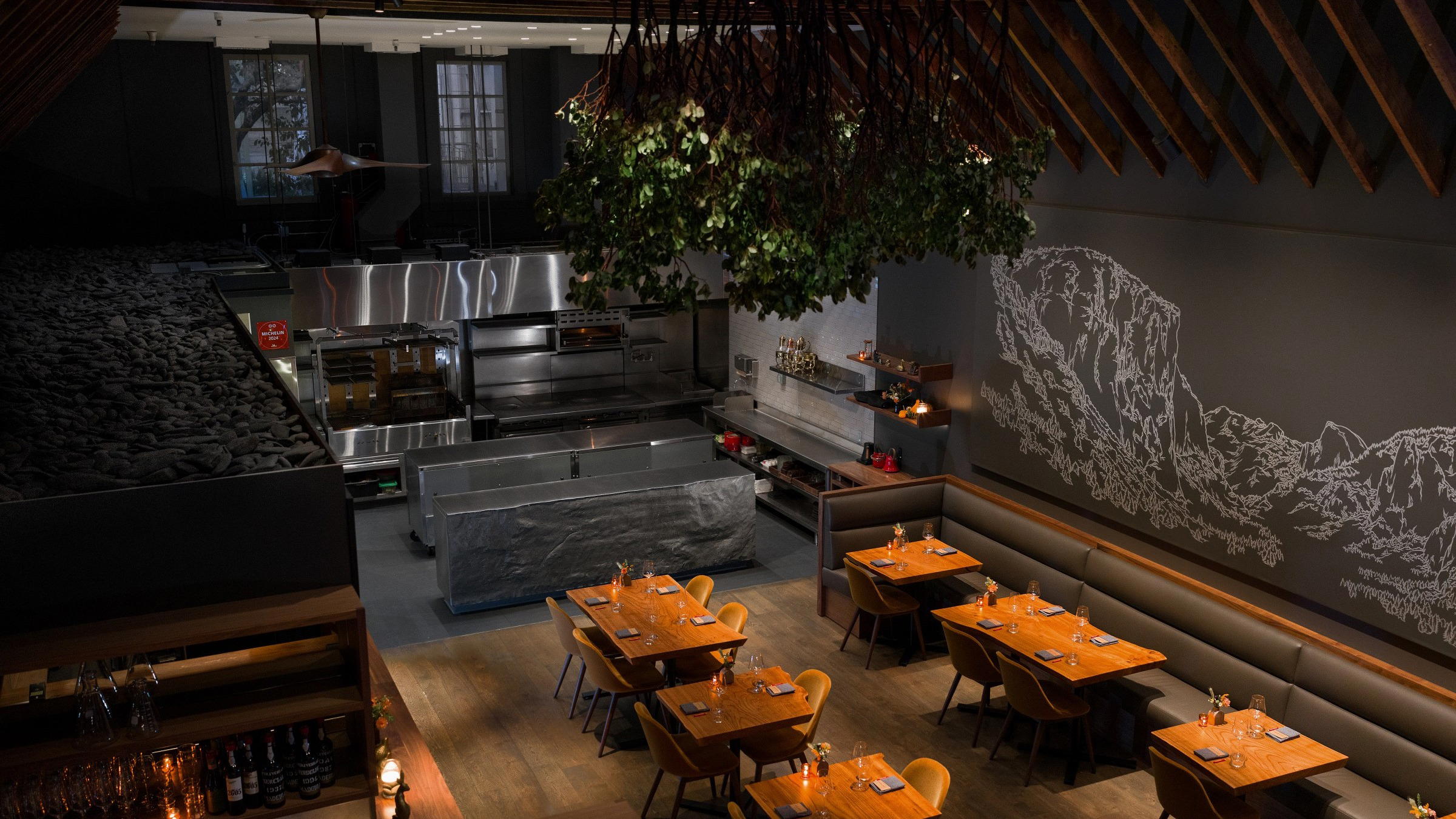
Bars in San Francisco
Browse all →
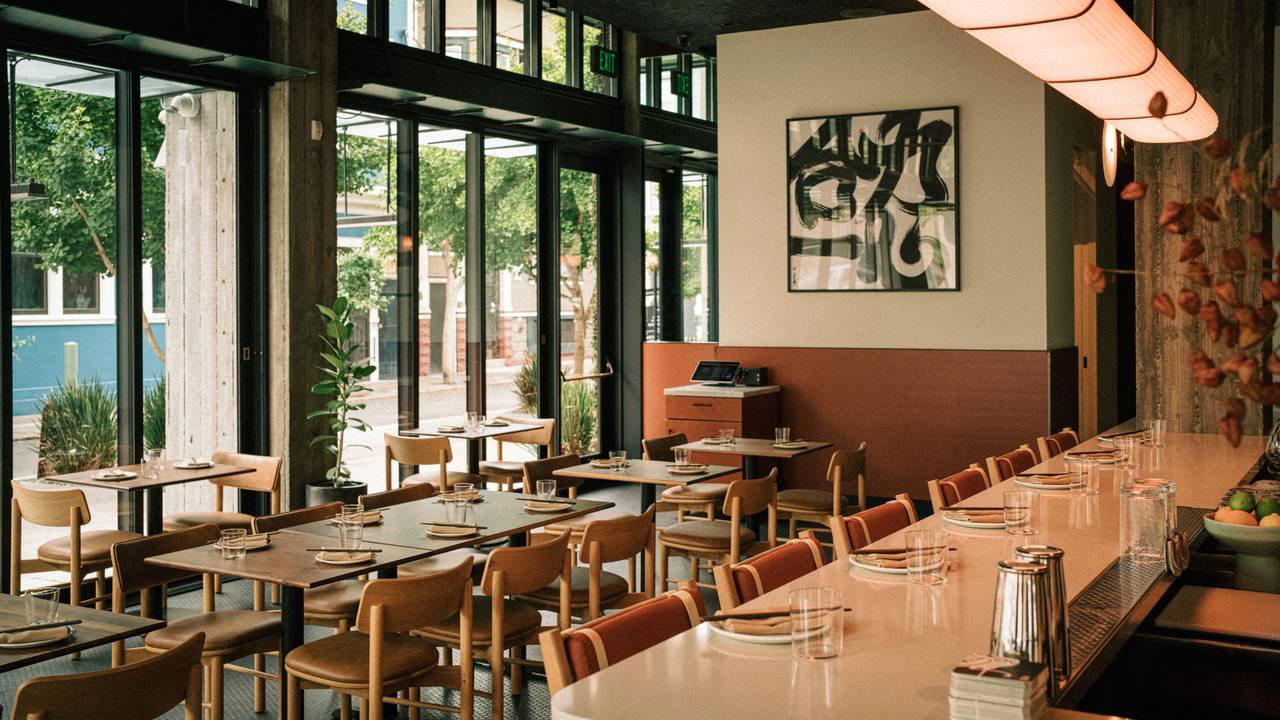
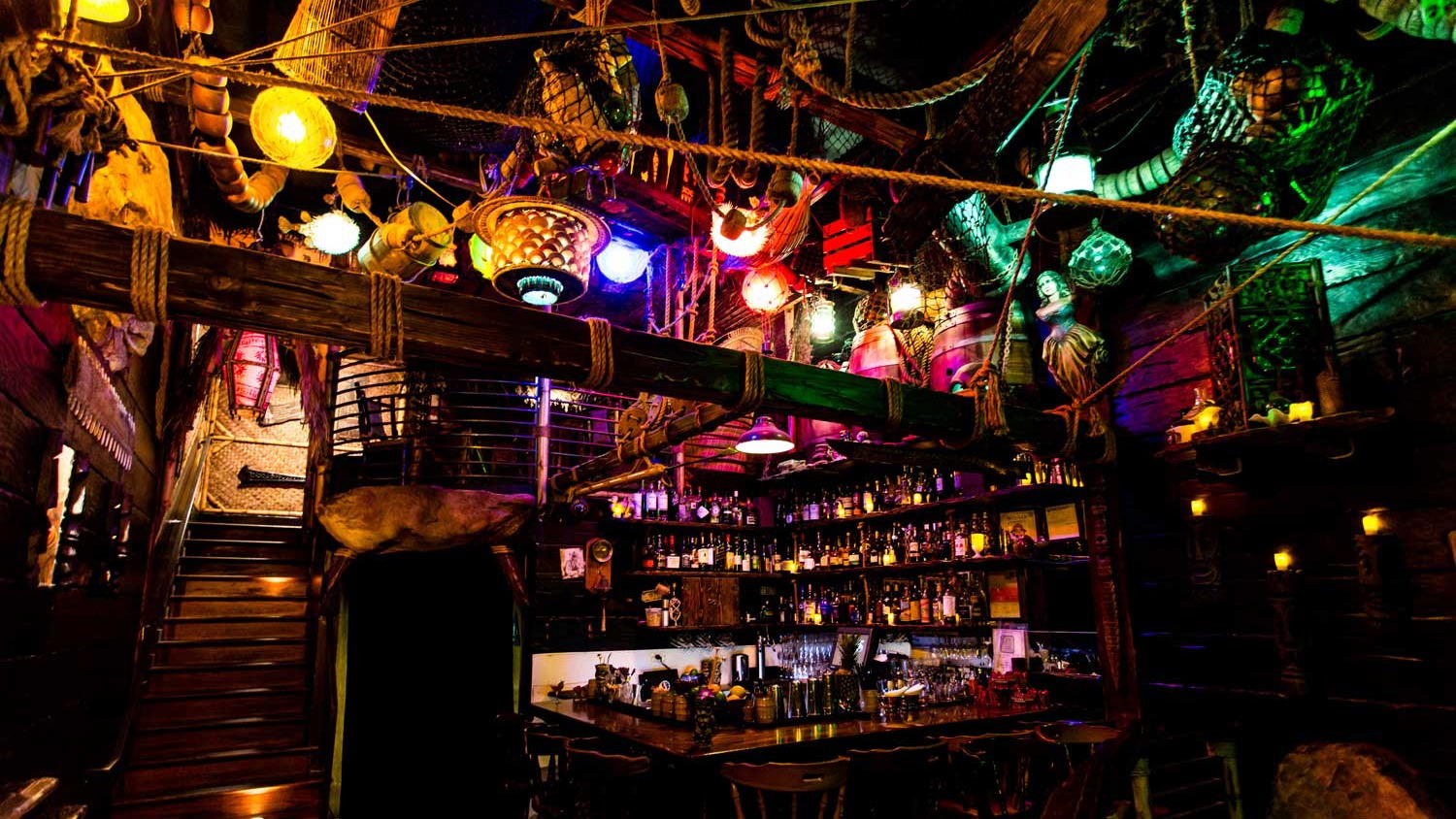
Hotels in San Francisco
Browse all →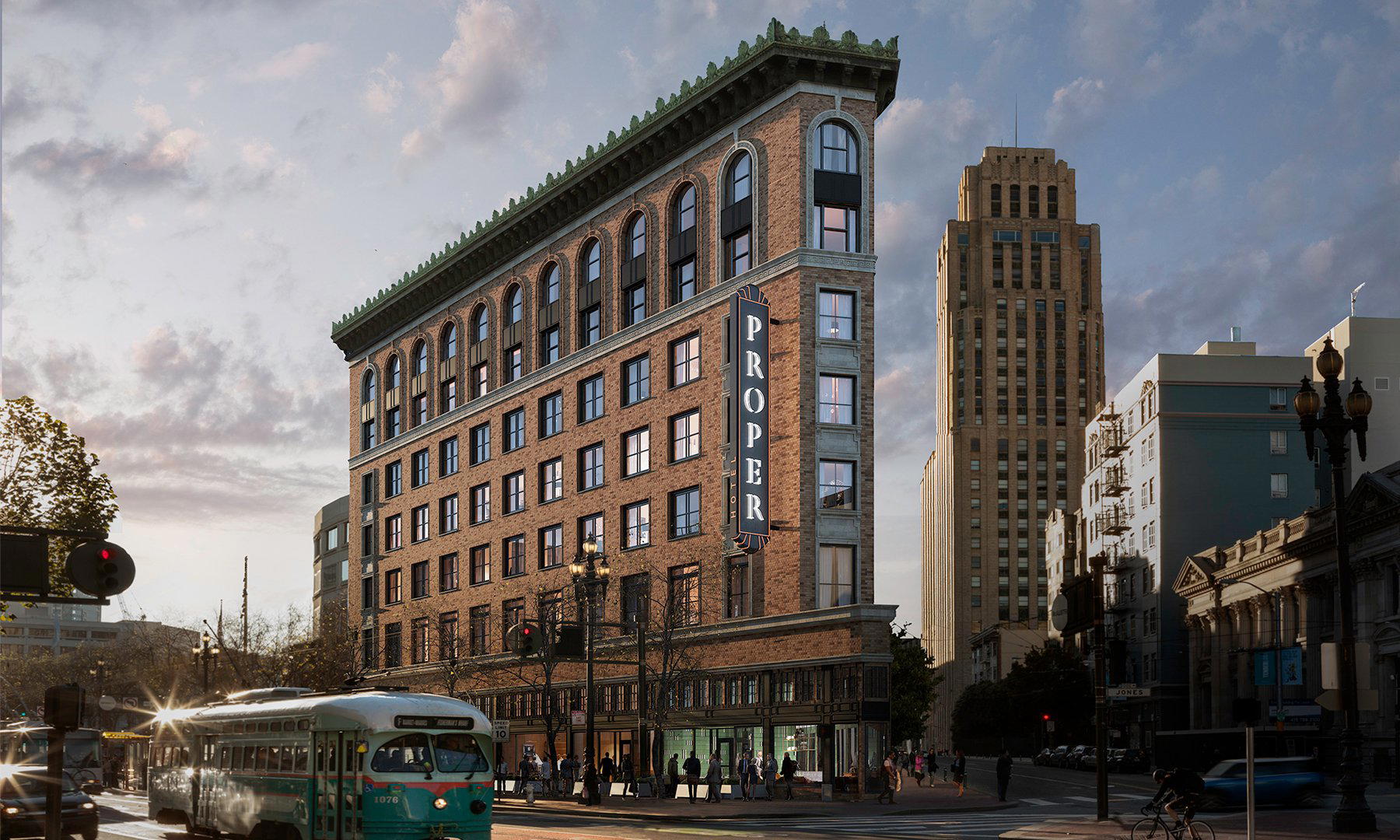
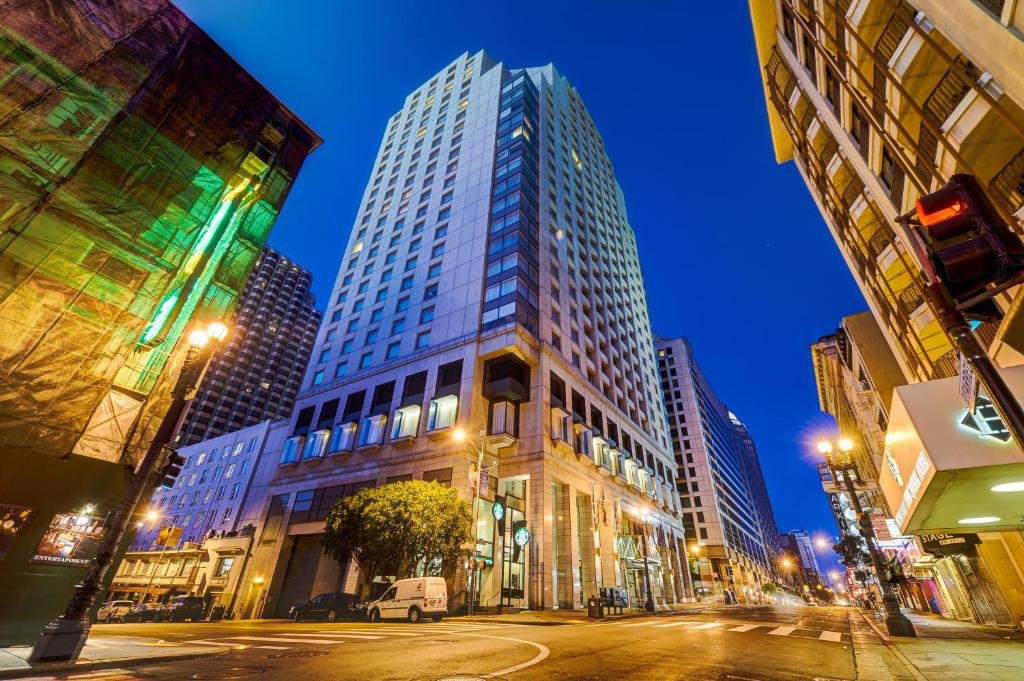
At a Glance
- Modern
- Lively
- Casual Hangout
- Group Dining
- After Work
- Brunch
- Terrace
- Open Kitchen
- Standalone
- Craft Cocktails
- Sustainable Seafood
- Local Sourcing
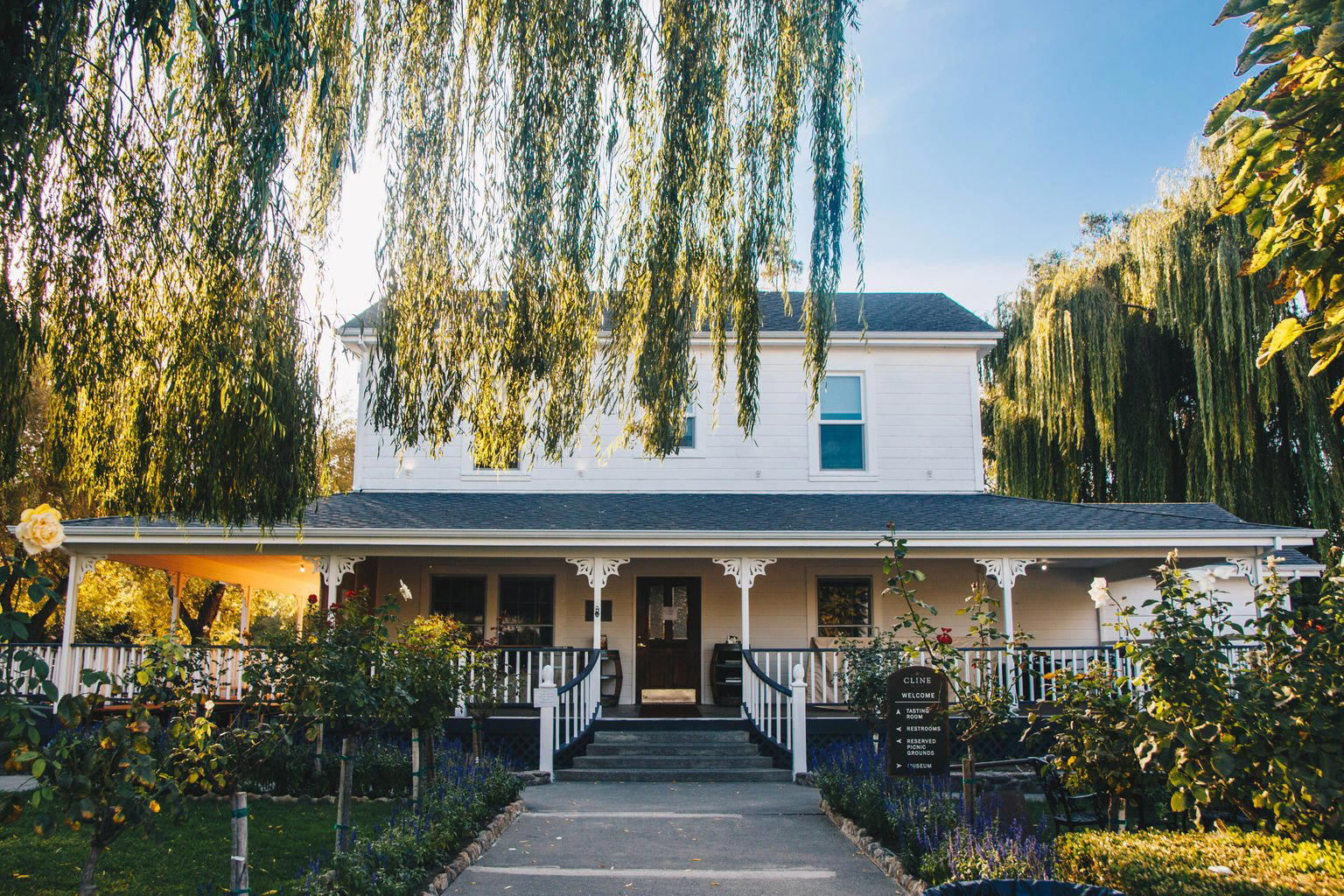
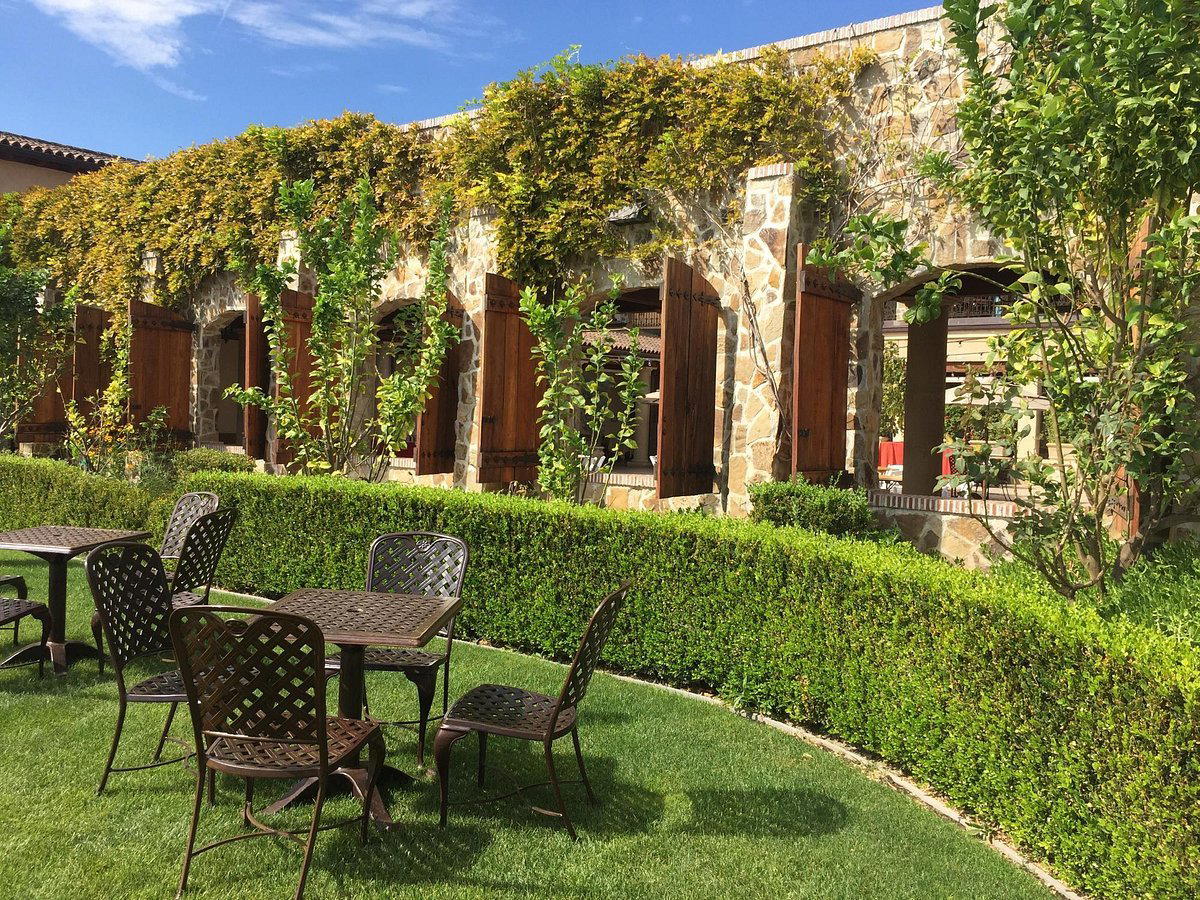
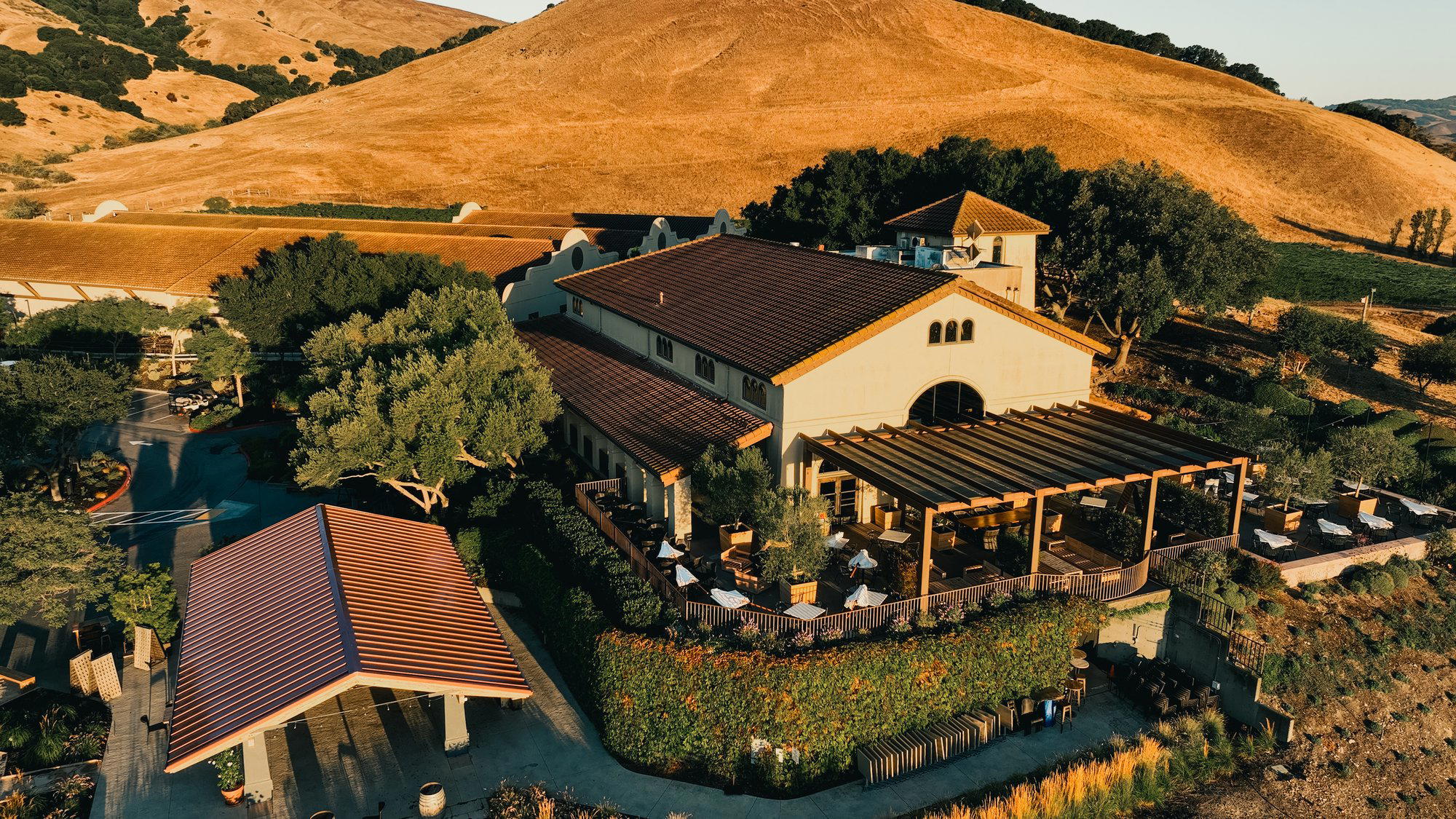
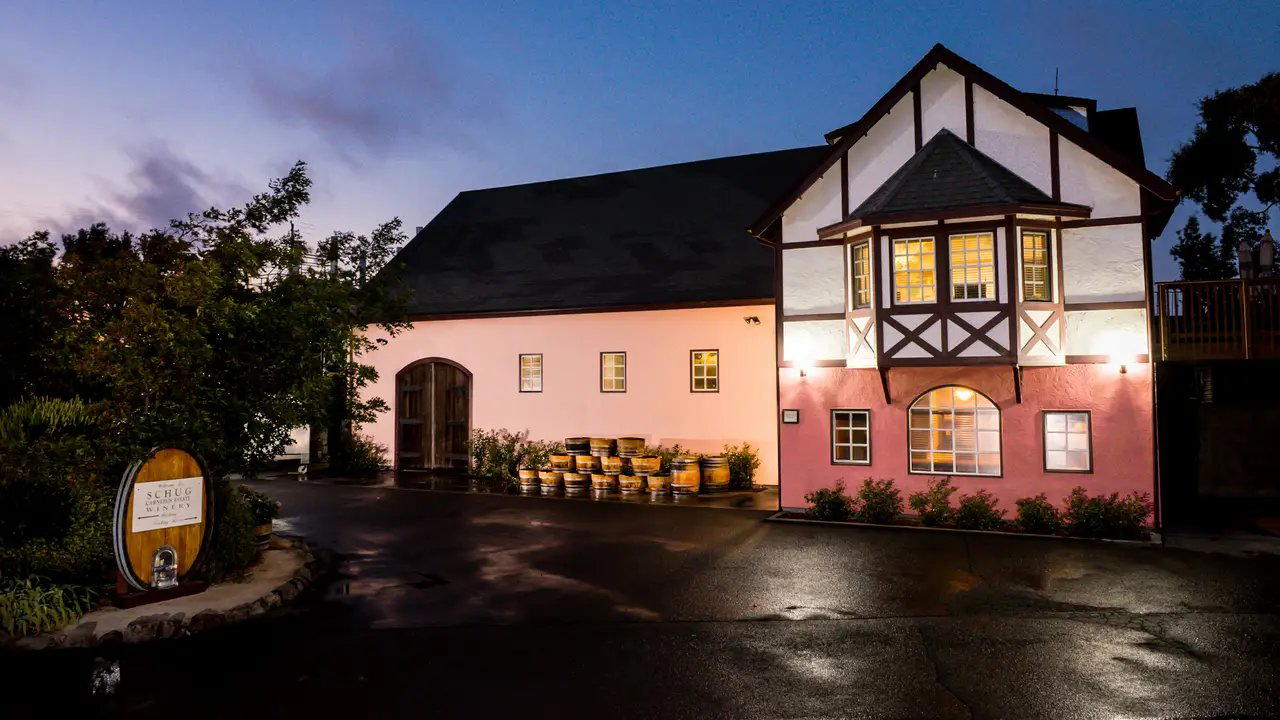
Lively and welcoming neighborhood atmosphere with refreshed modern design, comfortable outdoor seating areas enhanced by firepits and windbreaks.