
La Table de l'Alpaga holds a Michelin star for 2024 and 2025 under chef Alexandre Baule, placing it firmly in Megève's premium dining tier. Located on the Allée des Marmousets, the restaurant operates within a resort town where altitude and seasonality shape the menu's modern French direction. At the €€€€ price point, it sits alongside Vous as one of the village's starred alternatives to Flocons de Sel's three-star benchmark.
Pearl is the En Primeur Club membership app — saves, bookings, and concierge access live there. Same editors, same standards.
- Address
- 66 allée des Marmoussets, route du Prariand, 74120 Megève, France
- Phone
- +33 4 50 91 48 70
- Website
- beaumier.com
 Saves & bookings on Pearl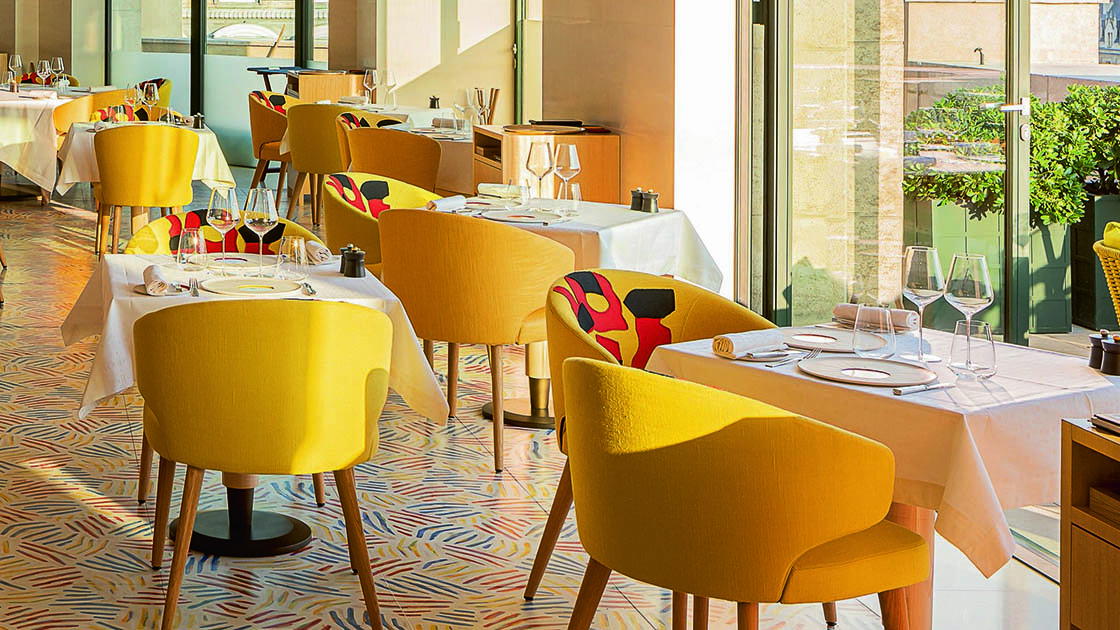
Where Megève Places Its Fine Dining: The Alpaga Address
Megève has long operated as two things simultaneously: a ski resort and a serious food destination. The combination is rarer than it sounds. Most alpine towns produce one or two reliable mountain restaurants and leave the serious cooking to the cities below. Megève does something different. The village has accumulated enough Michelin-recognised tables that choosing between them requires the same deliberate thinking you'd apply in Lyon or Bordeaux. La Table de l'Alpaga, on the Allée des Marmousets, sits within that serious tier, holding a Michelin star under chef Alexandre Baule.
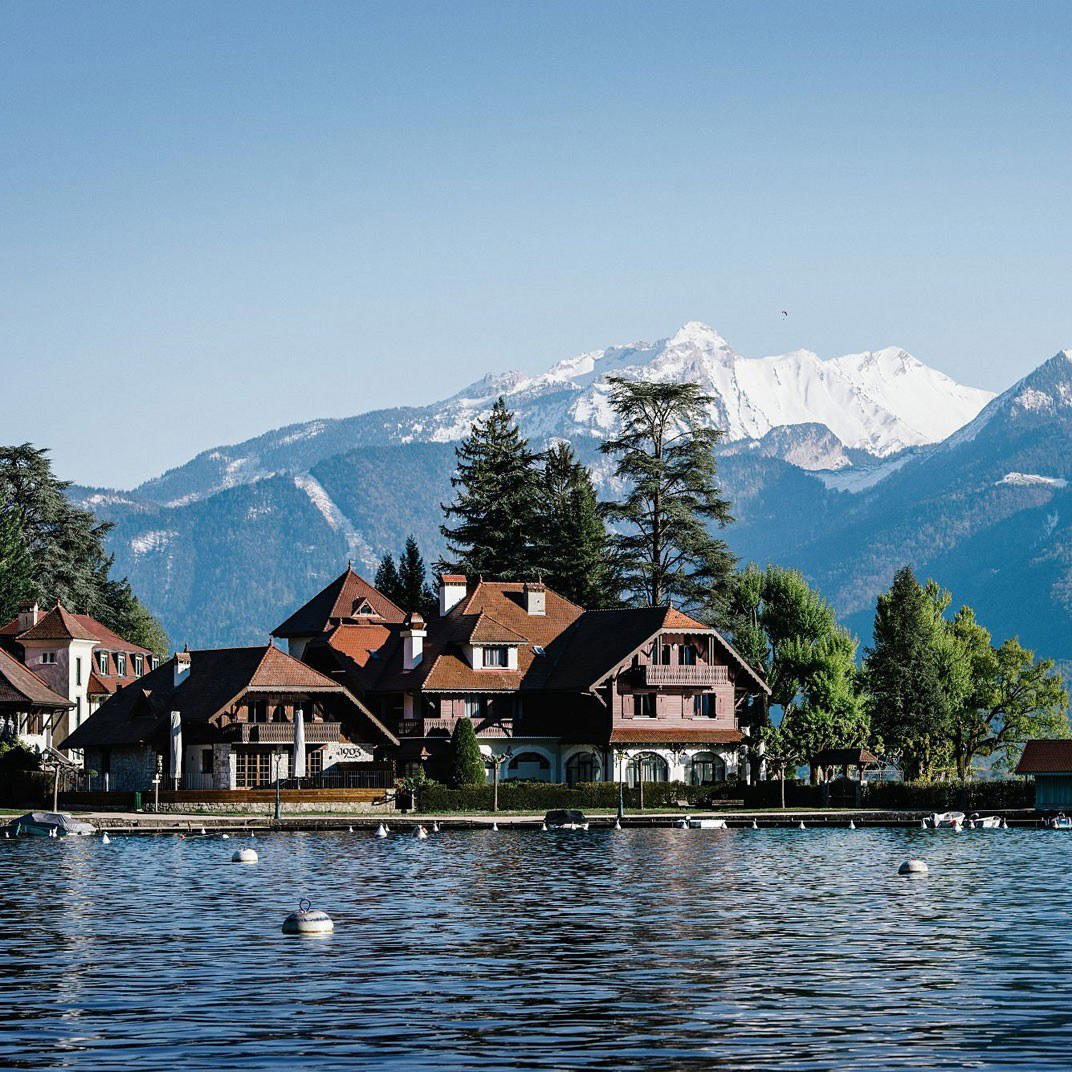
The address itself signals something about the dining register. The Allée des Marmousets is set away from the central pedestrian bustle of the village, which means arriving here has a different pace than walking off the main street into a brasserie. The approach carries a degree of deliberateness, you come to the Alpaga because you meant to, not because you passed by. The setting frames the meal before the first course arrives.
Megève's Starred Tier and Where L'Alpaga Fits
To understand La Table de l'Alpaga's position in Megève, it helps to map the starred restaurants in the village against each other. Flocons de Sel operates at the three-star level, a long-established benchmark for contemporary French cooking at altitude that functions as the reference point for the entire regional category. Below that, the one-star tier includes La Table de l'Alpaga alongside Vous, both at the €€€€ price point, both working in modern cuisine. These are full-commitment meals where the booking, the timing, and the menu format all require planning.
The broader Megève restaurant scene also contains strong non-starred alternatives. 1920 brings a French-Japanese approach that positions it differently from the Franco-Alpine mainstream, while dedicated Japanese tables like Anata and Kaito have added precision and product-focus that has raised expectations across the village's dining culture generally. That competitive density matters: La Table de l'Alpaga holds its star in a town where the surrounding options are genuinely strong, which gives the award more weight than it might carry in a less competitive market.
Modern Cuisine at Altitude: What the Format Implies
The cuisine classification at La Table de l'Alpaga is modern cuisine, a category that in Michelin's current usage generally points toward technique-led cooking with contemporary plating and a willingness to move beyond regional convention while still drawing on it. In Megève, that positioning is distinct from the deeply rooted alpine tradition you find at mountain restaurants working with tartiflette, reblochon, and raclette as the core vocabulary. It is also distinct from the kind of French classicism that produces lengthy sauce-driven menus. Modern cuisine at this price tier in the French Alps tends to arrive as a tasting format,
What the two consecutive Michelin stars do confirm is consistency. A Michelin star indicates that the kitchen is operating at a level that meets Michelin's benchmark reliably. Chef Alexandre Baule is the name attached to that consistency, though the cooking here is better understood as part of a broader pattern of resort-town fine dining that has taken root across the French Alps over the past two decades, rather than as a single chef's personal project.
The Broader Context: France's Fine Dining at Altitude
France's approach to fine dining in mountain resorts follows a model that has no direct equivalent elsewhere. Properties like those in Megève, Courchevel, and Val d'Isère have invested in serious kitchens because the clientele spending on ski accommodation has long demanded food at the same level as what they'd find in Paris or Lyon. The result is a geography of Michelin stars that sits incongruously high on the map. Restaurants in Megève compete in the same Michelin framework as Alléno Paris au Pavillon Ledoyen, Mirazur in Menton, and deeply rooted regional houses like Troisgros, Auberge de l'Ill, and Bras, as well as institutions of the Bocuse legacy such as Paul Bocuse, L'Auberge du Pont de Collonges. The standard is the same regardless of altitude. What changes is the seasonal rhythm.
Mountain fine dining runs on a compressed calendar. The winter season concentrates demand between December and March, and to a lesser extent there is a summer hiking and cycling season. That seasonality shapes staffing, booking windows, and menu rotation in ways that urban restaurants do not experience. Tables at the top end of Megève's dining market during peak ski weeks can be as difficult to secure as starred tables in capital cities. For La Table de l'Alpaga at the €€€€ level, advance booking is a practical necessity. The same logic applies, though somewhat less severely, for summer visits.
For readers comparing across international fine dining contexts, modern cuisine operating at this level in a resort setting draws comparisons with destination restaurants like Frantzén in Stockholm or FZN by Björn Frantzén in Dubai, where the environment and the format together define the value proposition. The meal is the event, not just the food in isolation.
Planning a Visit: Practical Considerations
La Table de l'Alpaga is at 68 Allée des Marmousets, Megève 74120. At the €€€€ price point, the per-person spend will align with other one-star French alpine tables in the same tier, which typically means committing to a multi-course format. Given the Michelin recognition and the compressed winter season, booking well ahead is the most relevant logistical point: during peak ski weeks in January and February, the village's leading tables fill early. Megève itself is accessible from Geneva airport in roughly 90 minutes by car or transfer, which makes it a feasible destination for international visitors building a trip around food as well as skiing or summer mountain activity.
Reputation Context
Comparable venues nearby, for context on price, style, and recognition.
| Venue | Cuisine | Price | Awards | Notes |
|---|---|---|---|---|
| La Table de l'Alpaga | Modern French Fine Dining with Vegetable Focus | $$$$ | Michelin 1 Star | Le Jaillet |
| Vous | Modern French Gastronomique | $$$$ | Michelin 1 Star | Centre de Megève |
| Le Prieuré | Traditional Savoyard Bistro | $$$ | Michelin Plate | Village center |
| Kaito | Japanese Fusion with Alpine Influences | $$$$ | Michelin Plate | Megève |
| Le Refuge | Traditional Savoyard Bistro | $$$ | Michelin Plate | Leutaz |
| Le Café Megève | Traditional French Brasserie with Savoyard Accents | $$$ | , | centre du village |
Continue exploring
More in Megève
Restaurants in Megève
Browse all →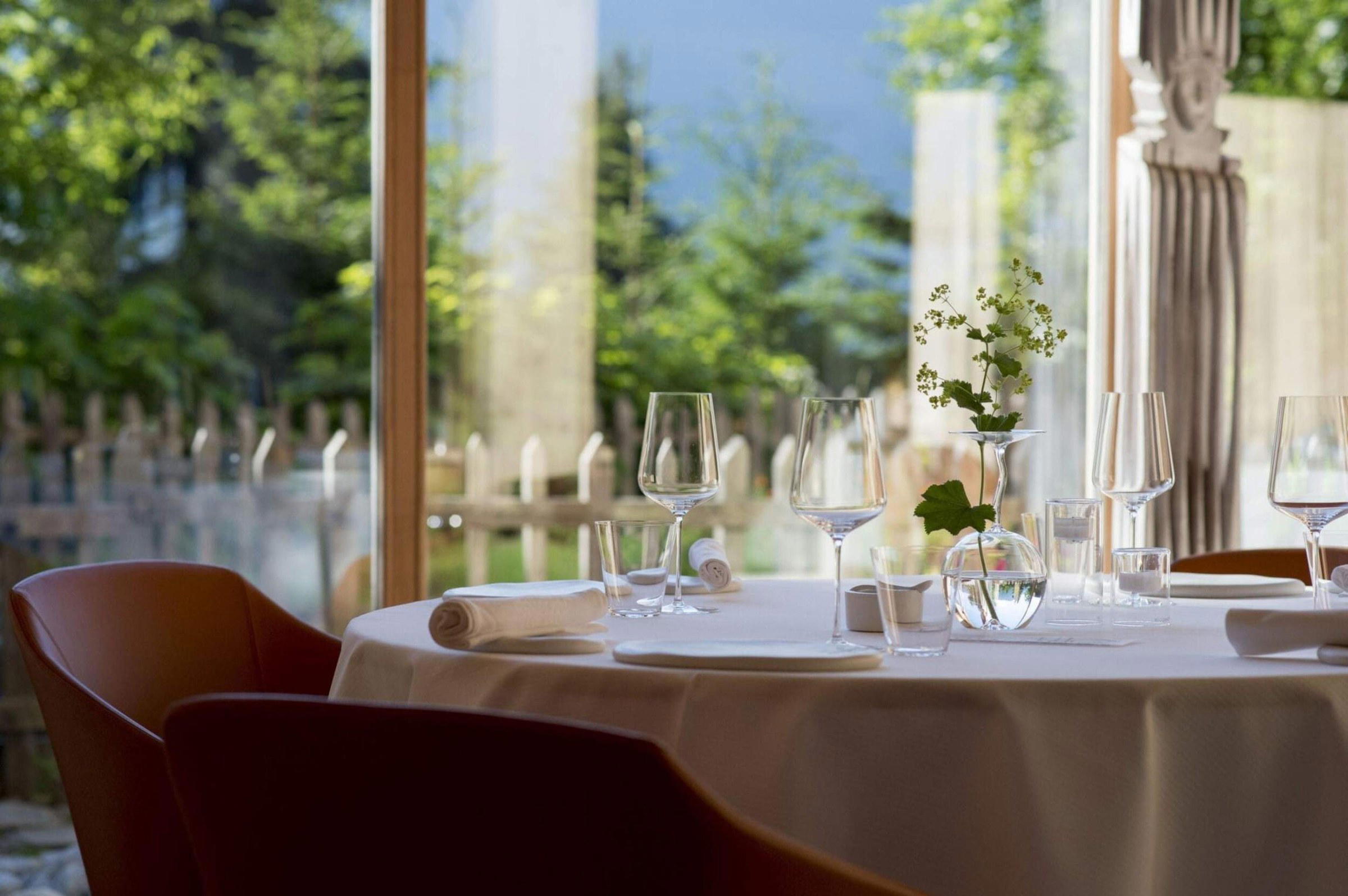

At a Glance
- Elegant
- Sophisticated
- Intimate
- Scenic
- Special Occasion
- Date Night
- Terrace
- Panoramic View
- Hotel Restaurant
- Local Sourcing
- Mountain
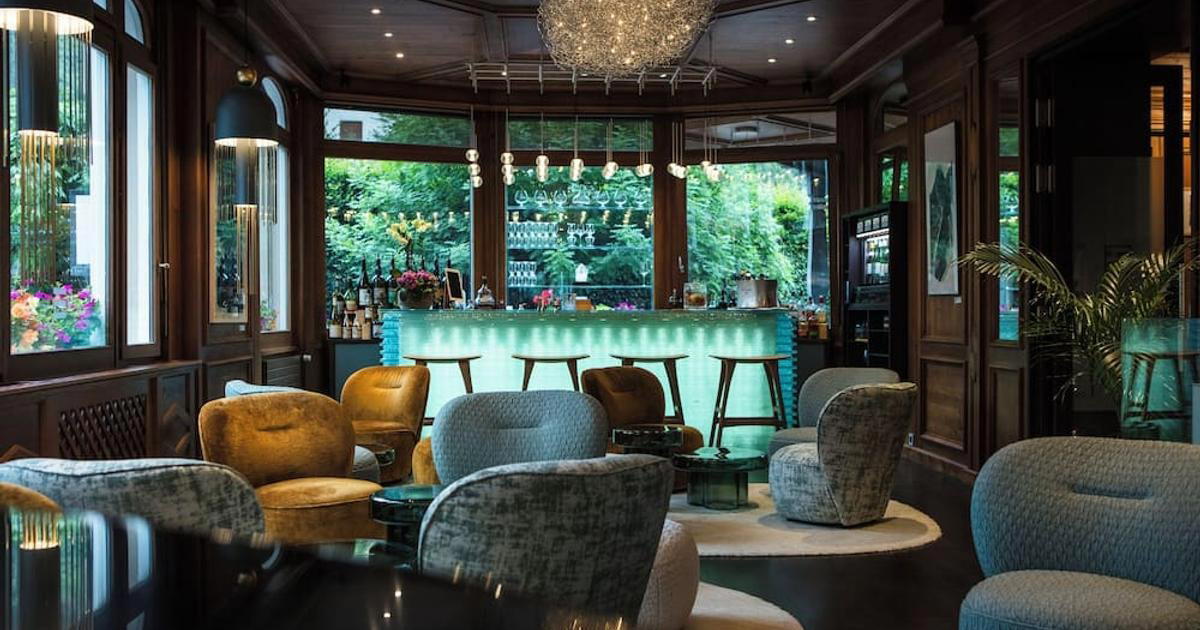
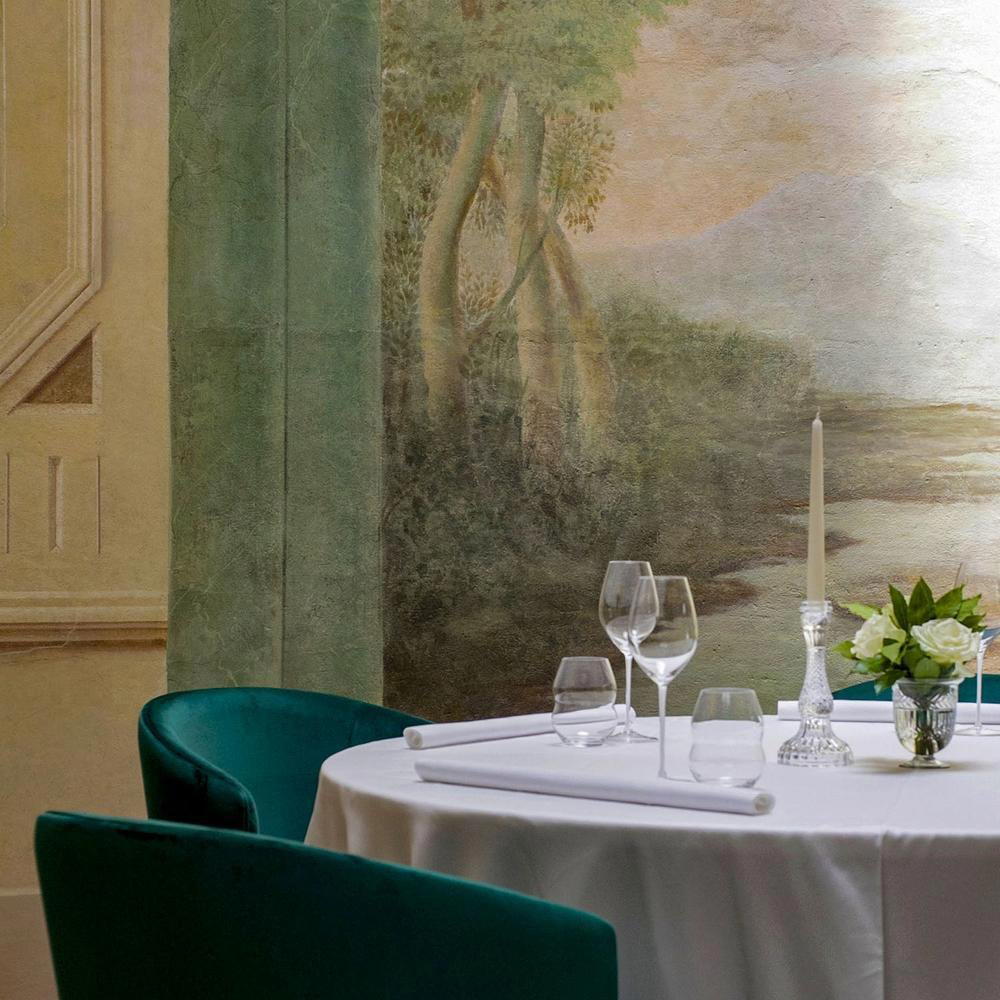
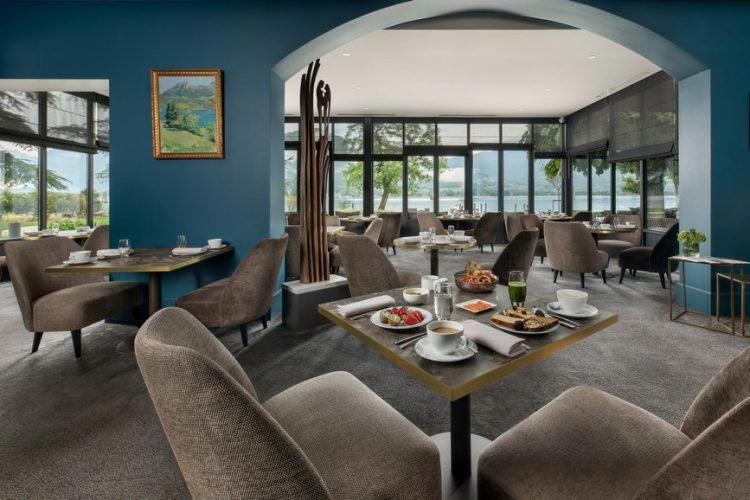
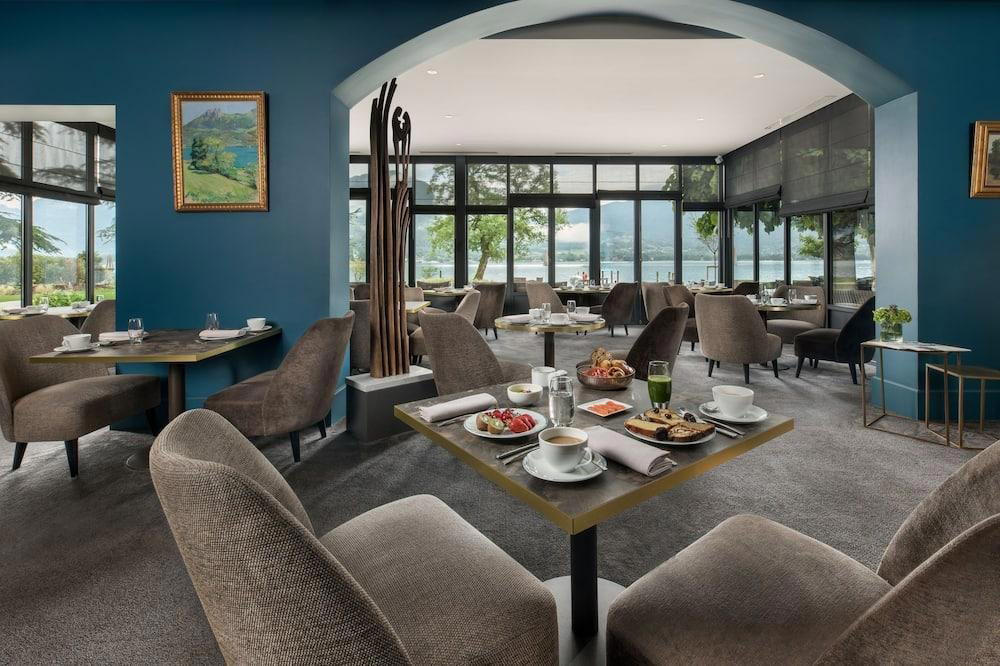
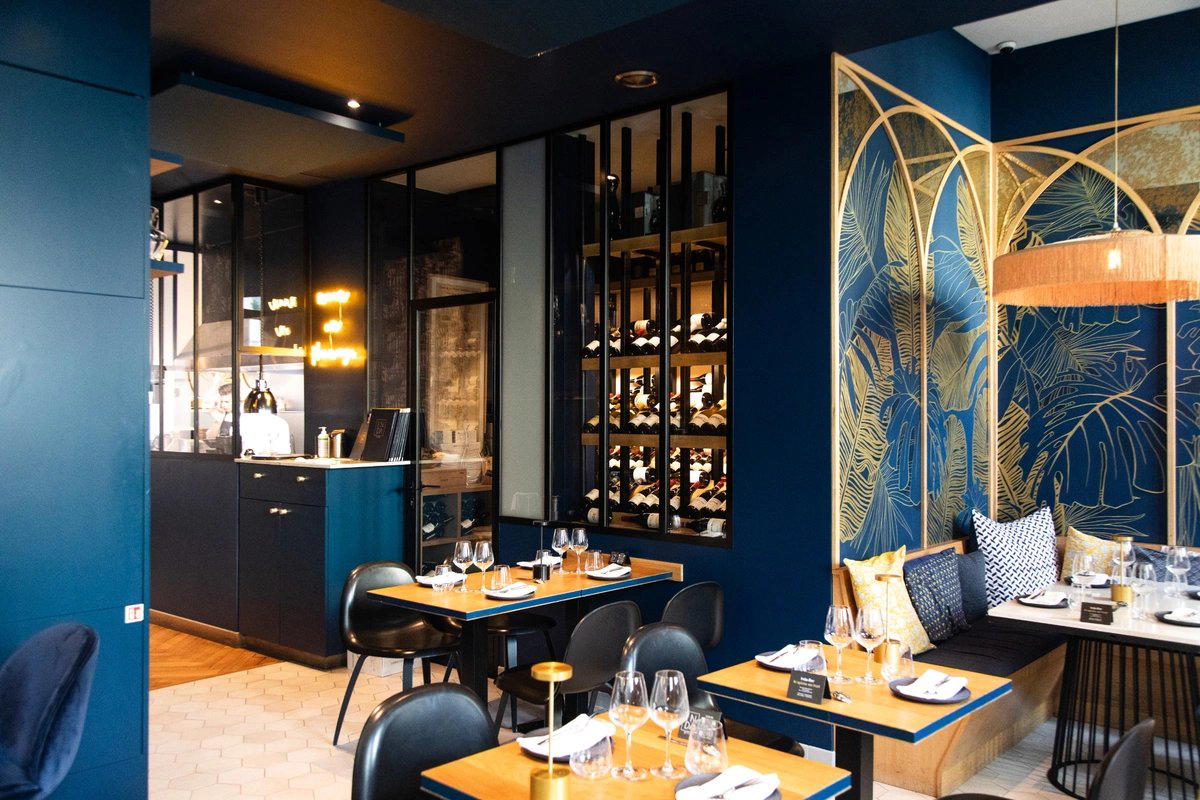
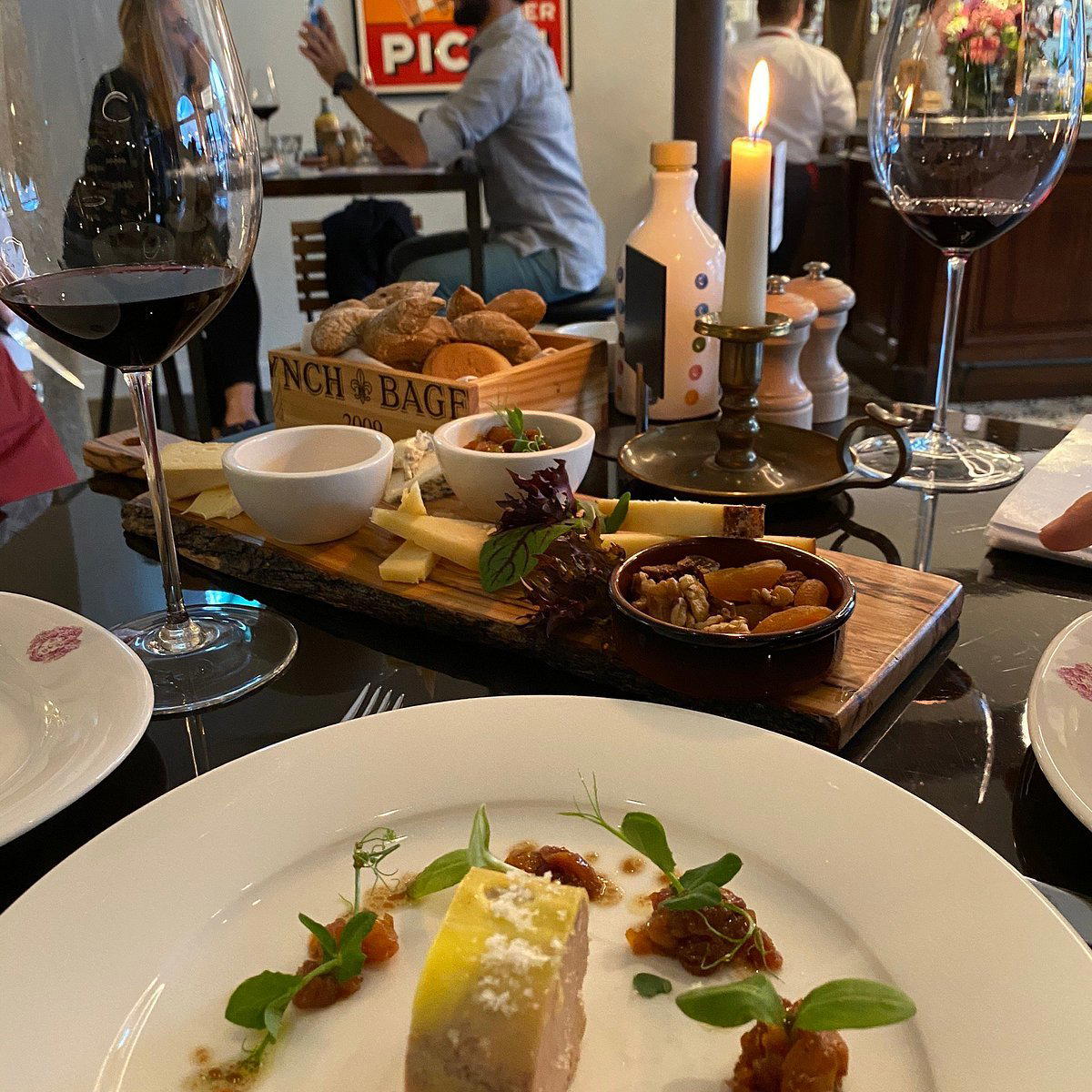
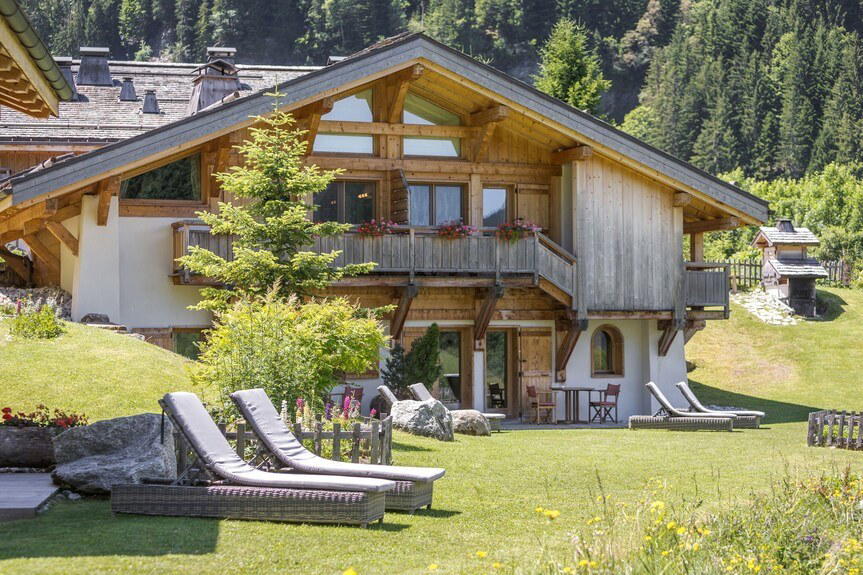
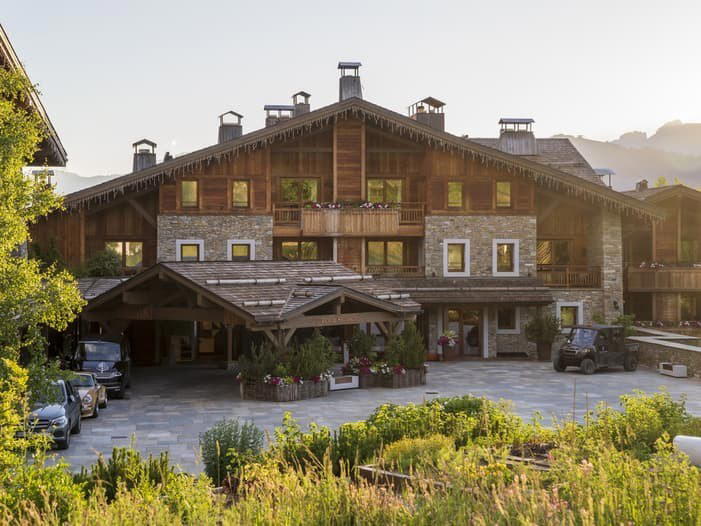
Refined and serene atmosphere with emphasis on nature-inspired elegance and calm sophistication.