
A Michelin Plate-recognised Japanese restaurant on Rue Saint-François, Anata brings izakaya-style communal eating to the Alps at a €€€€ price point. In a resort town better known for Savoyard tradition and contemporary French fine dining, it occupies an unusual position: Japanese hospitality framed by mountain seasonality.
Pearl is the En Primeur Club membership app — saves, bookings, and concierge access live there. Same editors, same standards.
- Address
- 36 Rue Saint-François, 74120 Megève, France
- Phone
- +33 6 59 55 95 83
- Website
- juliengatillon.fr
- Directions
- Get directions
 Saves & bookings on Pearl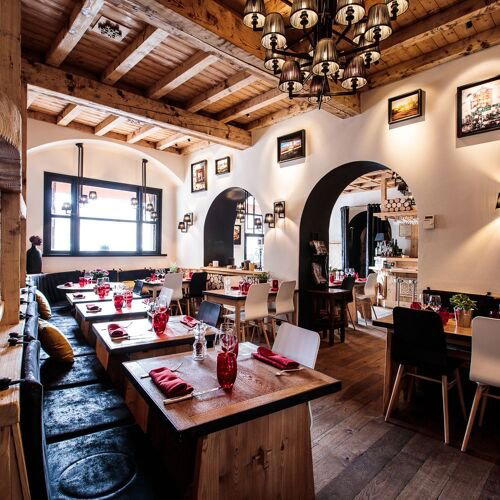
Japanese Eating in the French Alps: What Anata Represents
Megève's dining scene has long been defined by two poles: the haute French tradition anchored by Emmanuel Renaut's three-Michelin-starred Flocons de Sel at one end, and the resort's appetite for après-ski conviviality at the other. Between those poles, a smaller wave of restaurants has moved in with a different register entirely. Japanese cuisine, with its structural discipline and emphasis on shared, sequential eating, has taken hold in the village in a way that feels less like trend-chasing and more like a genuine alignment of values: precision, seasonality, restraint, and the pleasure of eating at a counter or communal table over several unhurried hours.
Anata, at 36 Rue Saint-François, sits inside that pattern. It operates at the €€€€ price tier, the same bracket as La Table de l'Alpaga and the Japanese-leaning Kaito, positioning it among the resort's most serious dining propositions rather than the mid-range mountain staples.3 from 39 reviews is a useful signal at this scale.
The Izakaya Spirit and Why It Travels
Izakaya culture is not, at its core, about a specific cuisine or a fixed set of dishes. It is about a mode of eating: unhurried, social, structured around sharing rather than individual plating, with drinks arriving alongside food rather than as an afterthought. The format has a particular logic in mountain resorts, where the rhythm of the day, early starts on the slopes, long afternoons, a return to the village in the early evening, creates exactly the kind of appetite that izakaya eating is designed to meet. You want to graze, to order in rounds, to linger at a table with people who have been outside all day. That is a different need from the formal progression of a tasting menu, and a different need again from a fondue savoyarde consumed quickly before bed.
Japan's izakaya tradition also pairs naturally with sake, shochu, and Japanese whisky, categories that have grown considerably in French Alpine resort bars over the past decade as the international guest profile of places like Megève has broadened. The intersection of Japanese drinking culture and mountain conviviality is less counterintuitive than it first appears. In cities like Tokyo, where establishments such as Myojaku and Azabu Kadowaki define the upper register of Japanese dining, the izakaya format sits below the omakase tier but above casual eating, a mid-register that combines technical seriousness with social ease. That tension is part of what makes it work in a resort context.
Megève's Japanese Dining Tier
Megève is unusual among French Alpine resorts in sustaining more than one serious Japanese restaurant at the premium price level. Anata and Kaito both hold Michelin recognition and operate at €€€€, which places them in direct conversation with each other and with the resort's French fine dining. The French-Japanese crossover is also present in the village through 1920, which works the hyphen between those two traditions rather than committing fully to either.
This density of Japanese influence at the summit tier is partly a function of Megève's guest demographics, the resort draws an international, cosmopolitan clientele who are accustomed to eating Japanese food at a high standard in their home cities, and partly a reflection of a broader movement in French fine dining. France's greatest restaurants, from Alléno Paris au Pavillon Ledoyen to Mirazur, have absorbed Japanese technique and plating logic in ways that have normalised the presence of Japanese precision in French culinary contexts. The older guard, from Troisgros to Auberge de l'Ill, Bras, and Paul Bocuse, defined French haute cuisine in terms of terroir and classical technique; the current generation increasingly folds in Japanese minimalism and fermentation without abandoning that foundation. Anata operates in the space created by that shift.
Where Anata Sits in the Village
Rue Saint-François is within the pedestrianised core of Megève, the zone of chalet-fronted boutiques and restaurants that define the village's social centre of gravity. Proximity to the village square and the main pedestrian axis means that arriving on foot from most central hotels takes under ten minutes, and the street itself has the character of the resort's more considered dining strip rather than its louder après-ski perimeter. For guests staying at properties outside the village centre, the broader hotel options in Megève vary widely in their proximity to the restaurant quarter, and planning around that distance matters more than visitors sometimes expect during ski season, when transfers can take longer than the map suggests.
Planning a Visit
Anata operates at the €€€€ tier, which in Megève during ski season means budgeting for a serious evening rather than a casual stop. Booking ahead is the practical default for any restaurant in this price bracket during the December-to-April peak: the resort's calendar compresses demand into a limited window, and recognised restaurants at this level fill quickly, particularly over school holiday periods and long weekends. The restaurant's address on Rue Saint-François places it close to the main pedestrian zone, accessible on foot from the village centre without needing transport.
Booking and Cost Snapshot
Comparable venues nearby, for context on price, style, and recognition.
| Venue | Cuisine | Price | Awards | Notes |
|---|---|---|---|---|
| AnataThis venue — the venue you are viewing | Japanese | $$$$ | Michelin Plate | Not listed |
| Kaito | Not listed | $$$$ | Michelin Plate | Megève, Japanese Fusion with Alpine Influences |
| Le Prieuré | Not listed | $$$ | Michelin Plate | Village center, Traditional Savoyard Bistro |
| Le Refuge | Leutaz, Traditional Savoyard Bistro | $$$ | Michelin Plate | Not listed |
| Brasserie Benjamin | Not listed | $$$$ | Michelin Plate | Mont d’Arbois, Alpine-Inspired French Brasserie |
| Le Café Megève | Not listed | $$$ | Not listed | centre du village, Traditional French Brasserie with Savoyard Accents |
Recognition history
Dated appearances from independent guides and award organizations, with the underlying list record or original source where available.
Michelin Plate
Michelin
Michelin Plate
Michelin
Michelin Plate
Michelin

At a Glance
- Intimate
- Elegant
- Sophisticated
- Date Night
- Special Occasion
- Chefs Counter
- Extensive Wine List
- Sake Program
Current opening hours
- Monday
- Closed
- Tuesday
- Closed
- Wednesday
- 7:30–9 PM
- Thursday
- 12:30–2 PM, 7:30–9 PM
- Friday
- 12:30–2 PM, 7:30–9 PM
- Saturday
- 12:30–2 PM, 7:30–9 PM
- Sunday
- 12:30–2 PM, 7:30–9 PM
Hours can change for holidays and private events. Last verified .
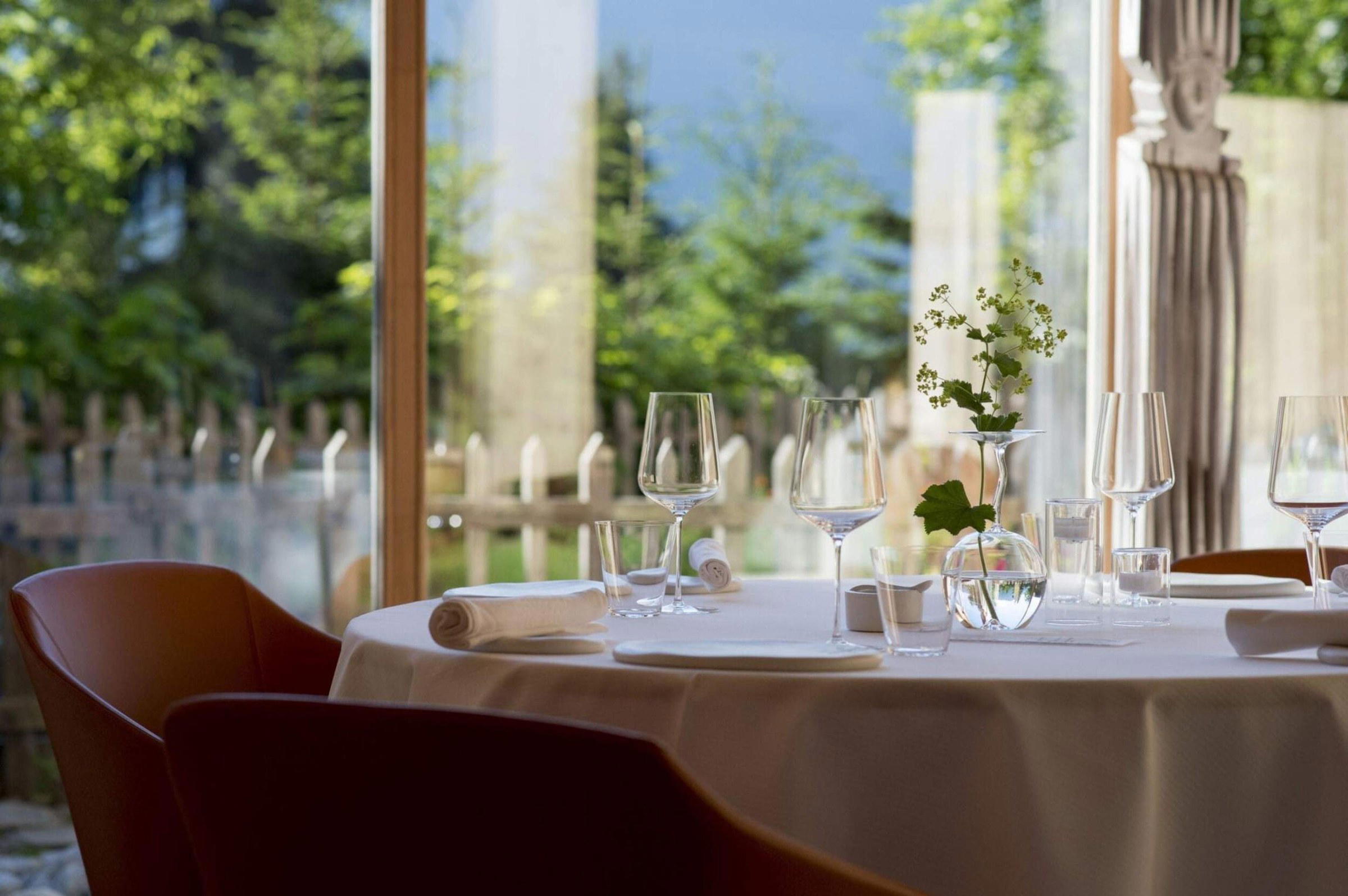
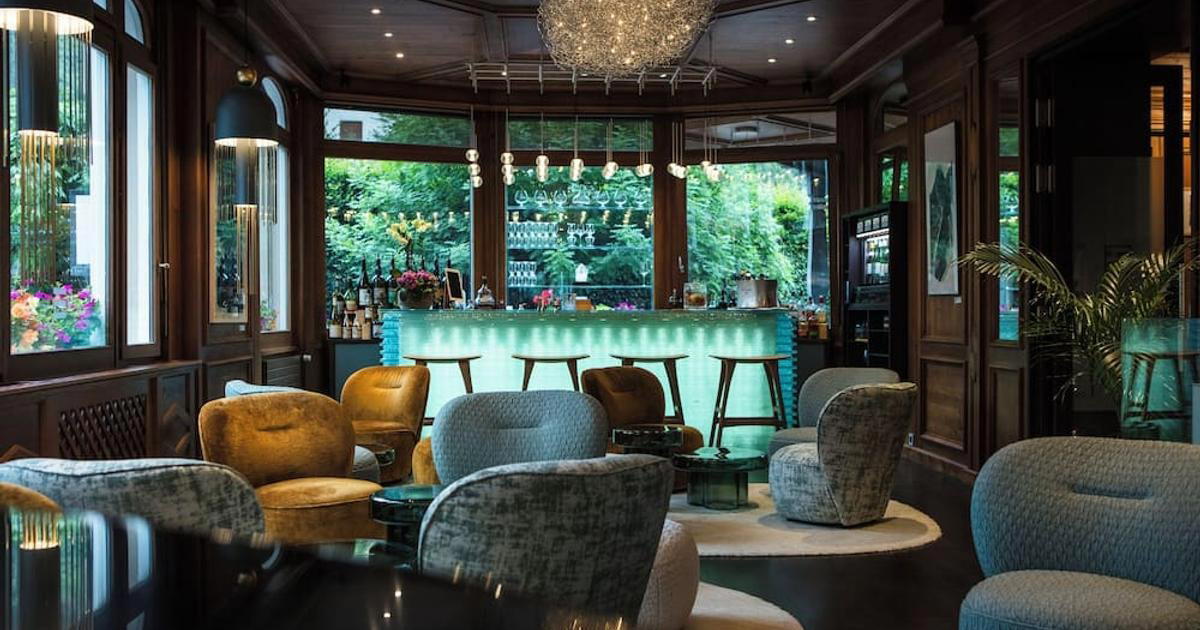
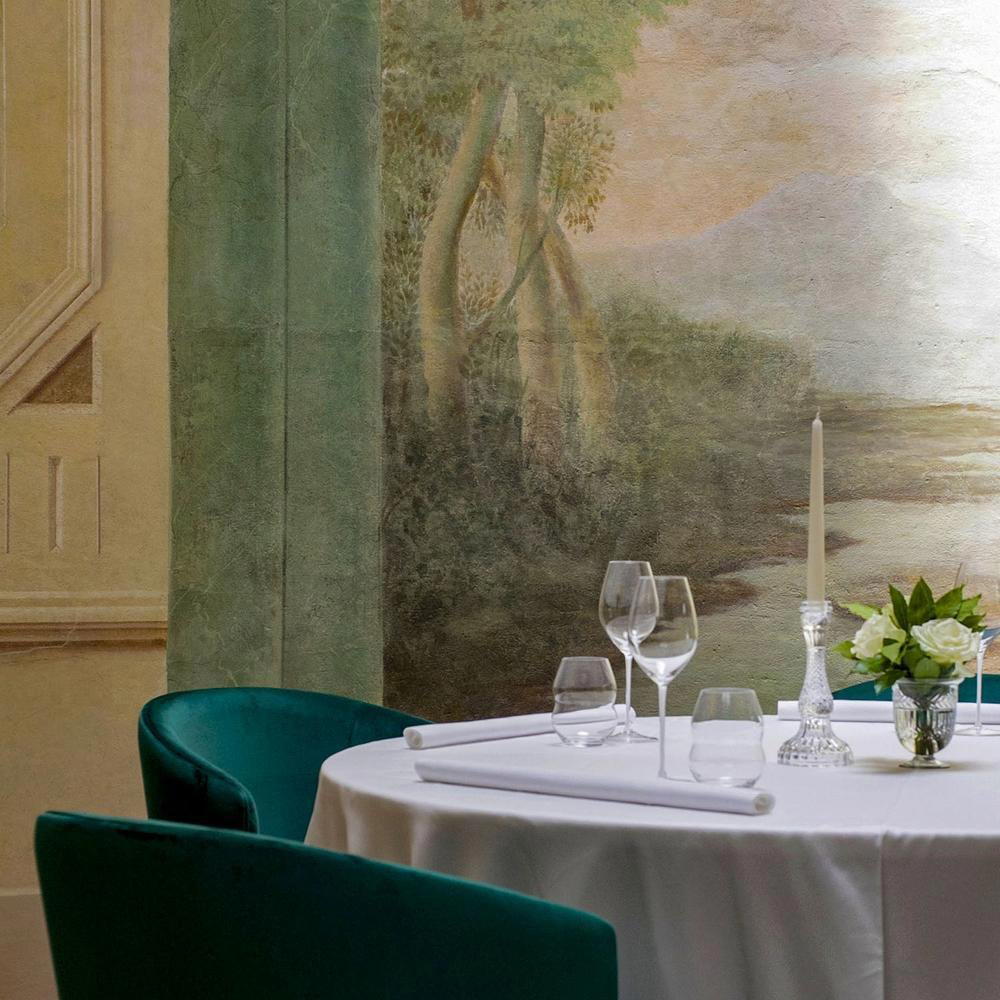
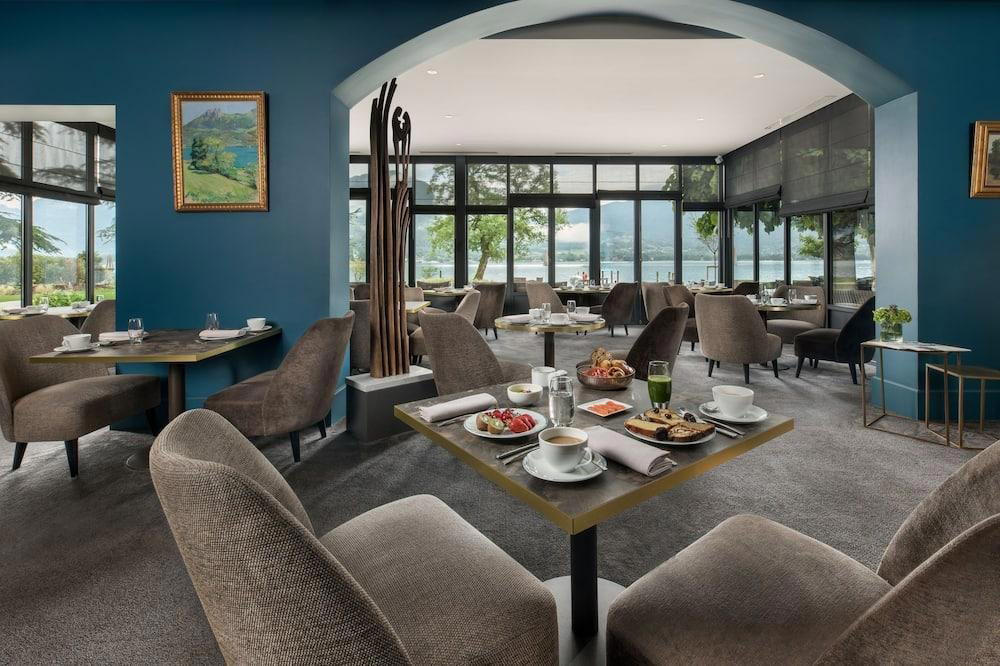
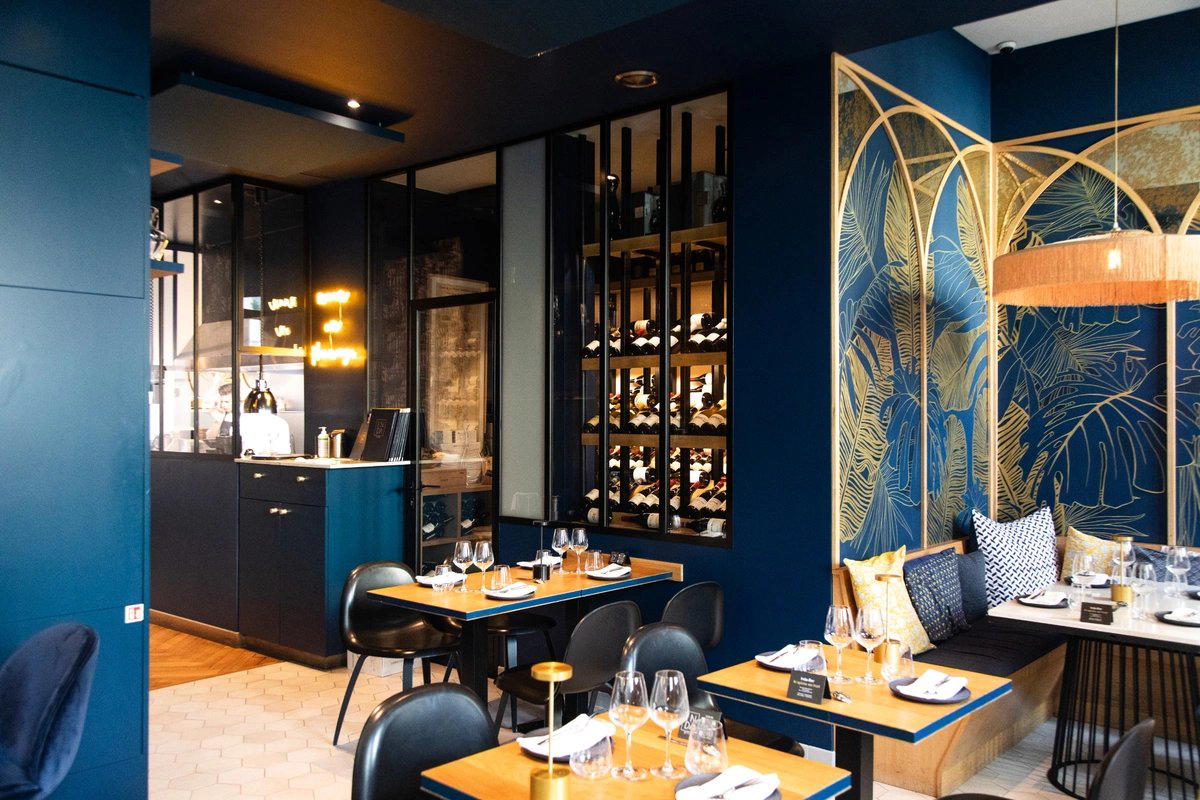
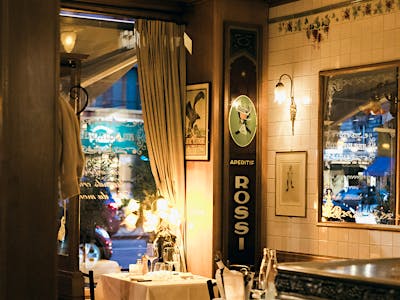
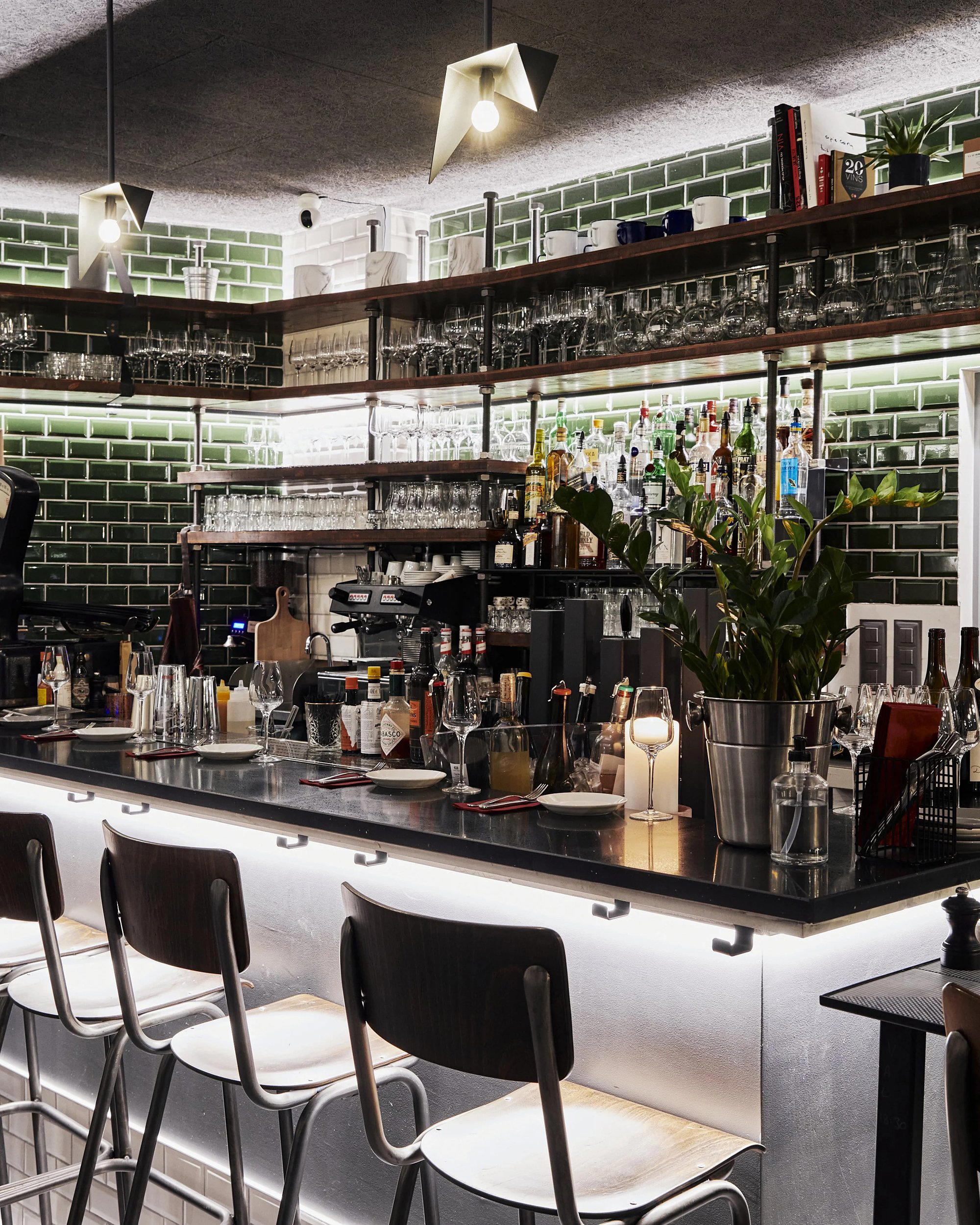
Intimiste and convivial with a minimalist wooden counter setup, offering an immersive and refined atmosphere.