
Among Megève's €€€€ dining tier, Kaito holds a distinct position as the resort's dedicated Japanese kitchen, earning consecutive Michelin Plates in 2024 and 2025. Ingredient discipline sits at the centre of what it does, bringing Japanese raw-material thinking to an Alpine address. It competes directly with Anata at the same price point, but takes a different route to the same serious territory.
Pearl is the En Primeur Club membership app — saves, bookings, and concierge access live there. Same editors, same standards.
- Address
- 373 Chem. des Follières, 74120 Megève, France
- Phone
- +33 4 50 78 62 64
- Website
- fourseasons.com
- Directions
- Get directions
 Saves & bookings on Pearl
Japanese Precision in an Alpine Resort
Megève has spent decades building one of France's most concentrated fine-dining ecosystems outside Paris. The village's restaurant scene runs from Flocons de Sel, which holds three Michelin stars and operates as the reference point for the entire resort, down through a tier of €€€€ kitchens including La Table de l'Alpaga and Vous. What makes this concentration unusual is that a resort town of Megève's scale supports not one but two Japanese addresses. Kaito, on the Chemin des Follières, sits alongside Anata as part of that Japanese presence in the Alps, both priced at €€€€ and both holding Michelin recognition.
That duplication is worth pausing on. In Paris or Tokyo, two Japanese restaurants at the same price tier in the same neighbourhood would simply compete. In Megève, their coexistence says something about the clientele the resort attracts: a European ski-destination audience with the appetite and spending power to sustain Japanese fine dining through a seasonal window. The same pattern appears in a handful of Swiss mountain towns, but it remains rare enough in France to signal genuine demand rather than trend-following.
The Logic of Japanese Ingredients at Altitude
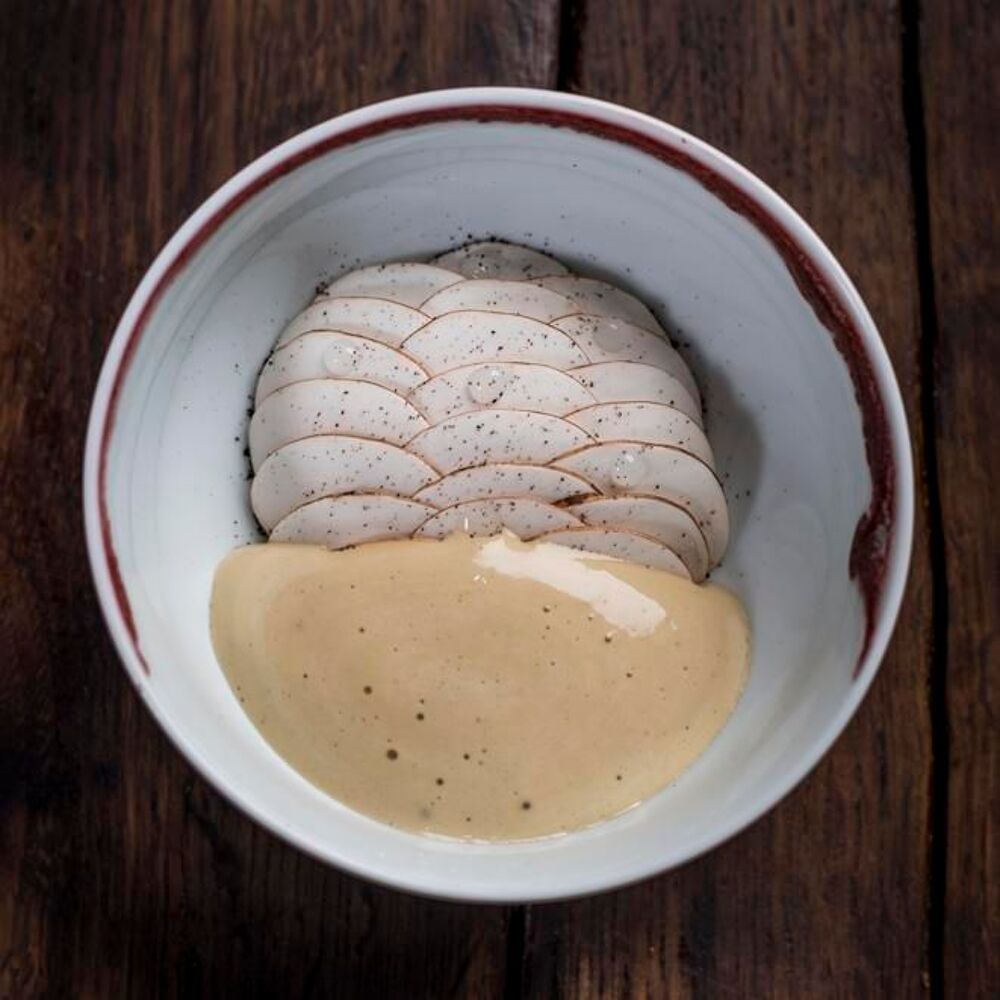
Japanese cuisine at its most disciplined is an ingredient-first tradition. The kitchen's role is to clarify what the raw material already is, not to transform it into something else. Dashi, the foundational stock built from kombu and katsuobushi, is the clearest expression of this: it exists to carry the essential character of its components without obscuring them. That philosophy, applied to seasonal produce, creates a set of specific sourcing pressures. The question for any serious Japanese kitchen operating outside Japan is always whether the supply chain can support that standard.
Operating in the French Alps introduces a particular version of that challenge. The region produces notable raw materials of its own: Savoy dairy, foraged mushrooms during the autumn season, mountain-raised proteins. A Japanese kitchen in this context has two choices. It can import the canonical Japanese ingredients and treat the Alpine address as incidental, or it can work with what the surrounding region offers through a Japanese technical lens. Both approaches have precedent at the highest level. In France, kitchens such as Alléno Paris au Pavillon Ledoyen and the broader tradition represented by houses like Mirazur show how ingredient sourcing philosophy can define a restaurant's entire identity. Among French regional institutions, Bras in Laguiole offers a parallel: a kitchen defined entirely by the raw materials of its specific terroir.
The tension between imported Japanese produce and locally sourced Alpine ingredients is where kitchens like Kaito make their most consequential decisions. Michelin's Plate designation, awarded in 2024 and 2025, signals that the cooking meets a threshold of competence and consistency. A Michelin Plate is not a consolation; it is the guide's explicit statement that the food is good and worth knowing about. For a Japanese restaurant in a French Alpine resort, that consistency across two consecutive years carries weight.
Where Kaito Sits Against Its Peers
At €€€€ in Megève, Kaito prices in the same bracket as the resort's most serious tables. The direct peer comparison is Anata, the other Japanese address at the same price tier. Beyond that, Kaito operates differently from 1920, which takes a French-Japanese fusion approach, blending the two traditions rather than committing fully to either. Kaito's identity as a Japanese kitchen places it in a different competitive set, one that extends beyond Megève to reference points in Tokyo and Paris. Kitchens such as Myojaku and Azabu Kadowaki in Tokyo represent the tradition that serious Japanese restaurants abroad are measured against, even when the geographical distance makes direct comparison impractical.
At a resort with seasonal peaks, 49 reviews suggest a clientele that seeks out the restaurant deliberately rather than stumbles upon it. That is consistent with the €€€€ price point and the specificity of the cuisine type: guests arriving at Kaito have generally decided in advance that they want Japanese food in Megève, and their expectations are calibrated accordingly.
Monuments of French regional cooking such as Troisgros, Auberge de l'Ill, and Paul Bocuse provide context for the French tradition against which Megève's newer wave of international kitchens is always implicitly positioned.
Planning a Visit
Kaito is located at 373 Chemin des Follières in Megève, away from the central village core and towards the Follières area. Megève's dining season follows the ski calendar, with peak demand from late December through March and a secondary summer window. At €€€€ with Michelin recognition, tables at this end of the market should be reserved well in advance of any ski-season visit, particularly around Christmas and February school holidays when resort occupancy peaks. Current hours are Mon: 7–9:30 PM; Tue: 7–9:30 PM; Wed: 7–9:30 PM; Thu: 7–9:30 PM; Fri: 7–9:30 PM; Sat: 12:30–2 PM, 7–9:30 PM; Sun: 12:30–2 PM, 7–9:30 PM.
Compact Comparison
Comparable venues nearby, for context on price, style, and recognition.
| Venue | Cuisine | Price | Notes |
|---|---|---|---|
| KaitoThis venue — the venue you are viewing | Japanese | $$$$ | Not listed |
| Anata | Not listed | $$$$ | centre du village, Gastronomic Japanese Counter |
| Le Saint-Nicolas - Au Coin du Feu | Le Village, Modern French Gastronomic | $$$ | Not listed |
| 1920 | Mont d'Arbois, French Fine Dining | $$$$ | Not listed |
| Le Refuge | Leutaz, Traditional Savoyard Bistro | $$$ | Not listed |
| Le Prieuré | Not listed | $$$ | Village center, Traditional Savoyard Bistro |
Recognition history
Dated appearances from independent guides and award organizations, with the underlying list record or original source where available.
Michelin Plate
Michelin
Michelin Plate
Michelin
At a Glance
- Elegant
- Sophisticated
- Modern
- Intimate
- Date Night
- Special Occasion
- Business Dinner
- Terrace
- Open Kitchen
- Hotel Restaurant
- Panoramic View
- Extensive Wine List
- Sake Program
- Local Sourcing
- Mountain
Current opening hours
- Monday
- 7–9:30 PM
- Tuesday
- 7–9:30 PM
- Wednesday
- 7–9:30 PM
- Thursday
- 7–9:30 PM
- Friday
- 7–9:30 PM
- Saturday
- 12:30–2 PM, 7–9:30 PM
- Sunday
- 12:30–2 PM, 7–9:30 PM
Hours can change for holidays and private events. Last verified .
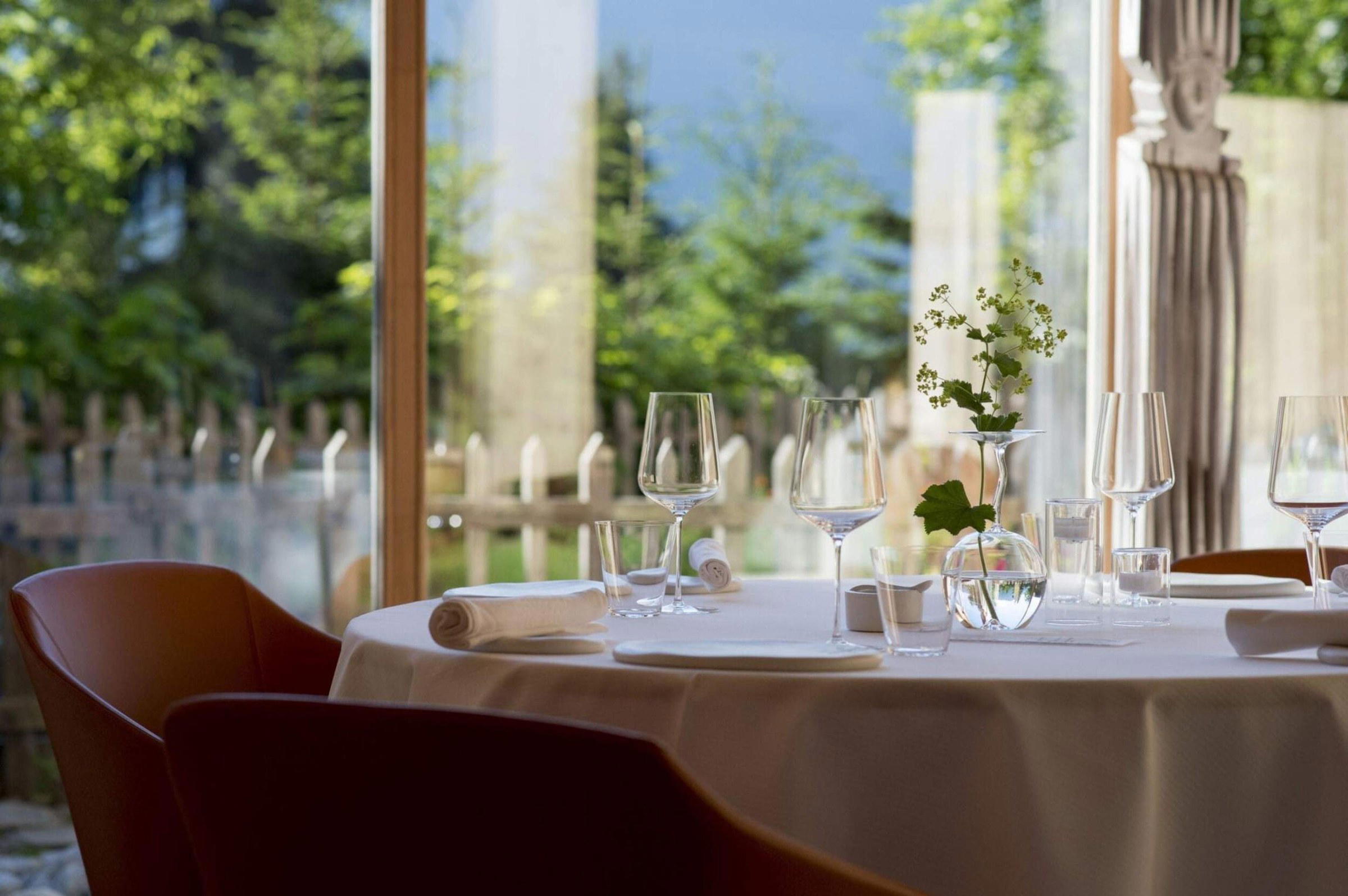
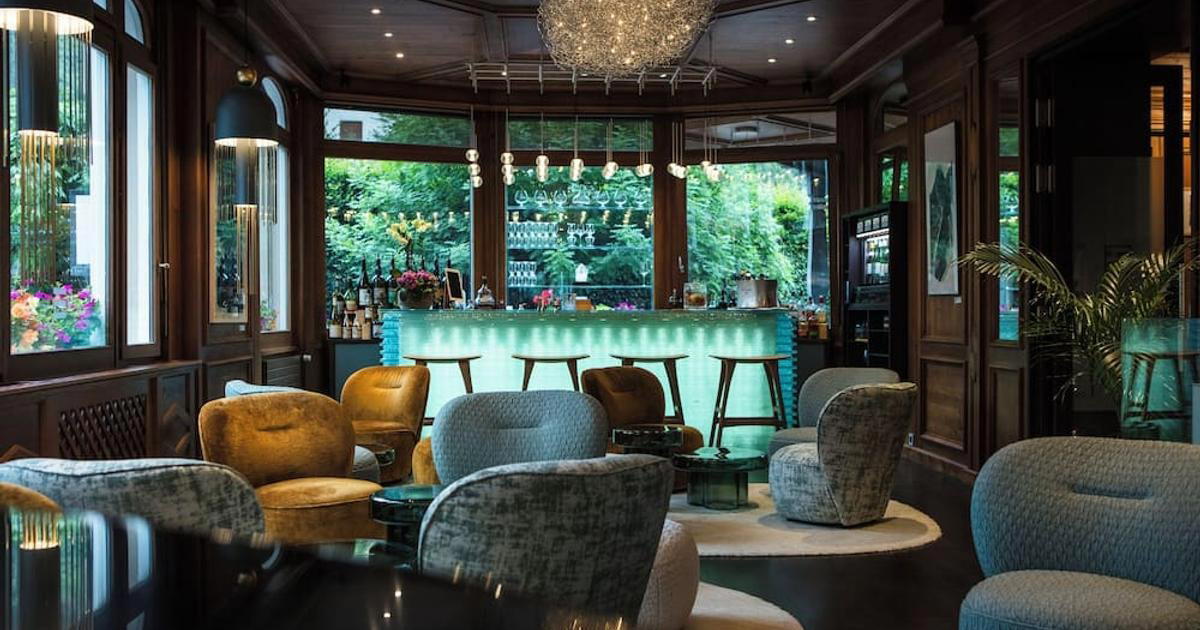
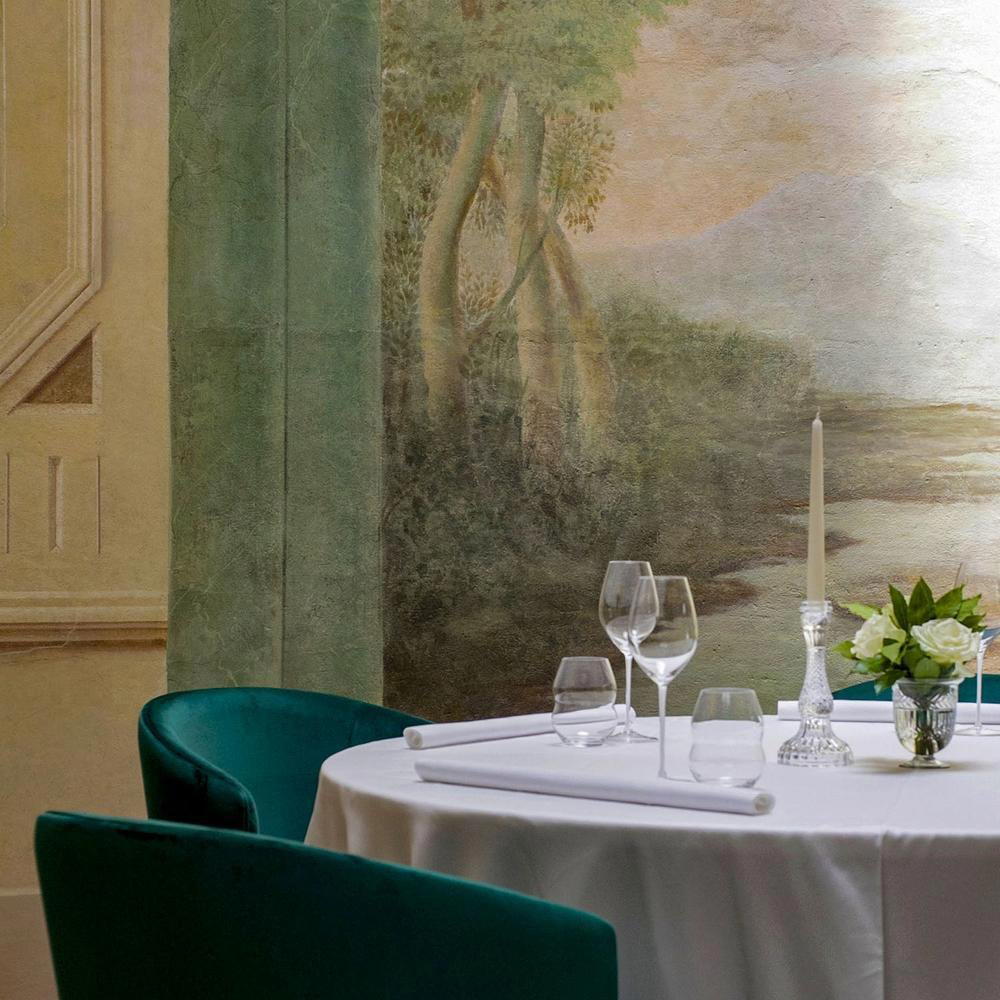
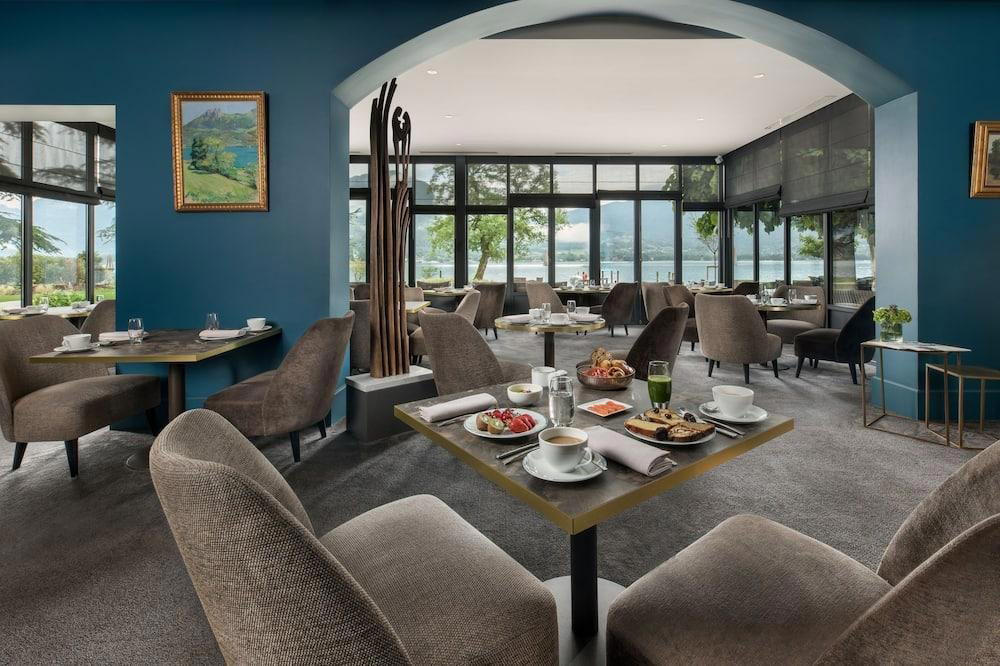
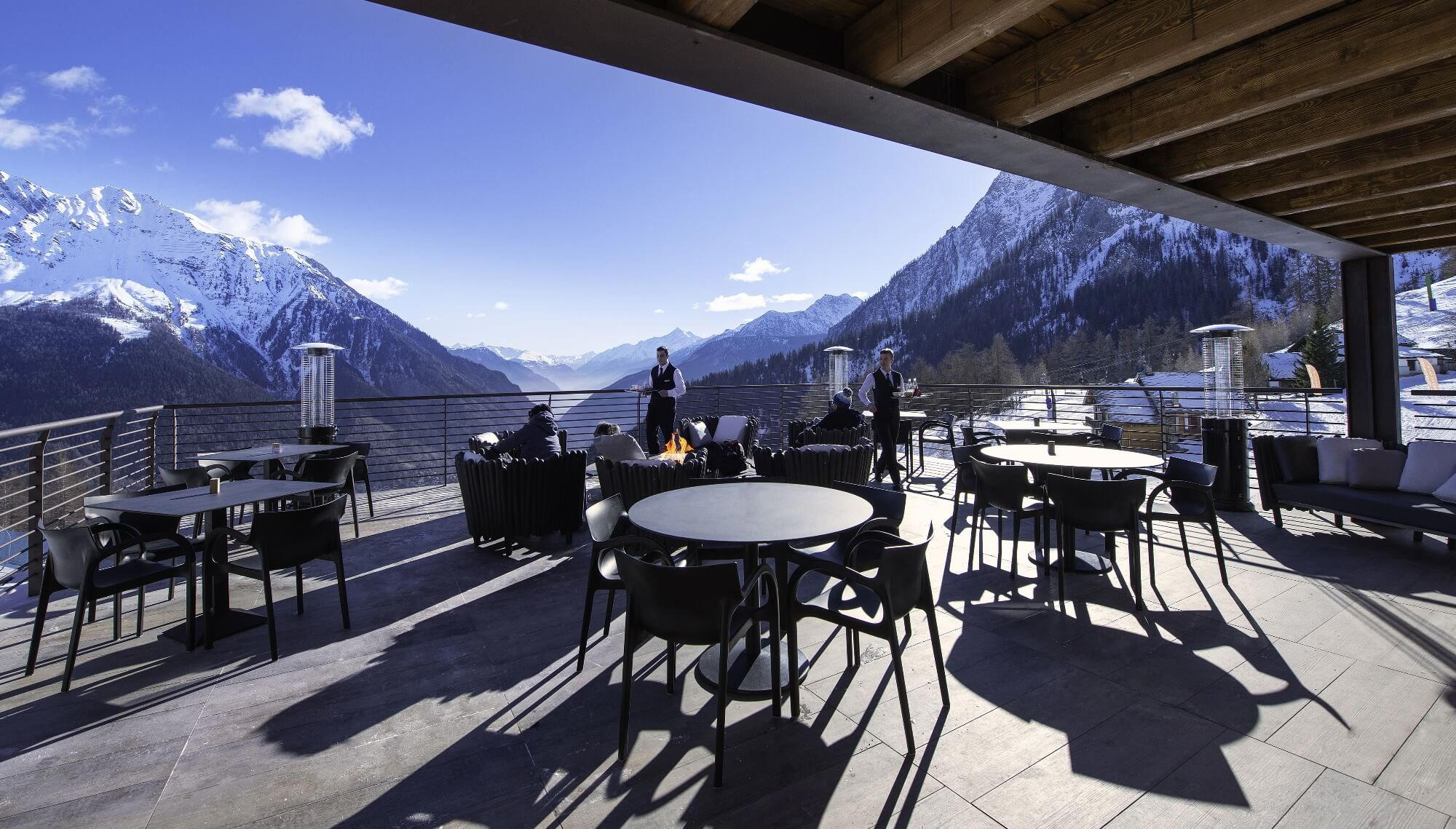
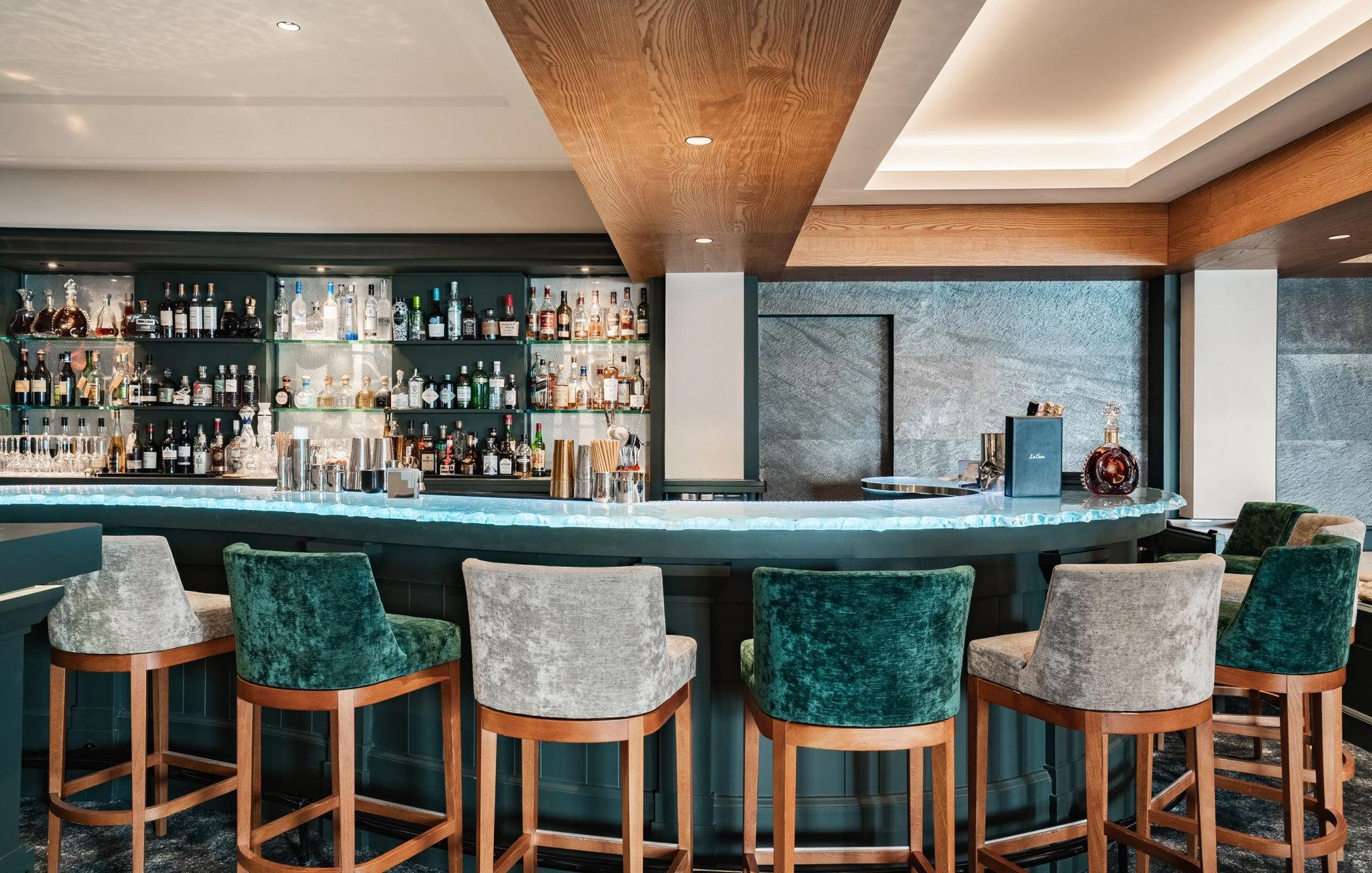
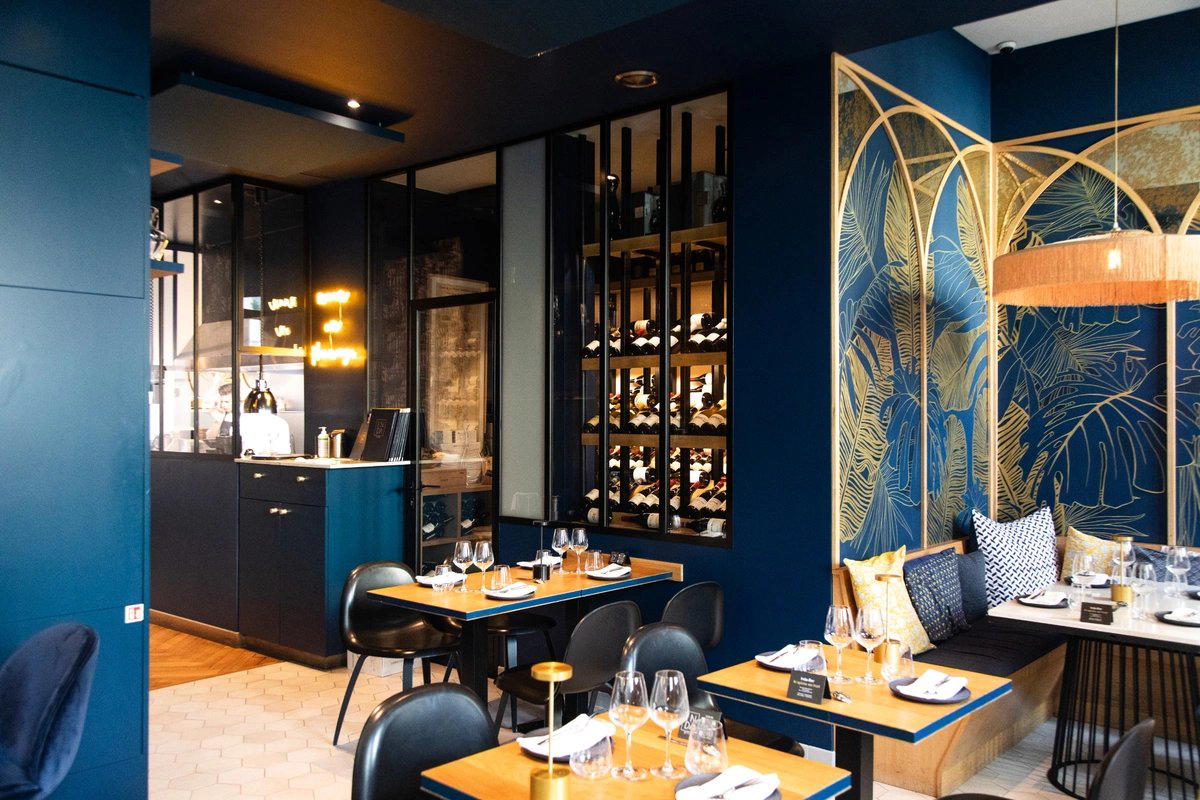
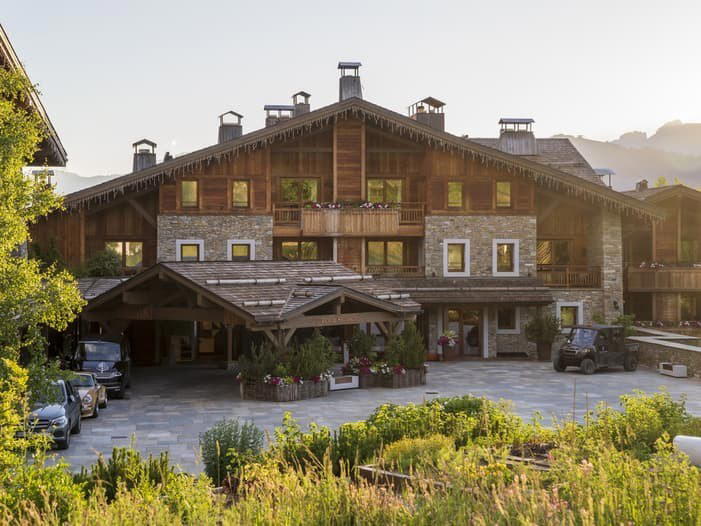
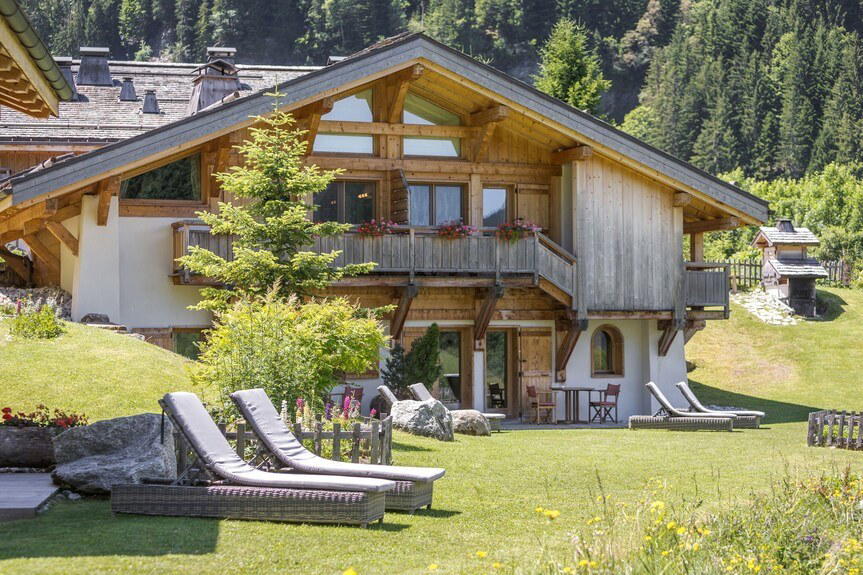
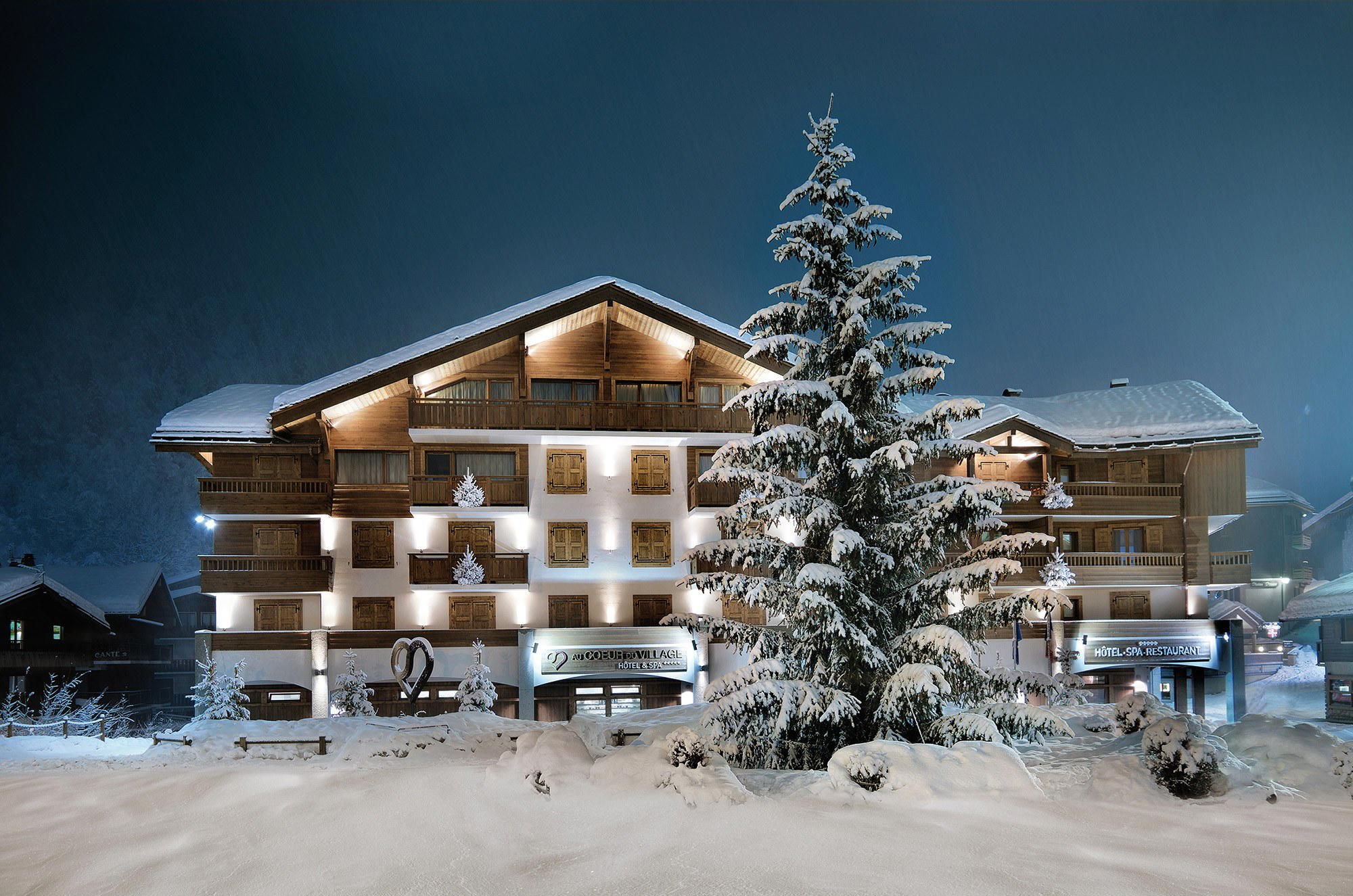
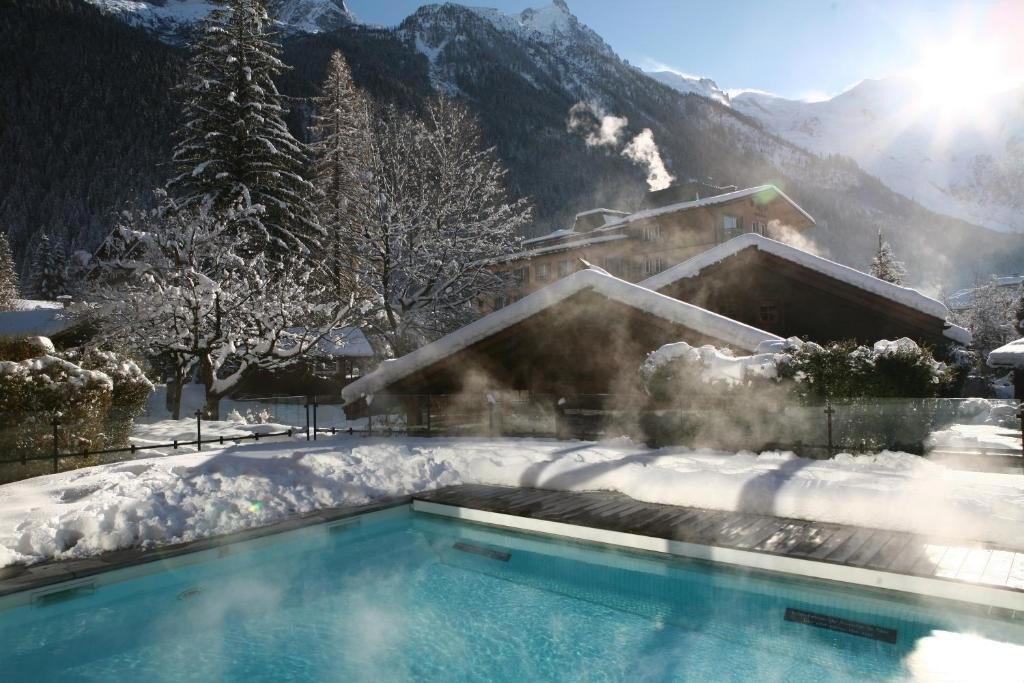
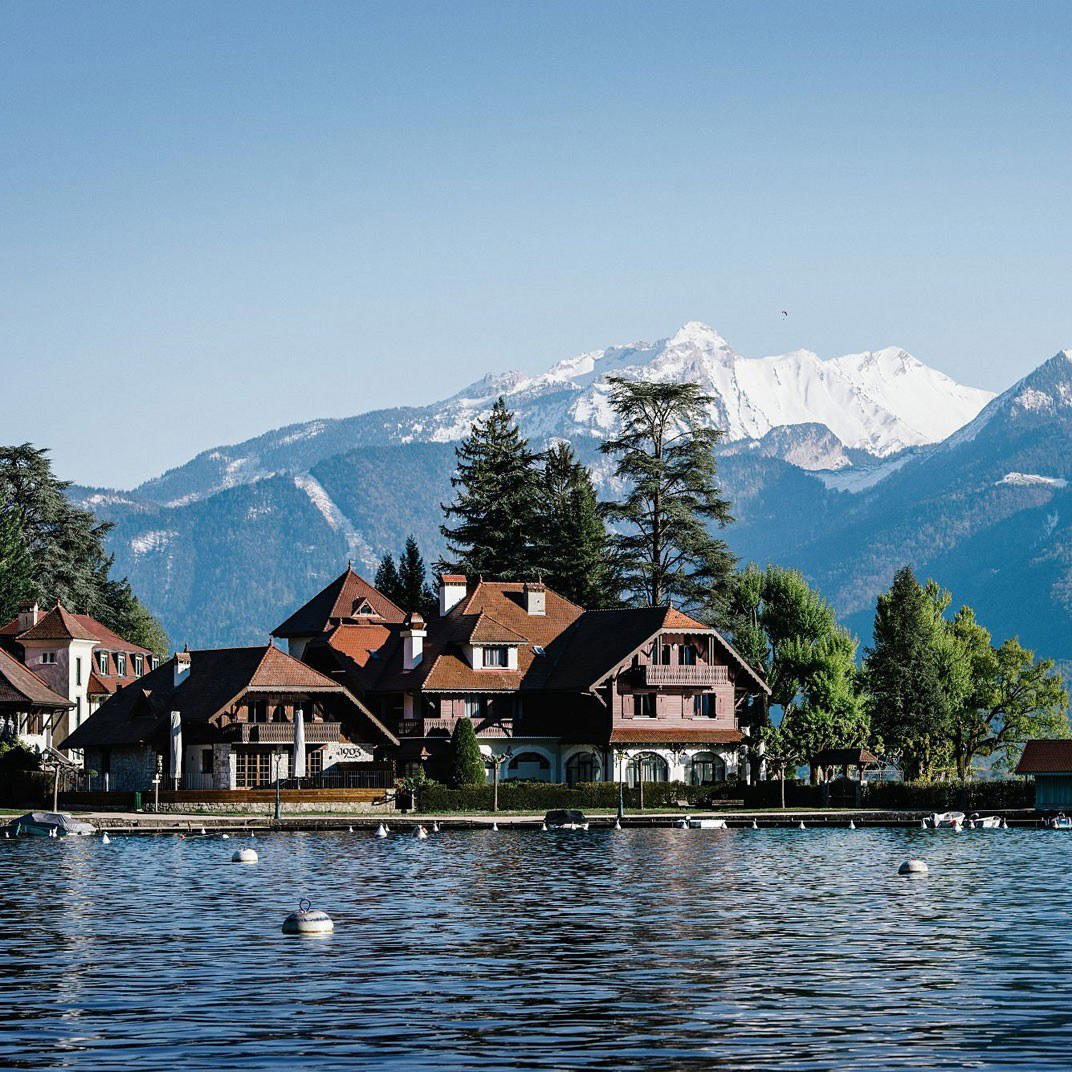
Chic Japanese-inspired setting with softly lit interior and terrace offering splendid slope views.