
Michelin Plate · Michelin Guide Plate
Our verdict
A bistro de luxe on Tras Street, Fleur de Sel brings classical French technique to Singapore's Tanjong Pagar neighbourhood without the formality of the city's grander European rooms. The owner-chef's precision with seasoning is the calling card here, and the tasting menu makes the strongest case for the kitchen's range. The signature Baba has become one of the more discussed desserts on Singapore's French dining circuit.

Pearl is the En Primeur Club membership app, where members save venues, book tables and use the concierge.
The menu
What to order
- Le Baba
- Le Foie Gras de Canard
- La Saint-Jacques
French Dining in Singapore: The Space Between Grand and Casual
Singapore's French restaurant tier divides sharply. At one end sit the long-established grand European rooms: Les Amis, with its deep wine cellar and decades of accumulated prestige, and Odette, which occupies the National Gallery and has held three Michelin stars since 2019. At the other end is a growing category of neighbourhood-anchored French spots, casual in setting but serious about the plate. Fleur de Sel at 64 Tras Street sits somewhere between these poles, describing itself as a bistro de luxe: the ambition and rigour of classical French cooking without the ceremony or scale that defines the city's most decorated rooms.
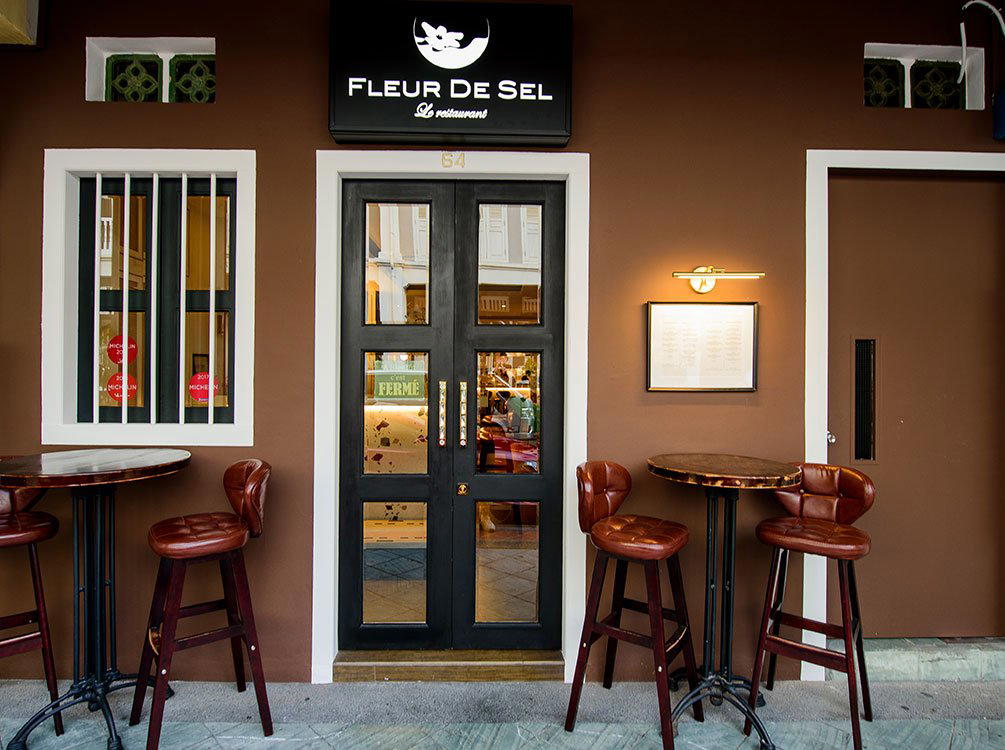
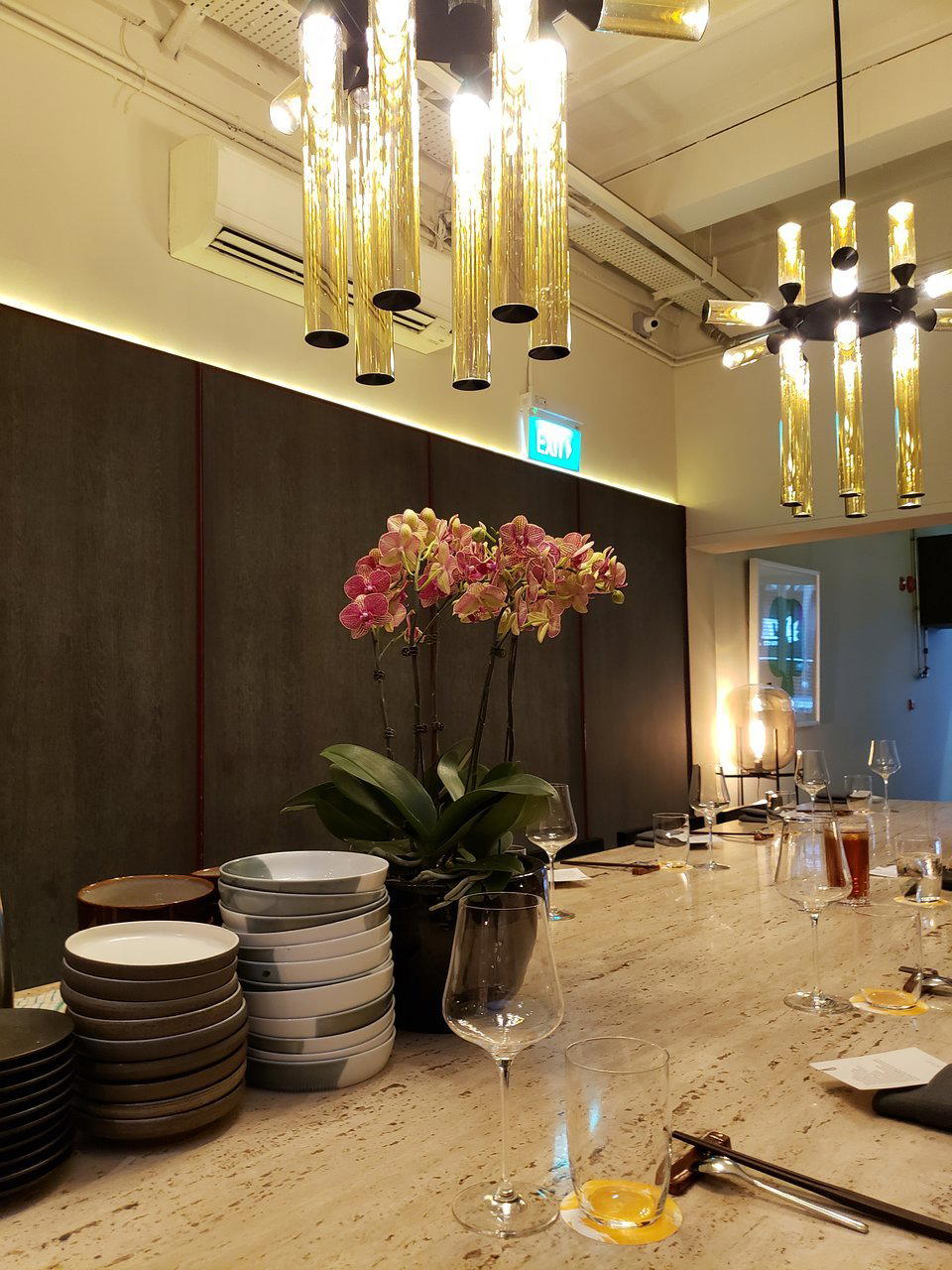
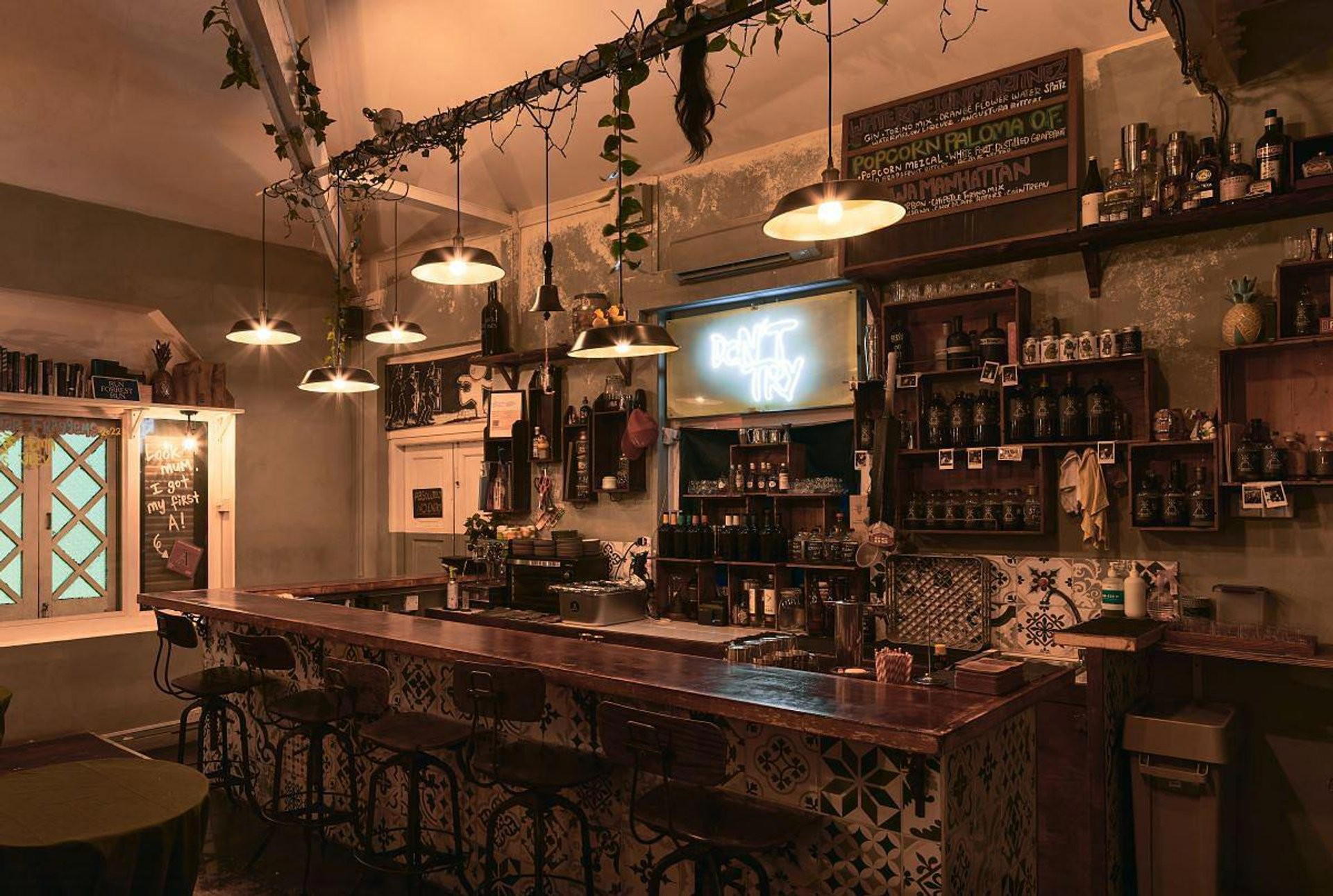
Tras Street is part of Tanjong Pagar, one of Singapore's most coherent dining precincts, where shophouse facades line a neighbourhood that has absorbed decades of culinary change without losing its street-level texture. The setting for Fleur de Sel, a #01-01 shophouse unit, is characteristic of the area: modest from the outside, considered inside. The room includes a bar and an open kitchen, which shapes the atmosphere around activity and transparency rather than hushed reverence. You are proximate to the work, which is consistent with the bistro register the kitchen is aiming for.
The Table Before You Order
The detail that most clearly signals this kitchen's philosophy arrives before any dish: a small vessel of the eponymous fleur de sel on each table. It is a declaration of intent as much as a condiment, though the kitchen's well-documented sense of seasoning means most diners leave it largely untouched. In French cooking, salt application is a craft discipline, and serving the ingredient that names the restaurant while rendering it essentially unnecessary is a confident move. The same instinct runs through the menu: classical foundations, modern discipline, nothing extraneous.
The format is two set menus. The tasting menu is the more revealing of the two, giving the kitchen room to sequence flavours across a broader arc and to show range that a shorter format compresses. For first-time visitors, or for anyone wanting to understand what this kitchen can do, the tasting menu is the more instructive choice. The shorter set menu provides an easier entry point, appropriate for a business lunch rhythm or for those who find extended tasting formats demanding in the Singapore heat.
What the Cooking Is Doing
Classical French technique in a contemporary setting is not an uncommon claim in Singapore's mid-to-upper dining tier. What differentiates kitchens within that description is usually discipline: whether the "modern spin" amounts to genuine restraint and clarity or simply the removal of cream sauces. At Fleur de Sel, the framing as bistro de luxe suggests the former. The goal appears to be French cooking that reads as precise rather than heavy, where technique is present but not performed.
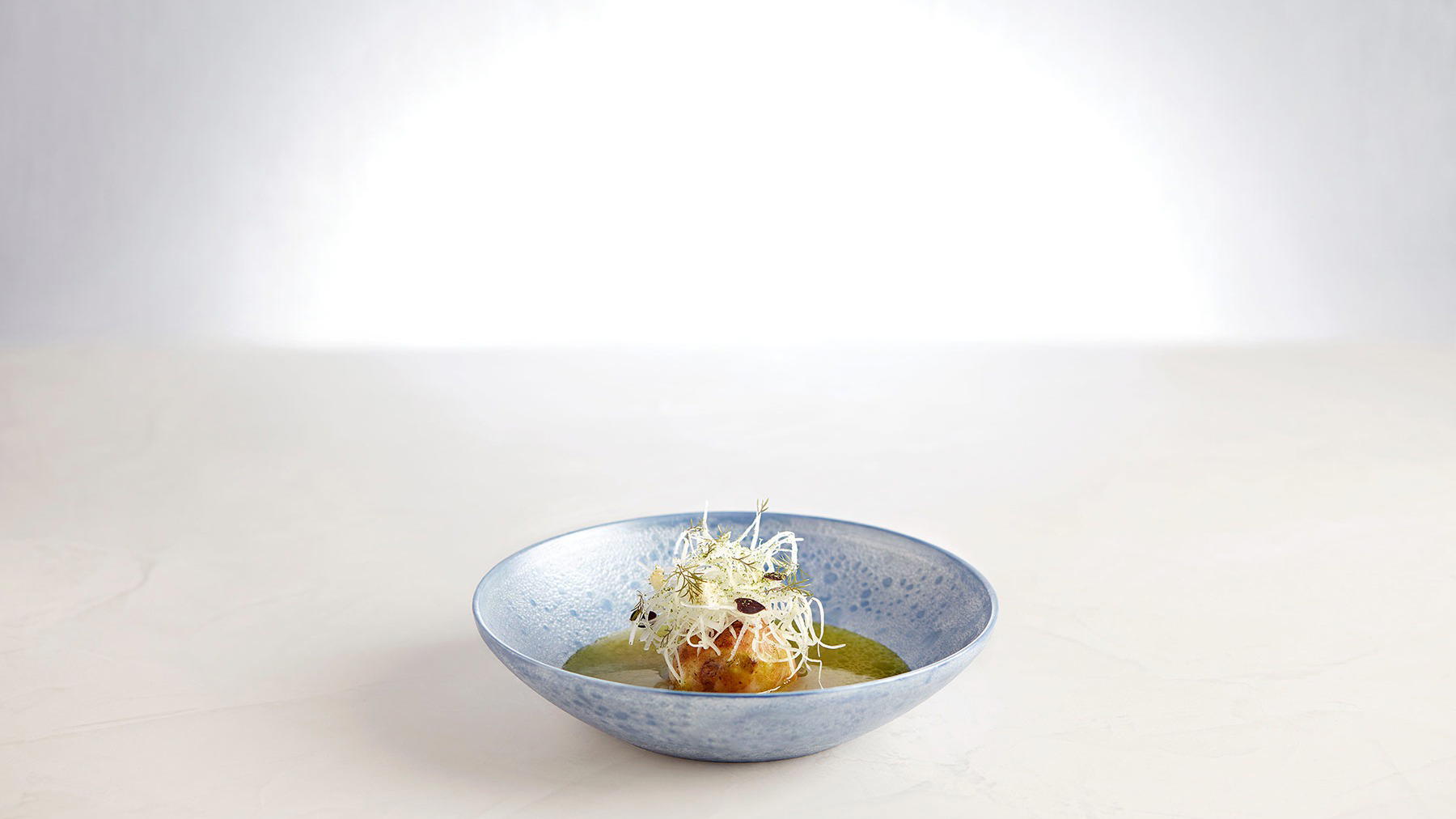
The signature Baba, a rum-soaked brioche dessert with roots in nineteenth-century French pastry, is the most discussed single item from this kitchen. The dish has a long Parisian bistro lineage and is the kind of preparation that rewards technical confidence: the dough, the syrup saturation, the accompanying cream all need calibration. That it functions as a signature suggests the kitchen is competent in the register that matters most to it. For context on how this dessert category plays at the highest level of French dining globally, it appears in various forms at rooms like Alain Ducasse at Louis XV in Monte Carlo, where the baba au rhum has been a fixture for decades.
Singapore's broader French dining scene has increasingly moved toward fusion and regional inflection, with European Contemporary rooms like Zén and British-led interpretations such as Jaan by Kirk Westaway offering personal departures from classical source material. More innovative kitchens like Meta push even further into Korean-influenced territory. Against that backdrop, Fleur de Sel occupies a more classically anchored position, which is itself a choice with a discernible logic: when so much French cooking in the city is moving sideways into influence and fusion, a kitchen that commits to the original register with serious execution fills a gap.
Planning Your Visit
The editorial angle that matters most for Fleur de Sel is logistical, because the booking experience here reflects a broader truth about Singapore's mid-range French dining tier. These rooms are not the three-month booking marathons of the city's headline tables; Odette and the rooms at the very best of the guide require planning on that scale, and the process can resemble securing allocation for a sought-after wine more than making a dinner reservation. Website and phone details are not publicly listed in standard databases, so the most reliable approach is arriving via a hotel concierge referral or checking current reservation platforms for Tanjong Pagar listings.
The Tras Street location is walkable from Tanjong Pagar MRT station, which is on the East-West Line, making the restaurant accessible from most of the city without a taxi. The shophouse format and Tanjong Pagar neighbourhood mean evenings here have a street-level character that larger destination restaurants in purpose-built venues cannot replicate. The area itself is worth treating as a wider itinerary: it sits within a precinct that concentrates a significant share of Singapore's serious independent restaurants. For context on what surrounds this neighbourhood and how to build a broader Singapore dining plan, see our full Singapore restaurants guide, along with our Singapore hotels guide, bars guide, wineries guide, and experiences guide.
For travellers building a broader French fine dining itinerary across cities, comparable classical-register rooms at different price points and scales include Le Bernardin in New York City, Alléno Paris au Pavillon Ledoyen, and, at the contemporary innovation end of the spectrum, rooms like Alinea in Chicago or Aponiente in El Puerto de Santa María, where the French technical inheritance has been taken in very different directions. For those travelling through the region, 8½ Otto e Mezzo Bombana in Hong Kong offers a useful point of comparison as a European fine dining address in an Asian city context. For more casual comparators in the American South, Emeril's in New Orleans and Lazy Bear in San Francisco show how set-menu formats operate at different registers outside Europe.
Frequently asked questions
What's the address for Fleur de Sel?
Fleur de Sel is located at #01-01, 64 Tras Street, Singapore.
What awards or recognition does Fleur de Sel have?
Fleur de Sel has received recognition including: In this stylish eatery with a bar and an open kitchen, you’ll find the eponymous artisanal French salt on each table – but you won’t need it thanks to the owner-chef’s spot-on sense of seasoning. At this ‘bistro de luxe’ he delivers classic….
What do people recommend at Fleur de Sel?
The kitchen's most-cited dish is the signature Baba, which the owner-chef has made a closing set piece of the meal. The tasting menu is the format to choose if you want the full range of the kitchen's classical French cooking with its modern spin, the restaurant's own editorial recommendation for a complete experience.
Do they take walk-ins at Fleur de Sel?
Fleur de Sel at 64 Tras Street operates on a set menu format, which typically means seating runs to a schedule and covers are finite. Walk-in availability is not confirmed, so booking ahead is the safer approach, particularly for dinner at a Chinatown-adjacent address that draws a consistent local following.
Budget and Context
Comparable venues nearby, for context on price, style, and recognition.
| Venue | Cuisine | Price | Awards | Notes |
|---|---|---|---|---|
| Fleur de SelThis venue (the venue you are viewing) | Modern French Fine Dining | $150–200 | Michelin Plate · Michelin Guide Plate | Not listed |
| Tunglok Heen | Modern Chinese Fine Dining | $100–150 | Michelin Guide Plate · Michelin Plate | SENTOSA, Modern Chinese Fine Dining |
| The Secret Garden by Zeekri | Halal French Brasserie | $30–50 | Not listed | KAMPONG GLAM, Halal French Brasserie |
| Sospiri | Modern Southern Italian | $50–100 | Michelin Guide Plate · Michelin Plate | CENTRAL SUBZONE, Modern Southern Italian |
| Sushi Oono | Not listed | Not listed | Michelin Guide Plate · Star Wine List | INSTITUTION HILL, Traditional Edomae Omakase |
| Keyaki | Authentic Japanese Kaiseki and Teppanyaki | $100–150 | Not listed | MARINA CENTRE, Authentic Japanese Kaiseki and Teppanyaki |
Recognition history
Dated appearances from independent guides and award organizations, with the underlying list record or original source where available.
Michelin Plate
Michelin · 2026 Michelin Plate
Michelin Guide Plate
Michelin Guide
Continue exploring
More in Singapore
Restaurants in Singapore
All restaurants in Singapore →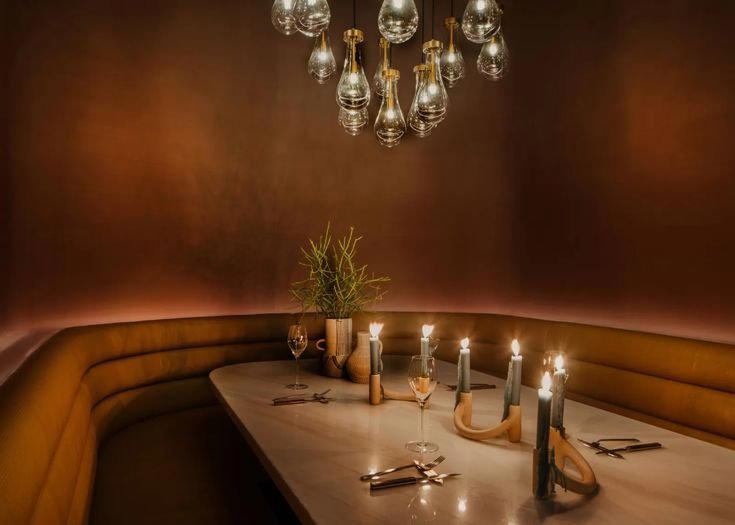
Bars in Singapore
All bars in Singapore →
Details
- Elegant
- Cozy
- Intimate
- Romantic
- Sophisticated
- Date Night
- Special Occasion
- Business Dinner
- Open Kitchen
- Extensive Wine List
- Tasting Menu
- Set Menu
Current opening hours
- Monday
- Closed
- Tuesday
- 12–2 PM, 6:30–10 PM
- Wednesday
- 12–2 PM, 6:30–10 PM
- Thursday
- 12–2 PM, 6:30–10 PM
- Friday
- 12–2 PM, 6:30–10 PM
- Saturday
- 12–2 PM, 6:30–10 PM
- Sunday
- Closed
Hours can change for holidays and private events. Hours as of .
Cozy, intimate, and elegant with a charming shophouse atmosphere, open kitchen, and romantic lighting praised in guest reviews.