Tippling Club has held a place on the World's 50 Best Bars global list every year since 2011, making it one of the most consistently recognised cocktail bars in Asia. Located on Tanjong Pagar Road in Singapore's former warehouse district, the bar operates at the intersection of technical precision and theatrical presentation. A 4.6 Google rating across nearly 740 reviews reflects sustained performance over more than a decade of competition.

Tanjong Pagar After Dark
Tanjong Pagar Road sits at the edge of Singapore's most compressed dining and drinking district, where heritage shophouses run shoulder-to-shoulder with after-hours bars and the kind of restaurants that attract professional kitchen staff once service ends. The street has a particular character at night: narrower than the CBD blocks nearby, slower-paced, with enough foot traffic to feel alive but not enough to feel crowded. Tippling Club occupies a shophouse on this strip, and its longevity in a neighbourhood that turns over venues quickly is itself a signal worth reading.
What Consistent Recognition Actually Means
Few bars in Asia carry an awards record with the depth of Tippling Club's. It has appeared in the World's 50 Best Bars global list in 2009, 2011, 2012, 2013, 2017, and 2021, reaching as high as #23 globally. On the Asia's Leading Bars list, it has featured every year from 2016 through 2022, peaking at #7 in 2018. That span matters more than any single placement. A bar that appears once benefits from timing; a bar that holds rankings across twelve years of shifting trends, new competition, and changing judging panels is doing something structurally sound.
Singapore's cocktail scene in 2018, when Tippling Club ranked #7 in Asia, looked different from today's version. The post-pandemic bar culture has brought a wave of low-ABV programs, fermentation-led menus, and sustainability-framed drinks lists. Bars that peaked in earlier eras and haven't adapted tend to slide off lists entirely. Tippling Club's continued presence, even at a lower ranking by 2022, suggests an operation that recalibrates rather than rests.
For context within Singapore, this positions Tippling Club alongside a small tier of establishments with multi-year recognition. 28 HongKong Street built its reputation on a democratic, approachable cocktail format. Atlas carved out a distinct identity through its gin collection and Art Deco architecture. Analogue operates with a sustainability-first drinks philosophy. Anti:Dote anchors itself to hotel dining and a more produce-driven approach. Tippling Club's position in that peer set is defined by technical ambition and long-form commitment to kitchen-bar integration.
The Craft Behind the Counter
The editorial angle that makes most sense for Tippling Club is not geography or format, but the philosophy that shapes what ends up in the glass. Across the bar industry globally, a divide has emerged between programs that prioritise hospitality breadth and those that prioritise technical depth. The former tend to succeed at scale; the latter tend to generate the kind of sustained critical attention that produces twelve years of awards citations.
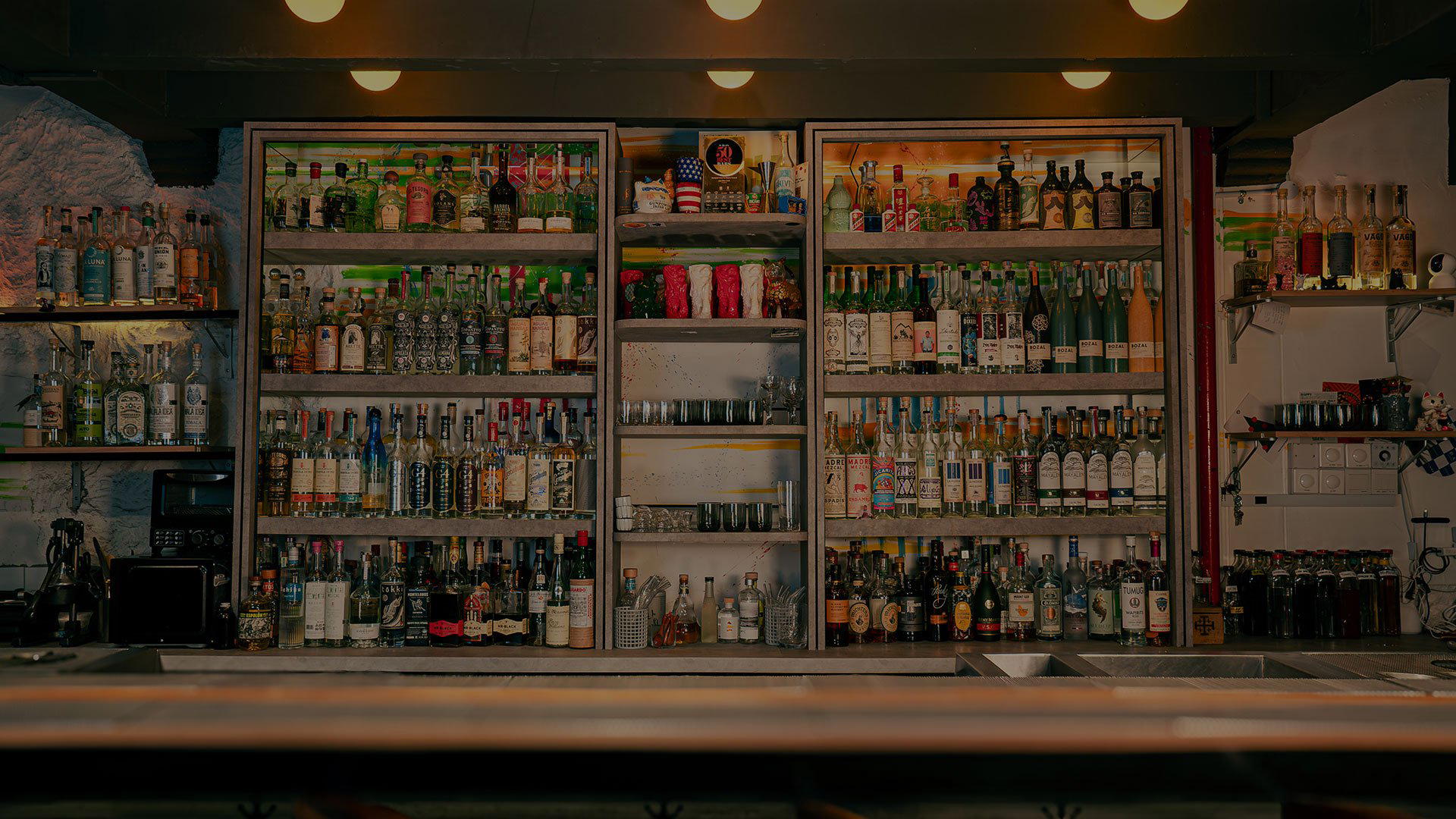
Tippling Club sits clearly in the technical depth camp. Its approach, evident from its awards trajectory and the way the bar has been discussed in drinks publications, treats cocktails as a category that borrows from culinary technique rather than staying within the conventional boundaries of spirits and mixers. This is a model that has found its practitioners globally: Kumiko in Chicago applies Japanese precision to cocktail structure; Jewel of the South in New Orleans works from historical American cocktail scholarship; Bar Leather Apron in Honolulu maintains a focused, craft-forward approach in a market otherwise dominated by casual hotel bars. What these bars share is a commitment to the discipline behind the drink rather than the spectacle around it.
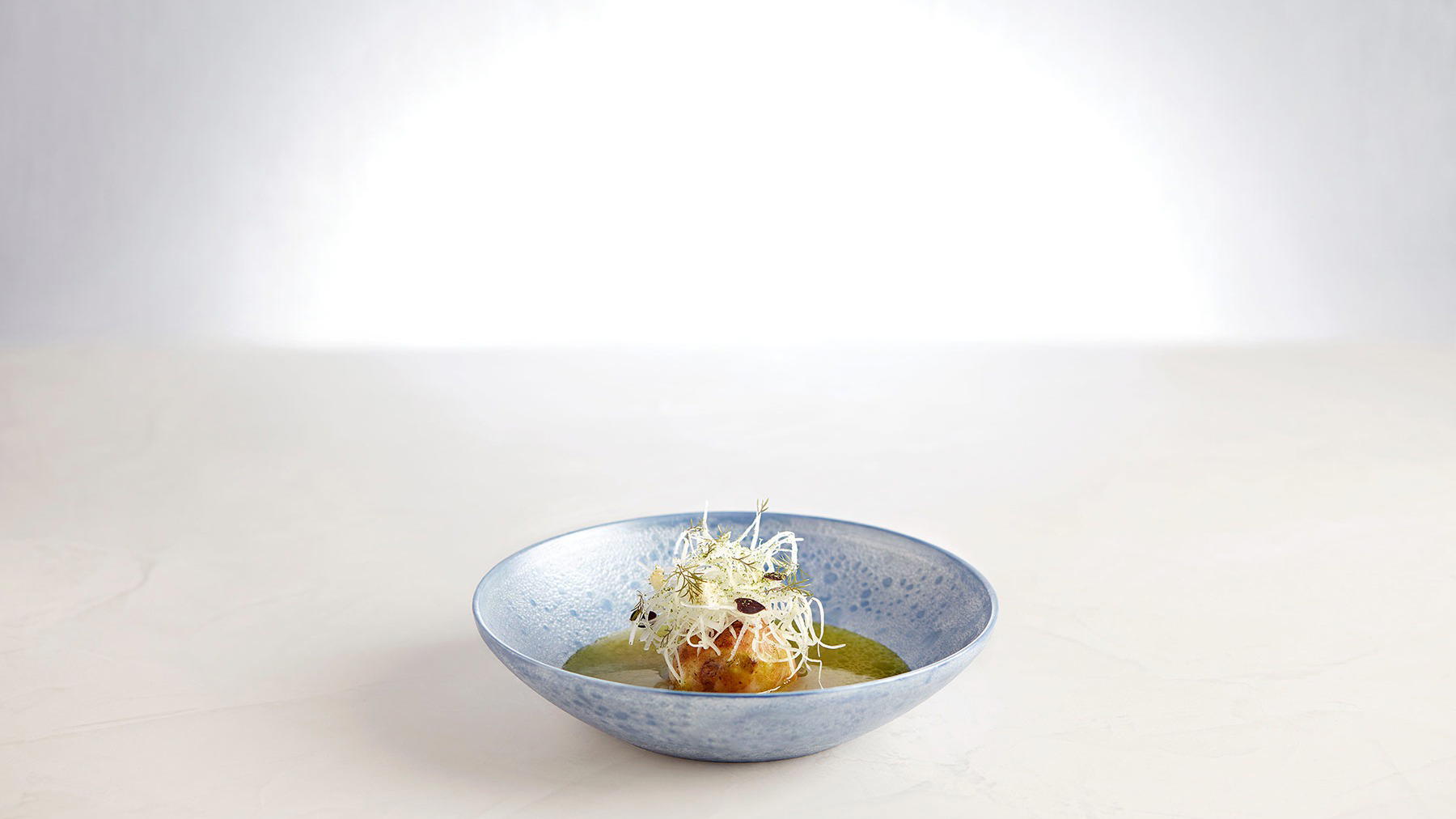
At Tippling Club, that discipline has historically expressed itself through a menu structure that rewards engagement. The bar has been associated with a food-and-drink pairing format, with dishes developed to complement the cocktail program rather than the reverse. This kitchen-bar integration is genuinely uncommon in Asia, and it explains some of the bar's durability in rankings that increasingly reward programmatic originality.
Globally, bars that have maintained similar approaches include The Parlour in Frankfurt, where the drinks program operates with the same rigour typically reserved for wine lists, and 1806 in Melbourne, which built its identity around encyclopaedic cocktail knowledge and training depth. Superbueno in New York City and Julep in Houston each demonstrate how a bar can sustain a strong editorial identity through programmatic focus rather than trend-chasing. These comparisons are useful because they show Tippling Club operating in a specific global tier, not simply a Singapore one.
The Guest Experience in Practice
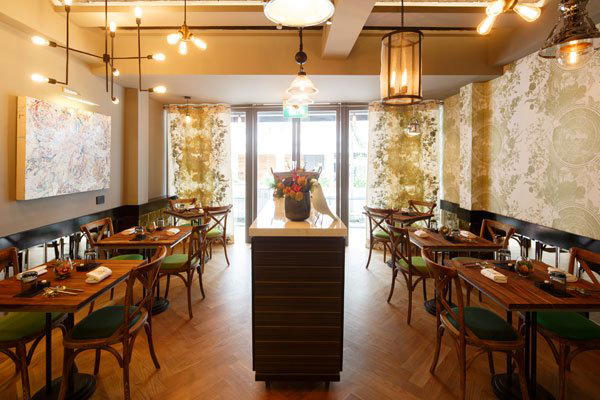
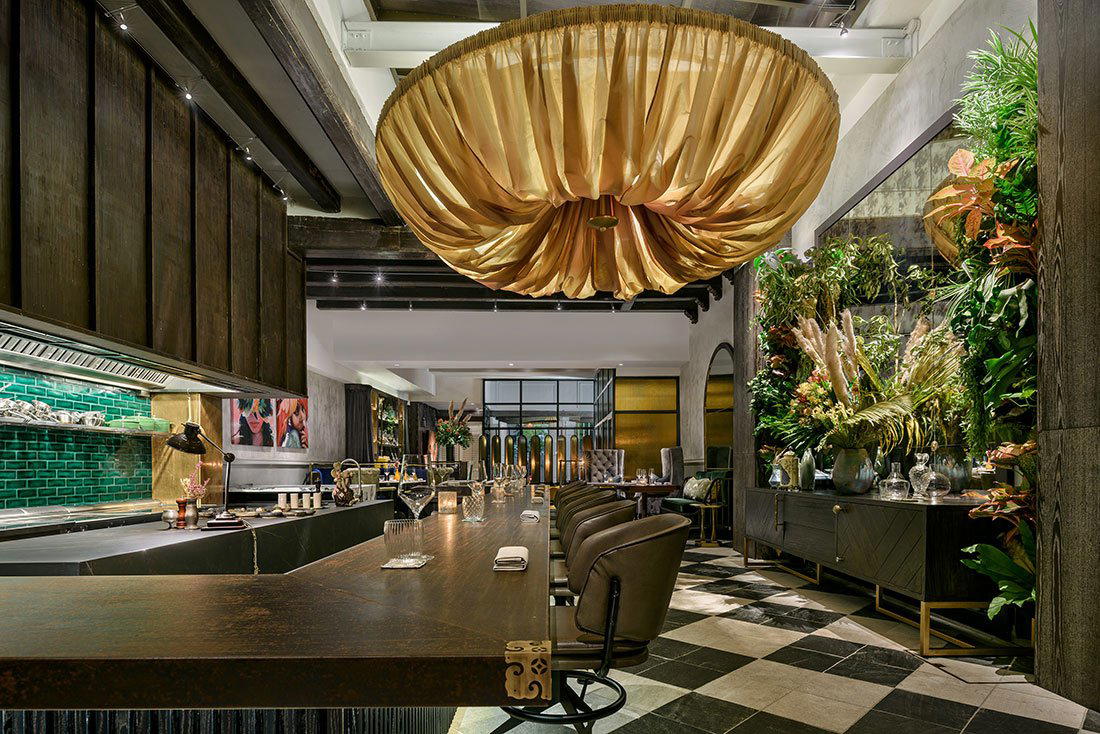
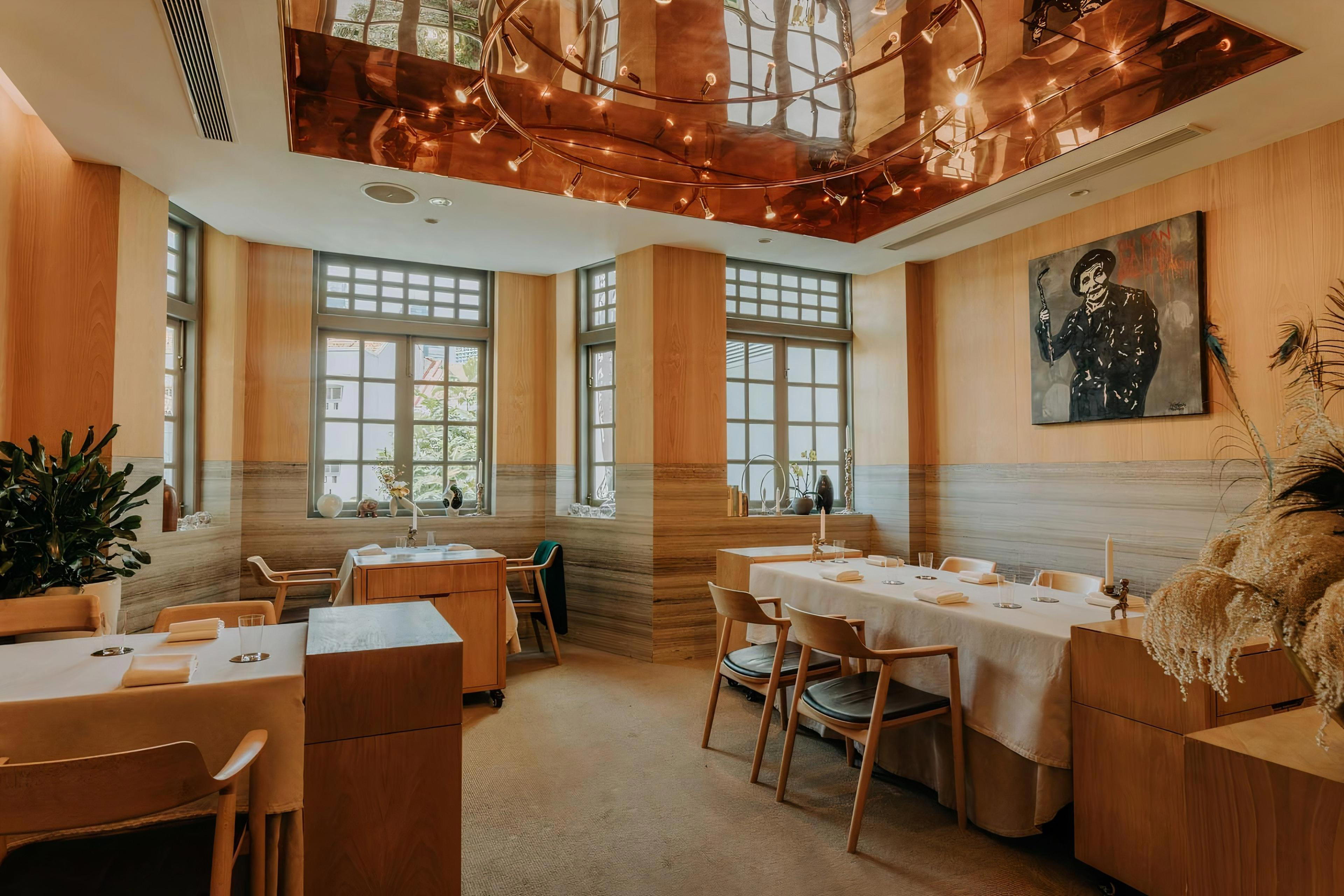
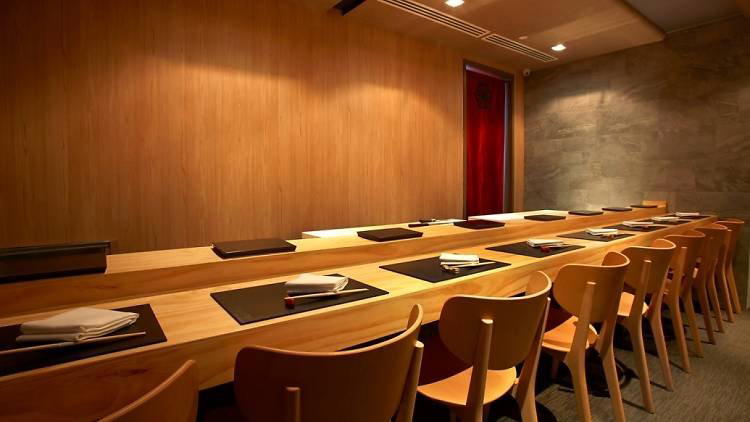
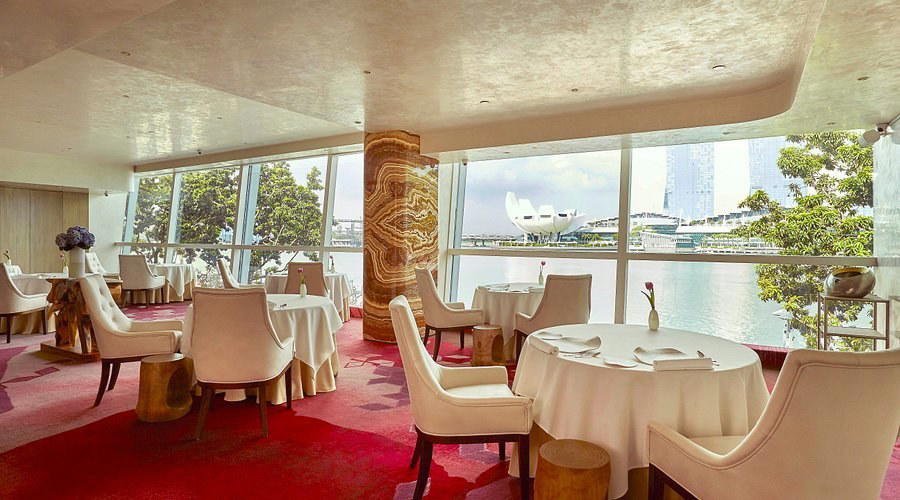
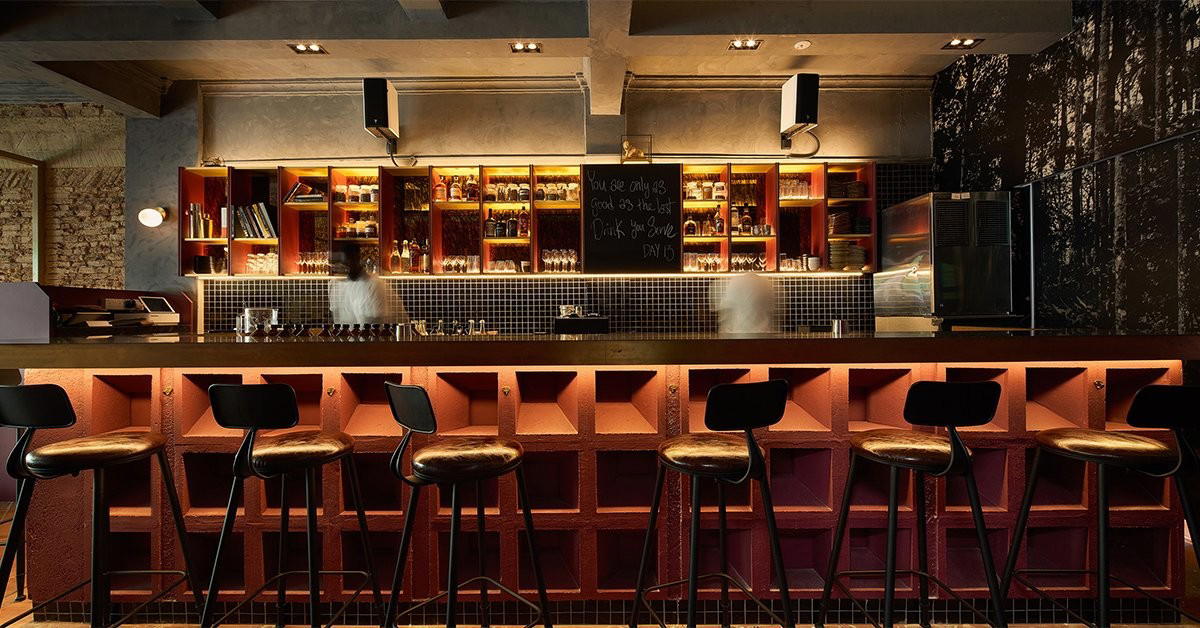
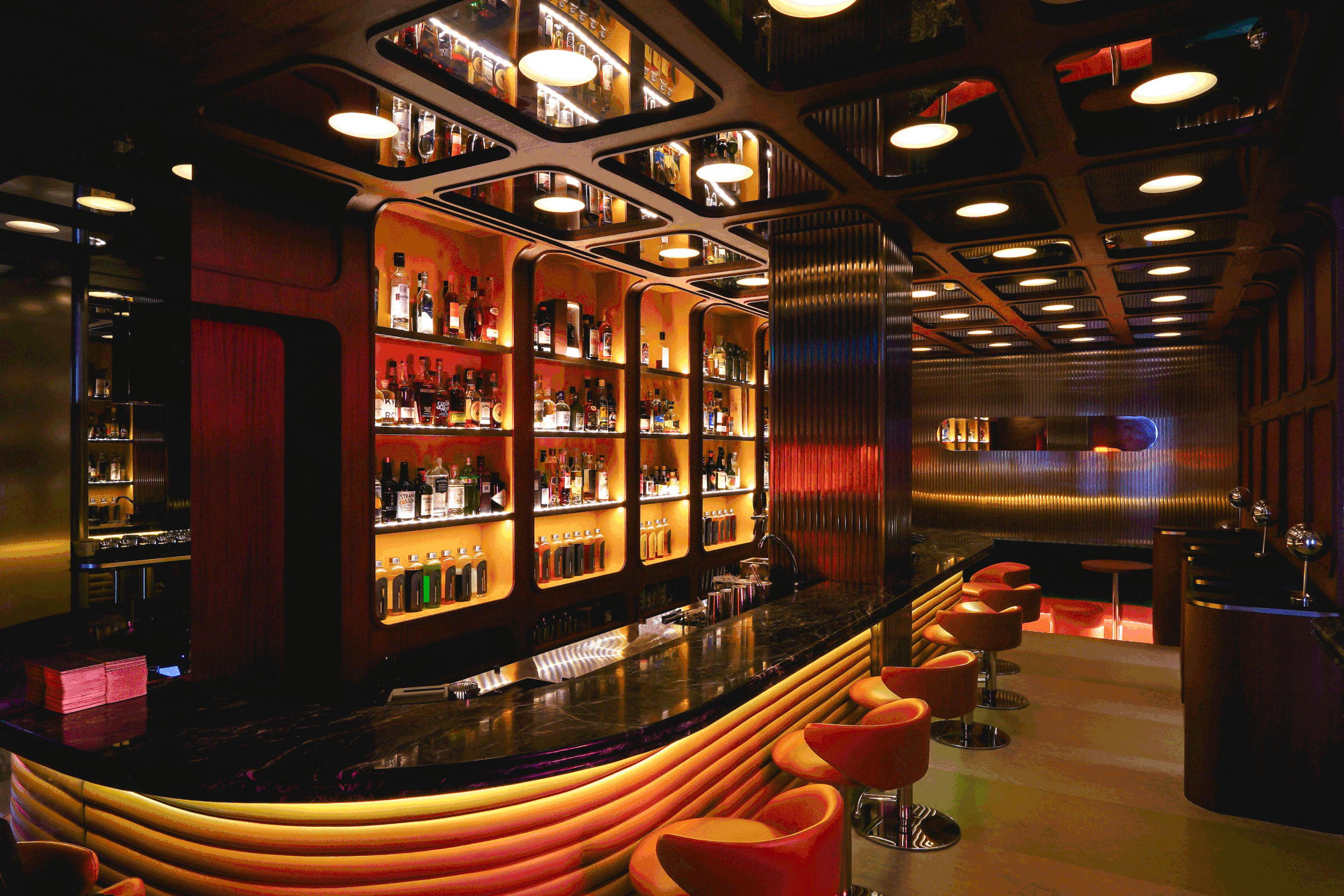
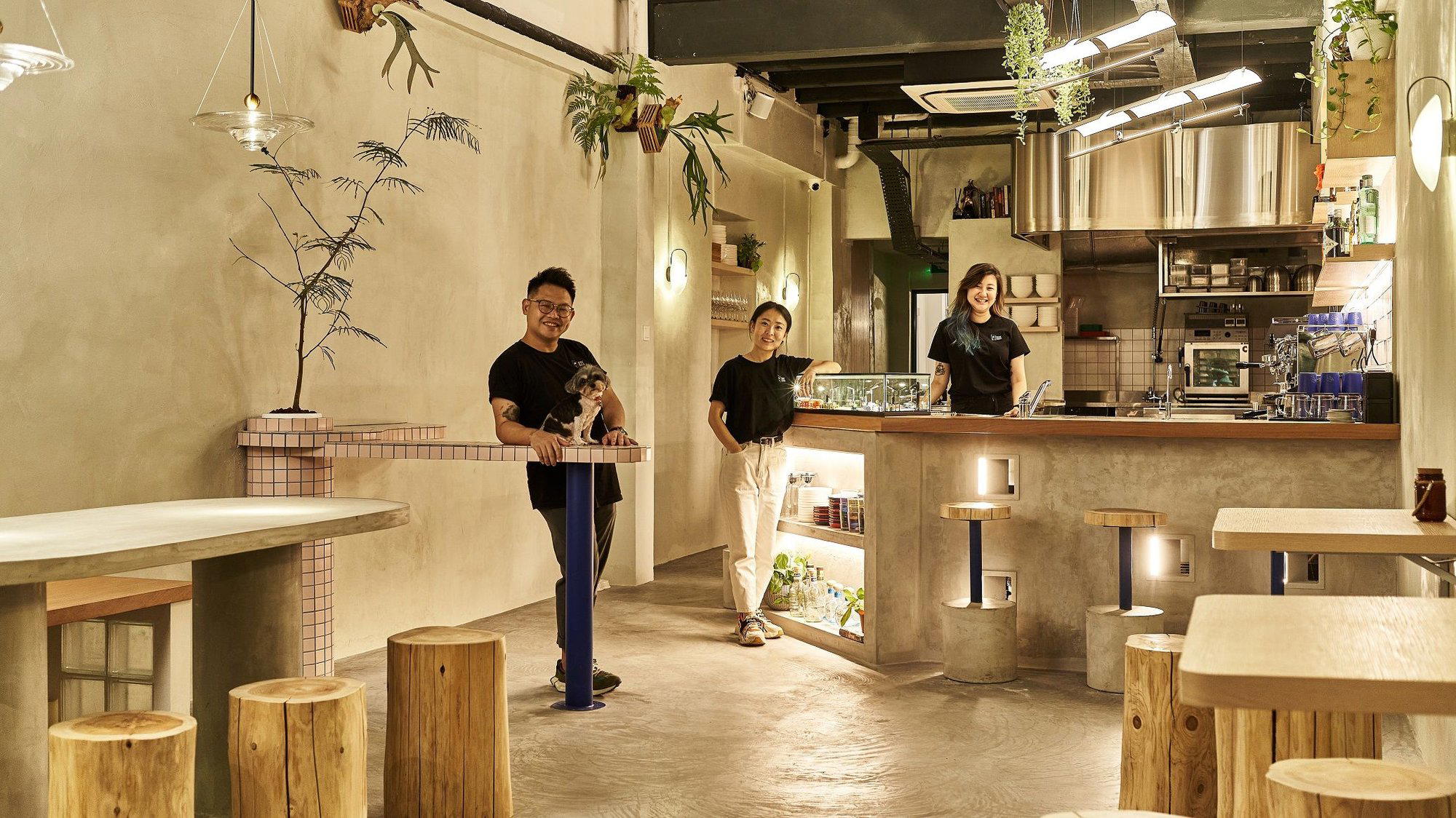
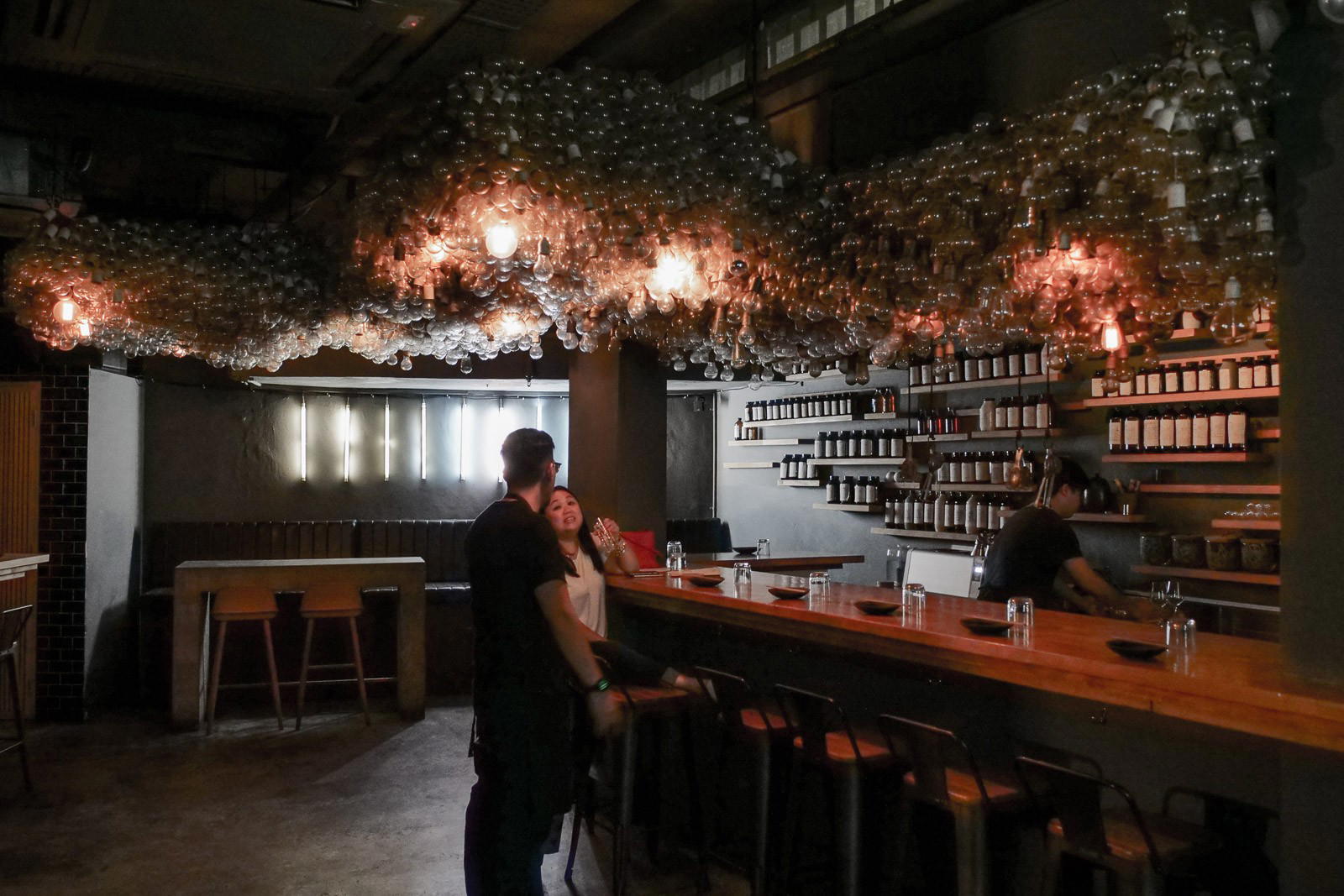
Tippling Club's shophouse setting on Tanjong Pagar Road means the physical experience starts with the building itself, a two-storey structure with the proportions and materials typical of Singapore's pre-war commercial architecture. Inside, the bar-dining hybrid format means the room functions differently from a conventional cocktail bar: tables are set for food, not just drinks, and the pace of service reflects a kitchen rhythm rather than a purely drinks-counter one.
The Google review score of 4.6 from 738 reviews is a meaningful data point here. For a bar operating at technical ambition and price levels consistent with its awards profile, a 4.6 from a broad consumer base indicates that the experience translates beyond the specialist audience that drives industry rankings. Many bars with comparable awards records score lower on consumer platforms precisely because the technical focus doesn't always translate to warmth or accessibility. That Tippling Club holds both is worth noting.
For planning purposes, Tanjong Pagar is well-served by the MRT (Tanjong Pagar station on the East-West Line), making it direct to reach from most central Singapore locations. Given the bar's sustained recognition and the kitchen-bar format that requires some coordination between covers, reservations are the sensible approach for any evening visit. Walk-in availability exists but tends to depend on the night and time.
For a fuller picture of Singapore's bar and restaurant scene, including how Tippling Club fits into the city's broader dining geography, see our full Singapore restaurants guide.
Planning Your Visit
Tippling Club is located at 38 Tanjong Pagar Road. The bar-dining format means visits typically run longer than a standard cocktail bar stop; allow two to three hours if you're engaging with the food alongside the drinks. The awards history and consumer score together suggest a bar operating at the upper end of Singapore's cocktail pricing, in line with comparable hotel and standalone bars in the Tanjong Pagar and Chinatown area. Booking ahead is advisable, particularly for weekends and the earlier evening slots that attract both the after-work crowd and pre-theatre diners from the nearby arts venues.
Compact Comparison
A compact comparison to help you place this venue among nearby peers.
| Venue | Notes | Price |
|---|---|---|
| Tippling Club | This venue | |
| Native | ||
| 28 HongKong Street | ||
| Analogue | ||
| Anti:Dote | ||
| Atlas |
Continue exploring