

Star Wine List · The Sunday Times Ireland’s 100 Best Restaurants
Our verdict
On Benburb Street in Smithfield, Fish Shop has spent eight years quietly dismantling its own reputation as a posh seafood destination. The cooking is precise, the wine list approachable at multiple price points, and the menu follows what the fishmonger brings in rather than what looks good on a chalkboard. It reads Mediterranean in spirit, firmly Dublin in address.

Pearl is the En Primeur Club membership app, where members save venues, book tables and use the concierge.
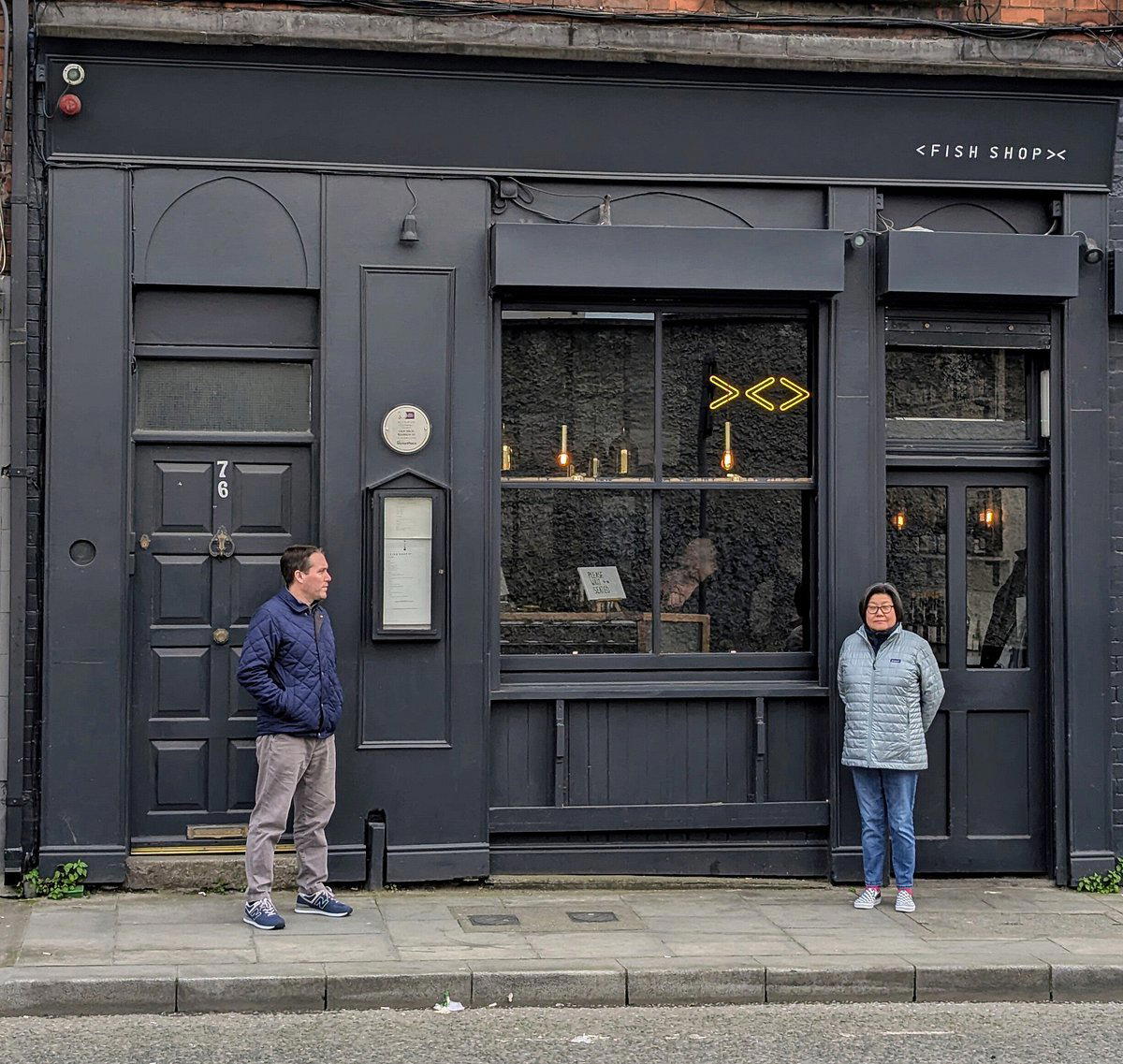
Benburb Street and the North Side Seafood Scene
Smithfield has always sat slightly outside Dublin's dining centre of gravity. The neighbourhood around Collins Barracks draws fewer visiting diners than the Georgian corridors of St. Stephen's Green or the packed lanes of Temple Bar, and that distance has historically worked against it. But it also means that restaurants here earn their regulars through cooking rather than footfall, and Fish Shop, on Benburb Street, is the clearest example of that dynamic in the city's current seafood category.
Dublin's seafood dining has split into two tiers that rarely overlap. At one end sit the grand-format rooms where half the bill goes on plateau de fruits de mer, lobster bisque, and Champagne pairings, places that perform their proximity to the Atlantic more than they cook it. At the other end, a smaller cohort of counter-led, market-responsive kitchens treat the fish as the subject rather than the occasion. Fish Shop belongs firmly to the second group, and has for eight years. For broader Dublin dining context across both tiers, the EP Club Dublin restaurants guide maps the full field.
The Room Before the Plate
Walking down Benburb Street, Fish Shop gives little away from the outside. The space is small, a cubby hole in the truest sense, and the atmosphere inside is correspondingly compressed and immediate. Tables sit close, the room runs at volume when full, and the effect is less restaurant-as-theatre and more taverna-as-intention. The Mediterranean comparison is not decorative: the cooking philosophy, the wine approach, and the physical density of the room all point south toward Barcelona rather than west toward the Atlantic seaboard.
That spirit matters when you sit down. A large-format dining room creates distance between the kitchen and the guest; a room this size does the opposite. You feel the pace of service, the sequence of what arrives, and the decisions behind the menu in a way that bigger spaces absorb and diffuse.
How the Meal Moves
The editorial angle on Fish Shop is leading understood as a progression, because that is how the kitchen thinks. This is not a menu built around a headline dish surrounded by supporting filler. It sequences.
The smoked haddock croquette is where most meals properly begin, and it has become one of the more referenced openers in Dublin's current casual-fine category. Croquettes at this level are a test of restraint: the béchamel must be set firmly enough to hold form but loose enough to feel molten inside, and the smoking on the haddock needs to register without dominating. That Fish Shop has been running this dish across eight years of service without it becoming a cliché says something about how it has been maintained rather than merely repeated.
Middle of the meal is where the kitchen's responsiveness to supply becomes most visible. Gurnard and megrim, two species that Irish fishmongers frequently have but that most Dublin menus ignore because they require more technical handling and carry less name recognition than cod or sea bass, appear when available. This is the kind of detail that separates a kitchen operating from a fixed purchasing list from one actually engaged with what the boats are landing. When those species appear on the board, they are worth prioritising over the safer options.
Chips arrive as a serious proposition rather than an afterthought. In a room carrying eight years of a reputation built partly on fish and chips, that reputation has apparently been earned at the plate rather than assembled from concept. The lemon posset that closes the meal is a deliberate punctuation mark: sharp, clean, cold, and brief. It does not try to extend the meal beyond its natural arc.
For comparison, the tasting progression at restaurants like Chapter One by Mickael Viljanen or Glovers Alley is explicitly designed across multiple formal courses with matched wine flights. Fish Shop operates differently: the sequencing is real, but it is informal and driven by what arrived that morning rather than what was written six months ago. Both approaches deserve attention; they are simply answering different questions about what a meal should do.
The Wine List as Position Statement
Fish Shop's wine list functions as a signal about the kind of room it wants to be. The range is concise rather than comprehensive, but it spans price points in a way that makes it possible to drink well at a modest outlay or to spend considerably more if the occasion warrants. That span is not accidental. A wine list weighted entirely toward premium bottles would reinforce the posh-seafood perception the kitchen has spent eight years actively contradicting. A list that stops at house pours signals indifference to the pairing question. Fish Shop lands between both failure modes.
For context on where Dublin's wine-forward dining currently sits, restaurants like Bastible and D'Olier Street have both invested in natural and low-intervention lists that have become part of their editorial identity. Fish Shop's approach is less ideologically positioned and more pragmatic: find bottles that work with what the kitchen is cooking, offer them at a range of prices, and let the guest decide how seriously to take the pairing.
Seasonal Timing and When to Go
September is when Dublin's seafood offer tends to sharpen. Summer tourist volume has cleared, the city's restaurant rooms settle back into a rhythm driven by local regulars, and the autumn fish supply, from mackerel to the occasional more unusual landing, gives kitchens like Fish Shop better raw material to work with. A visit in early autumn, when the room is running at its regular pace rather than absorbing peak-season overspill, is the version of Fish Shop most likely to reflect what the kitchen actually does at full concentration.
Booking ahead is advisable given the room's size, though specific booking method details should be confirmed directly through current listings. The address is 76 Benburb Street, Smithfield, Dublin 7.
Where Fish Shop Sits in Ireland's Broader Seafood Picture
Ireland's coastline produces some of the North Atlantic's most consistent seafood supply, and the kitchens that treat that supply seriously are distributed well beyond Dublin. dede in Baltimore works the West Cork fishing community directly. Bastion in Kinsale operates in a port town where the sourcing question is answered by geography. Aniar in Galway has built a Michelin-recognised framework around Atlantic produce. Liath in Blackrock and Terre in Castlemartyr each represent the formal end of Irish ingredient-led cooking.
Fish Shop sits apart from all of them not because it is lesser but because it is asking a different question: what does serious, market-responsive seafood cooking look like when stripped of fine-dining format, removed from a harbour view, and placed on a side street in a Dublin neighbourhood that most tourists walk past? The answer, across eight years of continuous operation, has proven to be: consistently worth the detour.
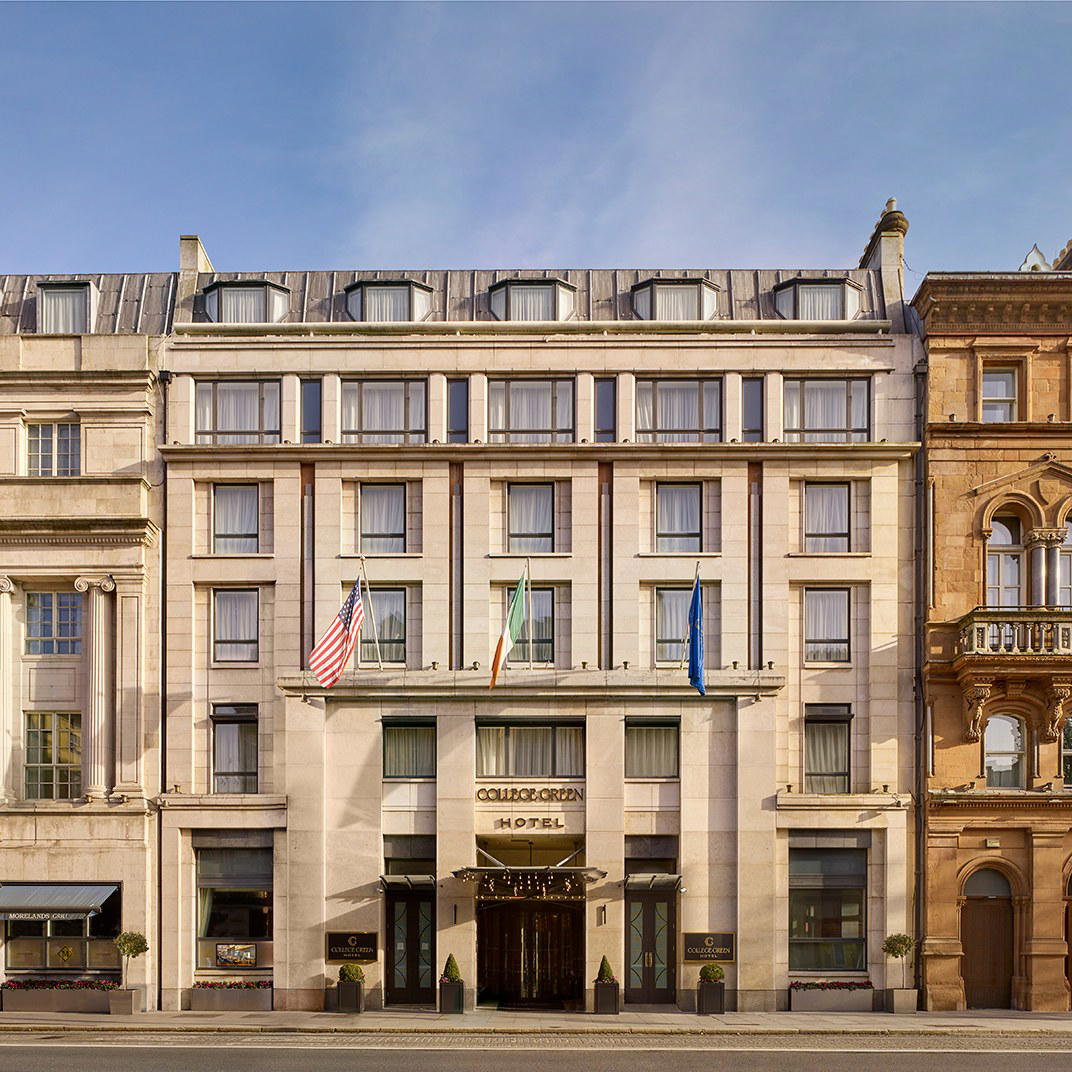
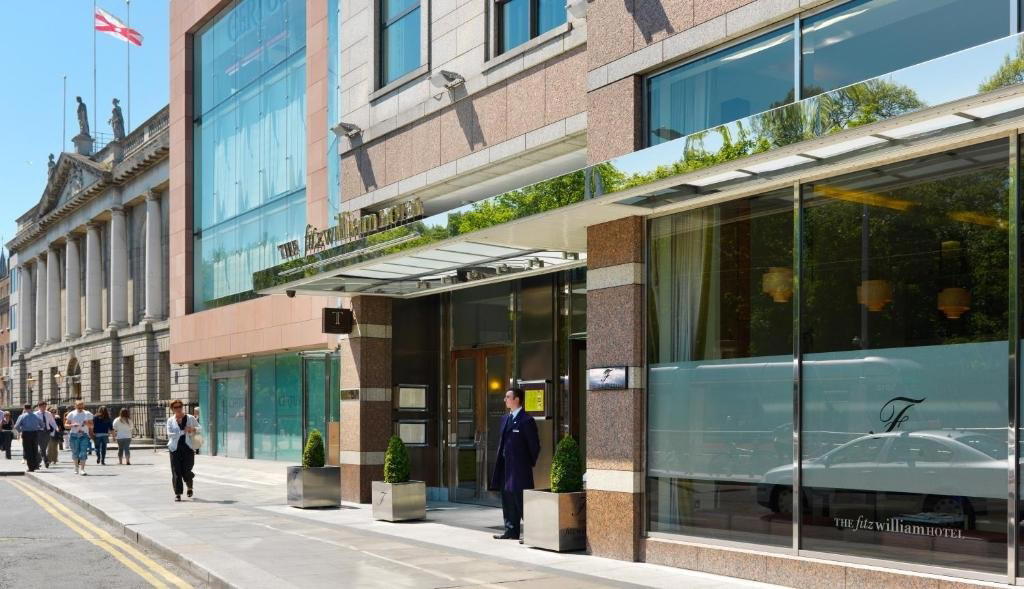
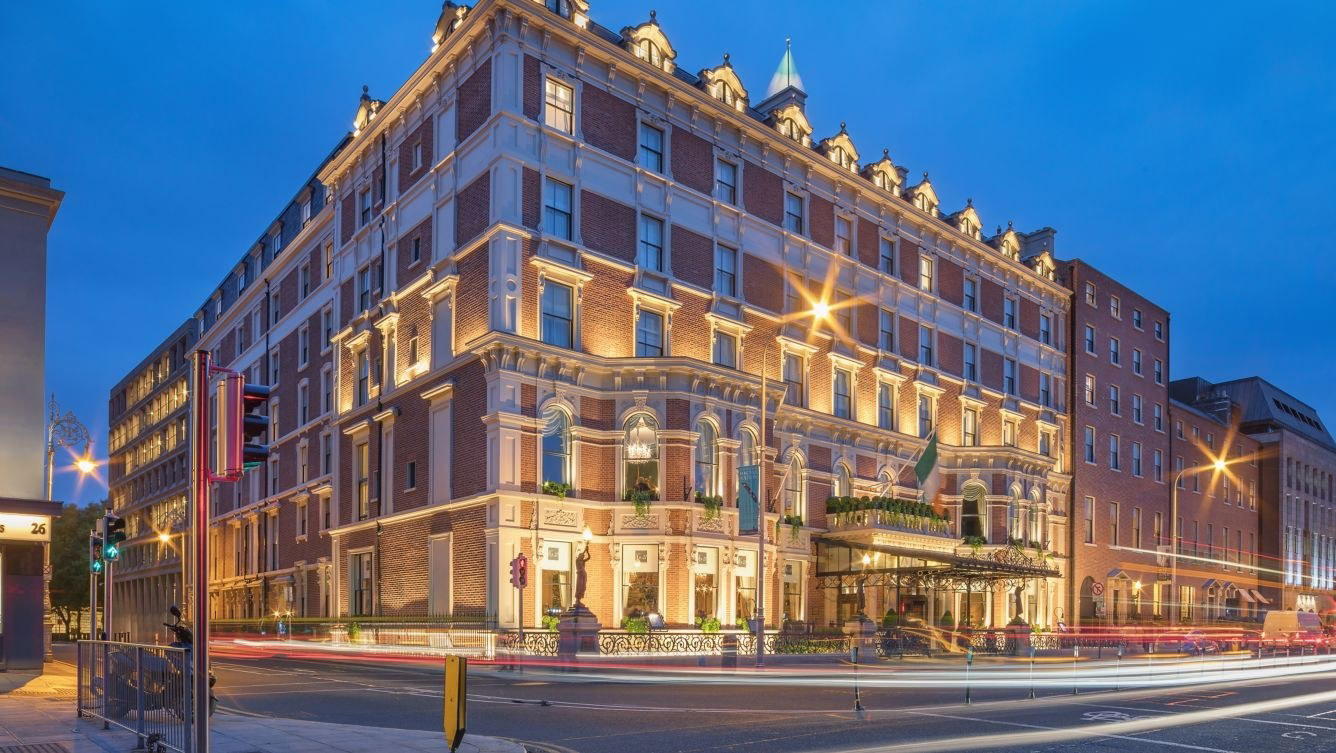
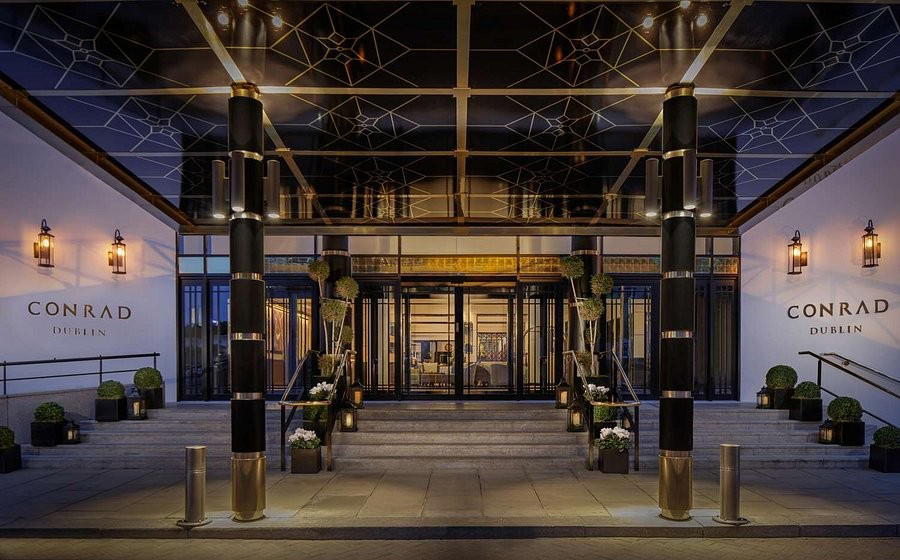
For those building a full Dublin visit around dining, drinking, and accommodation, the EP Club Dublin hotels guide, bars guide, and experiences guide cover the wider field. Dublin's Michelin tier, anchored by Patrick Guilbaud at the two-star level, operates in a different register entirely, but Fish Shop is not competing with it. It is competing with the idea that casual seafood in Dublin has to choose between pub-standard cooking and wallet-testing occasion dining. That it has maintained a third position for eight years makes it one of the more instructive entries in the city's restaurant story.
Frequently asked questions
Does Fish Shop have a Michelin star or similar recognition?
Fish Shop has received recognition including: Fish Shop is tucked away on Benburb Street on the North Side city centre of Dublin. A small space with a bustling atmosphere, Fish Shop has a concise wine list with a glass of something for everyone....; Over its eight-year existence Fish S….
What part of town is Fish Shop in?
Fish Shop is located at 76 Benburb St, Smithfield, Dublin, D07 X3PN, Ireland, Dublin.
What do regulars order at Fish Shop?
The smoked haddock croquette is the dish most consistently cited in editorial coverage of the restaurant on Benburb Street. When the kitchen has access to less common species, gurnard or megrim, for instance, those are worth ordering without hesitation. The chips have drawn equal attention, and lemon posset is the standard way to finish.
Is Fish Shop reservation-only?
Fish Shop operates in a small room near Collins Barracks in Smithfield, Dublin 7, and the footprint means tables fill quickly. Booking ahead is strongly advisable rather than arriving without one.
What makes Fish Shop worth seeking out?
Eight years of continuous operation in a small Smithfield room is the clearest credential, that kind of longevity in Dublin's competitive dining scene demands consistent delivery. The kitchen works with daily supply rather than a fixed menu, which means the offer shifts with what is actually available from Irish waters. The wine list runs from affordable by-the-glass pours to bottles that reward spending, without locking the room into a single price register.
Can Fish Shop accommodate dietary restrictions?
Fish Shop's kitchen is built around seafood, which defines the core of everything on the menu at 76 Benburb Street. For specific dietary requirements, allergies, intolerances, or non-seafood needs, contacting the restaurant directly before visiting is the only reliable way to confirm what can be accommodated on a given day.
Nearby-ish Comparables
| Venue | Cuisine | Price | Awards | Notes |
|---|---|---|---|---|
| Fish ShopThis venue (the venue you are viewing) | Modern Irish Seafood | $20–30 | Star Wine List · The Sunday Times Ireland’s 100 Best Restaurants | Not listed |
| Patrick Guilbaud | Modern French Fine Dining | $150–200 | 2 Michelin Stars · La Liste Top Restaurants | Irish - French, Modern French |
| Bastible | Modern Irish | $100–150 | 1 Michelin Star · The Sunday Times Ireland’s 100 Best Restaurants | Modern Cuisine |
| Host | Modern Italian | $50–100 | Michelin Plate | Nordic, Modern Cuisine |
| mae | Modern Irish Fine Dining | $50–100 | Michelin Plate · The Sunday Times Ireland’s 100 Best Restaurants | Southern, Modern Cuisine |
| Matsukawa | Authentic Edomae Omakase | $100–150 | Michelin Plate · La Liste Top Restaurants | Kaiseki, Japanese |
Recognition history
Dated appearances from independent guides and award organizations, with the underlying list record or original source where available.
Star Wine List
Star Wine List
The Sunday Times Ireland’s 100 Best Restaurants
The Sunday Times
Continue exploring
More in Dublin
Restaurants in Dublin
All restaurants in Dublin →
Bars in Dublin
All bars in Dublin →
Details
- Cozy
- Intimate
- Casual
- Trendy
- Date Night
- Casual Hangout
- Open Kitchen
- Extensive Wine List
- Sustainable Seafood
- A La Carte
- Small Plates
- Wine
- Gluten Free Options
Current opening hours
- Monday
- 12:30–2:30 PM, 4–9 PM
- Tuesday
- 4–9 PM
- Wednesday
- 12:30–2:30 PM, 4–9 PM
- Thursday
- 12:30–2:30 PM, 4–9 PM
- Friday
- 12:30–2:30 PM, 4–9 PM
- Saturday
- 12:30–2:30 PM, 4–9 PM
- Sunday
- 12:30–2:30 PM, 4–9 PM
Hours can change for holidays and private events. Hours as of .
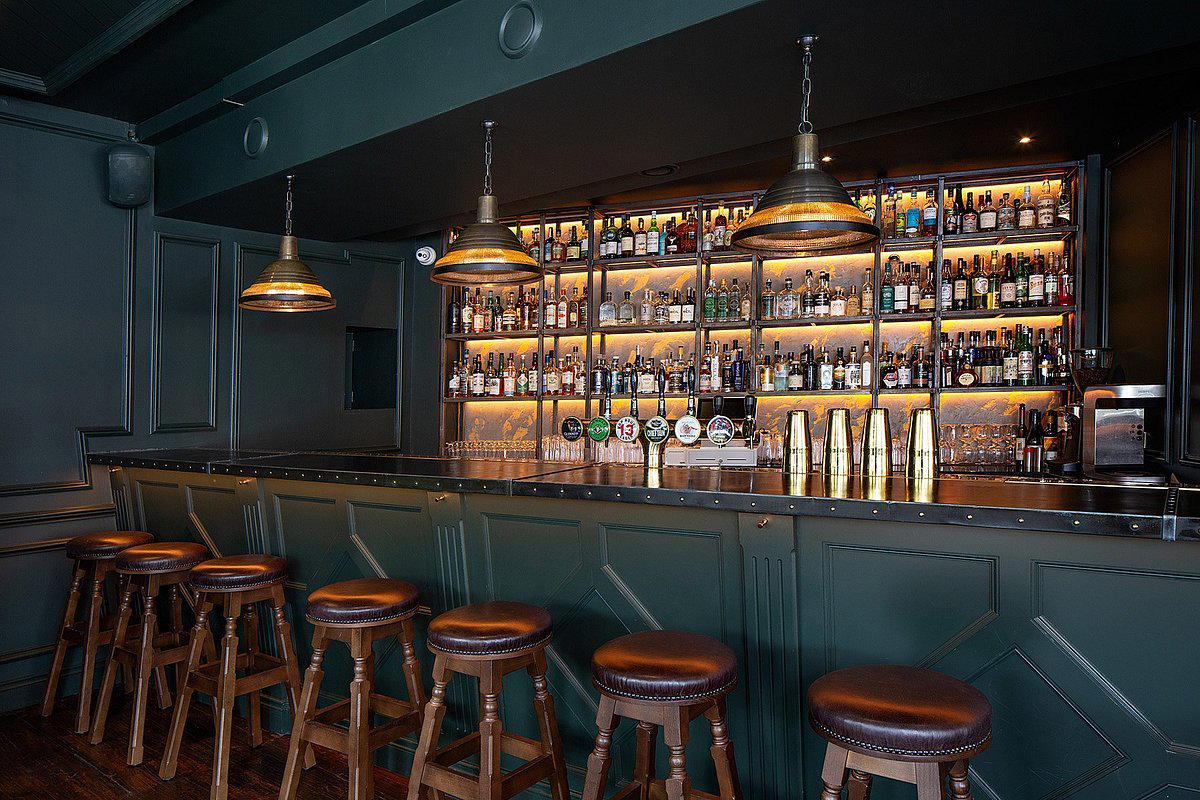
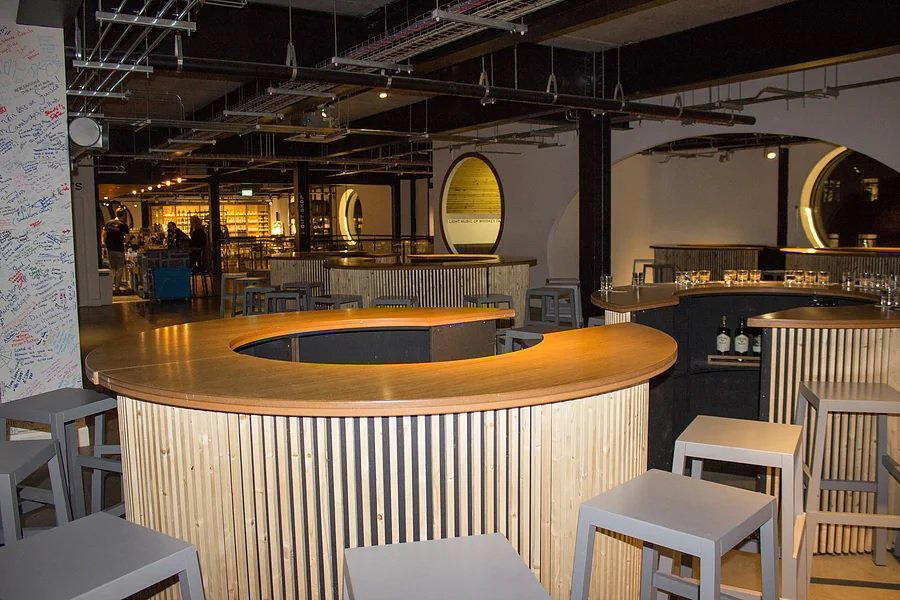
Simple, stripped-back space with bare floors and welcoming, cozy counter atmosphere.