RT Rotisserie
Our verdict
302 Broderick Street sits in San Francisco's Lower Haight, a neighbourhood where the city's dining ambitions meet its residential rhythms. With limited publicly available details, the address remains one of those rare SF spots where discovery precedes documentation. Visitors approaching the Western Addition corridor find themselves at the intersection of local ritual and culinary curiosity, a fitting entry point into the city's broader dining conversation.

Pearl is the En Primeur Club membership app, where members save venues, book tables and use the concierge.

A Street Address in a City That Takes Dining Seriously
San Francisco has spent two decades building one of the most consequential fine-dining ecosystems in the United States. The city's restaurants don't simply operate alongside each other, they exist in active conversation, trading techniques, personnel, and competitive pressure in ways that have shaped a recognisably Californian approach to the meal. That approach prizes local sourcing, seasonal restraint, and a certain studied informality that distinguishes the city's better tables from their counterparts in New York or Chicago. 302 Broderick Street sits within that broader context, occupying a Lower Haight address at the edge of the Western Addition, a part of the city where neighbourhood character and dining culture overlap with particular density.
The Ritual of the San Francisco Meal
What distinguishes eating well in San Francisco is less about individual venues and more about a collective grammar of the meal. The city's most discussed restaurants Lazy Bear, Atelier Crenn, Benu, Quince, and Saison, all operate at the $$$$ tier, signalling that the upper bracket of the city's dining scene has consolidated around multi-course, reservation-driven formats where the meal functions as an event rather than an occasion. Pacing matters here. The transition from snack to amuse to composed course follows a deliberate logic. Service timing, the moment a dish is presented, when conversation is invited, when the kitchen sends something off-menu, these are as choreographed as the food itself. That ritual sensibility is not unique to any single restaurant; it is the ambient condition of serious dining in San Francisco, and it shapes expectations from the moment a booking is made.
Across the broader American fine-dining circuit, this grammar of ritual is shared and refined in cities from San Diego to Washington, from Atlanta to New Orleans. What San Francisco adds is a proximity to the source: the farms of Sonoma and Marin, the fishing waters of the Pacific, and the wine country anchored by Napa and Healdsburg to the north. The result is that even neighbourhood-level dining in the city carries a latent connection to ingredient provenance that shapes how a meal is paced and described.
The Lower Haight and Western Addition: Dining at Street Level
The corridor between the Lower Haight and the Western Addition is not where San Francisco's starred destinations tend to concentrate, those cluster in the Financial District, Hayes Valley, and the Mission, but it is a part of the city where dining culture operates at a more residential frequency. Locals here eat with regularity rather than occasion; the neighbourhood rhythm favours spots that reward return visits over spectacle. For a visitor working through San Francisco's dining map with any seriousness, this kind of neighbourhood provides context that the marquee destinations cannot. It is the difference between reading a city's dining scene through its festival events and reading it through its weekday habits.
That broader California neighbourhood dining tradition also connects upward to properties that have defined the state's approach to food at scale, from Providence in Los Angeles to Blue Hill at Stone Barns' farm-integrated model on the East Coast, each of which has contributed to a national conversation about where ingredient sourcing, service ritual, and seasonal discipline intersect. San Francisco is a full participant in that conversation, and its neighbourhoods are where that conversation becomes local and daily.
What This Address Tells You About San Francisco Dining Discovery
Not every address in a city of serious eaters arrives with a press file and a Michelin dossier. Some of the more interesting dining experiences in places like San Francisco, New York, and Hong Kong operate with deliberate understatement, where the absence of a formal digital presence signals a format oriented toward regulars, word-of-mouth, or a particular kind of purposeful discovery. In a city where the restaurant business is as competitive and data-saturated as San Francisco's, an address that resists easy documentation is itself a data point. It places the experience in a category where the meal's terms are set by the room and the moment, not by advance expectation management. That is, in some respects, how dining in this city originally worked, before the reservation platforms and the algorithmic recommendation engines reshaped how eaters find and pre-judge a table.
For visitors approaching San Francisco's dining scene with a serious intent, the exercise of arriving somewhere with limited advance intelligence is a useful corrective. The city's best-known restaurants reward research: booking windows, tasting menu formats, chef lineage, and wine programme structure are all knowable in advance. A spot that withholds that information asks the diner to engage differently, to apply the same critical attention to context and atmosphere that a well-informed booking usually redirects toward anticipating specific dishes. See our full San Francisco restaurants guide for a broader map of the city's dining character across neighbourhoods and price tiers.
Know Before You Go
- Address: 302 Broderick St, San Francisco, CA 94117
- Neighbourhood: Lower Haight / Western Addition
- Phone: Not publicly listed
- Website: Not publicly listed
- Price range: Contact venue for current pricing
- Hours: Contact venue for current hours
Frequently asked questions
Is a meal at 302 Broderick St worth the investment?
The broader principle in San Francisco dining is that the most interesting neighbourhood experiences often sit outside the Michelin-tracked tier entirely, drawing value from consistency and local knowledge rather than ceremony. The address on Broderick Street places it in exactly that kind of context.
Nearby-ish Comparables
Comparable venues nearby, for context on price, style, and recognition.
| Venue | Cuisine | Price | Notes |
|---|---|---|---|
| 302 Broderick StThis venue (the venue you are viewing) | American Rotisserie Chicken | $20–30 | Not listed |
| Palomino | California-Style American with Italian Influences | Not listed | Rincon Hill |
| Memphis Minnie’s | Southern-Style BBQ | $20–30 | Hayes Valley |
| The Richmond | Seasonal American Tasting Menu | $50–100 | Inner Richmond |
| Academy Cafe | Eclectic Global Cafe | $10–20 | Golden Gate Park |
| Greenburger's | Locally-Sourced American Comfort Food | Not listed | Lower Haight |
Continue exploring
More in San Francisco
Restaurants in San Francisco
All restaurants in San Francisco →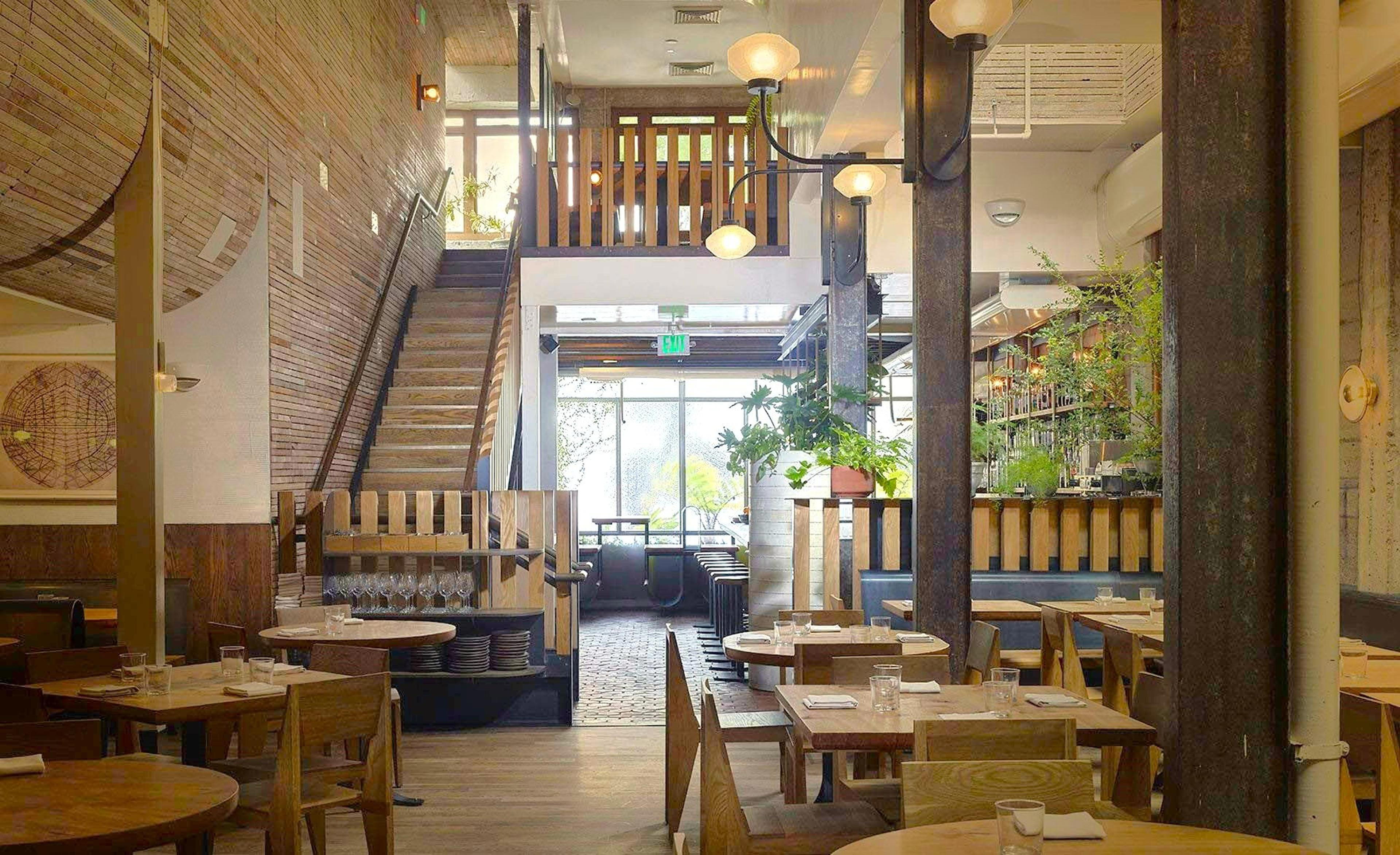
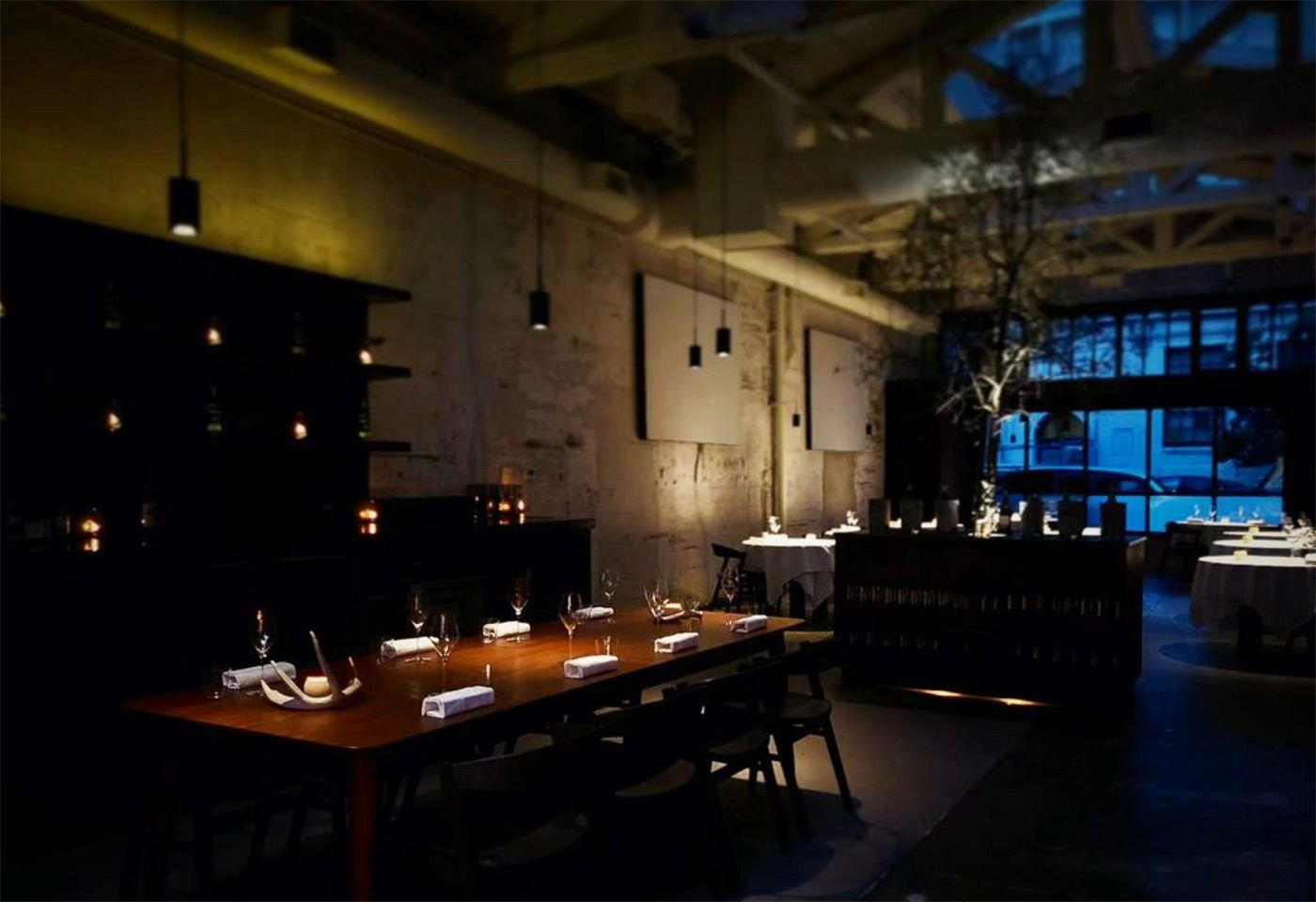
Bars in San Francisco
All bars in San Francisco →

Details
- Casual
- Cozy
- Casual Hangout
- Family
- A La Carte
- Vegetarian Friendly
Current opening hours
- Monday
- 11 AM–9 PM
- Tuesday
- 11 AM–9 PM
- Wednesday
- 11 AM–9 PM
- Thursday
- 11 AM–9 PM
- Friday
- 11 AM–9 PM
- Saturday
- 11 AM–9 PM
- Sunday
- 11 AM–9 PM
Hours can change for holidays and private events. Hours as of .
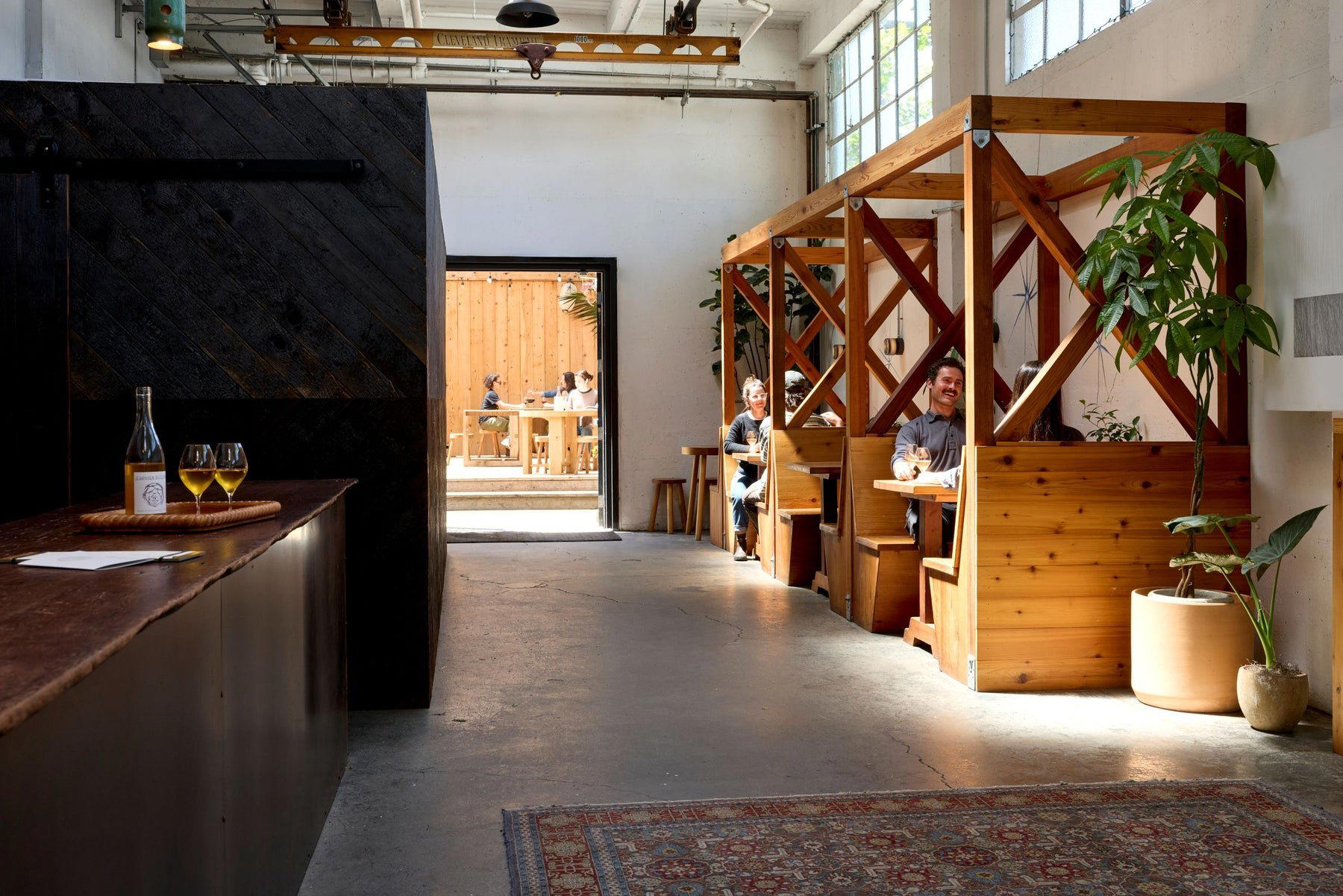
Warm and welcoming casual atmosphere with counter ordering.