Fiorentino e Locanda del Giglio
.png)
A Michelin Plate-recognised trattoria in the walled Renaissance town of Sansepolcro, Fiorentino e Locanda del Giglio holds a 4.6 rating across nearly a thousand Google reviews while keeping prices in the single-euro bracket. The kitchen draws on the agricultural traditions of the upper Tiber Valley, placing it in the locality-first strand of Tuscan cooking that values provenance over presentation spectacle.
 Discover on Pearl
Pearl is the En Primeur Club membership app — saves, bookings, and concierge access live there. Same editors, same standards.
- Address
- Via Luca Pacioli, 60, 52037 Sansepolcro AR, Italy
- Phone
- +39 0575 742033
- Website
- ristorantefiorentino.it
Where the Upper Tiber Valley Comes to the Table
Sansepolcro occupies a quiet corner of eastern Tuscany that most itineraries skip in favour of Arezzo or Cortona. The town sits in the Valtiberina, the upper reach of the Tiber before it descends toward Rome, and its agricultural character shapes what ends up on restaurant tables here in ways that bigger, more tourist-facing Tuscan towns tend to obscure. Walking along Via Luca Pacioli toward Fiorentino e Locanda del Giglio, you are already inside a kind of culinary argument: that the Val Tiberina's chestnut forests, river-fed pastures, and smallholder grain traditions produce ingredients worth taking seriously on their own terms, without the augmentation that higher-budget kitchens often feel compelled to apply.
The restaurant has held a Michelin Plate in both 2024 and 2025, a recognition that signals consistent kitchen quality without implying the creative-tasting-menu ambitions of the starred tier. At the two-euro price range, it operates in a different register from the Michelin three-starred rooms that anchor Italy's fine-dining conversation, places like Enoteca Pinchiorri in Florence, Osteria Francescana in Modena, or Le Calandre in Rubano. That gap in price and format is the point, not a limitation. The Plate designation at this price point reflects a different kind of kitchen discipline: the ability to deliver consistent quality from a short, seasonally responsive supply chain rather than from the networks of specialist importers and luxury producers that feed starred operations.
Ingredient Logic in a Landlocked Valley
The Valtiberina's food identity rests on a few durable pillars. Chestnut flour has been a staple crop across the Apennine margins of this region for centuries, shaping pasta, bread, and desserts in ways that distinguish local tables from the more familiar bean-and-wild-boar shorthand of broader Tuscan cooking. The valley's cattle and sheep graze terrain that changes quickly with altitude, producing milk and meat with a flavour profile tied to specific pasture rather than to industrial feed. Tobacco was, until recently, a significant commercial crop in the valley, and the smallholder farming culture it sustained left behind a patchwork of mixed-use land that continues to supply local markets with produce that reaches a table like Fiorentino e Locanda del Giglio with minimal intermediary distance.
This kind of locality-first sourcing framework is not unique to Sansepolcro among Italian cooking traditions, but it operates differently here than in, say, the southern Tuscan terroir-driven restaurants around Montemerano, where Caino has built a Michelin-starred identity on the Maremma's specific larder. In the Valtiberina, the argument is less aggressively articulated and more simply lived. Ingredients from this valley appear on the plate because they are what the valley produces, not because sourcing them makes a statement. That distinction in register matters when you are calibrating what kind of dining experience a place like Fiorentino e Locanda del Giglio is trying to provide.
The Tuscan Trattoria Tier in Context
Italy's Michelin Plate category covers a wide spectrum, from ambitious trattorias punching toward a star to direct neighbourhood rooms with reliable kitchens. Fiorentino e Locanda del Giglio's 4.6 score across 1011 Google reviews positions it comfortably in the former group: a place where the volume of feedback and the consistency of its rating suggest a kitchen that handles regular, repeat custom without the peaks and troughs common to restaurants that calibrate for occasional, destination-driven visitors.
Across Tuscany, this tier of cooking has produced some of the region's most discussed addresses. L'Asinello in Castelnuovo Berardenga represents another locality-rooted kitchen in the Chianti Senese, working different agricultural raw material but operating from a comparable commitment to what the immediate territory supplies. The comparison is useful not because the two restaurants are interchangeable but because it locates Fiorentino e Locanda del Giglio in a pattern of Tuscan cooking that values the specific over the general, the seasonal over the permanent, and the proximate over the imported.
Further afield, the ingredient-sourcing philosophy that runs through places like Atelier Moessmer Norbert Niederkofler in Brunico or Reale in Castel di Sangro has been built into explicit tasting-menu narratives with starred recognition. What Fiorentino e Locanda del Giglio represents is the same underlying logic at a more accessible price point and in a less publicised territory, which partly explains why the dining room serves a majority local clientele alongside visitors who seek it out deliberately.
Planning a Visit
Sansepolcro is accessible from Arezzo by road in under an hour, and the town itself rewards a half-day or full-day stop that combines the Museo Civico, home to Piero della Francesca's Resurrection, with lunch or dinner on Via Luca Pacioli. The restaurant's address places it within the historic centre, walkable from the main piazza. The two-euro price range makes it accessible for a midday meal without the financial commitment of a longer tasting format, and the combination of Michelin recognition and more than a thousand Google reviews means it carries more advance research from informed visitors than a comparable room in a less historically significant town might attract. Booking ahead is advisable, particularly in summer and during the autumn harvest period when the Valtiberina's agricultural calendar generates local demand for the kitchen's seasonal output.
Quick Comparison
Comparable venues nearby, for context on price, style, and recognition.
| Venue | Cuisine | Price | Awards | Notes |
|---|---|---|---|---|
| Fiorentino e Locanda del GiglioThis venue — the venue you are viewing | Traditional Tuscan | $$ | Michelin Plate | |
| L'Officina | Modern Italian Fine Dining | $$ | Michelin Plate | Corso Cavour |
| Il Molo | Contemporary Italian Lake Fish | $$$ | Michelin Plate | Passignano sul Trasimeno |
| Trattoria del Cimino dal 1895 | Traditional Italian Trattoria | $$ | Michelin Plate | Caprarola |
| Trattoria 'petito | Romagnola Trattoria | $$ | Michelin Plate | centro storico |
| Osteria Il Maialetto | Tuscan Steakhouse Osteria | $$ | Michelin Plate | Monsummano Terme |
Continue exploring
More in Sansepolcro
Restaurants in Sansepolcro
Browse all →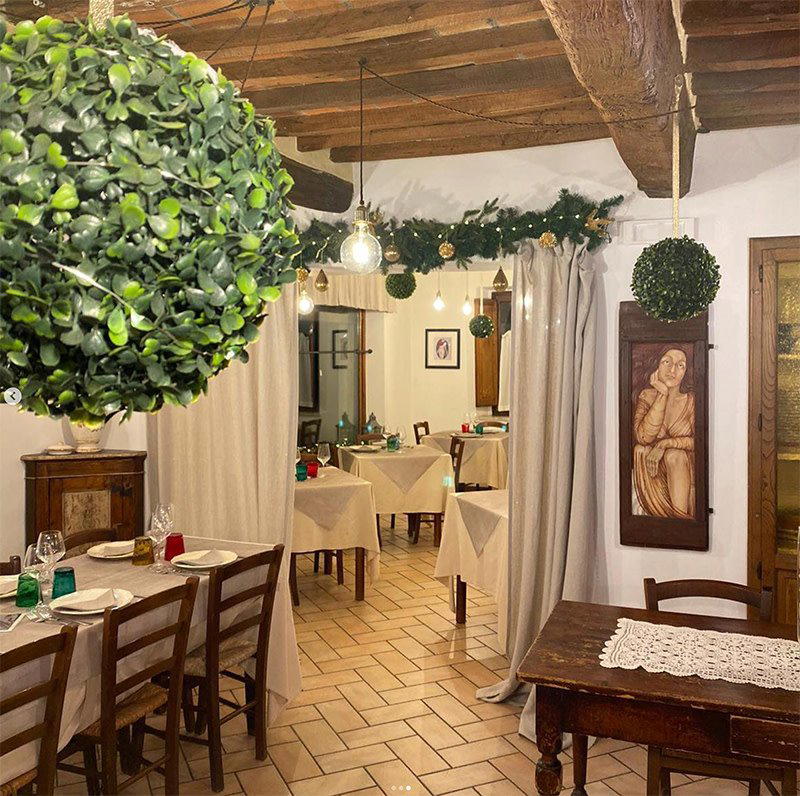
Hotels in Sansepolcro
Browse all →
Wineries in Sansepolcro
Browse all →
At a Glance
- Classic
- Cozy
- Rustic
- Elegant
- Intimate
- Family
- Group Dining
- Date Night
- Celebration
- Historic Building
- Open Kitchen
- Terrace
- Extensive Wine List
- Local Sourcing
- Street Scene
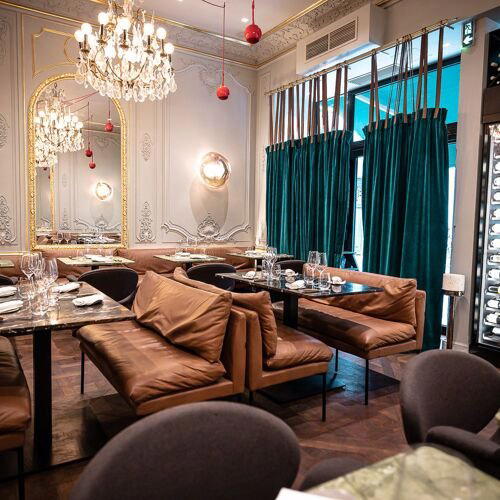
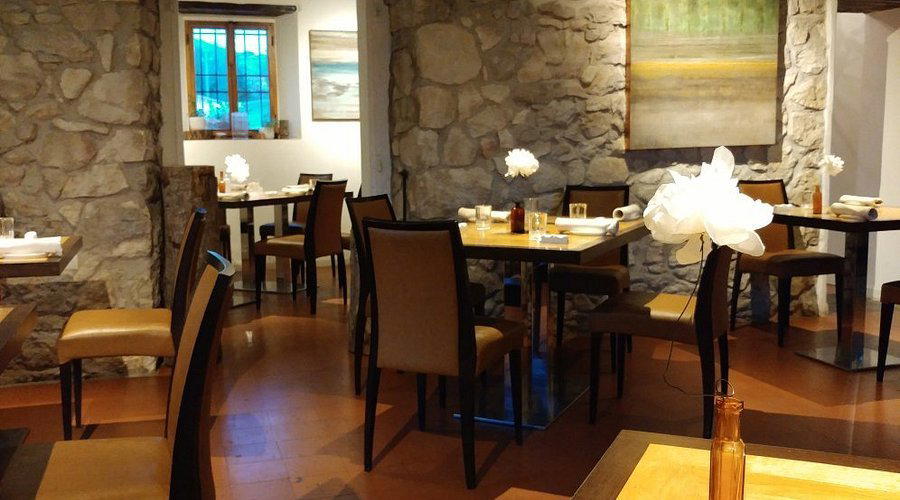
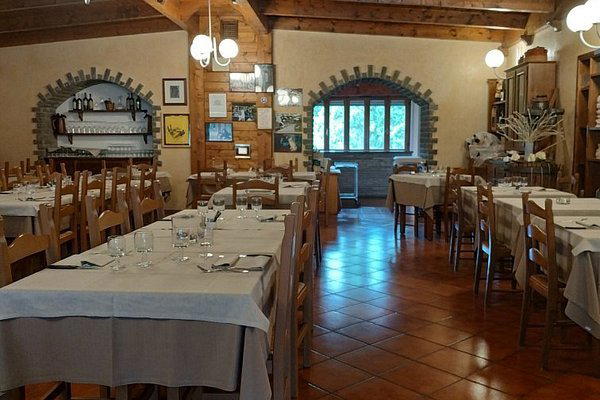
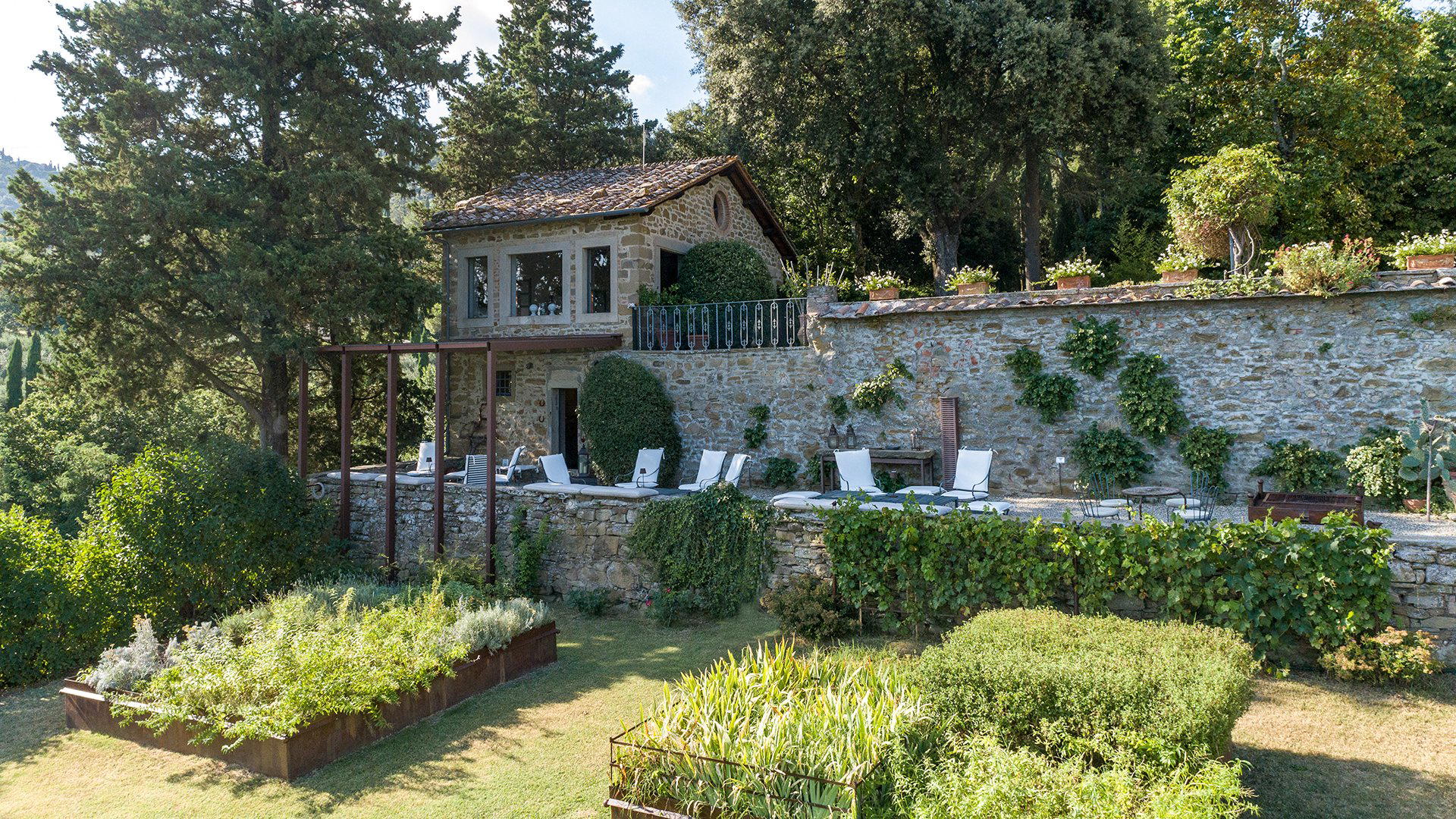
Warm, welcoming upstairs dining rooms in a historic palazzo with elegant decorations, massive wooden beams, and a familial, informal atmosphere.