Filippo Ristorante
Filippo Ristorante sits at 283 Causeway Street, at the edge where Boston's West End meets the North End's Italian-American corridor. The address places it outside the Hanover Street tourist circuit and inside a longer tradition of neighbourhood Italian cooking rooted in frugal, ingredient-led technique. It is a reference point for the area's local dining community rather than a destination engineered for visitor traffic.
Pearl is the En Primeur Club membership app — saves, bookings, and concierge access live there. Same editors, same standards.
- Address
- 283 Causeway St, Boston, MA 02114
- Phone
- +16177424143
- Website
- filippori.st
- Directions
- Get directions
 Saves & bookings on Pearl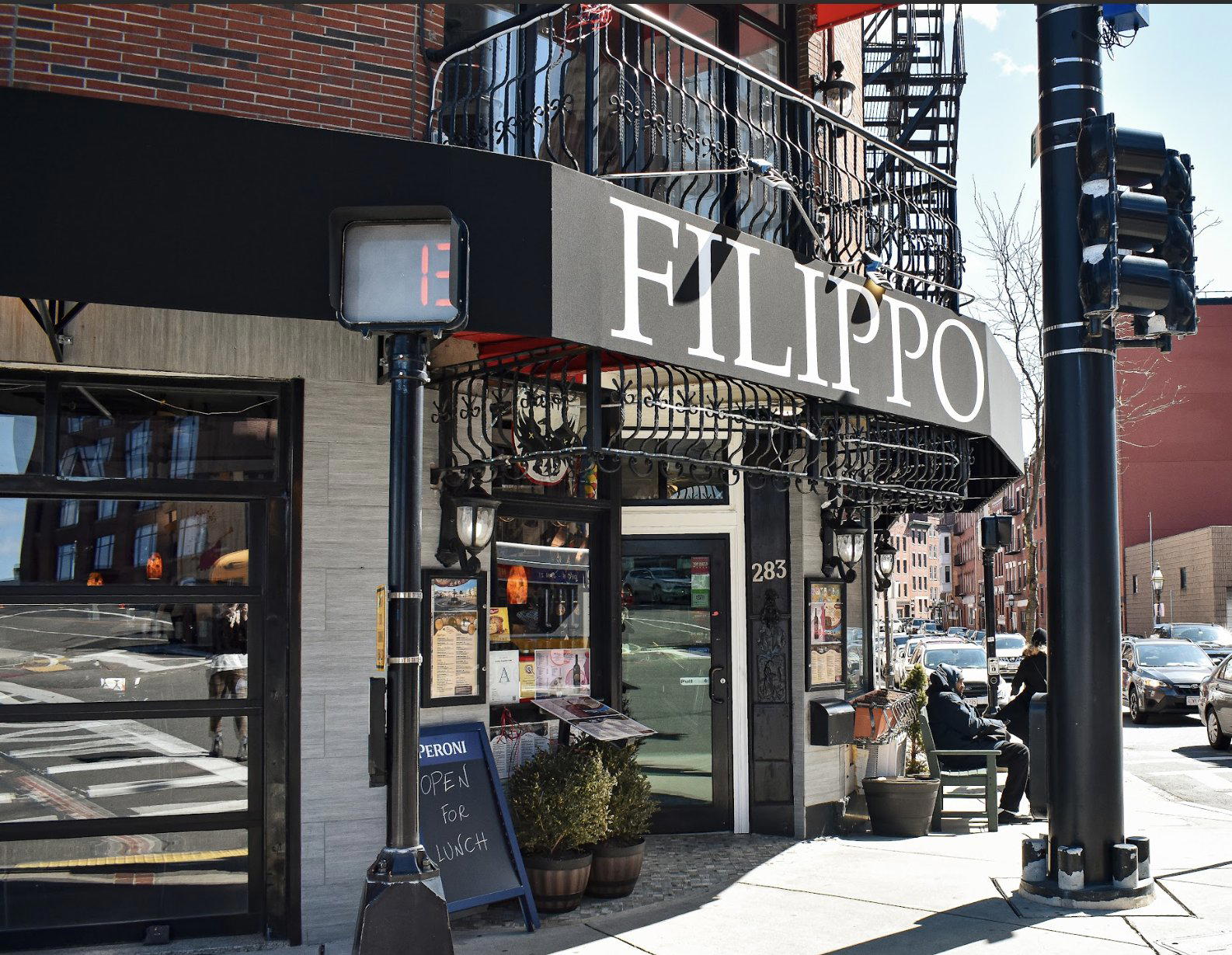
Causeway Street, North End Edge, and the Italian-American Tradition
Causeway Street sits at a transit seam in Boston, where the old FleetCenter footprint meets the West End and the North End's Italian residential corridor begins to loosen its grip. The address at 283 Causeway places Filippo Ristorante in a neighbourhood defined less by dining destination traffic than by locals with long institutional memories. Italian-American cooking in this corridor has always operated differently from the red-sauce set pieces that tourists seek out two blocks south on Hanover Street. Filippo occupies that harder-to-categorise zone: a Causeway Street dining room that draws from the same immigrant culinary tradition but operates at remove from the tourist loop.
That geographic positioning matters when thinking about Italian dining in Boston more broadly. The North End and its immediate borders contain one of the densest concentrations of Italian-American restaurants in the northeastern United States, a fact that makes genuine differentiation difficult and competitive pressure constant. For Italian restaurants operating in this city, longevity often signals consistent community patronage and a stable kitchen operation.
Italian Cooking and the Sourcing Question
Italian cuisine as a tradition has long reflected practical sourcing and waste reduction. Classic Italian-American cooking, at its most grounded, always drew on waste-reduction instincts: whole animals broken down across multiple preparations, dried legumes stretched across the week, bread repurposed into panzanella or breadcrumbs rather than discarded. That frugal intelligence was not a marketing position. It was economic necessity transported from southern Italy and Sicily to the kitchens of Boston, New York, and New Orleans, and it persisted in neighbourhood restaurants long after it became unfashionable in larger hospitality operations.
The contemporary dining industry has rediscovered these principles under different language. Restaurants like Blue Hill at Stone Barns in Tarrytown and Single Thread Farm in Healdsburg have built tasting-menu formats around farm-to-table sourcing and waste minimisation, earning significant critical recognition in the process. Smyth in Chicago applies similar thinking at the chef's counter level. These are lauded modern expressions of principles that Italian neighbourhood kitchens were running quietly for generations. The conversation about ethical sourcing in American dining is, in part, a rediscovery of what immigrant cooking already knew.
At the neighbourhood Italian level in Boston, the sourcing story is practical rather than formalized. Proximity to the Seaport and the historic fish markets of the North End has historically given Italian restaurants in this corridor access to fresh seafood on short supply chains. The New England coast remains one of the more traceable protein sourcing environments in American dining, with the region's fishing industry subject to federal and state oversight that creates at least a baseline of accountability. Italian kitchens in this area have always had reason to work with that supply rather than against it.
Where Filippo Sits in Boston's Italian Dining Field
Boston's Italian dining field spans a wide range of formats and price points. At the neighbourhood end, you have long-standing Italian-American institutions in the North End proper. At the other end, the city's broader fine-dining circuit occasionally incorporates Italian influence. Agosto, with its Portuguese-inspired fine-dining chef's counter, represents the kind of tasting-menu rigour that sits at a different tier entirely from neighbourhood Italian. Abe and Louie's and 75 on Liberty Wharf represent other parts of the city's dining spectrum entirely.
Filippo occupies the middle tier of this field: a full-service dining room drawing a clientele that is less tourist-dependent than the Hanover Street corridor. The comparison set here is not Le Bernardin in New York City or The French Laundry in Napa, nor the omakase precision of 311 Omakase nearby. The relevant peers are neighbourhood Italian-American rooms with some longevity and a cooking approach rooted in tradition rather than trend-chasing.
Causeway Street is a different dining proposition than the Seaport addresses of 1928 Rowes Wharf, and the neighbourhood context shapes what you should expect from a meal here.
Internationally, restaurants that have formalised sustainability within the Italian-adjacent fine-dining conversation include Atelier Moessmer Norbert Niederkofler in Brunico, which has built a program around Alpine sourcing ethics. At the American end, Providence in Los Angeles applies sustainable seafood sourcing at a high-recognition level, and Addison in San Diego has received attention for its farm-sourcing commitments. Lazy Bear in San Francisco, Emeril's in New Orleans, The Inn at Little Washington, and Atomix in New York City each represent different approaches to responsible dining at various price points. Filippo operates below that recognition tier, but the cooking is drawn from the same tradition of resourceful, ingredient-led Italian cooking.
Know Before You Go
| Address | 283 Causeway St, Boston, MA 02114 |
|---|---|
| Neighbourhood | West End / North End border, Causeway Street corridor |
| Reservations | Reservations recommended |
| Hours | Mon: 11 AM-10 PM; Tue: 11 AM-10 PM; Wed: 11 AM-10 PM; Thu: 11 AM-10 PM; Fri: 11 AM-10:30 PM; Sat: 11 AM-10:30 PM; Sun: 11 AM-9 PM |
| Price range | About $40 per person |
| Parking | TD Garden garage nearby; MBTA Green and Orange lines at North Station within walking distance |
Comparison Snapshot
Comparable venues nearby, for context on price, style, and recognition.
| Venue | Cuisine | Price | Notes |
|---|---|---|---|
| Filippo RistoranteThis venue — the venue you are viewing | Classic Abruzzese Italian | $$$ | Not listed |
| Strega | Authentic Italian & Steakhouse | $$$ | North End |
| Tony & Elaine's | Red Sauce Italian | $$$ | North End |
| Lucca | Northern Italian Tuscan | $$$ | North End |
| Cantina Italiana | Traditional Italian-American | $$$ | North End |
| Mast | Authentic Neapolitan Pizza & Southern Italian | $$ | Downtown Crossing |
Continue exploring
More in Boston
Restaurants in Boston
Browse all →
Bars in Boston
Browse all →
Hotels in Boston
Browse all →

Wineries in Boston
Browse all →
At a Glance
- Classic
- Cozy
- Elegant
- Group Dining
- Special Occasion
- Business Dinner
- Historic Building
- Extensive Wine List
- Street Scene
Current opening hours
- Monday
- 11 AM–10 PM
- Tuesday
- 11 AM–10 PM
- Wednesday
- 11 AM–10 PM
- Thursday
- 11 AM–10 PM
- Friday
- 11 AM–10:30 PM
- Saturday
- 11 AM–10:30 PM
- Sunday
- 11 AM–9 PM
Hours can change for holidays and private events. Last verified .
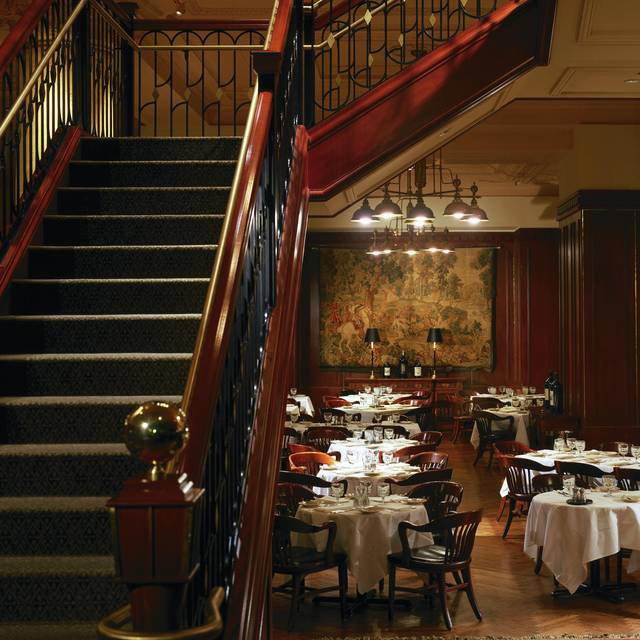
Renaissance-style dining room with wall art creating a cozy, informal yet elegant atmosphere.