DeLorean occupies a courtyard address on Kauppakatu in central Jyväskylä, placing it inside a city that has quietly built one of Finland's more interesting mid-size dining scenes. The venue sits at an address where the surrounding built environment does as much editorial work as the menu. For visitors working through Finnish regional dining beyond the Helsinki corridor, it warrants attention.
 Discover on Pearl
Pearl is the En Primeur Club membership app — saves, bookings, and concierge access live there. Same editors, same standards.
- Address
- Kauppakatu 35 (Kauppalaispiha, 40100 Jyväskylä, Finland
- Phone
- +358503200008
- Website
- deloreanjkl.fi
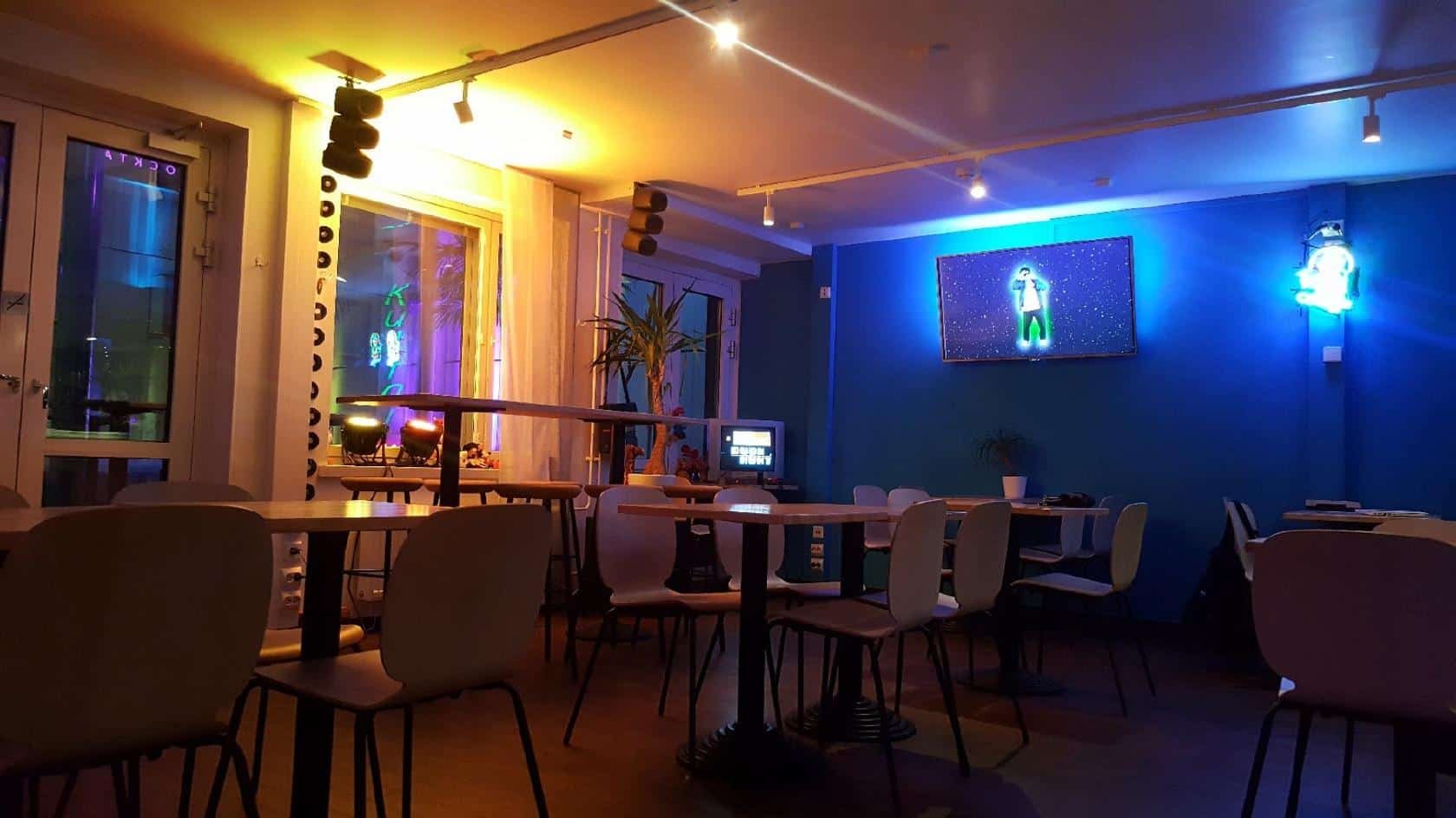
Kauppalaispiha and the Architecture of a Finnish Courtyard Dining Scene
Jyväskylä occupies an odd position in Finnish food culture: large enough to support genuine ambition, small enough that the dining scene remains tied to local rhythms rather than tourism cycles. Kauppakatu, the city's main commercial artery, anchors much of that activity, and the Kauppalaispiha courtyard at number 35 represents the kind of address that tends to collect independent operators rather than chain formats. Arriving through a courtyard entrance rather than a street-facing door changes the register of a meal before you have sat down. The spatial compression of a courtyard, the sense of having stepped off the main flow, shifts expectations toward something more deliberate. DeLorean occupies this address, which places it in a category of venues where the physical framing is part of the argument.
Finland's mid-size cities have gone through a recognisable pattern over the past decade: a first wave of Nordic-influenced fine dining that mimicked Helsinki templates, followed by a more locally grounded second wave that connected regional ingredient sourcing to less formal formats. Jyväskylä has tracked that arc. For context on what the Helsinki end of the spectrum looks like, venues such as Palace in Helsinki represent the capital's most formal tier, while Kaskis in Turku shows how a regional city can build a credible fine-dining identity around New Nordic sourcing principles. DeLorean operates in Jyväskylä's own register, distinct from both.
Ingredient Geography in Central Finland
The editorial angle that matters most in understanding Central Finnish dining is ingredient geography. The region sits in a zone where boreal forest, lake systems, and agricultural land intersect at a density that gives local kitchens access to a specific pantry: freshwater fish from the lake network, game from surrounding forests, root vegetables from farms that operate on short growing seasons, and foraged materials that vary sharply by month. This is not abstract localism. The Central Finland larder differs materially from coastal Finnish sourcing, where Baltic fish and archipelago produce dominate, and from Lapland's reindeer-and-berry register further north.
What this means in practice is that kitchens working seriously with Central Finnish ingredients are drawing from a stock that includes perch, pike, and vendace from the lake system rather than coastal species, alongside mushrooms, berries, and roots that reflect an interior boreal ecology. Venues in other Finnish cities that have built reputations on sourcing specificity include VÅR in Porvoo, which operates in a different coastal register, and Musta lammas in Kuopio, which sits closer to DeLorean's lake-district geography. The comparison is instructive: Kuopio and Jyväskylä face similar sourcing conditions, and the kitchens that work within those conditions rather than importing around them tend to produce cooking that reads as distinctly of its place.
For a sense of how Finnish lakeland ingredients travel into more formally structured tasting menus, Lucy in the sky in Espoo and Popot in Lahti represent two different interpretations of that material in southern Finnish contexts. Internationally, the sourcing-led format that Finnish kitchens often reference has counterparts at venues such as Lazy Bear in San Francisco, where a commitment to provenance shapes both menu structure and guest communication.
The Jyväskylä Dining Context
Jyväskylä's restaurant scene is more varied than its size and location would suggest to an outside visitor. The city has a student population through the University of Jyväskylä that creates demand for a wider range of formats than a purely commercial city of similar scale would support. That demographic pressure has historically kept price points more accessible and encouraged experimentation at the lower end, while a separate tier of more considered dining has developed for a professional and visitor market. Pöllöwaari in Jyväskylä occupies one position in that ecosystem, and Figaro represents another angle on what the city's dining range covers. DeLorean at Kauppalaispiha adds a courtyard-set option to a scene where the physical environment of a venue still does meaningful differentiation work.
Across the broader Finnish interior, venues worth mapping as regional comparators include Filipof in Joensuu and Hejm in Vaasa, both of which illustrate how different regional cities have built distinct dining identities. The lake and forest belt that runs through Jyväskylä also connects to venues further afield: Gösta in Mänttä and Viinitupa Vuorenmaja in Mänttä sit within the same interior geography, and Aurora Restaurant in Luosto shows how the northern extension of that belt handles a completely different seasonal and ingredient logic. For a Tampere comparison that shares some of the same industrial-city-turned-food-destination dynamic, Gastropub Tuulensuu in Tampere is worth examining. At the international end of the spectrum, the sourcing rigour that defines the leading Nordic-influenced kitchens finds expression in venues like Le Bernardin in New York City and Hai Long in Rovaniemi, which approach ingredient provenance from entirely different traditions.
Planning a Visit
Kauppakatu 35 is in the pedestrian core of central Jyväskylä, accessible on foot from the main train station in under ten minutes. The Kauppalaispiha courtyard entrance means you are looking for the passage off the main street rather than a shopfront. DeLorean is recommended for reservations, and its current opening hours are Wed to Sun, 6 PM to 2 AM.
Fast Comparison
Comparable venues nearby, for context on price, style, and recognition.
Continue exploring
More in Jyväskylä
Restaurants in Jyväskylä
Browse all →
At a Glance
- Trendy
- Modern
- Energetic
- Date Night
- Casual Hangout
- After Work
- Open Kitchen
- Craft Cocktails
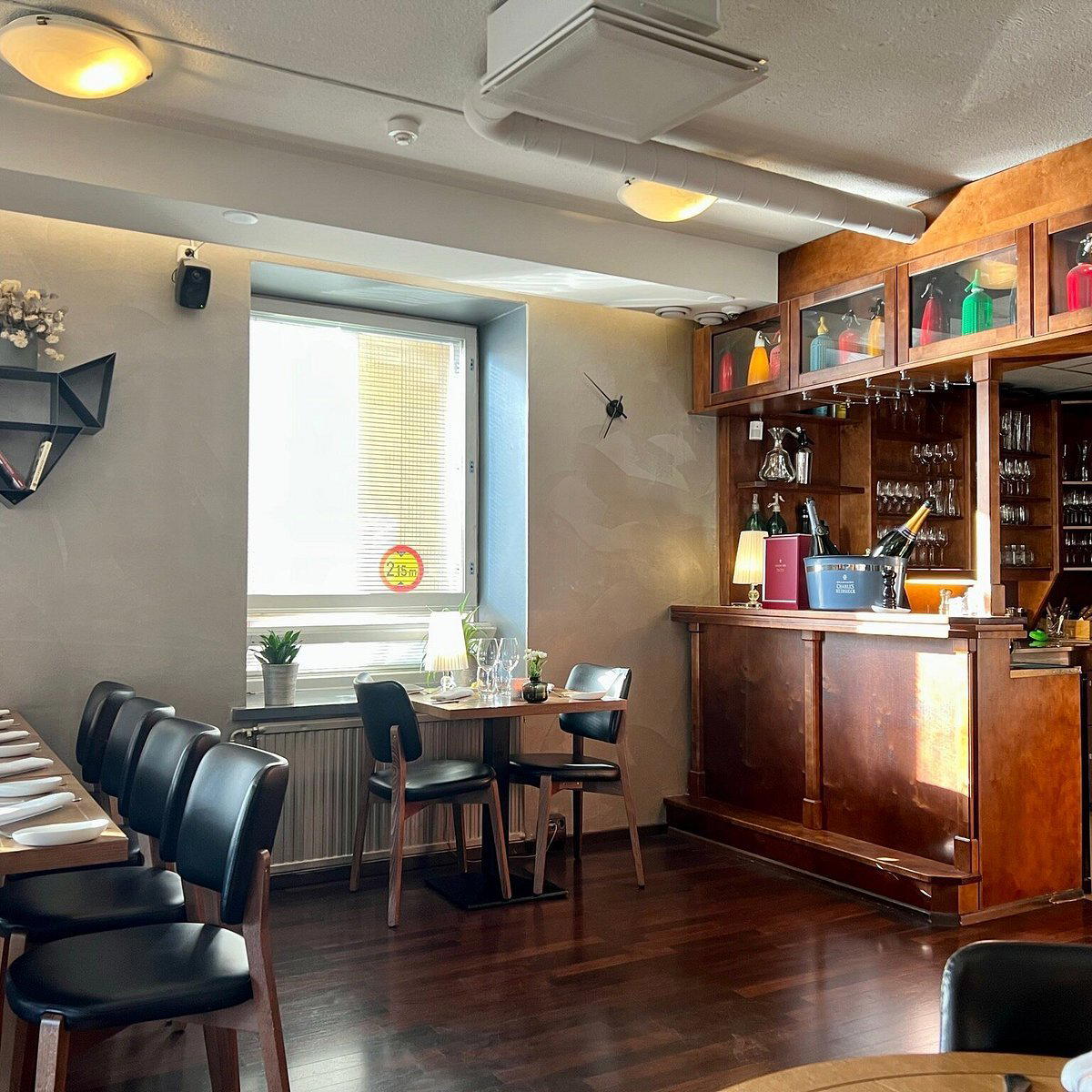
Pastel-colored neon glow evoking 1980s retro vibe with vibrant, bustling atmosphere.