.png)
On the edge of El Pardo, minutes from central Madrid, Filandón holds consecutive Michelin Plate recognition for a kitchen anchored in traditional Spanish technique. Fish arrives daily from Pescaderías Coruñesas, grilled meats and rice dishes round out a focused menu, and the rustically styled dining rooms, one of them an open terrace, make the short drive from the city feel deliberate rather than incidental.
 Discover on Pearl
Pearl is the En Primeur Club membership app — saves, bookings, and concierge access live there. Same editors, same standards.
- Address
- Carr. de El Pardo a Fuencarral, Km. 1.9, Fuencarral-El Pardo, 28049 Madrid, Spain
- Phone
- +34 917 34 38 26
- Website
- filandon.es
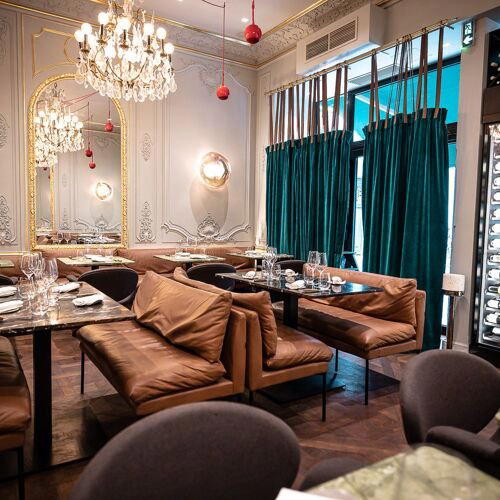
Where the City Ends and the Countryside Begins
The road out toward El Pardo changes character quickly. Within a few kilometres of Madrid's northern fray, the density drops, the trees close in, and the restaurants start to look as though they belong to the land rather than the street grid. Filandón sits at Km 1.9 of the Carretera de El Pardo a Fuencarral, a position that places it firmly in that transitional zone where the capital dissolves into monte. Arriving here feels like a deliberate choice rather than a casual detour, and the kitchen respects that intent: this is a place people plan to visit, not stumble upon.
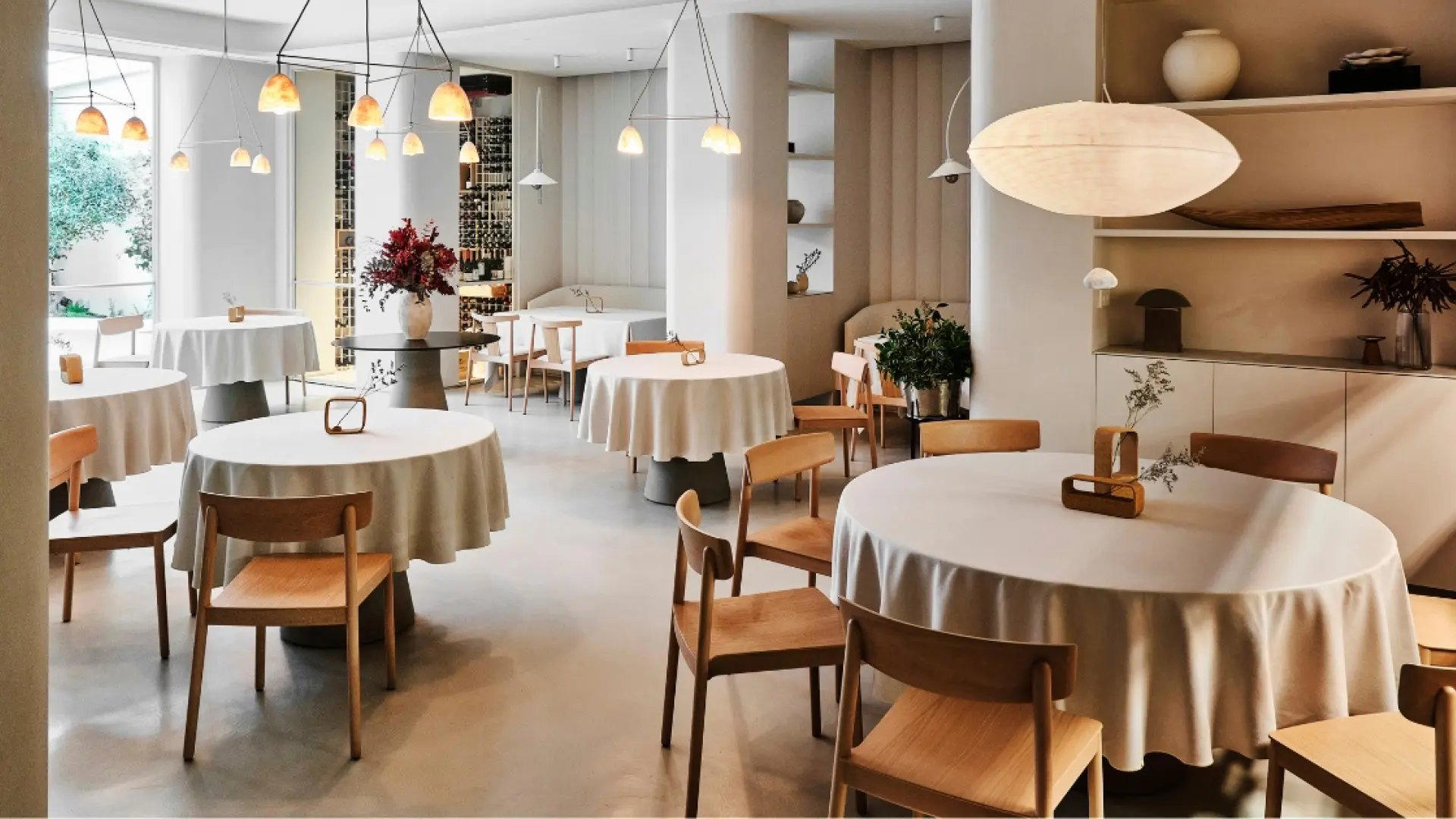
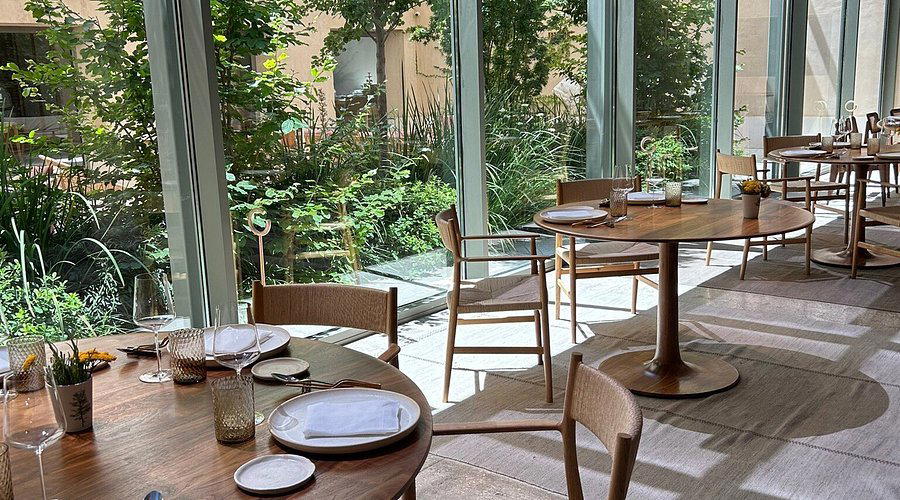
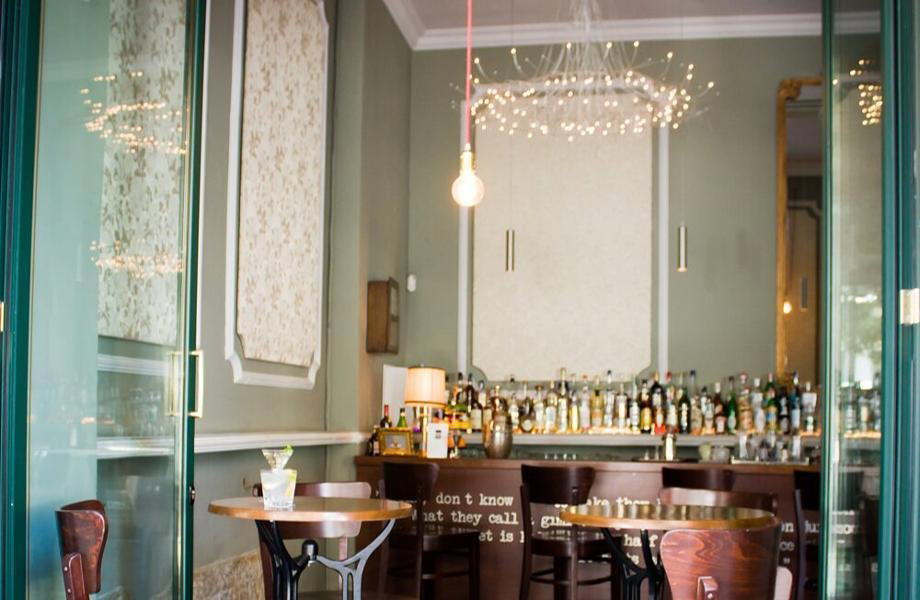
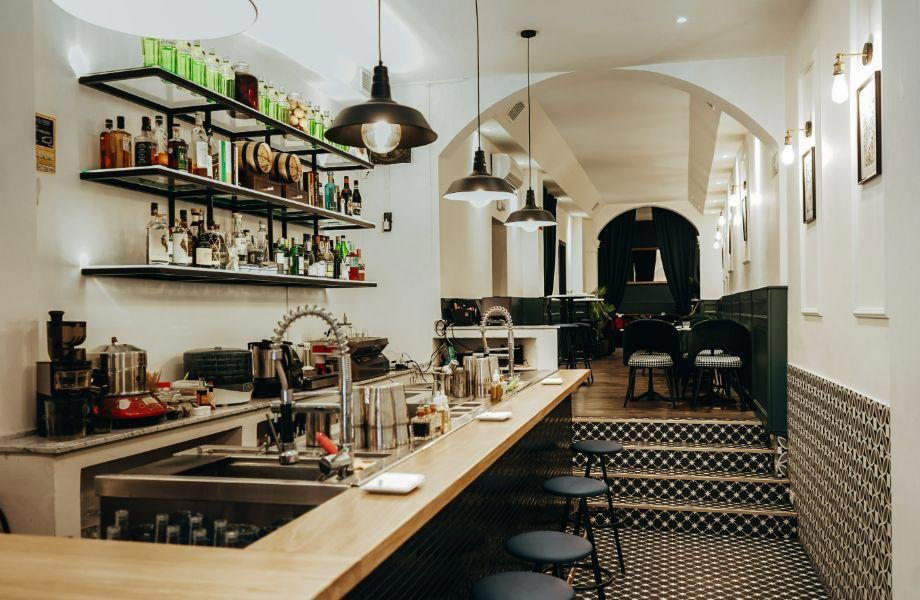
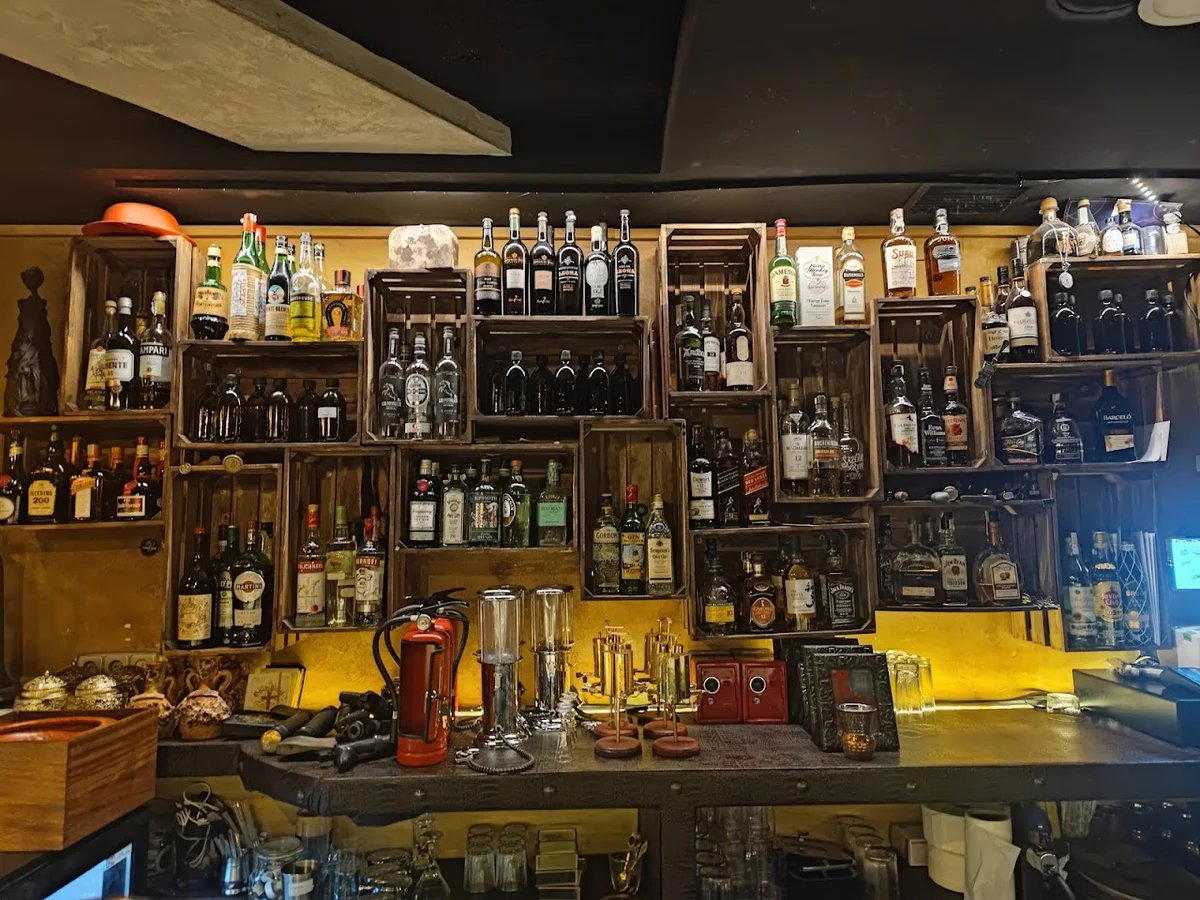
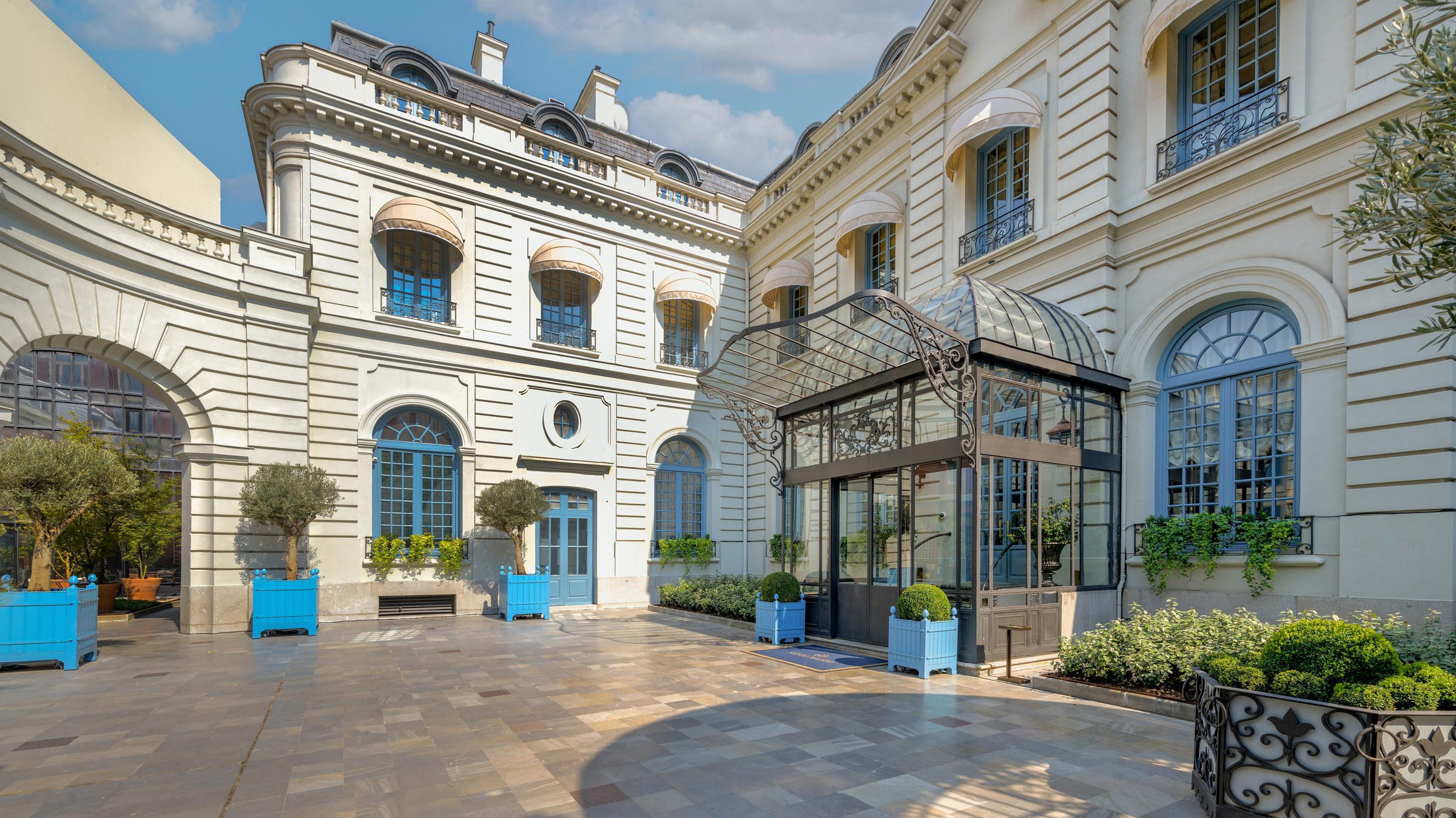
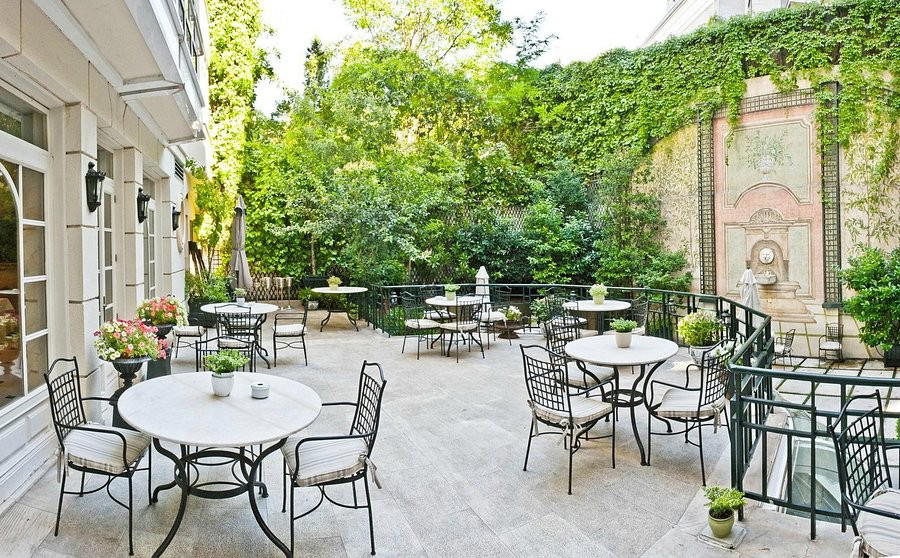
The dining rooms carry a rustically inspired aesthetic, with a terrace that pulls some of the surrounding countryside into the meal itself. On the right afternoon, spring through early autumn, when the light through El Pardo's oak woodland sits low and amber, the terrace shifts the experience considerably. The physical setting is, in itself, an editorial statement about what kind of restaurant this is: not a room that competes with Madrid's central fine-dining circuit, but one that offers a different register entirely.
The Michelin Plate and What It Actually Signals
Filandón has held the Michelin Plate in both the 2024 and 2025 editions of the Spain and Portugal guide. The Plate, introduced by Michelin in 2016, denotes restaurants that prepare food to a consistently high standard without necessarily meeting the criteria for a star. In practical terms, it marks a kitchen that the Guide's inspectors consider worth the journey and worth returning to. Consecutive recognition over two editions suggests that consistency rather than a single outstanding visit is driving the credential.
Within Madrid, the Michelin spectrum runs from three-star operations like Alcotán and the progressive intensity of venues operating at the €€€€ tier, down through starred neighbourhood restaurants to Plate-level kitchens where the proposition is execution and ingredient quality rather than conceptual ambition. Filandón belongs to that latter group by design. Its price range (€€€) positions it clearly: above the casual neighbourhood table, below the tasting-menu circuit. For comparable Madrid dining, Amparito Roca, Ayantar, and Bambú occupy a broadly similar tier, though each with different geographic and culinary emphasis. Filandón's distinction lies in its location and its explicit commitment to traditional technique over contemporary re-invention.
Across Spain, the Michelin Plate format surfaces in some interesting contexts. Auga in Gijón holds the designation in the seafood-heavy Asturian context, while in France, Auberge Grand'Maison in Mûr-de-Bretagne demonstrates how the same recognition applies equally to regional French traditional kitchens. What connects these venues is a shared editorial posture: the cooking references a tradition and delivers it rigorously, rather than arguing for a new one.
The Kitchen's Logic: Ingredient Sourcing Over Invention
The clearest signal about Filandón's priorities comes from its supply chain. Fish arrives daily from Pescaderías Coruñesas, a Madrid-based supplier with a long-standing reputation for quality and provenance across the city's serious fish restaurants. The relationship is not incidental. Kitchens that name their fish supplier in this way are advertising a sourcing commitment, not a preparation philosophy. What Pescaderías Coruñesas provides varies with the season and the catch; what it guarantees is that the fish on the plate arrived that morning.
The menu structure beyond fish includes select cuts of meat and rice dishes, with much of the cooking executed on the grill. This framing, daily fish, quality meat, rice, live fire, is a legible vocabulary in Spanish traditional cuisine. It is the grammar of the asador tradition applied with some geographical flexibility: not the strict lamb and suckling pig of Castile's wood-fired ovens, but a version of that same instinct toward prime material and direct heat. The approach keeps the kitchen from requiring constant menu reinvention while demanding consistent sourcing discipline.
For readers who want to cross-reference where Spanish cooking reaches its most technically ambitious registers, the starred houses provide useful contrast: Arzak in San Sebastián, Azurmendi in Larrabetzu, Martín Berasategui in Lasarte-Oria, El Celler de Can Roca in Girona, and Aponiente in El Puerto de Santa María represent the country's experimental tier. Cocina Hermanos Torres in Barcelona sits at a comparable distance from tradition but with different methodology. Filandón makes no argument with any of them; it occupies a different space and makes no pretence otherwise.
The Audience and the Occasion
A Google rating of 4.3 across 11,283 reviews is a data point worth examining carefully. At that volume, sentiment is structural rather than anecdotal. A score above 4.3 sustained over several thousand reviews indicates consistent performance across a wide range of visiting parties and occasions. It also suggests the kitchen does not depend on a narrow demographic of enthusiasts for its reputation: the numbers are too large for that. Filandón draws from the broader Madrid dining public, not only from those tracking Michelin Plate recipients.
The setting frames the audience naturally. The El Pardo location positions Filandón as a destination for long lunches rather than quick dinners. Spanish dining culture, particularly outside the urban centre, tilts heavily toward the extended midday meal on weekends, when families and groups are willing to drive for the combination of good food and a quieter table. The terrace amplifies this tendency. Casa de Comidas in central Madrid represents the urban version of the same traditional-cuisine tradition; Filandón offers the countryside variant, with the added space and the different rhythm that entails.
Know Before You Go
| Location | Carr. de El Pardo a Fuencarral, Km. 1.9, Fuencarral-El Pardo, 28049 Madrid |
|---|---|
| Price Range | €€€ |
| Recognition | Michelin Plate 2024, Michelin Plate 2025 |
| Cuisine | Traditional Spanish, grill-focused, daily fresh fish |
| Fish Supplier | Pescaderías Coruñesas (daily delivery) |
| Setting | Rustic interior dining rooms plus terrace; countryside edge of El Pardo |
| Google Rating | 4.4 / 5 (10,767 reviews) |
| Booking |
Peers in This Market
Comparable venues nearby, for context on price, style, and recognition.
| Venue | Cuisine | Price | Notes |
|---|---|---|---|
| FilandónThis venue — the venue you are viewing | Traditional Spanish Grill | $$$ | |
| Rocacho Plaza | Spanish Grill & Mediterranean | $$$ | Hispanoamerica |
| Poncio WM | Modern Andalusian Tapas | $$$ | Nino Jesus |
| Desborre | Modern Traditional Spanish | $$$ | Palacio |
| La Barra de la Tasquería | Modern Spanish Offal Tasting Menu | $$$ | Goya |
| Bugao Madrid | Modern Spanish Seafood with Ceuta Influences | $$$ | Castellana |


At a Glance
- Rustic
- Cozy
- Serene
- Elegant
- Family
- Celebration
- Business Dinner
- Terrace
- Garden
- Open Kitchen
- Extensive Wine List
- Garden
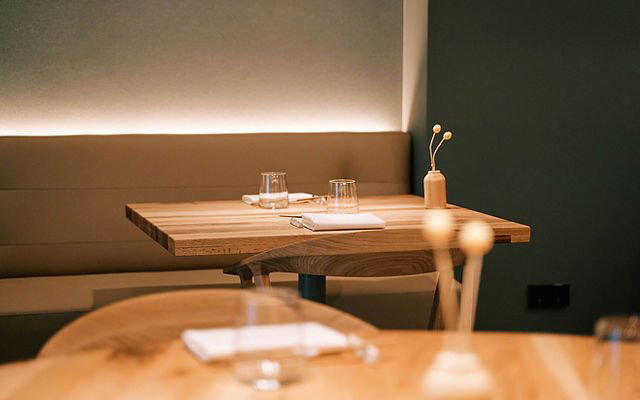
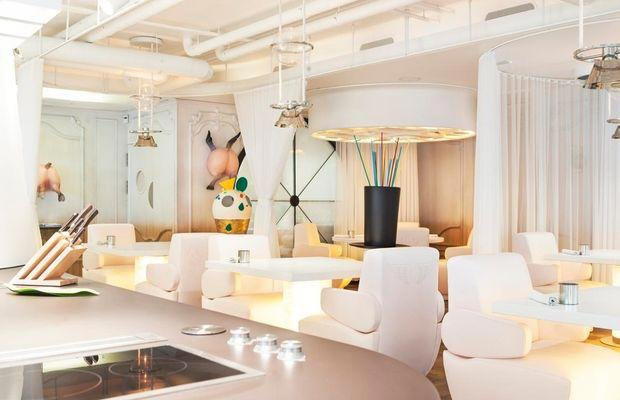
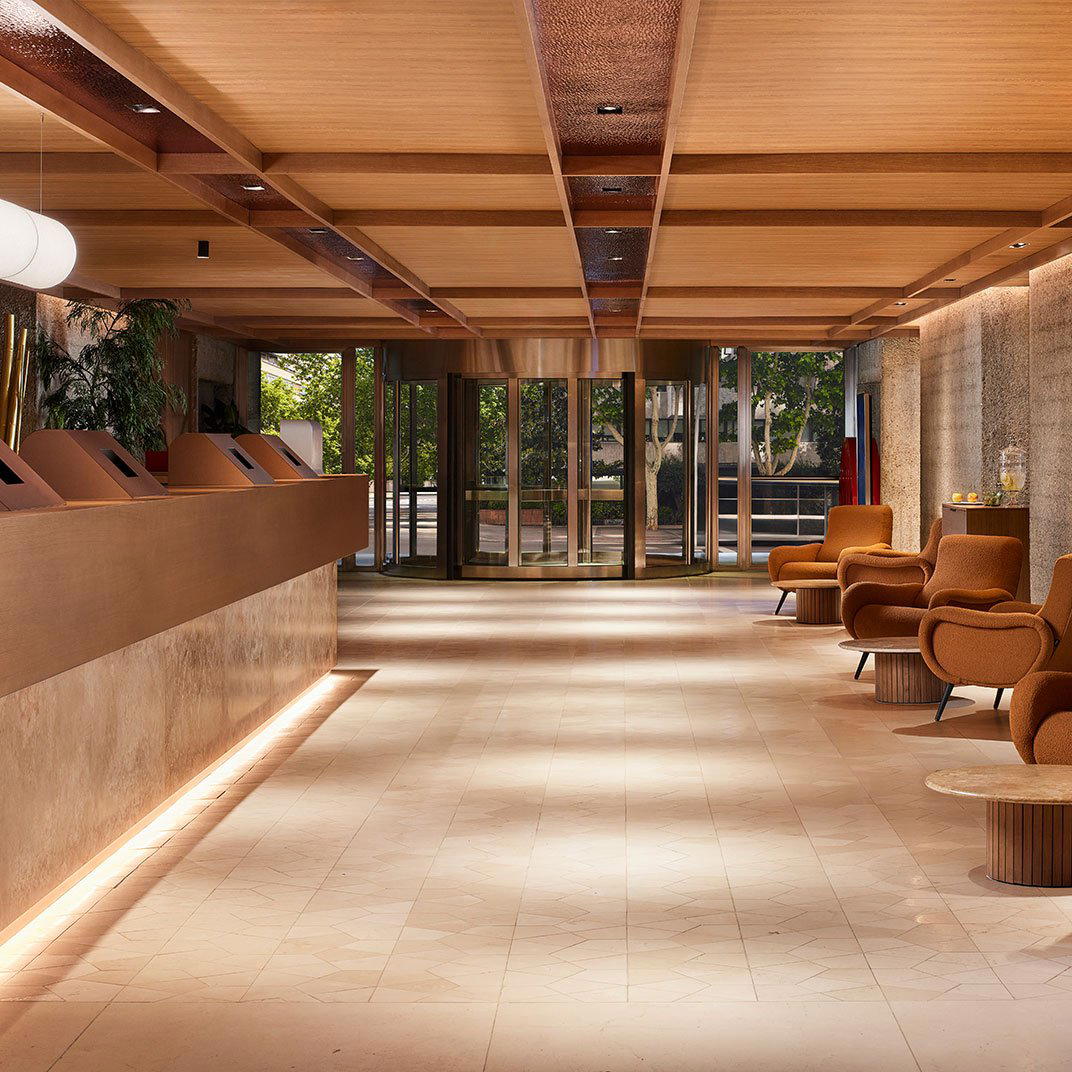
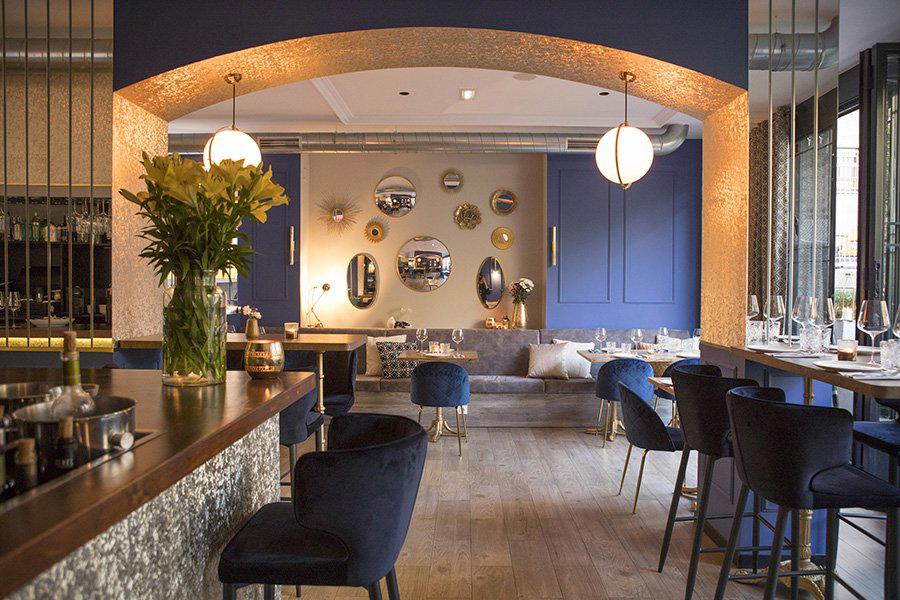
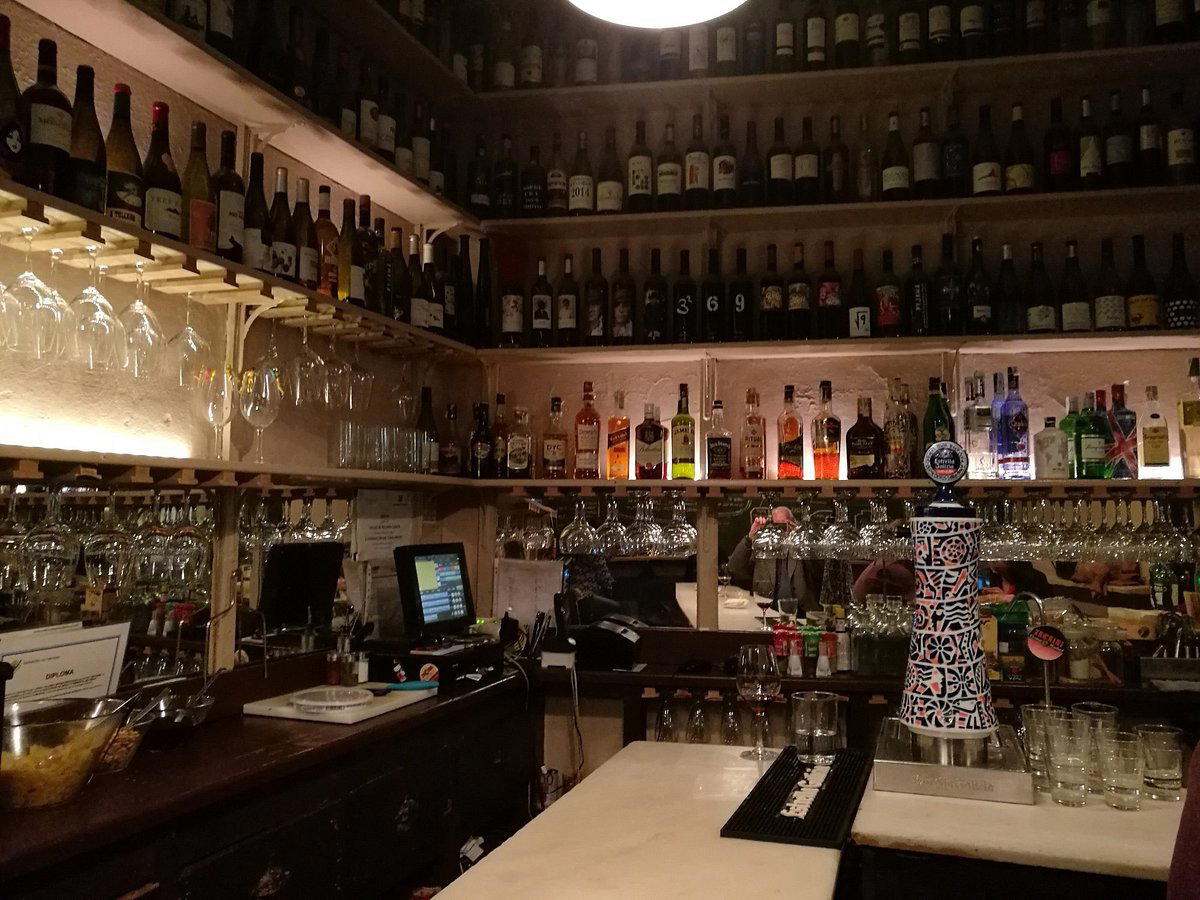
Pleasant rustically inspired dining rooms with nature-inspired decor, serene and tranquil atmosphere surrounded by countryside.