F&D Cantina
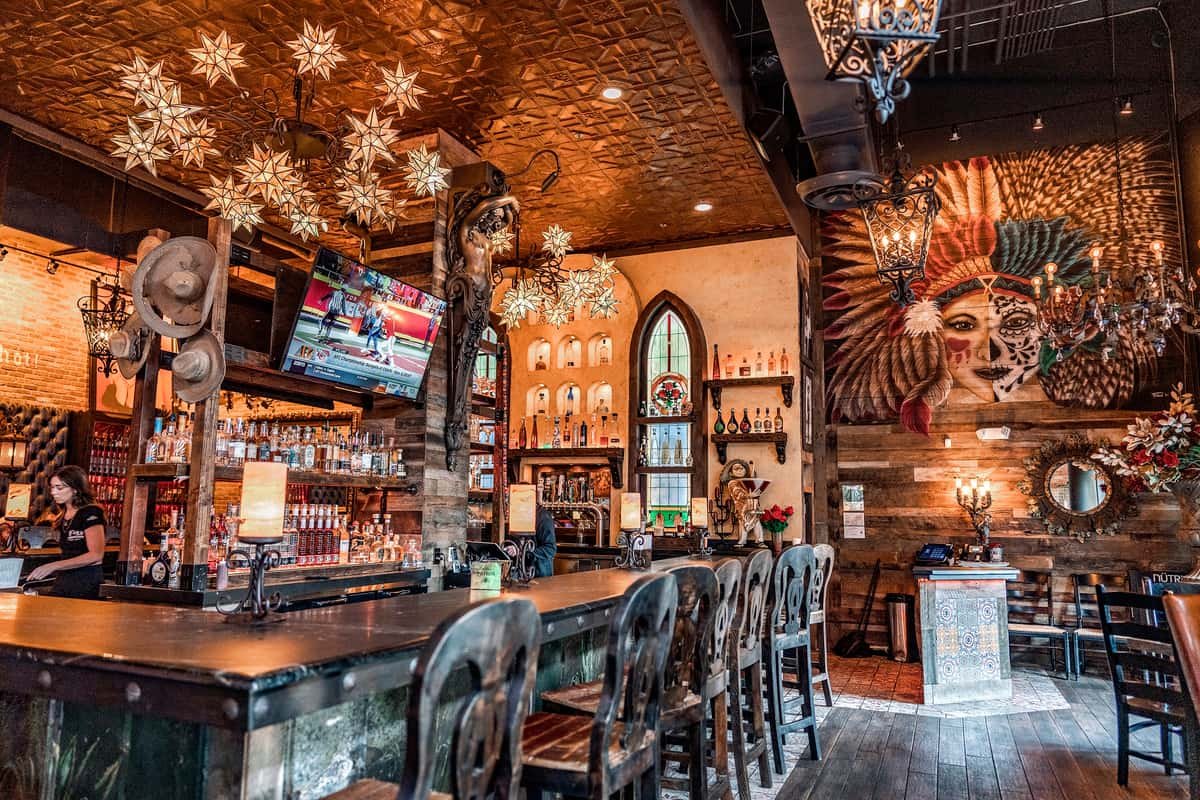
F&D Cantina sits on East Central Boulevard in downtown Orlando, positioning itself as an approachable cantina-format option in a corridor that otherwise skews toward bars and quick-service spots. The venue occupies a different tier from Orlando's higher-end dining addresses, offering a lower-stakes entry point into the city's central neighborhood dining scene.
 Discover on Pearl
Pearl is the En Primeur Club membership app — saves, bookings, and concierge access live there. Same editors, same standards.
- Address
- 617 E Central Blvd, Orlando, FL 32801
- Phone
- +14078076488
- Website
- fdcantina.com
East Central Boulevard and the Question of Casual Orlando
Downtown Orlando's dining corridor along East Central Boulevard occupies an interesting position in the city's food geography. F&D Cantina is a Mexican cantina at 617 E Central Blvd in Orlando, with a 4.7 Google rating and an average price of about $30 per person. It sits between the theme-park dining complex to the south, which operates at a different scale and price logic entirely, and the upscale Thornton Park and Mills 50 neighborhoods to the east, where venues like Sorekara and Kadence have established Orlando's case for serious Japanese dining. The stretch of Central closer to downtown has historically catered to the after-work and weekend crowd rather than the destination diner, which shapes what you find there and how you should approach it.
F&D Cantina, at 617 E Central Blvd, sits in that middle register. The address puts it within walking distance of the downtown core, in a part of the city where the dining calculus is less about destination credentials and more about neighborhood fit. Understanding where F&D sits relative to Orlando's broader dining tiers helps set appropriate expectations before you walk in.
How F&D Fits Orlando's Dining Tiers
Orlando's restaurant scene has split into increasingly distinct brackets over the past decade. At the leading end, a cluster of venues competes for serious dining attention: Capa at the Four Seasons handles steakhouse dining at the highest local price point, while Camille has pushed Vietnamese cooking into fine-dining territory. Below that tier, a wider band of neighborhood-oriented spots serves the city's residents rather than its visitors.
The cantina format itself signals intent. Across American cities, the cantina designation has come to mean something specific: accessible pricing, a menu that covers multiple occasions (lunch, casual dinner, late drinks), and a room designed for noise and movement rather than quiet conversation. That format suits a downtown location on a busy corridor far better than a tasting-menu approach would. It also means the competitive comparison isn't with Natsu or the city's higher-end Japanese counters, but with the broader pool of neighborhood spots that serve Central Boulevard's daily foot traffic.
For visitors accustomed to planning around reservation difficulty at venues like Le Bernardin in New York City, The French Laundry in Napa, or Smyth in Chicago, F&D operates in a different planning context entirely. The lead time required, the booking behavior, and the appropriate degree of planning are all calibrated to a neighborhood venue rather than a destination restaurant.
The Booking Experience: What to Know
The editorial angle most relevant to F&D Cantina is the planning question: how hard is it to get in, and how much advance work does the venue warrant?
Contrast this with the other end of the spectrum. Venues like Atomix in New York City, Single Thread Farm in Healdsburg, or Blue Hill at Stone Barns in Tarrytown require weeks or months of lead time and specific booking windows. Addison in San Diego, Providence in Los Angeles, and The Inn at Little Washington operate similarly. Those venues reward early planning; missing the booking window has real consequences. F&D does not sit in that category.
For a cantina-format venue in downtown Orlando, the practical booking questions are simpler: walk-in availability on weeknights, whether weekends require a same-week reservation rather than a months-out booking, and whether the room accommodates groups without complex coordination.
Ordering and Cuisine Context
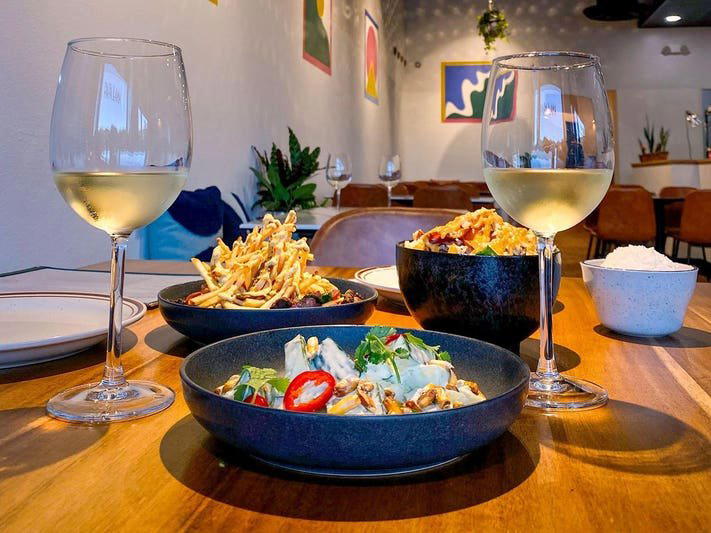
The cantina format has a clear menu logic. Across American cities, cantina-style venues have converged on a particular range: shared plates or small formats, a drinks program weighted toward casual cocktails or beer, and a menu that rewards ordering multiple items rather than a single main. That structure suits a downtown drinking-and-eating crowd and allows the kitchen to move volume across a long service window.
What the format suggests is that the ordering strategy matters as much as individual item selection. In cantina formats generally, ordering conservatively and adding rounds as needed outperforms a single large order placed at the start of the meal, both for quality and for matching the room's pace. The price point is accessible relative to Orlando's upper dining bracket.
The wider Orlando dining scene shows a city that has developed genuine range across price tiers. F&D occupies the approachable end of that range, which gives downtown visitors and locals alike a lower-stakes option on a corridor that otherwise skews toward bars and quick-service formats. Internationally, the same casual-format positioning can be seen at venues like Emeril's in New Orleans, where format and neighborhood fit shape the experience as much as the menu does, and even at the far end of ambition like Atelier Moessmer Norbert Niederkofler in Brunico, the contrast illustrates how format is a deliberate choice rather than a limitation. Equally, Lazy Bear in San Francisco demonstrates how communal formats can sit at the fine-dining tier, which underscores that the cantina approach at F&D is a positioning choice suited to its street and customer base.
Know Before You Go
Address: 617 E Central Blvd, Orlando, FL 32801
Neighbourhood context: Downtown Orlando, on the Central Boulevard corridor between the downtown core and Thornton Park. On-street and garage parking available nearby; the area is walkable from several downtown hotels.
For weekend visits, contacting the venue in advance is advisable. Weeknight visits to cantina-format venues in this part of downtown typically allow for more flexibility.
Peak periods: Downtown Orlando sees refined foot traffic during major school holiday windows (late December, spring break in March, summer weekends). Plan service expectations accordingly during those windows.
Price context: Confirmed pricing is not available in current data. The cantina format and downtown address position F&D below Orlando's upper dining tier on price; verify current pricing directly with the venue.
A Tight Comparison
Comparable venues nearby, for context on price, style, and recognition.
| Venue | Cuisine | Price | Notes |
|---|---|---|---|
| F&D CantinaThis venue — the venue you are viewing | Thornton Park, Mexican Cantina | $$ | |
| Wall Street Cantina | Downtown Orlando, Casual Mexican Cantina | $$ | |
| Reyes Mezcaleria | North Quarter, Modern Regional Mexican | $$$ | |
| El Patron Restaurante Mexicano | $$ | Lake Buena Vista, Traditional Mexican with Artisan Tacos | |
| Cantina Catrina Orlando | $$ | The Florida Mall area, Traditional Mexican Scratch Kitchen | |
| Kavas Tacos + Tequila | $$ | International Drive, Tex-Mex Tacos + Tequila |
At a Glance
- Casual
- Cozy
- Rustic
- Casual Hangout
- Group Dining
- Date Night
- After Work
- Standalone
- Craft Cocktails
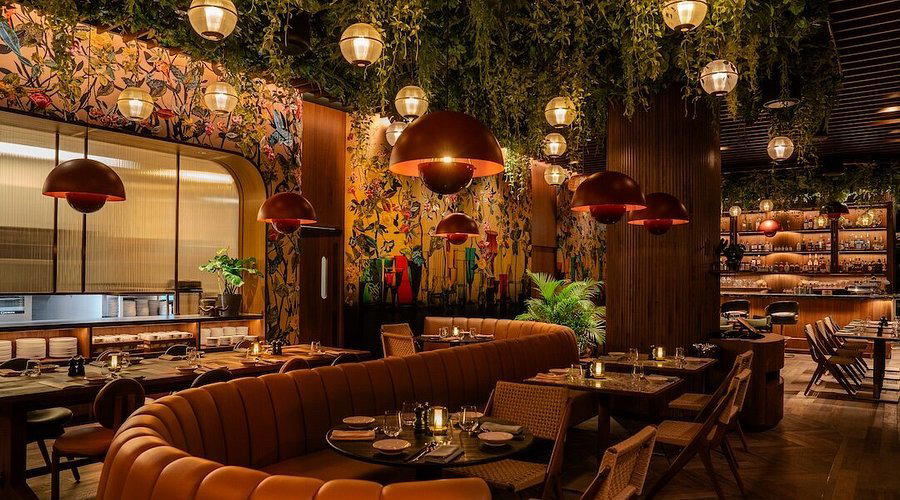
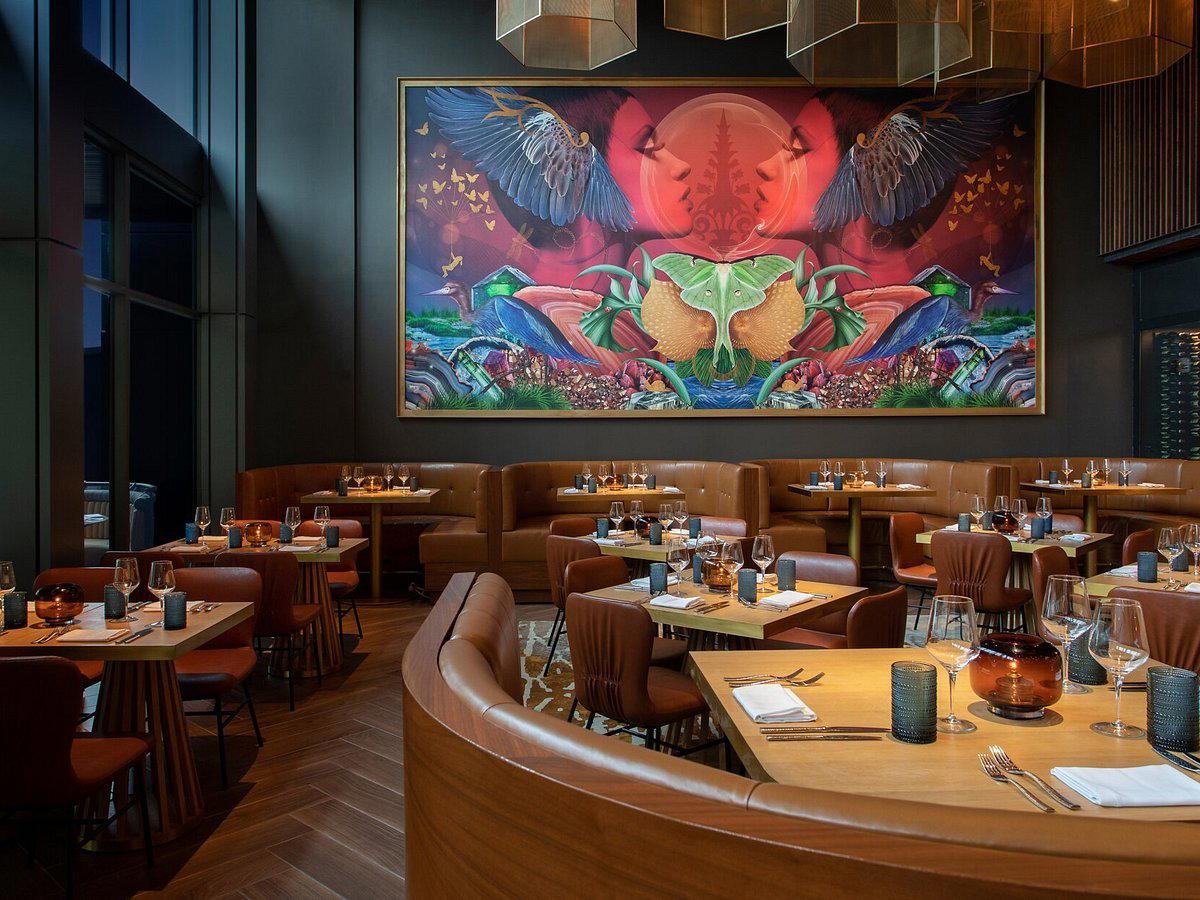
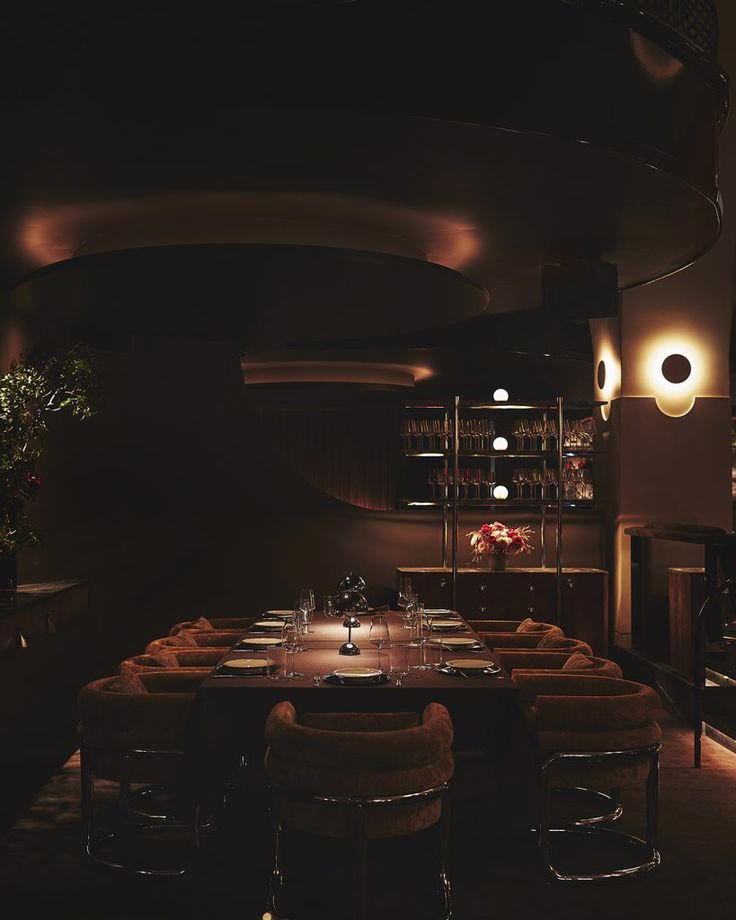
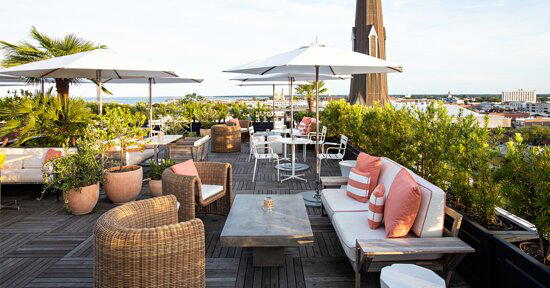
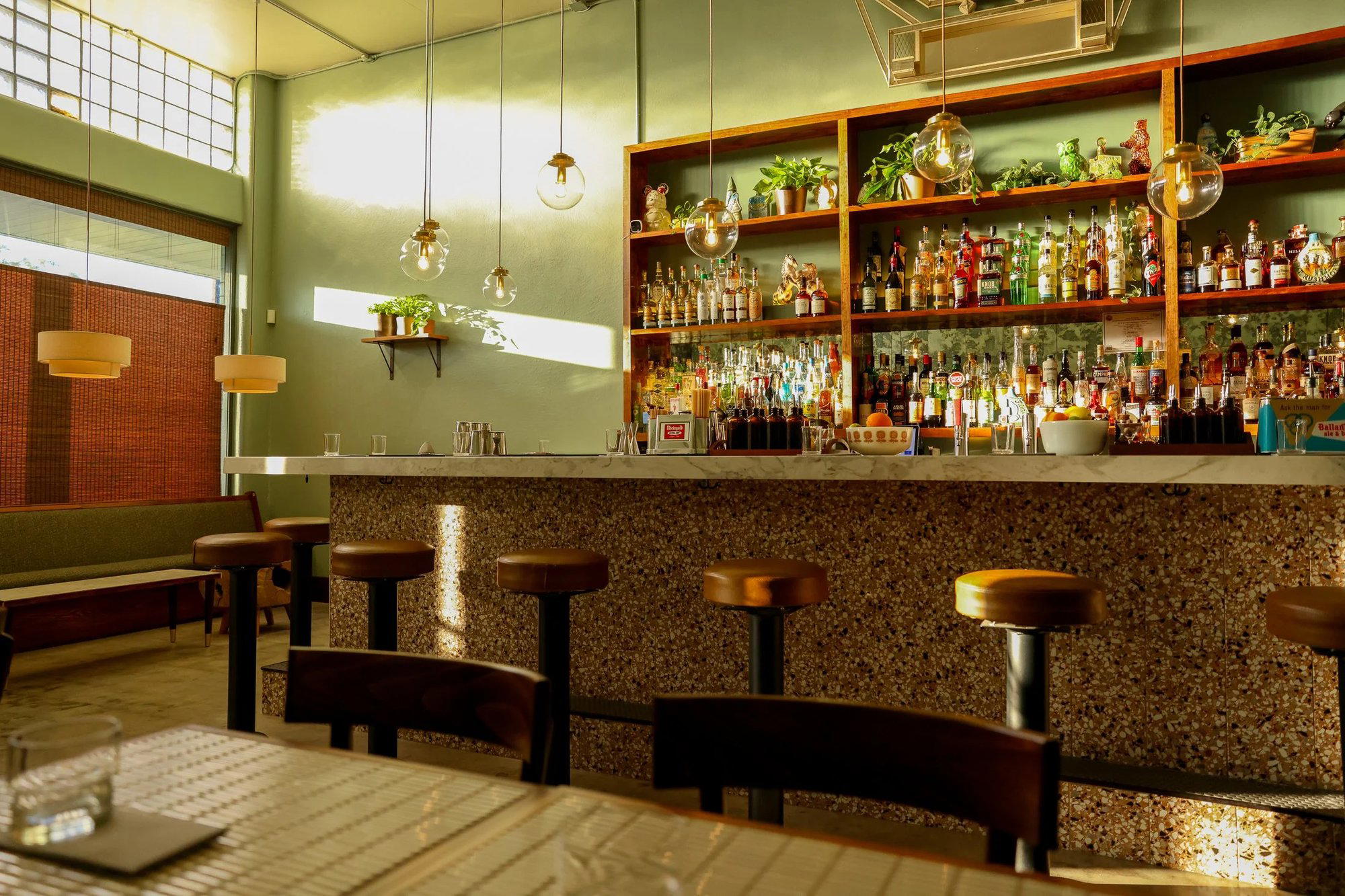
Warm brick walls with a dark, intimate atmosphere even during afternoon hours; casual and inviting with a neighborhood feel.