Fava Tonka

We're Smart World 4 Radishes
Our verdict
Fava Tonka in Leça da Palmeira holds 4 Radishes recognition for its plant-based cooking built on organic, seasonal produce sourced from the surrounding region. Chef Nuno Castro's menu spans vegetarian and vegan recipes designed with as much attention to visual composition as to flavour. In a town better known for its seafood heritage, Fava Tonka occupies a distinct and deliberate niche.

Pearl is the En Primeur Club membership app — saves, bookings, and concierge access live there. Same editors, same standards.
- Address
- R. Santa Catarina 100, 4450-635 Leça da Palmeira, Portugal
- Phone
- +351 915 343 494
- Hours
- Mon–Tue ClosedWed–Thu 7–11 PMFri–Sat 12:30–3 PM, 7:30–11 PMSun 12:30–4 PM
- Website
- mymenuweb.com
- Directions
- Get directions
- Booking
- Book on TheFork
The menu
What to order
- Crispy onion rice with broccolini
- Aubergine dumplings
- Oven rice
Where the Produce Leads
Leça da Palmeira sits just north of Porto along the Atlantic coast, a town whose restaurant reputation has long been shaped by the sea. Grilled fish, shellfish pulled that morning, the salt-heavy simplicity of a good caldeirada — these are the rhythms that most kitchens here follow. Against that backdrop, a plant-based kitchen earning serious recognition is a meaningful signal, not just about one restaurant but about how the regional dining conversation is widening.
Fava Tonka operates on Rua Santa Catarina 100, a short address in a town where the waterfront tends to dominate culinary attention. The kitchen's governing logic is sourcing: organic produce from the surrounding region, selected seasonally and treated as the meal's architecture rather than its backdrop. That kind of discipline is common in certain European capitals and has long been central to restaurants like Belcanto in Lisbon, but at a neighbourhood level in northern Portugal, it remains less expected. The 4 Radishes recognition Fava Tonka has earned reflects how seriously that sourcing commitment translates at the plate.
The Logic of Seasonal Organic Sourcing in Northern Portugal
Portugal's northern interior and the Douro valley's agricultural hinterland produce a wide variety of vegetables, legumes, and herbs across a growing season that extends well into autumn. The Minho region to the north has long supplied markets with greens, root vegetables, and dried beans that form the structural base of much of the traditional cooking in this part of the country. What changes when a kitchen like Fava Tonka engages that supply chain directly — sourcing organic, tracking seasonal availability, building menus around what arrives rather than what's listed, is the texture of the cooking itself. Dishes shift and contract with the season rather than staying static.
This approach produces a kind of editorial pressure on the kitchen. Seasonal organic sourcing means the menu cannot rely on year-round standbys; each dish has to justify itself within the constraints of what the land is currently offering. The result, in kitchens that execute this well, tends to be cooking that reads with more coherence than menus built from a fixed list of imported ingredients. At Fava Tonka, Chef Nuno Castro's framing is resolutely regional and seasonal, and the recognition the kitchen has received suggests that coherence shows up clearly in the finished plates.
For comparison within the immediate area, SEIVA operates in a similar vegetarian register at the €€ tier, while Casa de Chá da Boa Nova represents the high-end seafood tradition at €€€€ that defines much of Leça da Palmeira's fine dining reputation. Fava Tonka occupies a different lane from both. The broader Leça da Palmeira restaurant scene is worth mapping before any visit, since the town now supports a range of formats from neighbourhood bistro to destination-level dining.
Composition as Intent
The awards language around Fava Tonka makes one point repeatedly: the cooking is thought through visually as well as in terms of flavour. That is not a minor note. Colour, texture contrast, the geometry of plating, these become the language through which a vegetable-led dish communicates before anyone tastes it.
Kitchens that work at this level in the plant-based space tend to draw on influences from Japanese vegetarian traditions, from Nordic natural cooking, and increasingly from a younger generation of European chefs who trained in classical kitchens and then applied that technical background to non-meat ingredients. The result is a category of restaurant that doesn't position itself as an alternative to meat-based dining but as a parallel track with its own rigour. Fava Tonka's 4 Radishes recognition places it in that category, not as a novelty within the local scene but as a kitchen whose standards hold up against the broader measure.
Portuguese fine dining has several strong reference points nationally: Antiqvvm in Porto, Vila Joya in Albufeira, Ocean in Porches, and The Yeatman in Vila Nova de Gaia across the river from Porto all sit at the upper end of the national conversation. None of them operates in the plant-based register that Fava Tonka has committed to, which makes the recognition here a distinct data point rather than a variation on a familiar theme. Other high-recognition Portuguese kitchens worth noting for context include Il Gallo d'Oro in Funchal, Ó Balcão in Santarém, and A Cozinha in Guimaraes.
Planning a Visit
Fava Tonka is located at Rua Santa Catarina 100 in Leça da Palmeira, accessible from Porto by metro or taxi in under thirty minutes. The kitchen's seasonal organic format means the menu shifts with availability, so it is worth arriving without fixed expectations about specific dishes. No phone number or booking link is in current circulation through EP Club's records; the most reliable approach is checking the restaurant's current booking channels directly. Leça da Palmeira is a compact town, and the address on Rua Santa Catarina sits within easy walking distance of the seafront. For anyone planning a wider stay, the Leça da Palmeira hotels guide covers local accommodation options, and the bars guide maps the evening drinking scene. The experiences guide and wineries guide round out the picture for anyone spending more than a single meal in the area.
A comparison for scale: in a city like New York, plant-based fine dining now occupies a clearly defined tier with national recognition attached. At Le Bernardin in New York City, sourcing discipline underpins a seafood kitchen at the highest recognition level, the logic that provenance matters is the same even if the ingredients differ entirely. At Emeril's in New Orleans, regional produce has long been framed as a statement of identity. Fava Tonka is operating in that same mode, at a scale appropriate to its town, with recognition that reflects how clearly the intent comes through.
For those planning a meal in the wider northern Portugal area, Cibû offers a Regional European menu at the €€ tier and makes a practical pairing for a multi-meal day in Leça da Palmeira.
Frequently asked questions
Is Fava Tonka good for families?
Fava Tonka's entirely plant-based menu, built on organic seasonal ingredients, translates well to varied dietary needs across generations. The kitchen's focus on visual composition and considered flavour means dishes read clearly rather than as challenging or niche. Families with vegetarian or vegan members will find it particularly well-suited, though the thoughtful plating suggests a relaxed rather than casual-dining atmosphere.
How would you describe the vibe at Fava Tonka?
The cooking at Fava Tonka earns 4 Radishes precisely because nothing here feels accidental — each dish is composed with both taste and visual intent in mind, which sets the tone for the room. This is not a stripped-back health-food counter; it is a considered restaurant where organic, regional produce from northern Portugal is treated as serious culinary material. Expect attentive without being formal, purpose-driven without being austere.
Has Fava Tonka won any awards?
Fava Tonka has received recognition including: Fancy a plant-based meal? Then Fava Tonka is definitely a discovery to try out. Chef Nuno Castro chooses resolutely for organic seasonal products from the region and brings both vegetarian and vegan recipes. Some recipes are exceptionally b….
What should I order at Fava Tonka?
Chef Nuno Castro works with organic seasonal produce sourced from the region, so the menu shifts with what is available from Portugal's northern interior and its agricultural hinterland. The 4 Radish recognition singles out the visual and flavour construction of individual dishes, which points toward tasting-format ordering rather than à la carte picking. Ask the kitchen what is in season at the time of your visit rather than targeting specific dishes by name.
Where exactly is Fava Tonka?
Fava Tonka is located at R. Santa Catarina 100, 4450-635 Leça da Palmeira, Portugal, Leça da Palmeira.
How It Stacks Up
Comparable venues nearby, for context on price, style, and recognition.
| Venue | Cuisine | Price | Awards | Notes |
|---|---|---|---|---|
| Fava TonkaThis venue — the venue you are viewing | Modern Vegetarian | $50–100 | We're Smart World 4 Radishes | Not listed |
| Cibû | Modern Portuguese | $30–50 | Michelin Plate | Leça da Palmeira |
| SEIVA | Modern Vegan Portuguese | $50–100 | Michelin Plate · We're Smart World 4 Radishes | Leça da Palmeira |
| Casa de Chá da Boa Nova | Modern Portuguese Seafood | $50–100 | 2 Michelin Stars · La Liste Top Restaurants | Leça da Palmeira |
| Marisqueira de Matosinhos | Portuguese Seafood | $50–100 | Not listed | Matosinhos |
| Fuji Sushi Experience | Azorean Japanese Sushi | $50–100 | Not listed | Ponta Delgada |
Recognition history
Dated appearances from independent guides and award organizations, with the underlying list record or original source where available.
We're Smart World 4 Radishes
We're Smart World
Continue exploring
More in Leça da Palmeira
Restaurants in Leça da Palmeira
Browse all →
Bars in Leça da Palmeira
Browse all →
Hotels in Leça da Palmeira
Browse all →
Fava Tonka
The wine
- Wine program
- Curated wine list
- Craft cocktails
Details
- Cozy
- Modern
- Elegant
- Rustic
- Intimate
- Date Night
- Special Occasion
- Open Kitchen
- Craft Cocktails
- Farm To Table
- Organic
- Local Sourcing
- A La Carte
- Tasting Menu
- Small Plates
- Sangria
- Vegetarian Friendly
- Vegan Options
- Gluten Free Options
Current opening hours
- Monday
- Closed
- Tuesday
- Closed
- Wednesday
- 7–11 PM
- Thursday
- 7–11 PM
- Friday
- 12:30–3 PM, 7:30–11 PM
- Saturday
- 12:30–3 PM, 7:30–11 PM
- Sunday
- 12:30–4 PM
Hours can change for holidays and private events. Last verified .
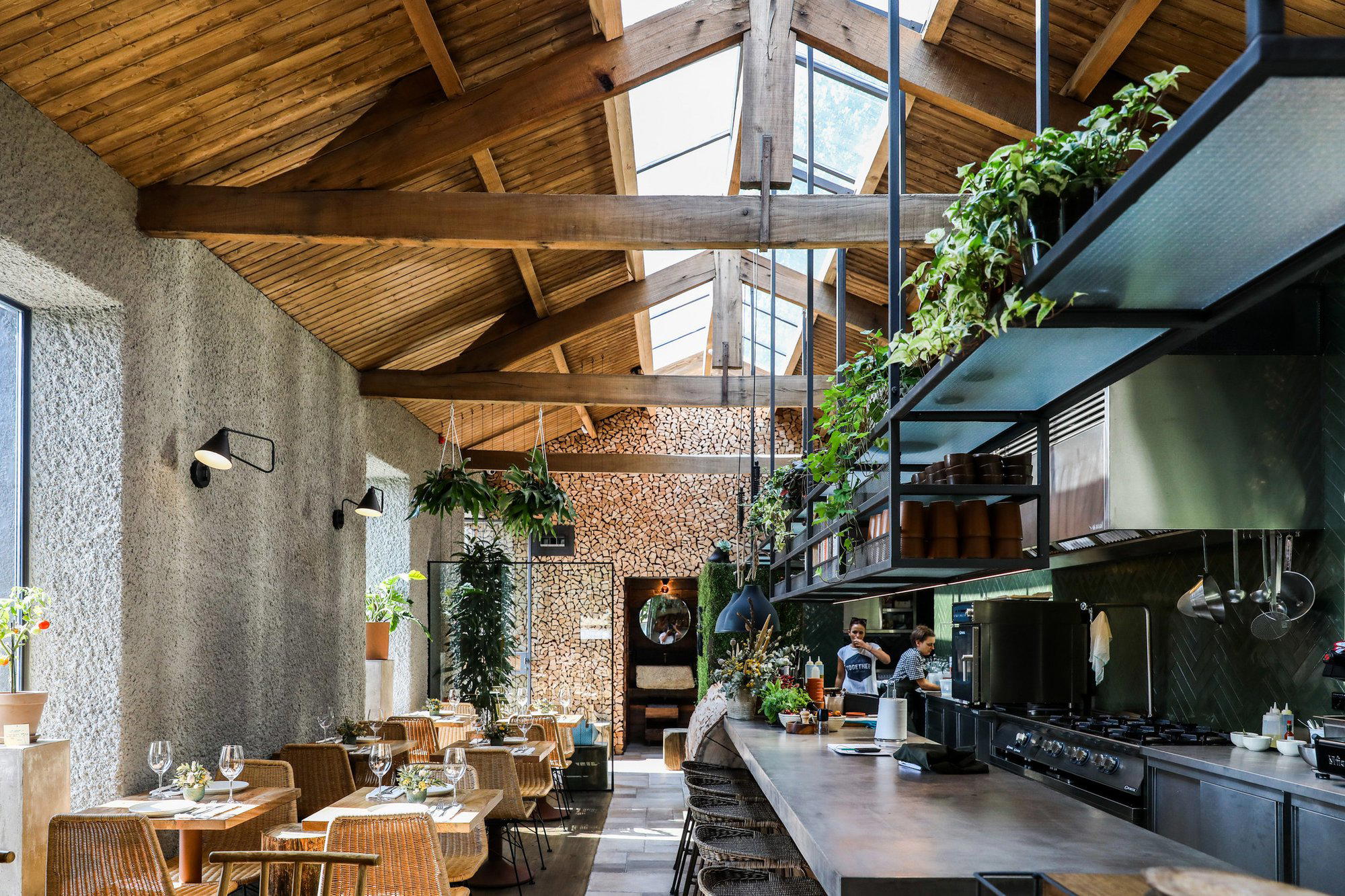
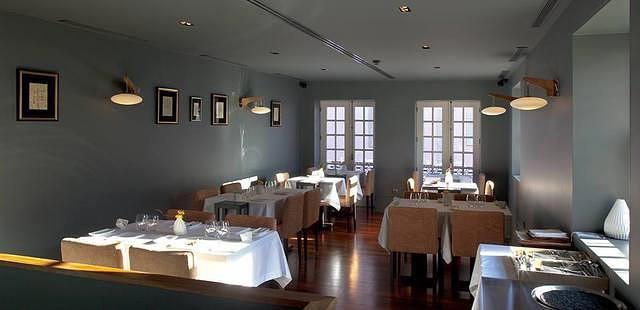
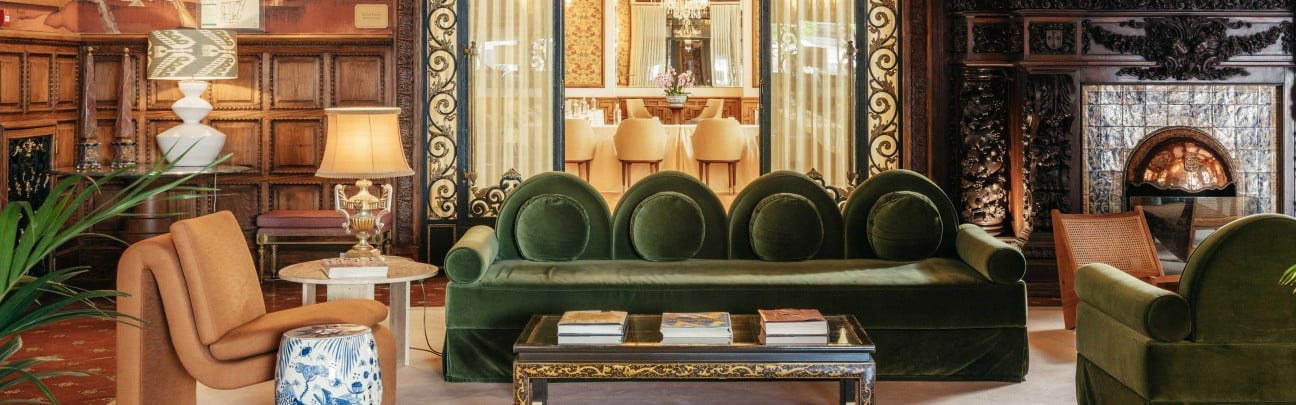
Beautiful and inviting interior with natural feel, wood, burnt cement, and marble, filled with natural light, cozy, and harmonious atmosphere praised for its charm and relaxation.