Fuji Sushi Experience
Our verdict
Fuji Sushi Experience brings Japanese sushi tradition to the mid-Atlantic, operating from Rua Padre João Batista de Valles in Ponta Delgada, São Miguel. On an island defined by volcanic terrain and Atlantic seafood abundance, the format positions itself at an intersection where Azorean ingredients meet a cuisine built on precision and restraint. For visitors exploring the Açores dining scene, it offers a different register from the archipelago's Portuguese-led options.

Pearl is the En Primeur Club membership app, where members save venues, book tables and use the concierge.
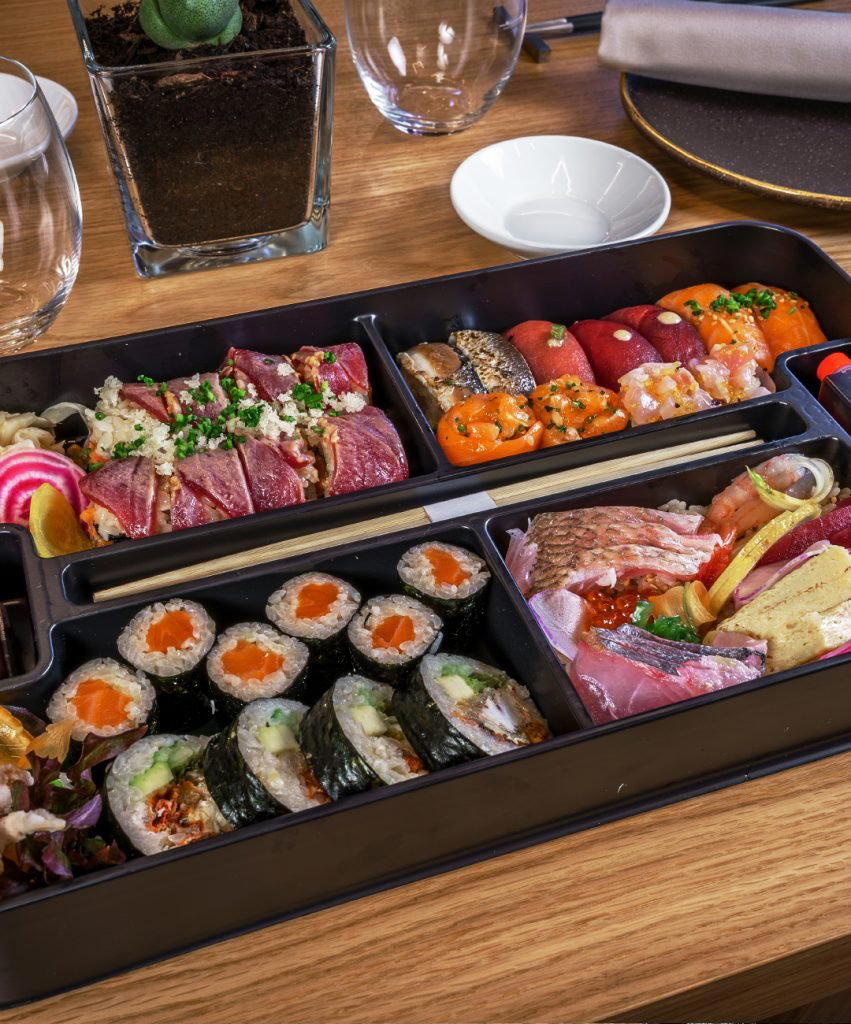
Japanese Precision on a Portuguese Island
Ponta Delgada's dining scene has long been anchored by the Atlantic larder it sits on top of: local tuna, limpets, caldo de peixe, the kind of seafood that moves from water to table with minimal ceremony. Against that backdrop, Japanese sushi represents a deliberate counterpoint. Where Azorean cooking tends toward directness and broth, sushi is a cuisine of calibration, knife angle, rice temperature, the exact pressure of a hand roll. Fuji Sushi Experience, operating from Rua Padre João Batista de Valles in central Ponta Delgada, occupies that counterpoint position in a city where Japanese dining options remain thin on the ground.
The cultural logic, though, is less contradictory than it first appears. Japan and the Açores share a structural relationship with the ocean that goes beyond geography. Both food traditions treat raw fish as a primary register rather than a curiosity, and both are shaped by island economies that developed distinct preservation and preparation techniques out of necessity. When sushi arrives in the Açores, it lands in a place that already understands the intelligence of working around a single, high-quality protein source.
The Azorean Ingredient Argument
For sushi specifically, the Açores presents an argument that few Atlantic locations can make as convincingly. São Miguel sits in waters that produce yellowfin tuna of genuine quality, and the island's fishing industry operates at a scale that keeps supply both consistent and local. That matters in a cuisine where the distance between catch and counter is one of the few variables a kitchen can control absolutely. Japanese sushi restaurants in mainland European cities, including recognised addresses like Belcanto in Lisbon's neighbourhood, work with supply chains that span continents. An operation in Ponta Delgada, if it sources locally, compresses that chain considerably.
The broader Portuguese dining context is worth noting here. Portugal's Michelin-recognised table at Vila Joya in Albufeira, the coastal rigour of Casa de Chá da Boa Nova in Leça da Palmeira, and the wine-led precision of The Yeatman in Vila Nova de Gaia all operate within a national dining culture that has increasingly turned toward product-led cooking. Sushi, at its most disciplined, is product-led cooking taken to an extreme: the ingredient is the technique. That alignment between Japanese and contemporary Portuguese culinary values gives formats like Fuji Sushi Experience a cultural foothold that might not exist in a less seafood-oriented country.
Where It Sits in Ponta Delgada's Dining Mix
Ponta Delgada's restaurant scene covers a range of registers. Azorean Poke signals how Pacific-rim food concepts have started to read naturally against the island's tuna supply. O Giro and Restaurante Suki represent different points on the local dining spectrum, from traditional Azorean to Asian-inflected formats. Within that mix, a dedicated sushi operation holds a specific position: it is the format that most explicitly imports a complete culinary philosophy rather than adapting local ingredients to a loose international template. Sushi has rules. The rice vinegar ratio, the serving temperature, the sequence of cuts, these are codified to a degree that most fusion-adjacent formats are not.
That specificity tends to attract a visitor demographic with prior experience of the format, which means expectations arrive calibrated against counters in Lisbon, Tokyo, or London. For reference points in the wider Portuguese context, addresses such as Ocean in Porches, Antiqvvm in Porto, and Il Gallo d'Oro in Funchal demonstrate the range of serious dining available across Portugal's Atlantic territories and mainland. Fuji Sushi Experience operates in a different category from those fine-dining institutions, but it answers a distinct question: where does a visitor to São Miguel go when they want Japanese precision rather than Portuguese tradition?
Planning Your Visit
Fuji Sushi Experience is located at Rua Padre João Batista de Valles nº2 in central Ponta Delgada, within reach of the city's main pedestrian and waterfront areas. The address places it in a part of the city that collects a range of dining options, making it a logical stop within an evening that might begin or end elsewhere along the same stretch. Visitors arriving during peak summer season, when São Miguel's tourism volume is at its highest, should account for higher demand across Ponta Delgada's smaller dining operations. The island draws a mix of Portuguese mainland visitors and an increasing international contingent, particularly from the UK and US markets, and Japanese-format dining tends to do well with exactly that demographic. For a broader orientation to what the city offers across cuisine types and price points, the full Ponta Delgada restaurants guide covers the range systematically.
Other Portuguese dining contexts worth holding in mind for trip planning: Fortaleza do Guincho in Cascais, Ó Balcão in Santarém, Al Sud in Lagos, Gusto by Heinz Beck in Almancil, and Palatial in Braga collectively illustrate how varied Portugal's dining offer has become. For international sushi benchmarks, the craft-driven approach at Le Bernardin in New York City and the format discipline of Lazy Bear in San Francisco offer useful reference points for what precision-led tasting formats can achieve at their ceiling.
Frequently asked questions
Where is Fuji Sushi Experience in Ponta Delgada?
Fuji Sushi Experience is located at Rua Padre João Batista de Valles nº2, 9500-791 Ponta Delgada, São Miguel - Açores, 9500-792 Ponta Delgada, Ponta Delgada.
Is Fuji Sushi Experience the only Japanese restaurant in Ponta Delgada?
Japanese dining formats are not yet common in Ponta Delgada, and Fuji Sushi Experience occupies a clear gap in the city's restaurant scene. While Azorean poke concepts have begun appearing on São Miguel, a dedicated sushi operation at a fixed address, Rua Padre João Batista de Valles nº2 in central Ponta Delgada, represents a more specific commitment to Japanese fish-counter cuisine. Visitors looking for that format in the Açores have few direct alternatives in the city.
What should I eat at Fuji Sushi Experience?
The strongest argument for visiting a sushi counter in the Açores is access to local Atlantic fish, particularly tuna, sourced from waters surrounding São Miguel. Azorean tuna is caught in the open Atlantic and represents one of the more credible arguments for Japanese-format seafood preparation outside Japan. Order fish-forward preparations rather than cooked additions to get the clearest read on what the Azorean waters bring to the counter.
How far ahead should I plan for Fuji Sushi Experience?
Ponta Delgada's restaurant capacity tightens considerably between June and September, when São Miguel absorbs the bulk of its annual visitor numbers. Japanese dining formats remain rare in the city, which means Fuji Sushi Experience addresses a specific niche with limited direct competition, and limited seats to match. Booking ahead is advisable for peak-season visits; check the venue's official channels via their Rua Padre João Batista de Valles location for availability.
What's the standout thing about Fuji Sushi Experience?
In Ponta Delgada, a city whose dining identity is built almost entirely around Azorean and Portuguese traditions, a sushi-format restaurant represents a genuine departure. The venue sits at the intersection of Japanese fish-handling discipline and an Atlantic larder that few comparable locations in Europe can access at the same proximity. That combination, cuisine built around fish precision, applied to Azorean-caught seafood, is the clearest reason to choose it over the city's broader dining options.
Price Lens
| Venue | Cuisine | Price |
|---|---|---|
| Fuji Sushi ExperienceThis venue (the venue you are viewing) | Azorean Japanese Sushi | $50–100 |
| Azorean Poke | Hawaiian Poke with Azorean Twist | $10–20 |
| O Giro | Modern Azorean | $30–50 |
| Restaurante Suki | Chinese & Japanese Fusion | $20–30 |
Continue exploring
More in Ponta Delgada
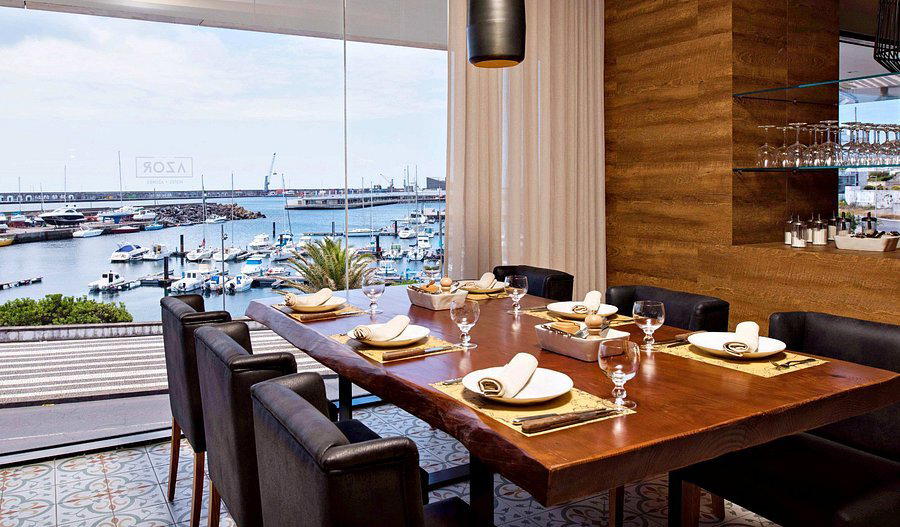
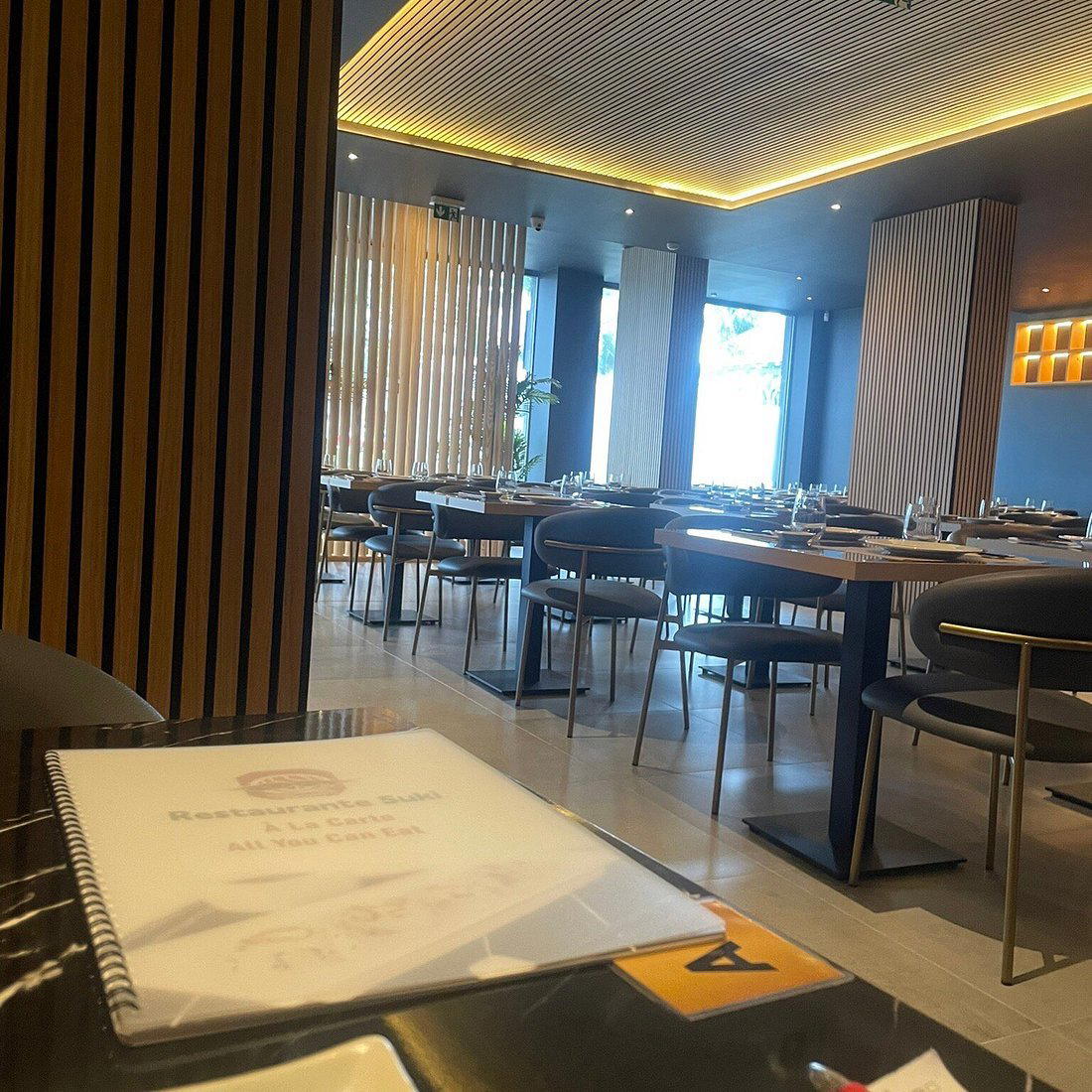
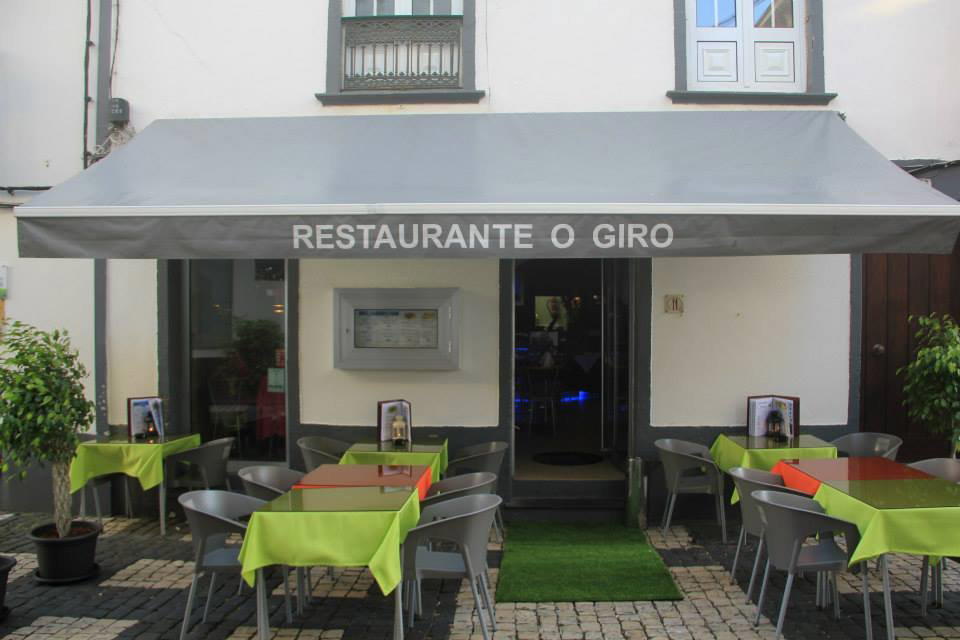
Details
- Intimate
- Elegant
- Minimalist
- Cozy
- Sophisticated
- Date Night
- Special Occasion
- Chefs Counter
- Sake Program
- Local Sourcing
- Tasting Menu
- A La Carte
- Omakase
- Sake Program
- Vegetarian Friendly
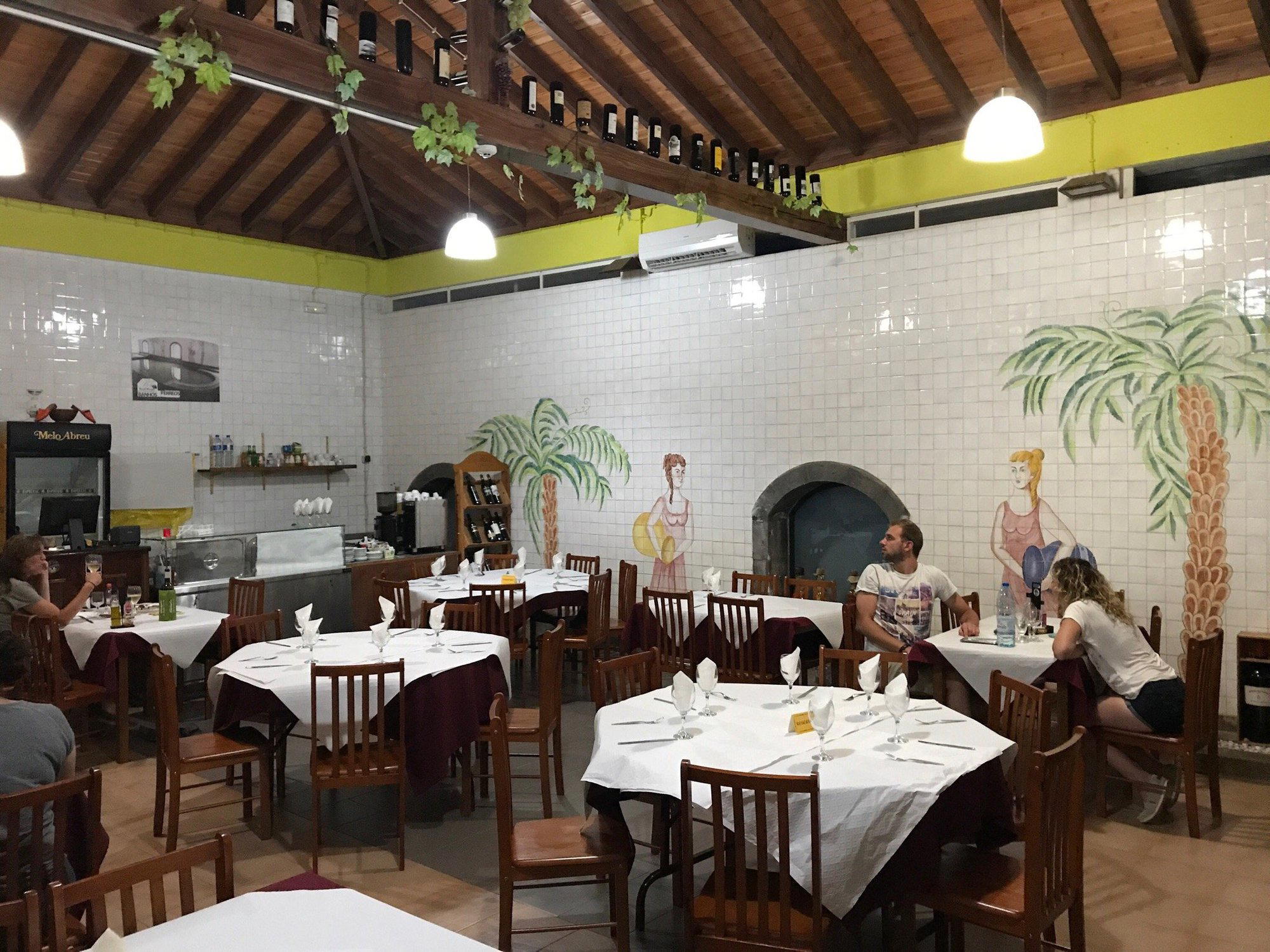
Cozy and intimate atmosphere with warm lighting, quiet ambiance, and precise Japanese-inspired design.