Mei Heong Yuen Dessert is a long-running Chinese dessert house in Singapore, known for traditional tang yuan, grass jelly, and chilled sweet soups that have made it a fixture of the city's old-school dessert circuit. It occupies the quieter, walk-in end of Singapore's dining spectrum, where heritage recipes and modest pricing draw both nostalgic locals and visitors tracing the city's Cantonese and Hokkien sweet traditions.
Pearl is the En Primeur Club membership app — saves, bookings, and concierge access live there. Same editors, same standards.
- Address
- Singapore, Singapore
- Website
- meiheongyuendessert.com.sg
- Directions
- Get directions
 Saves & bookings on Pearl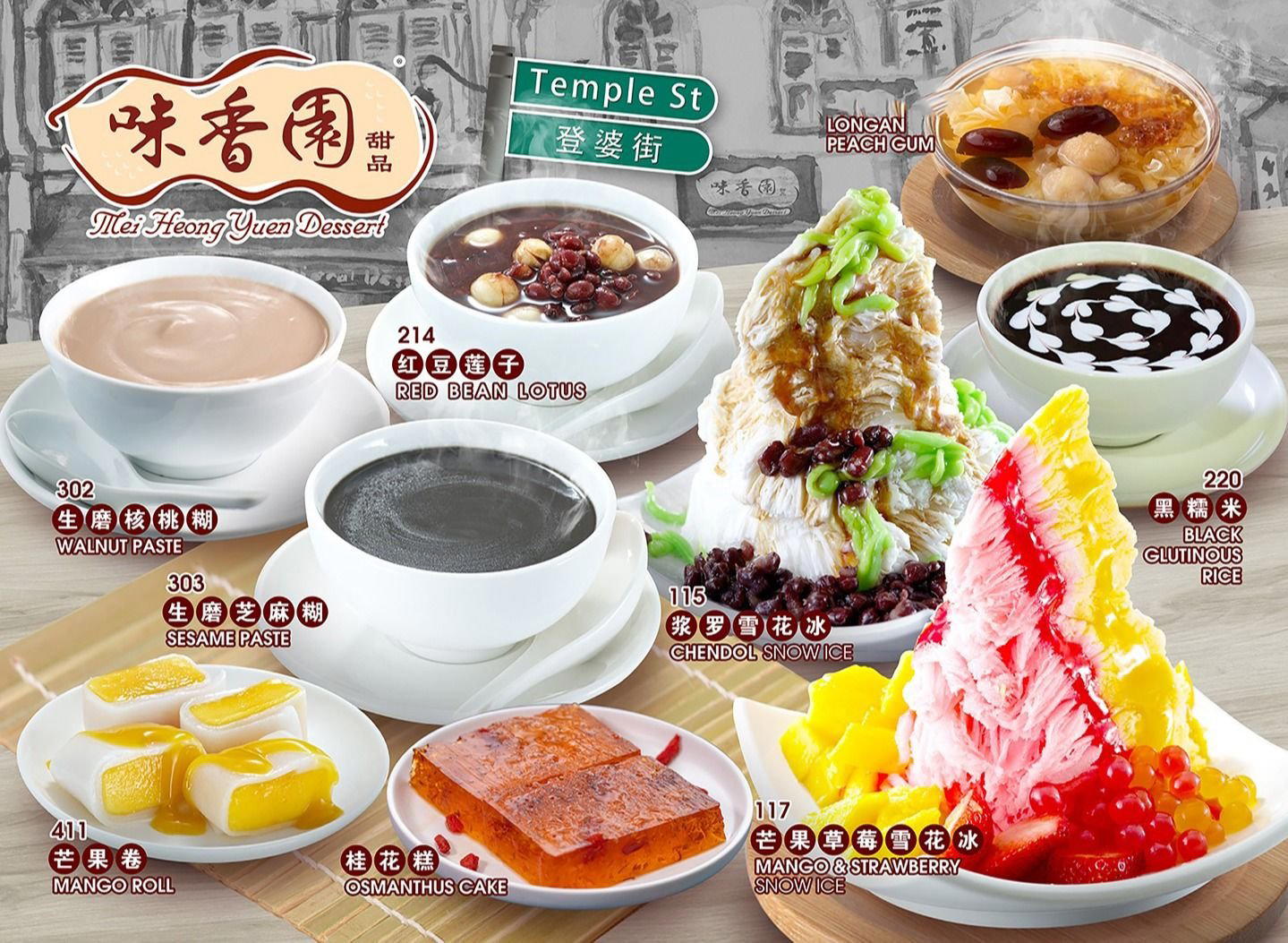
Where Singapore's Sweet Tooth Finds Its Footing
Mei Heong Yuen Dessert is a casual Singapore restaurant serving traditional Chinese desserts, with dishes typically priced at about US$4. In a city where the conversation about dining tends to drift toward tasting menus and Michelin stars, toward Odette, Zén, and Les Amis, the dessert houses of the old Chinatown and city centre districts represent a quieter, more durable tradition. These are places built not around occasion in the European sense, but around the rhythms of daily life: a bowl of chilled longan soup after a humid afternoon, tang yuan shared across three generations at a narrow table, grass jelly ladled over shaved ice with minimal ceremony. Mei Heong Yuen Dessert sits within this tradition, a name that has persisted in Singapore's dessert consciousness through decades of urban change.
The approach here belongs to a specific category of Chinese dessert house that Singapore has largely managed to preserve even as the broader food scene has become more internationally oriented. These shops specialise in tong sui, Cantonese sweet soups, alongside chilled preparations, glutinous rice desserts, and occasionally tau huay (silken tofu pudding). The format is counter-service or near to it, the prices are accessible, and the audience spans age groups in a way that few restaurant categories manage. For visitors accustomed to booking windows and tasting menus, this end of Singapore's food culture operates by different logic entirely.
The Occasion Is Smaller, and That Is the Point
Singapore's dining culture has a concept that Western food media tends to undervalue: the idea that a meaningful food experience does not require a special occasion, a reservation, or a dress code. The milestone meals at places like Jaan by Kirk Westaway or Meta serve one function; a bowl of tang yuan on a Tuesday afternoon serves another, and both are taken seriously. Mei Heong Yuen Dessert operates in that second register, where the occasion is more personal and more recurring: a childhood dessert revisited, a post-dinner ritual, a stop that fits between other commitments without needing to be planned days in advance.
This is not a dismissal of the place. It is a framing that makes it legible. In Chinese cultural practice, certain sweet preparations carry specific associations, tang yuan with reunion and celebration, for instance, given their role in festivals like the Winter Solstice and Lantern Festival. A dessert house that specialises in these preparations becomes, for many Singaporeans, part of how personal and family milestones are marked at a modest, everyday scale. The food itself is the occasion, rather than a backdrop to one.
The Dessert Circuit in Context
Singapore's heritage dessert category is relatively concentrated. The shops that have maintained consistent reputations tend to be multi-decade operations that either stayed in their original locations or moved within the same neighbourhood as rents shifted. The restaurant belongs to this cohort, drawing the kind of repeat custom that sustains a narrow, specialised menu over time. Its competitive set is not the contemporary dessert bars experimenting with liquid nitrogen and European pastry technique; it sits instead alongside other traditional tong sui houses and hawker-adjacent sweet shops where longevity is itself a form of credibility.
For context on where this fits in the broader Singapore dining picture, The dessert house segment occupies its own quiet tier, and the restaurant is among the names that surface consistently within it. Other parts of the city offer parallel experiences worth knowing about: Fu He Delights in Rochor and KTMW in Bedok represent different neighbourhood expressions of the same instinct toward affordable, heritage-rooted eating. Further afield, Asian Twist by 365 Food in Queenstown and Du Du Shou Shi in Jurong West show how the city's appetite for Chinese comfort food extends well beyond the central districts.
What to Expect at the Counter
The vocabulary of a traditional Chinese dessert house is worth knowing before you arrive. Tang yuan are glutinous rice balls, typically served in a warm sweet broth and available with various fillings, sesame paste and peanut are especially common. Grass jelly, known locally as cincau, arrives chilled and carries a mild, slightly bitter edge that balances well against the sweetness of condensed milk or syrup. Chilled sweet soups, often built around red bean, green bean, or barley, are served cold and function as both refreshment and dessert simultaneously in Singapore's climate. These are the building blocks of the restaurant's repertoire, and the menu stays close to these foundations rather than branching into more contemporary formats.
The dining environment is casual and functional. Tables turn over at pace during peak hours, the ordering process is direct, and the experience is shaped by the food rather than the room. This is consistent with how most serious heritage dessert houses in Singapore operate, including comparable spots across neighbourhoods such as Haidilao in Sembawang, which, while a different format entirely, illustrates how Chinese dining across the city tends to prioritise the eating itself over ambient theatrics. At the restaurant, the absence of ceremony is the point.
Planning Your Visit
The restaurant is walk-in friendly, and its casual format makes it easy to visit without advance planning. Walk-in is the standard format for most traditional dessert houses in Singapore, and Mei Heong Yuen is no exception to the general pattern: you arrive, you assess the queue if there is one, and you order at the counter or from a server at the table. Midday through the early afternoon and the post-dinner window tend to be the busiest periods, with late morning and mid-afternoon offering a calmer visit.
Singapore's dessert house category does not typically require advance planning on the booking side, which makes it a useful complement to the more structured end of the dining calendar. The restaurant fits naturally into the gaps as a mid-afternoon stop or a late-night sweet finish. The same logic applies if you are working through restaurants in adjacent neighbourhoods, whether that is Etna in Outram or 93 in Kallang.
Budget and Context
Comparable venues nearby, for context on price, style, and recognition.
| Venue | Cuisine | Price | Notes |
|---|---|---|---|
| Mei Heong Yuen DessertThis venue — the venue you are viewing | Chinatown, Traditional Chinese Desserts | $ | Not listed |
| Ah Tei Hainanese Chicken | Chinatown, Hainanese Chicken Rice | $ | Not listed |
| Fatty Cheong Roast Meat | ABC Brickworks, Singaporean Roast Meats | $ | Not listed |
| Hup Kee Fried Oyster Omelette | Not listed | $ | NEWTON CIRCUS, Singaporean Fried Oyster Omelette |
| 545 Whampoa Prawn Noodle | Not listed | $ | BALESTIER, Traditional Singapore Prawn Noodles |
| Kampong Chicken Eating House | Not listed | $ | TIONG BAHRU, Traditional Hainanese Kampong Chicken Rice |
Continue exploring
More in Singapore
Restaurants in Singapore
Browse all →
Bars in Singapore
Browse all →
At a Glance
- Classic
- Cozy
- Casual Hangout
- Family
- Standalone
Casual, nostalgic atmosphere in a traditional shophouse setting with a cozy, bustling feel from long queues and families enjoying hot and cold desserts.